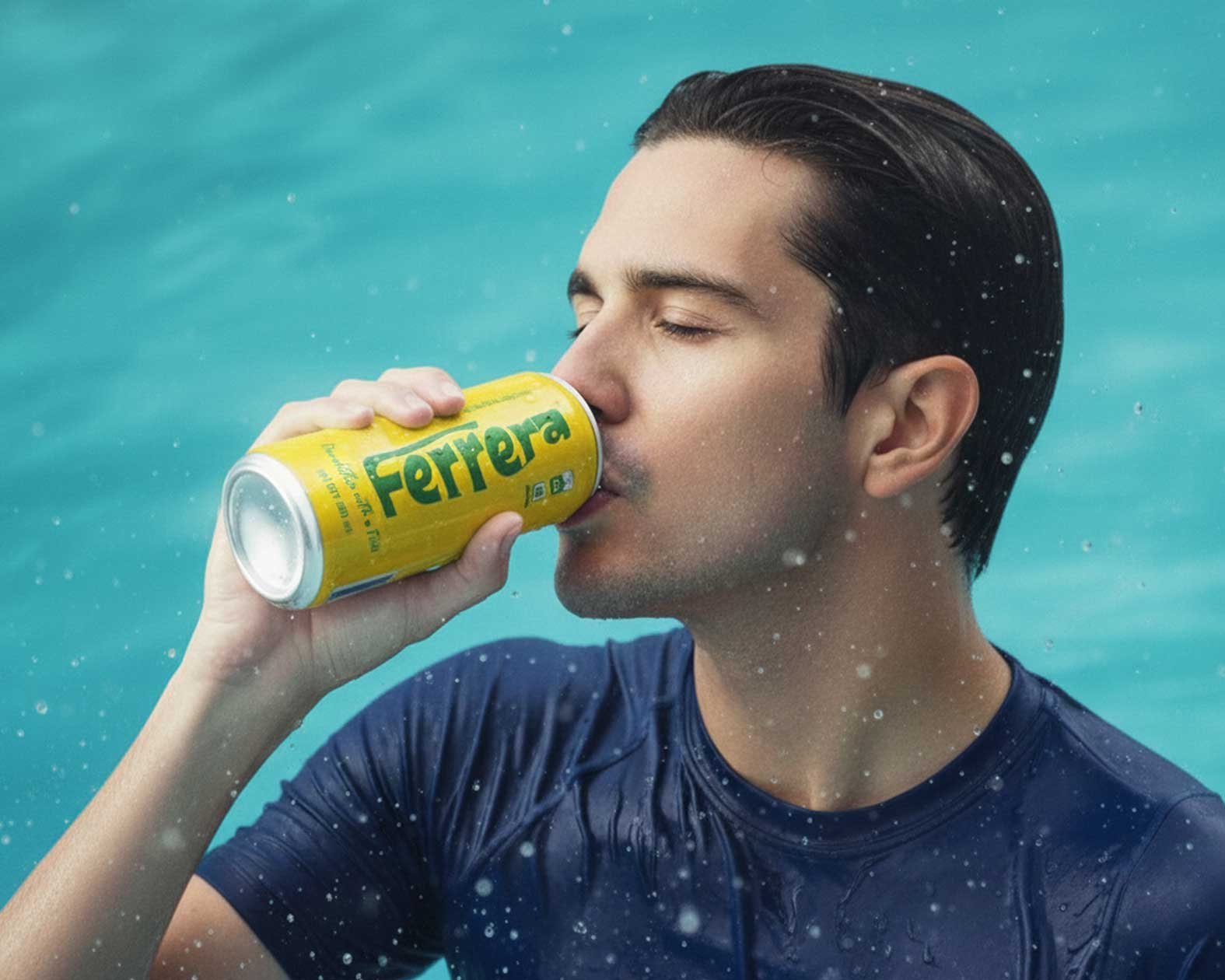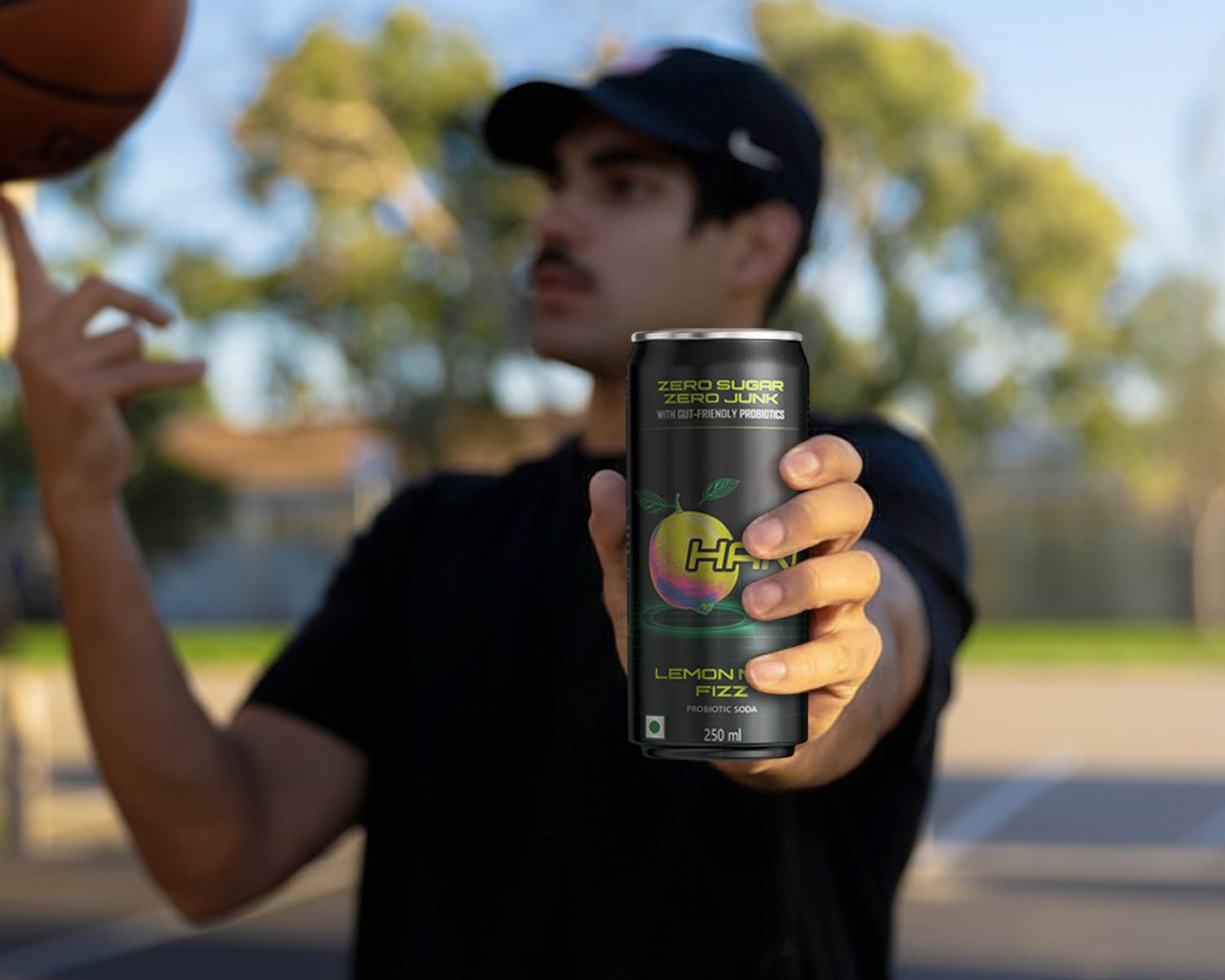

The entire concept of coconut water drink formulation as a category is far ahead of its time. Now the challenge lies with developing coconut water powder which will be packaged in slim cans and will recreate the functional benefits of coconut water but will have the benefits of powder and packaging that goes along with it. This will make the product viable for modern-day trade channels, gyms, HoReCa and quick commerce without any cold chain requirements. The guide takes you through formulation and all that is required before reaching store shelves.
The Slim Can Is Where Coconut Water Powder Drink Is Heading
- RTD coconut water suffers from cold chain requirements and limited shelf life.
- Coconut water drink made of powder overcomes both issues with a single product.
- Slender packaging conveys the premium status and functionality of the product.
- Modern retailing shelves coconut water powder drink without requiring refrigeration.
- For founders, there are higher profit margins, increased shelf life, and distribution opportunities.
- The research and development hurdle involves recreating coconut freshness in powdered form.
The global coconut water market is projected to reach USD 14.3 billion by 2030, with functional and powder formats gaining the fastest share in Asia.
Why Coconut Water Powder Drink Formulation Is Harder Than It Looks
- The coconut water solids are hygroscopic and tend to aggregate after spray drying.
- The sugars in coconut water undergo caramelisation during spray drying without control.
- Taste volatiles tend to evaporate during spray drying and are not preserved.
- The taste when reconstituted does not equal the fresh taste due to the absence of top-notes.
- The maintenance of pH in the can needs proper buffers without altering taste.
- Oxygen dissolved in the can causes discoloration of the beverage.
- Most entrepreneurs underestimate the time required to perfect the taste.
Why Founders Struggle With Coconut Water Powder Drink R&D
- No standard spray dry specifications for coconut water in India.
- Experience with coconut powder differs greatly between manufacturers.
- The flavour house briefs do not have a system for coconut powder.
- Specifications for can fill may be different from those of tetra/pet process.
- Category classification under FSSAI of reconstituted coconut water is ambiguous.
- Founders confuse coconut milk powder with coconut water powder.
What Founders Face During Coconut Water Powder Drink Development
- Acquisition of coconut water at constant Brix levels.
- Controlling spray drying inlet and outlet temperatures without discoloration.
- Obtaining proper sweet taste without adding sugar label problems.
- Providing natural coconut flavor with no artificial flavors present.
- Selecting appropriate carrier, maltodextrin vs. inulin for flowability.
- Electrolytes levels matching fresh coconut water benchmark levels.
- Proper slim can filling and seaming process for either carbonated or still products.

How Coconut Water Powder Drink Formulation Actually Works
Step 1: Coconut Water Sourcing and Standardisation
- Start with young coconut water at 5-6 degree Brix to maintain uniformity.
- Pasteurize using heat treatment at 85 degrees C for 15 seconds prior to drying.
- Potassium and sodium should be standardised among batches of raw materials.
- Use only young coconut water; fat in mature coconut water clogs the spray dryer.
Step 2: Spray-Dry Process
- Inlet temperature: 160-180 degrees C, Outlet temperature: 70-80 degrees C
- Use maltodextrin at 10-15% to improve powder flow and prevent cohesion
- Encapsulation of coconut flavor should be done separately to avoid loss of volatiles due to heat exposure.
- Moisture should be less than 3 percent.
Step 3: Blend and Can-Fill Formulation
- Mix coconut water powder with electrolytes, sugars, and flavorings.
- For non carbonated slim can packaging: Mix, set pH to 4.0-4.5, fill, and seal.
- For lightly carbonated version: Post fill carbonation of 1.5-2.0 volumes of CO2.
- Flush headspace with nitrogen to minimize oxidation and browning
| Factors are : | Powder for Slim Can | RTD Coconut Water |
| Shelf Life | 12 to 24 months | 6-12 months |
| Cold Chain Required | No | Yes (tetra or glass) |
| Packaging Cost per Unit | Rs. 4-8 (slim can) | Rs. 10-22 (tetra or glass) |
| Logistics Cost | Low (no refrigeration) | High (temp controlled) |
| Formulation Complexity | Moderate (spray dry stability) | Low (standard fill) |
| FSSAI Category | Functional beverage or fruit product | Fruit juice or beverage |
| Scalability | High (ambient warehouse) | Limited by cold chain |
| Consumer Perception | Premium & functional | Natural, fresh & traditional |
What Actually Works in Coconut Water Powder Drink Formulation
Nail the Flavour System First
- Brief the flavour house with regard to the reconstituted powder systems.
- Make sure to get a spray dried version with heat-stable encapsulation.
- Test the flavour with dosages of 3 percent, 4 percent, and 5 percent.
- Include a green coconut top-note with 0.1-0.2 percent.
Control Browning and Oxidation
- Ascorbic acid should be used as the antioxidant in the blend at 100-200 ppm.
- Purge nitrogen in the can headspace prior to closure.
- Maintain water activity level in the powder to less than 0.3.
Match Electrolytes to Fresh Coconut Water
- Fresh coconut water has 250 milligrams potassium and 105 milligrams sodium in 100 milliliters.
- To maintain the correct electrolyte balance, use potassium citrate and sodium chloride.
- This will be the basis for your unique functional claim.
Young coconut water contains naturally occurring electrolytes comparable to isotonic sports drinks, making electrolyte restoration a credible and compliant claim.
| Channel | Format Fit | Key Selling Point | Pack Size |
| Modern Trade (retail) | Slim can 200-250ml | Premium shelf presence | Single serve |
| D2C or Ecommerce | Slim can & multipack | Subscription friendly | Pack of 6 or 12 |
| Gym or Fitness Channel | Slim can & 250ml | Post workout hydration | Single serve |
| HoReCa or Hotels | Slim can & 200ml | Portion control, premium look | Tray of 24 |
| Quick Commerce | Slim can & 200-250ml | Impulse buy, fast delivery | Single or twin pack |
How Foodsure Supports Coconut Water Powder Drink R&D
- We do partner briefings for coconut water with specific details about our process.
- We source coconut water that is food grade young coconut water.
- Our coconut water powder drink R&D involves flavor benchmarking.
- We do slim can fills along with seam integrity checks.
- FSSAI label review and category classification were also considered.
- We offer you formulation dossiers along with stability procedures prior to pilot run.
- At Foodsure, we have formulated coconut water powder drinks for D2C,
- HoReCa, and modern trade channels in India.
What Successful Founders Do Differently in Coconut Water Powder Drink Development
- They pre-brief the flavor house prior to contacting the manufacturer.
- They conduct spray drying trials at three different inlet temperatures.
- They compare their reconstituted product to freshly squeezed coconut water.
- They conduct accelerated shelf life testing at 40°C and 75 percent relative humidity.
- They trial both still and lightly sparkling versions prior to decision.
- They match up can specifications with filling line capabilities early on.
- They consider coconut water powder drink development a 5-7 month project.
Brands that conduct accelerated shelf-life testing before launch reduce post-launch product recall risk by up to 35% , according to food safety research on beverage products.
Do you have plans to begin research and development on your coconut water powder beverage in slim cans?
Contact us at +91 8130404757 or [email protected]
FAQs on Coconut Water Powder Drink Formulation
- What is a coconut water powder drink and how is it different from RTD coconut water?
- The product employs spray dried coconut water powder that is rehydrated using water inside the can.
- No need for refrigeration, shelf life is 12 to 24 months, compared to 6 to 12 months for RTD drinks.
- Addition of functional ingredients and electrolytes is possible while blending.
- Why use a slim can for coconut water powder drink instead of a sachet or PET bottle?
- Slim cans provide improved barrier protection from oxygen and light contamination.
- It portrays a premium and tradeable product.
- The use of nitrogen flush in cans ensures extended flavour stability.
- What carrier is best for spray-drying coconut water?
- The standard option for use is maltodextrin (DE 18-20).
- Inulin can be considered a premium option owing to the additional fibre.
- A 10-15% carrier will make it less sticky.
- How many R&D cycles are needed before a pilot batch for coconut water powder drink?
- Bench trials for 3-5 cycles to determine the right taste and electrolyte balance is required.
- Extra 2-3 cycles of spray dry trial will be needed for optimization of temperature and carriers used.
- Time taken for R&D and to reach pilot production will be around 4-6 months.
- What FSSAI category does coconut water powder drink fall under?
- It will usually fall under functional beverages or fruit drinks.
- For reconstituted coconut water, the coconut water solids content needs to be declared.
- Electrolyte and functional claims need to meet FSSAI nutraceutical requirements.
- How does Foodsure help with coconut water powder drink formulation for slim cans?
- Our services encompass spray-dry sourcing, flavor briefings, and blending development.
- Our services also include fill tests, seam tests, and shelf life protocols.
- All projects will have a full FSSAI label review and formulation dossier.