
Most food businesses don’t fail because of weak marketing. They fail because the product cannot sustain performance after the launch buzz fades. True success lies in food product commercialisation, the structured process of taking a validated concept and turning it into a scalable, compliant, and market-ready product.
Many founders assume branding is about packaging or social media. While these matters, they cannot compensate for poor formulation, inconsistent quality, or lack of scalability. Without a strong commercial foundation, brand trust erodes quickly.
When a product is built with the right ingredients, processes, compliance systems, and scalability planning, it earns repeat purchases and long-term loyalty. Marketing then supports growth instead of fixing operational gaps.
This guide explains how food product commercialisation helps founders move beyond short-term sales and build sustainable, scalable food brands.
What Is Food Product Commercialisation?
Food product commercialisation is the structured journey of converting a food idea into a fully scalable, factory-ready, and retail-ready product.
It goes beyond taste testing. It ensures the product performs consistently across:
- Manufacturing facilities
- Warehousing and distribution
- Retail shelves
- E-commerce platforms
- Consumer homes
For founders wondering how to commercialise a food product, the answer lies in combining formulation science, compliance, packaging, scalability, and go-to-market planning into one coordinated system.
The Importance Of Commercial Product Development In Branding
Strong commercialisation enables brands to consistently meet consumer expectations. When a product performs reliably across batches and markets, it builds trust.
Food product commercialisation reduces risk during expansion and supports sustainable growth. It ensures the product can withstand distribution, storage, and mass manufacturing conditions. Without a structured commercial food launch process, brands often struggle with inconsistency, compliance gaps, and production inefficiencies.
The Role Of New Food Product Development In 2026
Innovation remains central to the food industry. Consumers demand healthier, functional, and differentiated options.
Through structured development, brands can:
- Offer unique value propositions
- Stand out in competitive markets
- Adapt to changing dietary patterns
- Enter new or underserved segments
However, innovation must align with commercial viability. Purposeful innovation ensures a smooth transition of a food product to market without operational disruptions.
Read More: Trends In Food Product Development For 2024-2025
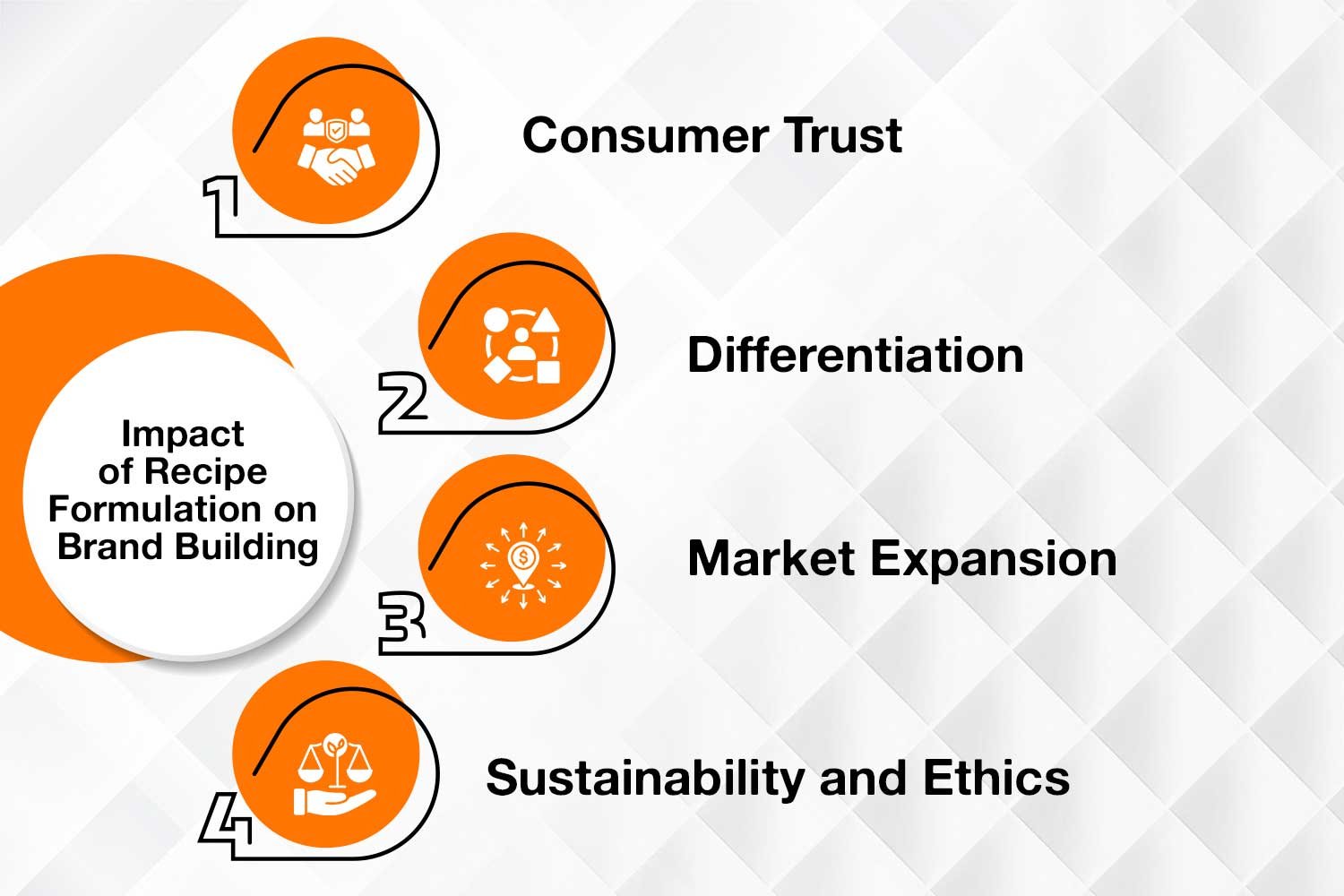
Impact Of Food Recipe Formulation On Brand Building
- Consumer trust: Consistent quality builds loyalty.
- Differentiation: Innovative recipes create a competitive advantage.
- Market expansion: Targeted formulations open new demographics.
- Sustainability & ethics: Responsible sourcing strengthens brand perception.
Commercial Food Product Development | Steps To Build A Strong Food Brand
| Steps | What It Involves |
|---|---|
| Understand the Market | Identifying consumer needs, gaps, and trends. |
| Market Research Checklist | Defining the target audience and competitive weaknesses. |
| Define Your USP | Embedding differentiation into the product and story. |
| Focus on Quality & Innovation | Clean-label and functional formulation. |
| Packaging Strategy | Sustainable, compliant, and protective solutions. |
| Food Safety & Compliance | Meeting regulatory standards. |
| Sensory Analysis & Testing | Evaluating taste, texture, aroma, and stability. |
| Nutritional Optimisation | Enhancing value without compromising taste. |
| Marketing Alignment | Communicating value across platforms. |
| Continuous Innovation | Improving post-launch performance. |
Read More: 2026 Major Steps Of Food Product Development Explained
Turning Your Ideas Market-Ready!
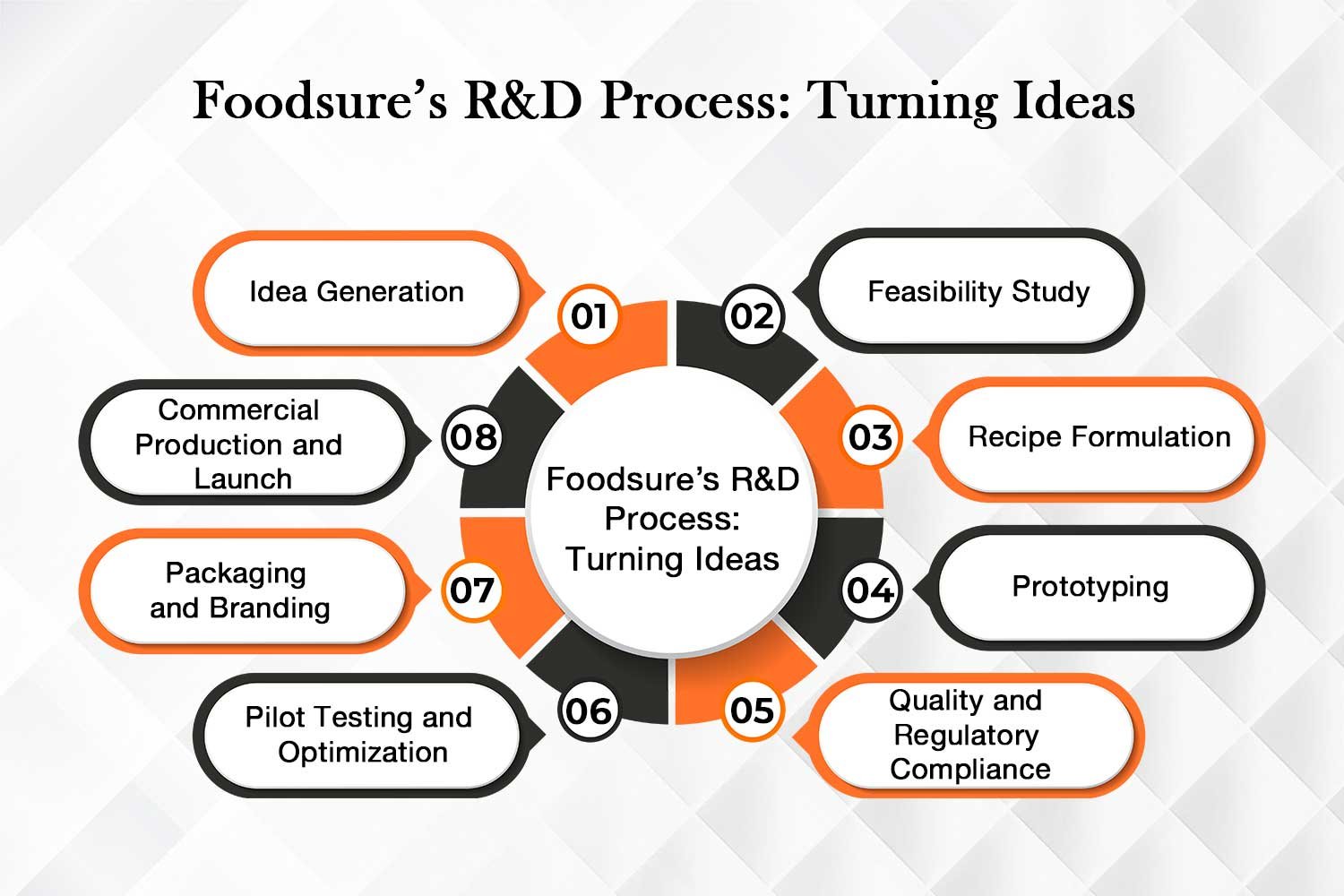
Our food product commercialisation approach is structured, consumer-focused, and built for scalability.
| Stage | Focus |
|---|---|
| Idea Generation | Market-led product concept |
| Feasibility Study | Technical and cost viability |
| Recipe Formulation | Lab-scale product development |
| Prototyping | Sample creation and refinement |
| Quality and Compliance | Safety and regulatory approval |
| Shelf Life Testing | Stability and durability check |
| Pilot Testing | Scale-up readiness |
| Packaging and Branding | Compliant and attractive packaging |
| Commercial Launch | Market rollout and post-launch support |
Our Major Forte In Commercial Food Product Development

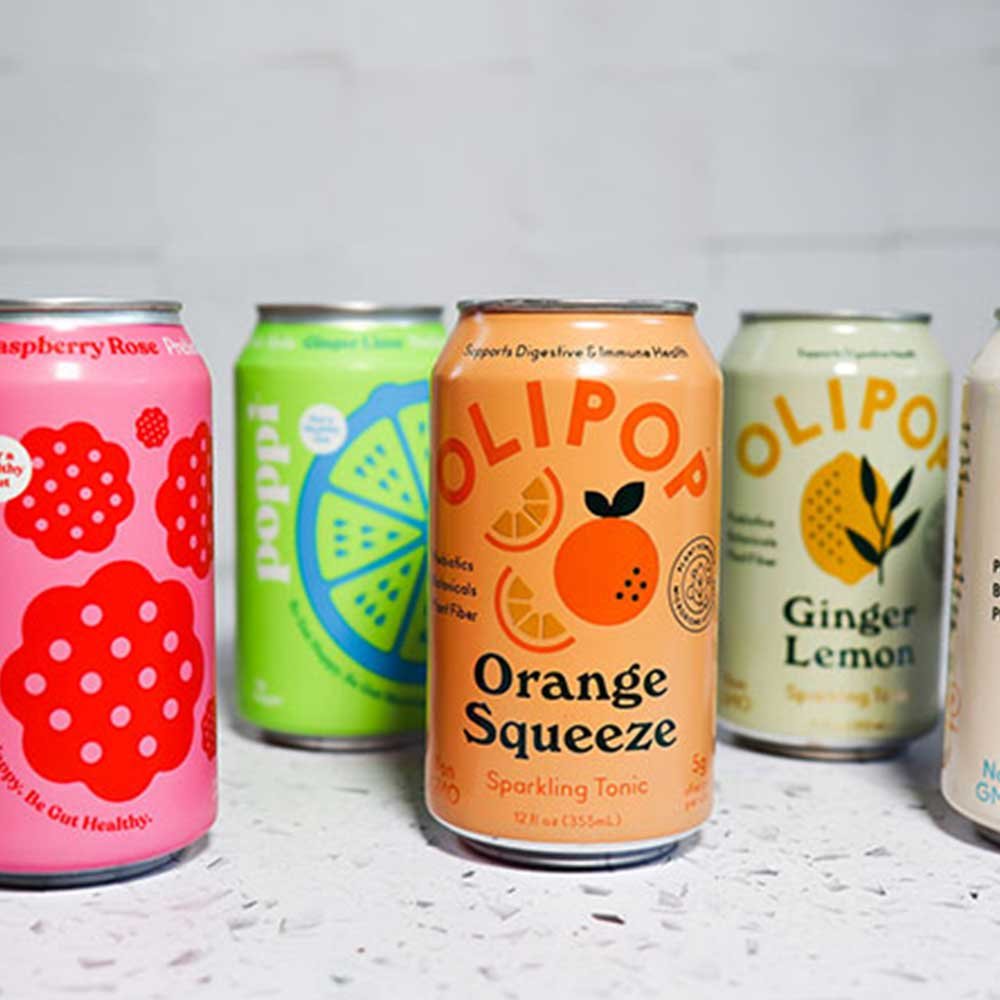
| Product Category | What We Develop |
|---|---|
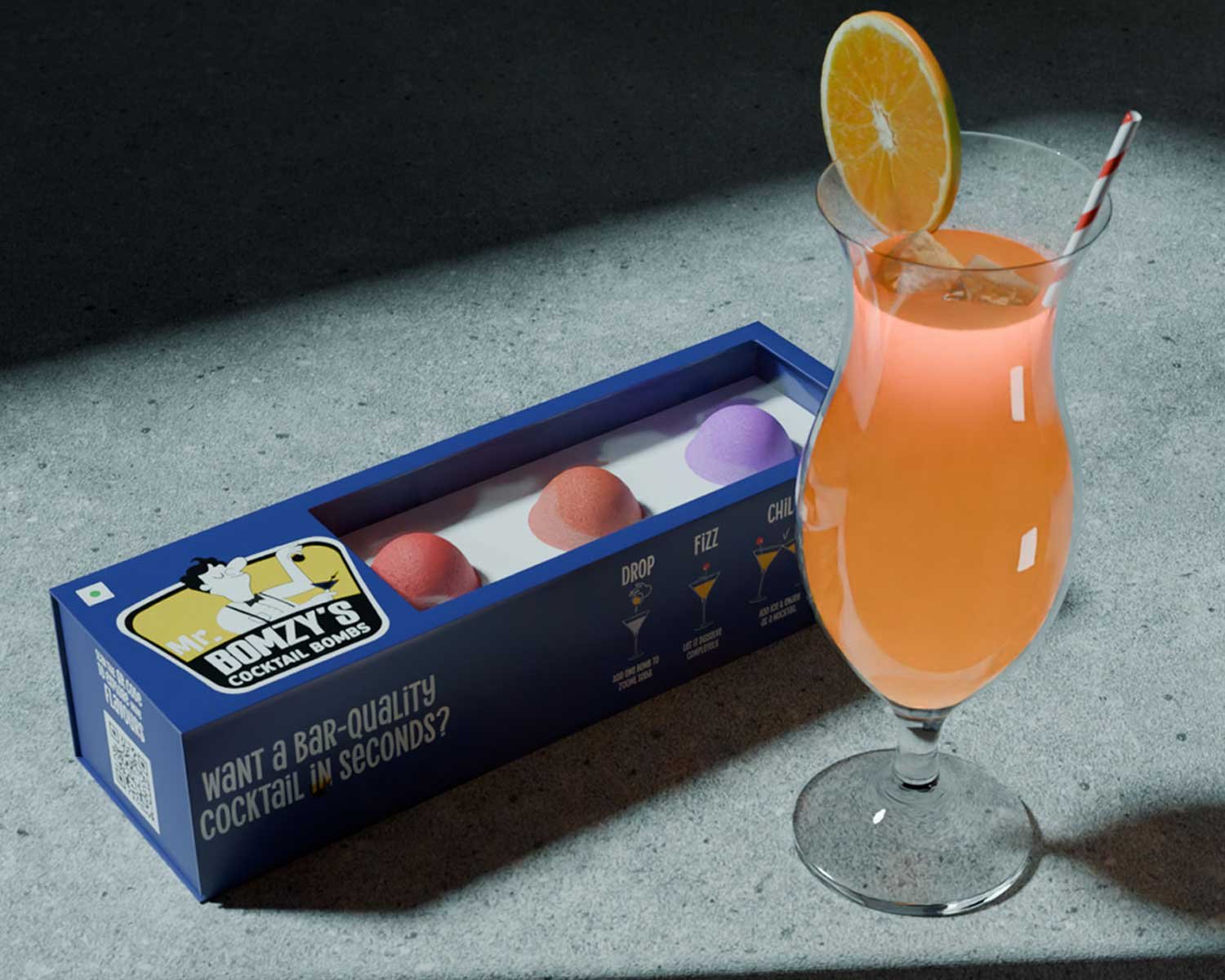
| Cocktail Bomb Recipe Formulation | Flavoured, fizzing cocktail bombs made with natural ingredients for home and social occasions. |
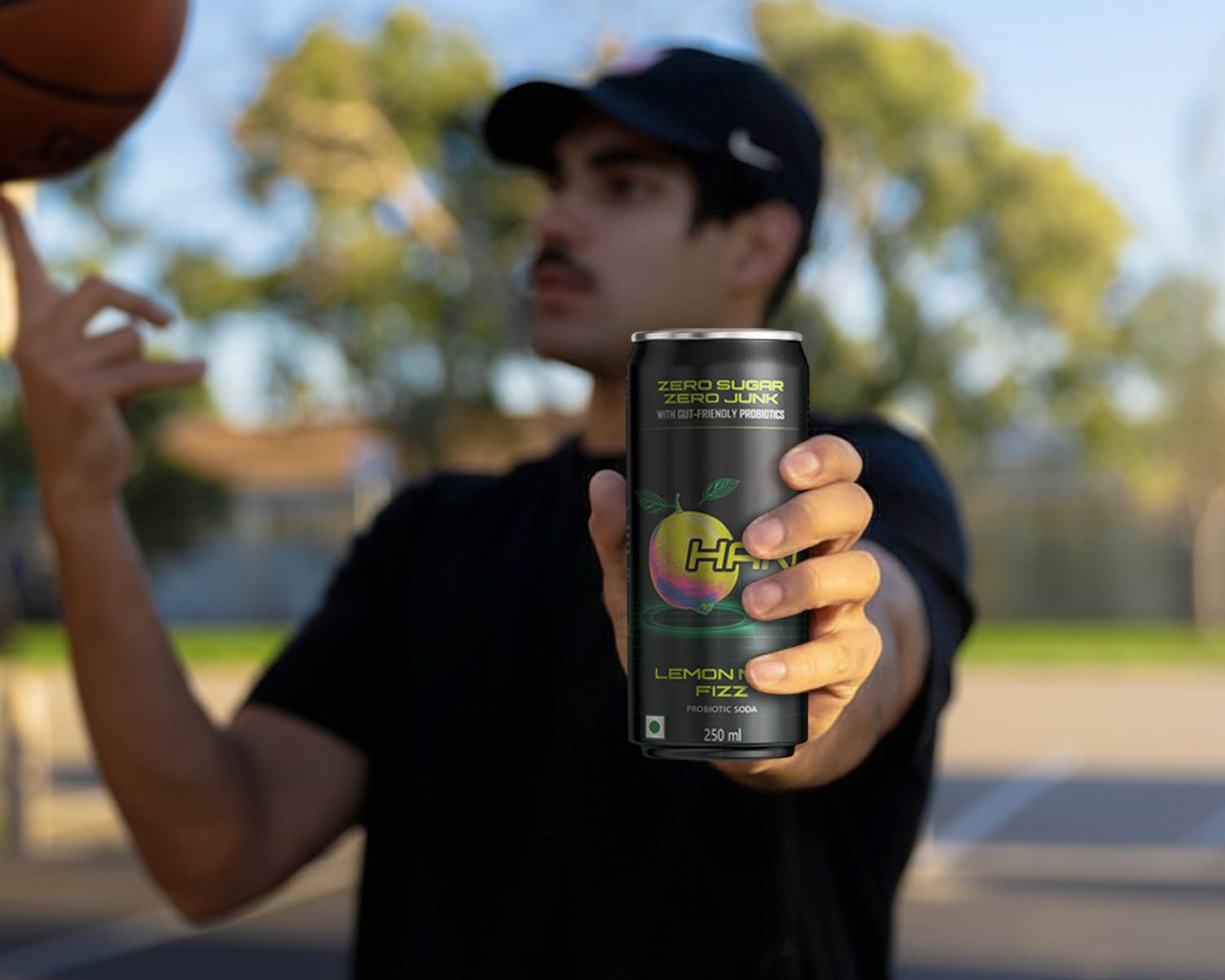
| Prebiotic & Probiotic Carbonated Drinks | Low-sugar functional sodas formulated to support gut health using natural prebiotic fibres. |
| Caffeinated Chewing Gums | On-the-go energy gums with optimised caffeine levels for focus and alertness. |
| Meat Snacks | High-protein meat-based snacks with strong flavour and stable shelf life. |
Read More: 10 Stages Of New Food Product Development
Commercial Food Launch Success Stories
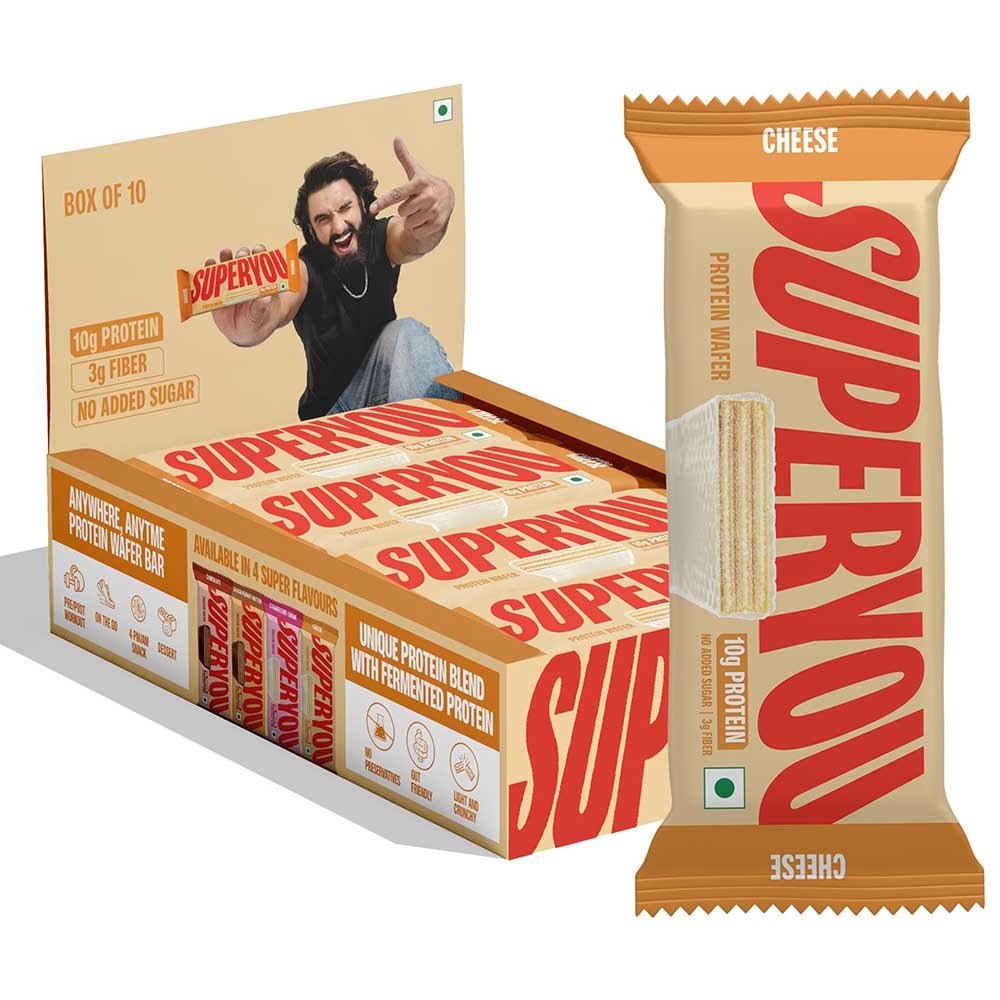
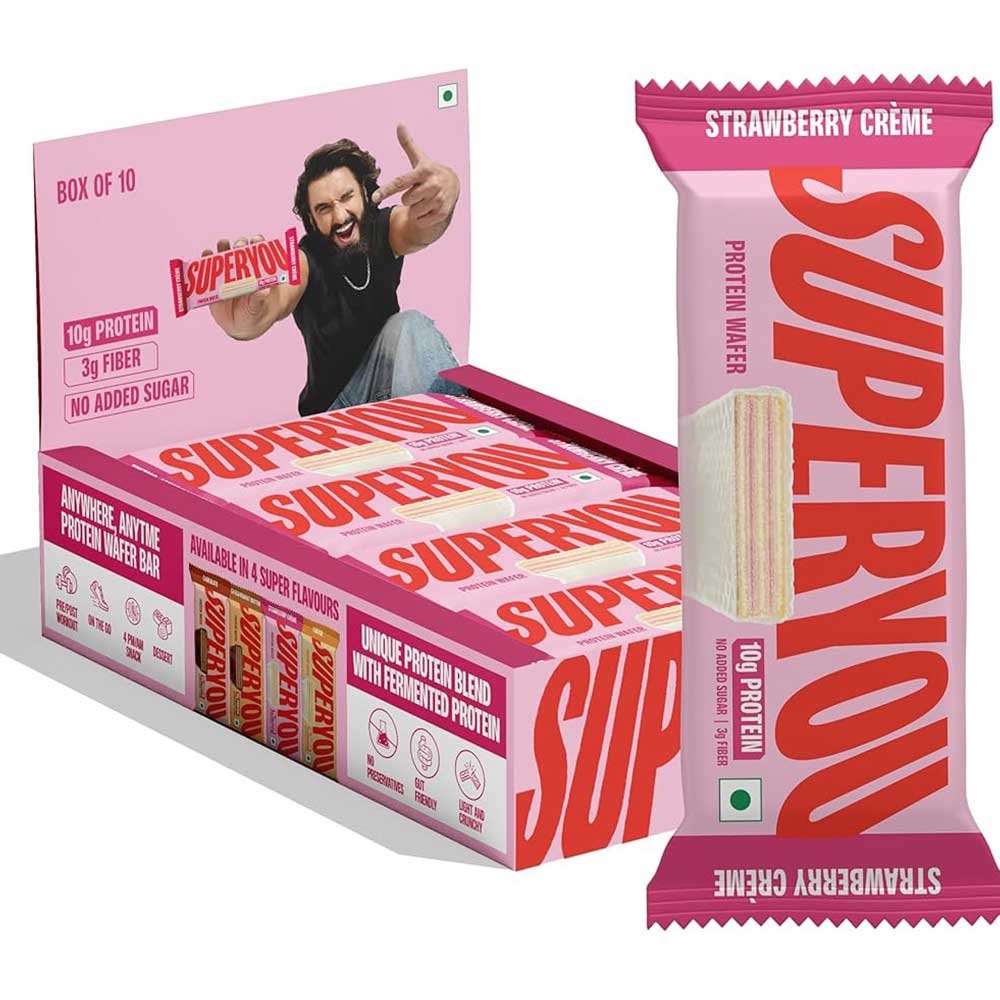
1. SuperYou Protein Wafers
A high-protein, low-calorie wafer positioned for fitness-focused consumers. With stable formulation and consistent taste, the product successfully scaled while maintaining shelf stability and profitability.
2. Little Cherry Mom Brand | Healthy Spreads for Kids
Nutrient-rich, clean-label spreads designed for children. Careful formulation, balanced taste and nutrition, building parental trust and enabling sustainable market expansion.
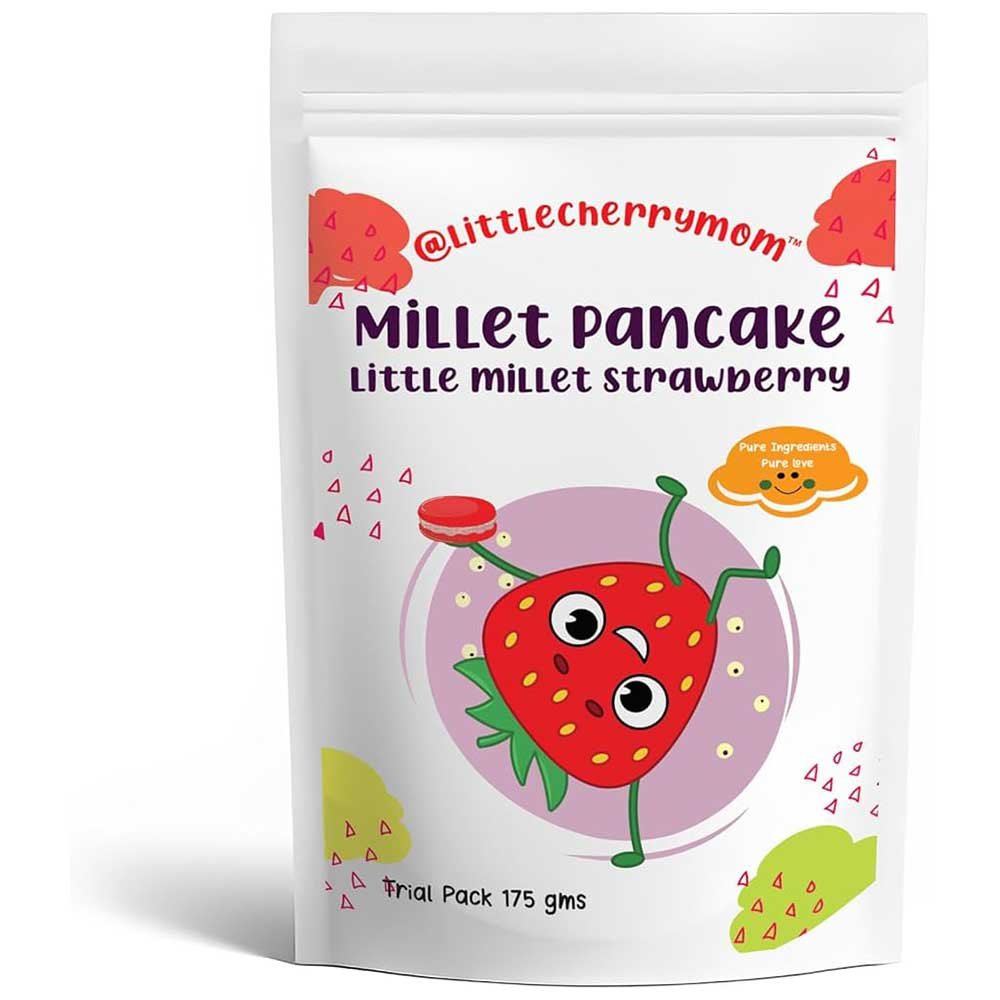
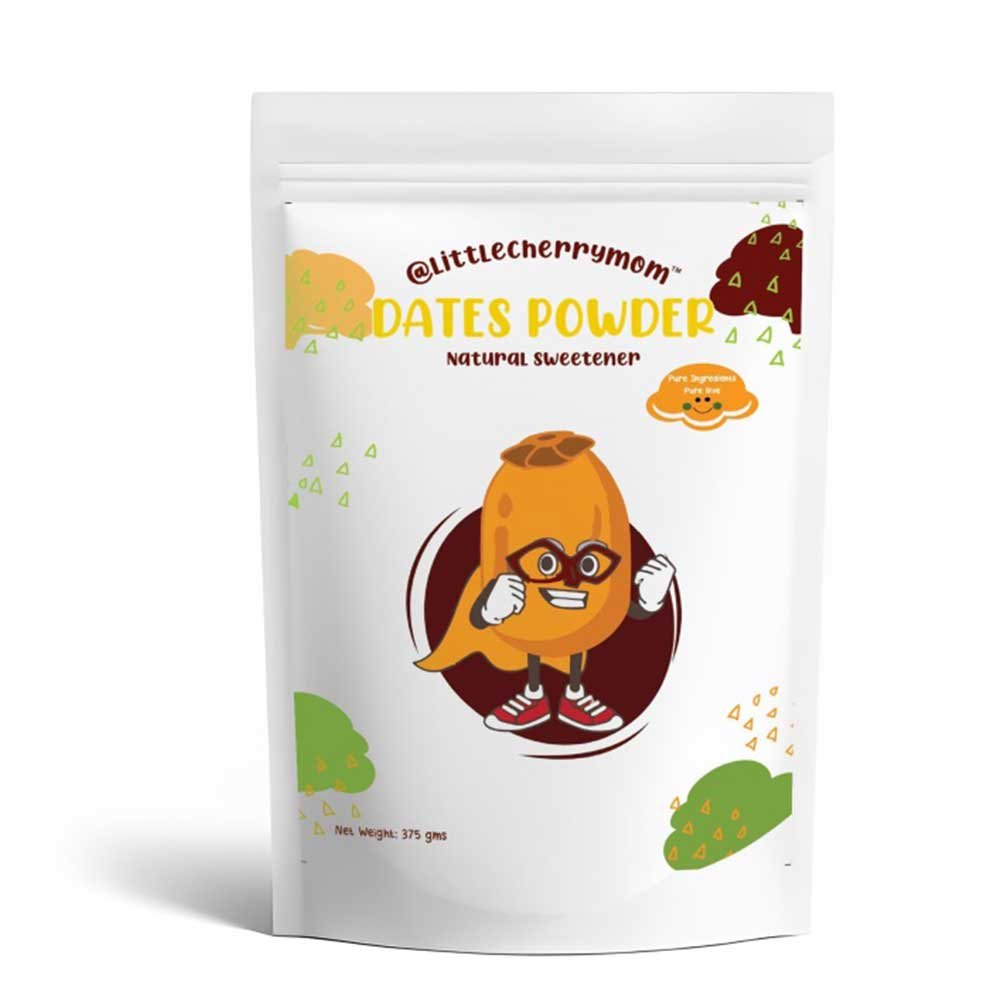
These examples highlight the successful scaling of a food product through structured commercialisation.
Why Partner With Us?
Successful food product commercialisation requires more than creativity; it demands strategy, science, and operational expertise.
We provide:
- Expertise in food recipe formulation and optimisation
- Dedicated food technologists across categories
- End-to-end commercialisation support
- Proven track record in scaling products
From ideation to taking a food product to market, our approach reduces risk and maximises impact.
Join hands with Foodsure for your food recipe formulation, and let us help you create innovative and successful recipes that will delight your customers’ experience. Contact us at +918130404757 today to get started!
FAQs
Is it really possible for a quality product to significantly reduce the marketing budget?
Indeed, a good product can naturally bring back customers and attract new ones through their recommendations, thus a company can save on marketing in the long run.
How long does the food product development cycle usually take?
It normally takes three to six months from the initial idea to a market-ready product; however, it can vary depending on the complexity.
Are startups to be commercialised only after formulation?
Actually, a commercial formulation done at the beginning saves you from expensive reformulations and delays of the launch later on.
What is more important: speed to market or product readiness?
Product readiness, moving to market fast without stability or compliance, often causes brand damage.
What are the signs of scaling readiness for my product?
If it maintains the same flavour, has a stable shelf life, and meets the regulatory requirements batch after batch, then the product is ready for scaling.