
Have you ever considered what makes a new food product development project a blockbuster in the market?
We understand you will say many things like planning, creativity, execution, and much more. You are right, but only to some extent. The most important factor in food product development is consumer feedback. Without understanding real customer insights, even the best ideas can fail.
Consumers are considered the key to success in the food industry. Businesses can shine only when you, as an owner, understand the preferences, expectations, and buying behaviour of your target audience during the food product development process.
Let’s take you on a journey to understand how consumer feedback plays a major role in food product development. This blog will highlight powerful insights, so get ready to explore!
What Is Customer Feedback In Food Product Formulation?
Customer feedback shares how people feel about a brand and a new food product development. It helps businesses understand likes and dislikes and improve their offerings. In food product development, feedback covers taste, texture, packaging, pricing, and overall satisfaction.
After a new product launch in food, success is measured using key metrics such as:
- Sales revenue
- Market share
- Market interest
- Sales growth
- Overall customer experience

Why Consumer Feedback In Food Product Development In 2025?
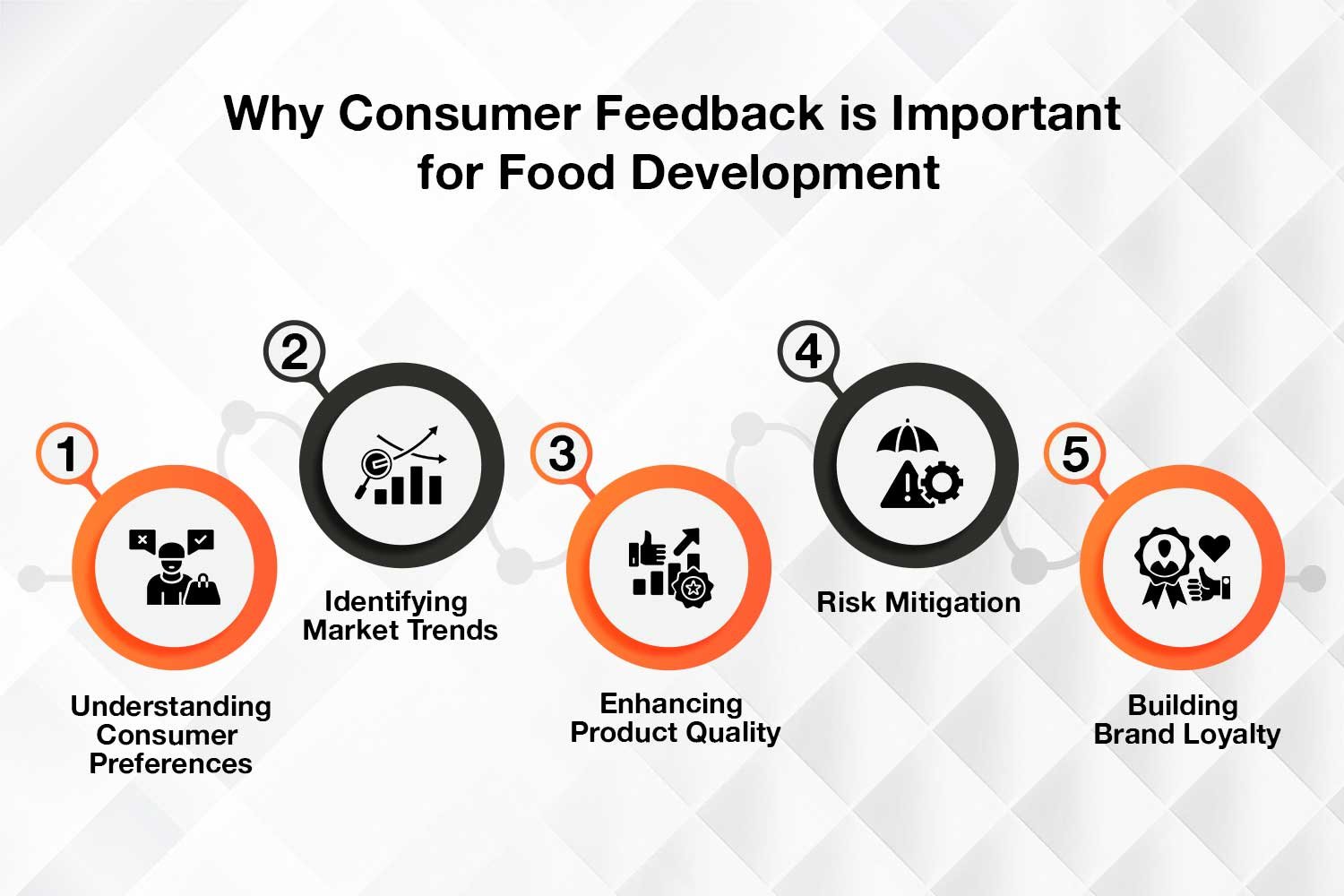
1. Understanding Consumer Preferences: The linking of characteristics of the product with consumer preferences.
2. Identifying Market Trends: Spotting gaps and opportunities based on customer insights. Identifying the gaps and opportunities using the knowledge of customers.
3. Enhancing Product Quality: Adjusting requirements of flavour, texture, and other factors to help target consumers.
4. Risk Mitigation: Reducing product failure risks through testing its concept to be tested with the consumers.
5. Building Brand Loyalty: Committing to consumer satisfaction.
Types Of Consumer Feedback In Food Development
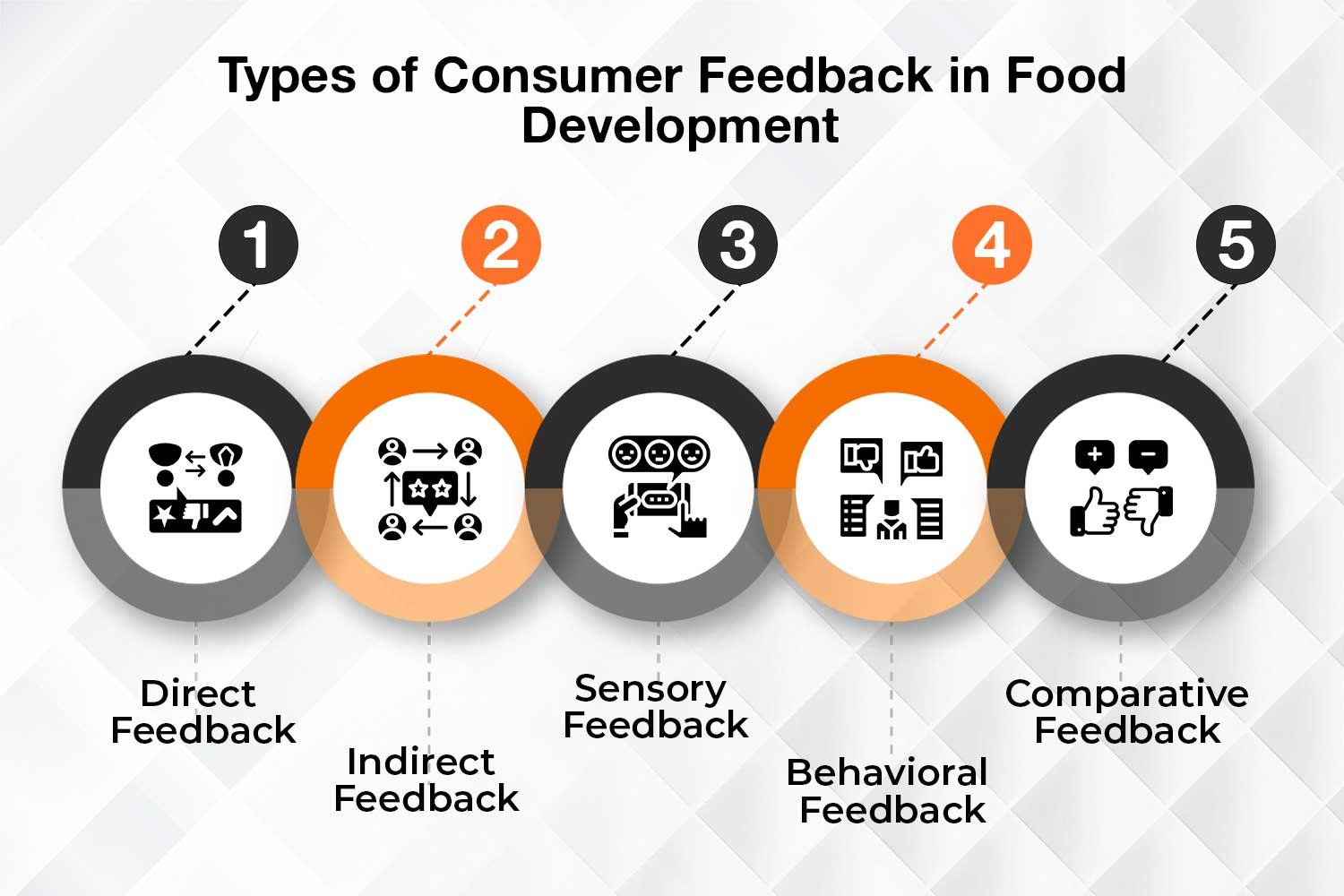
- Direct Feedback: Questionnaires, group discussions, and interviews.
- Indirect Feedback: Sales records, social media reviews, and any documentation on market trends.
- Sensory Feedback: Insights from taste, texture, aroma, and appearance of products.
- Behavioural Feedback: Inventory analysis, such as monitoring patterns and product usage.
- Comparative Feedback: Comparing products with competitors’ products.
How Consumer Feedback Makes Your Product Better?
Consumer feedback in food product development is key to making products and services better. It helps find what needs to be fixed. And ensure that healthy new food product development ideas are what people want. This leads to the creation of more successful products.
1. Shaping Product Innovation
When it comes to food product development, customer feedback plays a major role in guiding new ideas and improvements. In the food formulation process, listening to what customers like and dislike helps companies create better and more relevant products.
For example, if feedback shows growing demand for plant-based options, brands can expand their new food product development into vegan categories. This approach not only meets market needs but also strengthens brand awareness and growth.
2. Improving Existing Products
Not only is consumer feedback in food product development valuable for new food product development ideas, but it also has the scope to make changes and/or improvements in the existing products as well. The customers can express their dissatisfaction with the current food product development or share their new preferences toward the taste, flavour, etc., with the help of their reviews.

3. Increasing Customer Satisfaction
When business organisations deliberately look for customer feedback and are willing to act on the feedback, this shows that the business organisations care for their customers. This increases customer satisfaction since the consumers will feel well-represented, thus improving customer loyalty.
4. Leading the Trends
Consumer feedback in food product development gives a chance to identify new trends, so companies can take the right action. Whatever innovation it may be, from a new taste sensation for our food to support for using more eco-friendly packing material, knowing where consumers’ demand is headed helps businesses position themselves to survive in a competitive market.
Case Studies
1. Amul’s New Product Development
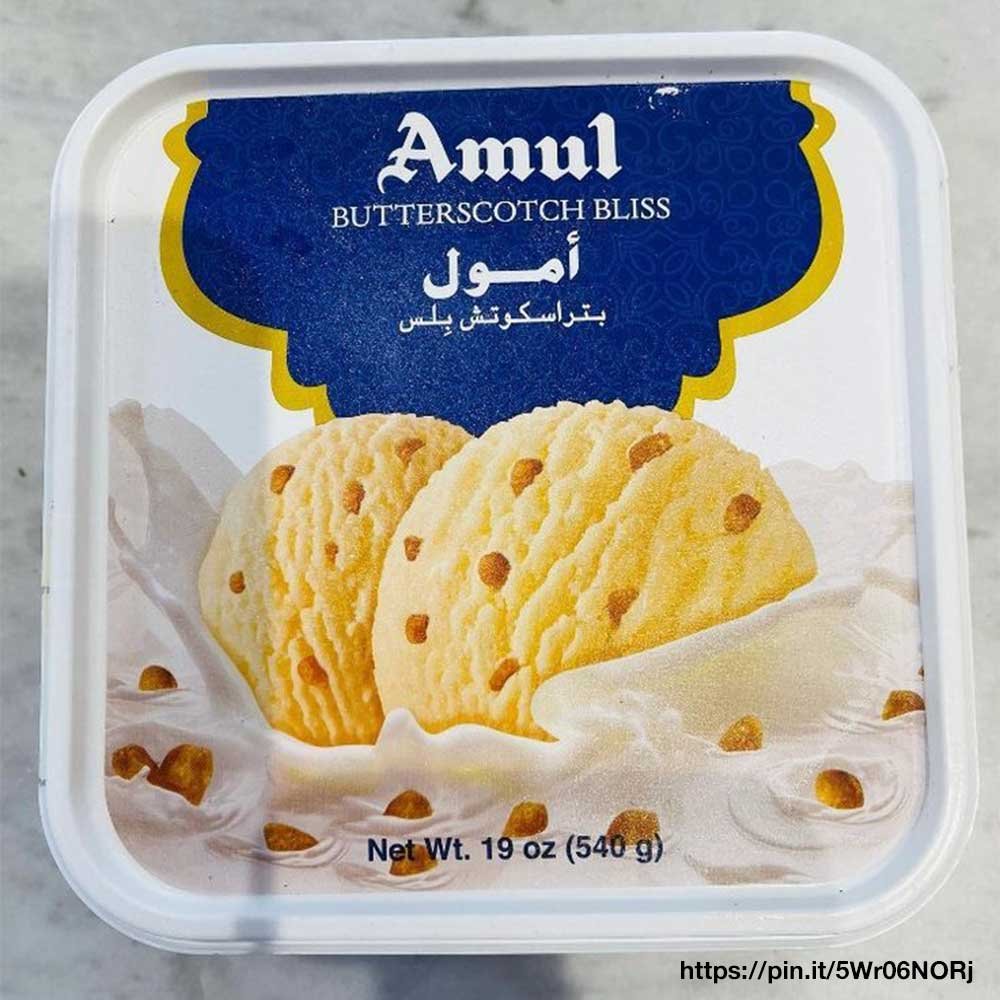
- Amul Ice Cream: Used consumer feedback in food product development to launch flavours aligned with customer preferences, improving market acceptance and brand growth.
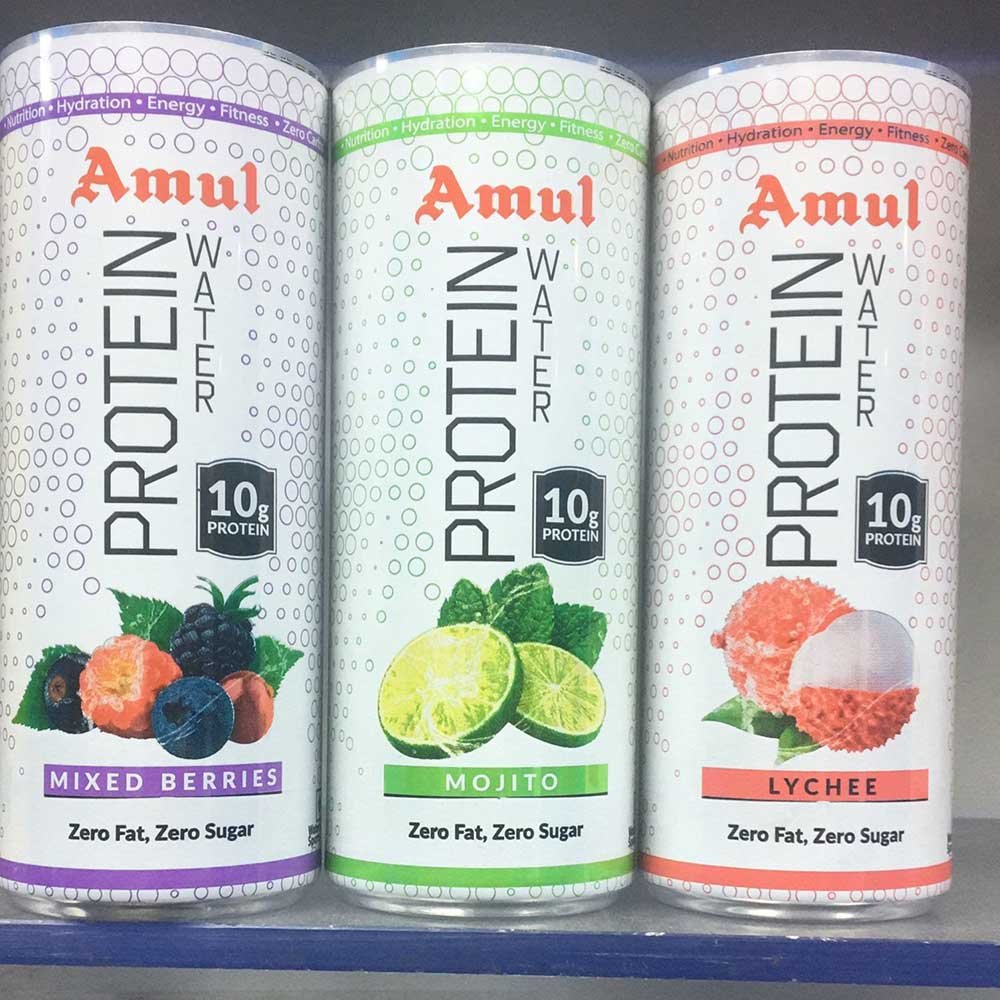
- Amul Protein Water: Applied new food product development strategies by analysing feedback on taste and formulation to meet health trends and enhance product performance in the market.
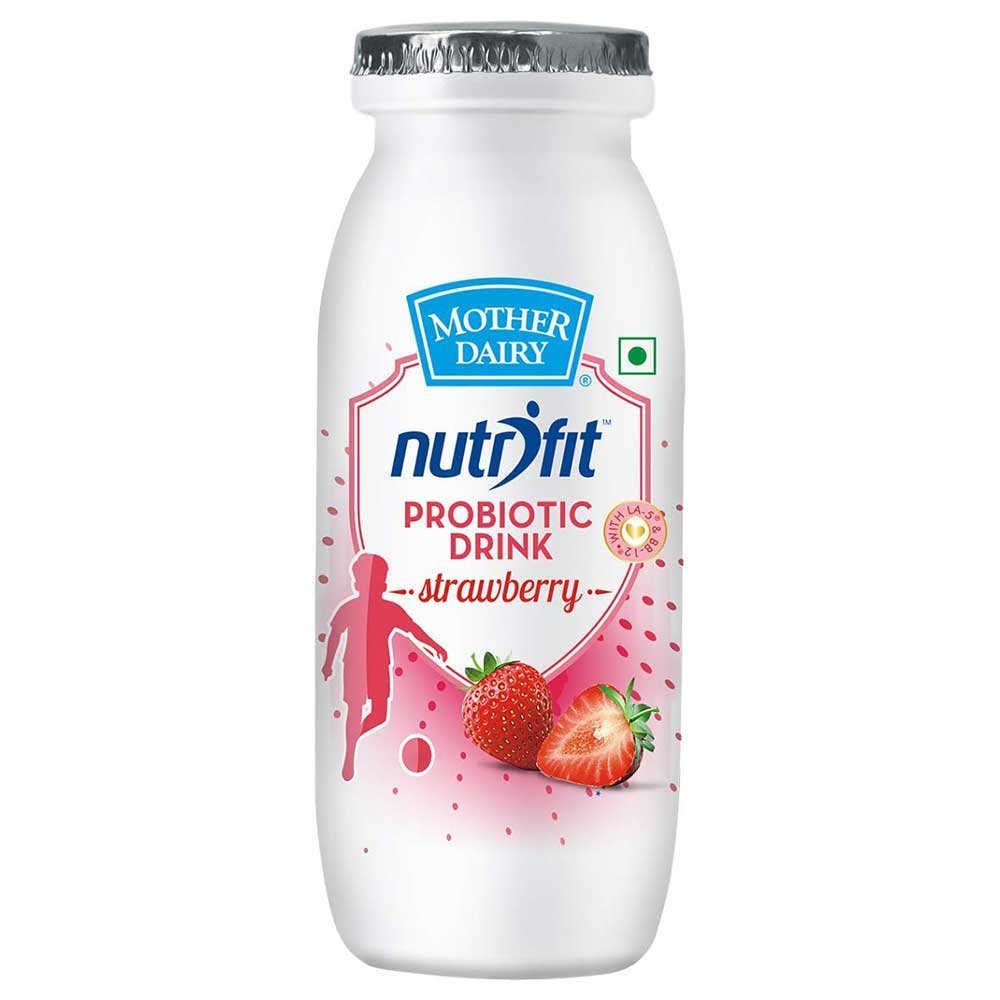
2. Mother Dairy’s Probiotic Milk
- Launched an affordable yet effective product using food product development insights and consumer feedback. Focus areas included flavour balance, probiotic performance, and cost-effectiveness to ensure strong market acceptance.
- Addressed value proposition concerns in the new food product development process by improving taste, validating probiotic efficiency, and optimising pricing to match customer expectations and market demand.

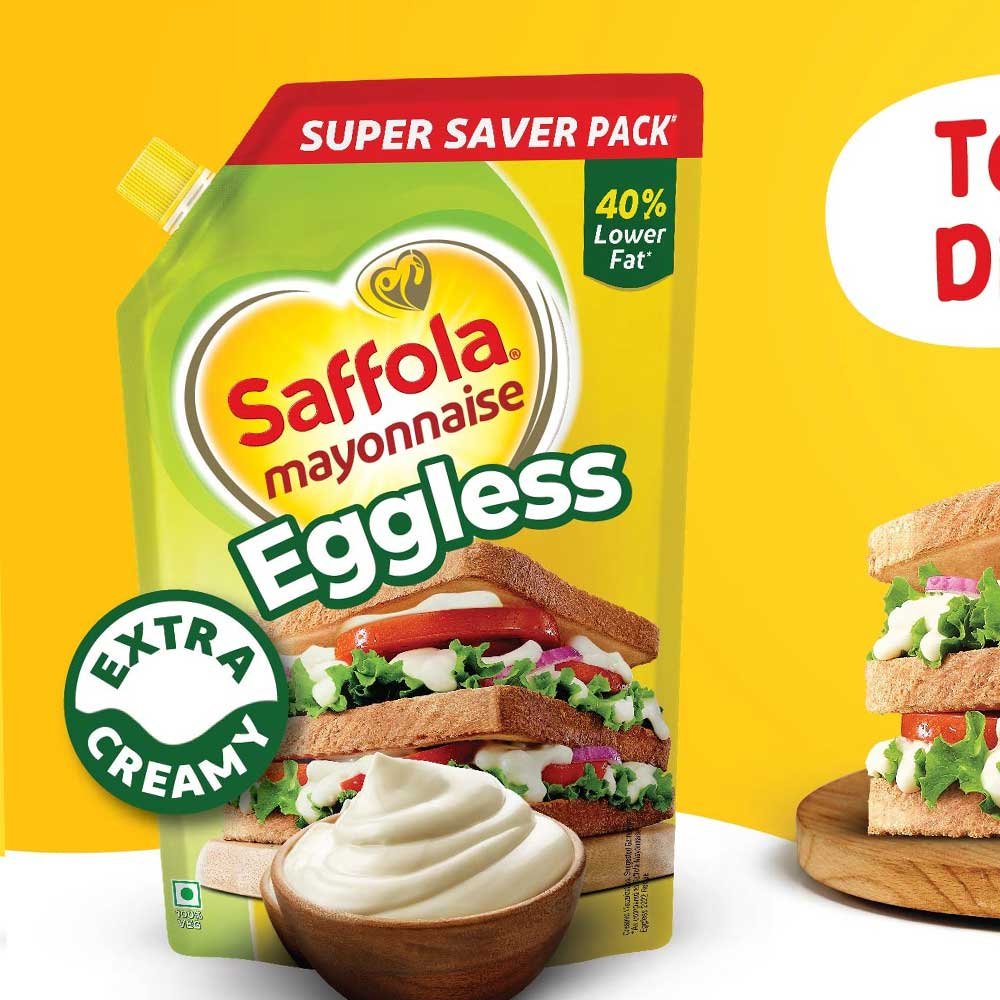
Saffola’s Range of Mayonnaise

How To Collect Consumer Feedback In Food Product Development?
Consumer feedback plays a crucial role in food product development and overall brand success. To improve products effectively, companies must use multiple methods to gather accurate insights.
- Surveys & Questionnaires: Collect data on preferences, demographics, and expectations through online or in-person surveys.
- Focus Groups: Conduct small group discussions to understand customer opinions and reactions toward a new food product development.
- Social Media & Online Reviews: Monitor platforms, reviews, and forums to gather real-time food feedback on taste, quality, and satisfaction.
- In-Store Feedback: Collect instant responses at the point of purchase through sampling and direct interaction.
- Customer Service Interactions: Use calls, emails, and chats to identify common issues and improvement areas in the food product process.
Brands that actively use feedback improve their food product development strategy, refine offerings, and strengthen market performance.

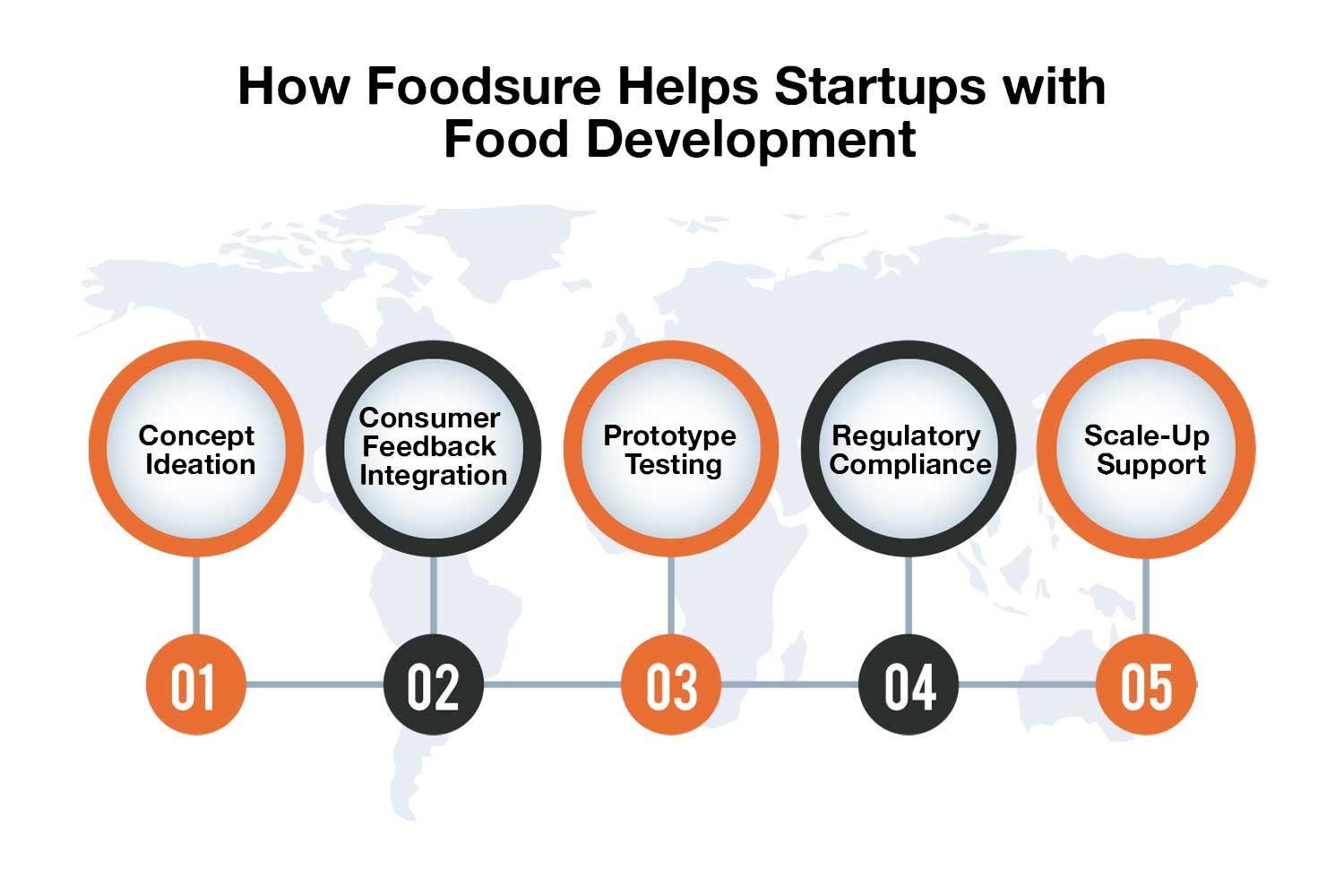
How Foodsure Helps Startups With Food Development
- Concept Ideation: Ideating a solution that could add value by meeting the customer’s needs and expectations.
- Consumer Feedback Integration: Introduction of sensorial and feedback information.
- Prototype Testing: Making improvements step by step through careful checks.
- Regulatory Compliance: Making sure all recipes follow the standards.
- Scale-Up Support: Transitioning from lab samples to commercial production.
Read More: How to Build a Strong Brand Through Food Product Development
Why Choose Foodsure For Food Product Development?
At Foodsure, the best food formulation consultant; we are experts in using consumer feedback to create innovative and high-quality food products.
Make Every Bite Customer-Approved!
Your customers know what they want; let’s make sure your product delivers it every time. With expert guidance in taste, texture, and packaging, our experienced team turns feedback into food products that win hearts and markets. Let’s create a product your customers will crave!
Get in touch with us for perfect new food product development now at +91 8130404757!
FAQ’s
Q1. Which food sauce brands regularly seek and act on customer feedback to enhance their products and services?
Leading sauce brands use customer reviews, taste testing, and market research to refine flavours, improve packaging, and enhance product quality based on feedback.
Q2. Which butter brands are known for regularly seeking and acting on customer feedback to improve their offerings?
Top butter brands collect consumer insights through surveys, retail feedback, and product testing to improve taste, texture, and packaging.
Q3. Why is consumer feedback important in food product development?
It helps brands understand preferences, improve formulations, and reduce the risk of product failure.
Q4. How do food companies collect consumer feedback?
Through surveys, taste tests, focus groups, social media monitoring, and online reviews.
Q5. What type of feedback matters most in food products?
Taste, texture, pricing, packaging, nutrition expectations, and overall satisfaction.
Q6. How does feedback reduce launch risks?
It identifies issues early so brands can refine recipes, packaging, and positioning before scaling.
Q7. What is sensory testing in food development?
A structured evaluation of taste, aroma, appearance, and texture to assess product quality.