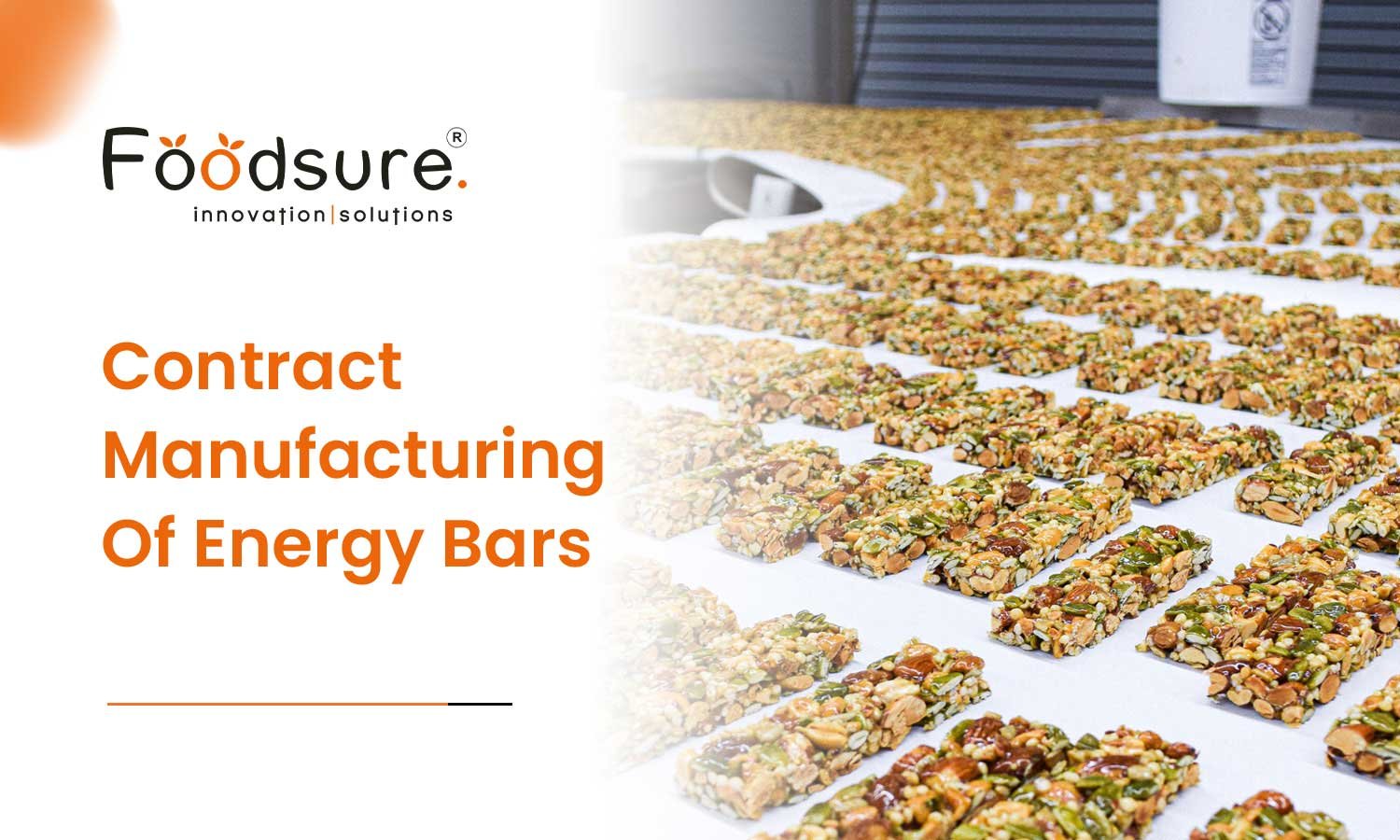
Want to grow your product line with a top-quality energy bar, but you are worried and not clear about the high investments in the production facilities? Say goodbye to those concerns with contract manufacturing of energy bars, also known as original equipment manufacturing (OEM) or third-party manufacturing. Nowadays, the demand for energy bars is rising rapidly, as consumers increasingly seek healthy, functional solutions.
By partnering with an expert contract manufacturer of energy bars, you can scale your business and make sure that your energy bar is of premium quality to meet consumers’ demand. Let’s get into this blog to gain more in-depth knowledge of the contract manufacturing of energy bars.
Why Are Brands Choosing Contract Manufacturing Of Energy Bars?
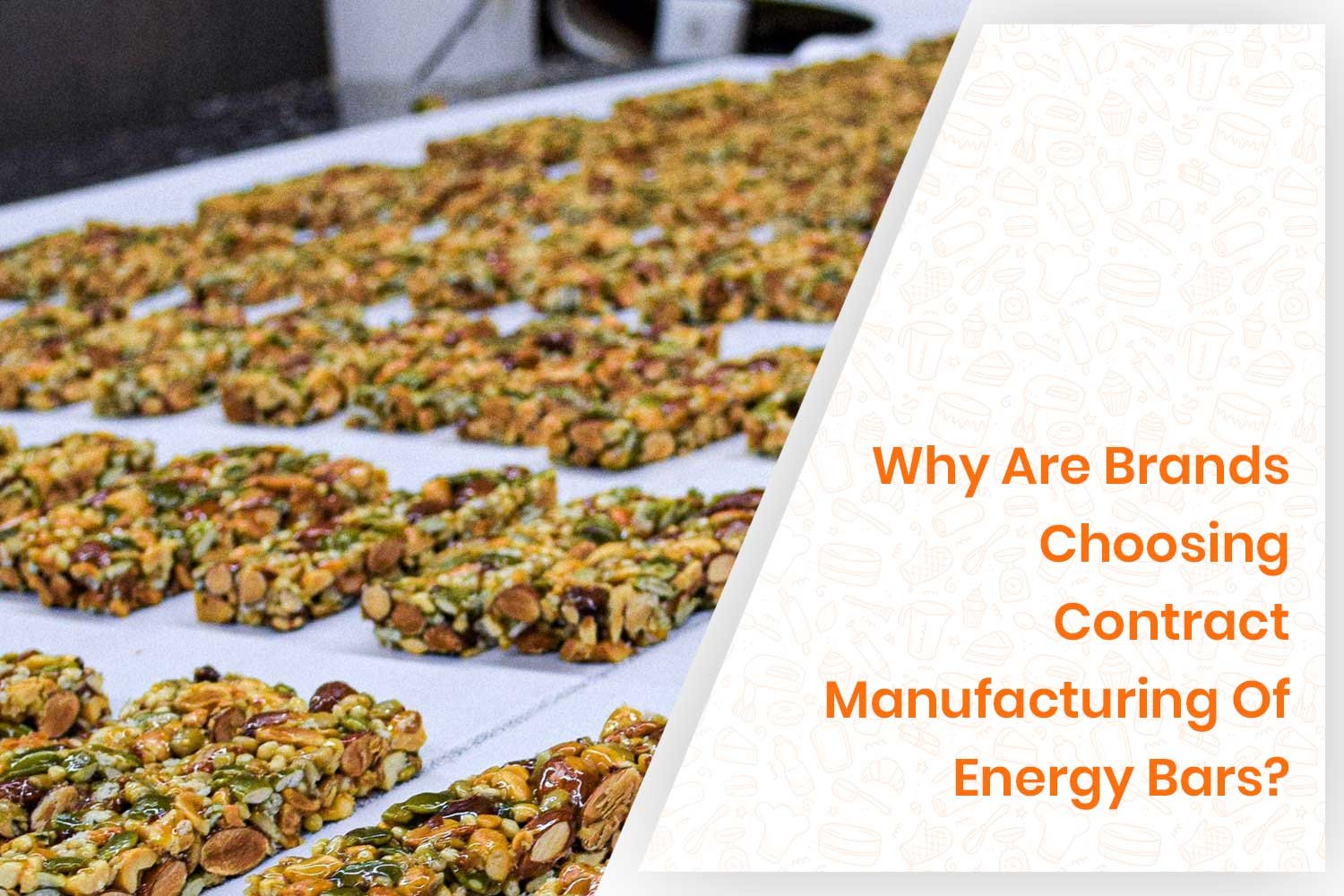
The energy bar contract manufacturing market in 2025 is witnessing strong momentum due to lifestyle changes and increased health awareness.
Market Snapshot (2026)
- Global energy bar market value: USD 4.45 billion
- Projected growth rate: ~4.2% CAGR
- Key demand drivers: Fitness culture, urban convenience, nutrition-focused consumption
What’s Driving This Growth?
- Rising demand for high-protein, ready-to-eat snacks
- Growing preference for plant-based and clean-label products
- Custom formulations for women’s health, meal replacement, and special diets
- Brands prioritizing speed-to-market and capital efficiency
To meet these trends without operational overload, brands are increasingly opting for energy bar 3rd party manufacturing.
Process To Start Contact Manufacturing Of Energy Bars
Making a bar and getting it ready for the market takes several important steps. In contract manufacturing, your bar idea is turned into a real product, from energy bar recipe formulation to packaging it for stores.
| Step No. | Stage | Description |
|---|---|---|
| 1 | Project Brief & NDA | Define product vision, volume forecasts, and sign NDA to protect formulations |
| 2 | Market Research & Feasibility | Identify demand gaps, analyze competitors, and assess market viability |
| 3 | Regulatory & Compliance Review | Review FSSAI / FDA compliance, approved ingredients, labeling, and shelf life |
| 4 | Product Development & Formulation | Conduct R&D trials to finalize taste, texture, nutrition, and functionality |
| 5 | Ingredient Sourcing | Source certified, traceable raw materials with cost and quality advantages |
| 6 | Packaging Development | Develop packaging for shelf appeal, protection, and cost optimization |
| 7 | Pilot Batch Production | Test manufacturing parameters and evaluate sensory outcomes |
| 8 | Shelf-Life & Stability Testing | Validate product safety and performance under different conditions |
| 9 | Final Recipe Approval | Lock formulation, batch instructions, and commercial specifications |
| 10 | Contract & Production Planning | Finalize MOQs, pricing, timelines, and production schedules |
| 11 | Full-Scale Manufacturing | Commercial production with strict quality assurance and testing |
| 12 | Market Launch & Monitoring | Launch product and track consumer feedback for optimization |
Main Considerations For Energy Bar Startups
- Choosing the Right Contract Manufacturer: Identify the right contract manufacturer for energy bar business based on facility certifications, experience with your energy bar category, scalability, and proximity to your primary market.
- Protecting Intellectual Property: Strong NDAs and clear recipe transfer protocols is important for the success of your energy bar.
- Volume Forecasting and MOQs: Many contract manufacturers for energy bar startups set MOQs that can be challenging for very small energy bar brands.
- Cost Transparency: Get detailed quotes that include setup fees, batch size versus yield implications, and material overrun strategies.
- Quality Control: Insist on powerful protocols for ingredient check, batch sampling, traceability, and regulatory compliance.
Criteria To Select A 3rd Party Manufacturer Of Energy Bars
Selecting the right manufacturing partner for energy bars requires evaluation of several key factors:
| Criteria | What to Look For |
|---|---|
| Technical Expertise | Proven experience in energy bar manufacturing |
| Facility Standards | ISO 22000, HACCP, GMP-certified manufacturing plants |
| R&D Capabilities | Custom formulation support and nutrition optimization |
| Scalability | Ability to grow production volumes as your brand scales |
| Regulatory Compliance | Strong documentation systems and audit readiness |
Is Contract Manufacturing Right for Your Brand?
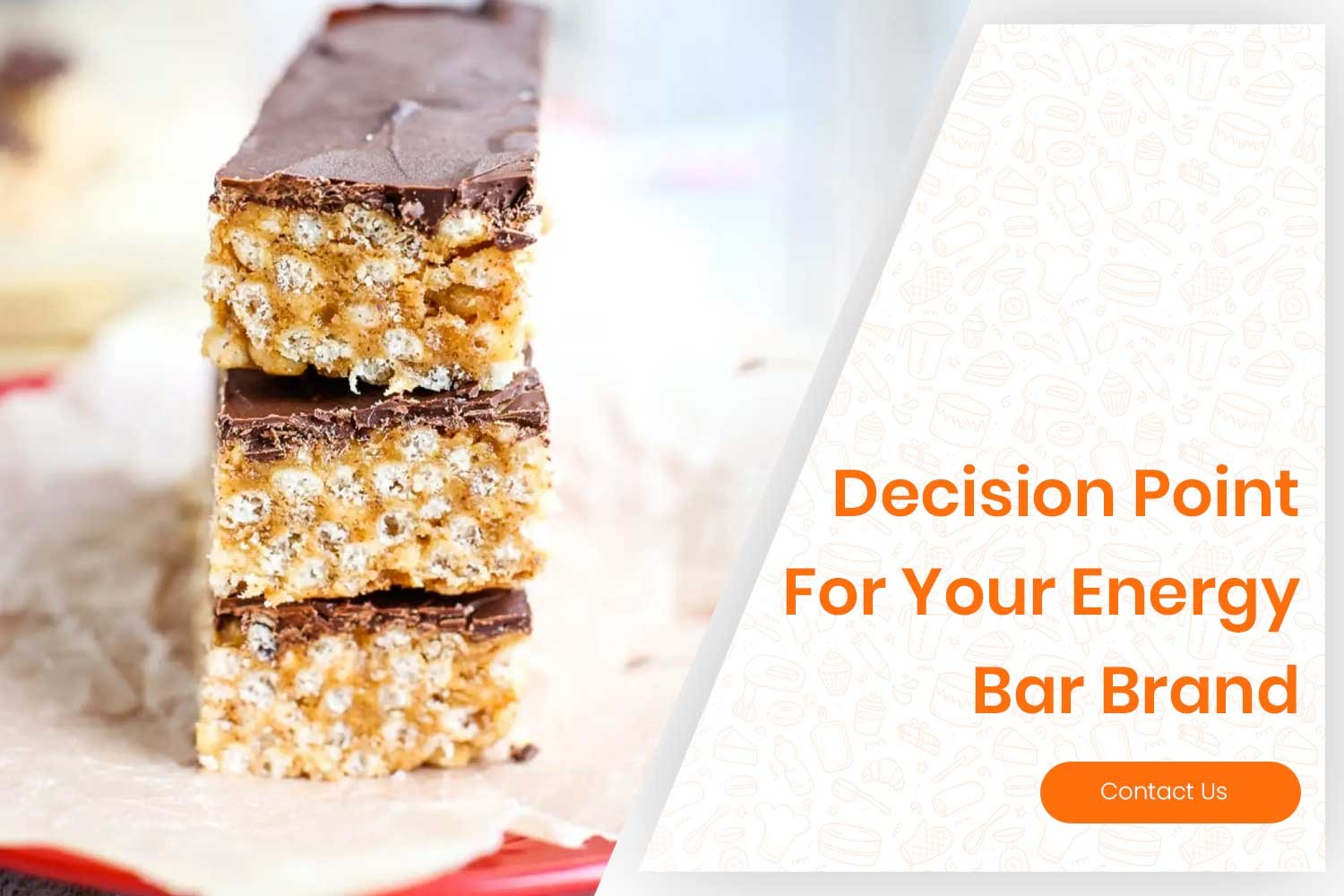
If you want to grow your energy bar startup or enterprise without the stress of setting up your factory, third-party manufacturing is a smart choice. The right manufacturing partner can help you launch faster and better.
This approach provides major advantages in terms of capital efficiency, speed to market, and access to specialized expertise. Businesses that implement these strategies powerfully can achieve sustainable growth in the competitive energy bar market.
Now is the time to take that next step with confidence. Call us now on 8130404757 for more details!
FAQs
How many is the minimum quantity of units to buy as a private label energy bar?
MOQs typically vary between 5,000-10,000 an SKU, however pilot batches of as low as 2,000 units could be potentially possible depending on formulation and packaging.
What is the best way to select an energy bar contract manufacturer?
Target competency in functional foods, high regulatory adherence, internal R&D and capacity to scale production.
Would manufacturers go with clean-label or vegan energy bars?
Yes. The majority provide support of clean-label formulation and high-protein plant-based with compliant ingredients.