
What does the “cost of food formula” mean?
The cost of food formula represents the investment required to create a commercially viable recipe for large-scale food production. It includes activities such as research and development, ingredient trials, prototype batches, lab testing, and pilot manufacturing. These steps are a crucial part of successful food formulation, food production and food product development.
Want to optimise your Food Business? Request a free consultation!
Explore Our Exclusive Food Product Development
You May Also Like: Cost of Food Product Development
Main cost components
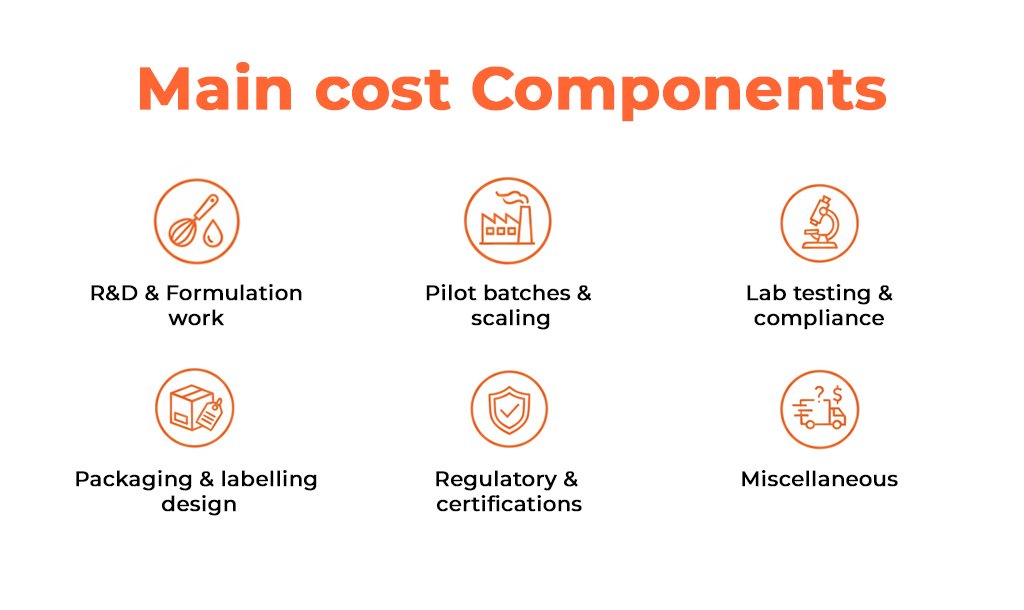
Break the total cost into clear parts so you know where money goes:
1. R&D & Formulation work
- Recipe design, ingredient trials, flavour balancing.
- Time of formulators / food scientists.
2. Pilot batches & scaling
- Small production runs to check processing and consistency.
- Packaging trial runs.
3. Lab testing & compliance
- Microbial tests, nutrition testing, shelf-life tests. These are needed by regulators.
- See FSSAI rules for lab and testing requirements.
4. Packaging & labelling design
- Packaging material, barrier requirements, and label printing.
- Must comply with FSSAI Labelling & Display Regulations.
You May Also Like: Food Packaging and Labelling Regulations
5. Regulatory & certifications
- Any special claims (e.g., “high protein”, “organic”) often need extra tests or certifications.
6. Miscellaneous Development Cost
- Transport, sample logistics, ingredient sourcing, and a small buffer for failed trials.
- Typical price ranges, realistic view (India context)
- Exact numbers change by product type, but a practical range helps planning:
- Basic single recipe (small-scale): ₹30,000 – ₹1,00,000
- Complex product (functional foods, fortified, sugar-free): ₹1,00,000 – ₹4,00,000
- Full product development (prototype → production): ₹2,00,000 – ₹10,00,000+
These published ranges align with current 2026 industry pricing.
Cost of Beverage Formula Development and Testing
Beverages often require additional formulation steps because liquids must maintain stability, flavour balance, and microbial safety.
The cost of beverage formula development and testing may include:
- Flavour and sweetener optimisation
- Emulsion stability testing
- Pasteurization or preservation trials
- Bottle compatibility tests
Because of these requirements, beverage formulation may involve extra lab work and pilot testing, increasing development costs.
Factors that Increase the Food Formulation Cost
Several factors can significantly influence the total cost of food formula.
Key factors include:
- Use of specialised ingredients
- Strict nutritional claims
- Extensive lab testing
- Complex packaging systems
- Multiple formulation revisions
Products such as functional foods, nutraceutical snacks, or sugar-free beverages generally require more R&D investment.
How FSSAI rules affect cost and production?
Government rules shape what tests and labels you must do. A few points to note:
- FSSAI’s Labelling & Display Regulations, set mandatory on-pack information.
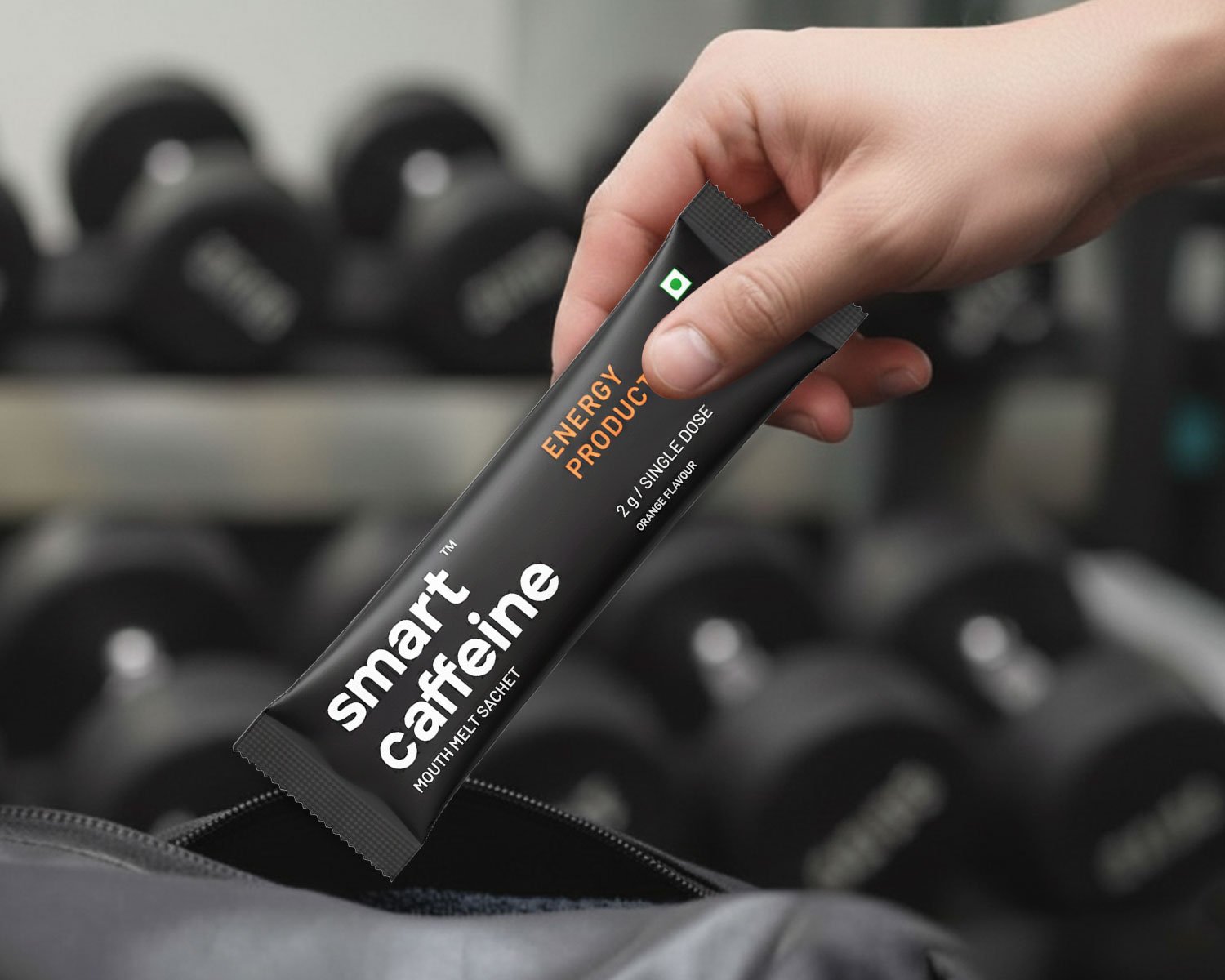
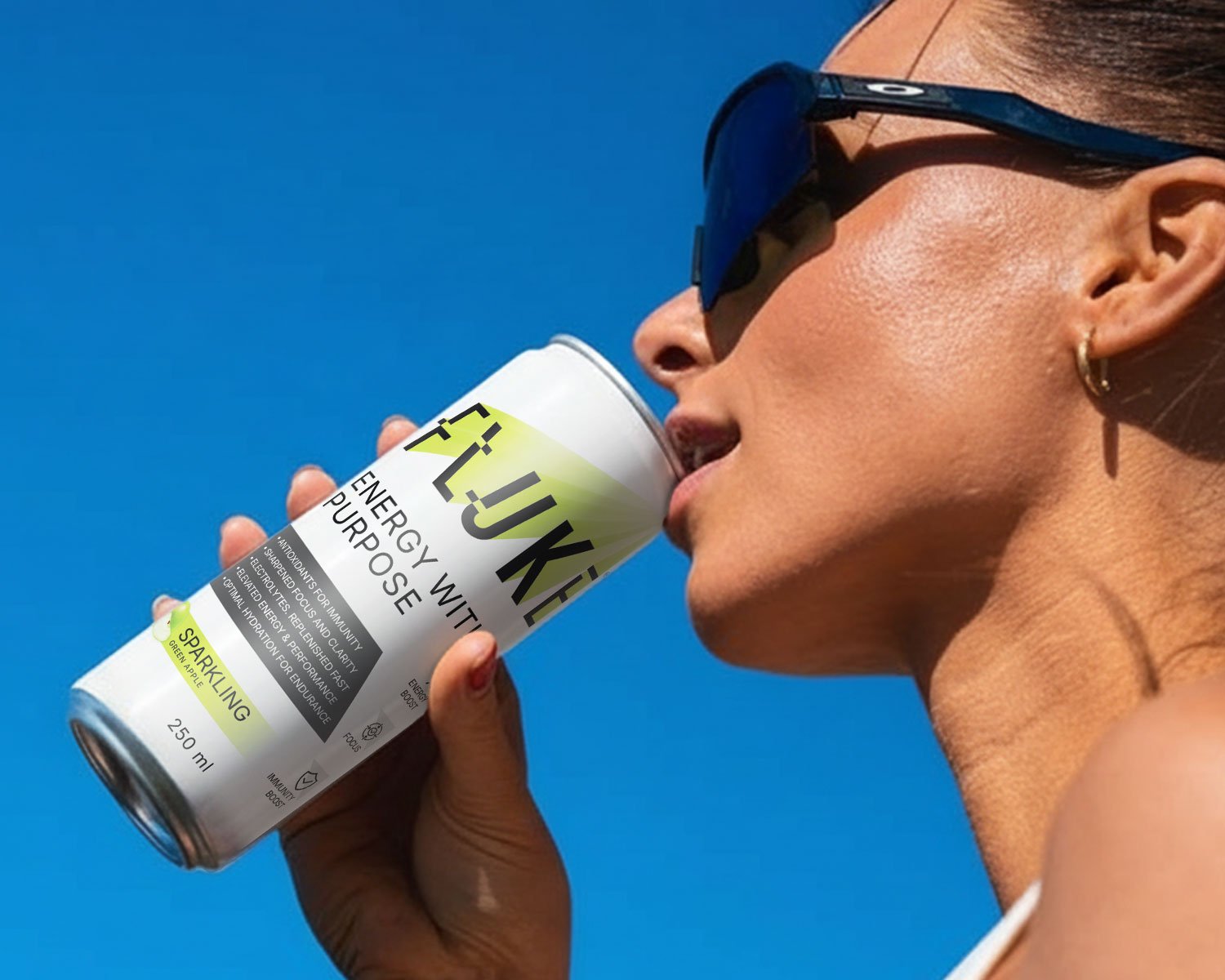
- Caffeine or energy-based products must follow caffeine limits and label caffeine clearly.
- FSSAI is working on front-of-pack nutrition labelling rules, expected soon.
- Always check FSSAI’s official site for latest notifications.
Read more: What is Food Production? Complete Overview
How to Reduce the cost without losing quality?
Businesses can optimise development costs with better planning.
Here are some practical tips:
- Use lean prototyping to reduce trial wastage
- Choose locally available ingredients
- Combine development services under one consultant
- Finalise packaging early to avoid redesign costs
- Limit unnecessary formula revisions
These strategies help reduce the cost of food formulation while maintaining product quality.
What a Food Consultant does for you?
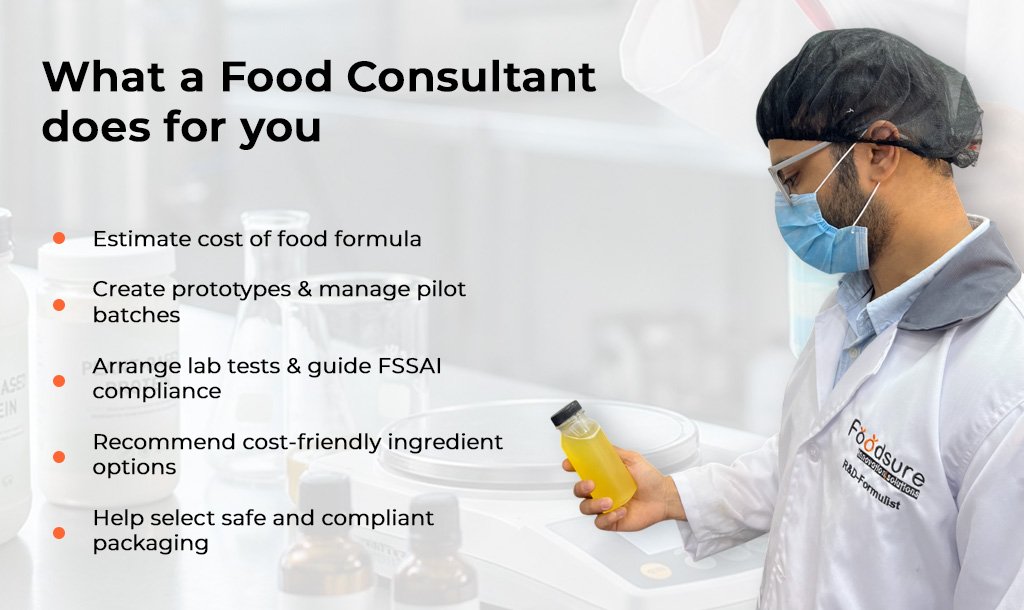
A good food consultant helps you plan budget, reduce risks, and speed up launch:
- Estimate cost of food formula
- Create prototypes & manage pilot batches
- Arrange lab tests & guide FSSAI compliance
- Recommend cost-friendly ingredient options
- Help select safe and compliant packaging
A consultant often saves money by reducing trial-and-error.
Sample Timeline for Food Formula Development
A typical food formula development timeline looks like this:
| Phase | Duration |
|---|---|
| Concept and brief | Week 1–2 |
| Formulation trials | Week 3–6 |
| Pilot production | Week 7–10 |
| Lab testing & labelling | Week 11–14 |
| Production handover | Week 15+ |
This timeline may vary depending on product complexity and testing requirements.
Real Costing Examples
Example 1: Snack Bar Formula Cost
Let’s see a real example of how to calculate the Cost of Food Formula for a small snack bar batch. This will help you understand ingredient and production costs clearly.
| Component | Quantity | Cost (INR) |
|---|---|---|
| Oats | 500g | 120 |
| Nuts (Almonds & Cashews) | 200g | 350 |
| Dates / Jaggery | 300g | 150 |
| Honey | 100g | 120 |
| Dry Fruits / Flavouring | 50g | 80 |
| Labour / Mixing / Packaging | – | 200 |
| Total Cost (Small Batch) | – | 1020 |
Batch Size: 20 bars | Cost per Bar: ₹51
Tip: Most cost comes from nuts and labour. Optimizing ingredients or packaging can reduce per-unit cost while maintaining quality.
Example 2: Energy Drink Formula Cost
Here’s another example for an energy drink. This shows how beverage ingredients, packaging, and additives affect the Cost of Food Formula.
| Component | Quantity | Cost (INR) |
|---|---|---|
| Water | 1L | 10 |
| Sugar / Glucose | 200g | 20 |
| Caffeine Extract | 5g | 80 |
| Electrolytes / Minerals | 10g | 50 |
| Flavour / Colouring | 5g | 30 |
| Bottling & Label | 1 bottle | 40 |
| Total Cost (1L Batch) | – | 230 |
Batch Size: 10 bottles × 100ml | Cost per Bottle: ₹23
Tip: Buying ingredients in bulk reduces cost. Test flavours in small batches to avoid wastage.
Example 3: Instant Noodles Formula Cost
Finally, an example for instant noodles. It highlights how flour, seasoning, oil, and packaging contribute to the overall Cost of Food Formula.
| Component | Quantity | Cost (INR) |
|---|---|---|
| Maida / Wheat Flour | 1kg | 60 |
| Starch / Binding Agents | 200g | 40 |
| Seasoning / Spices | 50g | 30 |
| Oil / Frying | 100ml | 50 |
| Packaging (Plastic & Label) | 10 packs | 100 |
| Labour / Misc | – | 50 |
| Total Cost (1kg Batch) | – | 330 |
Batch Size: 10 packs × 100g | Cost per Pack: ₹33
Tip: Packaging and seasoning may seem small but add up in large batches. Scaling up production lowers per-unit cost.
Final tips before you start
Here are Some Final Tips:
- Get a clear quote
- Ask for India-specific cost items
- Keep 10–20% contingency
- Follow latest FSSAI updates
Need Help Estimating Your Food Formula Cost?

If you want a customised estimate for your product, whether it’s a snack, beverage, or nutraceutical, share a few details with us such as:
- Product type
- Target nutrition claims
- Expected batch size
Our expert food formulation team will analyse your requirements and help you understand the exact cost of food formulation, along with a clear development roadmap for your product.
Ready to start your product journey?
Contact our team today for a personalised consultation and get clarity on your product development cost.
➤➤ Find Cost estimate of your product
Need Expert Help with Food Costing?
Get accurate cost calculation, recipe formulation & consultancy from trusted Foodsure experts.
FAQ’S
1. What does “cost of food formula” actually mean?
It is the total cost needed to create a scalable recipe, including R&D, trials, pilot batches, testing, and compliance work.
2. What is the average cost of food formulation in India?
Basic formulas cost ₹30,000–₹1,00,000, while functional or complex products can range from ₹1,00,000–₹4,00,000 or more.
3. Why do lab tests increase the cost?
Mandatory microbial, nutrition, and shelf-life tests (as per FSSAI) require certified labs, which increases development cost.
4. Does packaging design affect the cost?
Yes, packaging material, barrier type, and FSSAI label rules (2025 update) add to testing, design, and printing expenses.
5. What makes some products more expensive to develop?
Functional, high-protein, sugar-free, or fortified foods need advanced R&D and more tests, increasing overall cost.