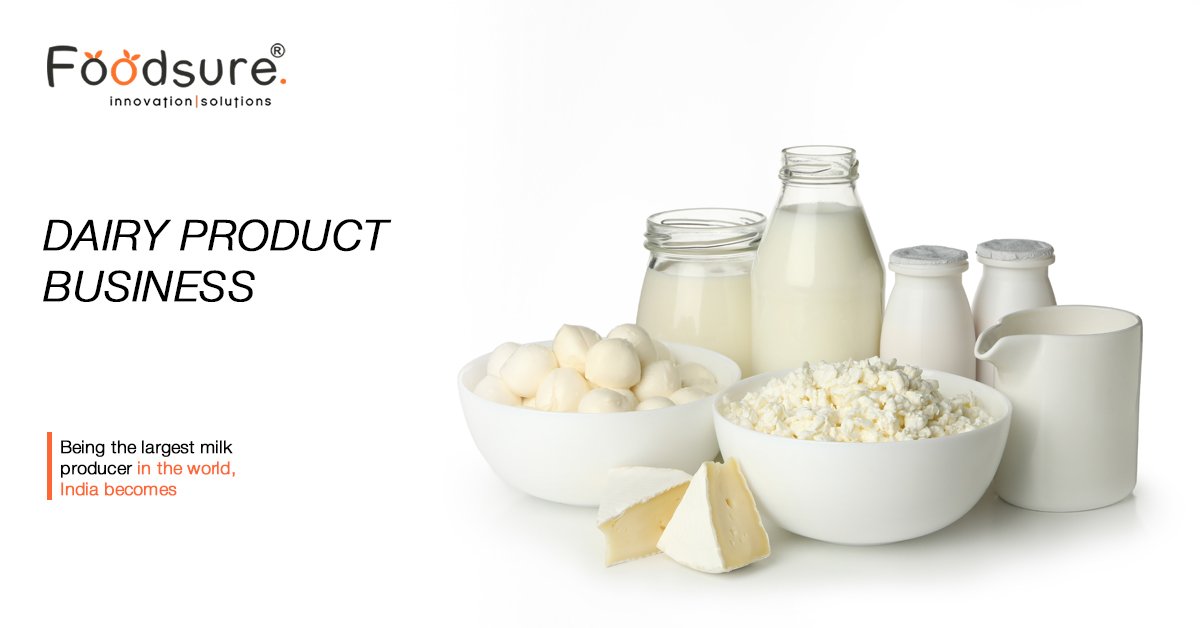
Being the largest milk producer in the world, India becomes the most natural starting point for an effective Dairy Product Business. From paneer, fresh butter, and ghee to the highest quality cheese, dairy products continue to be indispensable staples of all Indian households irrespective of social status.
The Indian dairy sector was worth USD 140 billion in 2023 and is expected to record a CAGR of 15% until 2028. An effectively structured plan for a successful execution of a dairy business in India necessitates expertise in both product formulation and proper temperature control along with adherence to FSSAI guidelines. Any mistake in each of them would ruin a promising business model.
Dairy Product Business Explained
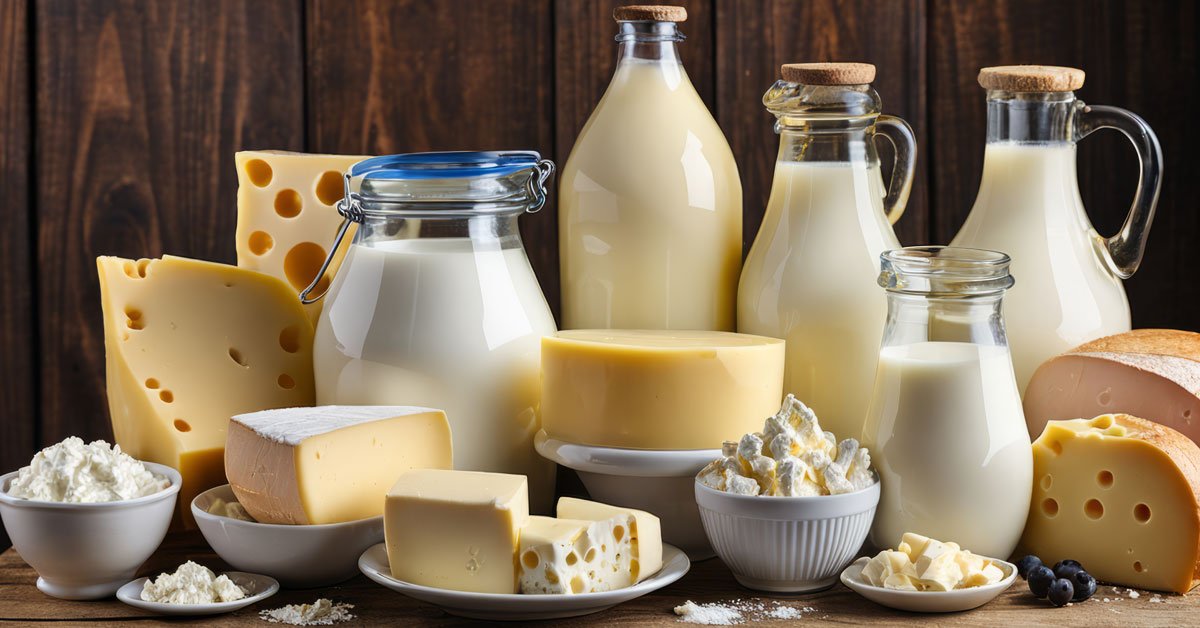
The term “Dairy Products Business” refers to the industrial production and marketing of various products made from milk. There are various business based on Dairy Products. These products include paneer, ghee, butter, curd, and processed cheese. Each of these products has its specific processes, regulations, and shelf life properties.
Regardless of whether you are planning to start your paneer production company or improve the efficiency of your ghee production plant in India, you need to be aware of the regulations for every product. A successful dairy products business plan in India should address all aspects of milk procurement, transportation, processing, and FSSAI-approved dairy product packing.
Small Scale vs Large Scale: Understanding the Dairy Product Business Landscape
Selecting an appropriate entry scale can be considered the most critical step when it comes to establishing a business in the Dairy Products Industry. This is explained in the following chart.
| Feature | Small Scale | Large Scale |
|---|---|---|
| Investment | Lower Capital | Higher Capital |
| Output | Limited Batches | Mass Production |
| Cold Chain | Basic Setup | Advanced System |
| Market Reach | Local/Regional | National/Export |
| Compliance | Basic FSSAI | Full Audit Trail |
Key Trends Shaping the Dairy Product Business in India Today
The Dairy Products Industry in India is seeing some radical changes with the impact of consumer demands, technological advancements, and new regulations coming into effect simultaneously.
- There is a great increase in the demand for fresh and preservative-free paneer in retail urban markets.
- The production of ghee in India is gaining momentum with the use of automated continuous clarifiers.
- Technological advancements in dairy products packaging have ensured increased shelf-life.
- Dairy product brands are occupying more space as private labels in quick commerce outlets.
- There is an increased premium price being commanded by A2 milk products in metros.
- New competition from plant-based alternatives for dairy products is emerging.
The entrepreneurs who follow such trends will develop more resilient dairy products in the future.
Core Components of a Successful Dairy Product Business
All profitable dairy products companies consist of core business operational elements. All the elements influence the safety, compliance, and customer trust of the product.
Understanding all of the above-mentioned pillars differentiates successful scaling of dairy brands from those that stay within their own local markets.
Common Problems in Starting a Dairy Product Business in India
When entrepreneurs are developing their dairy business plans in India, they consistently face a range of challenges that include:
- The absence of cold chain technology from the initial production phase.
- Variation in the quality of raw milk resulting in variation in the texture and fat content of the final product.
- Dairy products packaging issues and inadequate shelf life resulting in returns from retailers.
- Delayed FSSAI licensing due to lack of adequate technical data.
- The lack of standard operating procedures for the manufacturing process for paneer.
- Logistics for perishable food product transportation have not been sorted out yet.
Solving all these issues in an organized manner prior to the market release is imperative.
Development Stages of the Dairy Product Business
Each Dairy Products Enterprise follows an organized production process. Accuracy at each level is necessary for producing quality products.
| Component | Focus Area | Key Action |
|---|---|---|
| Milk Sourcing | Quality Testing | Supplier Certification |
| Processing | Temperature Control | Pasteurization Checks |
| Cold Chain | Storage Safety | Consistent Refrigeration |
| Packaging | Shelf Integrity | Barrier Film Selection |
The organized Indian dairy industry will touch $300 billion by 2033, fueled by growing protein consciousness and premiumization (Source: Innova Market Insights).
Foodsure’s Process and Approach for a Dairy Business Plan India
Successful dairy business owners have always adopted a methodical and well-thought-out approach. An effective dairy business plan India requires:
- Deciding the product line – paneer, ghee, or butter – prior to any investment.
- Acquiring milk from certified food-grade sources.
- Developing standard operating procedures for ghee production India.
- Getting either the FSSAI Central License or the FSSAI State License depending on the annual turnover of the unit.
- Constructing hygienic processing facilities and cold storages in accordance with the guidelines laid down by FSSAI.
- Performing shelf life testing before launching into institutions and/or retail markets.
Not following any of the above-stated steps results in compliance issues that will be expensive to address later on.
Clean Label and Natural Positioning in the Dairy Product Business in India
The clean label trend is changing customer expectations in the Dairy Product Industry space. Consumers expect complete transparency about the source of the milk used, the fat content in the product, and any ingredients added to it. Nevertheless, phrases such as “100% natural,” “farm fresh,” and “chemical free” need documented proof before making it onto packaging.
Including unproven wellness statements on dairy packaging may attract the attention of FSSAI regulations regardless of the best of intentions by the company. Clean label positioning must always translate into clean compliance. Any statement regarding the quality of dairy products and shelf life should be backed by lab tests.
Emerging Formats in the Dairy Product Business
The rise in innovative formats is generating compelling new possibilities for dairy entrepreneurs. Anyone setting up a paneer or ghee manufacturing facility needs to keep an eye on new formats such as:
- A2 ghee that appeals to consumers who are conscious about health and belong to higher-income groups.
- Paneer with flavors, catering to today’s retail and institutionalized food service sector.
- Probiotic butter combines taste with gut health.
- Dairy products with extended shelf-life, created using UHT technology.
Each format calls for a different upgrade in the production processes involved in ghee manufacturing India and paneer production as well as approval from the FSSAI.
Manufacturing, Formulation, and Dairy Product Packaging and Shelf Life
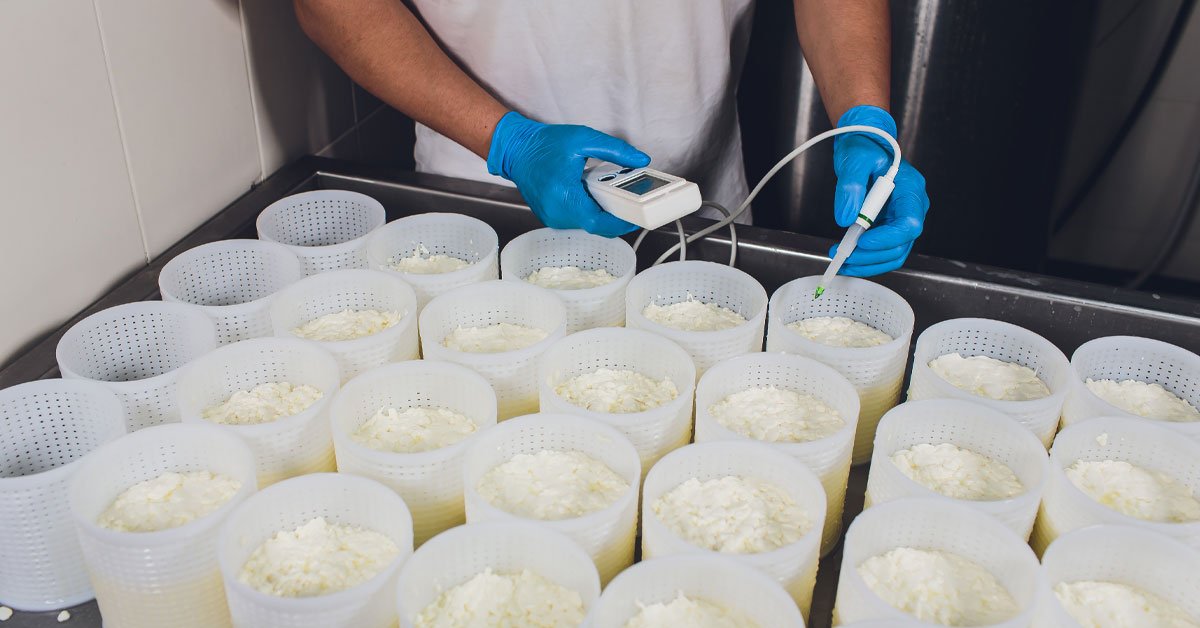
The effectiveness of dairy manufacturing determines the results of dairy product packaging and shelf life. Milk manufactured at the wrong pasteurization temperature and which breaks the cold chain will spoil very fast irrespective of how technologically advanced the packaging used.
This means that every dairy product business should make investments in manufacturing processes, packaging with layers of moisture-proof and antimicrobial characteristics, and facilities that have been designed hygienically.
Testing batches and milk quality audit are not some voluntary activities, but core business functions that should be done by every responsible dairy manufacturer.
At Foodsure, we help dairy startups create an FSSAI-compliant formulation and undertake shelf life study among other services to craft a scalable dairy business in India.
Conclusion: Build a Future-Ready Dairy Product Business in India
It would be an understatement to say that there is a lot of potential in the Dairy Product Business. But to create sustained success, it takes more than just sourcing high-quality milk. It needs the establishment of a reliable ghee manufacturing process in India, a paneer making business in India that adheres to regulations, proper dairy products packaging and shelf-life, and a well thought out dairy business plan India.
As a new entrant or as an established dairy manufacturer, the need for perfection at all steps cannot be overemphasized.
Foodsure helps aspiring dairy manufacturers with their full product development services.
Are you looking to establish yourself in the dairy products space?
How to Start a Dairy Product Business in India
Learn the step-by-step process to launch a successful dairy business, including licensing, production, packaging, and distribution strategies.
FAQs
What is the lowest amount for investment in a dairy business plan India setup?
Small-scale dairy business requires an investment range of INR 10 to 20 lakhs.
What permits/licenses are required when opening a Dairy Product Business in India?
One needs to register with the FSSAI, GST, and obtain a municipal license.
How does the ghee preparation process in India begin?
It includes the separation of the cream, cooking the mixture slowly, clarification, testing for moisture and bottling.
Which are the main factors influencing the packaging process and shelf life of dairy products?
The quality of pasteurization process, reliability of cold chain process, the strength of the barrier provided by packaging materials, and moisture control.
Why can paneer manufacturing bring stable income to a dairy product company on a small scale?
The relatively low cost of machinery, regular demand, and a reliable distribution network ensure good profitability.
Which dairy products are recommended for starting a Dairy Product Business in India?
One should consider paneer and ghee as they have high demand, clear FSSAI standards, and are easy to process.
At what frequency should one review his/her dairy business plan in India?
The dairy business plan India requires reviewing once in six months.