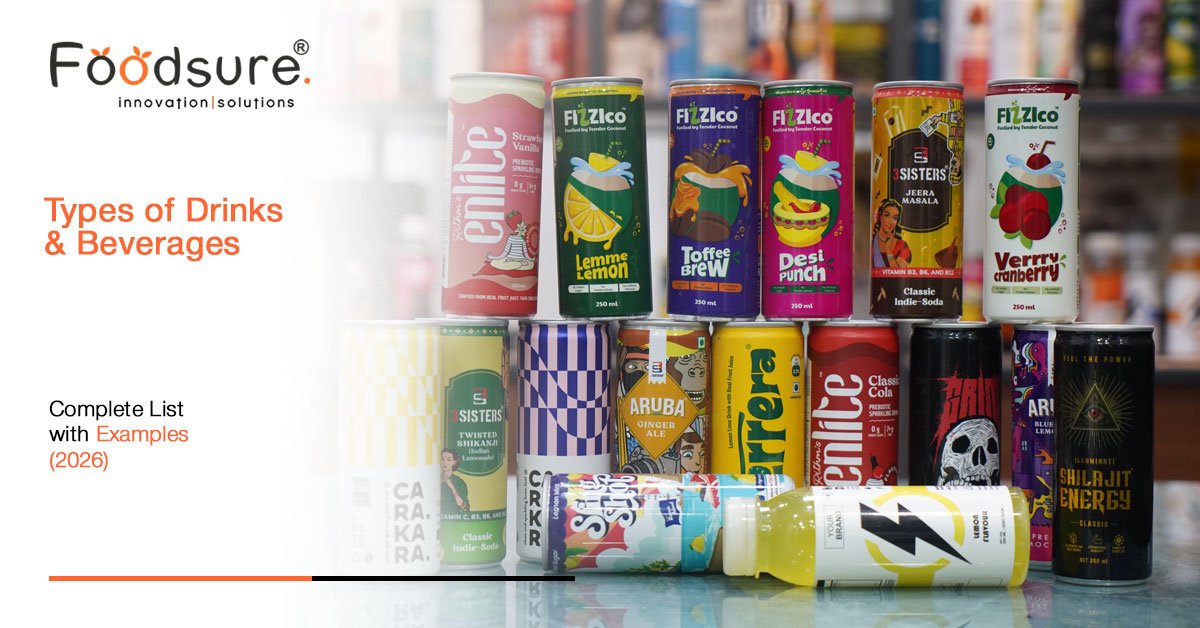
In the realm of remarkable expansion, India’s beverage market is set to achieve a substantial market value, driven by innovation and shifting consumer trends, reaching $47.6 billion in 2026. The market offers distinct types of drinks, which include street-side chai and premium functional beverage items. The business grows because urban customers demand products which are inclined to health in proportion to becoming popular. The market shows the highest revenue for non-alcoholic beverages, while functional drinks experience annual growth of 12%.
This article illustrates extensive data that supports 25 different types of beverages. It summarises the list of different categories with their specific examples of beverages. The document outlines various types of drinks, which include non-alcoholic beverages, alcoholic beverages and functional beverages. The document provides two sections that describe different types of beverages in the context of the Indian market.
Moreover, it also summarises healthy drinks, alcoholic beverages and the classification of beverages. You can examine non-alcoholic drinks and functional options, and additional beverages.
Looking to launch your own drink brand in India’s growing beverage market? Talk to Foodsure’s beverage experts today.
Classification of Beverages: 3 Main Types
Drinks can be divided into three basic types. Therefore, with such types of beverages, you will understand the category of drinks or beverages more quickly.
| Category | Examples | Key Characteristic |
|---|---|---|
| Non-Alcoholic Beverages | Water, juice, tea, coffee, milk | Below 0.5% alcohol; focus on hydration and nutrition |
| Functional Beverages | Energy drinks, probiotic drinks, vitamin water | Added health benefits like vitamins or probiotics |
| Alcoholic Beverages | Beer, wine, spirits | Above 1% ethanol; fermented or distilled |
In India, non-alcoholic beverages and functional beverages are estimated to experience their strongest fiscal growth in 2026-27. Market statistics and everyday consumer behaviour justify this fact on ground-zero.
15 Types of Non-Alcoholic Drinks and Beverages
Non-alcoholic drinks rank as the most consumed beverages globally as well as in India. These drinks are preferred from morning chai to evening coconut water. These beverages fit daily life perfectly. Here are 15 popular non-alcoholic types of beverages.
1. Water: The Most Essential Beverage
Water is the essential ingredient in all types of drinks and beverages. It exists in three different forms, which include still, sparkling and mineral water. You can drink it without any additions, or taste it by adding lemon flavour. As scientifically proven, your body requires water to maintain all its processes, and it makes up 70% of your total body weight. The cells in your body need water to function properly because it is essential to their function. Since, the body needs between 2-3 litres of water every day to maintain proper hydration.
Health experts universally recognise water as the most essential beverage for optimal health. The body uses proper hydration to control body temperature and remove toxins while delivering mental clarity. Athletes depend on it to recover after they finish their workouts, and people in India choose it as their preferred summer drink during hot weather. Tap water provides free hydration, while bottled water enables travellers to access convenient drinking water.
The packaged water market in India stands as the largest global market, where top brands compete to supply products that customers perceive as extremely pure while containing exactly defined mineral content. This non-alcoholic beverage exists in all locations, from retail outlets to business workplaces, which makes it the standard drink against which all other drinks are compared.
2. Milk: A Nutritional Powerhouse
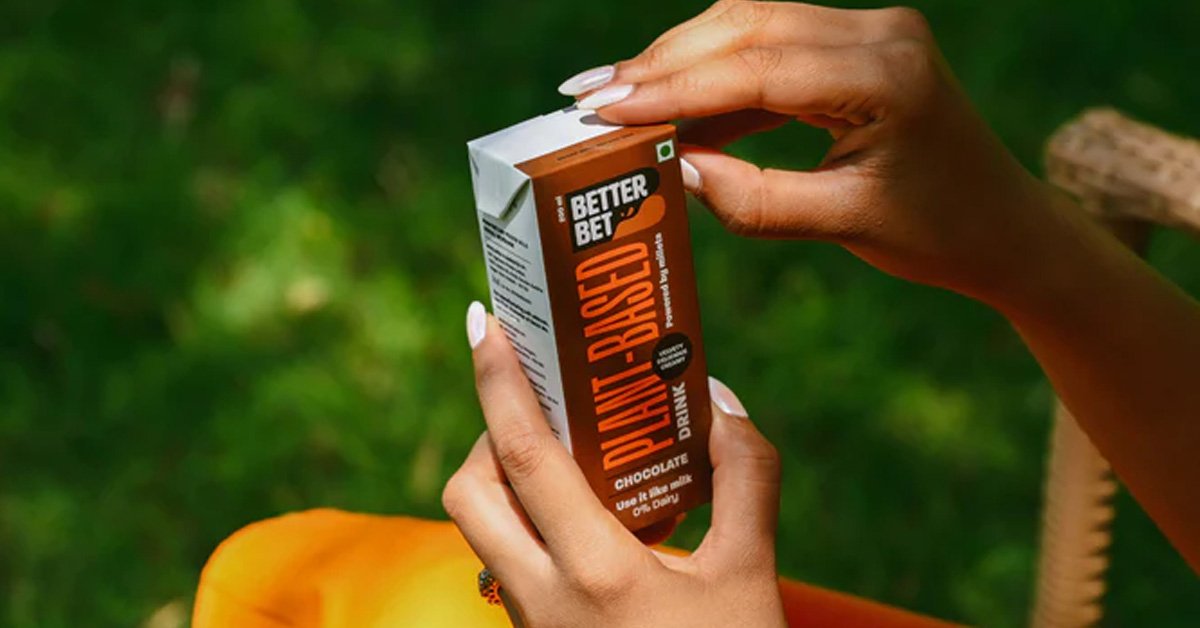
Milk delivers all necessary nutrients through its easily drinkable liquid form. The available choices include whole milk, which offers a creamy texture, skim milk, which provides low-fat options, and plant-based milk alternatives such as almond and oat milk, which create different dietary choices. The beverage made from cow and buffalo milk or plant products can be consumed either after boiling in the Indian tradition or after chilling. Children depend on it for their development, while adults use it to enhance their tea and cereal and their everyday activities.
The main nutrients people need include calcium, which strengthens bones, vitamin D, which boosts absorption and protein that contains all eight essential amino acids for muscle recovery after exercise. Lactose provides immediate energy benefits, while full-fat products help people feel full for longer periods. The vegan and lactose-intolerant population can choose from non-dairy alternatives, which provide suitable products.
India has become the world’s biggest milk producer because it produces more than 230 million tonnes of milk each year. The country ensures that every household, from rural villages to urban centres, receives this essential food item. Street vendors provide fresh drinks to customers, while packaged companies create new products that include chocolate flavors which serve as an essential national non-alcoholic drink.
3. Chai: India’s Most Beloved Drink
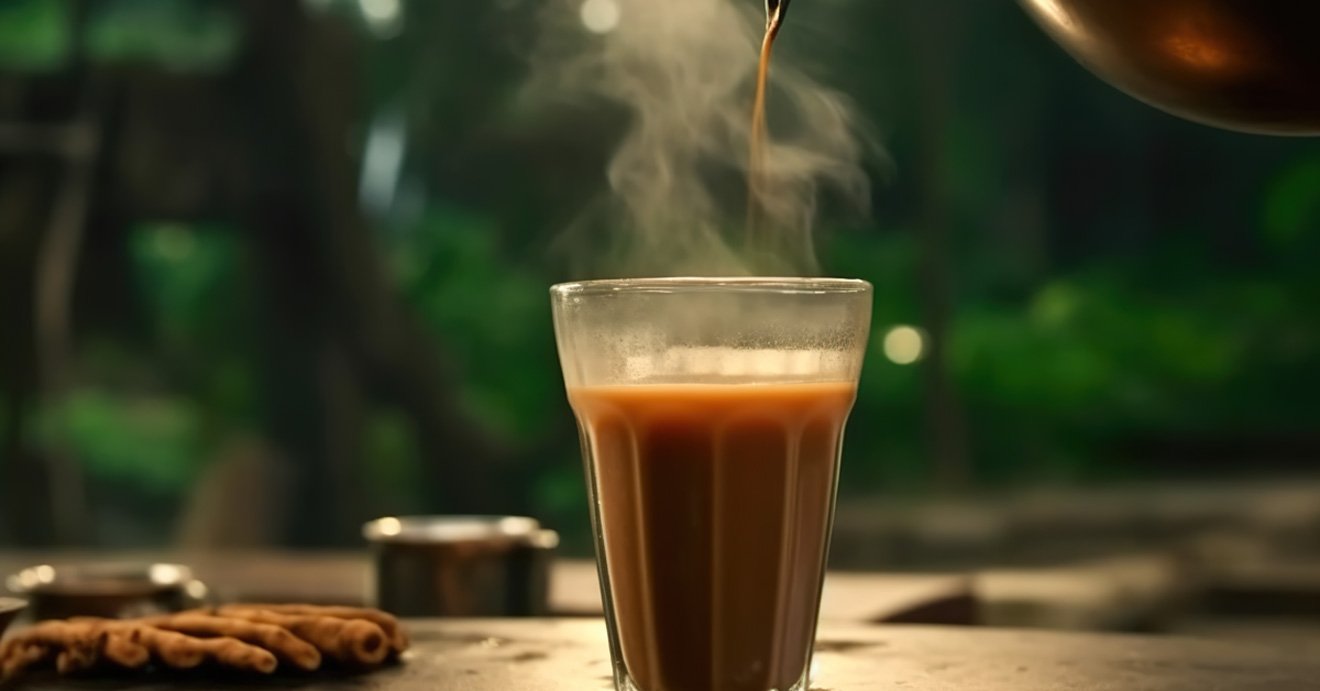
Chai begins with robust black tea leaves, brewed strong by simmering with milk, sugar, and aromatic spices. Ginger imparts a soothing effect that eases throat irritation, cardamom infuses a delightful fragrance, and cloves add layers of complex flavour. Street vendors master the high-pour technique to create a frothy texture, while offices keep kettles simmering throughout the workday.
Caffeine delivers sustained energy without crashes, antioxidants combat oxidative stress and inflammation, and spices aid digestion after hearty meals. Sipped during breaks, conversations, or family breakfasts from shared pots, chai fosters social connections across all strata of society.
As India’s cultural emblem, chai sees over 400 million cups consumed daily. Tea stalls dot every street corner, trains serve it in traditional kulhads (clay cups), and this non-alcoholic beverage underpins the world’s largest tea-drinking culture.
4. Coffee: A Global Favourite
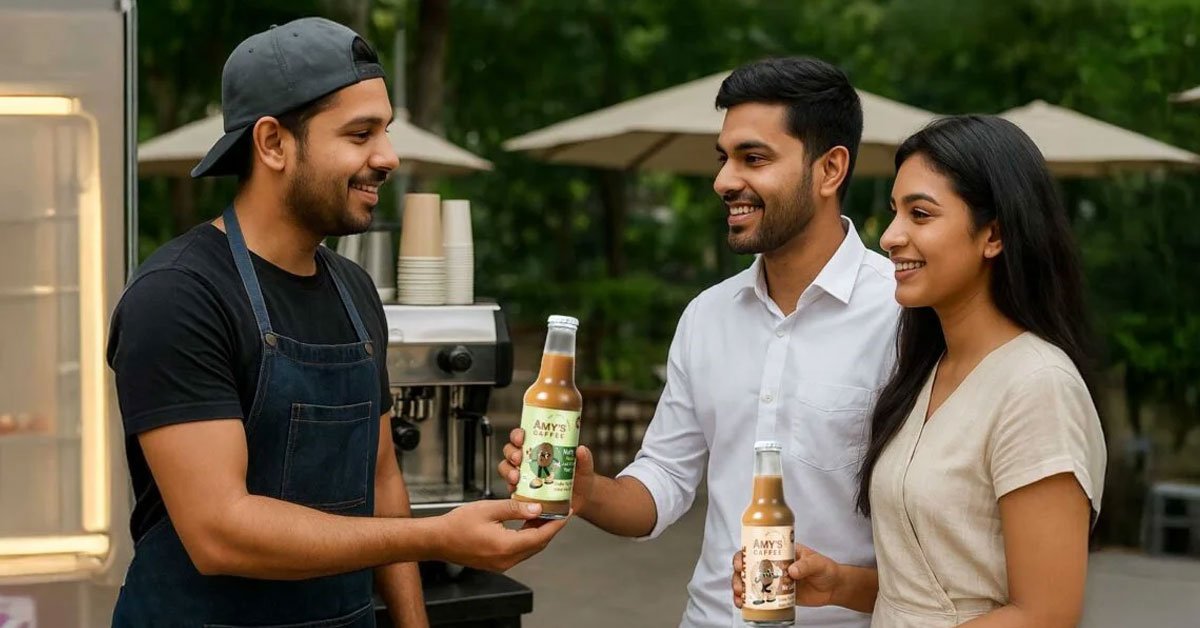
Coffee roasts beans derived from plants that grow in mountainous areas. You need to grind the beans into fine particles for espresso preparation, while using coarse ground for filter brewing. The hot water process extracts all taste components from the coffee. You use milk to prepare cappuccino, while you use ice to create cold brew type of beverages. Caffeine delivers its effects within a short time, which helps people concentrate better.
The substance prevents the brain from receiving signals that indicate fatigue, which results in alertness. Antioxidants provide protection to cells from harm. You drink it before meetings or study sessions. Cafes roast fresh for aroma. Home machines make it easy daily. Urban India embraces coffee fast. Bengaluru and Mumbai lead India’s rapidly growing coffee culture, which expands throughout urban areas. The number of chains increases, which leads to their presence in shopping centres. Young people show a preference for iced lattes. South Indian filter coffee maintains its original brewing method. This type of beverage, which is non-alcoholic, competes with chai as a popular beverage in urban areas.
5. Fruit Juice: Vitamins in a Glass
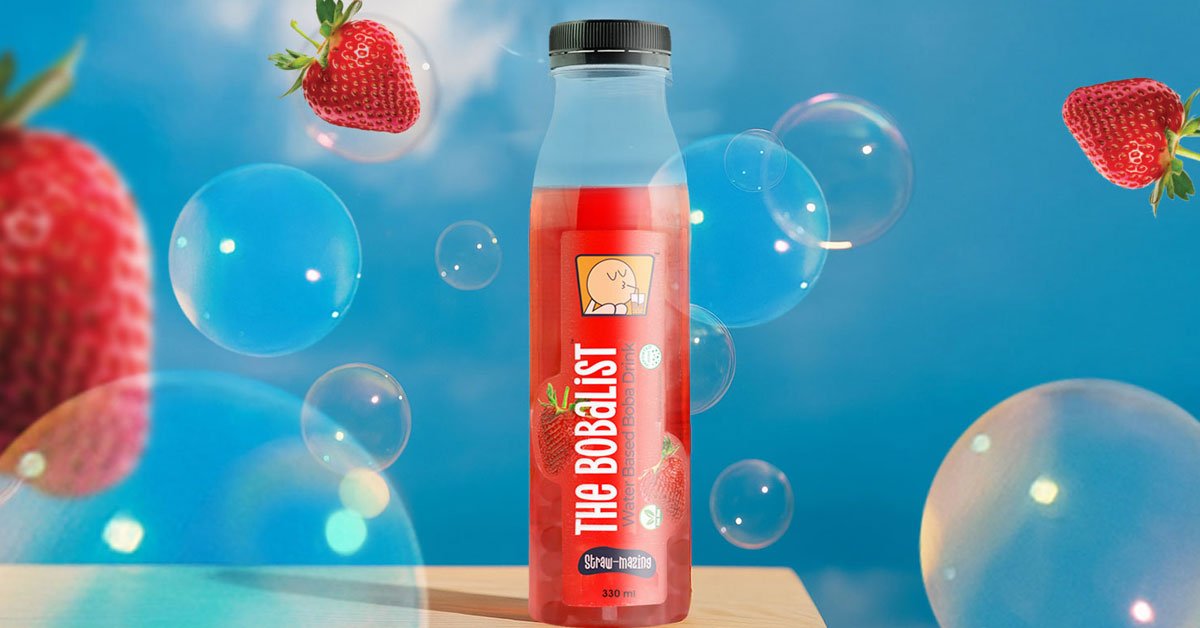
Fruit juices extract vibrant flavours from fresh oranges, mangoes, strawberry or sugarcane. Shelf-stable versions blend concentrate with water, preserving health benefits without added sugars. Home blenders produce thick smoothies, while street carts press fresh juices according to customer requests.
Vitamin C fortifies immunity, while natural sugars provide consistent energy, and pulp fiber promotes digestive health. Perfect for breakfast refreshment, berry and grape varieties appeal to kids with their vivid colours.
India champions local fruits: mango juice dominates packaged sales, sugarcane juice rules street stalls, drawing long summer queues at ganne ke thelas—and tetrapaks ensure ubiquity. The non-alcoholic beverage provides essential nutrients that people need during the summer season.
6. Tea: Varieties and Benefits
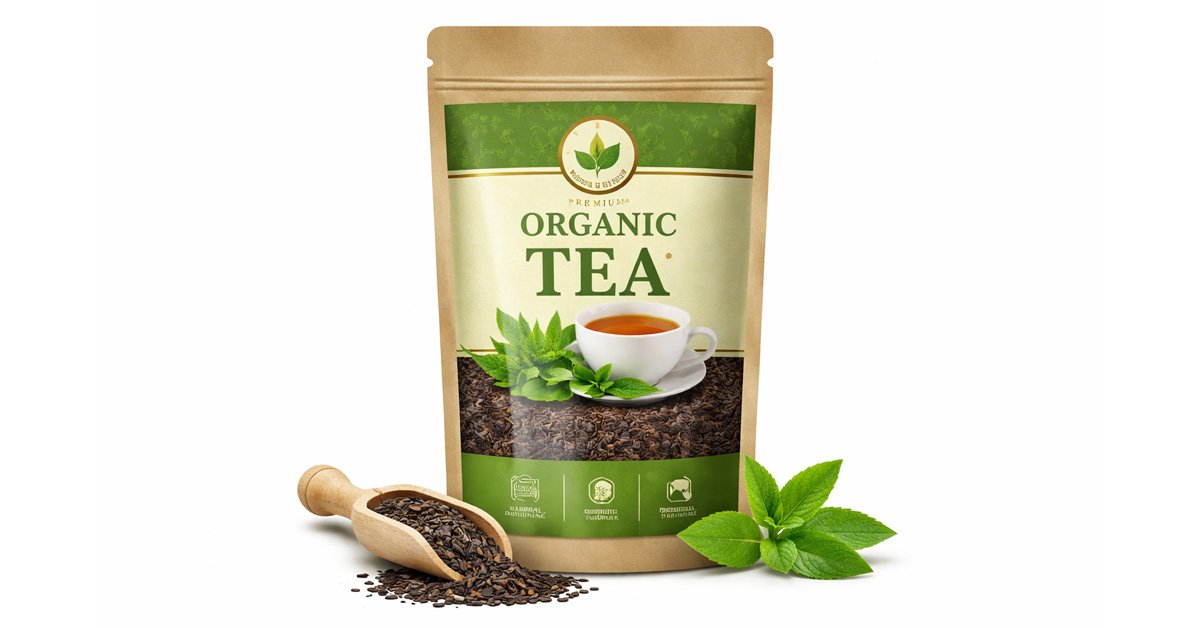
Tea leaves are processed differently. Green tea steams its leaves rapidly to preserve their original flavour. Black tea undergoes complete fermentation to produce its strong flavour. Oolong tea achieves its taste balance through half-fermentation. White tea uses young buds for production. Herbal tea combines flower and root components.
Antioxidants help to reduce cholesterol levels. You need to brew either loose leaves or tea bags. Honey acts as a natural remedy to relieve throat discomfort. Iced beverages provide relief during hot weather conditions. Milk functions as a flavour neutraliser for bitter elements.
India produces exceptional tea, which ranks among the best in the world. India holds the position of the second biggest tea producer in the world. The tea regions of Assam and Darjeeling produce tea that achieves international recognition. The tea plantations provide job opportunities to millions of workers. The tea industry exports its products to high-end retail stores in international markets. These types of beverages provide multiple options to match different emotional states.
7. Coconut Water: Natural Hydration
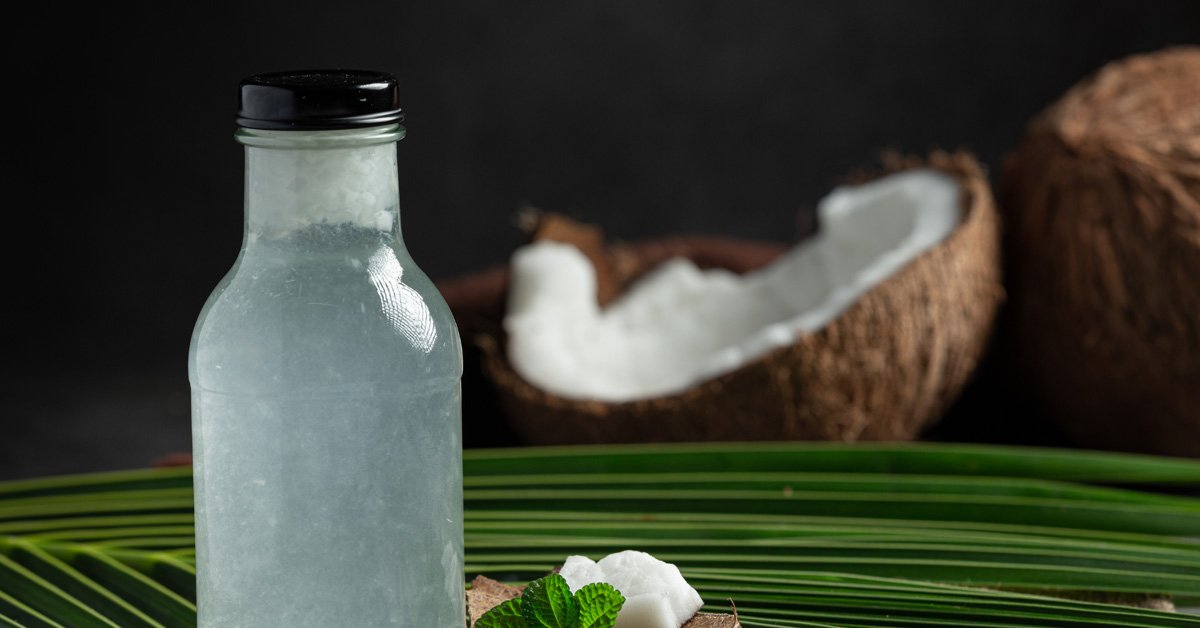
The process of extracting coconut water begins with the collection of fresh green coconuts, which people drink after cutting their tops to make a straw accessible. The product comes in bottles, which retail stores use because it contains fewer calories than sports drinks while providing a distinct advantage to customers. The product naturally contains a high potassium level, which matches the potassium content of bananas, and it delivers better hydration results.
The body needs electrolytes because people lose them through sweating. You consume the drink after your gym workouts or hiking sessions. The product remains untainted because it does not contain any added sugar. The tropical flavour provides immediate revitalisation to the drinker.
Coastal India perfects it. Kerala and Tamil Nadu rank among the world’s top coconut water sources. Vendors climb palms daily. Exports ship chilled worldwide. This non-alcoholic beverage hydrates like nature intended.
8. Lassi: The Original Indian Probiotic Drink
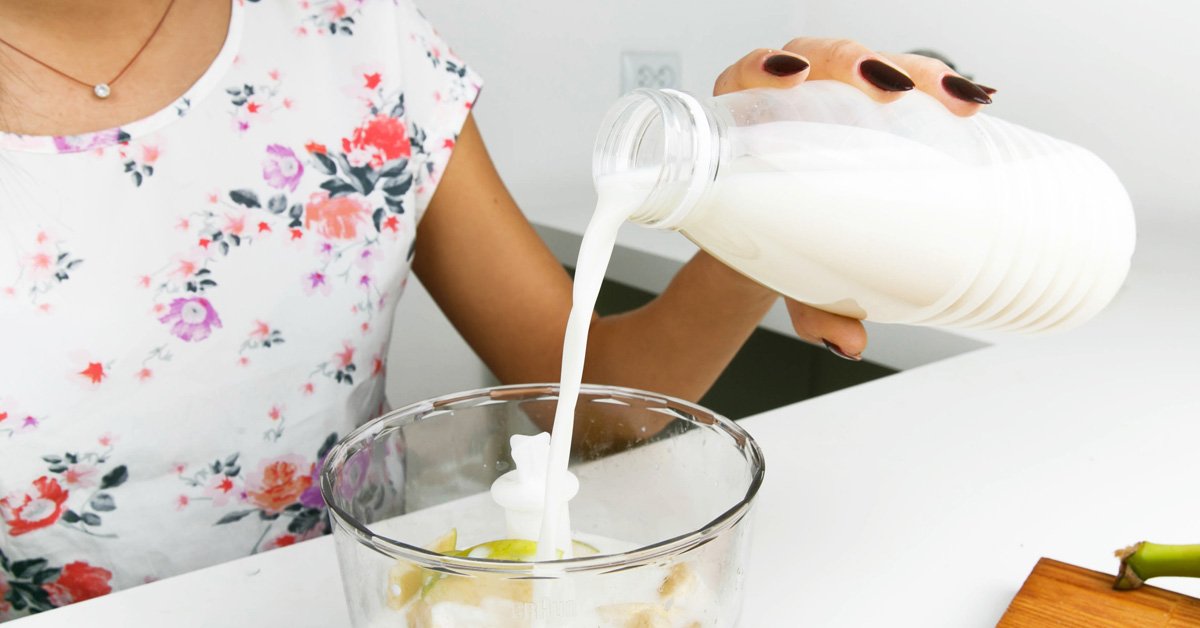
Lassi is all about smooth yoghurt texture through the process of whisking. It is sweetened with sugar or salt, with cumin. Mango pulp creates a fruity summer dessert. Glass tumblers serve thick layers.
Prebiotics provide nutrition to beneficial bacteria present in the gut. It helps the body break down heavy foods, like parathas. These type of beverages provides temperature relief during hot weather conditions. The drink becomes your choice during lunch breaks and festival celebrations.
Lassi started as a Punjabi regional drink but has now become a worldwide non-alcoholic beverage that restaurants serve around the globe. The Blue City of Jodhpur attracts tourists who want to taste this yoghurt-based treat at its colourful street market stalls. The drink shows how yoghurt functions as a basic ingredient that chefs can use to create dishes from various cultural backgrounds.
9. Smoothies: Blended Nutrition
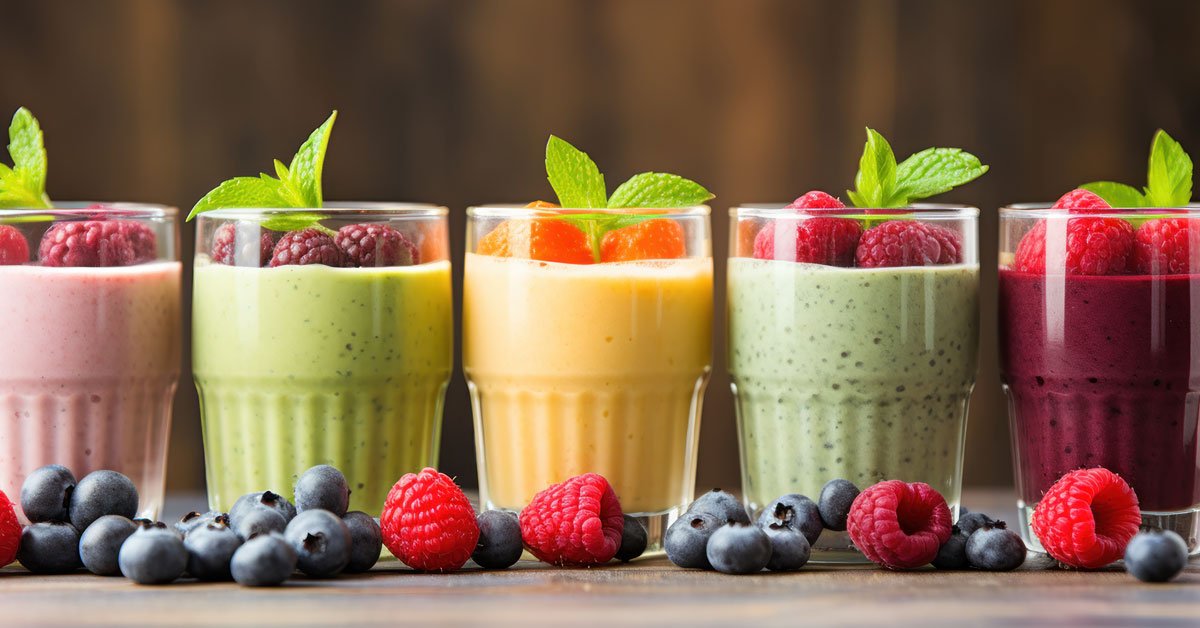
Blenders effortlessly combine fruits, greens, and yoghurt to craft nutrient-packed smoothies. The addition of banana provides natural creaminess while spinach creates a vibrant green boost. The post-workout recovery process improves through protein powder addition, which enhances the drink’s ability to provide energy for recovery. The use of ice creates a thick, chilled texture that improves the complete experience of the product.
Vitamins absorb fast without cooking. Fibre fills you up. You customise for diet needs. Gyms sell ready cups.
The trend is driven by cities. Post-workout smoothie culture develops continuously in Mumbai, Delhi, and Bengaluru. Juice bars operate their businesses from mall locations. Home blenders create affordable solutions. This type of beverage provides an easy way to combine health benefits.
10. Milkshakes: Indulgent Sweet Drinks
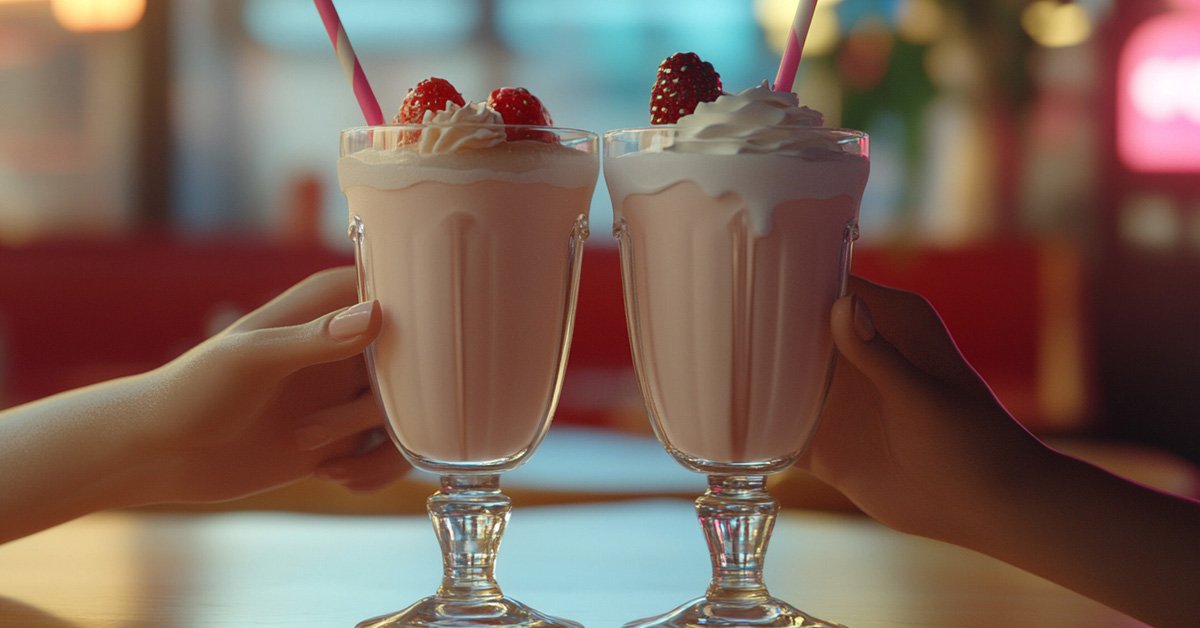
Milkshakes combine milk with ice cream and cold syrups. You top the dessert with cream or nuts. The chocolate and vanilla flavours remain traditional. The shake machines create the ideal texture through their frothing process.
People experience happiness when they consume calcium-rich products. People experience brief happiness through occasional sugar consumption. Children drink from large glasses. Restaurants provide customers with fries as a standard side dish.
India creates unique flavours by blending local ingredients. The Indian beverages market is experiencing commercial success with mango shake, gulab jamun shake, and kesar products. Street vendors sell summer carts that offer rose and saffron mixtures. Cafes create new products every day. This drink provides a pleasurable experience without containing alcohol.
11. Sparkling Water and Soda
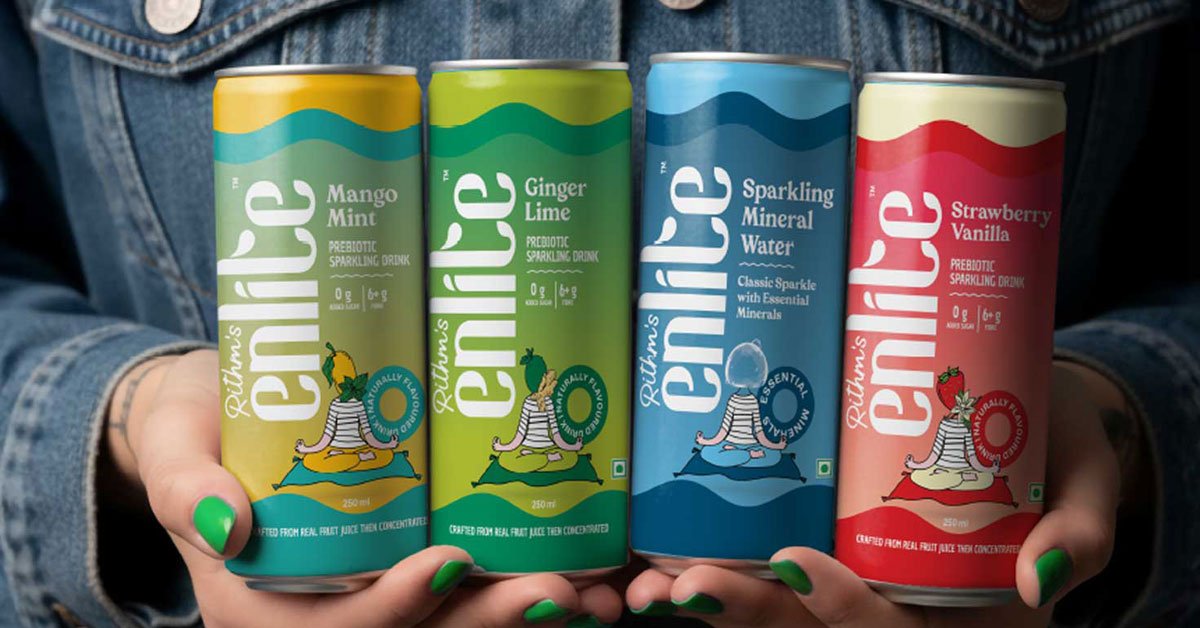
Carbon dioxide from sparkling water creates bubbles through its carbonation process. You choose between lemon and berry flavours. Soda provides a sweet cola taste. Mocktails become enjoyable through the use of mixers.
Carbonated drinks assist people with swallowing difficulties. The zero-calorie beverage serves as a suitable option for all dieting purposes. You consume the beverage during your mealtime breaks. Companies package their products into bottles that customers can easily transport.
The people of India have a strong preference for carbonated beverages. The market for soda and carbonated drinks in India has a total value of approximately ₹15,000 crore. Vending machines provide customers with chilled beverages. Parties operate smoothly when cola is available. This non-alcoholic beverage provides social environments with its sparkling nature. To understand more about how sparkling water differs from regular soda, you can read about soda water vs sparkling water in detail.
12. Mocktails: Non-Alcoholic Cocktails
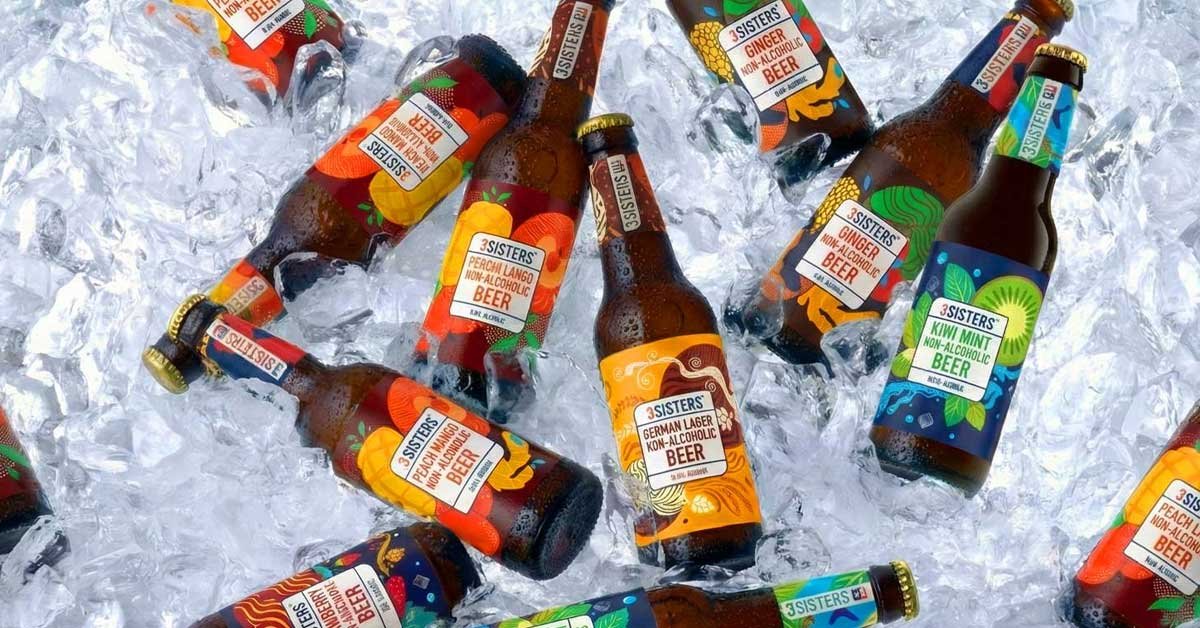
Mocktails mix together juices, sodas, and herbal elements while excluding alcoholic content. The process requires you to crush mint leaves or to use salt for rimming purposes. The decorations create visual beauty. The shakers produce soft drinks through their mixing process.
Fruits provide essential vitamins to the body. People can enjoy their day from morning until night because they can consume non-alcoholic beverages. People can place their orders at both bars and home parties. Artists create their work through their imagination instead of using alcoholic beverages.
Restaurants catch on quickly. Indian restaurants expand their mocktail menu offerings by 40% every single year. The current menu displays 20 different drink choices. The young generation creates a strong need for this product. The non-alcoholic drinks provide a joyous experience for sober people.
13. Buttermilk (Chaas): India’s Cooling Drink
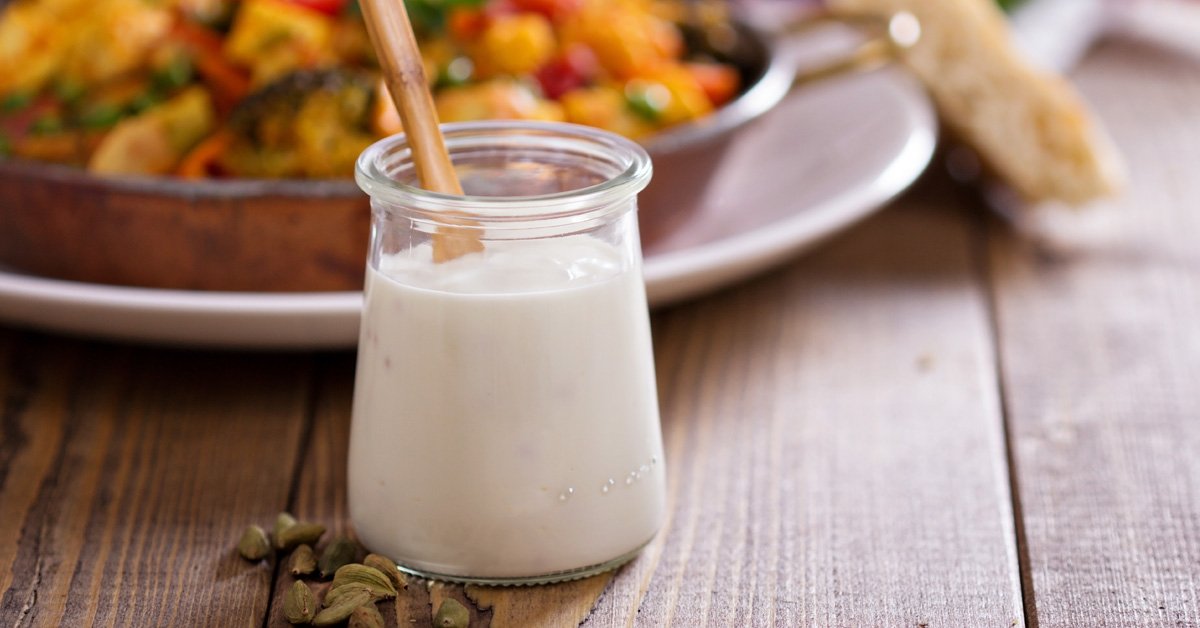
Chaas is created when yoghurt gets diluted with water, and spices are added to the mixture. People usually add cumin or curry leaves for the final touch. The plain salted version supports better digestion. The ideal pouring technique creates a drink with a frothy topping, which makes the drink visually appealing. The drink contains probiotics, which help restore gut health, and its spices protect against dangerous bacteria. The summer drink, which people traditionally consume after eating heavy curry dishes, provides better cooling benefits than all other drinks, according to dhaba communities throughout India.
The drink known as chaas functions as a digestive aid that accompanies meals served in dhabas and thalis throughout India. The thali meal concludes with a need for drinkers to finish their drinks without using glasses. The beverage without alcohol consumption produces internal body cooling that continues until the drink reaches its expiration date.
14. Tonic Water: The Bitter Beverage
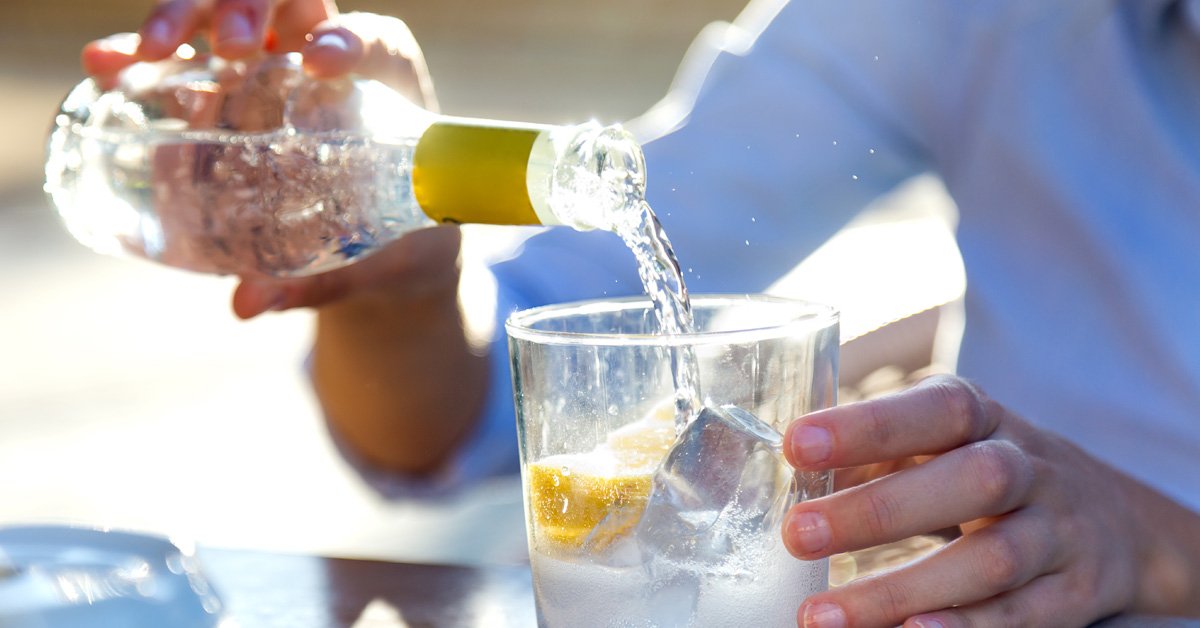
The formulation of tonic water includes quinine, which delivers a bitter flavour. You prepare the drink by chilling it before serving it on ice. Lime wedges produce a sharp taste. Slimline reduces sugar content. Quinine serves as a treatment for malaria. Bubbles provide refreshment to people who suffer from dry mouths. The beverage can be consumed either alone or after it has been mixed. The bars keep their stock of premium products from overseas markets.
The bars accept it when it arrives fresh. Premium tonic water brands enter India’s growing cocktail bar market. Craft gins pair perfectly. Cities stock fancy bottles. This non-alcoholic beverage bitters right. The premium tonic water brands access India’s expanding cocktail bar market.
15. Cocoa and Hot Chocolate
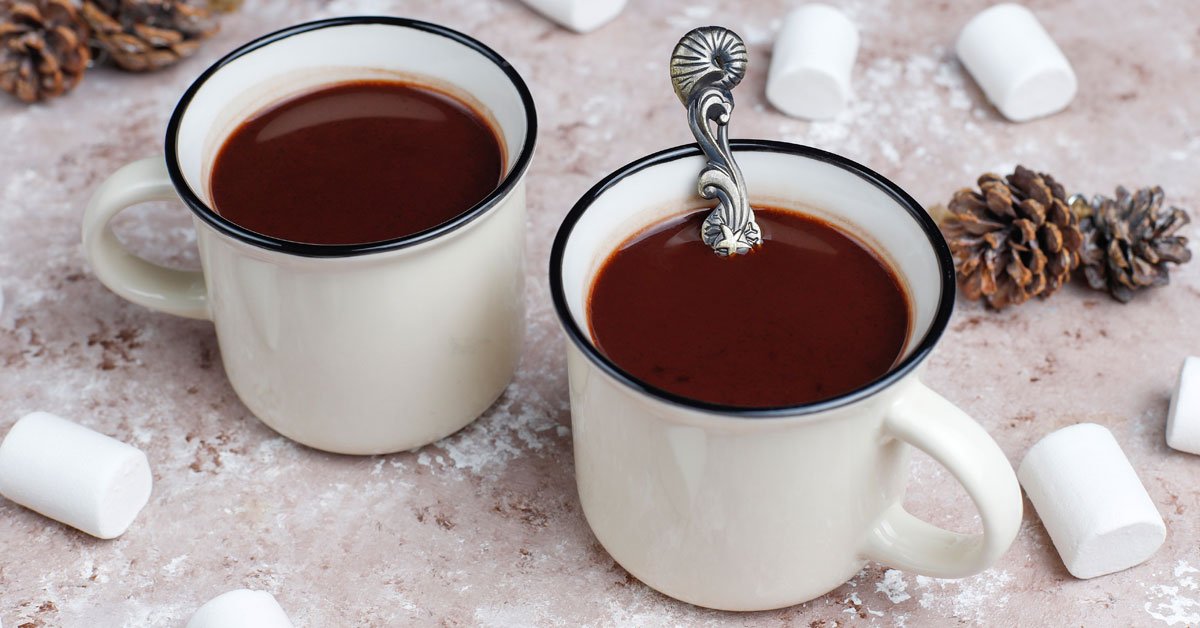
Cocoa powder consists of pure chocolate material. Hot milk needs to be added to the mixture in small amounts before starting to whisk. The sweetener content creates a balance with the strong-tasting element. The dish provides kids with a version that uses marshmallows as its primary topping.
Flavonoids enable blood vessels to dilate, which leads to better blood circulation. Warm temperatures provide the body with comforting relief during cold night hours. People achieve better relaxation through drinking small amounts of beverages in a controlled manner. The versatile nature of vegan milks allows them to be used in various cooking methods.
The demand extends to multiple locations. The demand for cocoa in India increases because tier-2 cities show their fastest population growth. Cafes steam mugs every single day. Home recipes achieve internet popularity. The non-alcoholic beverage brings happiness to people.
Launch Your Beverage Brand
Have a Drink Idea? Let’s Turn It Into a Market-Ready Product
Whether you want to launch a functional beverage, a probiotic drink, an energy drink, or a traditional Indian drink in a modern format — Foodsure handles formulation, regulatory compliance, and contract manufacturing end to end.
5 Functional Beverages: The Fastest-Growing Drinks in India 2026
Functional beverages provide more than basic hydration because their special formulas deliver extra health advantages. The product delivers complete wellness support through its combination of vitamins and probiotics, adaptogens, electrolytes and protein. The growing nutraceutical beverage sector develops its main products through these key elements. The market value of functional beverages in India reached USD 6.9 billion by 2025. Health trends in the market lead to annual growth at a rate of 10.74%.
16. Energy Drinks: High-Performance Beverages
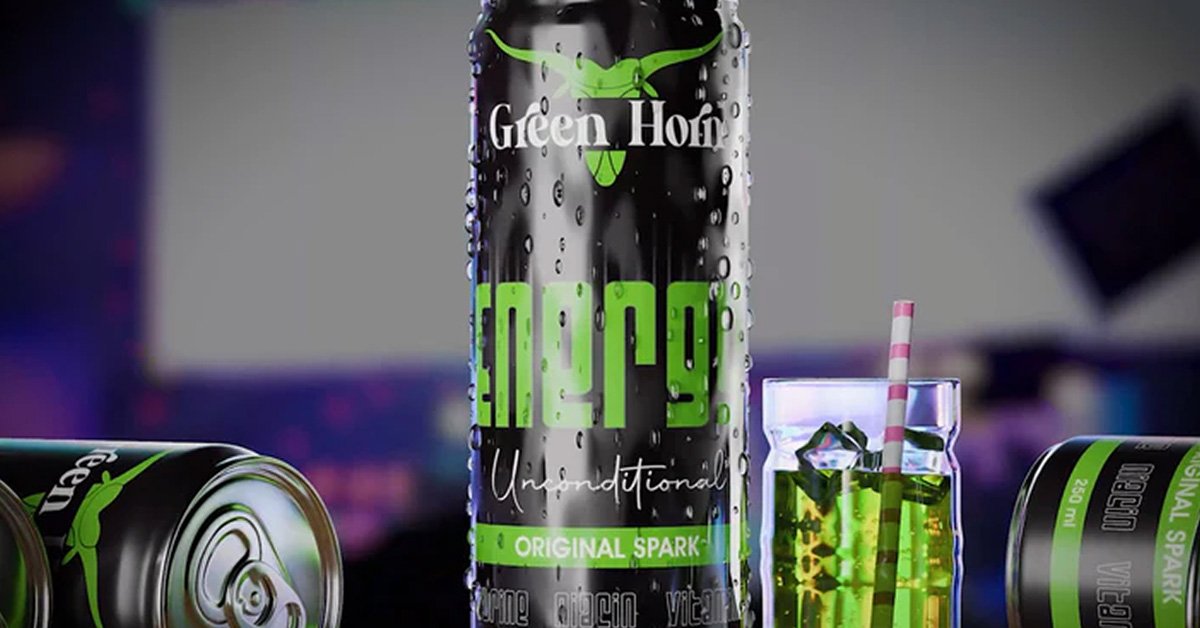
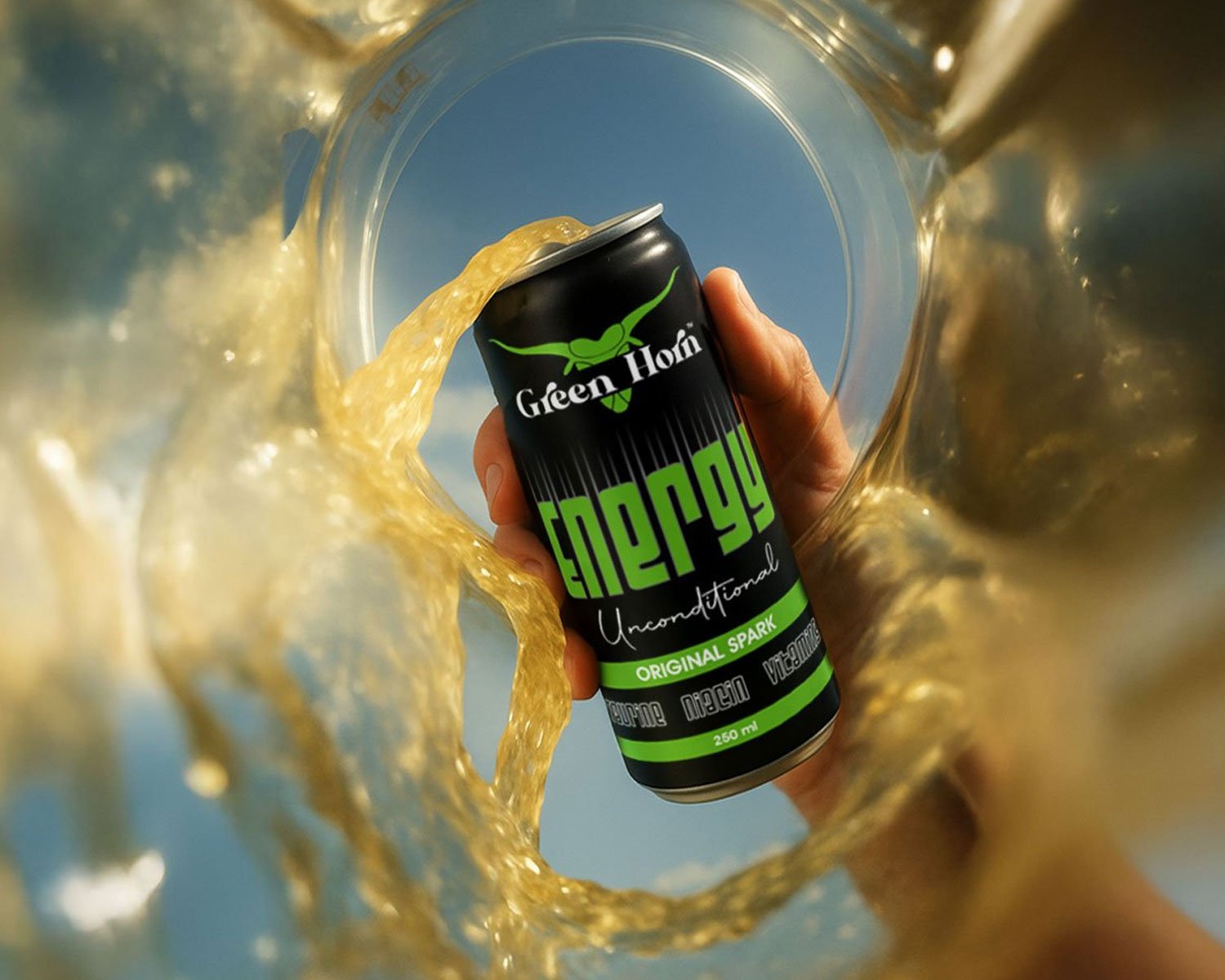
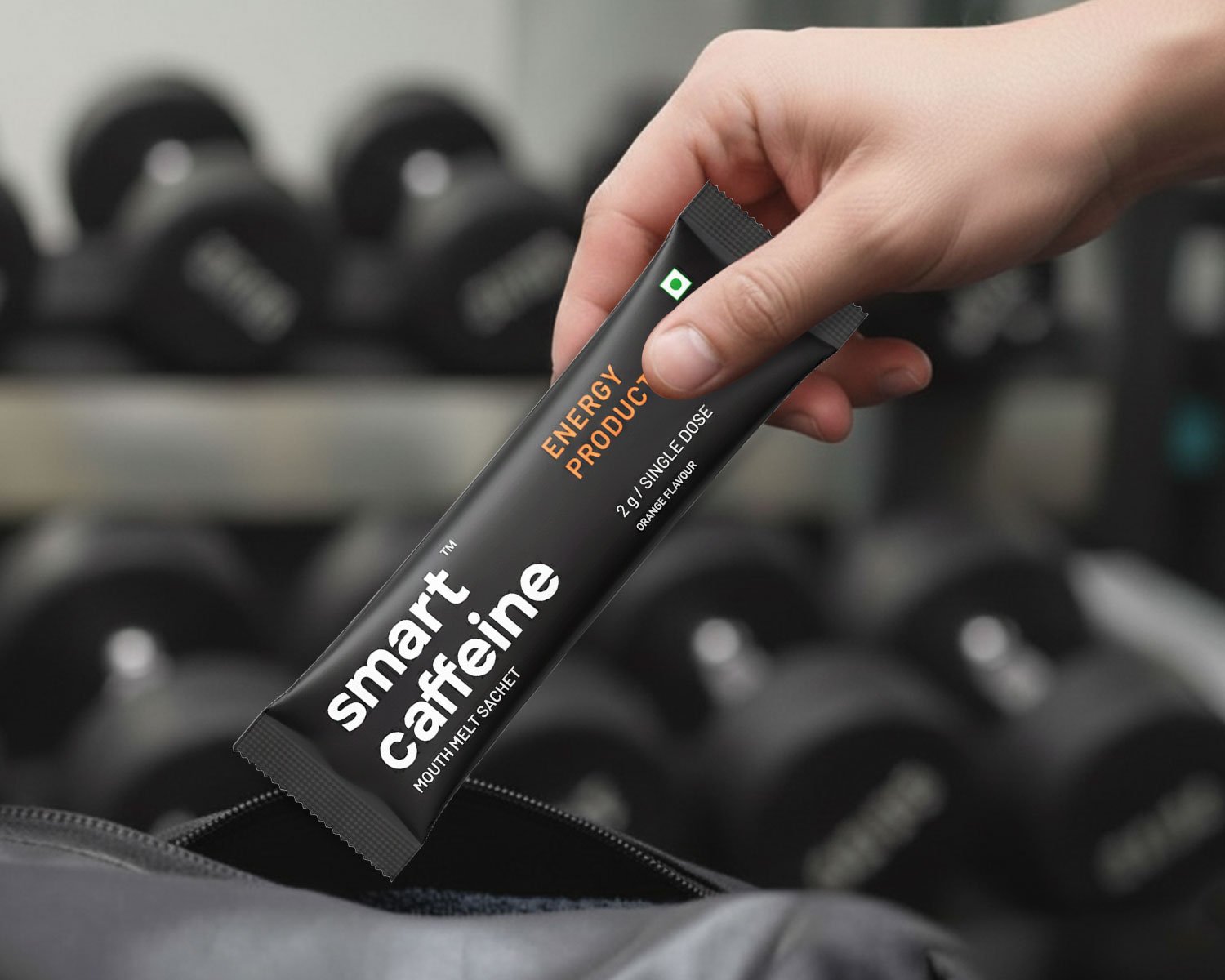
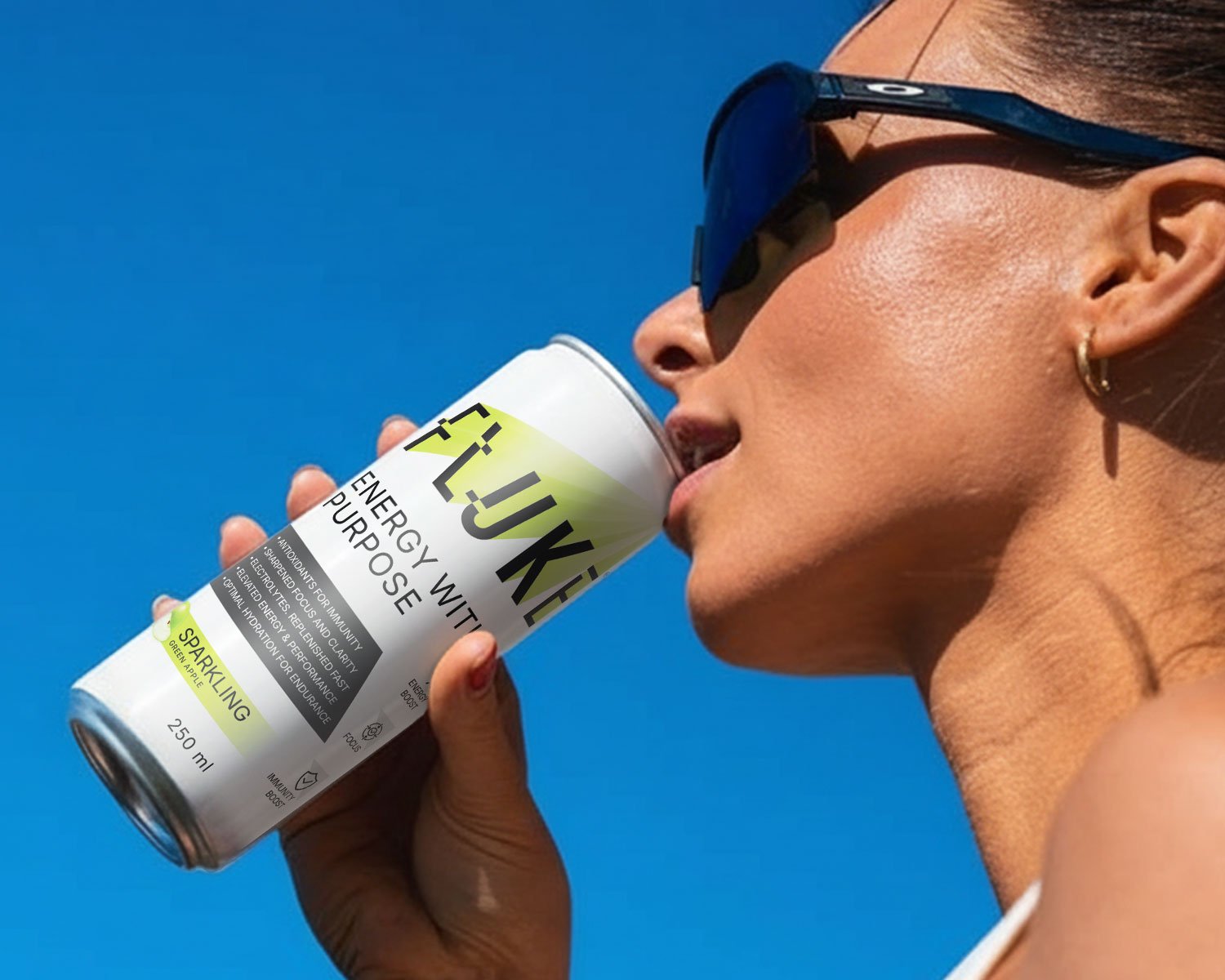
Energy drinks in India contain caffeine, guarana, taurine and B-vitamins as their main components. The drinks exist in two different forms, which include carbonated and non-carbonated options. Students, gamers and athletes use them to enhance their performance. Understanding the energy drink ingredients and how they interact helps brands formulate safer and more effective products.
17. Probiotic Drinks: Gut Health Beverages
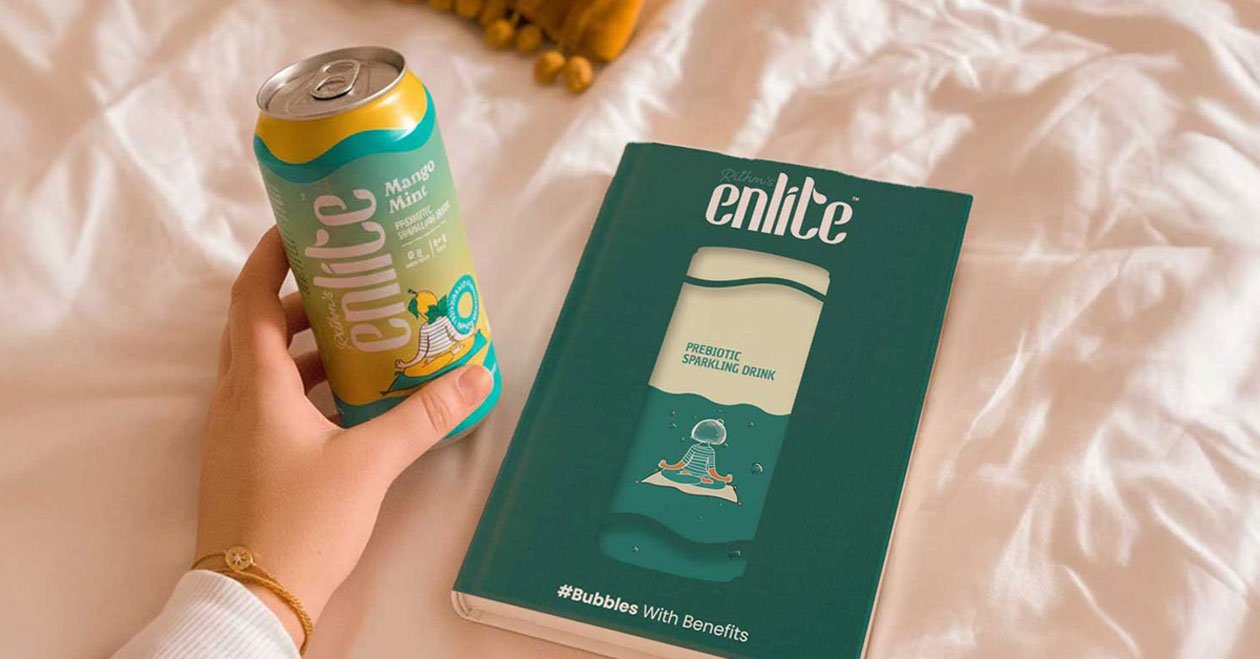
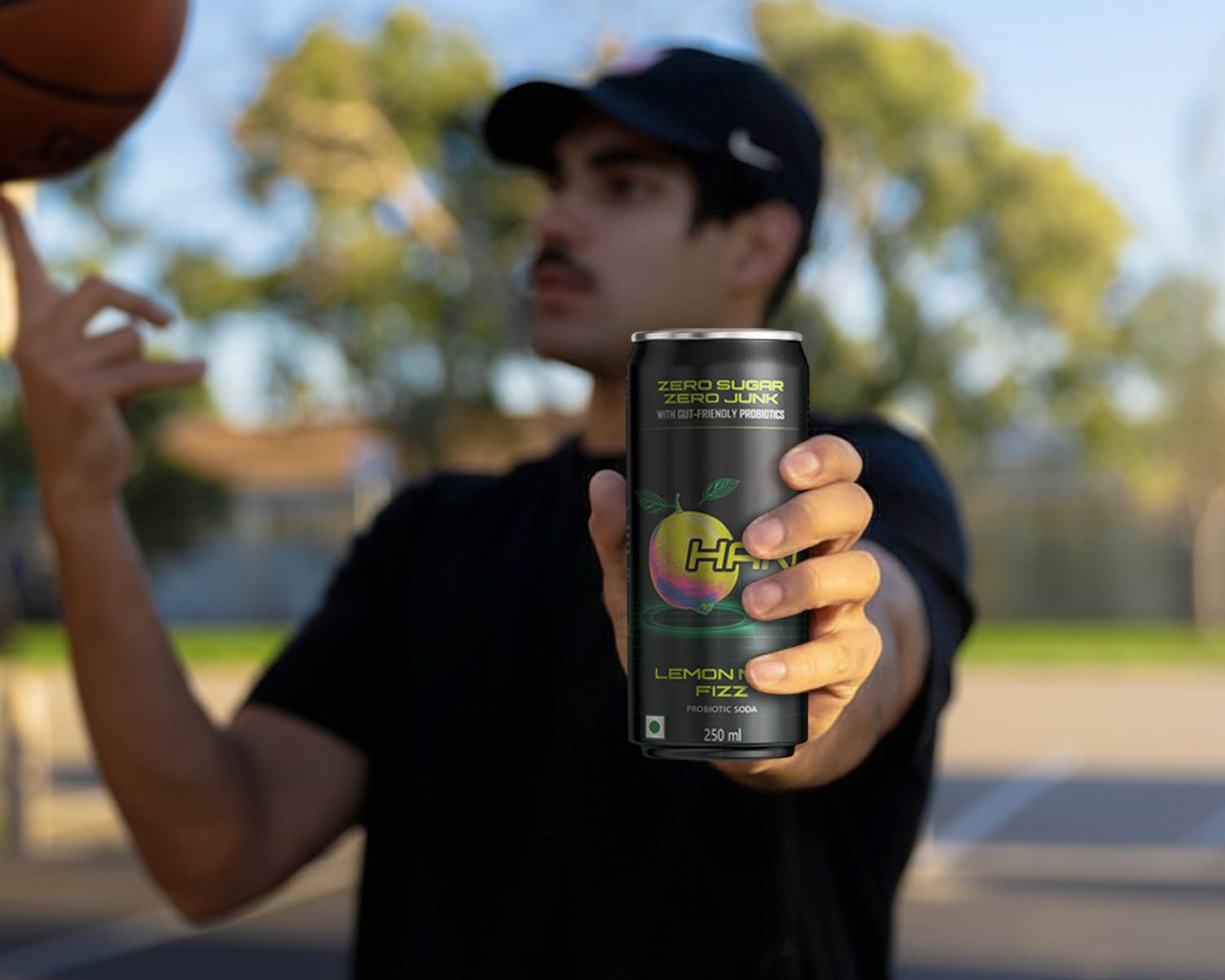
Probiotic drinks contain live Lactobacillus bacteria. For health benefits, you should consume kombucha, kefir and probiotic lassi. They assist in preserving gut microbiome equilibrium while enhancing immune system performance. The Indian probiotic drinks market grows at an annual rate of 15 per cent. Traditional Indian drinks are lassi and chaas, which already contain probiotics. The probiotic drinks segment is among the fastest-growing within functional beverages globally.
18. Protein Drinks and RTD Shakes
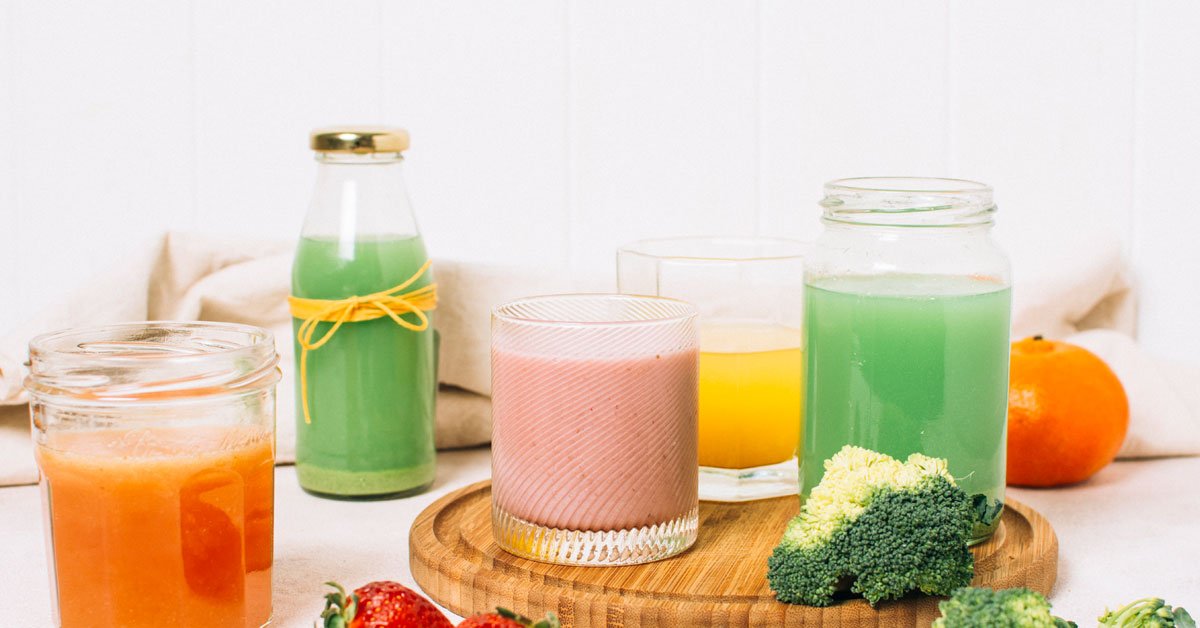
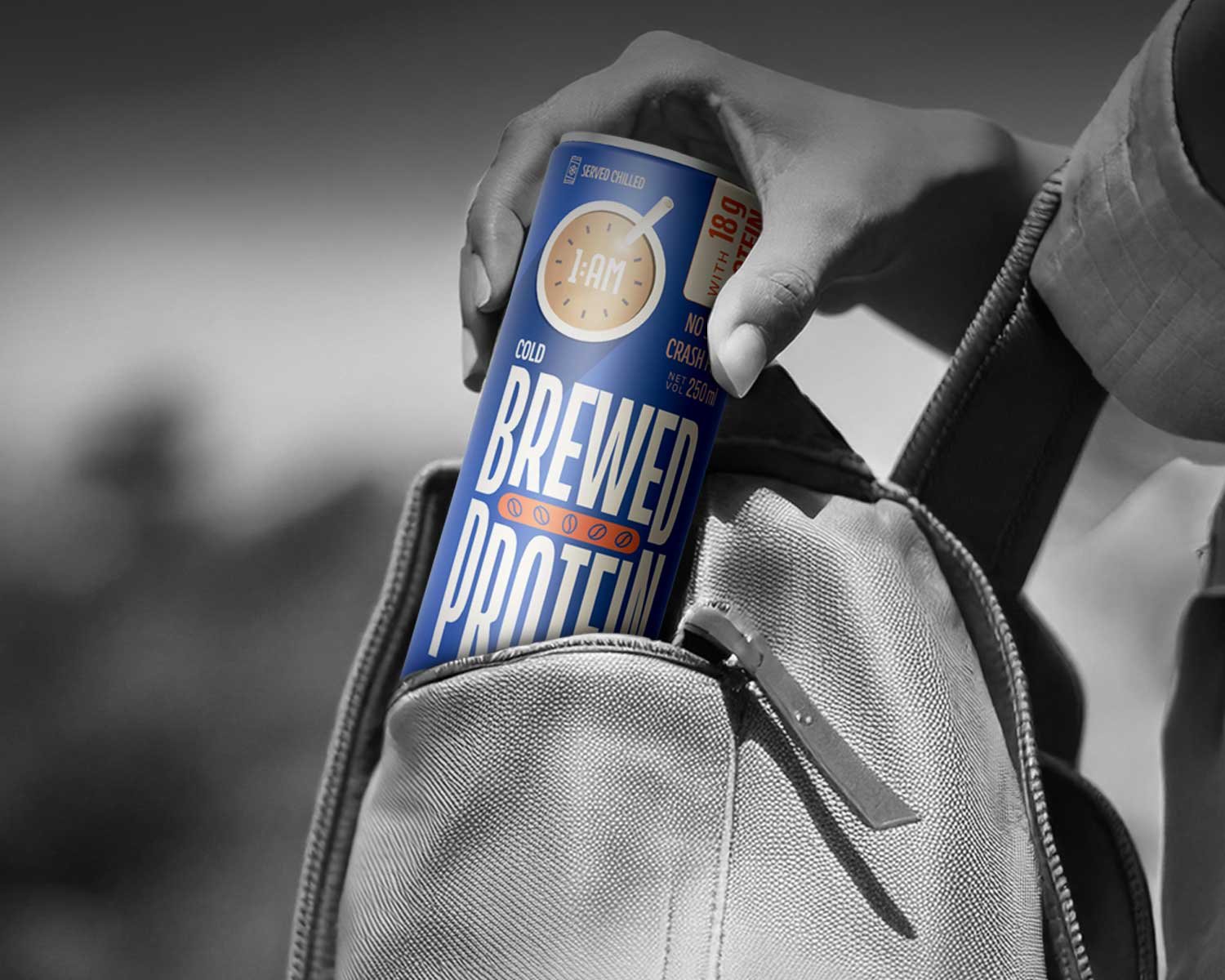
Protein drinks use three protein sources: whey protein, plant-based protein, and casein protein. You purchase ready to drink beverages, which come in tetra packs and cans. The gym culture has experienced rapid growth since 2022, which has increased demand. The available formats include bottled products, canned products, and powder products.
19. Vitamin-Infused Water: Functional Hydration
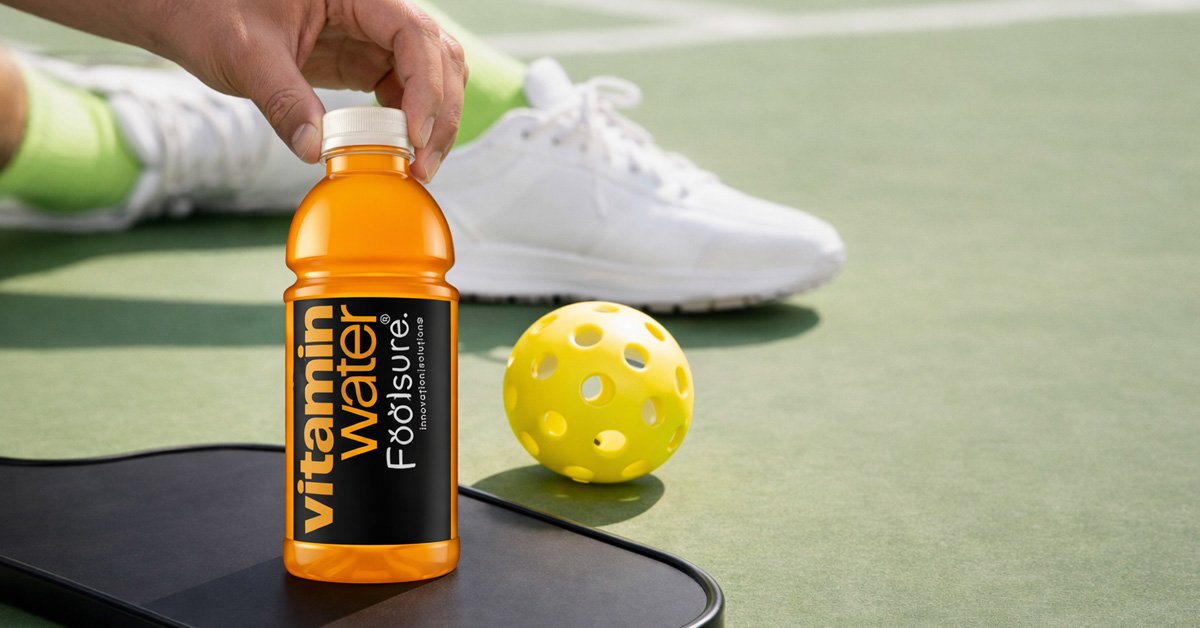
Vitamin-infused water contains B12, D and electrolytes, which users can mix with standard water. The sugar-free products attract customers who live in urban areas. The first-tier cities experience increasing e-commerce sales throughout the entire period. You switch from basic water to this product because it provides both hydration and additional advantages. Learn more about how hydration drinks are formulated for maximum effectiveness.
20. Adaptogen and Ayurvedic Drinks: India’s Unique Edge
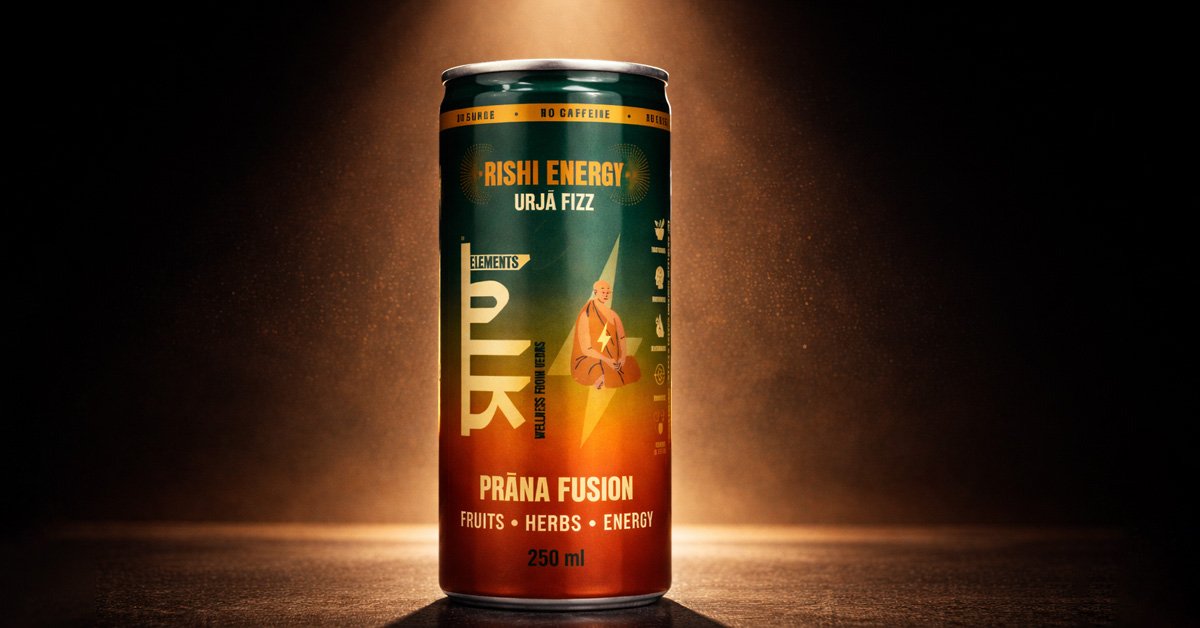
Adaptogen drinks use herbs like ashwagandha to manage stress. You drink Tulsi sparkling water and brahmi shots. Ayurveda serves as the foundation for India’s claim to be the foremost international medical system. Products in modern formats will achieve successful international sales starting from 2026. The ayurvedic drink formulation approach combines traditional wisdom with modern food science to create export-ready functional beverages.
Want to develop a functional beverage for the Indian market? Contact us to get started with formulation.
5 Types of Alcoholic Beverages: Overview
Five of the common types are the ones with a high score of alcohol content.
21. Beer: The Most Popular Alcoholic Drink
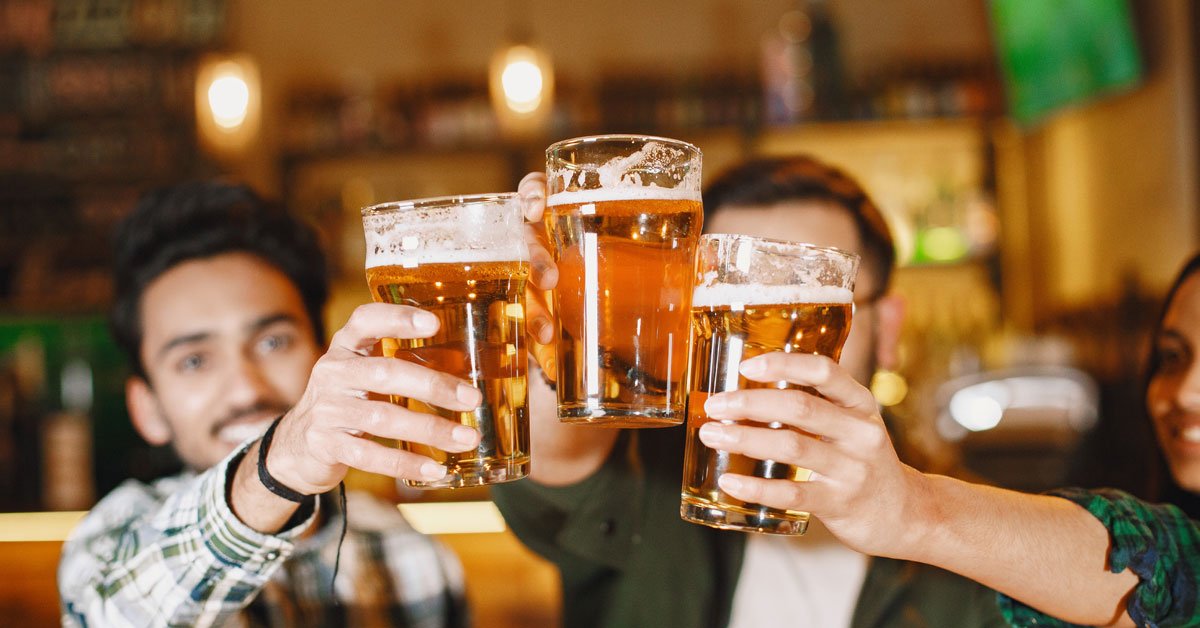
The brewing process transforms cereal grains into beer, which reaches an alcohol content between 4 and 6 per cent. The brewery provides customers with a selection of 400 beer styles, which include both ales and lagers. The warm climate of India increases the domestic beer sales throughout the country. The product delivers B vitamins, potassium and magnesium in controlled amounts.
22. Wine: The Classic Alcoholic Beverage
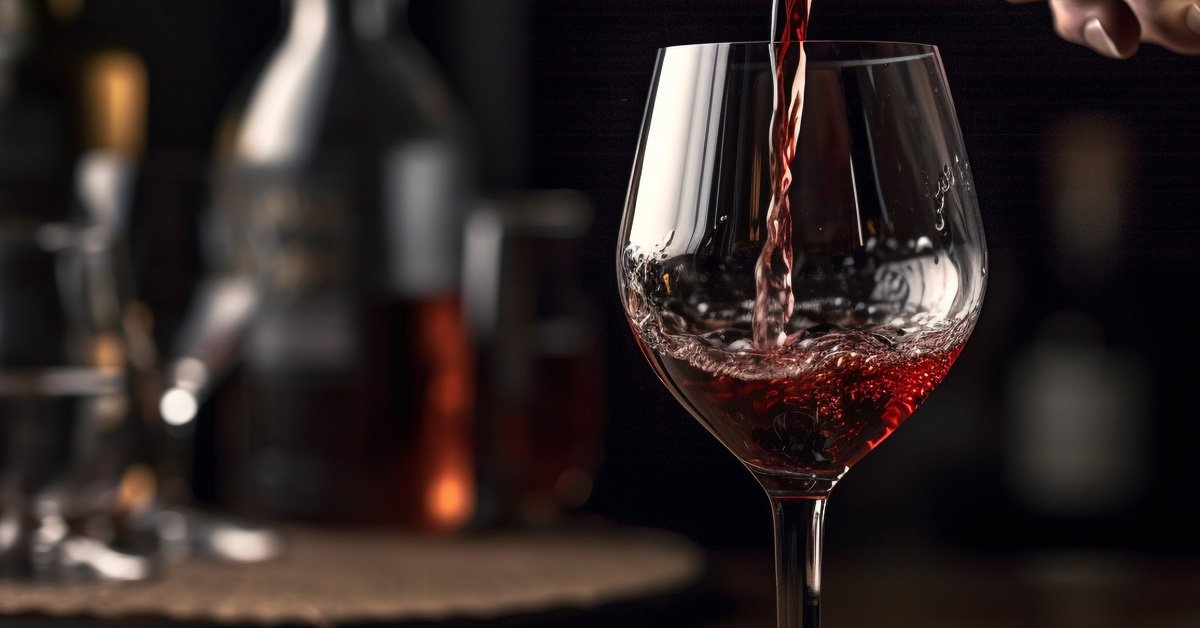
Wine production involves the fermentation of grapes into either red or white wine styles. The presence of resveratrol and other antioxidants makes the product more attractive to consumers. Nashik in Maharashtra leads India as its top wine-producing region.
23. Cider: Fermented Fruit Drink
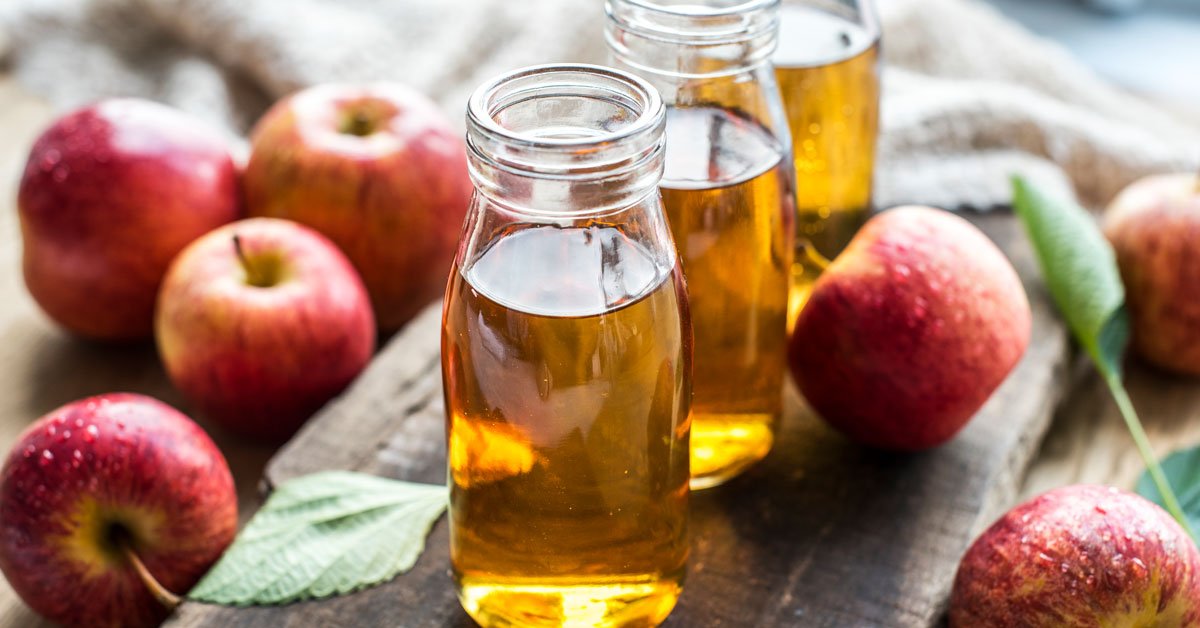
Cider is apple juice that ferments to an alcohol content of 4-8%. People enjoy it for its fruity freshness. Established from its UK and Ireland lineage, cider is somewhat unfamiliar to many urban Indians.
24. Cocktails: Mixed Alcoholic Drinks
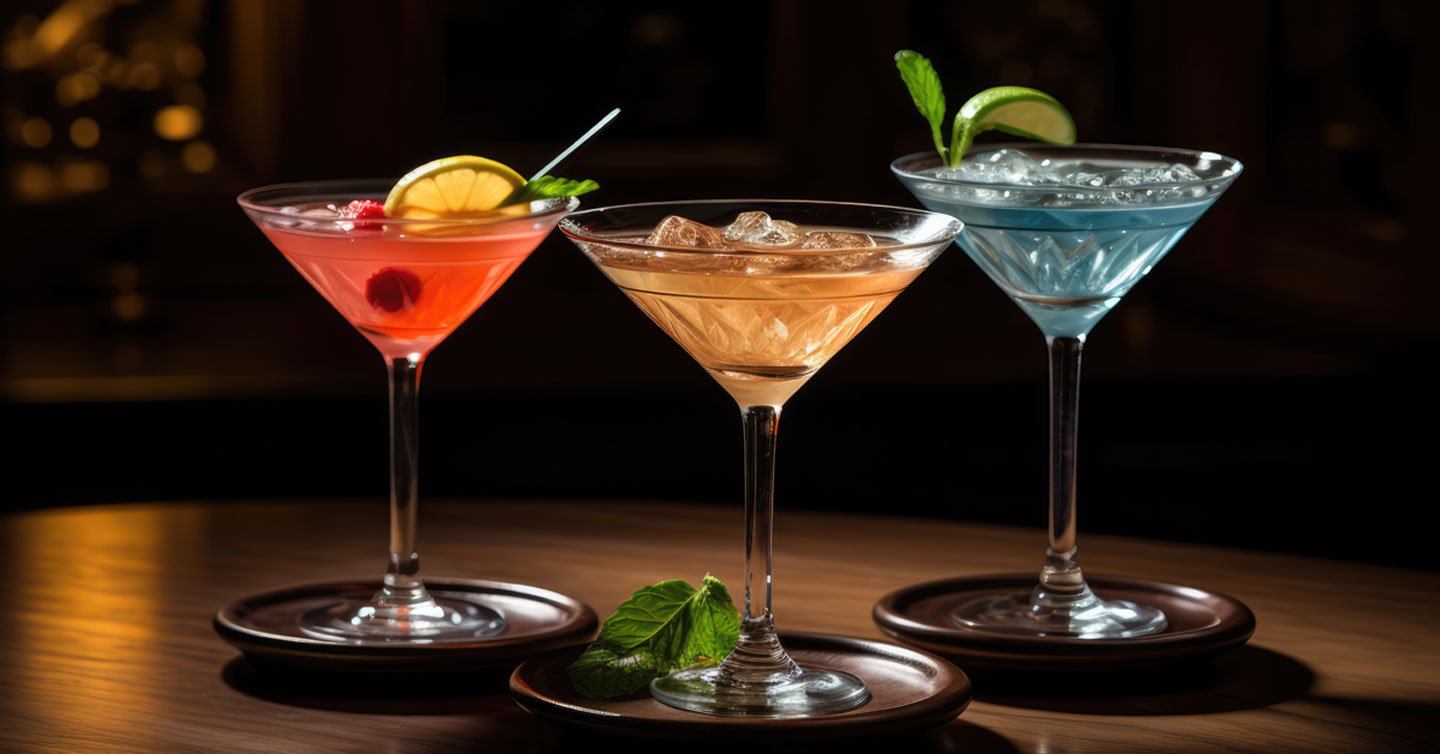
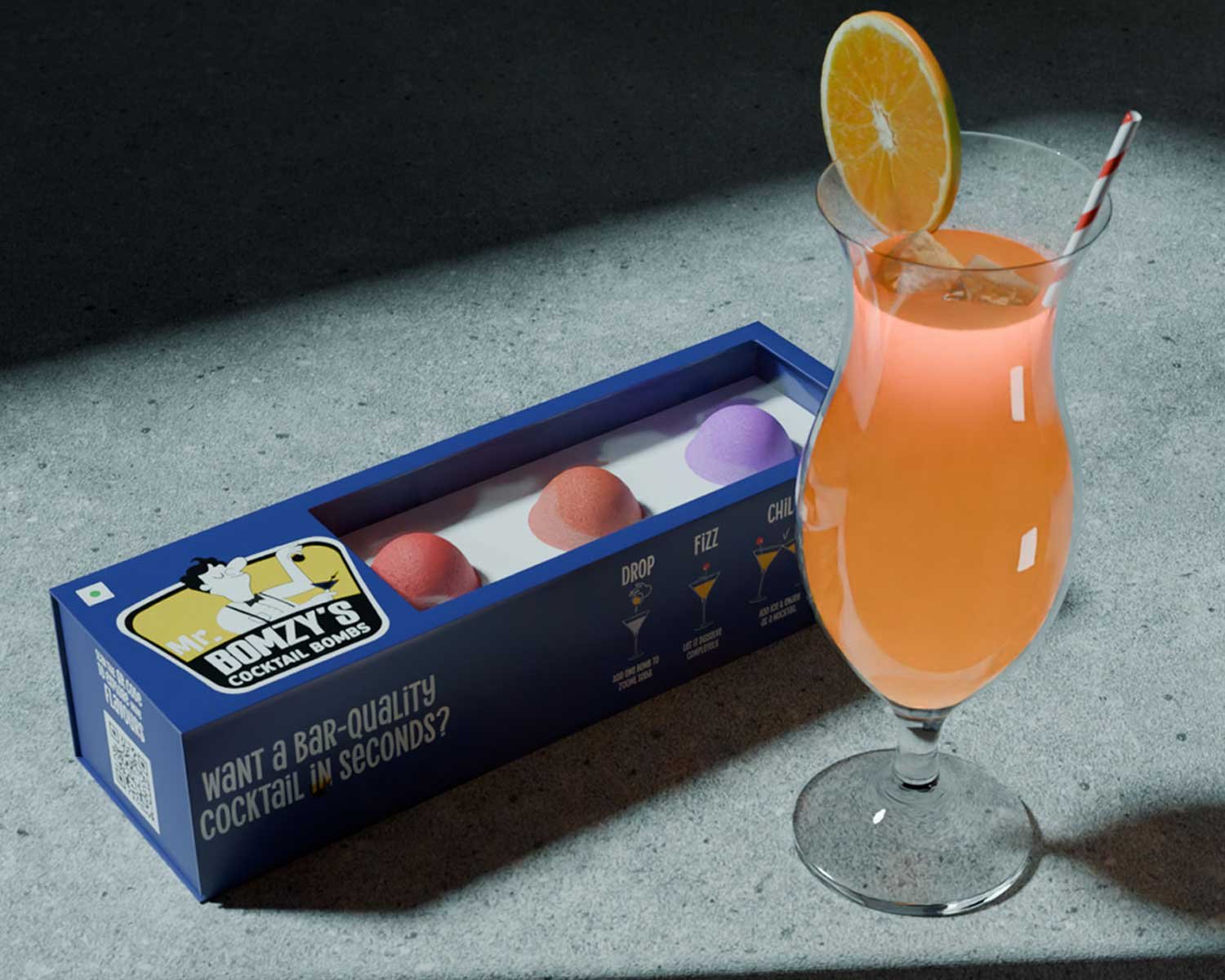
Cocktails create drinks by combining spirits with juices, syrups, and ice. India’s bar industry serves as the main platform for mixology to develop. The establishment provides non-alcoholic drinks through its selection of mocktails. If you are building a cocktail brand, exploring cocktail drink contract manufacturing options early can save significant time and cost.
25. Spirits and Hard Alcohol
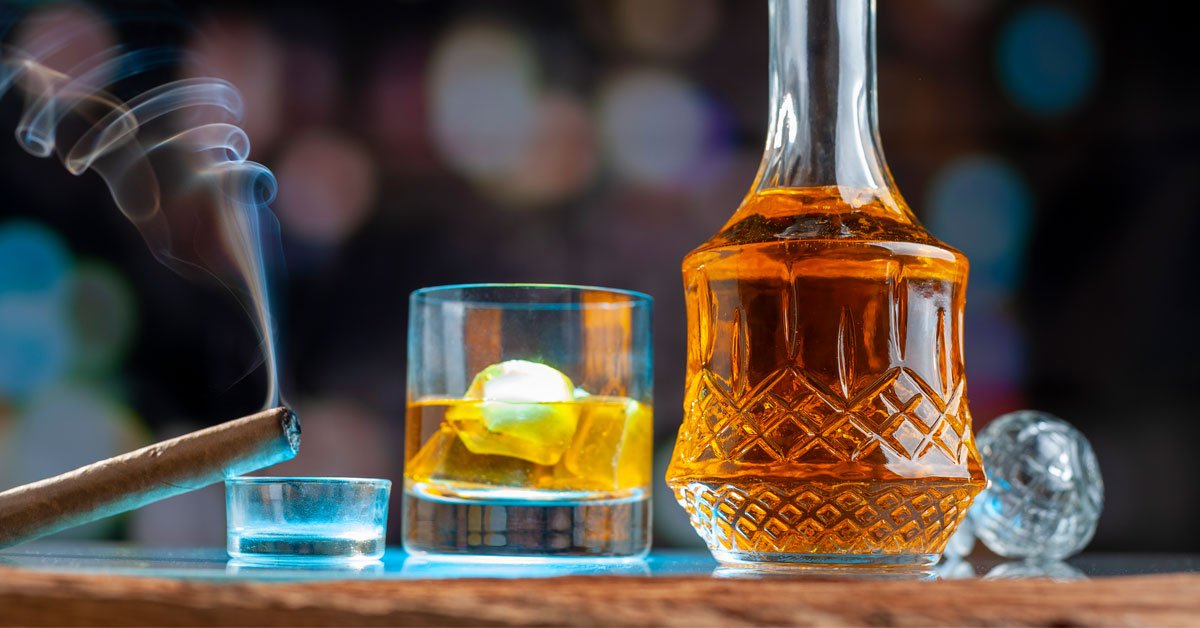
Spirits are distilled to 40%+ alcohol, like gin, vodka, rum, whiskey, tequila, and brandy. India leads the world in whiskey volume. People should drink alcoholic beverages only after they understand how to consume them responsibly and drink them in limited amounts.
Alcohol consumption laws vary by state in India. You must adhere to the laws that apply in your area.
Popular Drinks in India: Traditional Indian Drinks and Modern Beverages
| Drink Name | Region | Reason It Matters |
|---|---|---|
| Aam Panna | All of India (summer) | Prevents heat stroke, high in Vitamin C, cooling effect |
| Shikanji / Nimbu Pani | North India especially | Electrolytes, Vitamin C, instant refreshment in summer heat |
| Bel ka Sharbat | UP, Bihar, MP | Digestive health, cooling properties, traditional summer drink |
| Thandai | Rajasthan, UP, Punjab | Associated with Holi, made from nuts, seeds, spices and milk |
| Sattu Drink | Bihar, UP, Jharkhand | High protein content, known as the rural protein shake of India |
| Chaas (Buttermilk) | All of India | Natural probiotic, digestive aid, commonly served after meals |
| Sugarcane Juice | All of India — street level | Rich in iron, an instant energy boost, most popular street-side drink |
| Nariyal Pani | South and West India | Natural electrolytes are widely consumed as a post-workout and summer drink |
Modern shifts bring bubble tea to tier-2 cities, cold drinks and coffee everywhere, RTD drinks via apps, and kombucha in stores. India blends ancient traditions with global trends like no other market.
Complete Beverages List: 50+ Examples of Beverages
The complete beverages list presents examples of beverages found in all major categories, which include non-alcoholic drinks used in daily life and functional drinks that will become popular in India during 2026.
The category of non-alcoholic drinks includes various categories such as still water, Mineral Water, Sparkling Water, Coconut Water, Sugarcane Juice, Nimbu Pani, Aam Panna, Thandai, mango juice, Bel Sharbat, Apple Juice, Mango Juice and Orange Juice and Grape Juice and Tomato Juice.
The category of Dairy and Blended Beverages includes Milk, Lassi, Chaas, Milkshake, Chai, Malted Milk, Flavoured Milk, Smoothie, Protein Shake, Almond Milk, Oat Milk and Soy Milk.
The category of Caffeinated Drinks includes Coffee and Espresso, Cold Coffee and Cappuccino, Green Tea, Black Tea, Oolong Tea, Matcha Latte, Cold Brew, Kombucha and Herbal Tea.
Alcoholic beverages include Beer and Wine (Red and White) and Cider and Rum and Whiskey and Vodka and Gin and Tequila and Brandy and Cocktails and Mocktails (non-alcoholic).
The beverages list provides more than 50 beverage options, which include drinks suitable for all hydration requirements.
Top 5 Beverage Trends in India for 2026
Beverage trends shaping India in 2026: health, convenience, and culture are some of the drivers for change. Here are the top five such trends.
Bubble Tea: The Youth Drink Expanding Across India
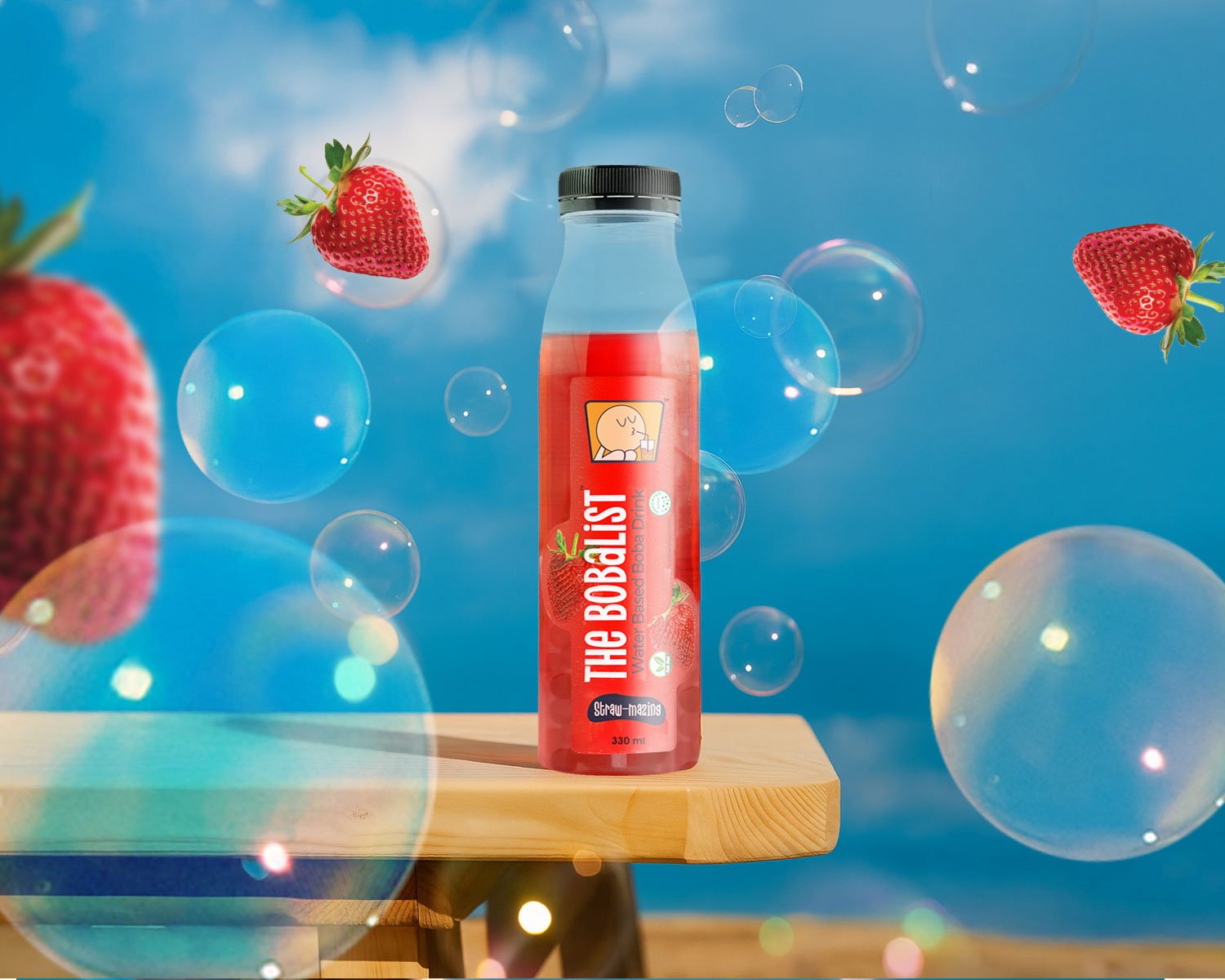
Bubble tea adds tapioca pearls to milk tea bases. The restaurant offers a selection of 200 different flavours for customers to choose from. The market in India reaches a total value of ₹500 crore. The restaurant chains expand their operations to second-tier cities to serve customers who belong to the age group of 16 to 28 years.
No-Sugar and Low-Calorie Drinks Growing Fast
Diet energy drinks, together with zero-sugar sparkling water, are experiencing increasing popularity. The public shows interest in products that contain stevia. Sugar-free beverages experience annual growth of 18% because there are 77 million diabetics in the world. The low-calorie beverages segment is directly benefiting from this shift in consumer health awareness.
Plant-Based Milk Going Mainstream
In stores and cafes, oat, almond, and soy milk flourish. The millennials of the city switch with alacrity. Whether or not to pass oat, almond, and soy milk for coffee/chain spots is now considered a matter of course.
Ayurvedic and Adaptogen Drinks
Shops started selling Ashwagandha drinks, Tulsi sparkling water, and brahmi shots. India maintains its position as the worldwide leader in Ayurvedic practices. The export industry experiences significant expansion in healthy drinks. Brands looking to develop these beverages can explore adaptogenic beverage development as a starting point for understanding formulation requirements.
Ready to Drink Beverages: The Convenience Era
The demand for Tetra-pack coconut water, canned cold drinks and protein shakes reaches new heights because Swiggy Instamart’s quick-commerce services drive the trend. The ready-to-drink market achieves a valuation of ₹12,000 crore. Understanding the types of RTD drinks and their formulation requirements is critical for brands entering this space.
Conclusion: Choosing the Right Drinks and Beverages
The guide concludes 25 different drink categories, which include basic drinks like water and chai and contemporary functional drinks and cocktails. The initial stage of the guide starts with the organised system, which divides drinks into main beverage groups.
The beverage market in India for 2026 merges traditional elements with modern trends as people consume both aam panna and lassi and international beverages like bubble tea and drinks containing adaptogens. The combination shows how customer tastes continue to develop.
The premium drink and beverage market offers a selection of high-quality products through Foodsure, which provides nationwide delivery of functional beverages that include probiotic lassi and energy drinks to homes and businesses throughout India. If you are a brand or founder looking to enter the functional beverages market, Foodsure can help you from recipe to retail.
Build Your Beverage Brand
From Concept to Commercial Launch — Foodsure Does It All
Whether you’re launching a functional drink, a traditional Indian beverage in modern format, or a new-age RTD — Foodsure’s team handles formulation, FSSAI compliance, and contract manufacturing so you can focus on building your brand.
✓FSSAI Regulatory Compliance
✓Scale-Up Support
Related Blogs
- Carbonated Beverages: Types and Formulation
- Fermented Beverages: Kombucha, Kefir and More
- Summer Beverages: Best Drinks for Indian Heat
- Beverage Industry Trends in India 2026
- Functional Beverage Trends: What’s Growing Fast
Frequently Asked Questions
What is the beverage meaning?
Beverage meaning refers to any drinkable liquid, which includes water, juices, soft drinks and all other types of beverage items.
What are the different types of beverages?
The types of drinks include non-alcoholic beverages, alcoholic beverages, and functional ready to drink beverages.
What are some examples of non-alcoholic beverages?
Examples of non-alcoholic beverages include juices, soft drinks, tea, coffee and other healthy drinks.
How are beverages classified?
The classification of beverages is mainly into alcoholic beverages and non alcoholic drinks, along with functional and RTD drinks.
What are the popular drinks in India?
Popular drinks in India include traditional Indian drinks like lassi and buttermilk, chai, and modern cold drinks and energy drinks in India.
What are functional beverages?
Functional beverages are items that contain vitamins and minerals and herbs to give users extra health advantages, which go beyond ordinary nutritional value.
What are ready-to-drink (RTD) beverages?
Ready-to-drink beverages are pre-packaged beverage items that can be consumed instantly without preparation.