Sports nutrition is growing at a pace that has never been seen before. Sportsmen, fitness experts, and active consumers are seeking better hydration products than ever before. Formulating the correct electrolyte powder is no longer a simple process of mixing different components. It requires a thorough understanding of the science behind the components. If a company fails to understand this at the outset, it may result in huge financial losses for the company in the long term. The global sports nutrition market was estimated at a value of USD 46.71 billion in 2022.
Understanding the right electrolyte powder formulation guide is a necessity for every company that aims to serve the performance-driven consumer segment. Every decision regarding a particular ingredient affects the product’s performance in a competitive environment.
What Is Modern Electrolyte Powder Formulation?
The first step in this wellness journey is to understand the basic chemical variations. An evaluation of any successful hydration mix reveals that each one has unique variations depending on the mineral salts. While basic blends have sodium and potassium locked away in a basic formula, advanced blends have extremely potent trace minerals locked away in a balanced environment. The main medical focus is on the optimal sports drink powder ingredients with high absorption rates. On the other hand, the short shelf life of poorly mixed drinks requires them to be kept stable. By learning the basics of modern science, we can better understand the ultimate electrolyte powder formulation.
Analysis of Electrolyte Powder Formulation for Sports Performance
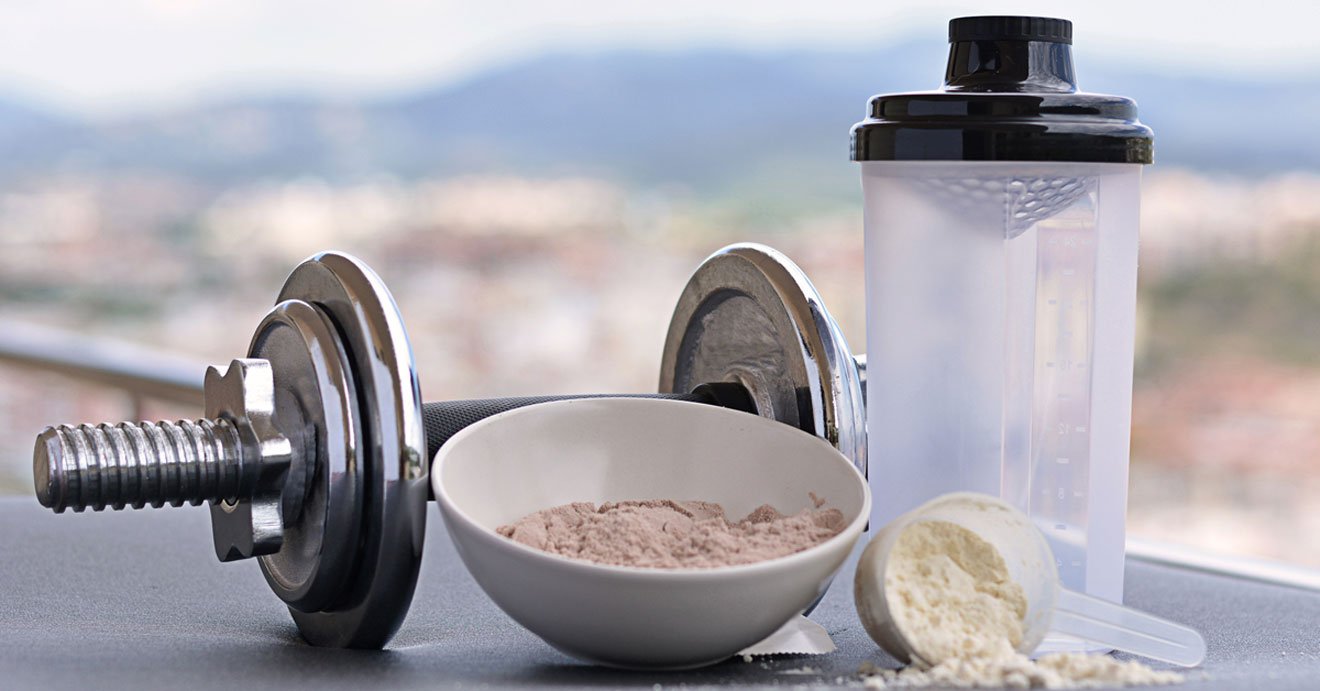
Designing a sports performance hydration formula is more than just mixing basic mineral salts. A sports drink manufacturer must consider the performance characteristics of sports drink powder ingredients under different humidity levels, temperature conditions, and pH levels during storage and transportation.
The quality of the finished sports drink is directly related to the precision with which the raw materials are selected and matched for use. Electrolyte blend stability is the most crucial factor for sports drink manufacturers.
| Feature | Basic Blends |
Premium Blends |
|
Core Base |
Cheap Salts | Chelated Minerals |
|
Daily Storage |
Dry Space | Ambient Temp |
| Expected Life | Moderate Range |
High Longevity |
| Water Mix | Slow Dissolve |
Rapid Dissolve |
| Flavor Profile | Highly Salty |
Smooth Taste |
Market Trends Affecting Electrolyte Powder Formulation
The supplement market is always evolving based on the needs and demands of the market today. Today, the competitive supplement market in the global market is based on convenience and clinical need. About 45% of the market demands a powdered supplement over a ready-to-drink supplement.
- Growing demand for clean label hydration products
- Increasing demand for sugar-free products from consumers
- Basic table salts replaced by functional minerals
- Ingredient transparency is now an expected attribute
- Tropical flavors preferred over other flavours in India
- Powder formats outperforming RTD products consistently
As a company, Foodsure has noticed that brands that invest in best-in-class electrolyte ingredient compatibility testing in early R&D stages tend to perform better in retaining market share over the long term compared to competitors.
Core Components of Electrolyte Powder Formulation
An analysis of these new wellness products reveals a completely different philosophy in the way these products are made. In dry forms, the external container is relied upon for protection, as well as a completely dry environment for viability, while in liquid forms, a supply of fresh water bases must be maintained for the retention of active minerals.
| Component | Standard Mix | Advanced Mix |
| Main Base | Sodium Chloride | Sea Salt |
| Active Fill | Potassium Citrate | Magnesium Glycinate |
| Additives | Synthetic Colors | Natural Extracts |
| Flavoring | Artificial Sugars | Stevia Leaf |
| Anti Caking | Silica Dioxide | Rice Hulls |
Stability and Compatibility Challenges
Global manufacturers of electrolyte blends face major challenges regarding the maintenance of product stability. Maintaining consistent electrolyte blend stability is tough. These issues become even more serious when the environment is a tropical one, such as India.
- Hygroscopic properties of minerals lead to moisture absorption
- Citric acid has a negative reaction with carbonates
- High humidity causes products to clump together
- pH levels greatly reduce the bioavailability of minerals
- Oxidation of flavors negatively impacts the product’s visual appeal
- Temperature increases result in the degradation of active ingredients
Development Stages of Powder Manufacturing
The actual stages involved in the development of hydration mixes could be used as a perfect example to clearly highlight the actual differences in the manufacturing process, which are essentially required in the market scenario.
| Stage | Basic Process | Advanced Process |
| Phase One | Sourcing Salts | Checking Purity |
| Phase Two | Rough Blending | Micro Milling |
| Phase Three | Adding Sugars | Flavor Balancing |
| Phase Four | Bulk Packing | Sachet Sealing |
Process and Formulating Approach
A disciplined and systematic approach to development is always a guarantor of commercial success. The best electrolyte powder formulation guide strongly recommends the following critical process steps for all R&D teams:
- Source pharmaceutical grade mineral salts
- Systematically map all interactions of all ingredients
- Verify complete stability under accelerated condition
- Verify complete sensory profiles with actual users
- Verify regulatory compliance before launch
- Verify all formulation adjustment methodologies
Clean Label Considerations Today
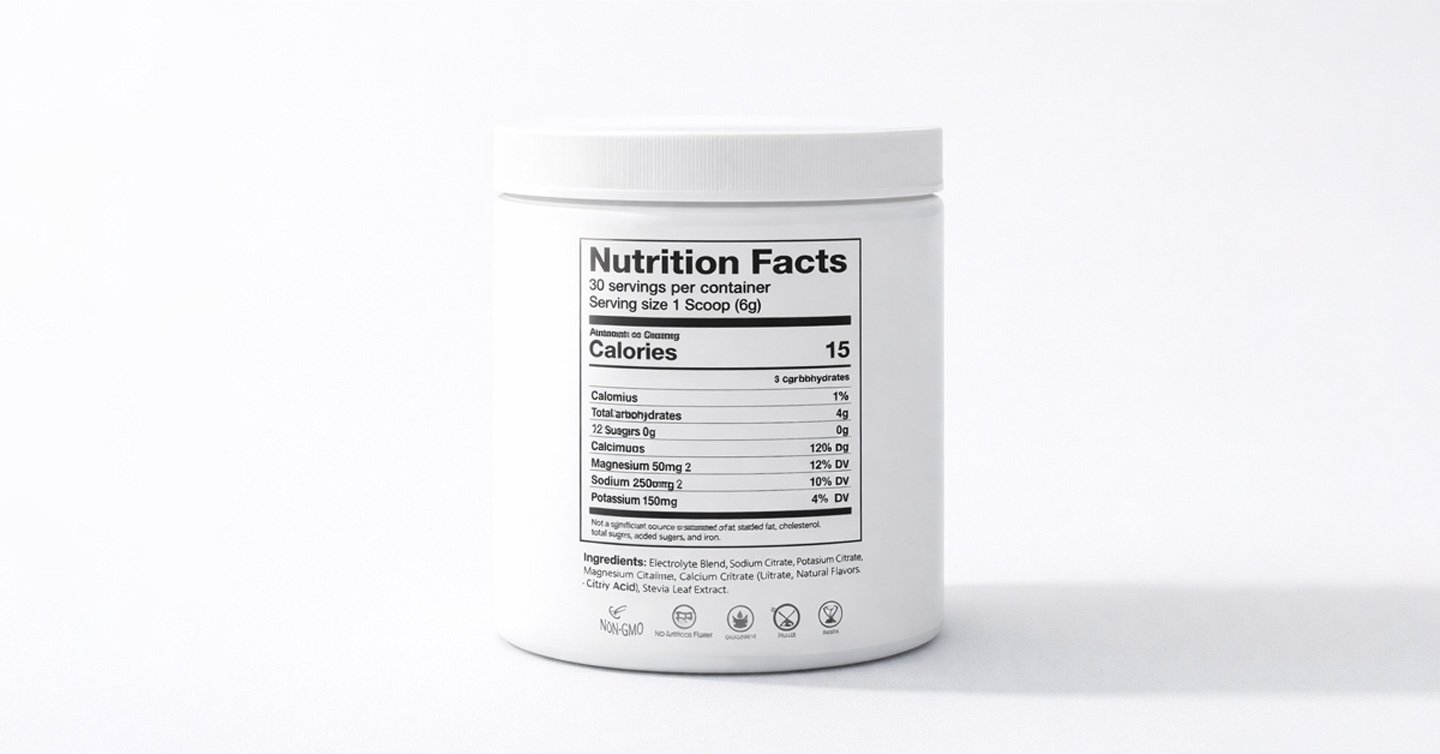
The massive global clean label movement has compelled modern manufacturers to rethink conventional synthetic formulas. Intelligent buyers are becoming increasingly critical of every ingredient list, desperately seeking recognizable and natural botanical extracts everywhere in the globe.
- Removing artificial neon colors.
- Avoiding excessive synthetic sweeteners.
- Using natural fruit flavors.
- Sourcing non-GMO minerals.
- Removing unnecessary chemical fillers.
- Providing transparent data sources.
Manufacturing Insights
Scaling up from lab bench to commercial-scale manufacturing necessitates tight process control. Electrolyte supplement manufacturing in India needs production facilities that include humidity-controlled blending rooms, high-shear mixing, and multiple point quality checkpoints throughout the entire process. Each and every production batch needs to be thoroughly checked for moisture content, powder flow characteristics, and complete assay compliance for all minerals. In addition, compatibility needs to be rechecked on a larger scale, as larger batches sometimes produce unexpected chemical interactions between ingredients that were previously compatible. Foodsure only works with certified manufacturing partners that ensure strict GMP standards are maintained throughout the entire process.
For brands exploring electrolyte supplement manufacturing India, the sector needs both regulatory compliance and validated formulas for products to cherish in India.
Conclusion
A successful hydration formula does not rely on guesswork and assumptions. It relies on the application of precise science and a comprehensive understanding of the behaviour of the ingredients and the application of disciplined manufacturing processes. Brands that invest adequately in electrolyte powder formulation strategies from the onset are able to develop more robust and long-lasting products that can effectively meet the needs of the consumer.
At Foodsure, we can help brands develop scientifically valid and market-ready electrolyte formulations for the consumer market.
Ready to develop a stable and high-performance electrolyte formula?
Let’s get started by getting in touch with Foodsure today!
FAQs
What exactly is the formulation of an electrolyte powder?
A precise blend of mineral salts, carriers, and flavouring agents.
Why does the compatibility of the ingredients of an electrolyte powder matter?
Electrolyte ingredient compatibility is critical because the product may become unstable, and the bioavailability of the minerals in the final product would be significantly affected.
What are the key ingredients used in sports drink powder?
Sodium, potassium, magnesium, citric acid, and maltodextrin are the key ingredients used in sports drink powder.
What are the conditions for testing the stability of an electrolyte blend?
To test the stability of an electrolyte blend, the testing must be done at accelerated temperature and humidity stress conditions during the entire development phase.
Is the manufacturing process for an electrolyte supplement in India GMP compliant?
Yes, the manufacturing process for an electrolyte supplement in India is GMP compliant, and manufacturers adhere to the GMP standards and other sports nutrition regulations.
What does a complete formulation development process take?
A complete formulation development process takes 10-16 weeks.
What are the key features of a clean-label electrolyte powder?
A clean-label electrolyte powder should be free from artificial ingredients, and the ingredients should be non-GMO.