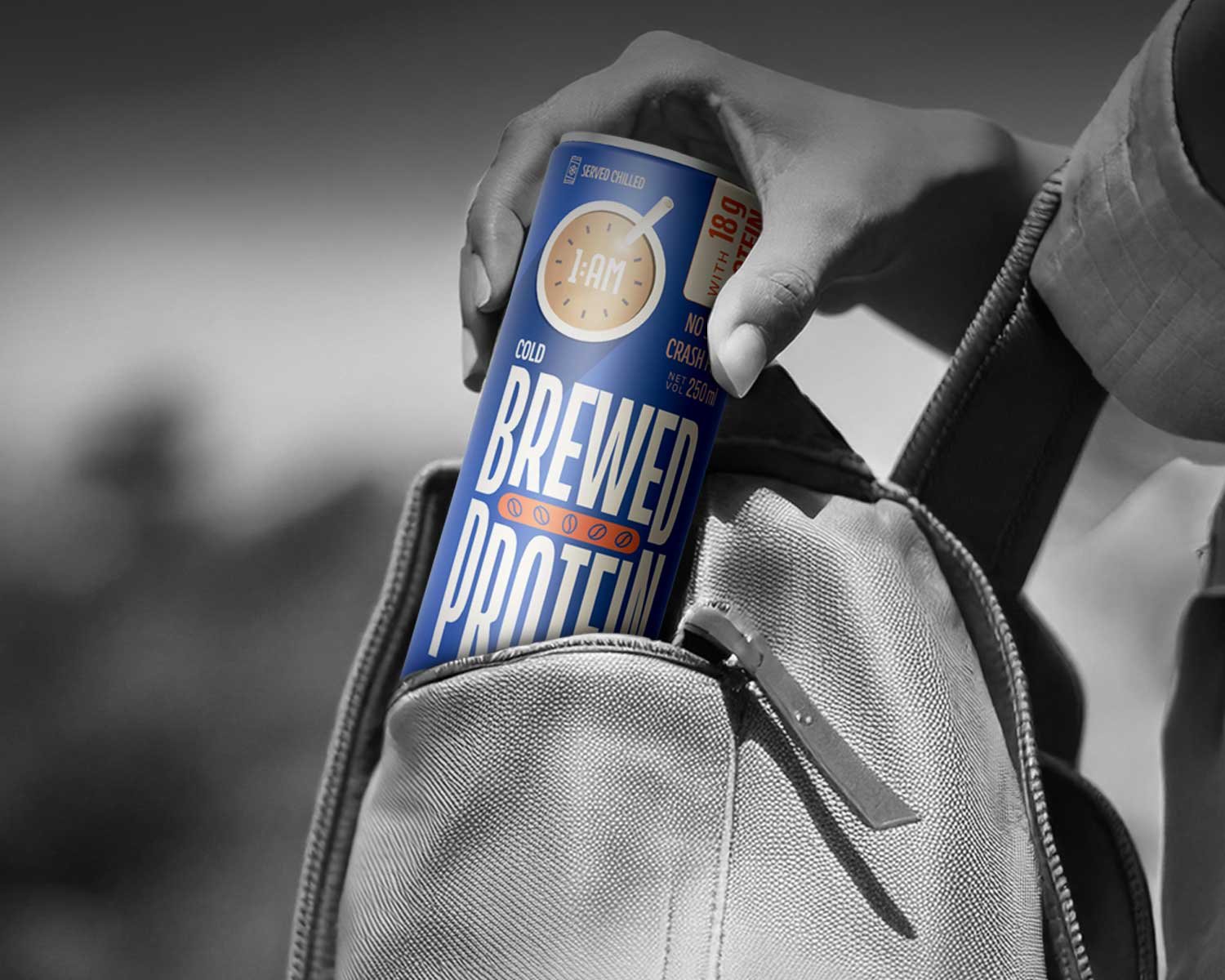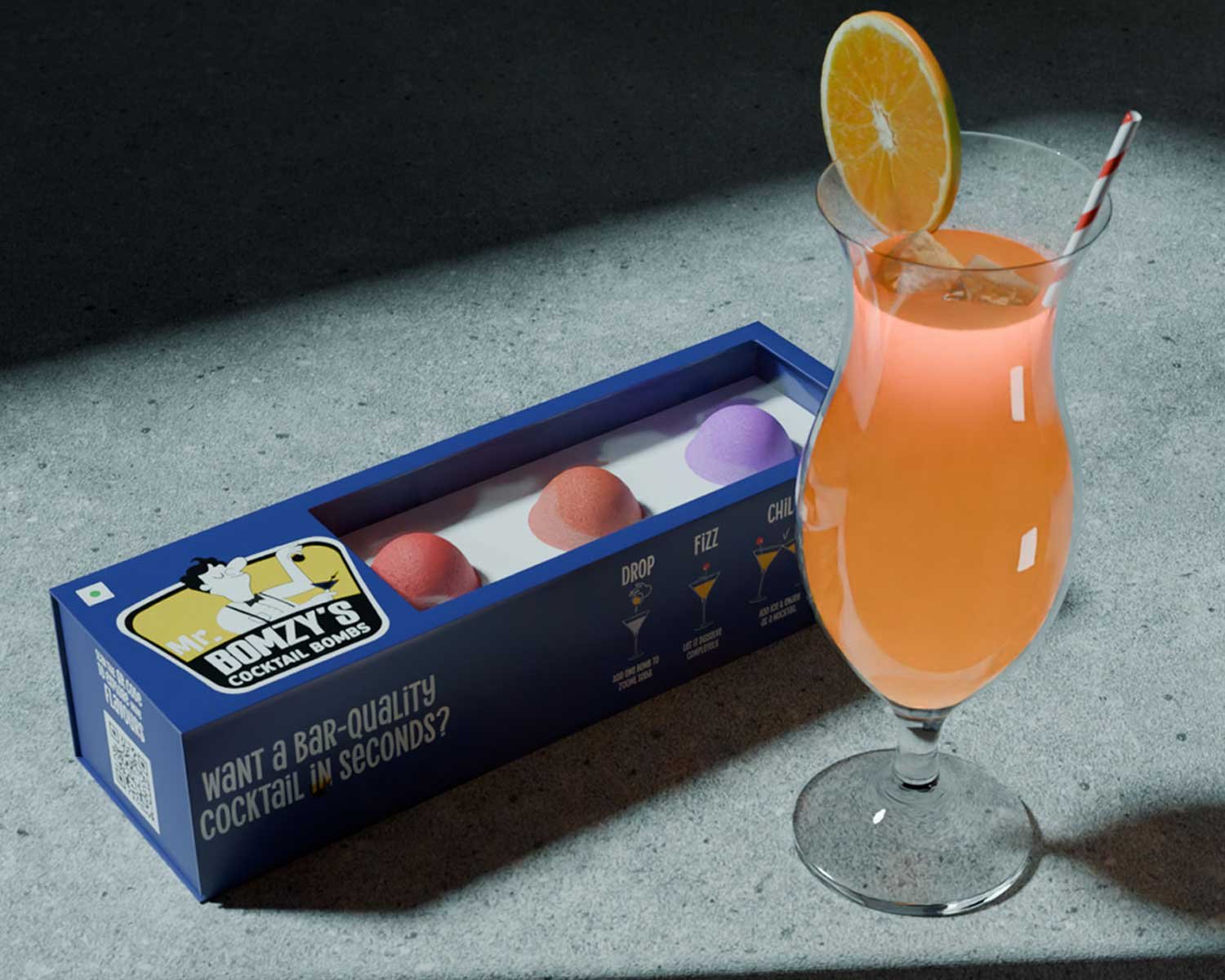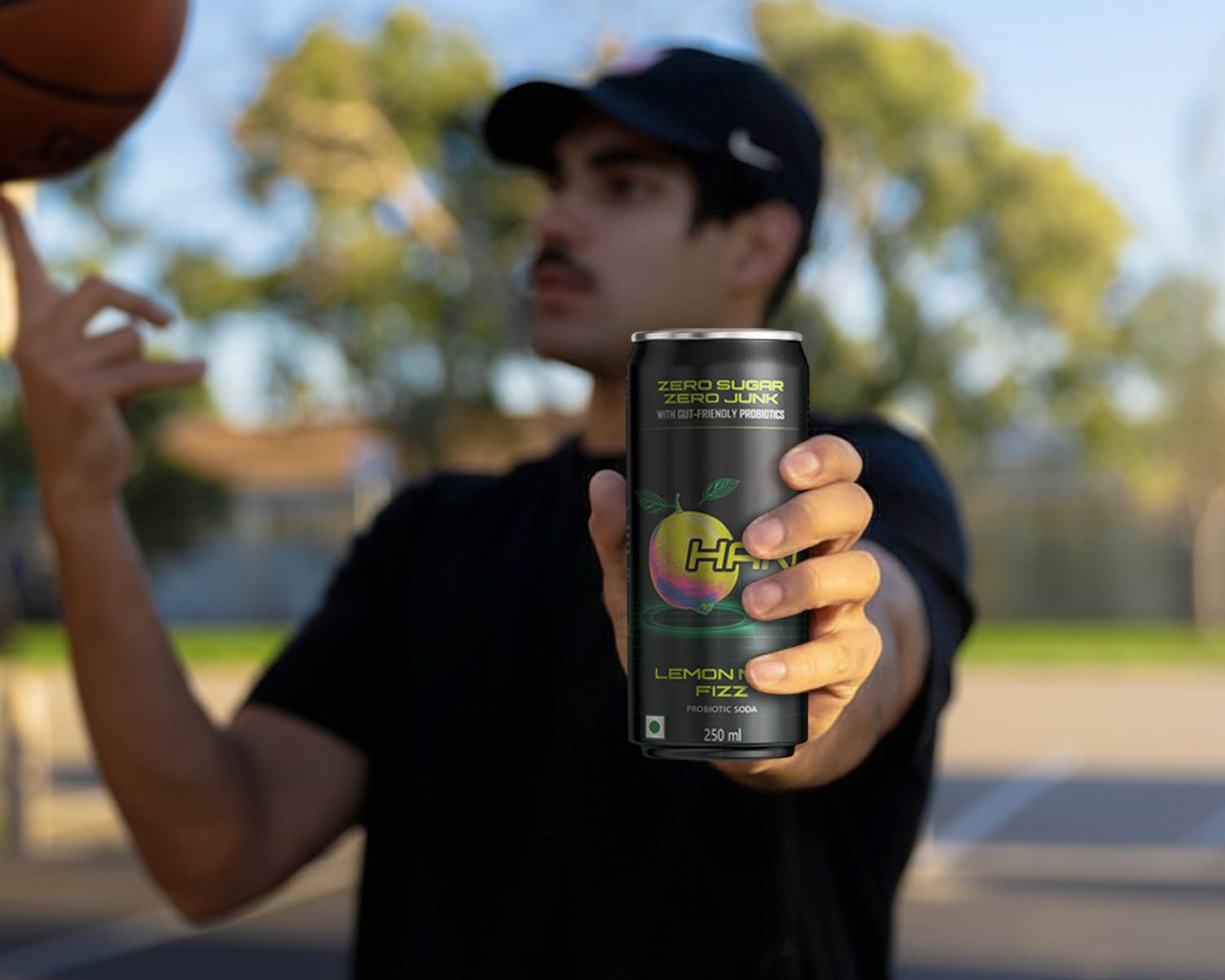
You have come up with a concept of a hydration product. You have the product formula figured out. The consumer segment has been identified. And you know your product has what the market needs. And then you run into the decision that causes most entrepreneurs to lose sleep for days on end whether to go with a sachet or a ready to drink bottle. Either of these options performs the same role. Both work well. Choosing incorrectly could cost you dearly.
The Question That keeps Most Founders in dilemma
- Formulation done
- Target consumer is defined
- Demand for product is validated
- Yet, a single question hangs in the balance: Sachet packaging? Or an RTD bottle?
- Both deliver electrolyte drinks
- Both will perform in market
- Only the wrong choice of packaging will slowly drain working capital
The Real Problem With Format Decisions
- Format choice among founders is usually driven by shelf sightings rather than capabilities
- Rather than capabilities that the business model can accommodate
- The electrolyte sachet vs drink versus electrolyte drink conundrum is not only about packaging
- It impacts manufacturing costs
- It impacts pricing
- It impacts distribution channels
- It impacts margin structure and logistics right out of the gate
- It leads to slowing things down
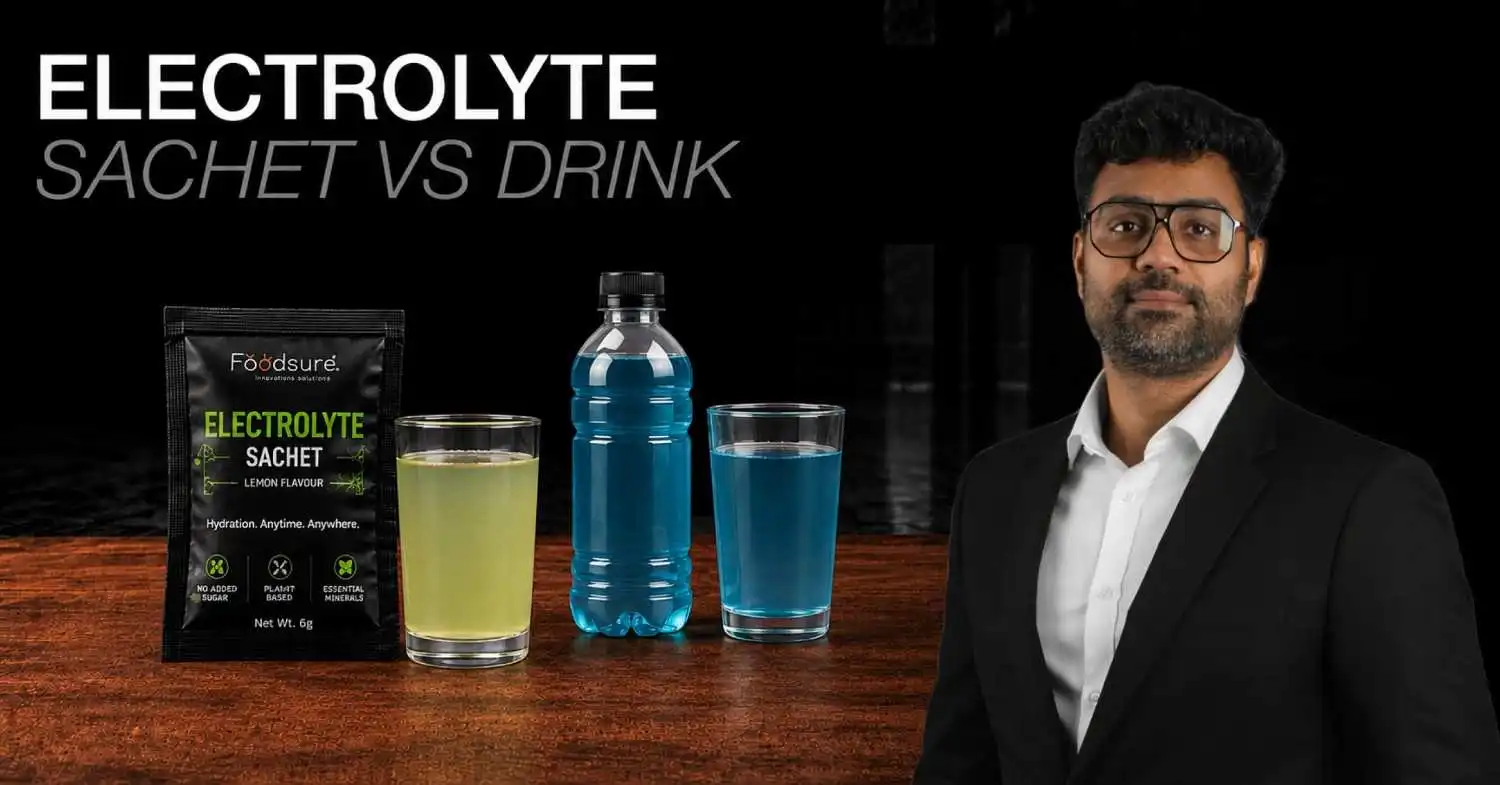
Electrolyte Sachet vs Drink: What Each Format Actually Is

Electrolyte Sachet
- Powder mixture in single use package
- Average 5 to 10 grams per packet
- Customer mixes into 200 to 500 milliliters of water
- Provision of same sodium, potassium, magnesium, and chlorine content
- Water does not weigh anything in logistics
- Does not require refrigeration
Electrolyte RTD
- Ready to drink liquid beverage
- Packaged in PET bottle, can, or tetra pack
- Consumer opens and consumes directly
- Eliminates preparation hassles
- Triggers impulse buying behavior in brick and mortar stores
- Bears water content throughout the supply chain
The global electrolyte drinks market was valued at USD 38.3 billion in 2024 aand is expected to be valued at USD 66.6 billion by 2034, with powdered and sachet forms witnessing higher growth than RTD in developing nations.
Why Most Founders Get This Wrong
- They consider format to be a product choice rather than a business choice.
- Sachet and RTD may have the same formulation.
- They could also have the same consumer base.
- However, they differ in terms of business fundamentals.
- RTD looks expensive and makes impulse buying more likely.
- Sachets provide higher profits and are easier to transport and last longer.
- None of them is better than the other.
- They both require a different way of going to market.
What Founders Get Stuck On
- If RTD instantly denotes premium quality to all consumers
- Undervaluing the cold chain and logistics costs of RTD on a large scale
- Selecting sachets while ignoring the issue of educating consumers about mixing
- Fixing on high MOQ RTD production before the market test
- Not realizing that D2C economics strongly favor sachets
- Failing to recognize that the pharmacy and ORS adjacent positioning works with sachets
- Thinking that changing format is feasible, although it is not, without cost
What Actually Works: Format Decision by Factor

Manufacturing Cost and MOQ
- Sachet Dry Blending Machines require less capital investment
- RTD Liquid Fill Lines require aseptic and hot filling technology
- Sachets have lower MOQ requirements for new companies
- RTD has higher MOQ requirements, which pose initial risks
- Sachets emerge as winners in terms of manufacturing cost
Shelf Life and Cold Chain
- Electrolyte sachet vs drink: Shelf life 12 to 24 months
- No need for cold chain for electrolyte sachets
- RTD shelf life: 6 months (non preserved) to 18 months (aseptic packing)
- A fragmented cold chain is often a problem even in tier 2 and tier 3 India
- The use of sachets eliminates that challenge altogether
Logistics and D2C Economics
- The weight of one-month sachets comes to 200 to 300 grams
- Equally, the RTD bottle’s weight amounts to 3 to 4 kilograms
- Cost of last mile delivery depends on the product’s weight and volume
- This weight disparity has an impact on contribution margin of D2C
- Some Indian hydration brands have used D2C through sachet packaging first
- The economic logic of RTD D2C works when the value of the order goes up
Retail and Impulse Purchase
- RTD wins hands down in physical retail settings
- Having a chilled bottle sitting on gym counter leads to quick purchase
- Impulse buy rate is higher for RTD
- Zero prep time equals zero hassle for consumer
- Modern trade, quick commerce, and HORECA prefer RTD for impulse buys
- Bottle on the shelf helps position the product more effectively
Price Point and Consumer Accessibility
- Sachets generally sell between Rs. 20 and Rs. 80 per serving.
- Price sensitivity exists among mass market, rural, and pharmacy distribution channels.
- RTD retail prices vary from Rs. 60 to Rs. 200 upwards.
- A higher price doesn’t necessarily work against a brand.
- Premium pricing strategy can succeed in the appropriate distribution channels.
- In case the targeted market is price-oriented, sachets are more accessible.
Key differences between electrolyte sachet vs drink across launch variables:
| Factors are : | Electrolyte Sachet | Electrolyte RTD |
| Manufacturing Cost | Low | High |
| Unit Retail Price | Rs. 20 to Rs. 80 | Rs. 60 to Rs. 200 and more |
| Shelf Life | 12 to 24 months | 6 to 18 months |
| Logistics Cost | Very Low | High |
| Cold Chain Needed | No | Sometimes |
| Consumer Prep Step | Mix with water | Ready to drink |
| Impulse Purchase | Moderate | High |
| D2C and E-commerce Fit | Excellent | Moderate |
| Brand Premium Feel | Moderate | High |
| Clean Label Potential | High | High |
Channel Strategy by Format
| Channel | Best Format | Why |
| D2C and E-commerce | Sachet | Low weight & high margin |
| Modern Retail or MT | RTD | Impulse & shelf visibility |
| Pharmacy & Medical | Sachet | ORS positioning & clinical trust |
| Gyms & Sports Clubs | Both | Sachets for subscription & RTD for impulse |
| Quick Commerce | RTD | Immediate consumption need |
| B2B & Corporate | Sachet (bulk) | Lower per unit cost |
India’s electrolyte hydration drink market grew at a CAGR of 43.63% from 2020 to 2024, through sachets and pouches being validated as a separate and dynamic packaging category alongside RTD bottles.
How Foodsure Approaches the Electrolyte Sachet vs Drink Decision
- Format discussion never comes first
- It begins with the business model
- Which channels are we entering with?
- How much is our target retail price?
- What will our D2C fulfillment cost be?
- What minimum order quantity is our first year limit?
- In all cases, answers usually lead very directly to a choice of format
- When there are no clear answers, Foodsure models both formats’ financial implications
- Compatibility with the formulation is tested in both formats
The global electrolyte mixes market is projected to grow from USD 635 million in 2026 to USD 730 million by 2031, with sachet and powder formats making inroads as environmentally conscious customers opt for concentrates that lessen packaging waste.
What Successful Founders Do Differently
- They begin from the channel perspective, not from the product perspective
- What retail environment will be used for their first 10,000 units?
- The chosen format depends on the economics of that retail environment
- Brands that focus on sachets create margin and D2C traction
- With that cash flow, they fund an RTD line post formulation validation
- Successful RTD brands have guaranteed their distribution prior to manufacturing
- If you are undecided, prove your concept via the sachet route first
- Scale to RTD once the market proves its readiness
Thinking of putting together the formulation for your electrolyte product? Then look no further than Foodsure to help make this happen.
Contact us at +91 8130404757 or [email protected]
Frequently Asked Questions
- Is an electrolyte sachet or RTD better for launching in India?
- Sachets fit well with direct to consumer and pharmacy distribution
- RTD fits well with modern retailing and impulse purchasing
- Can the same formulation work in both sachet and RTD?
- Yes, with modifications for solubility, pH, and preservatives
- Why do D2C brands prefer the sachet format?
- Reduced shipping weight positively affects last mile profitability
- What is the shelf life difference between sachet and RTD?
- Sachets: 12 to 24 months without cold chain
- RTD: 6 to 18 months according to filling technology
- Can Foodsure develop formulations for both formats?
- Yes
- Foodsure facilitates formulation, format selection, shelf life validation, and scale up for both