Electrolyte water manufacturing is often perceived as one of the simplest processes in the electrolyte energy drink formulation industry. The process requires no more than essential minerals, which include sodium and potassium, to be added to water to produce a hydration solution. The product needs to go through testing because its actual operation exceeds its basic appearance. The process of expanding from laboratory experiments to complete production operations creates its deepest challenges for founders. The gap between perception and reality creates multiple challenges for formulation development, which leads to stability issues and difficulties in controlling processes, thus making scale-up operations more difficult than they first seem.
The blog provides Indian hydration beverage startups with knowledge about Electrolyte Water Manufacturing, which includes formulation methods and stability issues, and shelf-life testing to create products that can be produced at scale and sold in the market.
The Real Problem in Electrolyte Drink Formulation
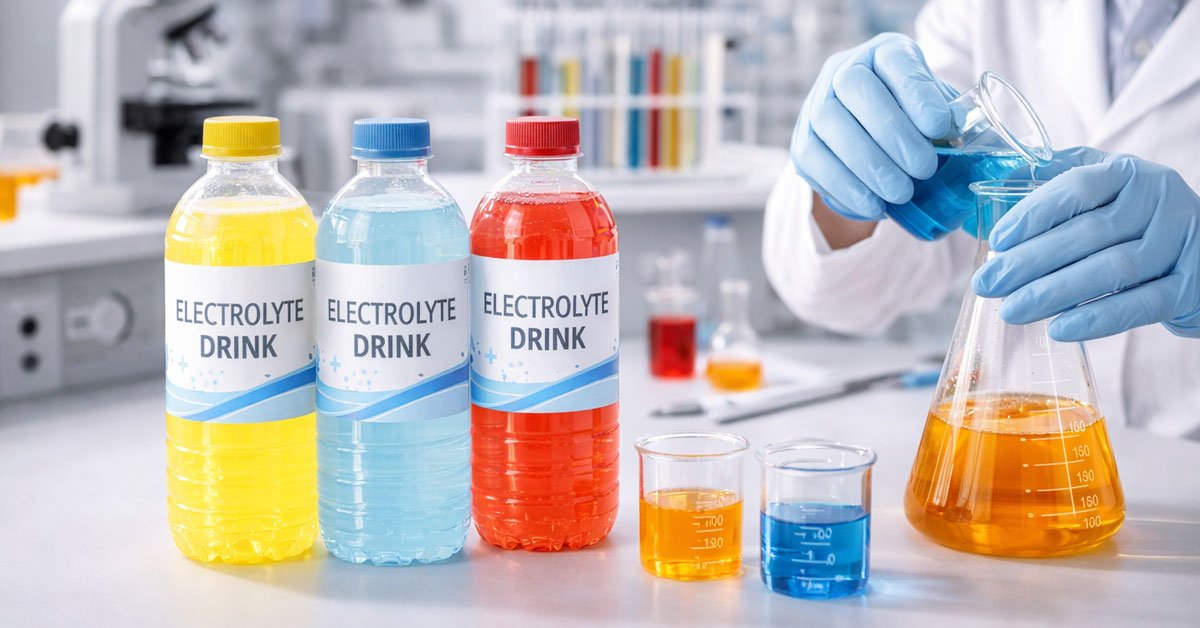
The Electrolyte Water Manufacturing goes beyond mineral addition because it requires building a system that maintains stability while remaining enjoyable to electrolyte energy drink formulation and being able to produce in larger quantities.
- The drink will taste excessively salty or bitter when the formulation lacks proper optimisation.
- The drink will develop sedimentation problems because minerals will accumulate at the bottom of the container.
- The product will become cloudy after an extended period of time.
- The product will experience a major reduction in shelf life because of these problems.
The issues that arise from this situation create a negative effect on how customers perceive products and how people view the brand, which creates challenges for startups that want to enter the expanding sports drink market.
FORMULATE YOUR HYDRATION DRINK
Get Your Electrolyte Drink Formula Right — Before You Scale
Electrolyte balance, pH control, and flavour masking define your product success. Get your hydration drink stable, scalable, and market-ready from day one.
Why Stability & Shelf-Life Challenges Occur in Electrolyte Water Manufacturing
Electrolytes are chemical substances that react with their surroundings. The behaviour of these minerals depends on some main factors of electrolyte energy drink formulation, which include:
- the solution’s pH measurement
- the way different minerals interact with one another
- the environmental conditions of temperature and storage
- The presence of light and oxygen, which affects their reaction with each other
The interaction between magnesium and calcium results in the development of bitter taste, while calcium produces a chalky mouthfeel. The minerals cause precipitation and cloudiness in the product when their interaction occurs improperly.
The process of electrolyte energy drink formulation handling their products and packaging creates an environment that produces faster degradation, which results in shorter shelf life and unpredictable product performance.
Founder Pain Points in Hydration Beverage Startup Development
- The inability to establish an adequate electrolyte balance.
- The product becomes bitter or too salty.
- Hazy or observable particles that develop over time.
- Poor shelf life within the market expectations.
Electrolyte Water Manufacturing Explained in Simple Terms
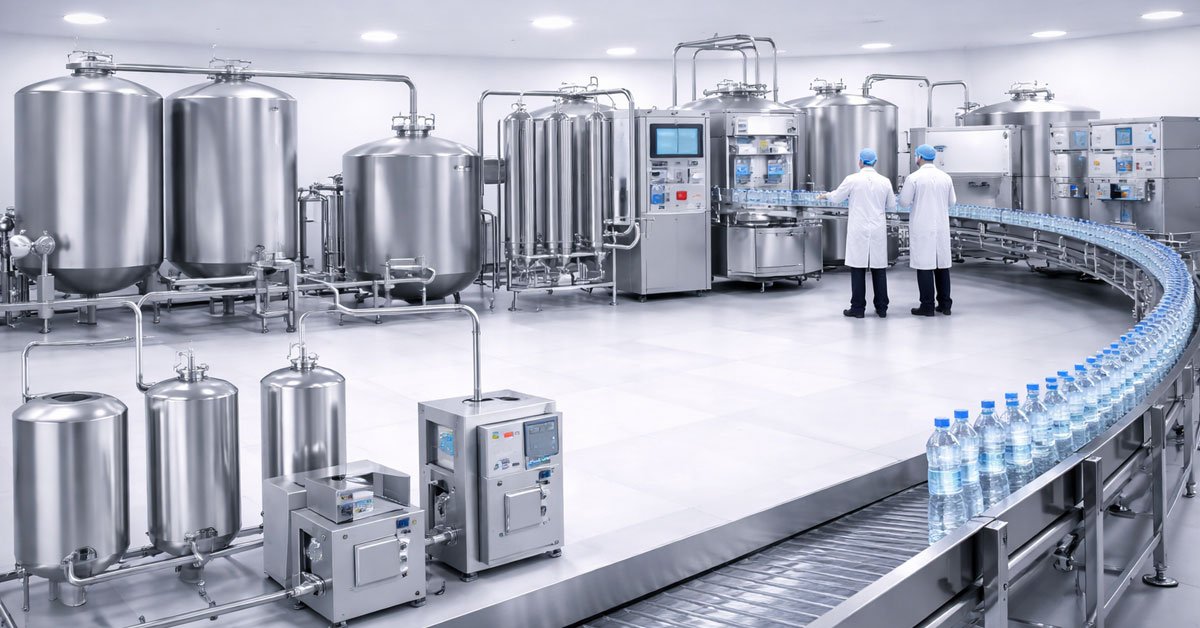
Electrolyte Water Manufacturing operates as a balancing procedure. The specific function of each mineral element affects both taste and stability of the product. The entire formulation suffers when one element exists at excessive or insufficient levels.
For instance:
- Excess sodium results in a salty flavour.
- Excess magnesium results in a bitter taste.
- The process becomes unstable when pH levels are not properly managed.
- The results become unreliable when mixing is done incorrectly.
The current system requires us to achieve balance through complete system integration because we need to create a unified system where all parts function together without problems.
What Actually Works in Electrolyte Water Manufacturing
| Location | Important Factors | Intention | Effect on Product |
| Electrolyte Ratios | Sodium, Potassium, Magnesium, Calcium | Ensures hydration functionality | Impacts taste (salty, bitter, chalky) and overall balance |
| pH Control | Optimum: 3.0–4.5 (ensures stability and safety) | Enhances shelf life and inhibits microbial growth | Improves stability, safety, and microbial control |
| Stabilization | Buffer Systems, Chelating Agents | Prevents ingredient interactions | Avoids cloudiness and sedimentation |
| Taste Balancing | Natural flavours, Sweeteners, Acidity regulators | Enhances drinkability | Masks bitterness and boosts consumer acceptance |
| Manufacturing Process | Purification, blending, homogenization, filtration, and packaging | Standardizes production | Ensures consistency, clarity, and scalability |
| Shelf-Life Tests | Accelerated testing, Real-time testing, Packaging tests | Checks product life | Verifies stability, safety, and market readiness |
Stability & Taste Balancing Challenges in Electrolyte Water Manufacturing
| Challenge | Cause | Solution |
| Bitter taste | High magnesium | Flavour masking & ratio control |
| Excess saltiness | High sodium | Balance with potassium |
| Cloudiness | Mineral interaction | Stabilizers |
| Sedimentation | Poor solubility | Improved formulation |
| Short shelf life | Microbial growth | pH control & processing |
Role of a Structured Development Partner
Foodsure functions as a structured development partner that helps hydration beverage startups to control their entire process of manufacturing electrolyte water. The founders gain two benefits, which include saving money from expensive testing methods and having their product such as electrolyte energy drink formulation prepared for commercial electrolyte drink production with stable quality.
Founder Takeaway for Electrolyte Water Manufacturing
The Electrolyte Water Manufacturing exists as a controlled system that creates the appearance of simplicity. The project requires successful handling of mineral balance and stability testing and shelf-life verification from its initial stage.
The proper formulation strategy brings advantages in terms of time, expenses, and work during the process of scaling up operations.
The prime aim of our team is to aid in making the conceptualisation of an electrolyte-based drink a commercial possibility.
The structured formulation approach enables your transition from product idea to creation of a market-ready electrolyte or sports hydration drink.
SCALE YOUR HYDRATION PRODUCT
Take Your Electrolyte Drink From Concept to Commercial Production
From formulation stability to shelf-life validation and manufacturing — we help hydration brands build scalable and compliant products.
Strengthen your hydration product knowledge:
FAQs
What is electrolyte water manufacturing?
The process of electrolyte water manufacturing involves creating water products that contain essential minerals required for hydration.
How to manufacture electrolyte water in India?
The process requires three main components, which include purified water, optimised electrolyte formulation and controlled processing and regulatory compliance.
What is an electrolyte drink formulation?
Electrolyte drink formulation involves scientists who create balanced drink formulas by controlling mineral content, pH levels and flavour elements to achieve both stability and taste.
What affects electrolyte water shelf life validation?
The shelf life of a product depends on four factors, which include the pH level and ingredient interactions, processing techniques and packaging methods.
Why does electrolyte water taste bitter or salty?
The mineral balance between magnesium and sodium produces two distinct flavors which include bitterness and excess saltiness.
How to improve stability in electrolyte drinks?
The application of appropriate pH management together with stabilising agents and advanced product development methods will enhance product stability.
What is needed to launch a hydration beverage startup?
The startup requires three components, which include a validated formulation, a production process that maintains quality and a manufacturing facility that meets regulatory standards.