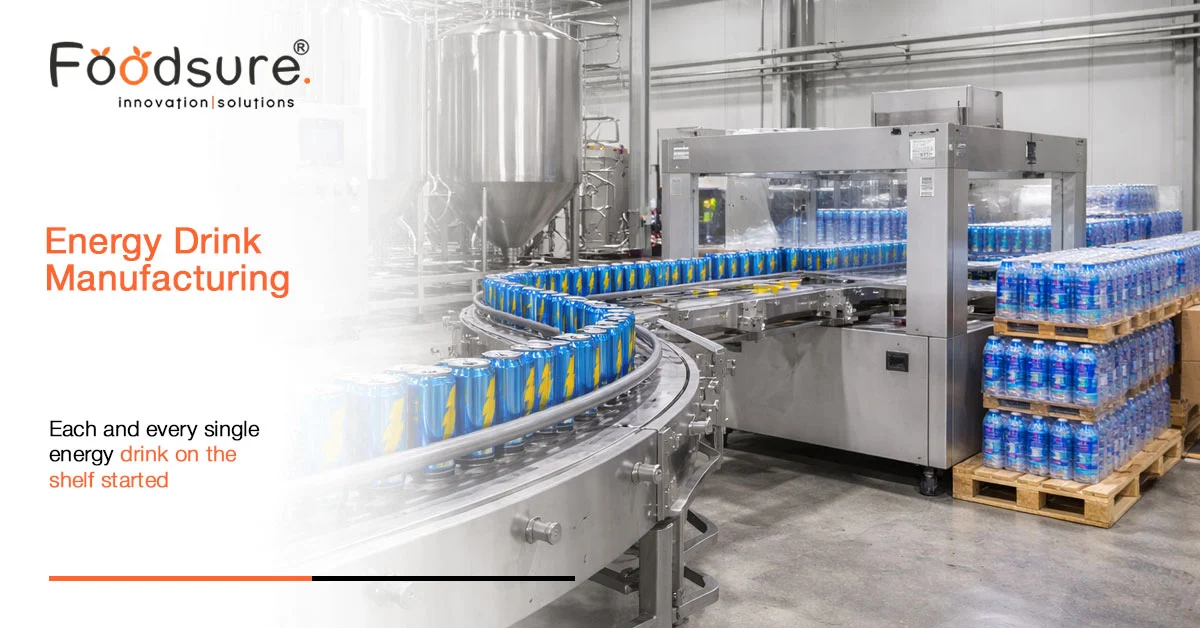
Each and every single energy drink on the shelf started out in the same way as an entrepreneur with a business idea and no idea how to go from idea to can. Energy drink manufacturing is one of the most technically challenging processes in the beverage industry, and most energy drink manufacturers grossly underestimate the requirements for taking an idea from concept to shelf-stable, FSSAI-approved product.
Foodsure supports energy drink brands from idea to commercial launch – formulation, trials, stability, and contract manufacturing guidance in one place.
Why Most Energy Drink Launches Fail Before They Scale
The value of the global energy drink market was recorded at USD 107 billion in 2024. The size of the global energy drink market is expected to grow at a rate of 8.5% during the period ranging from 2024 to 2033.
The market for energy drinks is already saturated. However, the failure rate for new entrants in the energy drink industry is high. The reason why energy drink manufacturing fails is not that the brand or the pricing strategy was not right. The reason why energy drink manufacturers fail is that the energy beverage was never correctly formulated in the first place, the energy drink process was never validated, or the manufacturer was never chosen based on an understanding of the compatibility between the formulation and the equipment.
Energy beverage production is not simple at all. It is a complex process requiring the simultaneous control of the interaction of ingredients, pH stability, carbonation levels, thermal processing, and incompatibilities in the package. A gap in any of those areas means the product will never survive the shelf life, the way to the store, or the regulatory process.
Common Failure Points in Energy Drink Manufacturing
- Formula developed without conducting any pilot-scale or commercial-scale trials
- A formula for an energy drink was developed without conducting any stability and compatibility studies on the ingredients
- Carbonation levels were not validated for the format
- Not checked if FSSAI norms were being followed, as the label and claim were rejected in the first place
- Copacker engaged without conducting any alignment on SOPs and batch consistency
- Shelf life not tested as the formula degraded before the expiry date
What is in Energy Drinks? Understanding the Core Ingredients
However, prior to delving into the process involved in the energy drink manufacturing process, it would be essential to first understand the composition of the mix. As a matter of fact, the energy drink ingredients consist of certain components that need validation prior to the process.
The table below highlights the key ingredients used in energy drinks, the purpose of the ingredients, and the general usage of the ingredients in the energy beverage production
| Ingredient | Function | Typical Usage Level |
| Caffeine | Primary stimulant | 80 to 200 mg per 250 ml |
| Taurine | neurological function and energy metabolism | 500 to 2000 mg per serving |
| B Vitamins (B3, B6, B12) | energy release from food | 100 to 300% RDA per serving |
| Sucrose or HFCS or Stevia | Sweetener affects taste, mouthfeel, and caloric profile | Variable |
| Citric Acid | pH adjustment, preservation, and flavour balance | 0.1 to 0.5% by weight |
| Natural or Artificial Flavours | Taste profile definition | As per formulation target |
| Electrolytes (Na, K, Mg) | Hydration support | As per function claim |
| Guarana or Ginseng | Natural caffeine source and adaptogenic support | 50 to 200 mg per serving |
The ingredients used in the energy drink will determine whether the energy drink will be clean label, sugar-free, functional, or performance, and this will have to be determined before the formulation of the energy drink.
The Energy Drink Manufacturing Process
The need for understanding the manufacturing of energy drinks involves analyzing the manufacturing of energy drinks in stages. Each stage has its requirements, and missing out on any stage will cause difficulties in the next stage.
Stage 1 : Concept and Formulation Brief
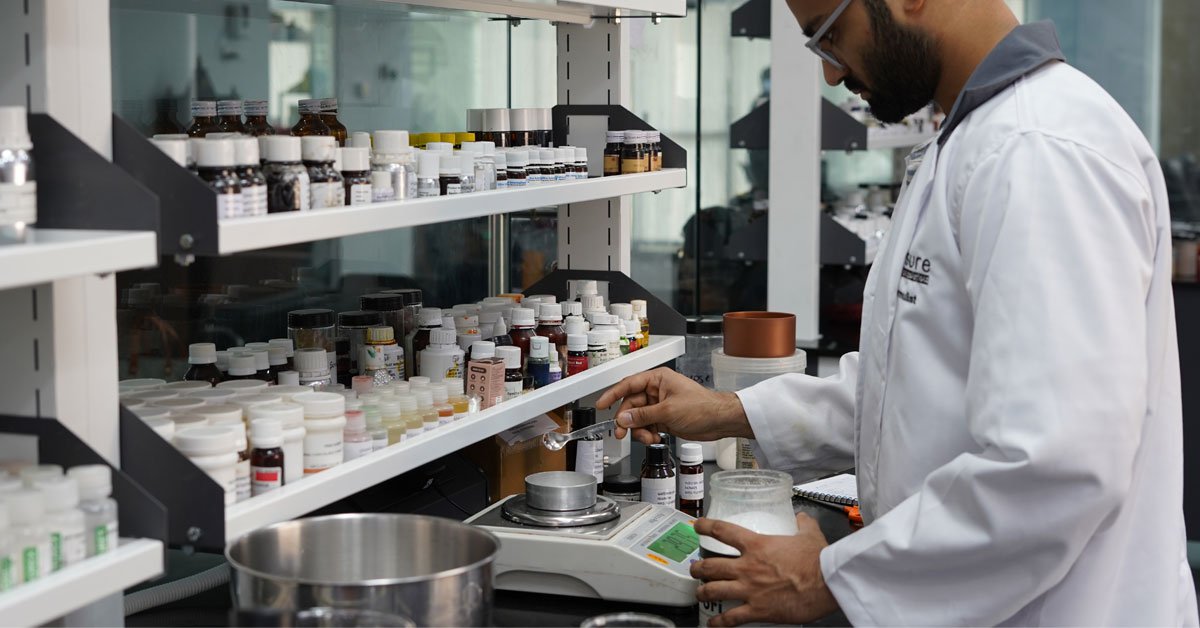
The formulation of an energy drink is initiated by developing a concept or formulation brief. This includes information on consumer profiles, positioning like focus, endurance, hydration, and recovery, packaging in RTD can, bottle, or powder, and regulatory restrictions. This is what defines what goes into an energy drink. The formulation brief is the beginning of the formulation of an energy drink.
Stage 2 : Energy Drink Formulation Steps
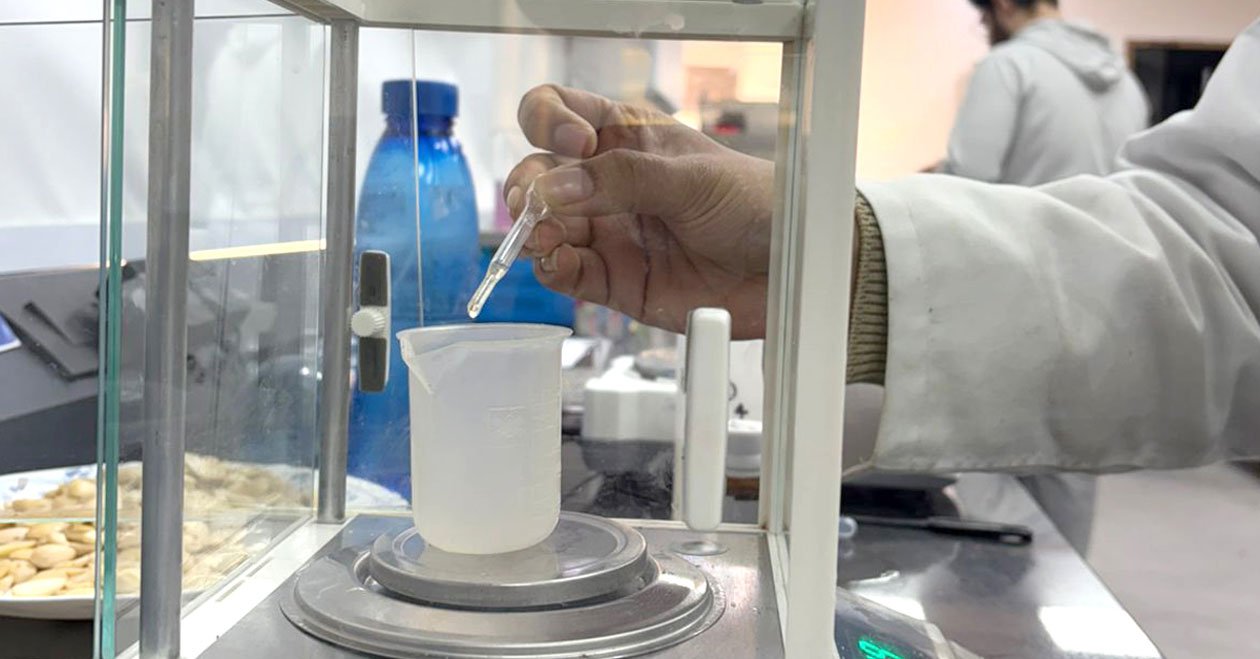
This is the technical aspect of the formulation in the manufacturing of energy drinks. The formulation team will undergo various processes such as selecting ingredients, solubility analysis, pH control, flavor development, and sweetness analysis. Moreover, in the case of carbonated drinks, the CO2 content will be adjusted according to the base formula.
The steps taken in the formulation of an energy drink involve considerations based on the compatibility of various ingredients such as caffeine and vitamin B, which have a high pH level. If these requirements are not met properly, then the potency and taste of the energy drink will be compromised even before consumption.
Stage 3 : Stability and Shelf Life Testing
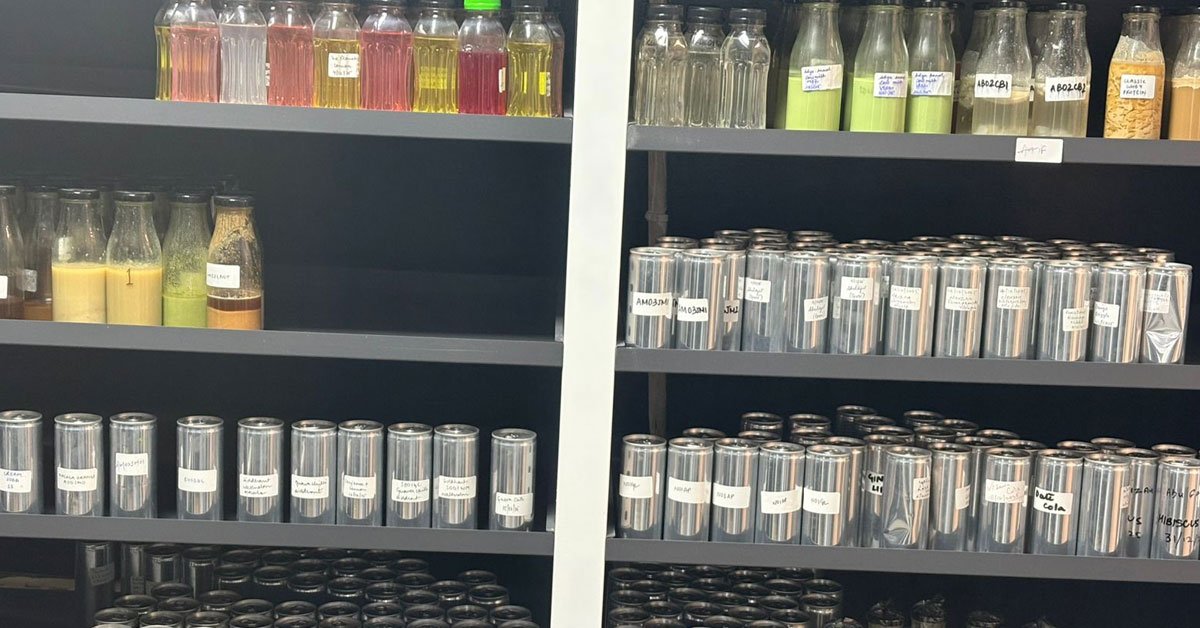
Once the formula has been set, stability testing takes place. Stability testing occurs under real and accelerated conditions. This means all the ingredients in your energy drink are active, the flavour profile is correct, and there has been no microbial contamination or chemical degradation in your product’s shelf life. This is non-negotiable when it comes to the production of your energy beverage. This is what will get your product on the shelf.
Stage 4 : Regulatory and Label Compliance
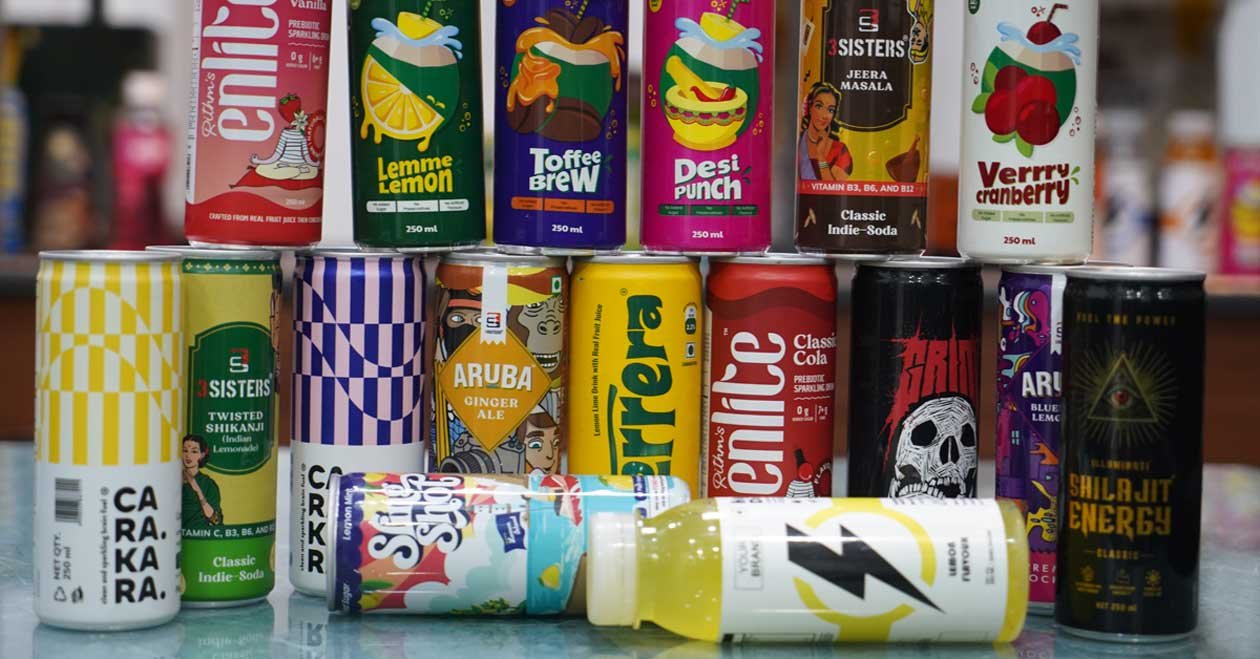
Each and every energy drink being introduced into the market must adhere to the FSSAI regulations regarding the caffeine content, ingredient declaration, health claims, and nutrition declaration. This is applicable for all energy drink manufacturing processes, whether it is contractual or in house. Even claims like boosts energy and enhances focus need to be backed. Failure in this regard during the approval of the label will lead to delays of months.
Stage 5 : Pilot Scale Up and Co-Packer Alignment

The difference between the lab scale formula and the 1,000 ltr batch is where most energy drink projects appear to stall. This is because there are differences in equipment, mixers, heat transfer equipment, and filling equipment, which will ultimately influence the final product. A description of the energy drink manufacturing process must be included in the industrial manufacturing SOP, which is compatible with the co-packer’s equipment, before large scale production is undertaken.
Stage 6 : Commercial Production and Quality Control
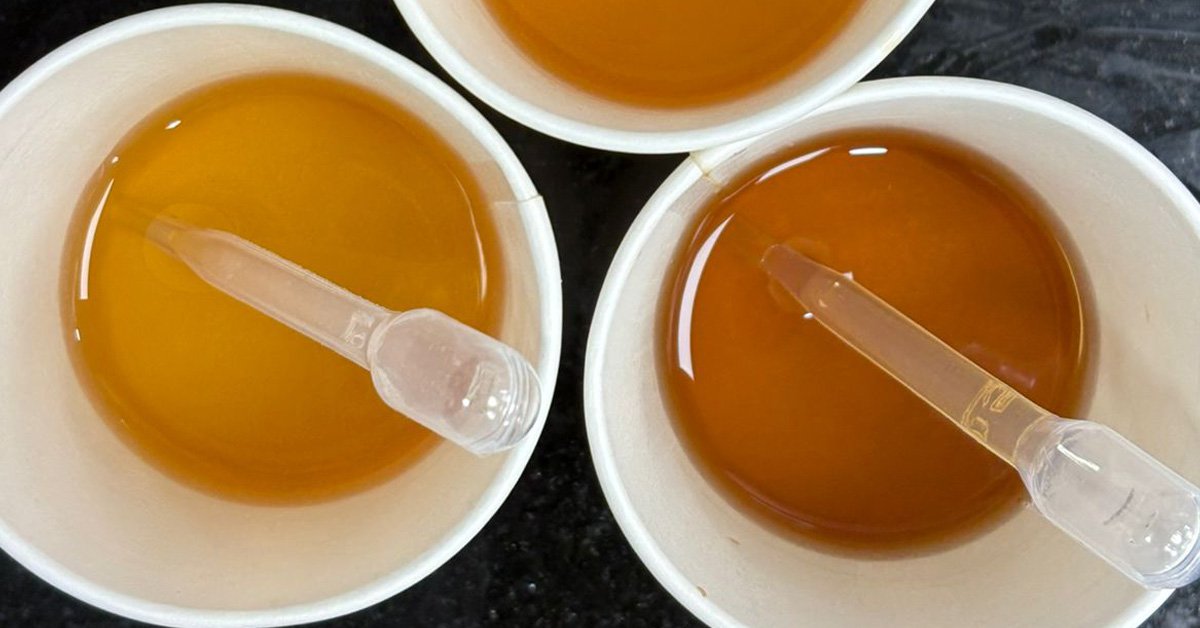
For the large-scale production of energy drink manufacture, the need arises for reproducibility in batches, real time measurement of pH, Brix, carbonation, and filling volumes, as well as testing the final product. Another method for the large scale production of energy beverages is packaging validation, specifically for carbonated beverages.
| Stage | Key Output | Common Mistake |
| Concept | Formulation direction and ingredient shortlist | Undefined consumer |
| Formulation Steps | Stable, sensory approved bench formula | No ingredient compatibility check |
| Stability Testing | Validated shelf life and microbiological safety | Assuming shelf life without testing |
| Regulatory Compliance | FSSAI approved label and claims | No substantiation claims |
| Pilot Scale-Up | Manufacturing SOP and co-packer alignment | Lab formula not adapted to plant equipment |
| Commercial Production | Consistent Batch and market ready product | No in line QC leading to batch failure |
Explore more insights on energy drinks formulation, trends, and contract manufacturing.
Are Energy Drinks Safe? What Manufacturing Must Get Right
The safety of an energy drink is entirely dependent upon the quality of the energy drink manufacturing process. So the question arises, is Are energy drinks safe? This is answered based on whether the formulation is done correctly, whether the ingredients are within the permissible limits, and whether the process is done with appropriate standards of hygiene and consistency. FSSAI specifies that the caffeine content in an energy drink should not exceed 320 mg per litre. Therefore, any energy drink manufacturing process that exceeds this will result in the rejection of the product and will invite legal action. This is not a choice but a necessity. Safety is not limited to microbiological control and the use of appropriate packaging material but also to the prevention of overdosing of ingredients, especially caffeine and taurine, which have health hazards if consumed in excess
How Foodsure Supports Energy Drink Development
Foodsure offers assistance in the formulation of beverages for energy drink startup entrepreneurs. Our energy drink development process has been specifically developed in a way that there are no gaps in the development process, and this has been the reason why most energy drink brands have failed to launch. Our team for beverage development has expertise in developing different types of energy drinks, including carbonated energy drinks in cans, sugar-free energy drinks, functional energy drinks, and natural caffeine energy drinks. Our energy drink development process includes FSSAI compliance, sensory testing, stability testing, and manufacturer documentation.
Essential Findings
- The process of manufacturing energy drinks involves validating the formulation, stability, and regulatory requirements, which is more than just mixing all the ingredients
- The ingredients used in the manufacturing process of energy drinks include caffeine, taurine, vitamin B, and other ingredients. These ingredients are used for a specific purpose, and the regulatory requirements must be met
- The process of manufacturing energy drinks has 6 steps. If the 6steps in the process are not met, the process will be affected as a whole
- The process of formulation for energy drinks involves several steps, considering the compatibility and stability levels
- The regulatory requirements must be met according to the FSSAI regulations before the manufacturing process for energy drinks or energy beverages begins
- The most efficient and safest method to prepare the energy drink is to avail the beverage formulation service and connect with co-packers.
Top Trending Guide:- Focus Drink Contract Manufacturing for Modern Brands in 2026
Foodsure supports energy drink brands from idea to commercial launch – formulation, trials, stability, and contract manufacturing guidance in one place.
FAQ’s (Frequently Asked Questions)
Q1. What is energy drink manufacturing and what does the process involve?
It is the whole process of formulation, stabilization, scaling, and manufacturing of the energy drink product in compliance with the regulations for commercialization.
Q2. How to manufacture energy drinks from scratch?
From the product brief, the process will involve formulation, stability tests, FSSAI compliance, pilot plant development, and commercial SOP.
Q3. What are the key energy drink ingredients used in commercial production?
The basic ingredients include caffeine, taurine, vitamin B, citric acid, electrolytes, sweeteners, and natural or artificial flavours.
Q4. What is in energy drinks that makes them functional?
Caffeine helps in alertness, taurine helps in metabolism, vitamin B helps in the release of energy, and electrolytes help in hydration.
Q5. How long does the energy drink production process take?
This process will take between 16 to 24 weeks, depending on stability studies and co-packer readiness.
Q6. Are energy drinks safe when manufactured correctly?
Yes . provided caffeine and active ingredients are within FSSAI guidelines and manufacturing is in accordance with validated hygiene and quality control standards.
Q7. What beverage formulation services do I need to launch an energy drink brand?
You will need formulation, stability studies, label compliance, scale up SOPs, and co-packer readiness as all services provided by Foodsure.