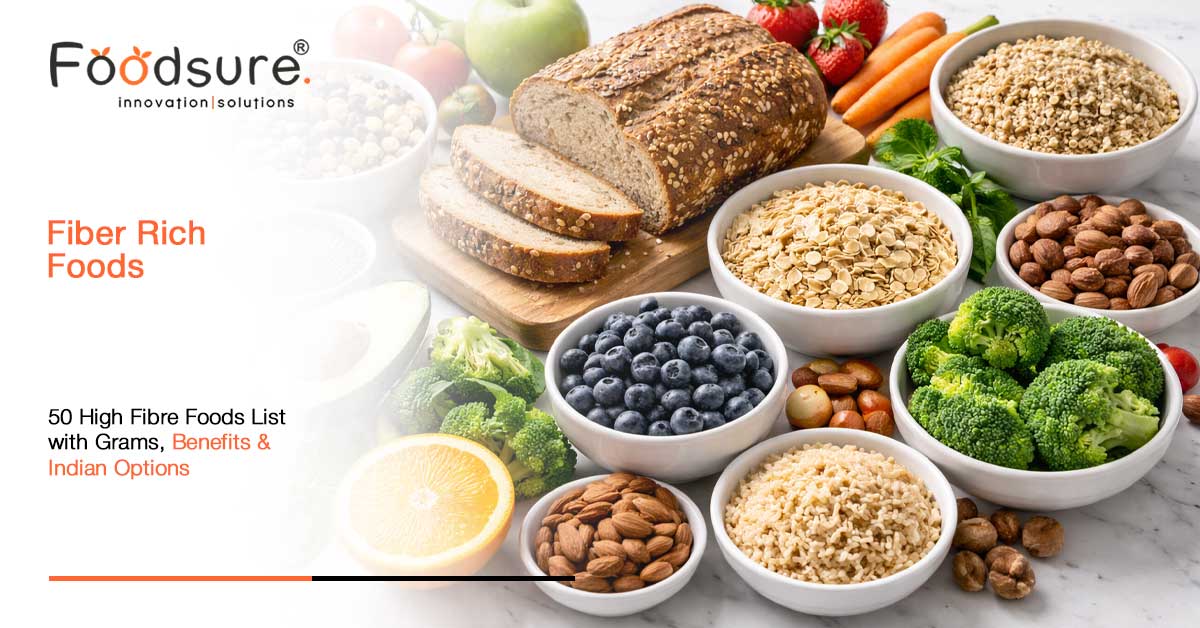
There is a paradigm shift within the country’s health discussion concerning basic calorie calculation towards nutrient-rich foods. Irrespective of whether you live in an urban or rural area, the need for fiber rich foods has been on the rise due to the understanding of the connection between gut health and longevity. It is equally important to choose the best high fiber Foods as it is to track the amount of proteins consumed or workouts undertaken.
Often, the challenge lies in navigating through various products in stores that claim to be healthy yet have no scientific backing. Knowing how to distinguish between genuine fiber Foods List by analyzing the nutrients found within is crucial for anyone seeking to enhance their metabolism levels. It will help you know which fiber rich food List you should consume to avoid digestive problems and chronic illnesses.
India’s dietary fiber market is growing rapidly, with revenue expected to increase from USD 406.4 million in 2023 to USD 889.9 million by 2030, driven by rising adoption of a Fiber Rich Diet. As a result of increased sedentary activities among individuals, consuming high fibre foods in each meal has become a medical necessity.
This guide aims to equip you with a conclusive list of 50 fiber rich food items, together with the amount of fiber contained in each of them and their health benefits. This guide will also provide you with an alternative to the fiber-rich food from India.
What Are Fiber Rich Foods?
Fiber foods refer to foods that have substantial amounts of dietary fibers, which are insoluble and indigestible carbohydrates found in plant foods. In contrast to fats, proteins, and simple sugars, dietary fibers are not digested and assimilated in the body; they pass through the alimentary canal virtually unchanged while serving various biological roles in the process. There are two main forms of dietary fiber, and most high-fiber foods have both forms. Soluble fibers mix with water to create gel-like substances in the intestines. These gels slow down digestion, regulate blood glucose concentrations, and decrease LDL cholesterol levels by combining with bile acids in the intestines. The insoluble fibers do not mix with water. They increase the volume of stools and promote proper defecation processes by quickening the movement of food materials through the large intestines. Fiber foods are mainly plant foods.
Differences between foods rich in fiber by nature and those fortified with fiber are critical for consideration. The best way to consume foods high in fiber content is by eating whole foods because they contain both fiber and other nutrients like antioxidants and phytochemicals. Consuming fiber supplements cannot give you such benefits.
There is nothing complicated about understanding foods that have high levels of fiber content and their significance to our bodies. The process just entails knowing what kinds of foods and the quantity you need to take.
Soluble vs. Insoluble Fiber: Key Differences in Fiber Rich Foods
Fiber doesn’t always work in the same way. This information is essential to know when putting together your own list of fiber rich food. There are important differences between the roles that each kind of fiber can play in keeping you healthy. The best high fiber diets will use both.
| Feature | Soluble Fiber | Insoluble Fiber |
| Water Behavior | Dissolves fully | Does not dissolve |
| Gut Function | Feeds good bacteria | Adds stool bulk |
| Best For | Blood sugar control | Bowel regularity |
| Key Sources | Oats, legumes | Whole wheat, vegetables |
| Cholesterol Impact | Lowers LDL | Minimal direct effect |
| Common Format | Gel-like substance | Rough, fibrous texture |
Both kinds of fibers usually occur naturally in food sources that have high amounts of whole fiber content. The idea is not to focus on which kind you have to consume, but rather to ensure that your body gets an adequate supply of both kinds through eating different plant-based foods every day.
Key Trends Shaping High fiber Foods Today
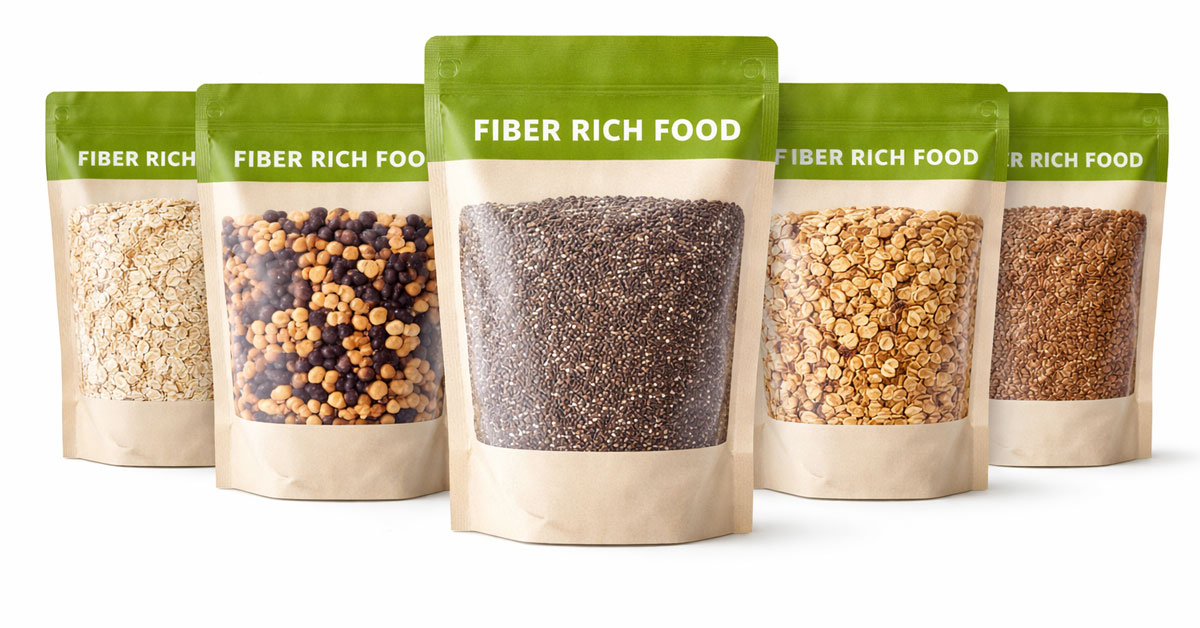
There is a paradigm shift happening in the context of high fiber foods discussion and consideration, both among consumers and professional dietitians.
- Awareness about gut microbiota is giving rise to the highest-ever demands for high fiber foods and prebiotic rich foods.
- Millet based food products – jowar puffs, ragi crackers, bajra cookies – are witnessing revival and recognition as high fiber foods in India.
- High fiber drinks fortified with psyllium husk, inulin, and chicory root fiber have emerged as common health retail products.
- High fiber ancient grains such as amaranth, kodo millet, and little millet are finding support from nutrition scientists for their high fiber content.
- Increasing demand exists for dual high protein and high fiber food products, owing to fitness conscious customers.
- Foods high in fiber are easy to track and consider because of the emergence of many nutrition tracking mobile applications.
- Indian food habits that focus on consumption of dal, sabzi, and roti made from whole wheat flour are emerging as high fiber diet plans.
- Simple and clean labels with minimal ingredients are ruling high fiber diet plans in food retail shops.
Fiber brands who are able to integrate their fiber into the branding message and make it credible are well placed to capitalize on this market.
Core Components of a High fiber Foods
Creating a high fiber diet plan does not involve just identifying food products rich in fiber content. The essential ingredients of a high fiber diet plan include the basic categories of food products that provide both soluble and insoluble fibers.
| Food Category | Fiber Type | Indian Example |
| Legumes & Pulses | Soluble dominant | Rajma, chana dal |
| Whole Grains | Insoluble dominant | Jowar roti, oats |
| Fruits | Mixed both | Guava, pear, amla |
| Vegetables | Insoluble dominant | Drumstick, peas |
| Nuts & Seeds | Insoluble dominant | Flaxseed, almonds |
| Fermented Foods | Prebiotic support | Curd, idli, dosa |
Each category makes a unique contribution towards meeting your overall fiber needs. Legumes contain concentrated soluble fiber that controls sugar and cholesterol levels. Grains contain insoluble fiber that helps with bowel movement. Fruits and vegetables contribute micronutrients and fiber types. Nuts and seeds contain many calories but also fiber content. Fermented foods help maintain healthy intestinal flora that will eventually consume the fiber.
An ideal dietary fiber plan would involve at least three to four of the categories daily. It is an easy way to have a diverse fiber intake while ensuring you get enough nutrients for a balanced diet.
Common Problems People Face with High fiber Foods
Switching to a diet high in fiber might be easy to understand in theory, but actually following through requires great patience. Most individuals attempting to boost their fiber consumption do the same mistakes and end up uncomfortable, making them stop following their regimen for good.
- Adding too much fiber to one’s diet too quickly results in bloating, gas, and even cramps.
- Ingesting high fiber foods without drinking plenty of water results in constipation instead of curing it.
- Depending solely on fiber bars and other processed sources of fiber prevents the person from getting additional nutrients.
- An unvaried list of high fiber foods makes the individual bored of his/her own food choice and unable to continue eating healthy.
- Misunderstanding the list of high fiber Indian foods prevents people from including those ingredients into their meals.
- Not keeping track of calories while massively consuming nuts and seeds makes one put on additional weight.
- Not looking at labels when buying high-fiber foods leads to ingesting fake high-fiber products.
Through Foodsure, you can seek assistance in dealing with such problems through scientifically based high fiber diet planning and sound nutrition advice. If you are working on your own personal high fiber diet plan or developing your fiber rich foods, We make sure that everything you do will be scientifically sound.
50 Fiber Rich Foods List: Grams per 100g and Benefits
| Food Item | Fiber (per 100g) | Primary Benefit |
| Psyllium husk | 71.2g | Gut regularity |
| Chia seeds | 34.4g | Heart health |
| Flaxseed (alsi) | 27.3g | Hormonal balance |
| Urad dal | 18.3g | Digestive health |
| Barley | 17.3g | Cholesterol control |
| Rajma | 15.2g | Blood sugar control |
| Almonds | 12.5g | Heart protection |
| Chickpeas (chana) | 12.2g | Satiety support |
| Oats | 10.6g | Cholesterol reduction |
| Masoor dal | 10.7g | Iron and fiber |
Legumes and Pulses — Most Powerful Fiber Rich Foods
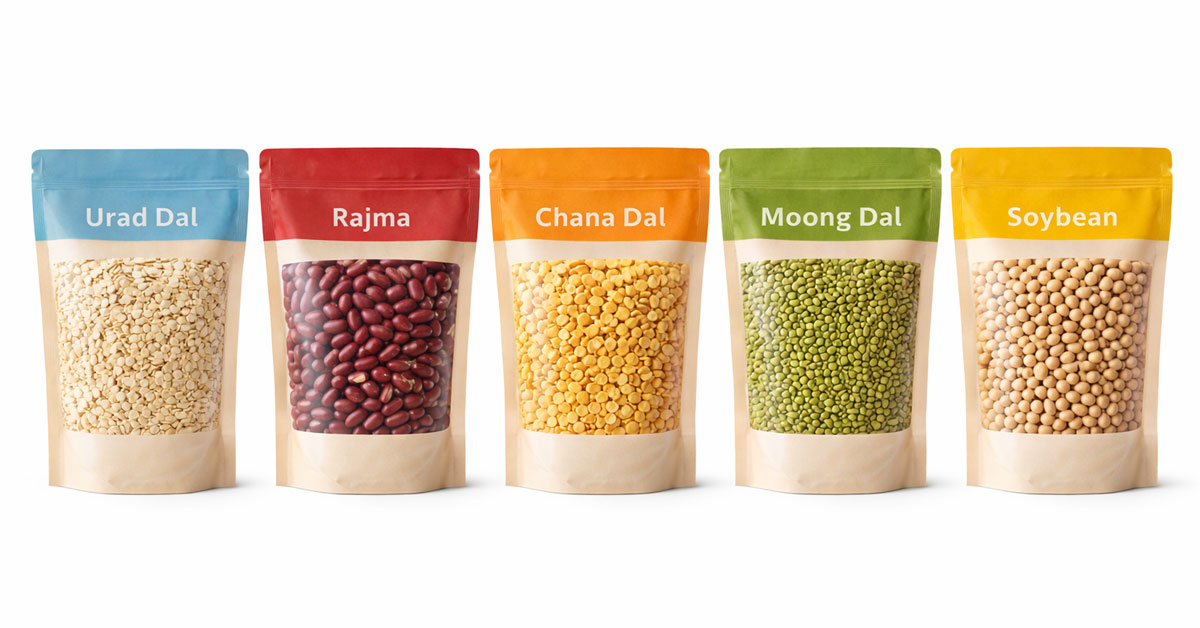
Legumes are the richest sources of fiber and also provide fiber at the cheapest rates in any Indian household. These are available throughout the year and have found their place deep within the Indian food culture.
- Urad dal – maximum fiber among common Indian pulses
- Rajma (kidney beans) – very effective in managing blood glucose levels
- Chickpea (chana) – provides satiety and is beneficial for the heart
- Lobia (black-eyed pea) – economical and abundant in availability
- Masoor dal – quick cooking pulse with good fiber and iron
- Chana dal – low glycemic index, suitable for diabetics
- Soybean – combination of high protein and fiber
- Toor dal – commonly consumed daily pulse with steady fiber supply
- Moong dal (whole) – highly digestible and flexible food
- Moth bean (matki) – highly nutritious and consumed in Maharashtra
Consuming one or two portions of these high-fiber foods each day would fulfill a considerable amount of the daily fiber deficit among Indian adults.
Whole Grains — Backbone of the Fiber Rich Foods Diet Plan
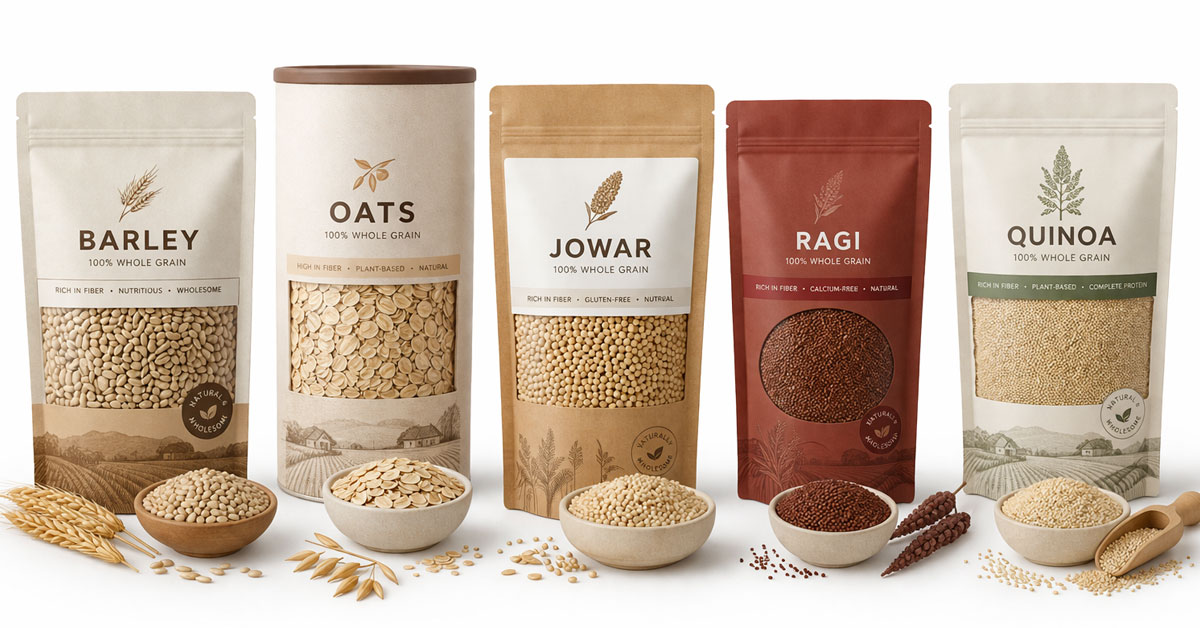
Whole grains maintain their bran and germ layers after the milling process, where most of the dietary fibers and nutrients are located. When refined, grains remove these two layers and hence lose most of their fiber content.
- Barley: Among the best grain sources of beta-glucan
- Oats: Ideal choice for fiber with proven benefits for reducing cholesterol levels
- Jowar (sorghum): Gluten-free millet with very good fiber content
- Ragi (finger millet): High in calcium as well as fiber content
- Quinoa: Complete protein along with a good source of fiber
- Wheat flour: Common grain that can be made better by going for the whole grain
- Brown rice: Switching from white to brown rice gives you immediate increase in fiber
- Amaranth (rajgira): Very nutritious ancient grain
- Bajra (pearl millet): Popular millet in India with decent amounts of fiber
- Kodo Millet: One of the least used but best high fiber grains in India
Fruits — Delicious Fiber Rich Foods for Everyday Eating
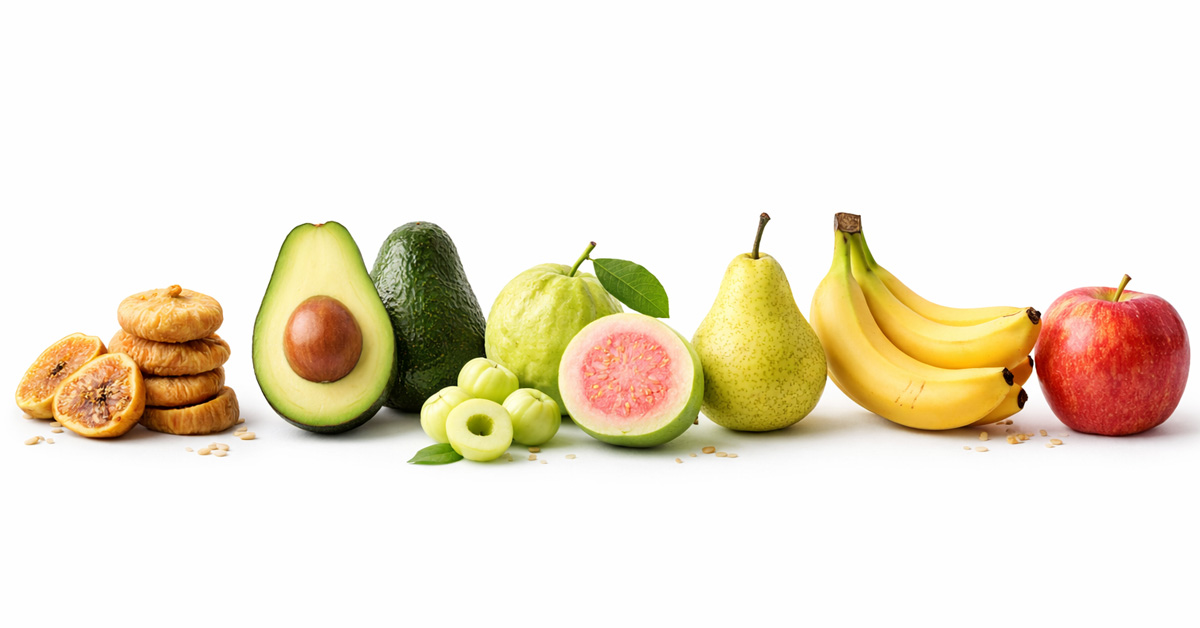
Fruits are some of the tastiest foods to increase your daily intake of fibers, especially if eaten whole with their skins. The juicing process eliminates all fiber content, hence you shouldn’t consider them when looking for fiber.
- Figs (dried anjeer) – high fiber content and natural sugar
- Avocado – fats with a good dose of dietary fiber
- Guava (amrood) – one of the best sources of dietary fiber in India
- Amla (Indian gooseberry) – immunity with a dose of fiber
- Pear – sweet with a reasonable amount of insoluble dietary fiber
- Banana – resistant starch in underripe banana increases fiber content
- Apple (including skin) – a consistent source of fiber from an everyday fruit
- Orange – maximum fiber is found in its pith and segments
- Papaya – enzyme papain along with dietary fiber in the fruit
- Jackfruit (kathal) – common Indian fruit with decent fiber content
Vegetables — Everyday fiber Rich Foods Hidden in Plain Sight
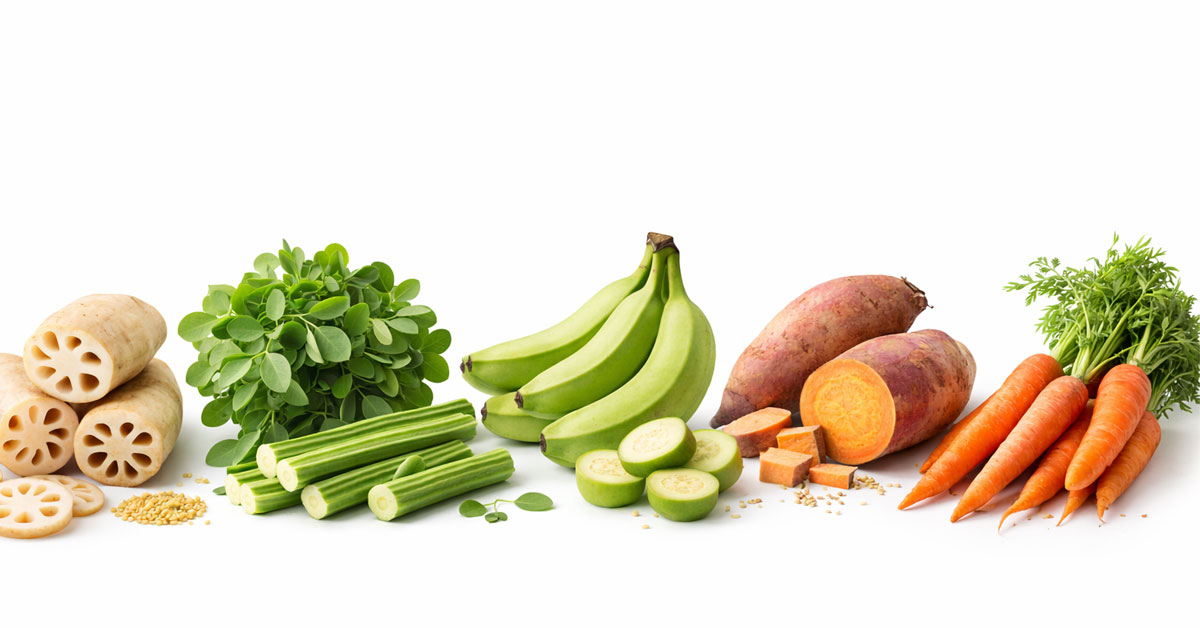
Some of the most effective fiber rich food that have not yet been fully utilised are vegetables that form part of traditional Indian meals. All that needs to be done is to increase their frequency of use and quantity.
- Kamal Kakdi/Lotus Stem – Unique texture and surprising amount of fiber
- Fenugreek/Methi Leaves – Bitter greens with excellent fiber and phytonutrients
- Moringa/Drumstick – Superfood rich in nutrients found in South Indian cuisine
- Raw Banana/Kachcha Kela – Resistant starch with high fiber, great for microbiome
- Shakarkand/Sweet Potato – Naturally sweet with high insoluble fiber
- Gajar/Carrot – Vegetable with consistent fiber content regardless of preparation
- Karela/Bitter Gourd – Blood sugar regulator with decent fiber content
- Broccoli – Sulforaphane and fiber in one high-fiber health food
- Matar/Green Peas – One of the highest-fiber common vegetables
- Palak/Spinach – Iron, folate, and fiber in an affordable leafy green
Building the Right Approach to a High Fiber Diet Plan
A successful high-fiber diet requires a phased approach that is both structured and revolves around food items you love. An abrupt change in your diet will not only cause problems with digestion but fail entirely as well.
- Start by identifying the two or three fiber-rich foods you currently consume and then increase their quantity before introducing any new food items.
- Gradually substitute refined grains with whole grains — from white rice to brown rice, from maida roti to whole wheat flour.
- Introduce legumes into your meal at least five days a week — rajma, chana, dal.
- Consume at least two portions of fruits every day with their skins on, if feasible.
- Increase your fluid intake to 2.5 to 3 liters per day when eating more fibrous foods.
- Eat nuts and seeds instead of adding them to your snacks — instead of biscuits, try some almonds or flaxseeds.
- Increase your total fiber intake by roughly 5 grams every week.
- Monitor your daily consumption of high fiber food items through an app.
It is only through the repeated daily practice of using this strategy that it becomes a permanent aspect of one’s lifestyle.
The Clean Label Approach to High fiber Foods
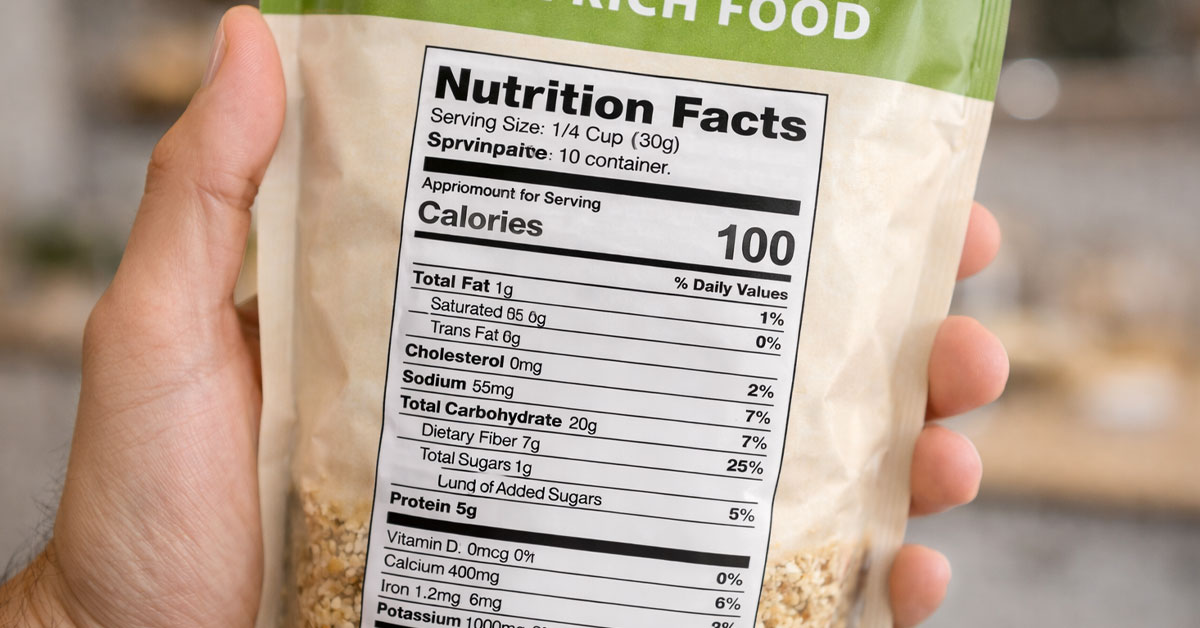
The concept of clean label has huge repercussions in terms of choosing fiber rich food items. Increasingly more and more people are turning towards fiber derived from whole food sources rather than fibers obtained through industrial processing of the product.
- Whole food high fiber foods will always have better nutritional value than fiber rich supplements and fortified food products.
- There are numerous food items out there containing artificial forms of fiber like polydextrose, chicory root extract and inulin, which act very differently compared to fibers derived from whole foods.
- Fiber rich food provides a host of additional components such as vitamins, minerals, antioxidants and other phytochemicals which all work together synergistically.
- The consumption of certified organic versions of high fiber food items can help prevent exposure to any artificial pesticides used in growing those items.
- Incorporating foods with shorter ingredient lists into your diet helps ensure fiber rich food content.
- Always read the nutritional values before buying any packaged food item as a part of your high fiber diet plan.
Emerging Formats: New Ways to Consume High fiber Foods
When it comes to fiber, clean eating claims should match up with those for clean label products. The best list of fibrous foods will definitely include all-natural foods made from plants and never synthetic fiber additives.
The innovations in the food sector have made it easy to get high fiber foods in formats that fit well with current lifestyles. There are several product categories which are emerging in the Indian and global markets.
Millet Snacks and Bakery Items
Snacks based on ready to eat millets such as jowar puffs, ragi crispy, and bajra khakhra are being offered in health food stores. These products provide an immediate alternative to traditional snacks while giving fiber rich foods without extra effort.
High Fiber Fortified Drinks
Beverages enriched with psyllium husk, soluble corn fiber or inulin are entering the category of beverages. These products offer a solution to those who find it difficult to consume sufficient quantities of fiber from food sources and wish to supplement their diet with high fiber drinks.
Food Products Combining High Protein and Fiber
Products combining both high protein and fiber content include roasted chana snacks, edamame snacks, high fiber protein bars and lentil pasta. Such foods are preferred by people going to the gym, athletes and other fitness-oriented segments.
Ancient Grain Revival Products
The incorporation of kodo millet, kutki (little millet), proso millet, and amaranth back into Indian cuisine is being done through artisan labels, recipe developers, and structured retail channels. Each of these grains is associated with a high-natural fiber diet value that is deeply embedded in Indian cuisine culture.
Food Manufacturing and the Integrity of High fiber Foods
The manufacturing process is crucial in deciding whether a particular food product can be classified as a high fiber product or not. These are processes in the food manufacturing that significantly lower the fiber content in these products.
Milling, extruding, cooking, and refining all significantly reduce the amount of fiber in grains and pulses. 100g of white rice has only 0.3g fiber. In contrast, 100g of brown rice provides 1.8g fiber. This difference is entirely due to the removal of the bran in milling. This step removes fiber along with other nutrients.
FSSAI regulations mandate that the minimum fiber content in high fiber foods should be 6 grams in 100 grams of food products. Foods that are claimed to contain high amounts of fiber must prove their quality with laboratory test results.
Manufacturers who care about the health and well-being of consumers ensure that there are minimal processing losses, the products contain ingredients from a reputable source, and they regularly audit their production process to confirm that their products live up to the claim regarding the high fiber food list made on their packaging. If you are in the business of manufacturing foods rich in fiber, then you will need to engage the services of food experts from the very start
Conclusion: Build Your Fiber Rich Diet Starting Today
Fiber-rich foods are not a fad; they are the essential nutrients that almost everyone worldwide neglects to fulfill consistently. Learning about high-fiber foods – their classifications, fiber content in grams, their advantages, and their application in Indian recipes – is one step you could take to improve your health in the future.
Most of the fifty high-fiber foods listed in this article are everyday meals you eat every day without knowing their benefits and the high-fiber content. In most cases, they have been part of your life since childhood and helped nourish generations of people because they came in their natural state, without processing.
Making up for the lack of fiber in your diet is simple and straightforward. All it takes is a change in your mind, and it will not demand too much sacrifice from you. You need to start incorporating one high-fiber meal into your daily routine, switch from refined foods to whole grains, and consume dal and flaxseeds with your curd.
Every gram of dietary fiber you consume is an excellent move for the health of your digestive tract and heart, among other organs.
Foodsure is here to assist you in designing a realistic and evidence-based high fiber diet plan for yourself.
Reach out to Foodsure now to develop better nutrition approaches.
FAQs
What are the best fiber rich foods in India?
The most recommended are rajma, chana, oats, guava, flax seeds, and drumstick.
How much fiber do I need to include daily in my meals?
Women require 25g per day while men require 38g for optimum digestion and metabolism.
Can fiber rich foods help me lose weight?
Yes. fiber-rich foods promote satiety thereby limiting your daily calorie intake.
What is the richest fruit in fiber among Indian fruits?
The guava fruit provides about 5.4g of dietary fiber per 100g of the fruit.
Are fiber supplements equally beneficial as high fiber foods?
No. High fiber foods have a higher nutrient and antioxidant content than supplements.
How can I begin a high fiber diet without getting bloated?
Gradually increase fiber consumption by 5g each week and ensure you take 2.5 liters of water per day.
Is it safe to consume psyllium husk daily?
It is perfectly safe to consume psyllium husk since it is a good source of fiber that amounts to 71g of fiber per 100g.