All businesses that participate in the global production process and food service operations, and retail distribution of edible and drinkable items fall within the Food and Beverage Industry. The industry will achieve a $9.79 trillion valuation by 2026 because it will grow at a 5.2% CAGR due to functional nutrition and regenerative sourcing and data-driven innovation, food traceability and sustainable supply chain management. Health-focused innovation, transparency, and sustainability serve as the three factors that define the sector’s 2026 identity because they extend from the raw agricultural materials to their delivery at retail and hospitality locations.
Key Market Segments and Business Models in the Food and Beverage Industry
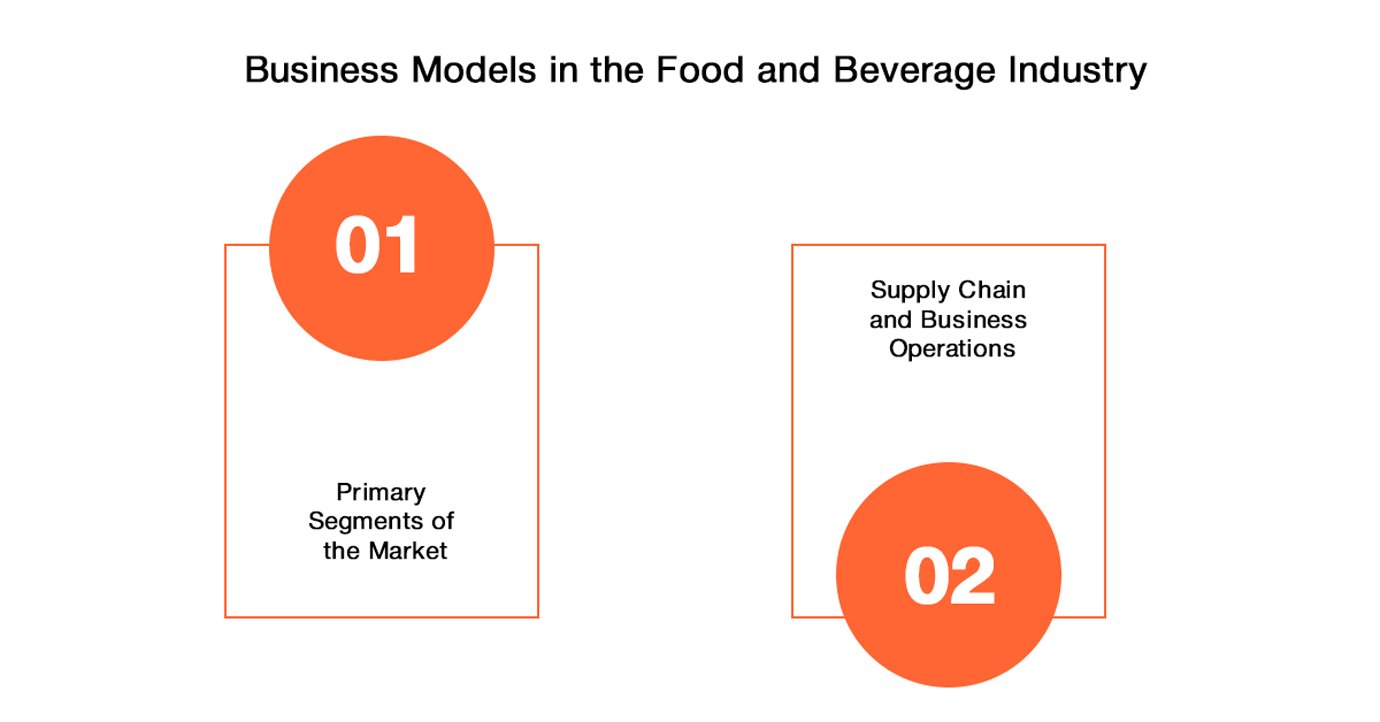
Primary Segments of the Market
To provide a comprehensive overview, the Food and Beverage Industry is categorised into several core segments that serve distinct consumer needs:
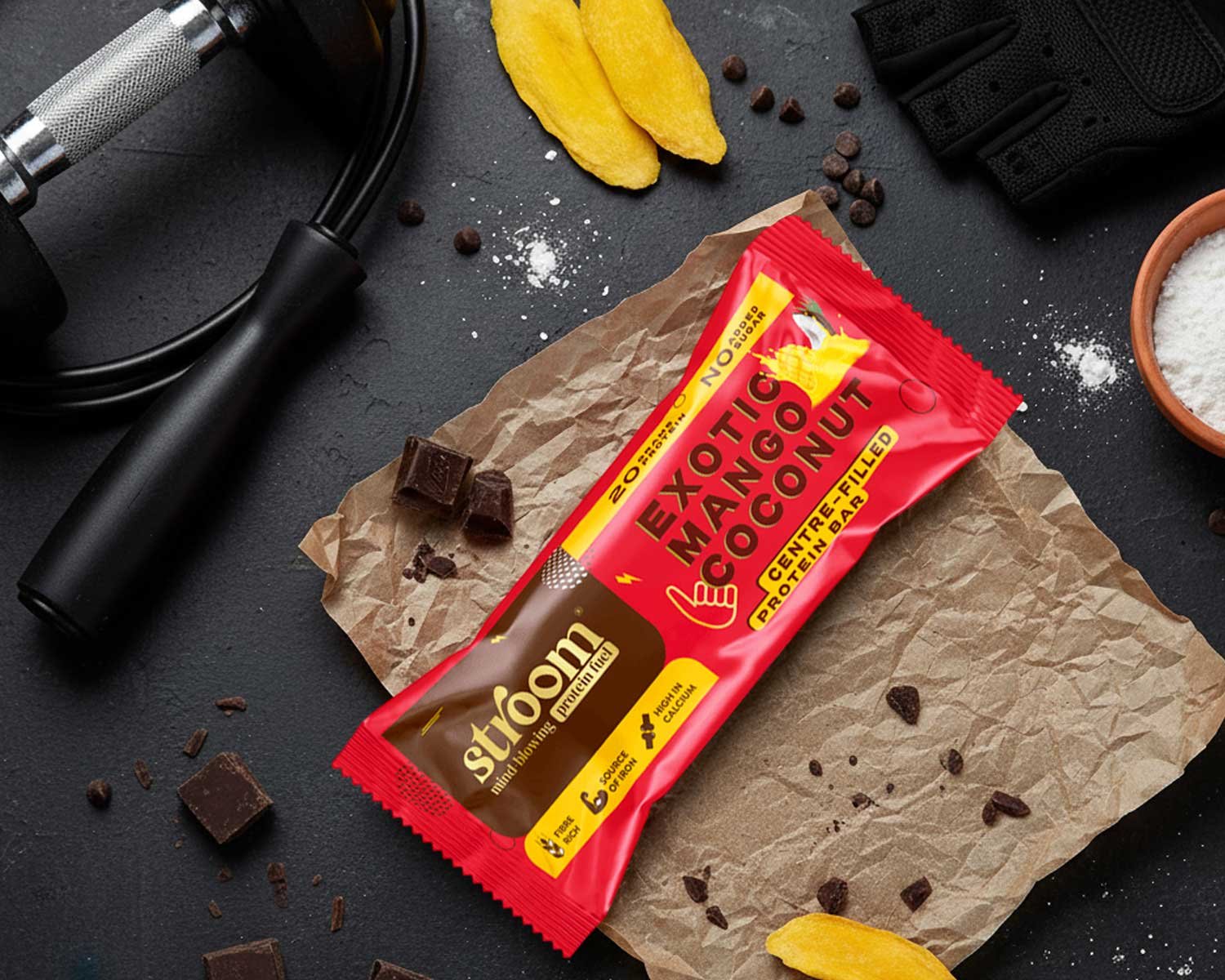
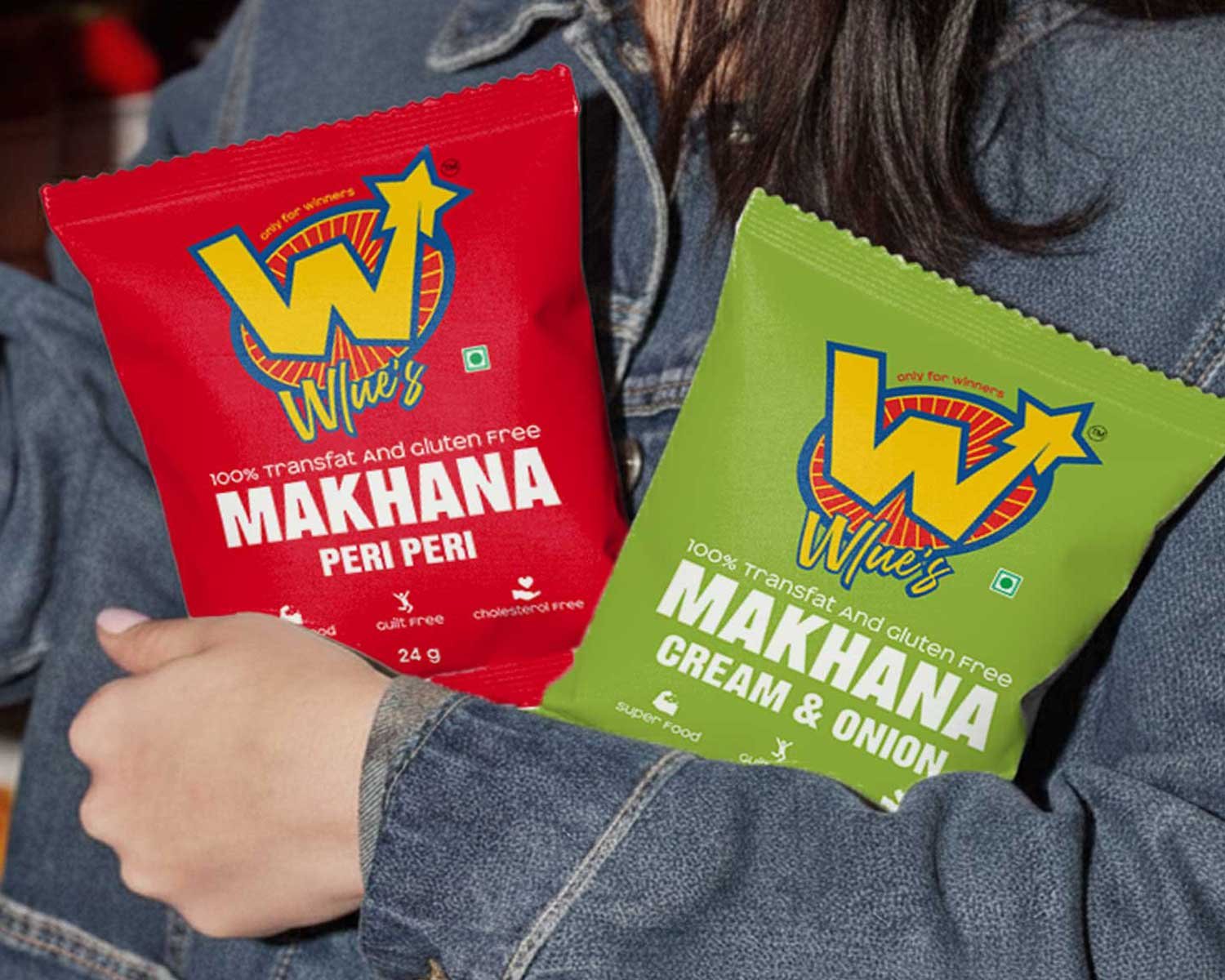
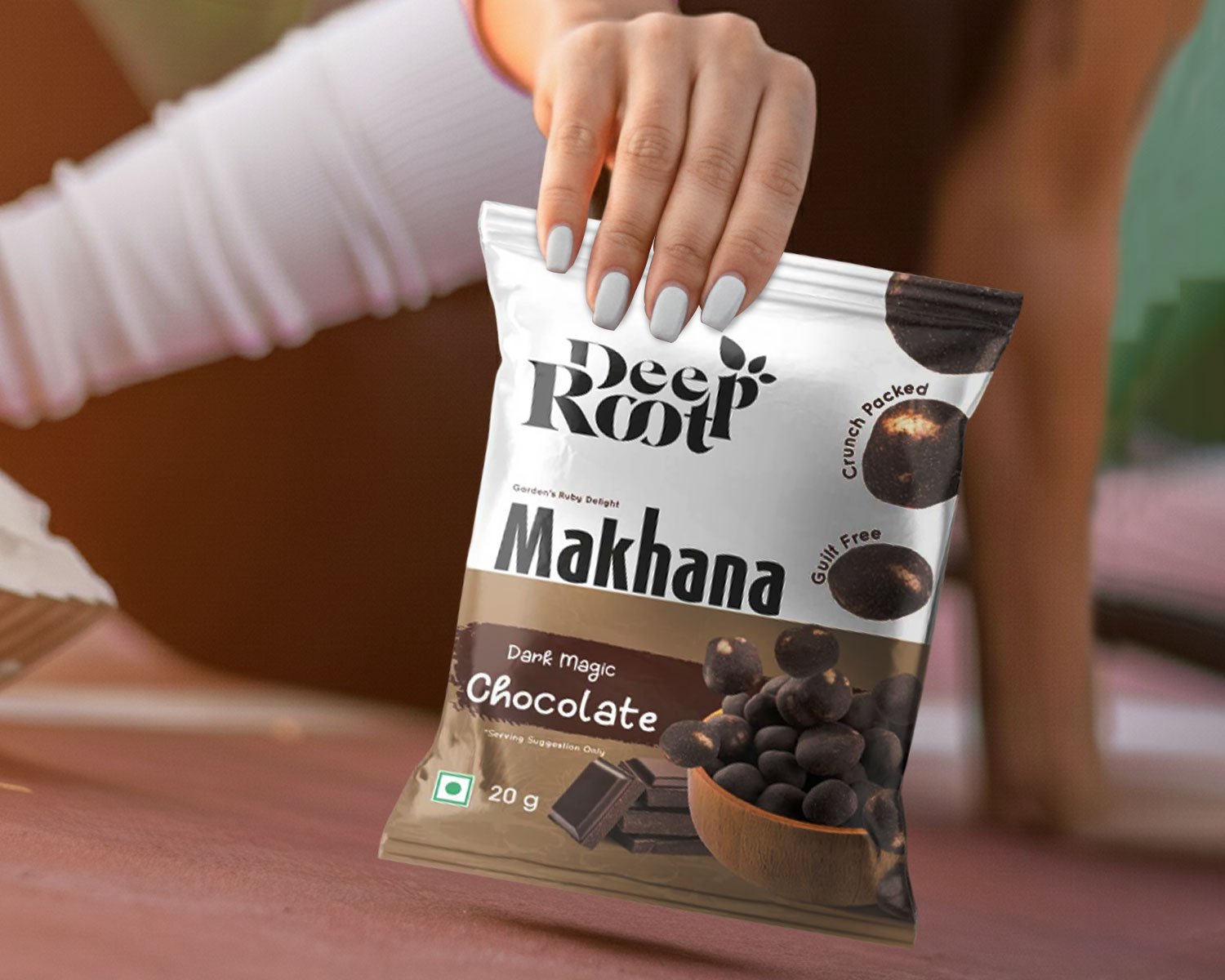
- Food Processing & Packaged Foods: The manufacturing of shelf-stable, frozen, and dehydrated goods, including snacks, grains, and prepared meals.
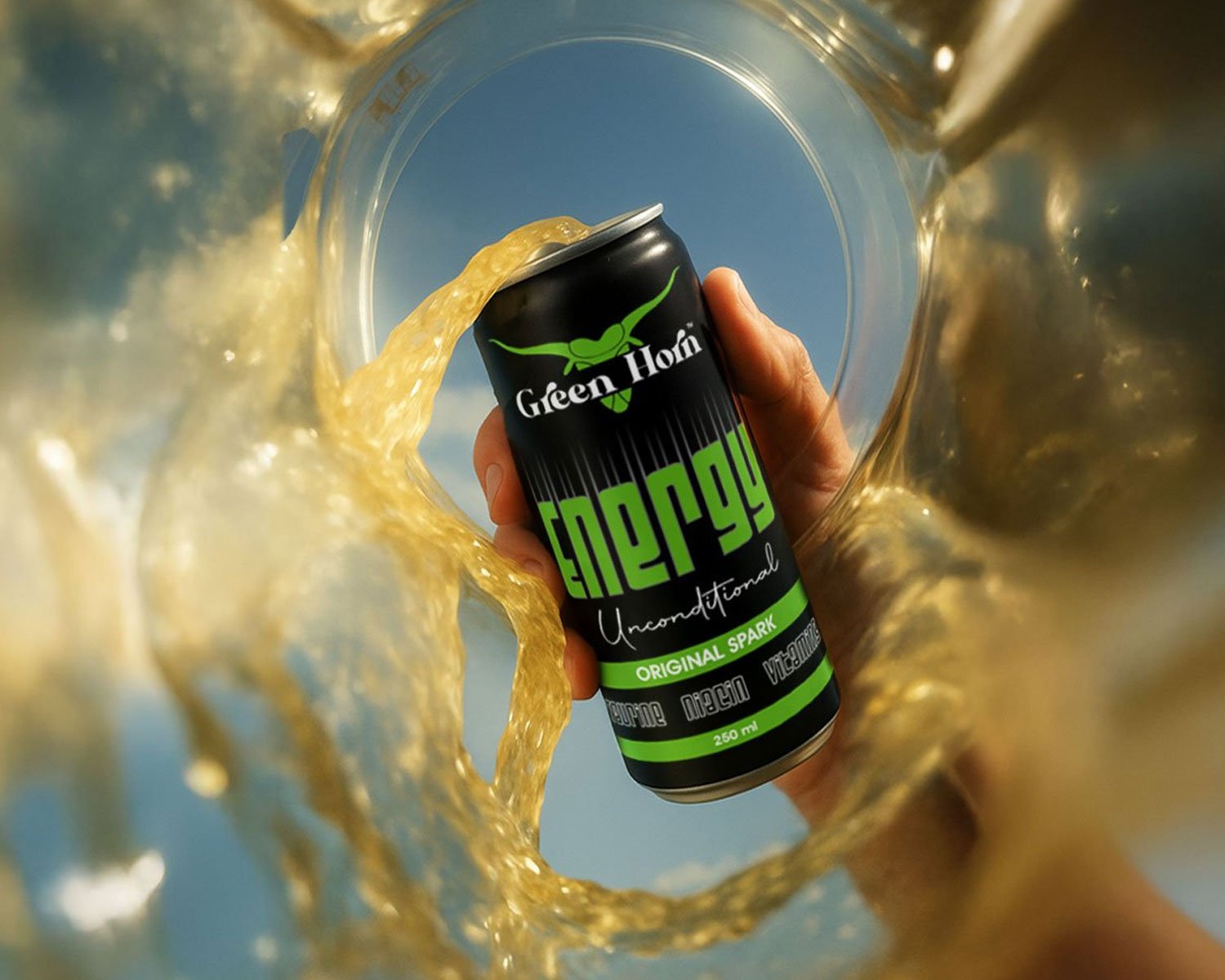
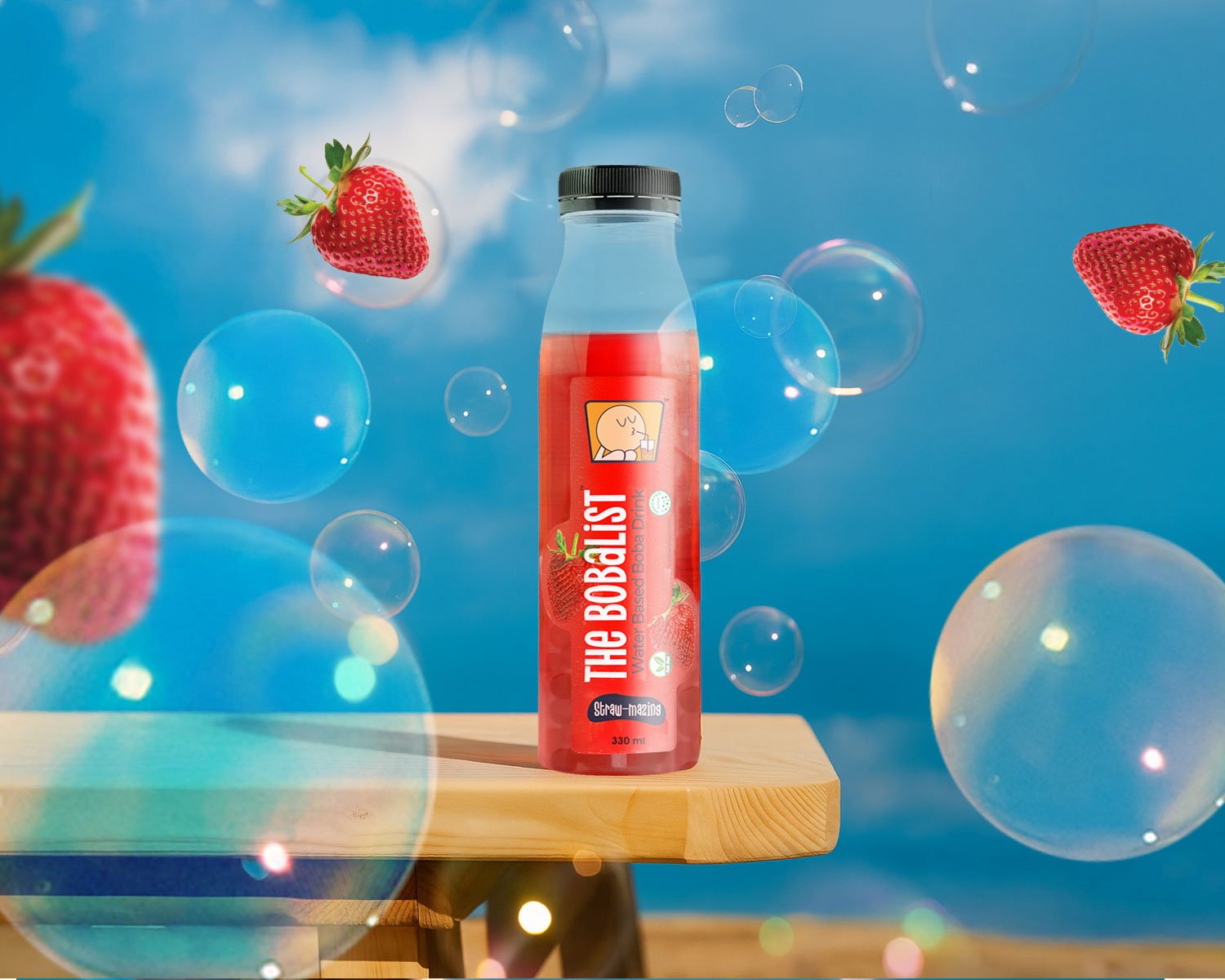
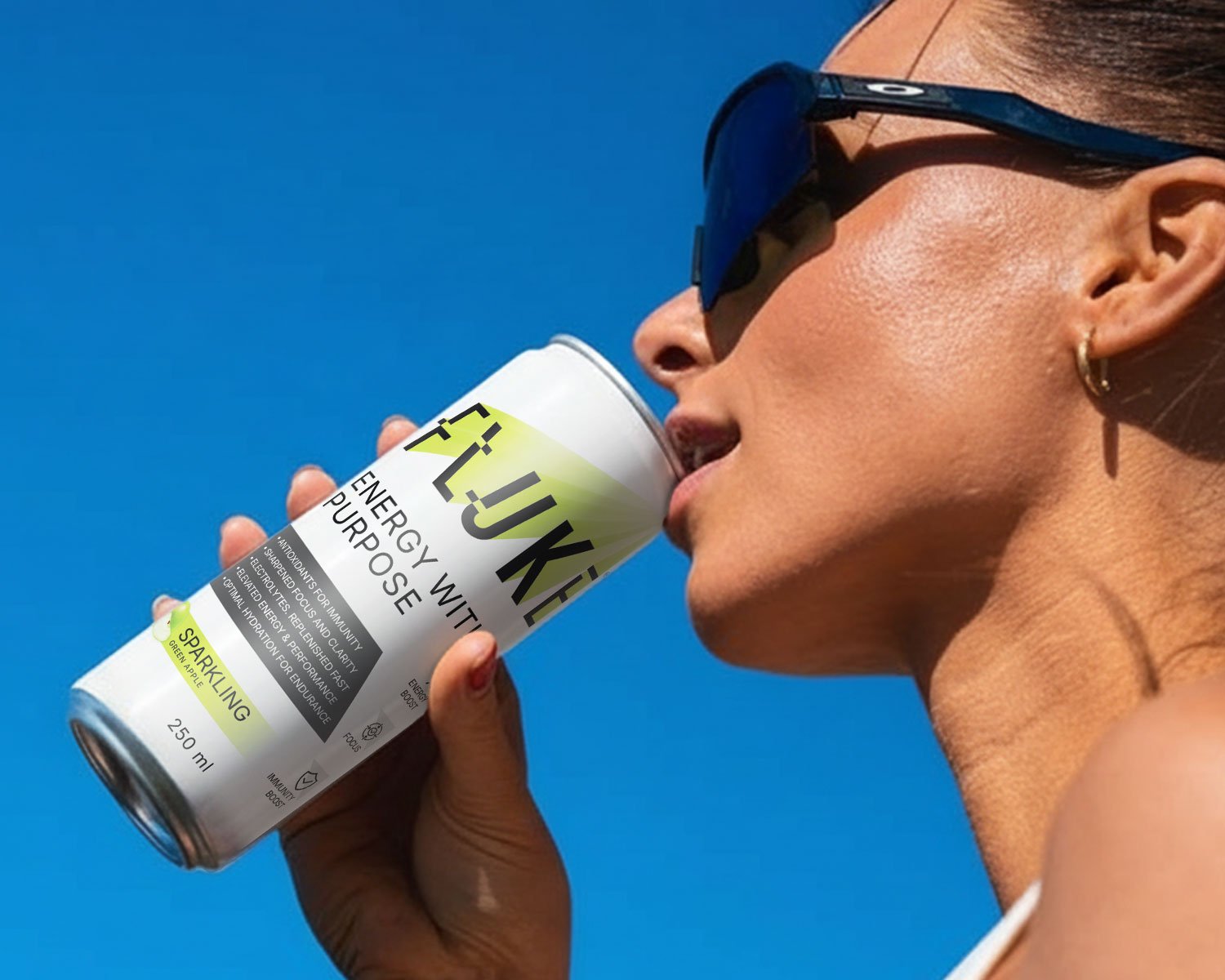
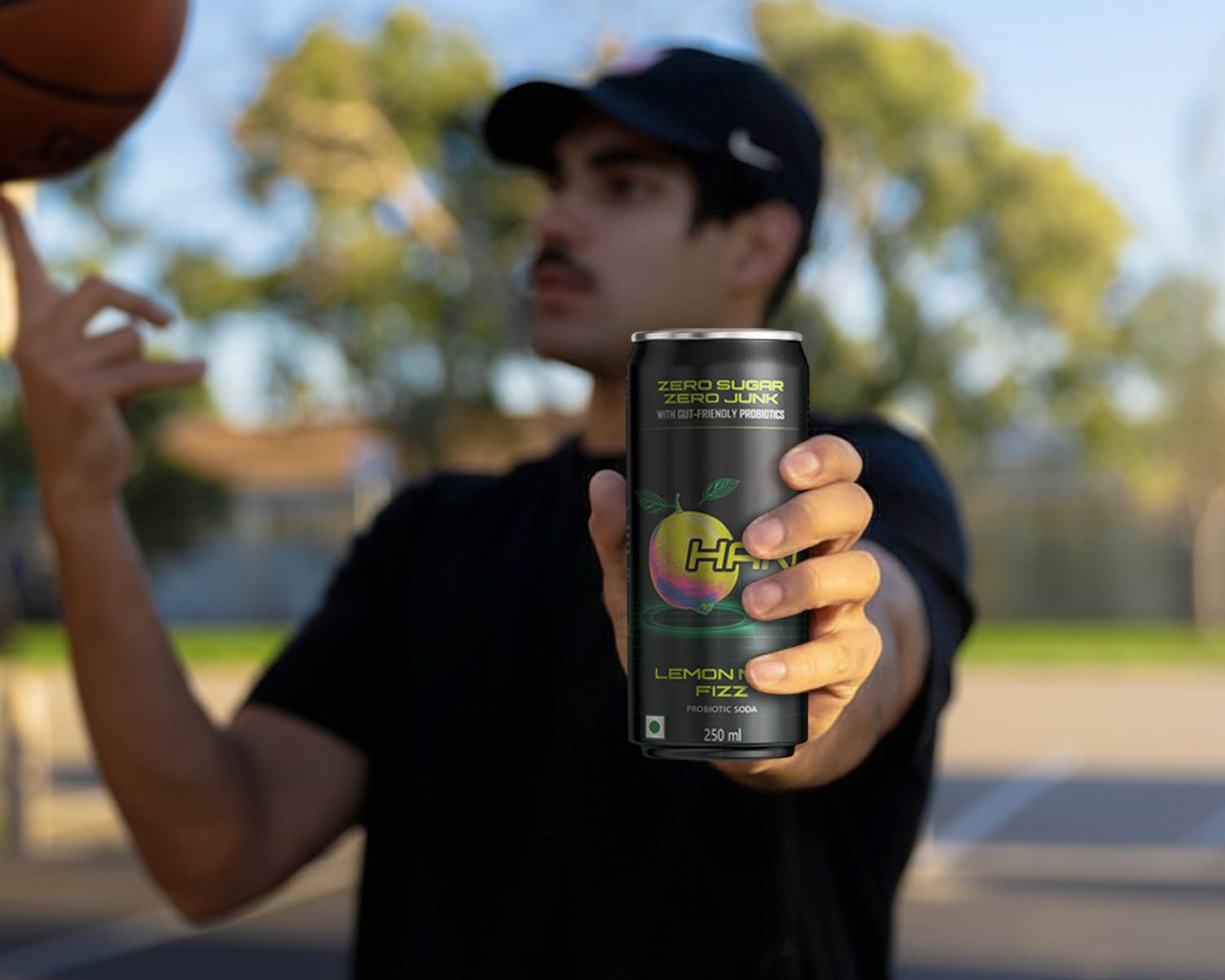
- Beverages (Alcoholic & Non-Alcoholic): Production and bottling of spirits, wine, and beer, alongside soft drinks, bottled water, and the high-growth Functional Drinks category (e.g., prebiotic and adaptogenic beverages).
- Dairy & Plant-Based Alternatives: A specialised sector covering traditional milk products and the rapidly evolving dairy-free segment.
- Ingredients & Additives: The B2B production of flavours, natural preservatives, enzymes, and Nutraceuticals used by larger manufacturers.
Supply Chain and Business Operations
The foundational layers of the Food and Beverage Industry define how value is created and moved across global markets. The sector typically operates under two primary business models:
- B2B (Business-to-Business): Supplying bulk raw materials, specialised ingredient systems, or private-label packaging to industrial manufacturers.
- B2C (Business-to-Consumer): Delivering finished goods to the end-user via grocery retail, e-commerce, or direct-to-consumer (D2C) platforms.
These operational structures are critical for navigating the 2026 Innovation Strategy required to address modern regulatory shifts and evolving consumer demands for transparency.
Food and Beverage Industry Growth & Market Size (2026 Outlook)
The global economy depends on the Food and Beverage Industry because it stays operational through all changes in macroeconomic conditions. The sector will enter its Value-Shift Phase in 2026 after it completes its current period of volume-based growth.
2026 Market Size and Growth Forecasts
Here is a depiction table of the core economic indicators for FY2026:
| Region / Sector | 2026 Market Size (Forecast) | Projected CAGR |
| Global Market | 9.79 Trillion | 5.2% |
| Indian Market (Processing) | 535 Billion | 9.5% |
| Global E-commerce Channel | 894 Billion | 16.9% |
| Functional Beverages | 215 Billion | 8.1% |
At the global level, a 5.2 % annual compound growth rate is higher than the GDP growth expectations from some fully developed economies.
Economic Impact and Infrastructure in India
India has become one of the world’s fastest-growing markets for its food and beverage industry. According to India Brand Equity Foundation data, the Indian food processing market will reach $535 billion by the end of the fiscal year 2026.
The Production Linked Incentive (PLI) Scheme, which the Ministry of Food Processing Industries oversees, serves as one of the government policy measures that support this expansion.
Macroeconomic Growth Drivers for 2026
The growth of the Food and Beverage company is driven by four main structural drivers:
- The Convenience and Urbanisation: Urban migration has brought about an explosion in the demand for ready-to-consume and on-the-go goods. In the developing economies, packaged food habits are now dominated by the urban inhabitants.
- Market Premiumization: Buyers are moving toward upgrading to special coffee and craft beverage brands, especially into artisanal, organic, and clean-label products and services.
- Online shopping and Fast Commerce: Grocery platforms based on smartphones have changed the distribution. The proportion of quick commerce in e-grocery orders has become a substantial amount in Tier-1 cities.
- Functional and Metabolic Health: There is a prevailing trend towards preventative wellness that is shifting the preferences towards products that are fibre fortified, have more or less protein and that are more or less GLP-1-compliant, with less emphasis on taste and more on satiety and nutrient density.
Top Food and Beverage Industry Trends Shaping 2026
The Food and Beverage Industry includes the global production, processing, distribution and retail of food products and beverages.
To complete your question, analysis, which includes AI-driven forecasting together with carbon labeling, has become more connected since sustainability measurement now uses real-time supply chain information instead of traditional yearly reports.
Health and Functional Nutrition
The main trend in the development of the existing product in the global F&B market is metabolic health. Innova Market Insights suggests that about half of the consumers worldwide are focusing on taking fibre and protein in order to maintain wellness in the long-term.
GLP-1 Consumer Support: The increasing popularity of weight-loss drugs is prompting manufacturers to move towards high-calorie, small-format cuisine that meets the needs of a lower appetite and is still rich in calories.
Expansion of the Gut-Brain Axis: The global prebiotics market will achieve a value of 12.68 billion USD by the year 2026. Consumers are also turning to beverages that are more fibre-forward, which means they provide cognitive clarity as well as digestive advantages.
Natural Vegan and Vegan Proteins
By 2026, the market of alternative protein food processing will have over $30.48 billion in the market.
Beyond Mimicry: 2026 is a shift where the idea of plant proteins points out their nutritional niche-like qualities, the amino acids of quinoa or lentils, as opposed to the animal meat texture simulators.
Precision Fermentation: This is the year of animal-free dairy commercialization offering molecularly identical milk proteins that are synthesised by microbial fermentation.
Clean Label & Complete Transparency
Being transparent has ceased being a competitive edge in marketing to a regulatory floor in the consumer goods ecosystem.
UPF Avoidance: It is estimated that 64 % of shoppers are actively avoiding so-called Ultra-Processed Foods (UPFs). It has seen the emergence of the Five-Ingredient Decks, with the brands making recipes as simple as possible, containing recognisable ingredients.
According to the FSSAI January 2026 Update: The new health claims should be supported by the mandatory scientific evidence.
Premium & Craft Beverages
Zebra Striping: Alternating the consumption of alcoholic and non-alcoholic drinks during the same social engagement defines consumer behaviour in the beverage industry to sustain social interactions without being affected by alcohol.
Functional Craft: The worldwide craft beer sector is projected to be worth 142.90 billion dollars in 2026. Growth is focused on nootropic tonics that are spiked with adaptogens such as Ashwagandha and Lion’s Mane.
Green & Recycling Packaging
Circularity and the elimination of forever chemicals in the supply chain have become defined as sustainability.
Biodegradable Innovation: Startups are growing seaweed-based films and mushroom-based liners, which can compost within less than six weeks.
Regulatory Compliance: According to Univar Solutions, regulatory compliance is emerging as a requirement in the Food and Beverage Industry to put Tier-1 retail placement on carbon footprint disclosure and phase-out of PFAS (per- and polyfluoroalkyl substances).
Q-Commerce/ Hyperlocal Distribution
The 10-minute delivery baseline created by Quick Commerce (Q-Commerce) has broken the distribution model.
Speed as a Metric: The Q-commerce market in such cities as Mumbai and London is increasing with a CAGR of 67%.
Dark Store Density: The trend of hyperlocal “dark stores” helps brands to jump past the time-based system of having shelf-stocking, meaning that new products can be delivered to consumers in minutes.
Artificial Intelligence Smart Production
AI has become more than an experimental device, as an interface of fridges and food factories.
Waste Reduction: RELEX Solutions industry reports show that, by optimising inventory to current weather and social information with the help of AI-based demand forecasting, enterprise grocery chains have already reduced perishability waste by 15 to 20%.
Quick R&D: Generative AI has been applying chemical flavour profiles, a 18-month product development process has been cut down to 22 weeks.
Innovation Strategy in the Food and Beverage Industry
The future of the Food and Beverage Industry in India has seen a high volume of launches, a trial and error approach to their launches and shifted to a high precision model of innovation. To stay competitive, the brands need to embrace a systematic model that will align the R&D with the current behaviour of consumers and tighten the global regulations.
| Area | 2026 Specification | Quantifiable Indicator |
| Consumer Insights | AI-led behaviour mining (social + Q-commerce + menu data) | Micro-trend prediction 3–6 months early |
| Clean 5 Formulation | ≤5 familiar ingredients | ≥15g protein + ≥6g fibre per serving |
| GLP-1 Aligned Nutrition | Satiety-focused SKUs | High protein, high fibre, low sugar |
| Regulatory (FSSAI/FDA) | Scientific substantiation mandatory | Clinically-backed functional claims only |
| EU Digital Passport | SKU-level carbon traceability | 2026–27 phased compliance |
| Digital Twin Supply Chain | AI disruption simulation | ~18% spoilage reduction |
| Cold Chain IoT | Real-time temp monitoring | Integrity optimisation via sensors |
| Brand Transparency | QR-based traceability | Carbon-neutral by batch positioning |
| Q-Commerce GTM | 10-min delivery packaging | Anti-crush, temp-retaining design |
| Q-Commerce Growth | Hyperlocal dark stores | 67% CAGR (select metro markets) |
| Functional Beverages | Adaptogen & nootropic infusion | $142.9B global beer market (2026) |
| Circular Packaging | PFAS phase-out | Compostable films <6 weeks |
| AI Manufacturing | Demand-linked forecasting | 15–20% waste reduction |
| Accelerated R&D | Generative flavour modelling | 18 months → ~22 weeks |
Major Challenges Facing the Food and Beverage Industry
The Food and Beverage Industry throughout the world experiences margin reductions because of four structural risks, which will exist until 2026: structural commodity volatility, regulatory traceability requirements, automation deficiencies in the workforce and digital system weaknesses.
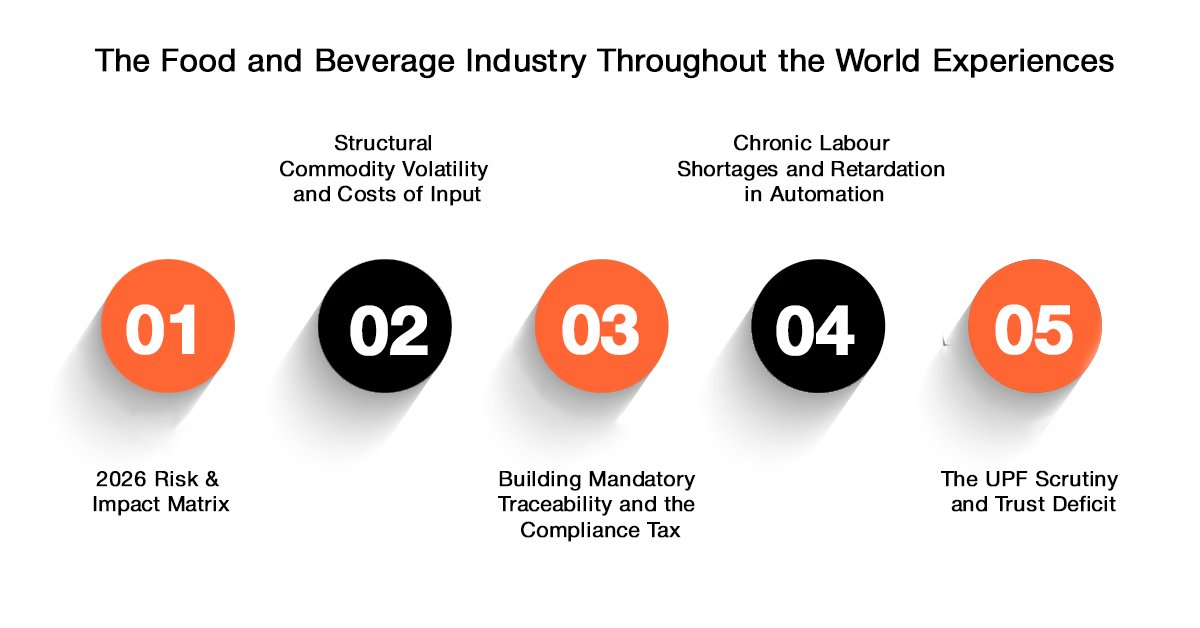
2026 Risk & Impact Matrix
The data snapshot shows the main challenges that currently reduce profit margins throughout the worldwide F&B industry.
| Core Challenge | 2026 Economic Impact | Strategic Driver |
| Structural Commodity Volatility | $120B in projected supply chain costs | Climate-linked crop failures (Cocoa, Coffee, Sugar) |
| Labor Scarcity | 7.1% increase in wage-related expenses | Ageing workforce & lack of specialised automation |
| Compliance Load | 5-8% margin hit for non-compliance | FDA Food Traceability Rule (FSMA 204 Readiness) |
| Cyber Vulnerability | $17B in potential manufacturing disruptions | IoT-connected plants & ransomware risks |
Structural Commodity Volatility and Costs of Input
- Climate change has ceased being an ESG measure and has become a direct P&L threat. Based on a recent study conducted by CDP, the environmental supply chain risks will cost the Food and Beverage Industry up to 120 billion by 2026.
The New Baseline: Repeat droughts and unpredictable weather cycles have been making the traditional hedging to curb the essential commodities such as cocoa and sugar cyclical, with traditional hedging becoming less effective in controlling the triple-digit price flares.
Building Mandatory Traceability and the Compliance Tax
- The current biggest regulatory challenge in the industry is the FDA Food Traceability Rule (FSMA 204).
- Although the due date of enforcing this was planned to be in January 2026, recent guidelines have urged the implementation of accelerated electronic record-keeping standards throughout the Food Traceability List (FTL).
The Challenge: It is now necessary that companies have a digital thread on high-risk foods. It is nothing but a Compliance Tax that helps digitally integrated conglomerates and siloed, legacy-infested mid-market brands, which is not aimed at favouring.
Chronic Labour Shortages and Retardation in Automation
Although the digital tools are being extensively invested in, there is a colossal skills gap that has been increasing the cost of operations in the industry.
- The Effect: The problem of labour shortage in processing and logistics is causing bottlenecks that are adding lead times of an average of 14 days.
- The Obstacle: The cost of capital is making mid-sized companies unable to fully embrace Industry 5.0 automation to eliminate manual and high-turnover positions.
The UPF Scrutiny and Trust Deficit
- The Threat: Radical Transparency start-ups are winning the race to outcompete the brands that have complicated ingredient lists.
- Univar Solutions states that a majority of consumers, about 47% of them, now consider themselves value-based sceptics who demand third-party confirmed proof, not promises, of ingredient origin.
Executive Synthesis: 2026 Winners vs. Losers
| Who Wins (2026–2030) | Who Struggles |
| AI-Native Brands: Using predictive demand to reduce waste by 15%+. | Legacy Heavyweights: Slower 18-month R&D cycles. |
| Transparent Producers: Direct farm-to-fork digital passports. | “Greenwashers”: Marketing without verifiable data. |
| Hyperlocal Dark Stores: Meeting the 10-minute Q-commerce demand. | Siloed Retailers: Reliance on out-of-city warehouses. |
Market Forecast: The enforcement of structural pressures will drive mid-tier food manufacturers to consolidate through M&A activities, which will continue until 2028 because rising compliance costs and automation expenses make it impossible for them to operate independently.
Conclusion
The food and Beverage Industry in 2026 needs more than trend knowledge; it needs accuracy in regulation, development skills and performance perfection. The next round of growth will be dominated by brands that are ready to comply with data-driven innovation.
Confident to go up the ladder? Collaborate with Foodsure to create a food and beverage strategy for the future.
FAQS
What is the food and beverage industry?
The food and beverage industry has businesses that produce, process, pack, distribute, and market food and beverages across t he globe.
What will be the size of the food and beverage industry in 2026?
The food and beverage market in the world is estimated at 9.79 trillion dollars in the year 2026, and is expected to increase at a 5.2% CAGR.
What is the future of the food and beverage business in India?
Urbanisation, growth of food processing and increasing demand for functional products make the food and beverage industry in India a promising future.
What are the trends that are defining the food and beverage industry?
One of them is functional nutrition and clean-label products, AI-driven supply chains, and sustainable packaging.
What can be done to be a competitive food & beverage company?
A food and beverage firm should emphasise innovation, compliance, sustainability, and data-driven consumer insights.
What are the problems confronting a beverage company?
A beverage company is under regulatory pressure, unstable and unpredictable input costs, and a growing pressure to be transparent.
What is the significance of innovation in the food and beverage sector?
The food and beverage industry can be able to adjust to health trends, digital commerce, and sustainability needs with the aid of innovation.