If you’ve been searching for food business ideas that are actually feasible in 2026, you’re in the right place.
The demand for innovative food products and convenient dining options is growing rapidly, creating massive opportunities for entrepreneurs and creators. Today, many successful food business startups begin with a simple concept, a small production setup, and a strong understanding of consumer demand. With the right food product development strategy, even small business ideas can turn into scalable brands.
The best part is that you don’t need a huge commercial kitchen or large investors to begin. What you need is a focused concept, a clear plan, and the willingness to test your idea in the market. Many popular brands today started with simple food startup ideas before evolving into national food businesses.
🚀 Ready to get the best Food Business Ideas?
Get expert help with Food Innovation, compliance, and market-ready strategies. Book a FREE 30-minute consultation with our team today.
Why Food Businesses Are Thriving Right Now
Consumer behaviour around food has changed significantly in recent years. People are no longer just looking for something to eat; they are looking for food that is healthy, convenient, unique, and memorable.
This shift has created new opportunities for food startup ideas that focus on nutrition, convenience, sustainability, and bold flavours. Consumers are increasingly drawn to niche brands with strong identities rather than generic mass-market products.
Another reason food business startups are thriving is the flexibility of modern food entrepreneurship. Small operators with focused menus can move faster than large chains. Entrepreneurs can launch quickly, test recipes, and build loyal communities online or locally without massive investments.
If your idea solves a real consumer need, whether it’s healthy snacks, functional beverages, or convenient meals, you can carve out a strong position in the growing food industry.
Read more: Food Production.
22 Trending Food Business Ideas for 2026
Below are some of the most promising food startup ideas that entrepreneurs are exploring in the current market.
1. Cloud Kitchen Specialising in Healthy Bowls
Healthy bowl concepts are gaining popularity because consumers want fast meals that feel nutritious and balanced. Cloud kitchens allow entrepreneurs to start food business startups with lower investment since there is no need for a dine-in space.
2. Ready-to-Eat Protein Snacks
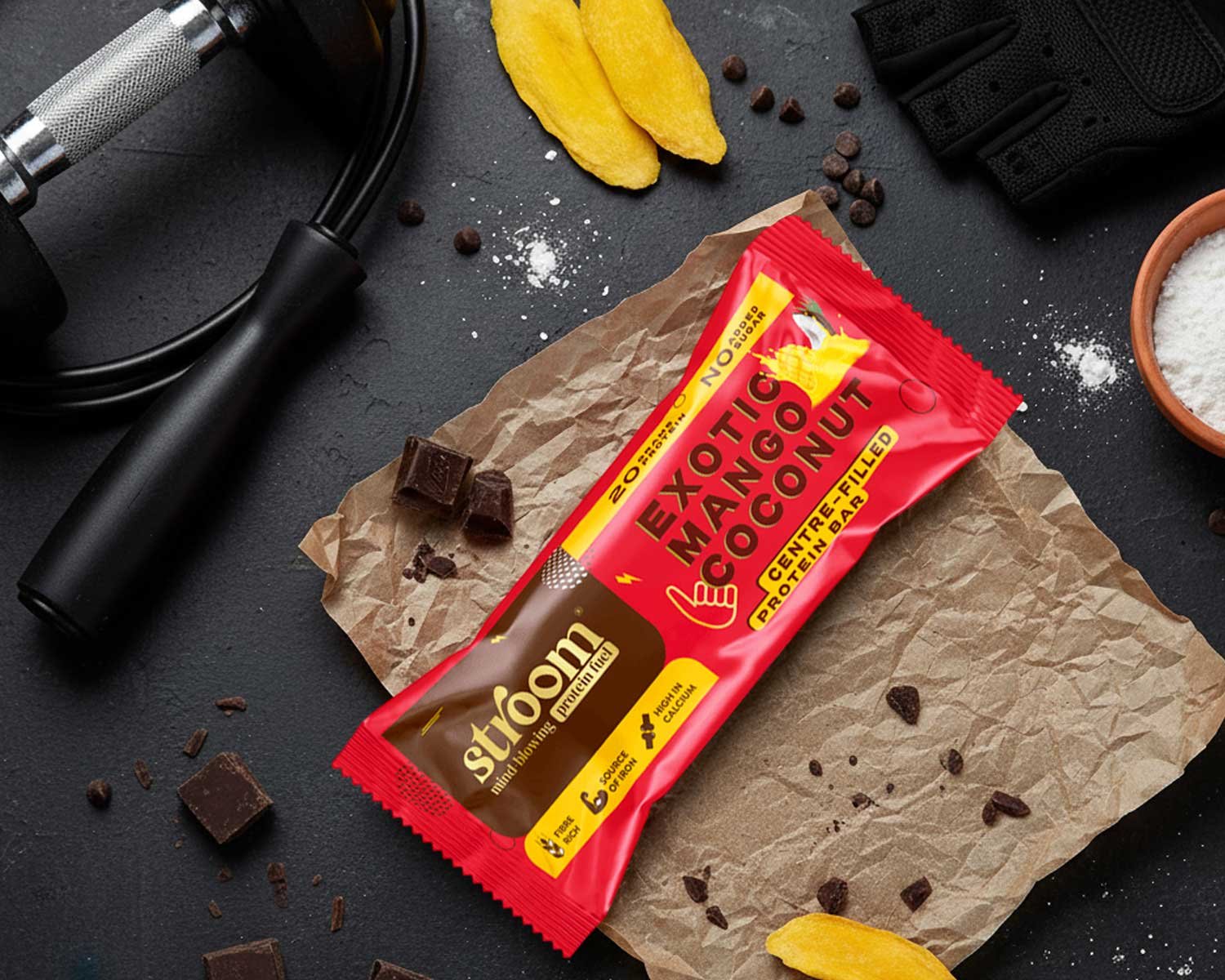
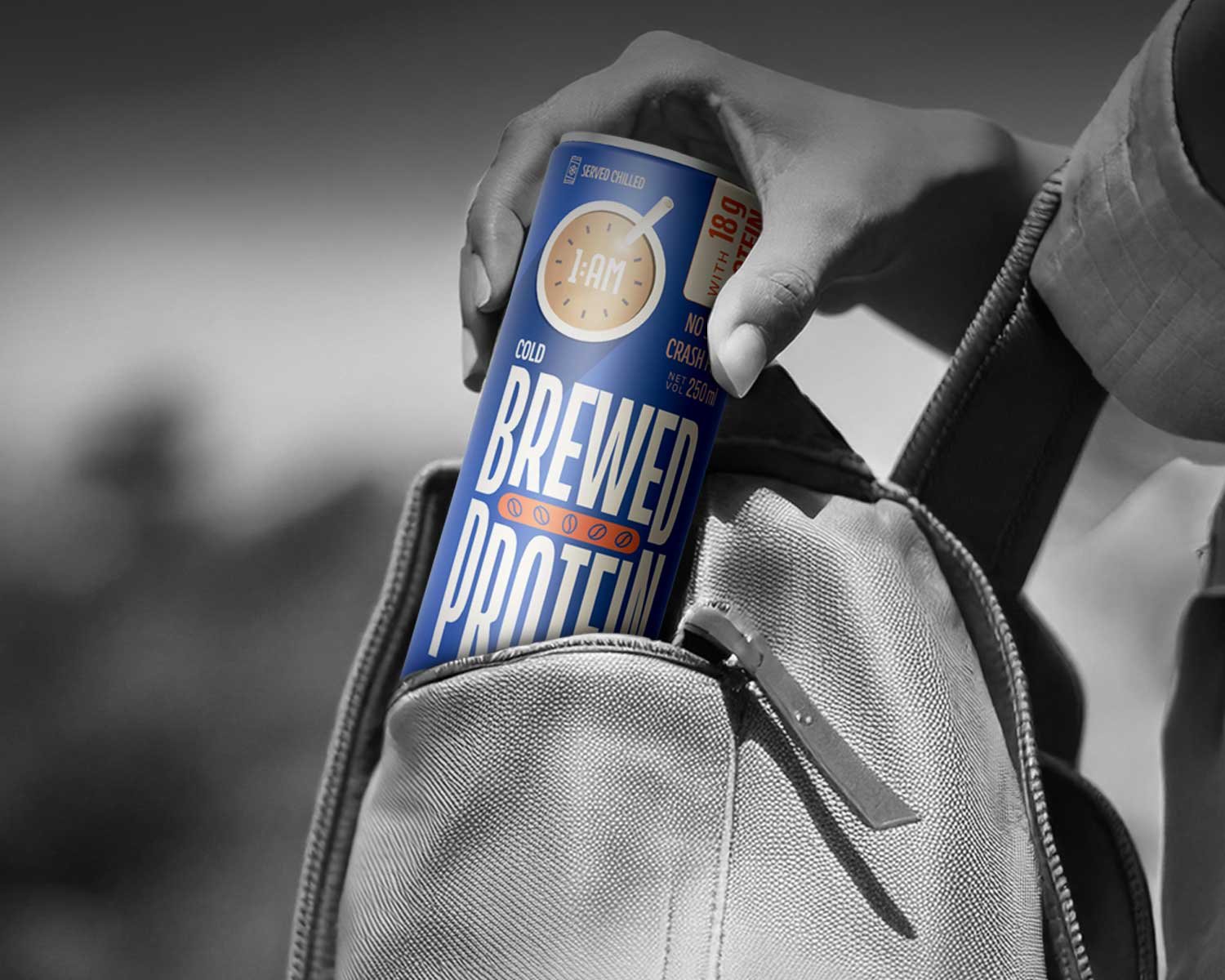
High-protein snacks are booming due to fitness trends and busy work schedules. These products are great small business ideas because they can be produced in small batches and sold online or through gyms.
3. Fermented Foods (Kombucha, Kimchi, Kefir)
Fermented foods are gaining popularity due to their gut-health benefits. These products are excellent food startup ideas because they are relatively easy to produce and offer strong differentiation.
4. Plant-Based Comfort Food
Plant-based diets are growing globally. Entrepreneurs can build successful food business startups by creating vegan comfort foods that replicate traditional flavours.
5. Gourmet Meal Prep Services
Meal prep businesses provide ready-to-eat healthy meals for busy consumers. Subscription-based meal services are one of the fastest-growing food business ideas today.
6. Small-Batch Hot Sauce Brand
Hot sauce brands thrive on creativity and bold flavours. This is one of the easiest small food business ideas to launch because production costs are relatively low.
7. High-Protein Breakfast Jars
Products like overnight oats, yogurt blends, and chia pudding are convenient breakfast options. These products can be developed easily with proper food product development.
8. Local Coffee Cart or Micro Café
A mobile coffee cart is one of the simplest food startup ideas for entrepreneurs. With low rent and minimal setup, it allows quick entry into the food service industry.
9. Regional Street Food Pop-Ups
Regional cuisine concepts allow entrepreneurs to bring unique local dishes to new audiences. Pop-ups are a great way to test business ideas before investing in a permanent outlet.
10. Flavour-Focused Salad Bars
Modern salad concepts with bold flavours and premium ingredients are attracting health-conscious consumers.
11. Artisanal Bread or Sourdough Delivery
Homemade bread and sourdough brands have gained strong popularity. These small business ideas require minimal equipment but can generate premium margins.
12. Fresh Pasta or Dumpling Brands
Fresh handmade pasta offers superior taste compared to packaged products. With proper food product development, these products can scale into retail brands.
13. Mobile Dessert Bar
Dessert carts selling ice cream, churros, or doughnuts create excitement at events and festivals. This concept works well for food business startups targeting events.
14. Cold-Pressed Juice and Wellness Shots
Functional beverages are growing quickly as consumers look for quick health boosts.
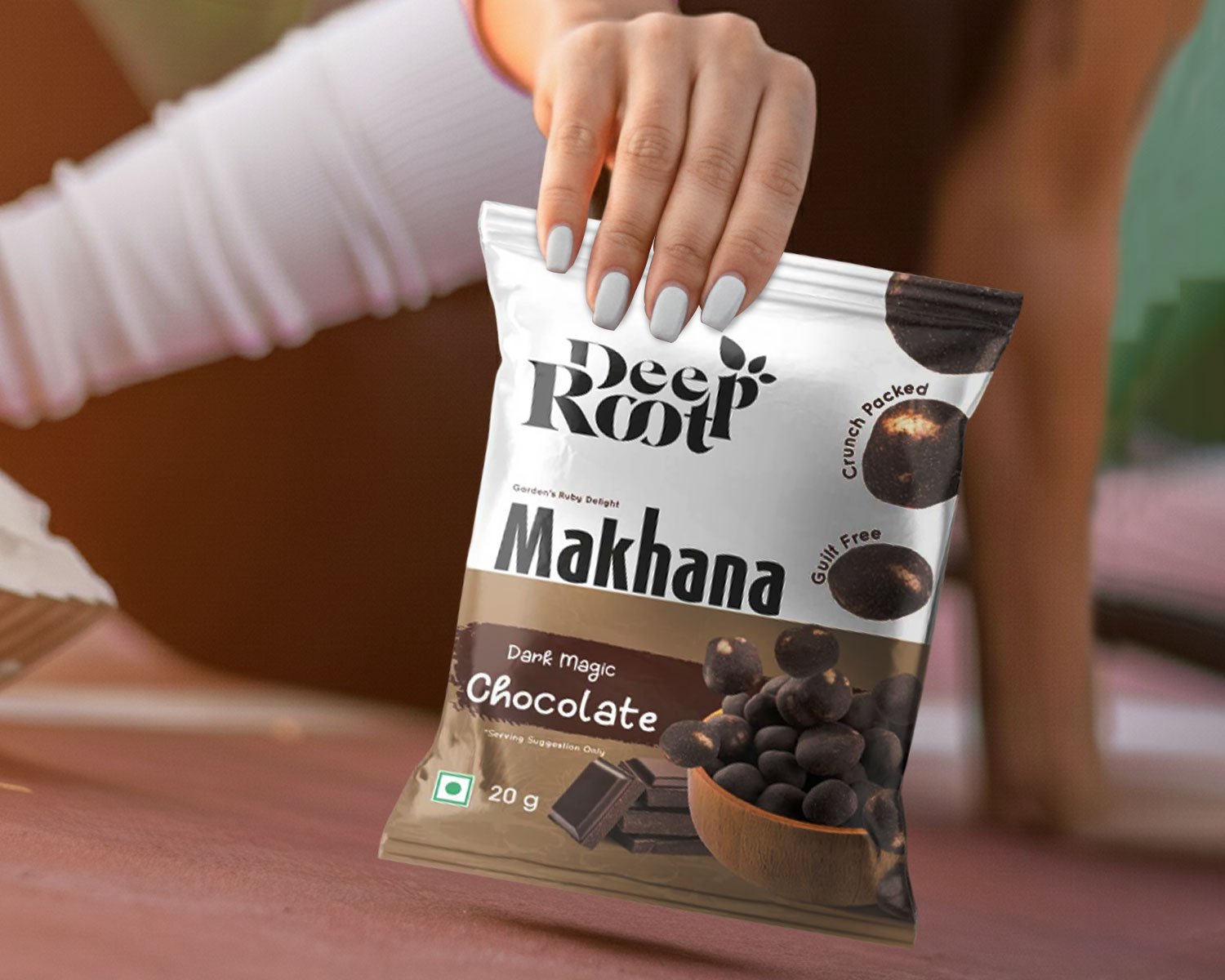
15. Craft Chocolate or Confectionery
Artisan chocolate brands can stand out with premium ingredients and innovative flavours.
16. Savoury Hand Pies or Stuffed Pastries
Portable comfort foods like hand pies and stuffed pastries are convenient and highly popular.
17. Allergy-Friendly Bakery
Gluten-free, dairy-free, or nut-free baked goods serve a niche but loyal market.
18. Gourmet Spice Blends
Spice blends are excellent food startup ideas because they are shelf-stable and easy to ship online.
19. Charcuterie Boxes and Grazing Boards
These products are perfect for events, gifting, and corporate catering businesses.
20. DIY Meal Kits for Families
Meal kits designed for kids and families combine convenience with interactive cooking experiences.
21. Heritage or Traditional Cuisine Brand
Food businesses that highlight cultural recipes and authentic flavours can build strong brand identities.
22. Speciality Beverage Brand
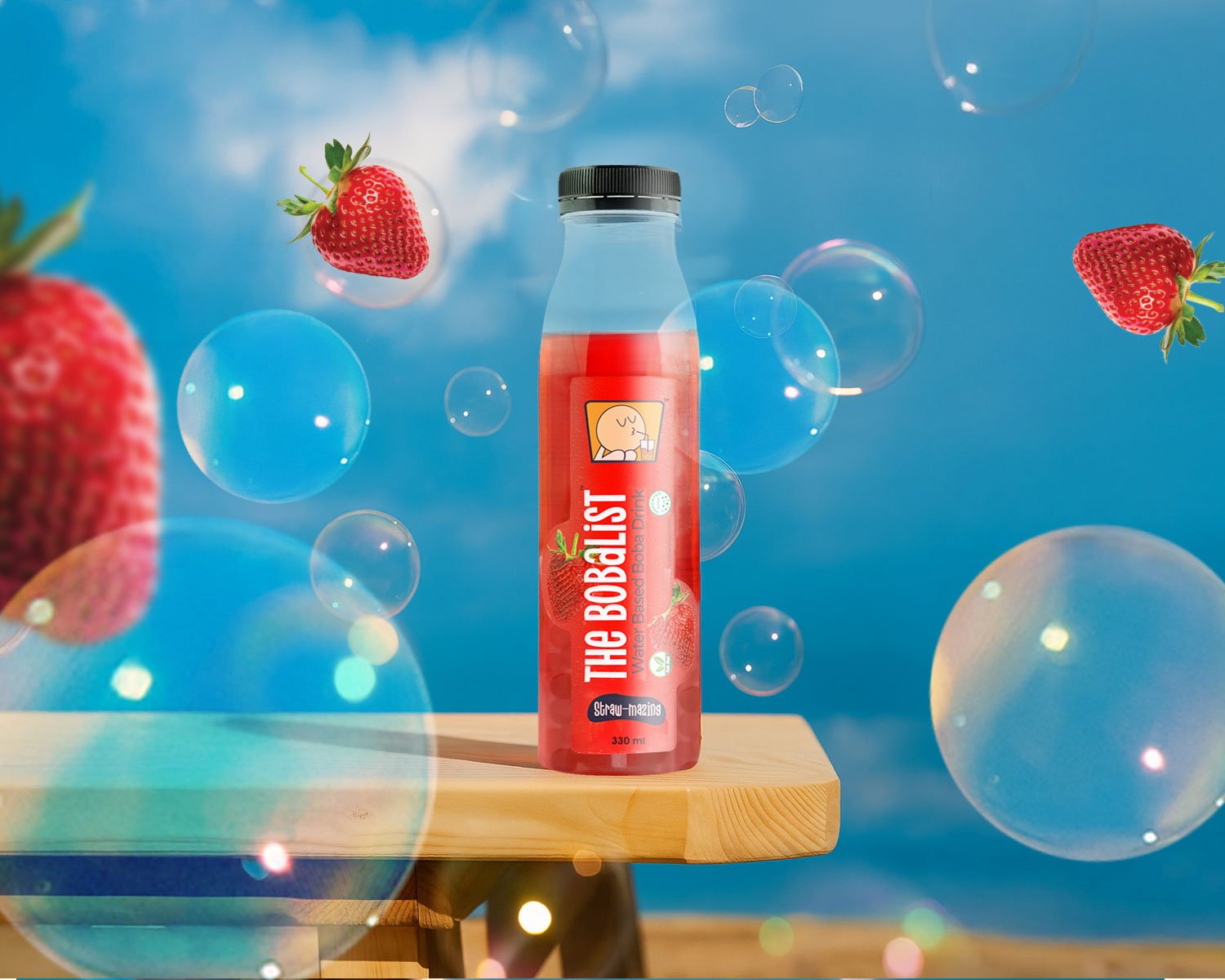
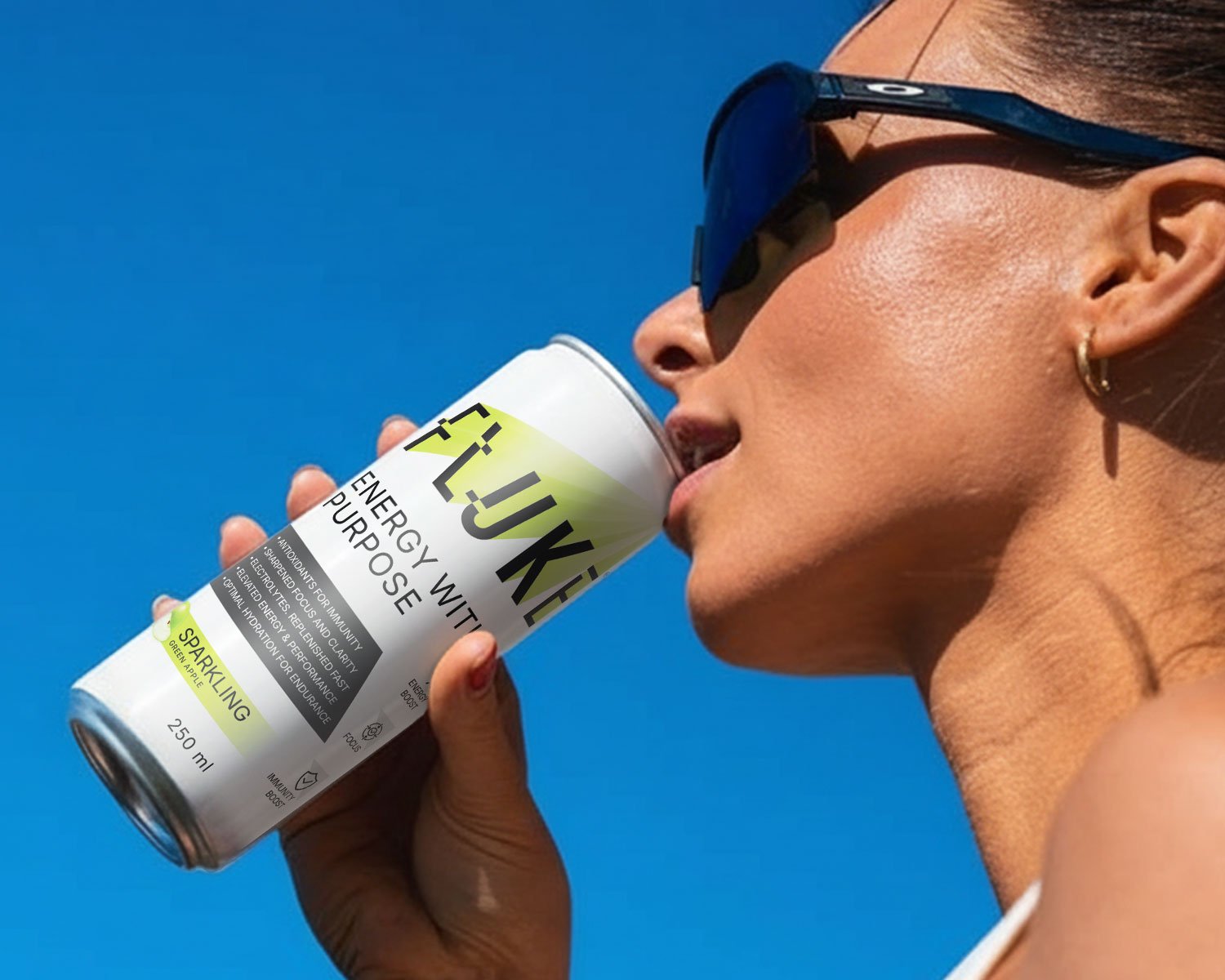
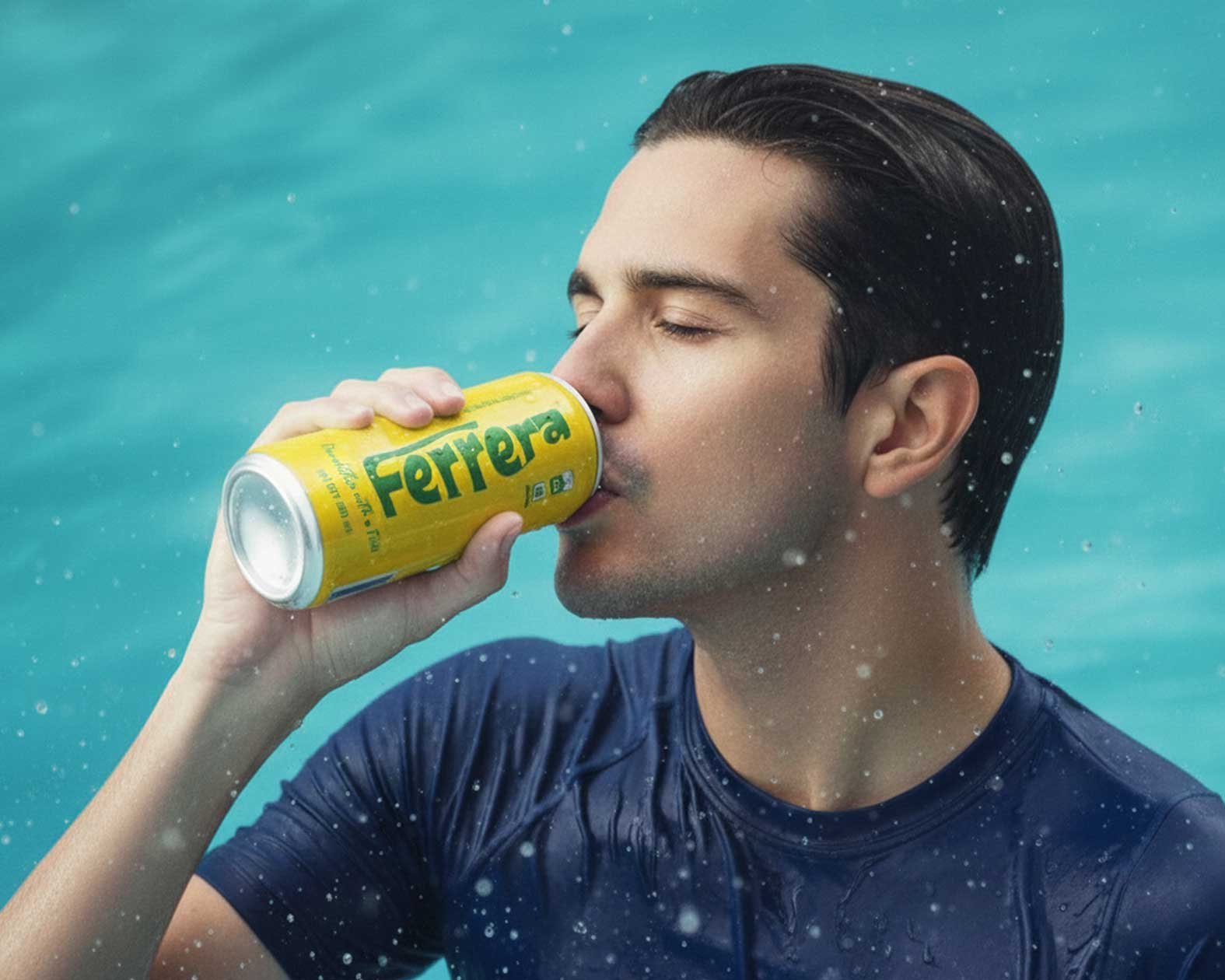
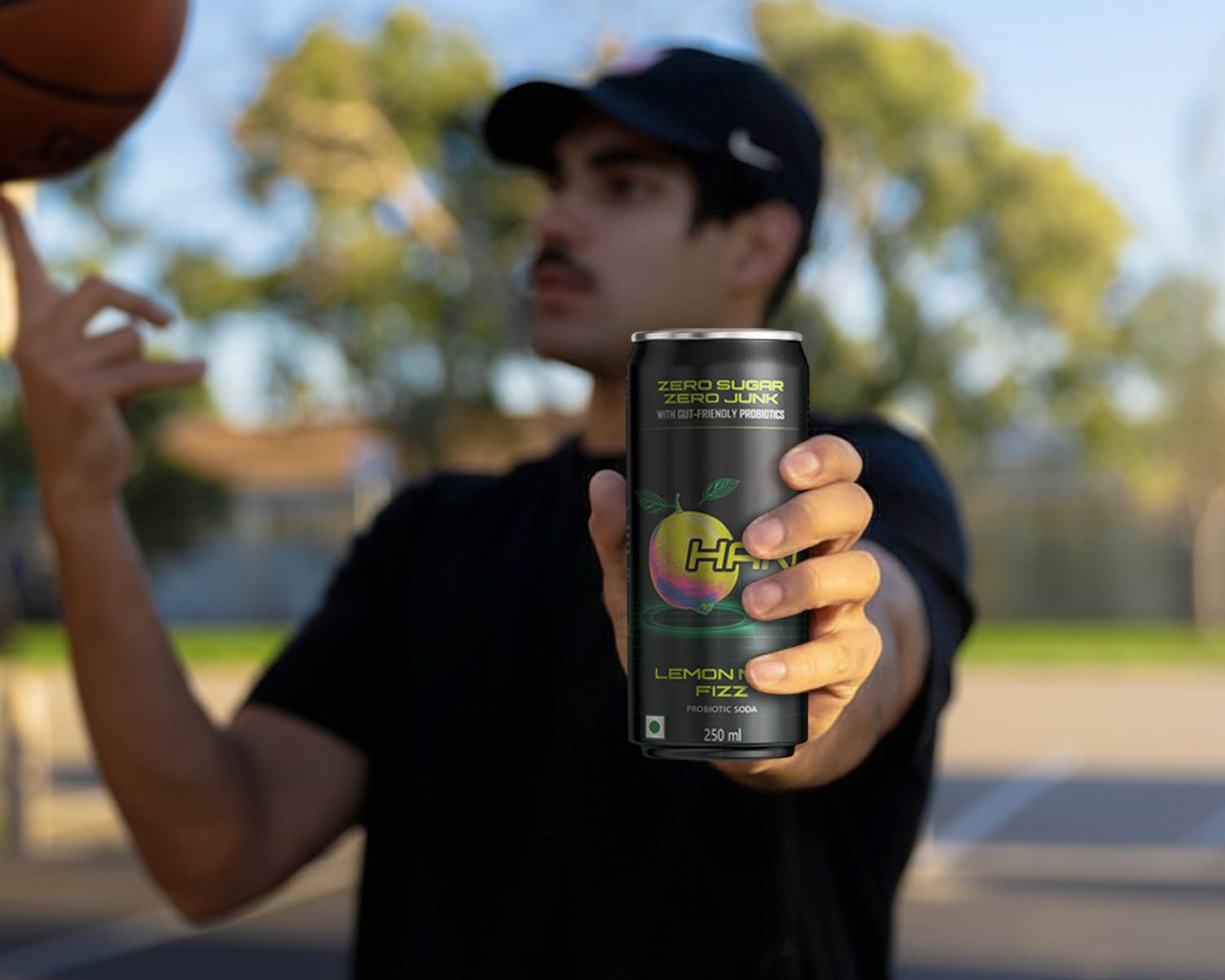
Flavour-driven beverages like iced teas, herbal tonics, and lemonades are among the fastest-growing categories in food business startups.
Read more: Food Product Development.
The Role of Food Product Development in Startup Success
While many entrepreneurs have great business ideas, the difference between success and failure often comes down to proper food product development.
This process includes recipe formulation, ingredient optimisation, shelf-life testing, packaging development, and regulatory compliance. Proper product development ensures that your food product is safe, scalable, and ready for commercial production.
For food startup ideas that aim to scale nationally, professional product development is essential to maintain consistent taste, quality, and shelf stability.
How to Choose the Best Food Business Idea for Your Brand
Choosing the right idea does not mean finding the “perfect” concept. Instead, focus on a business idea that matches your skills, interests, and target market.
Start with a concept you enjoy creating or selling. Then test it with real customers through small batches, pop-ups, or local markets. Early feedback helps refine your business ideas before scaling.
Many successful food business startups begin with simple experiments and gradually grow as customer demand increases.
Free Food Business Consultation
Planning to launch your food brand? Our team of food scientists and product experts at Foodsure helps turn food startup ideas into market-ready products with the right food product development strategy.
Call us now at +91 8130404757 and chat on WhatsApp for quick assistance!

Free Food Business Consultation
Trusted by 500+ D2C Brands
FAQs
Q1. What are the easiest food startup ideas with low investment?
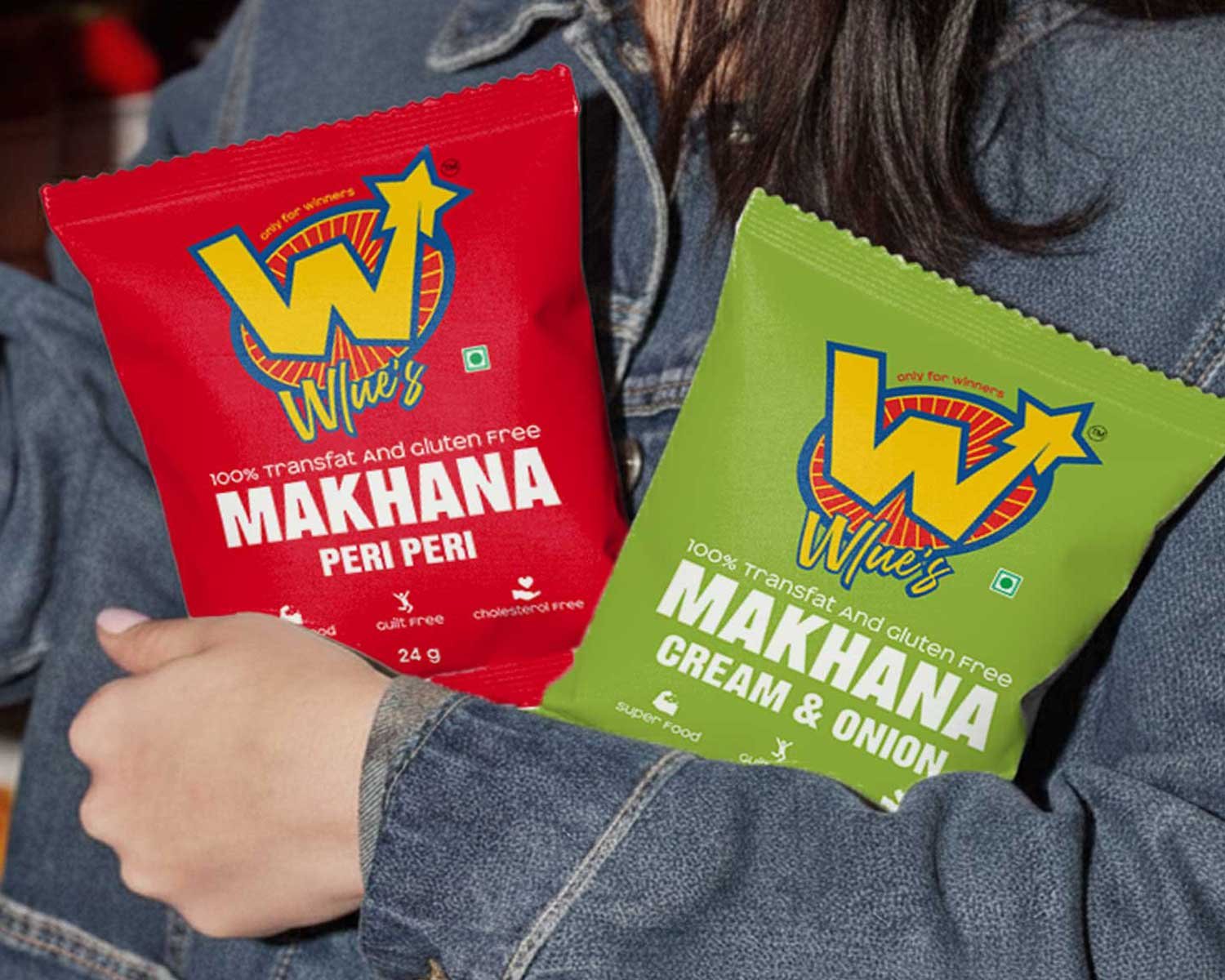
Cloud kitchens, snack brands, meal prep services, and beverage startups are some of the easiest small business ideas because they require lower investment and smaller production setups.
Q2. How do I know if my food business idea will succeed?
Testing your concept with small batches and real customers is the best way to validate food startup ideas before scaling.
Q3. Do I need a commercial kitchen to start a food business?
Depending on regulations, some packaged foods can be produced from home kitchens, while ready-to-eat products may require shared commercial kitchens.
Q4. Which food business ideas are trending in 2026?
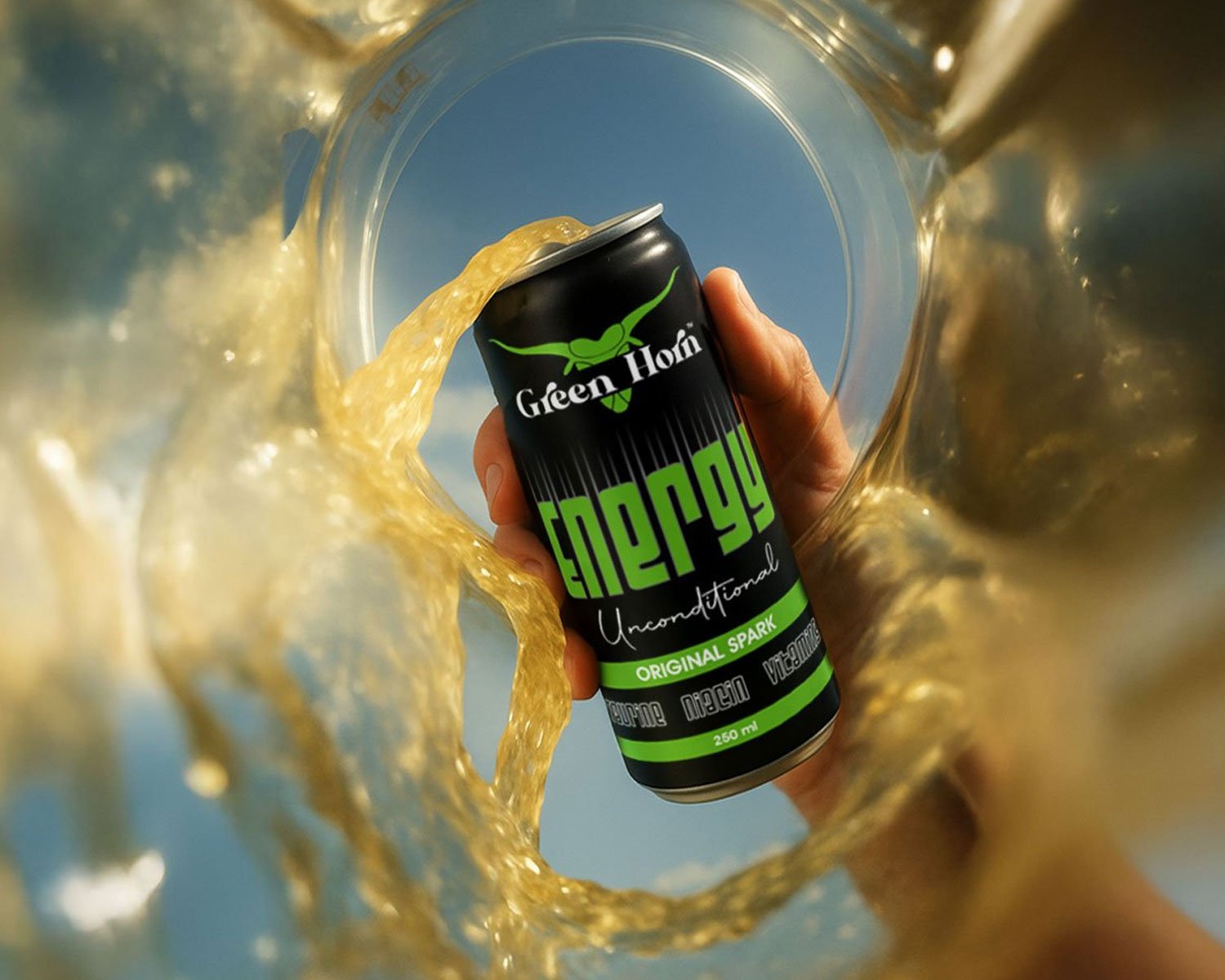
Healthy snacks, plant-based foods, functional beverages, fermented foods, and speciality food brands are among the most promising business ideas in 2026.
Q5. How long does it take to launch a food startup?
With proper planning and food product development, many food business startups can launch within 30–60 days.