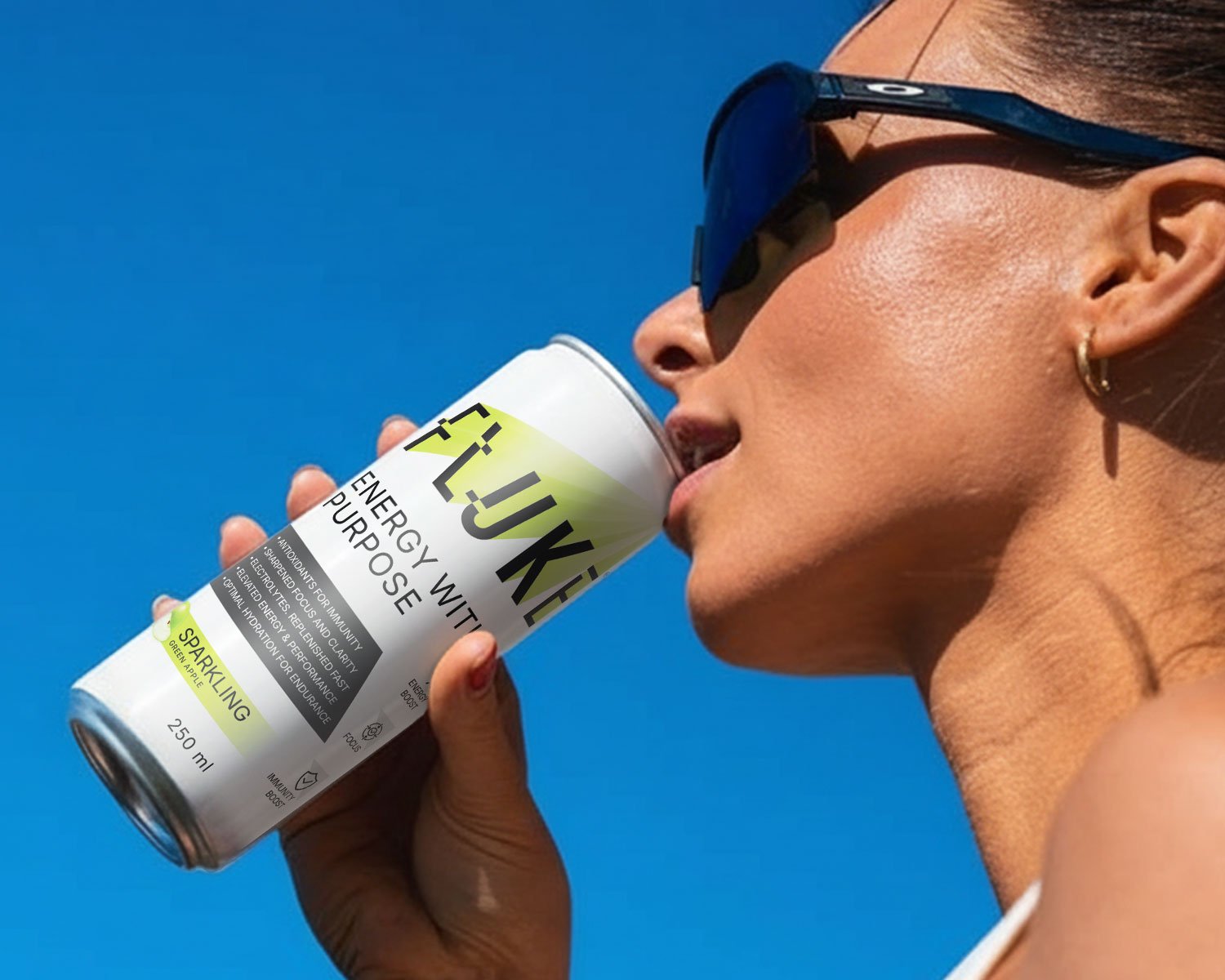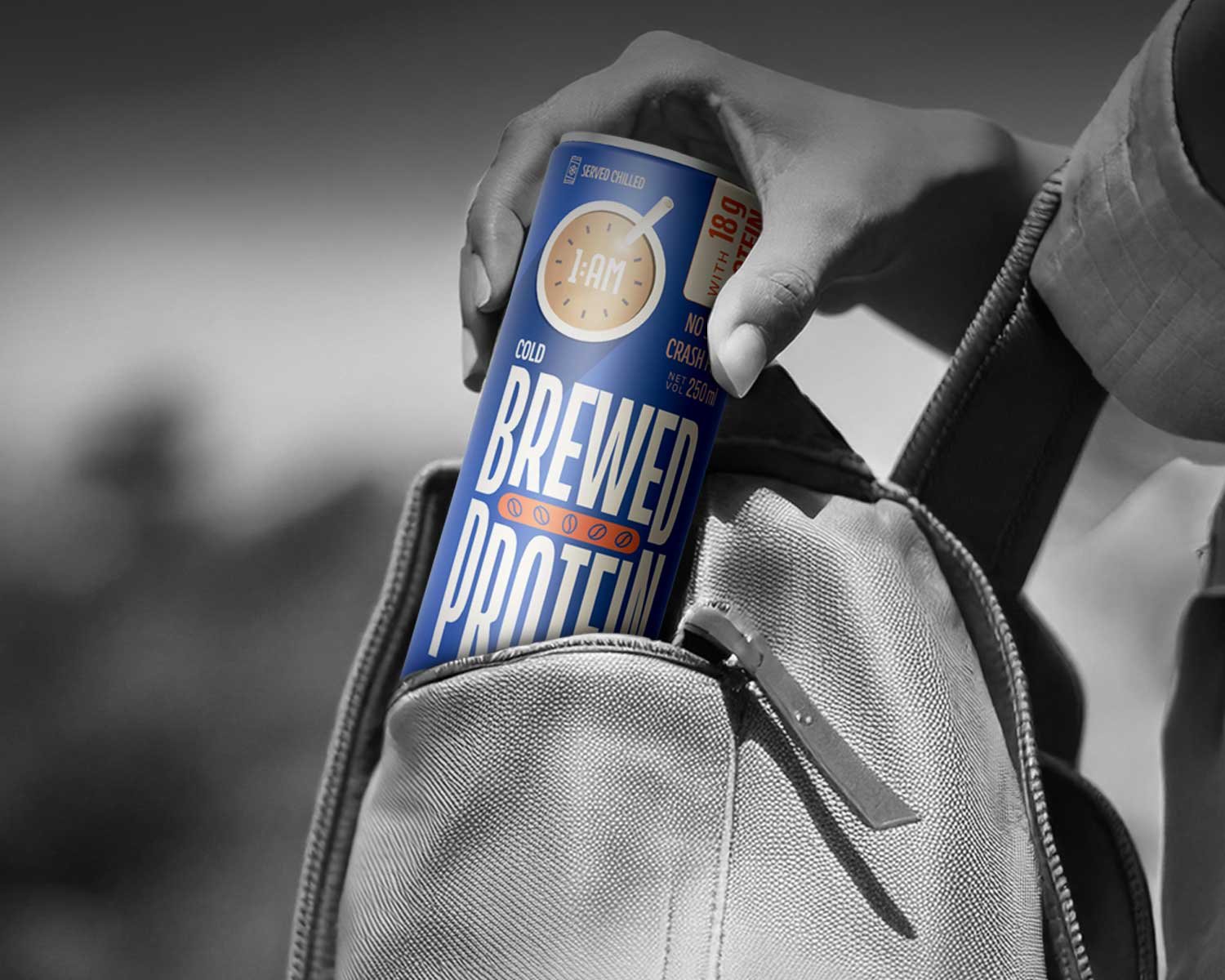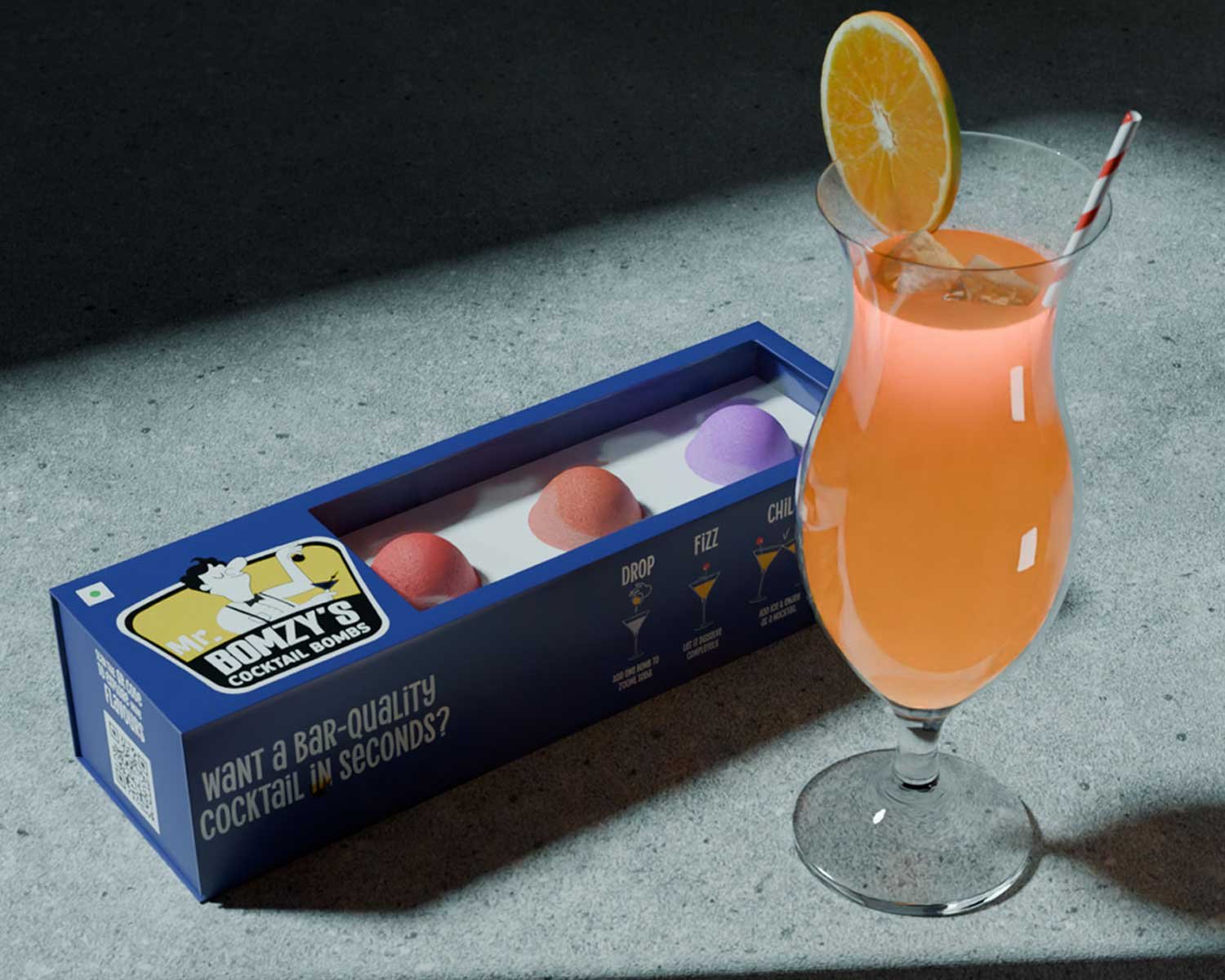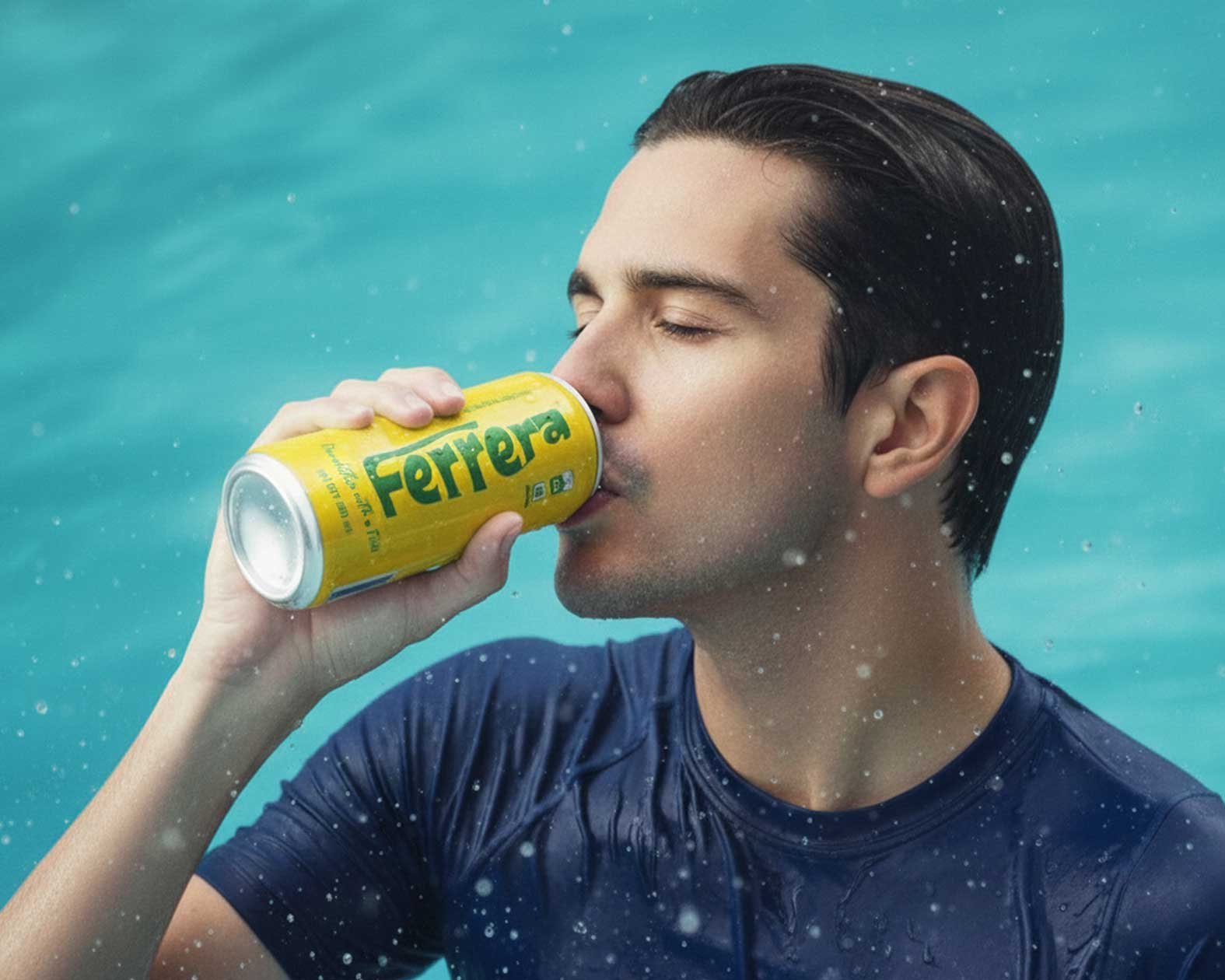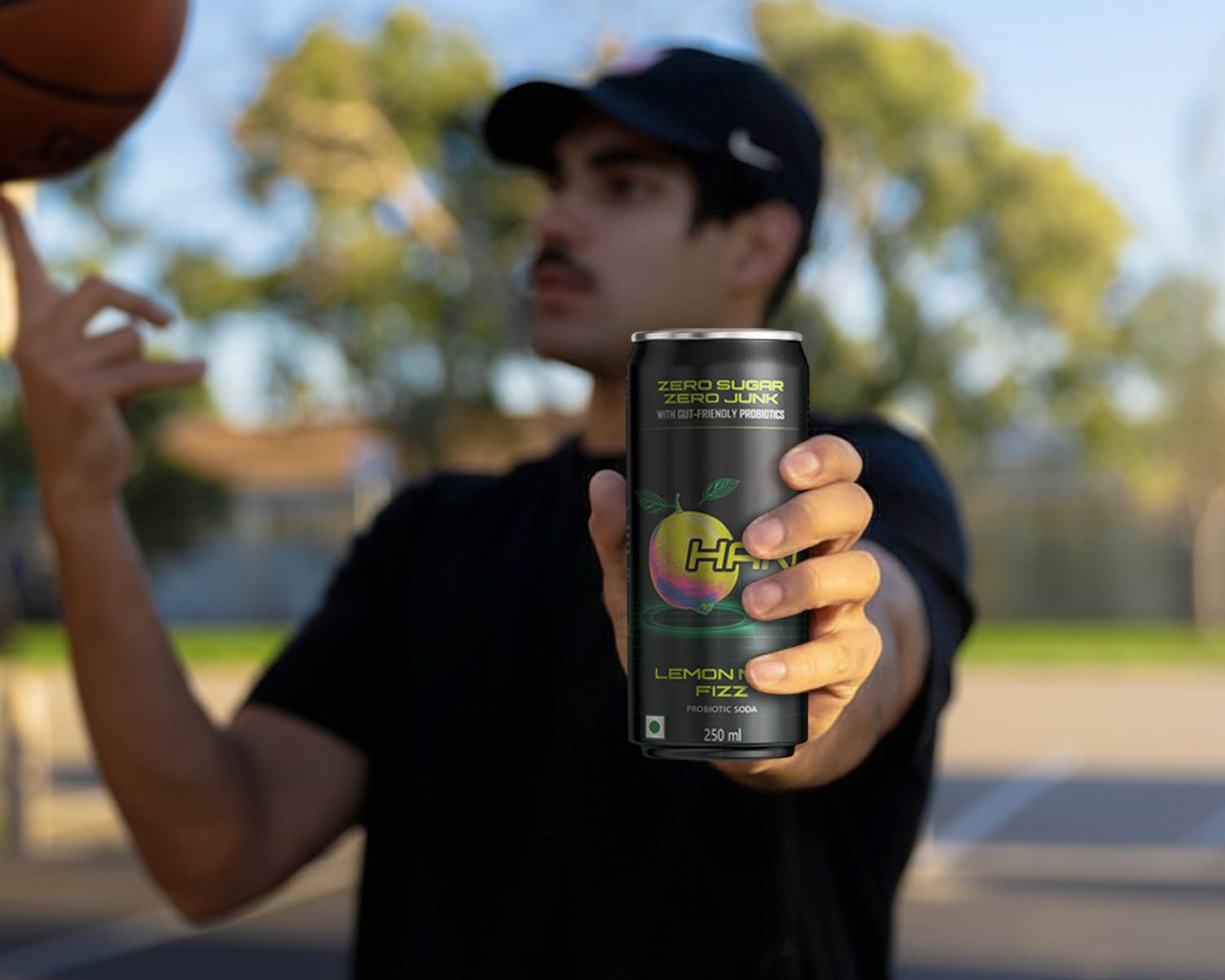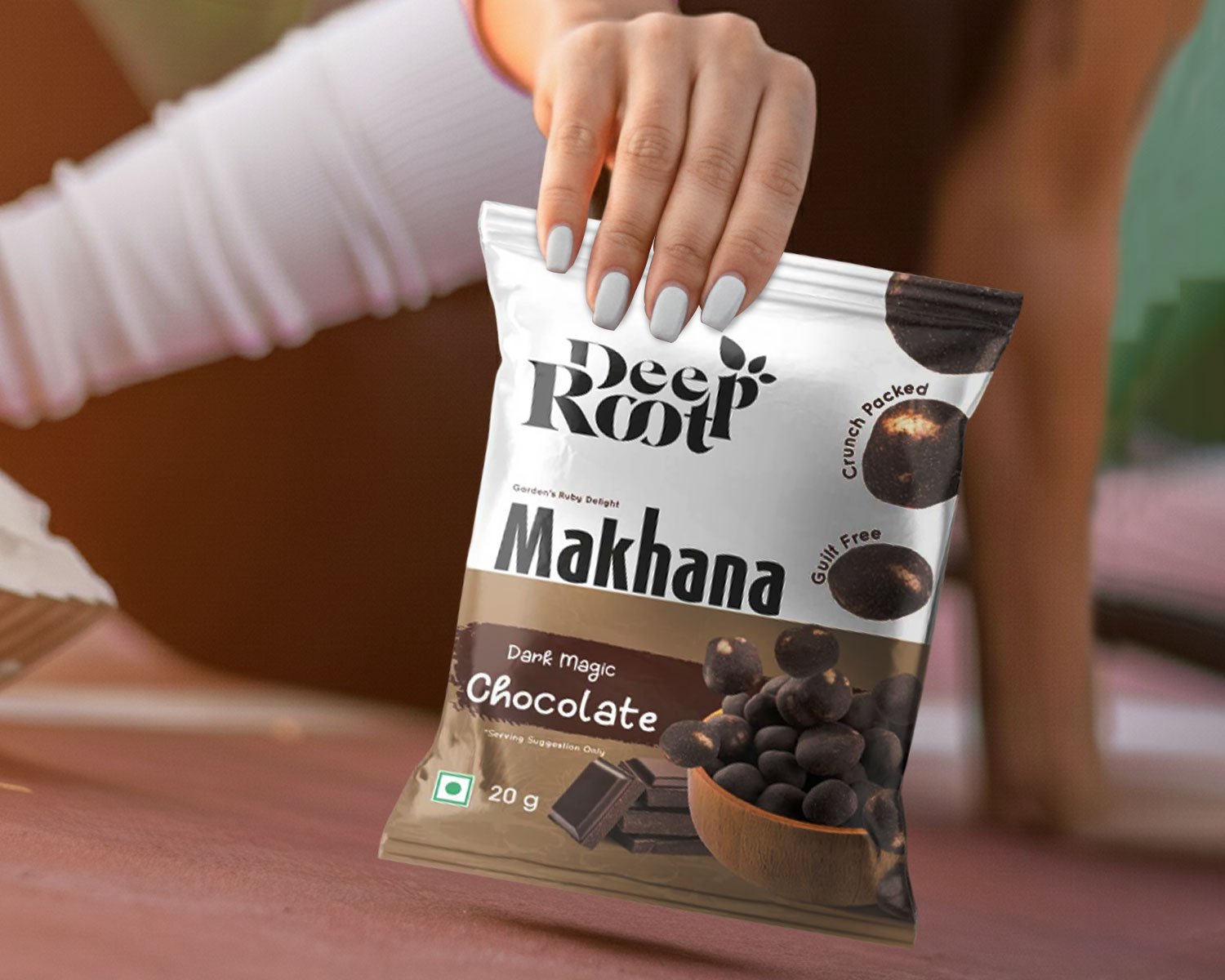
Your iced tea has collagen for glowing skin. Your chocolate bar? Infused with ashwagandha to calm your 4 PM anxiety. And that fizzy drink you grabbed post-gym? It’s got magnesium and reishi mushroom to help you recover and sleep better.
Welcome to the new world of 2026; it’s a full-blown lifestyle upgrade. In this new normal era, consumers are healing, glowing, de-stressing, and biohacking, all through everyday bites and sips. And that’s exactly why food formulation trends are having their biggest glow-up yet.
The New Age of Food Formulation
- Ingredients with a purpose
- Flavours that feel good
- And stories that resonate
From yuzu-flavoured nimbu pani and upcycled fruit peel energy bars to jamun-infused kombuchas and chickpea-protein ice cream, brands are mixing innovation with intention like never before.
Whether it’s boosting gut health, enhancing focus, improving mood, or just reconnecting with nostalgic Indian flavours, ingredient innovation in 2026 is rewriting every rule in the book.
So if you’re in search of how to start a food business, buckle up. Food formulation trends are building blocks of the next generation of food. Let’s break them down.

1. Functional Food Trends Are Here to Flex
The latest food formulation trends focus on functional foods and smart ingredient selection that deliver real health benefits. Modern consumers actively search for products that support energy, sleep, immunity, and stress relief, expecting solutions from everyday foods. This shift has accelerated innovation in the clean label food category, where brands prioritise natural ingredients and transparency.
Today, functional concepts are appearing in nootropic mushroom teas, mood-boosting kombuchas, adaptogenic chocolate bars, and stress-relief gummies. Strong food formulation trends show that successful brands are combining taste with purpose.
Trending ingredients in functional foods include:
- Ashwagandha: Helps reduce stress naturally
- Reishi & Lion’s Mane: Support brain health
- Magnesium: Promotes sleep and relaxation
- Hibiscus & Elderberry: Support immunity
Smart ingredient selection and clean formulation strategies help brands create products that not only taste good but also improve consumers’ daily lives.
2. Clean Label Food Trends is the New Normal
“In 2026, clean label food is no longer a trend; it is a baseline expectation. Consumers demand transparency, not just attractive packaging. With a strong focus on ingredient selection, shoppers carefully read labels and quickly reject artificial components. As a result, brands are reformulating products using simple, recognisable ingredients aligned with modern food formulation trends and the growth of functional foods.
Clean Label Formulation in Action:
- Natural colours from beetroot and spirulina
- Sweeteners like monk fruit, dates, and allulose
- Natural binders such as chia gel or psyllium husk
This shift in ingredient selection reflects key food formulation trends.
3. Sugar is Out, but Flavour is Still In.
4. Food Ingredient Innovation is the Real MVP
This is where food formulation trends meet purpose-driven innovation, creating products that are healthier, more exciting, and aligned with modern ingredient selection strategies in functional foods and clean-label food development.
Trending Food Ingredients in 2026:
- Faba Bean Protein: A mild, allergen-friendly plant protein used in alt-dairy products, snacks, and clean-label protein bars.
- Allulose: A low-calorie sweetener that tastes like sugar without spiking blood glucose.
- Tiger Nuts: High-fibre, gut-friendly tubers used in gluten-free flour blends and digestive health products.
- Watermelon Seed Flour: A nutrient-rich, upcycled ingredient used in cookies, pancakes, and vegan protein blends.
- Yuzu: A zesty citrus flavour expanding globally into beverages and dressings.
- Jamun Vinegar: A functional ingredient used in probiotic drinks and gut-friendly tonics.
What makes 2026 exciting is not just what we eat, but how thoughtful ingredient selection and evolving food formulation trends are reshaping functional foods and the future of clean-label food innovation.
5. Going Local, Staying Global
This isn’t just nostalgia; it’s smart food formulation trends in the food industry. Combining deep-rooted cultural flavours with global wellness trends makes food more relatable and aspirational.
Your nimbu soda just got a fancy upgrade.
- Aam panna kombucha
- Amaranth millet crackers
- Ayurvedic coffee, lattes with tulsi and saffron
Imagine one of the most beautiful food trends? The revival of Indian traditional ingredients, but with a modern spin.
6. Sustainability in Every Sip and Snack
In 2026, consumers expect both taste and values, and brands are delivering through smarter food formulation trends, thoughtful ingredient selection, and innovative functional foods aligned with clean label food principles.
Brands are now proudly formulating with:
- Upcycled ingredients: Orange peels, coffee grounds, and banana flour to reduce food waste.
- Alternative proteins: Chickpea, seaweed, and other sustainable protein sources.
- Eco-friendly packaging: Completing the sustainability cycle with responsible design.
Modern ingredient selection is no longer only about nutrition and flavour. It reflects purpose, sustainability, and impact. Today, formulation is about why the product exists and how it supports both people and the planet.
7. It’s All About the Experience
People now eat with more than their mouths. They eat with their eyes, their feelings, and their beliefs.
That’s why food formulation today focuses on:
- Textures that feel real, creamy, crunchy, chewy, melt-in-mouth
- Stories behind ingredients, where it’s grown, who farmed it
- Minimalist branding with maximum meaning
That protein muffin isn’t just a snack. It’s part of someone’s self-care routine.
Want To Launch a Trend-Ready Food Product in 2026?
Discover the latest functional ingredients, clean label ideas, and innovation secrets used by 4500+ food brands. We help you formulate smart, sell faster, and succeed in today’s competitive food market.
TALK TO OUR FORMULATION EXPERT NOW
The Future of Food Formulation
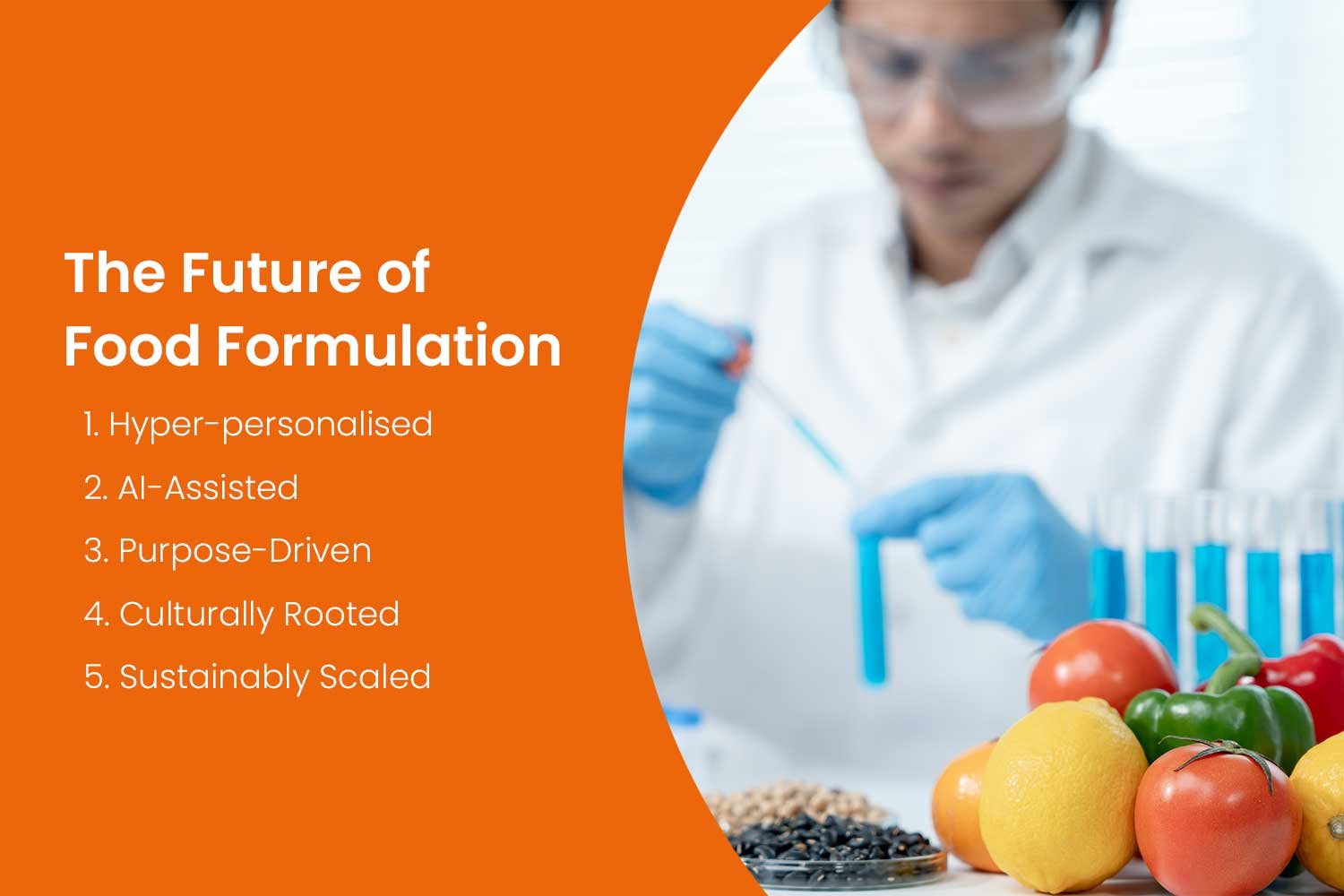
Looking ahead, the future of food formulation will be:
- Hyper-personalised: Based on your mood, gut, or DNA
- AI-Assisted: Yes, even R&D is getting smarter
- Purpose-Driven: Products that stand for something
- Culturally Rooted: With global finesse and local soul
- Sustainably Scaled: Built to nourish people and the planet
In short, it’s food that feeds your body, mind, and values.
Looking to build the next big thing in food?
Let’s talk food ingredient trends, innovation, clean label strategies, functional formulation, and how to craft a product people can’t stop loving and trusting. And contact us at +91 8130404757!

FAQs
Q1. What are the biggest food formulation trends in 2026?
Function-focused foods, clean label products, low-sugar options, plant-based proteins, and traditional flavours with modern innovation are leading trends.
Q2. Why are functional foods growing in popularity?
Consumers want foods that support stress relief, energy, immunity, gut health, and overall wellness.
Q3. What does clean-label food mean?
Clean label food uses simple, recognisable, and natural ingredients without artificial additives.
Q4. Are low-sugar formulations in demand?
Yes, consumers prefer natural sweeteners like monk fruit, dates, and allulose to avoid sugar crashes.
Q5. How important is plant-based protein in food trends?
Plant proteins like chickpea, faba bean, and seaweed are rising due to sustainability and health benefits.
Q6. How can brands stay competitive in the 2026 food trends?
By focusing on smart ingredient selection, transparency, functional benefits, and strong product positioning.