🚀 Ready to get the best Food Packaging and Labelling?
Get expert help with packaging and labelling, compliance, and market-ready strategies. Book a FREE 30-minute consultation with our team today.
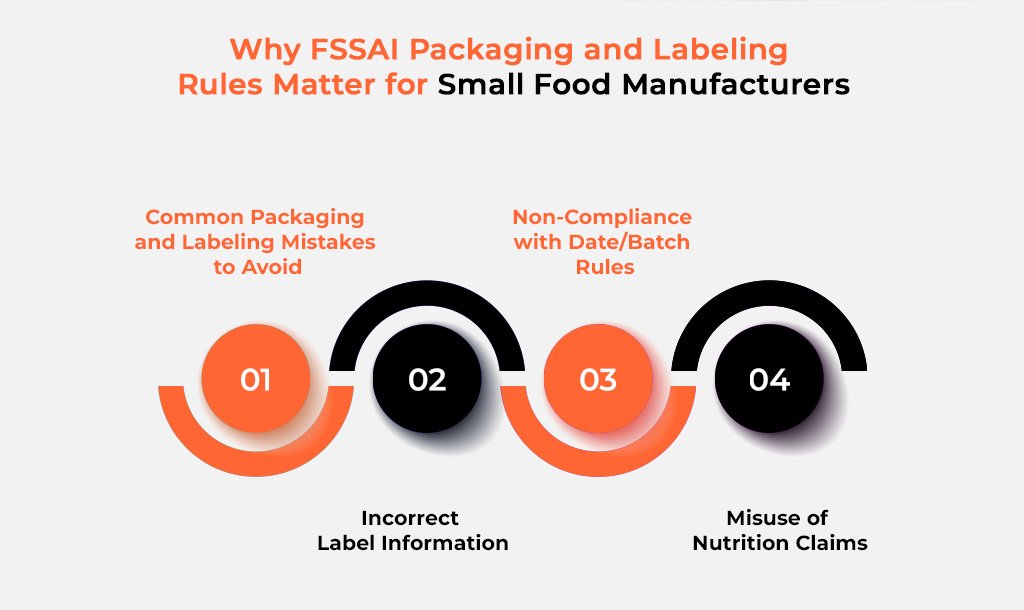
Why FSSAI Packaging and Labelling Regulations Matter for Small Food Manufacturers
Food packaging and labelling are not just about protecting your product; they help build your brand and inform customers about what they are buying. As per food packaging and labelling regulations, every product must clearly display correct information to stay compliant and trustworthy in the market.
Why It Is Important
- Legal Compliance: Following food packaging standards ensures your product meets FSSAI requirements. Incorrect labels can lead to penalties or product recalls.
- Clear Product Information: Proper food processing packaging, and labelling include ingredients, nutrition facts, manufacturing date, expiry date, batch number, and approved claims. This transparency builds consumer confidence.
- Brand Trust and Credibility: Accurate food packaging and labelling show professionalism and responsibility, helping small manufacturers gain trust from customers and distributors.
- Avoid Financial Loss: Even small errors under food packaging and labelling regulations, like a missing batch number, can cause legal trouble and financial setbacks.
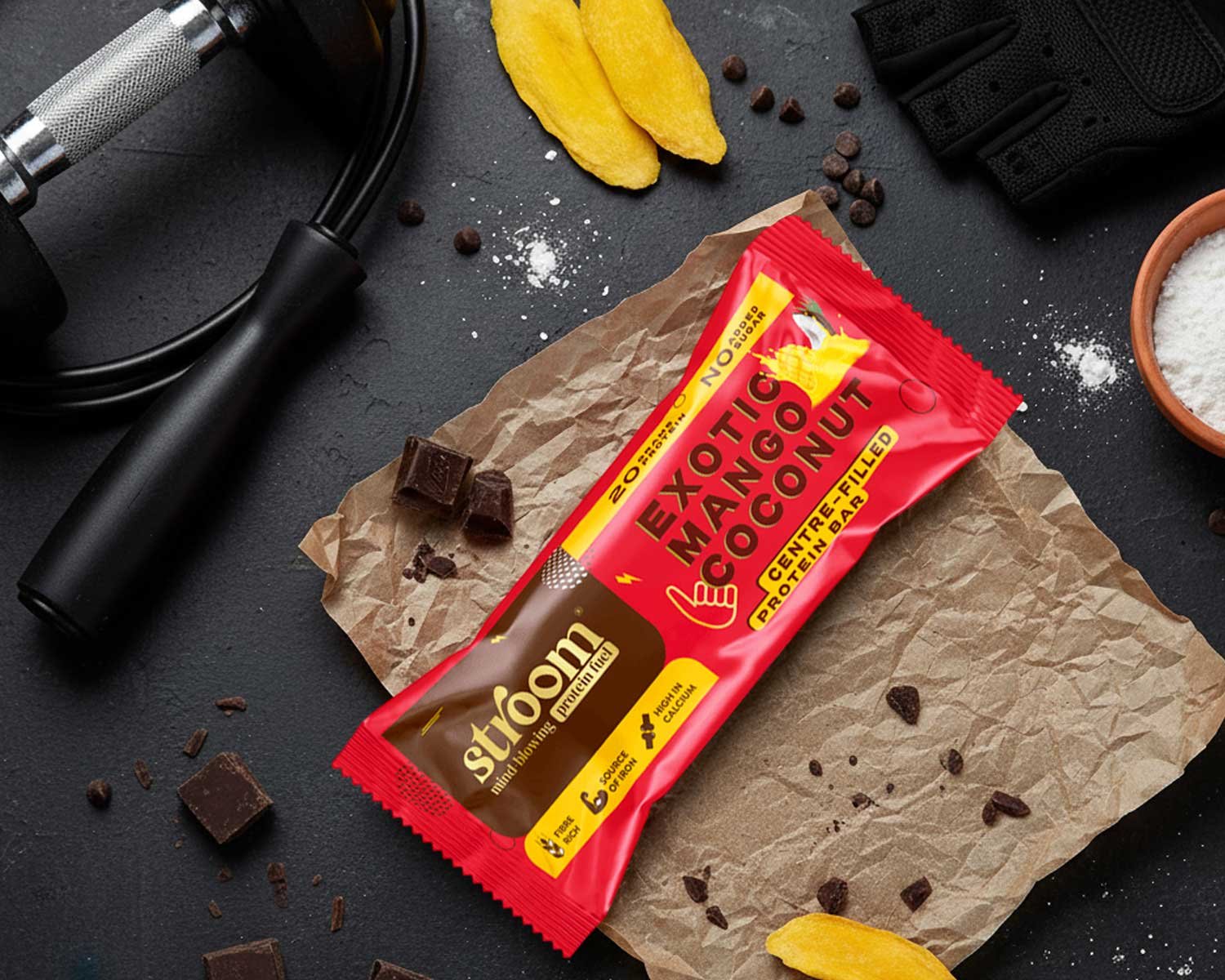
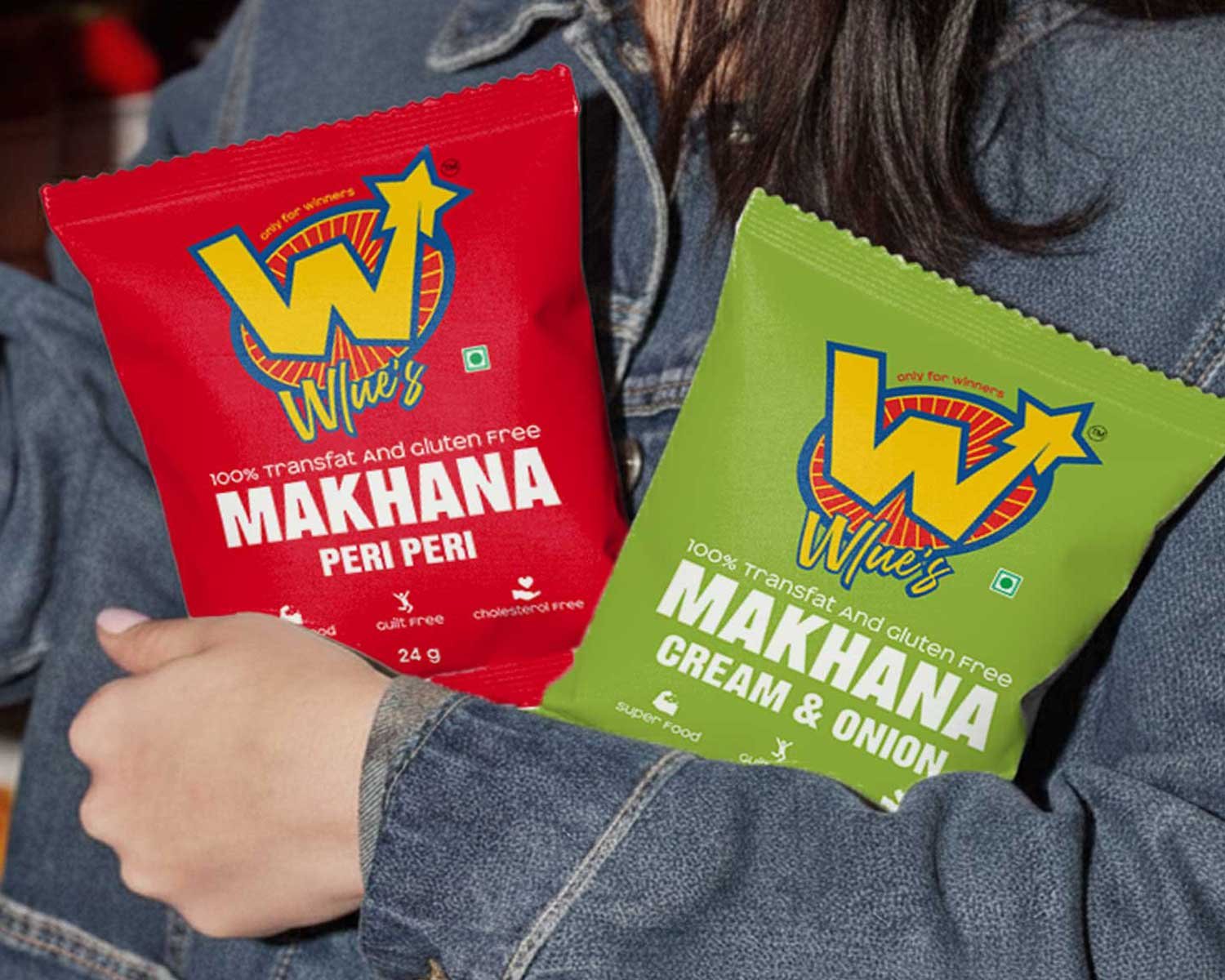
For example, mistakes in makhana packaging labels or unsupported claims in protein bar packaging can lead to regulatory issues, especially if nutritional claims are not backed by proper documentation.
Understanding and implementing the right standards from the beginning saves time, money, and stress while ensuring smooth market entry.
Read more: Food Product Development
Common Packaging and Labelling Mistakes to Avoid
Packaging and labelling mistakes are less noticeable, but they can easily happen. Below are some examples of frequent problems that you ought to be careful with.
1. Incorrect Label Information
Product labels must be accurate and clear. Wrong ingredients, incorrect weights, or unclear names are violations. FSSAI requires labels to be truthful and easy to understand. This is particularly important for health-focused products such as protein bar packaging, where nutritional accuracy is essential.
2. Non-Compliance with Date/Batch Rules
Manufacturing date, expiry, and batch number must be printed correctly. Missing or incorrect details can lead to product removal from shelves.
3. Misuse of Nutrition Claims
Claims like “low sugar” or “high protein” must be scientifically supported. FSSAI has strict rules for such claims, and non-compliance can result in penalties.
It is a point of emphasis that you should not forget to inspect these things in each and every packaging audit. If, however, you ever find yourself in a situation where you are not sure, it is always better to consult the official guidelines.
Read more: Food Consultant
Step-by-Step Packaging & Labelling Compliance Checklist (2026)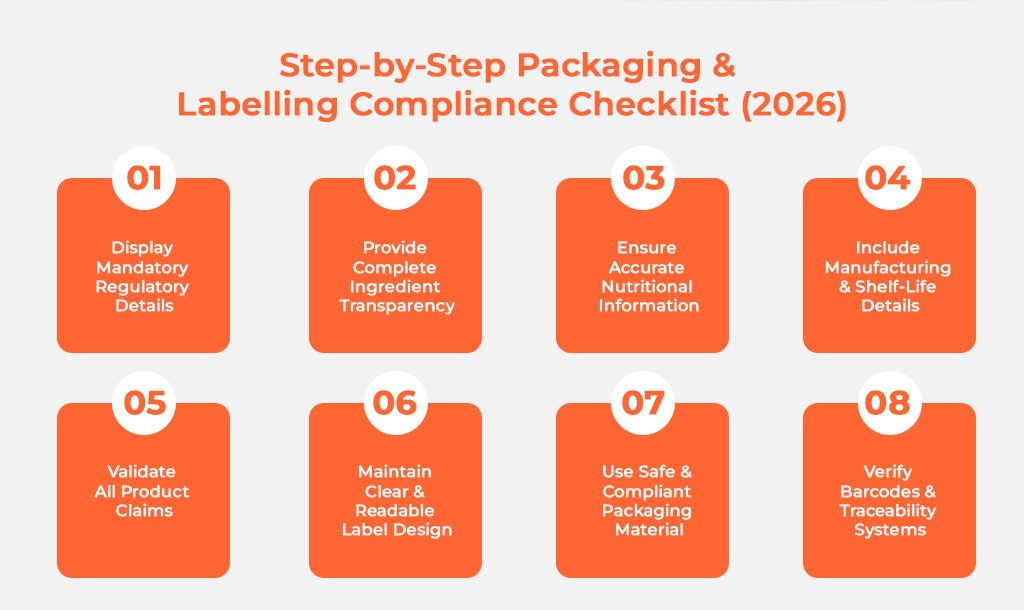

🚀 Launch with Confidence | Food Packaging and Labelling.
Trusted by 500+ D2C Brands
Also Read: What is Food Production?
How to Stay Updated with FSSAI Guidelines
The Food Safety and Standards Authority of India (FSSAI) regularly updates its regulations to strengthen food safety standards, packaging compliance, and labelling requirements. The FSSAI 2026 updates may bring changes in areas such as allergen declaration, nutrition labelling, front-of-pack labelling, and food-grade packaging norms. Even a minor revision, like a new mandatory allergen disclosure or updated nutrition claim rule, can lead to non-compliance, product recalls, or penalties if overlooked.
For food manufacturers, staying aligned with the latest FSSAI labelling guidelines 2026, food packaging regulations, and FSSAI compliance requirements is critical. The best approach is to monitor official notifications, conduct regular label audits, and keep packaging designs flexible for quick updates.
Our FSSAI updates newsletter delivers simplified, timely insights on regulatory changes, helping food businesses, startups, and manufacturers maintain smooth compliance and avoid legal risks.
Leading Food & Beverage Formulation in India | Foodsure
Conclusion & Next Steps
FSSAI packaging and labelling guidelines in 2026 may look complex at first, but they ultimately help build trust, ensure product safety, and extend product shelf life. From snack categories like makhana packaging to functional foods such as protein bar packaging, correct labelling plays a major role in both compliance and consumer confidence.
Need Help With Food Packaging and Labelling Compliance?
Foodsure helps startups and FMCG brands create compliant, consumer-ready food packaging and labelling. From FSSAI-approved labels to packaging material selection, we simplify the entire process so your products launch faster and without regulatory risks.
Why 500+ Brands Choose Foodsure
- FSSAI-compliant food packaging and labelling support
- Label review, correction, and compliance audits
- Nutritional labelling and allergen declaration guidance
- Packaging material selection as per food safety norms
- Regulatory support for new product launches
- End-to-end coordination with design and printing teams
Who We Work With
- D2C food startups launching packaged products
- FMCG brands updating or expanding product labels
- Restaurants and cloud kitchens entering retail
- Health, nutrition, and functional food brands
- Export brands needing compliant packaging and labelling
Book a Free Packaging & Labelling Consultation
Get expert guidance on food packaging and labelling compliance. Whether you need FSSAI label approval, packaging support, or regulatory clarity, our experts will help you get it right the first time.
Frequently Asked Questions
What are the FSSAI packaging and labelling requirements in India?
FSSAI requires food labels to include product name, ingredients, nutrition facts, allergen information, net quantity, date marking, FSSAI logo, license number, and veg or non-veg symbol.
What information is mandatory on food labels?
Mandatory food label information includes product name, ingredient list, nutritional values, allergen declaration, net weight, manufacturer details, date marking, and FSSAI license number.
Why is food packaging and labelling important?
Food packaging and labelling protect the product, ensure legal compliance, build consumer trust, and clearly communicate product quality and nutrition information.
What are common food labelling mistakes?
Common mistakes include missing allergen details, incorrect nutrition values, wrong date marking, misleading claims, unreadable text, and missing FSSAI logo or license number.
Which packaging materials are allowed for food products?
Only food-grade materials such as approved plastics, glass, metal, paper, and biodegradable materials are allowed under FSSAI packaging norms.
Is nutritional labelling mandatory for packaged foods?
Yes, most packaged foods must display nutritional information per 100g or 100ml, except for specific categories exempted under FSSAI rules.
What is the difference between the best-before and expiry date?
Best before indicates the quality period of food, while expiry or use-by date shows the last safe date for consumption.
What happens if food labels are non-compliant?
Non-compliant food labels can lead to penalties, product recalls, FSSAI license suspension, and legal action.
Do food startups need to follow labelling rules?
Yes, food startups and small brands must comply with FSSAI labelling rules, with limited exemptions only for very small pack sizes.
How can food brands ensure packaging and labelling compliance?
Food brands can ensure compliance by following FSSAI guidelines, updating labels regularly, and taking professional packaging and labelling support.