The D2C model has transformed how D2C food brands bring products to market by building a direct relationship with consumers. Instead of relying on distributors or retail chains, brands now connect, sell, and gather feedback directly through digital platforms. This shift has made food product development for D2C brands more strategic, data-driven, and consumer-focused than ever before.
From identifying market gaps to validating demand, smart planning is essential. Whether you’re exploring new food product development ideas for students or preparing to scale your startup, understanding the fundamentals is critical.
In this blog, we cover the 7 things you must do before a food product launch to reduce risk, improve market fit, and increase your chances of long-term success.
Importance Of New Food Product Development For D2C Brands
1. Know Consumer Needs and Market Gaps
Successful food product development for D2C brands starts with understanding customer needs and identifying market gaps. Strong new trends in food product development are always backed by research and real consumer insights.
How to identify needs and gaps:
- Market Research: Use tools like Mintel or Nielsen to track food trends and demand shifts.
- Customer Feedback: Collect insights through surveys, reviews, and social media.
- Competitive Analysis: Study competitors to find unmet opportunities in the market.
2. Make Innovative Food Product Concepts
Strong food product development for D2C brands requires a unique and market-driven concept. Your food product formulation should address consumer needs, align with trends, and reflect your brand mission to stand out in the competitive D2C food brands space.
Key considerations:
- Trend Integration: Focus on plant-based, sustainable, functional, or health-focused innovations in new food product development.
- Customer-Centric Innovation: Create solutions like healthier snacks or convenient meal options.
- Feasibility: Ensure your food recipe formulation is practical, scalable, and market-ready.

3. Develop The Food Recipe Formulation And Sourcing Strategy
A perfect food recipe formulation is the foundation of successful food product development for D2C brands. It must meet expectations for taste, texture, nutrition, and shelf life while being scalable for production.
Steps For Food Recipe Formulation:
- Food Recipe Development: Work with food technologists to balance taste, nutrition, and shelf life in your food recipe formulation.
- Sustainable Sourcing: Use eco-friendly, plant-based, or organic ingredients to strengthen your new food product development strategy.
- Supply Chain Partnerships: Build reliable supplier relationships to ensure smooth and cost-effective food product development for your D2C brand.

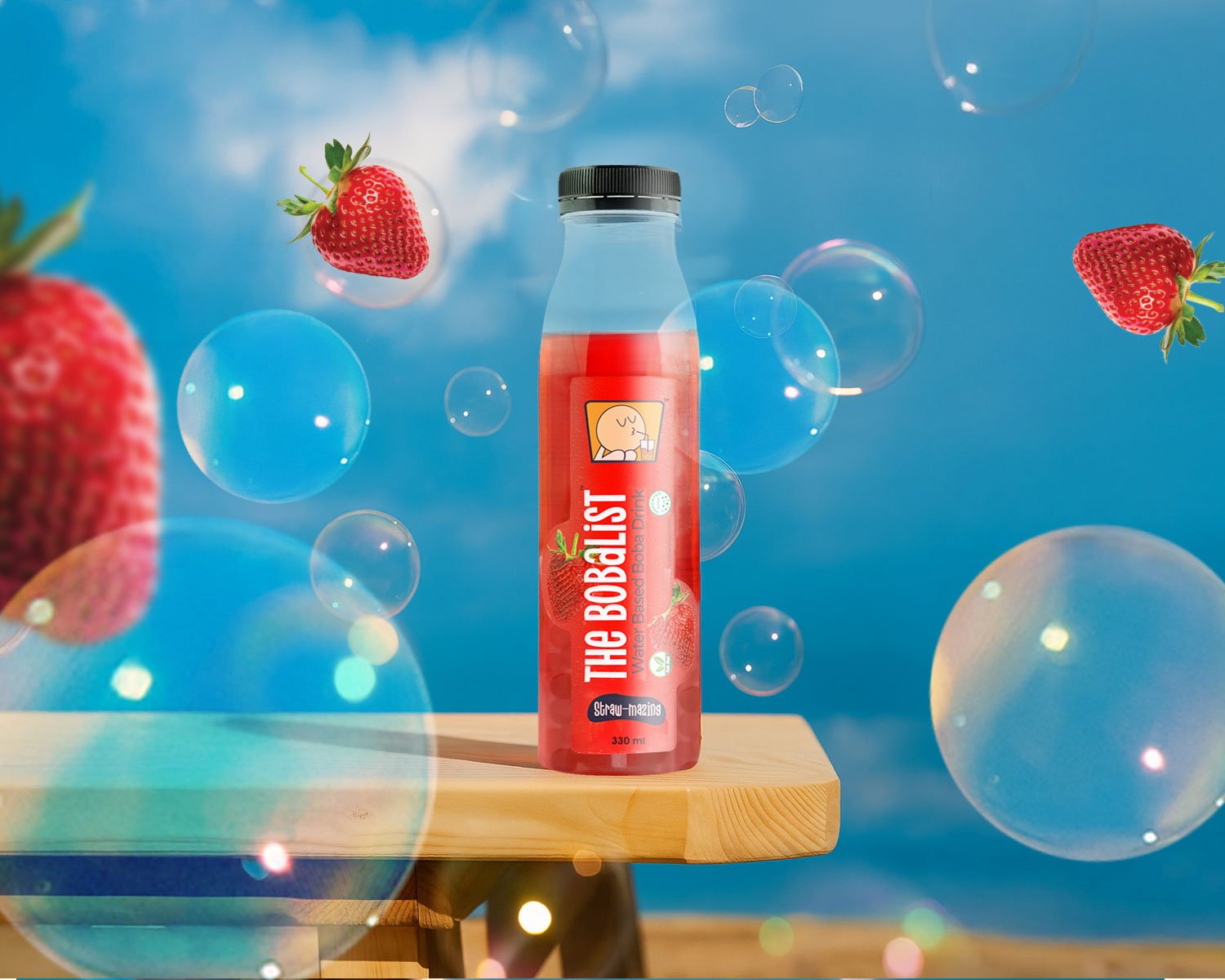
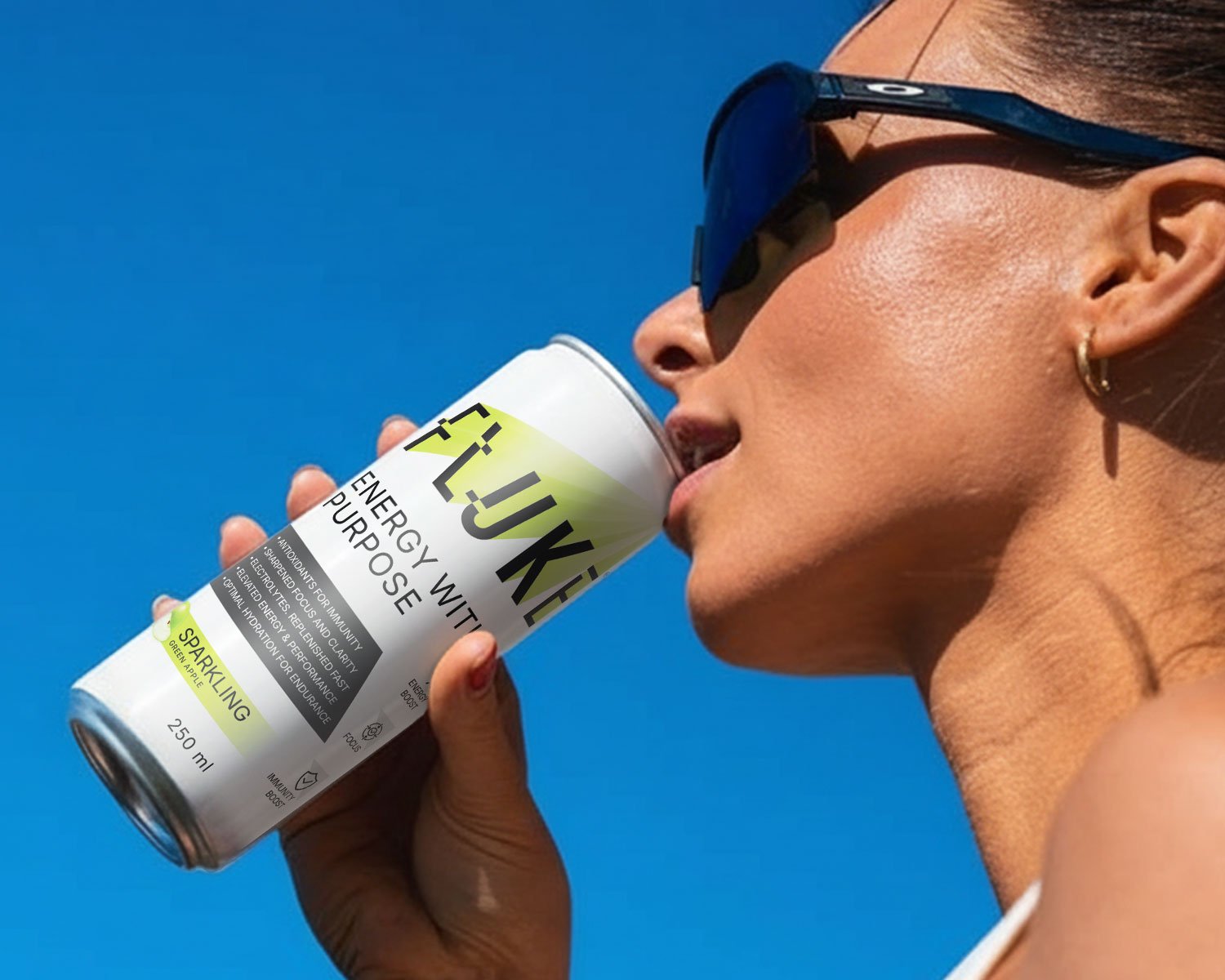
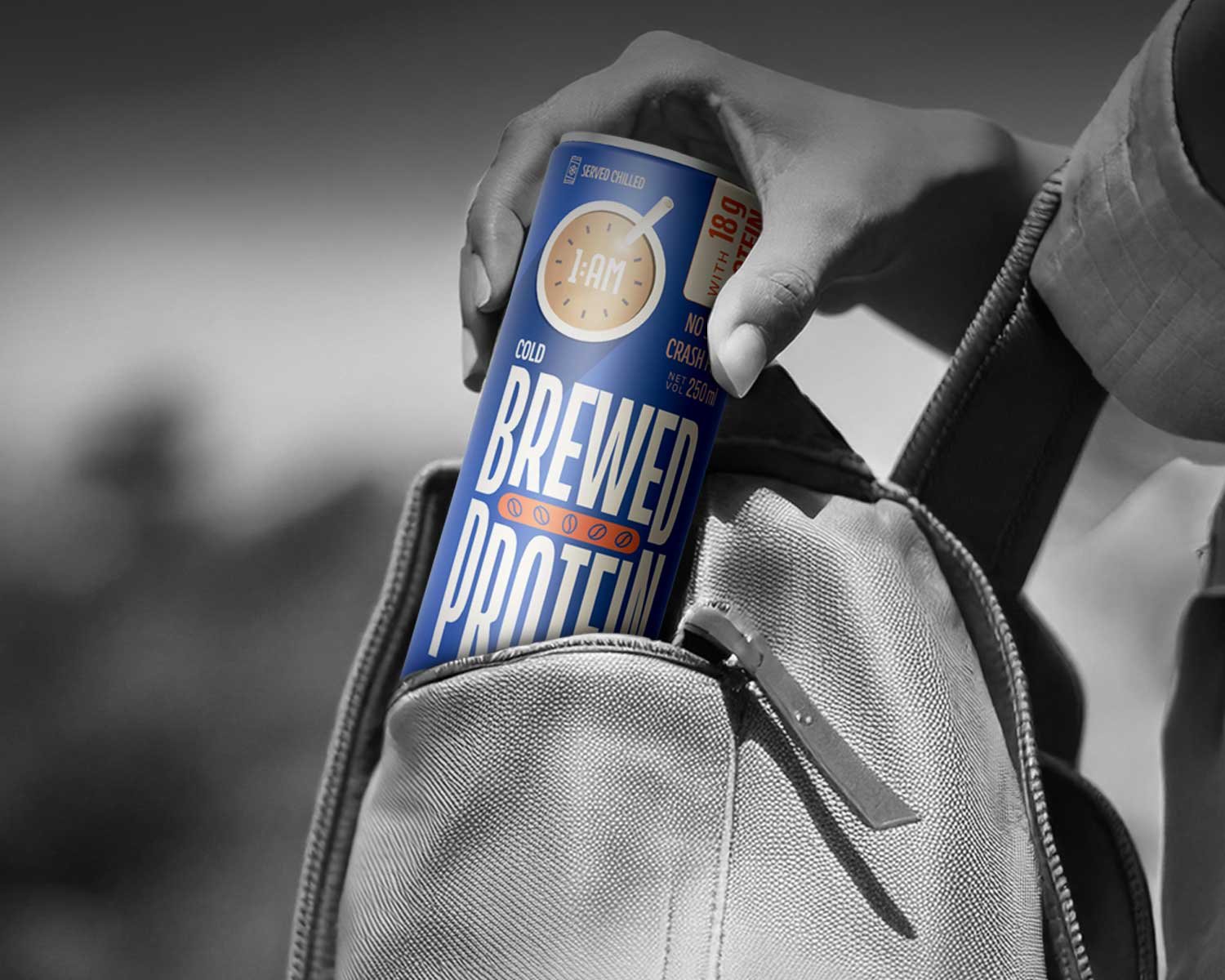
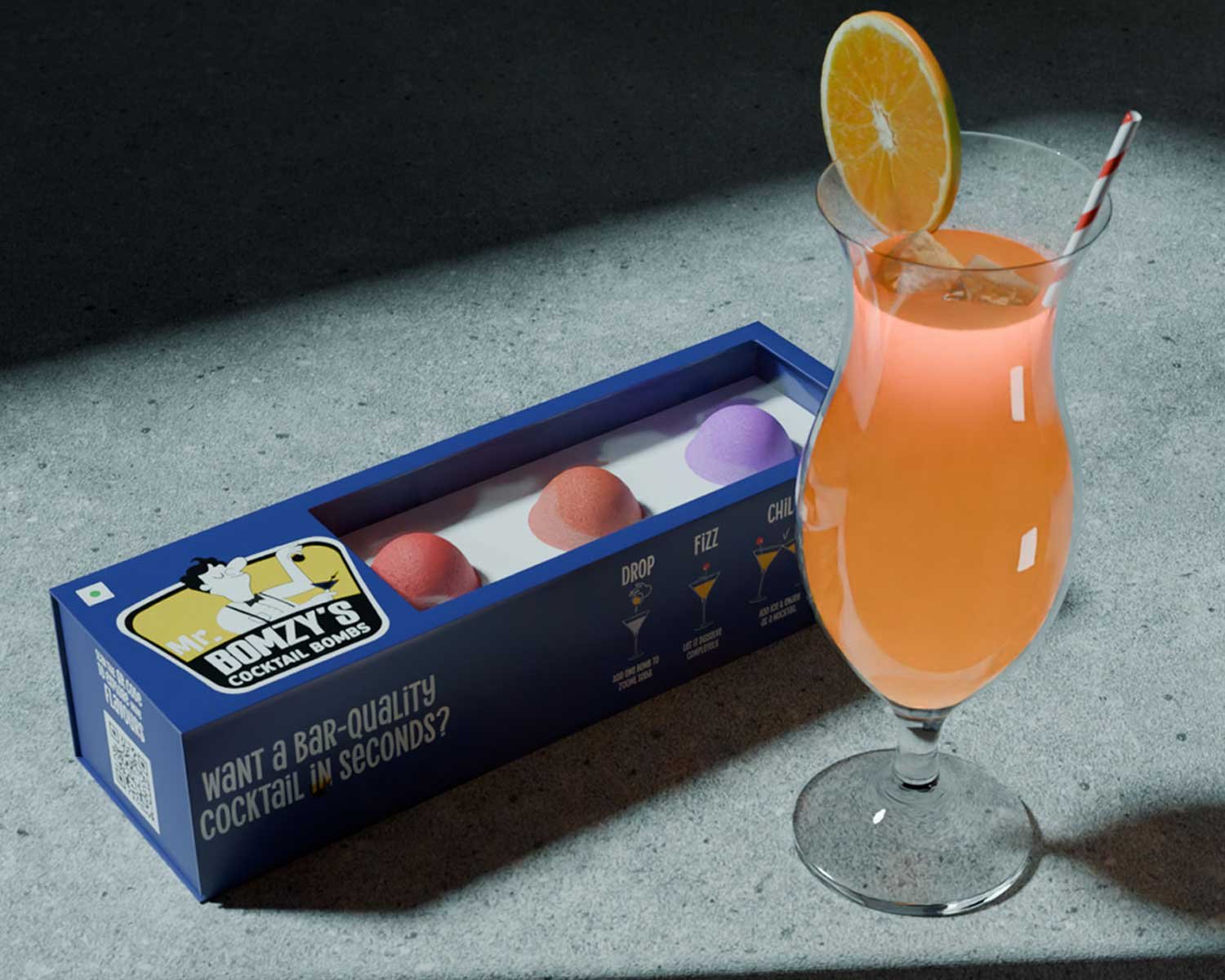
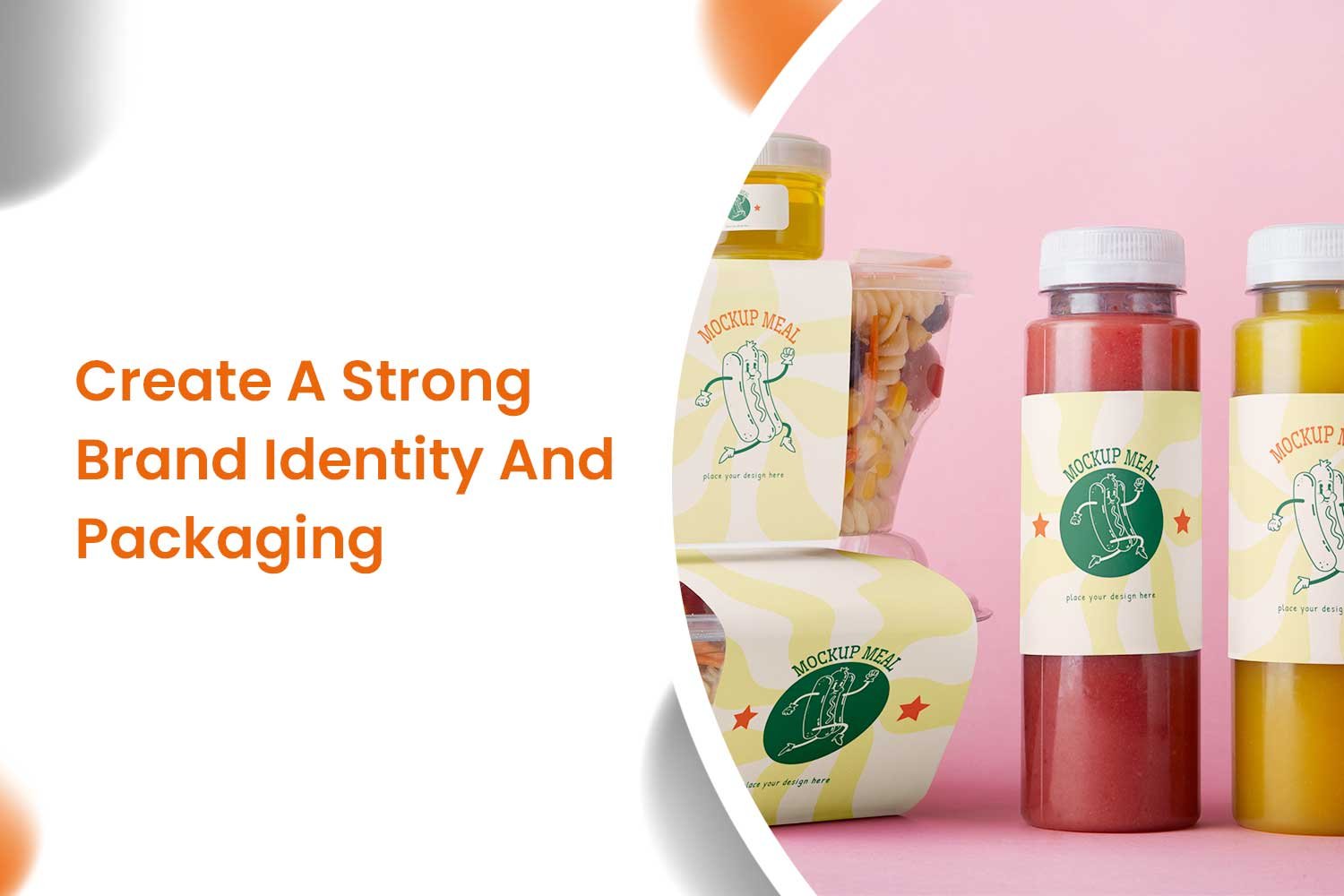
4. Create A Strong Brand Identity And Packaging
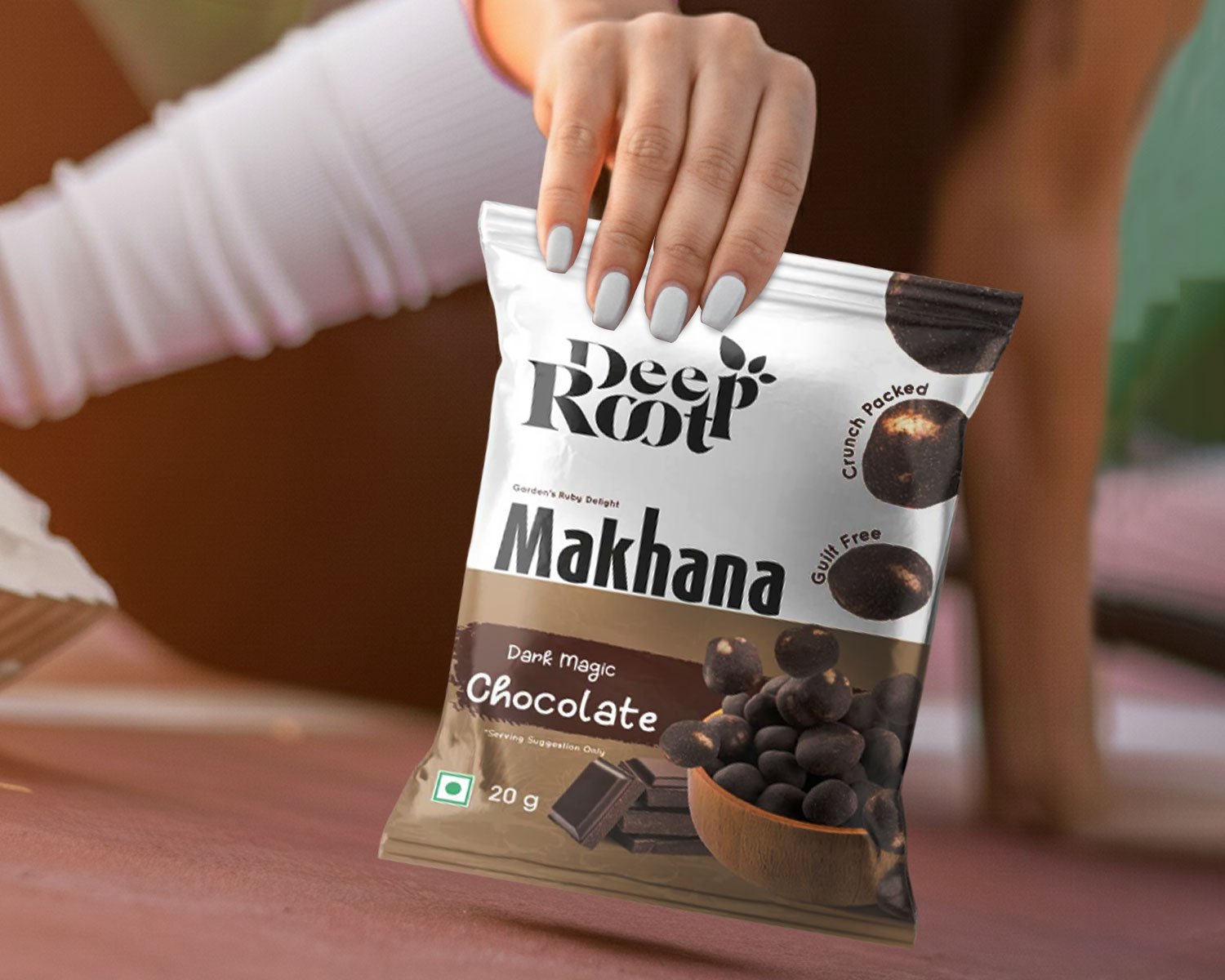
In food product development for D2C brands, branding and packaging strongly influence buying decisions and help your product stand out in the competitive D2C space.
Key elements:
- Brand Story: Share your mission, sustainability focus, or health benefits to build an emotional connection.
- Packaging Design: Use attractive and eco-friendly packaging that reflects your product value.
- Pricing Strategy: Align pricing with your value proposition, premium or budget-focused.
Strong branding makes your new food product development more memorable and impactful.
5. Test, Improve, And Gather Feedback
Before scaling, test your food recipe formulation with a small audience. A pilot phase in food product development for D2C brands helps identify issues in taste, pricing, packaging, or marketing.
Key steps:
- Pilot Launch: Release to a limited audience or pre-order group.
- Collect Feedback: Use surveys, reviews, and social media insights.
- Refine the Product: Improve and adjust your new food product development based on real consumer feedback.

6. Launch And Scale The Food Product
Before launching your food recipe product to the market, plan its marketing and scale-up strategy.
Considerations:
- Scaling of the production: Ensure demand is met without compromising quality by working with food product development manufacturers for D2C brands.
- Marketing and Promotion: Use your D2C channels like website, social media, and email marketing.
- Check Performance: Track sales and customer feedback to improve your strategy.
The next food sensation could be your idea. Transform it into a food product formulation for D2C brands with the support of our expert team, and create innovative food recipe products for D2C brands that set new standards.
The world is ready for your vision. Let’s make it happen! Get your free consultation on 8130404757.
FAQs
Q1. What is food product development for D2C brands?
It is the process of creating and launching food products that are sold directly to customers through online and brand-owned channels.
Q2. Why is new food product development important for D2C brands?
It helps brands meet consumer demand, build loyalty, and grow in a competitive market.
Q3. How do D2C food brands identify market gaps?
Through market research, customer feedback, and competitor analysis.
Q4. What is involved in food recipe formulation?
Balancing taste, nutrition, shelf life, ingredient sourcing, and scalability.
Q5. Why is branding and packaging important?
It influences buying decisions and helps the product stand out.
Q6. How can a new product be tested before launch?
By running a pilot launch and collecting customer feedback.
Q7. What should be checked before scaling a product?
Production capacity, quality consistency, supply chain readiness, and marketing strategy.