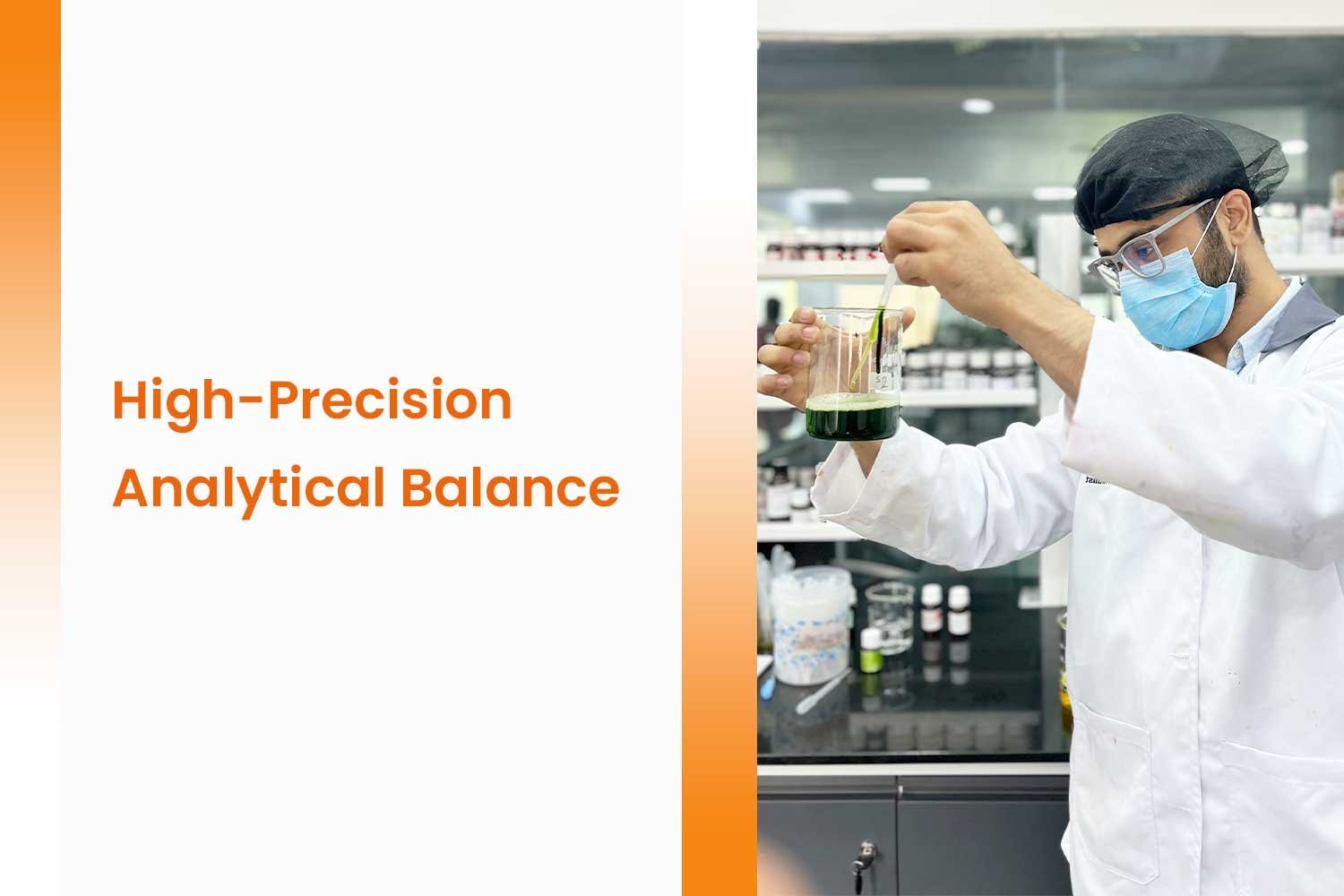
High-Precision Analytical Balance
Pilot-Scale Homogeniser
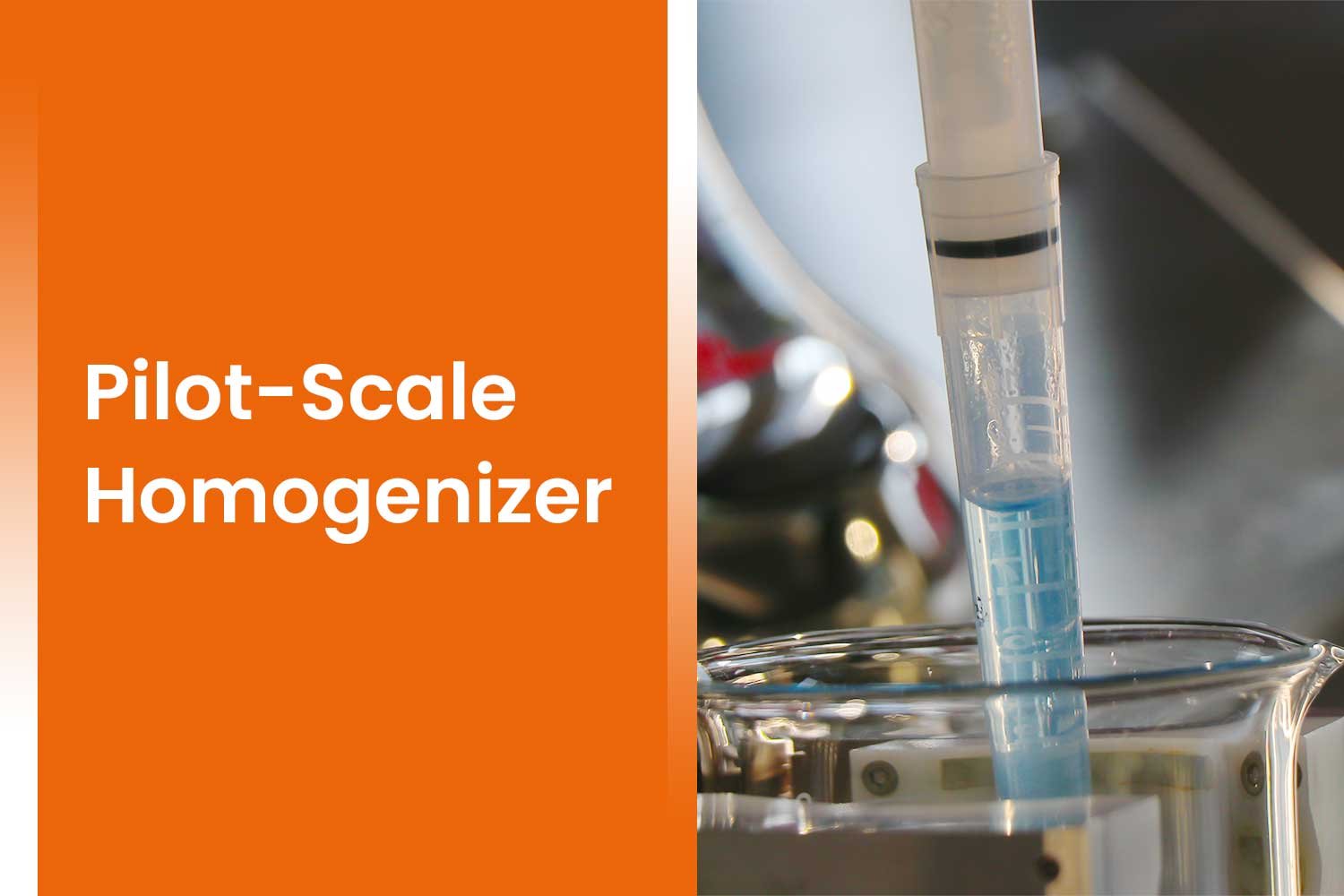
This pilot-scale homogeniser machine is super useful when the food recipe formulation experts are making creamy or smooth products like sauces, plant-based milk, flavoured drinks, or salad dressings. A homogeniser breaks down fat or protein particles and spreads them evenly, so your food product looks and tastes consistent.
The new models of food formulation lab tools in 2026 have temperature controls, adjustable pressure settings, and built-in sensors. That means you get better results with less guesswork during the development phase.
Texture Analyzer
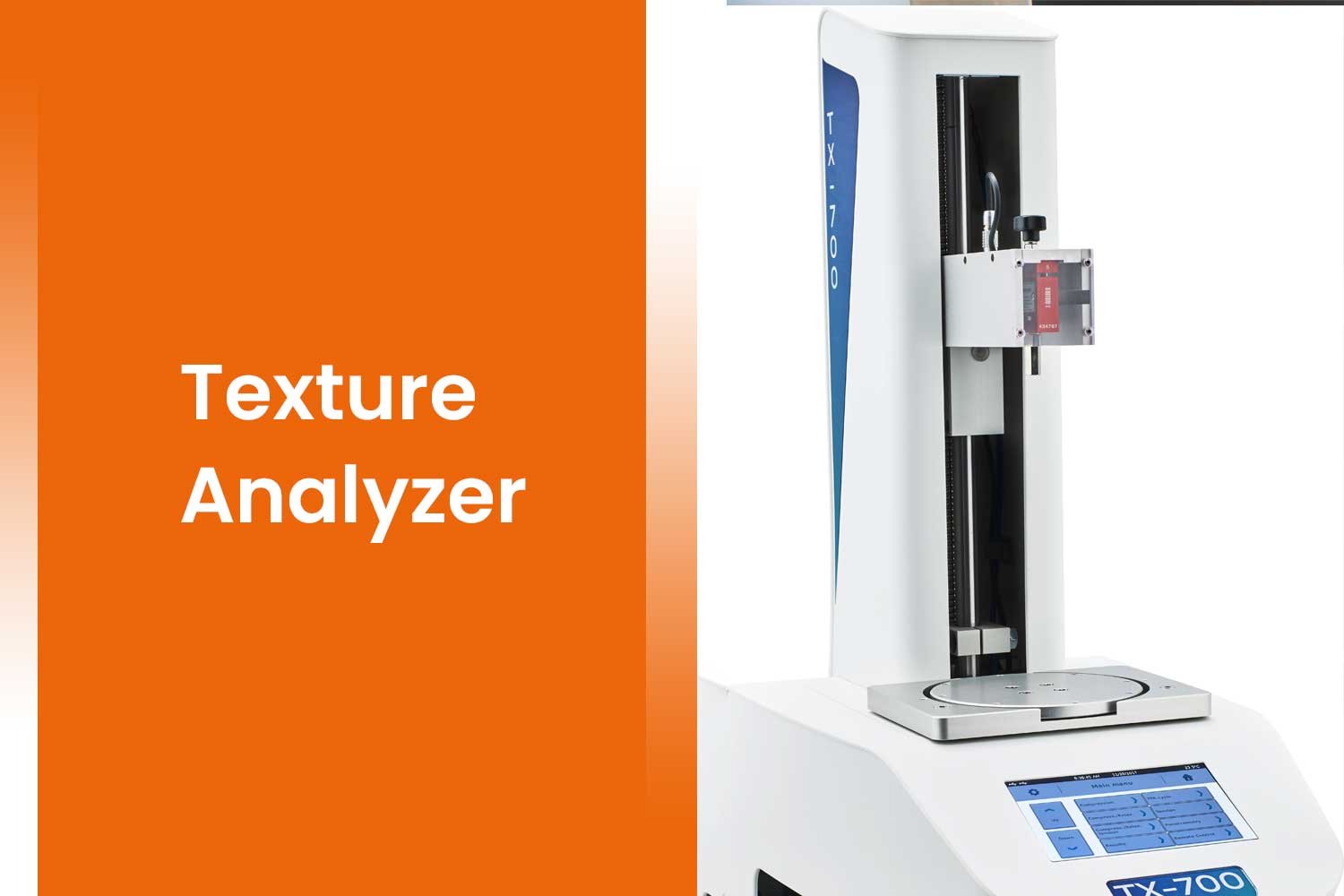
Texture defines how food feels: crunchy, soft, chewy, or sticky. A texture analyser is one of the essential food product development lab tools used to measure these properties accurately. It is widely used for protein bars, cookies, candies, baked goods, and plant-based meat products.
As part of advanced food and beverages lab instruments and food and beverages life science lab instruments, this equipment provides scientific data instead of relying only on taste panels. These modern food lab products help identify texture changes over time, such as a snack bar becoming harder after two weeks, allowing faster correction and better product consistency.
Lab-Scale Spray Dryer
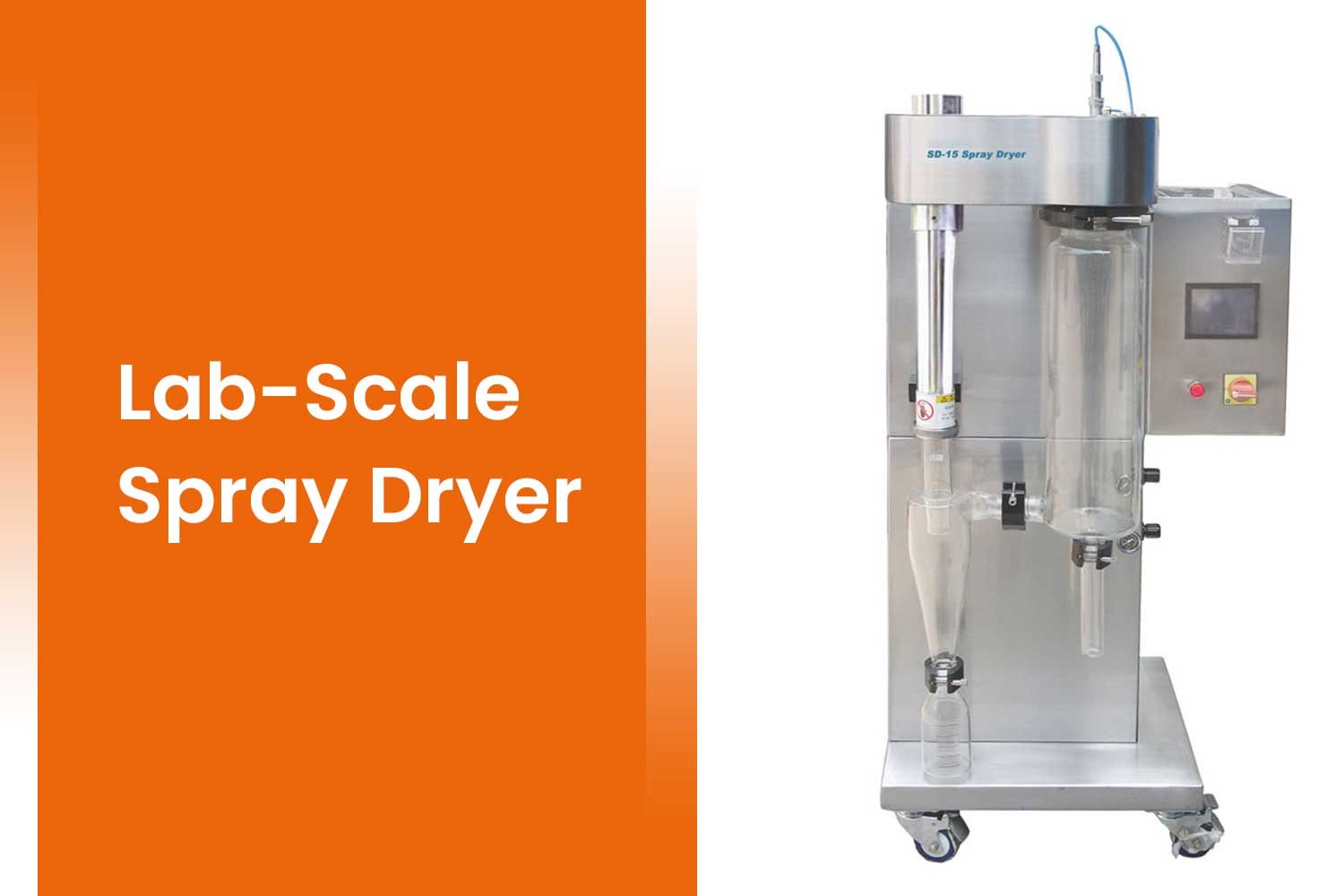
A lab-scale spray dryer is one of the key food product development lab tools used to convert liquid foods, such as juices, flavour blends, or vitamin solutions, into powder form. It is commonly used in powdered drinks, seasonings, flavours, and health ingredients, making it an important part of modern food and beverage lab instruments.
The latest models, included among advanced food lab products and food and beverages life science lab instruments, are compact, safe, and offer precise control over temperature and drying speed. They are ideal for small-batch trials before scaling up, especially when working with heat-sensitive ingredients like probiotics or herbal extracts.
pH Meter and Water Activity Meter
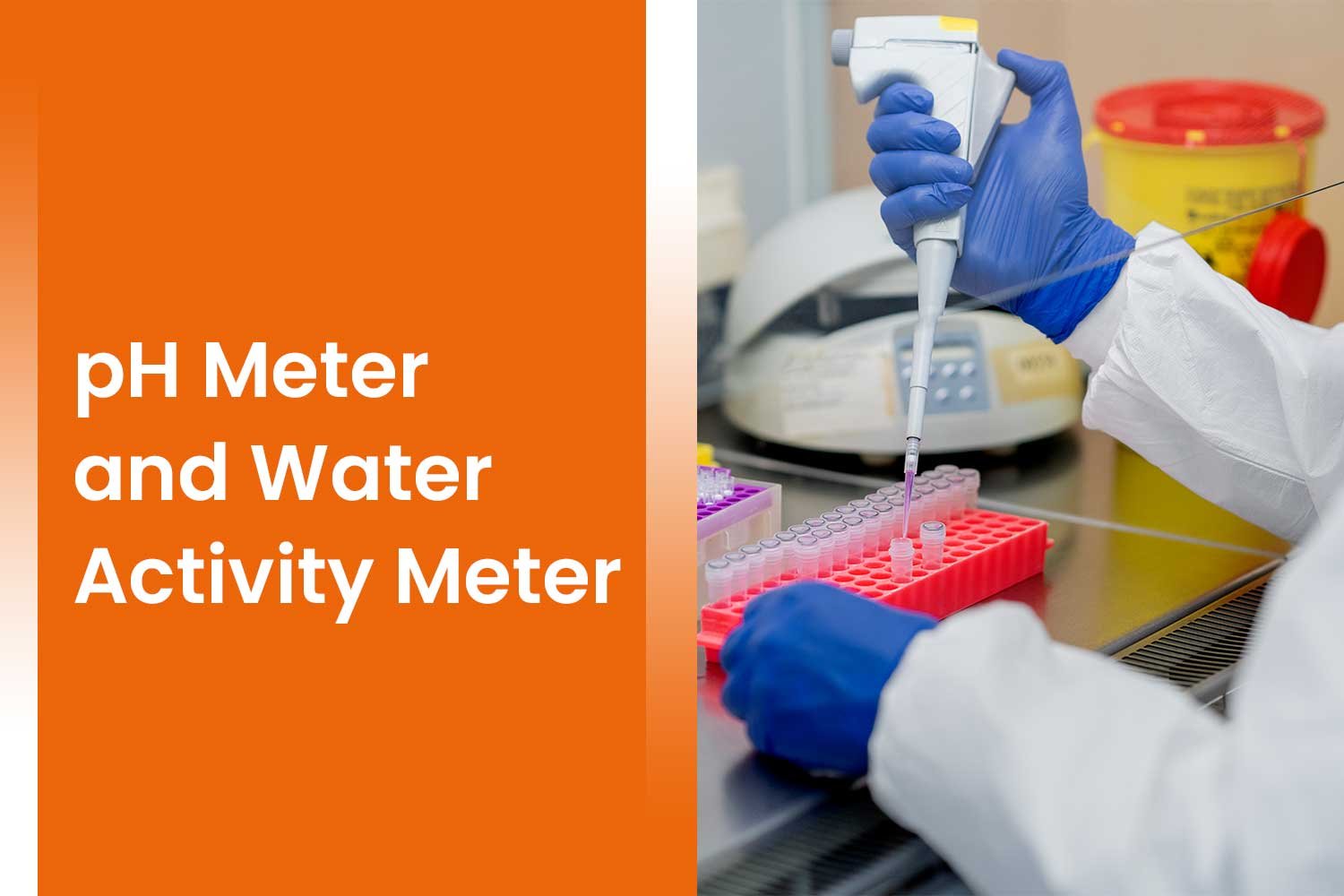
Both food product development lab tools 2026 are very important for making food that stays fresh and safe. A pH meter checks how acidic or alkaline your food is. It is important for sauces, pickles, and fermented items. A water activity meter checks how much water is “available” for bacteria to grow in dry foods like snacks or cookies.
Modern meters are faster, more accurate, and even come with apps to track and save your results. These food product development lab tools 2026 help you reduce preservatives while still making shelf-stable products.
Benchtop Rheometer
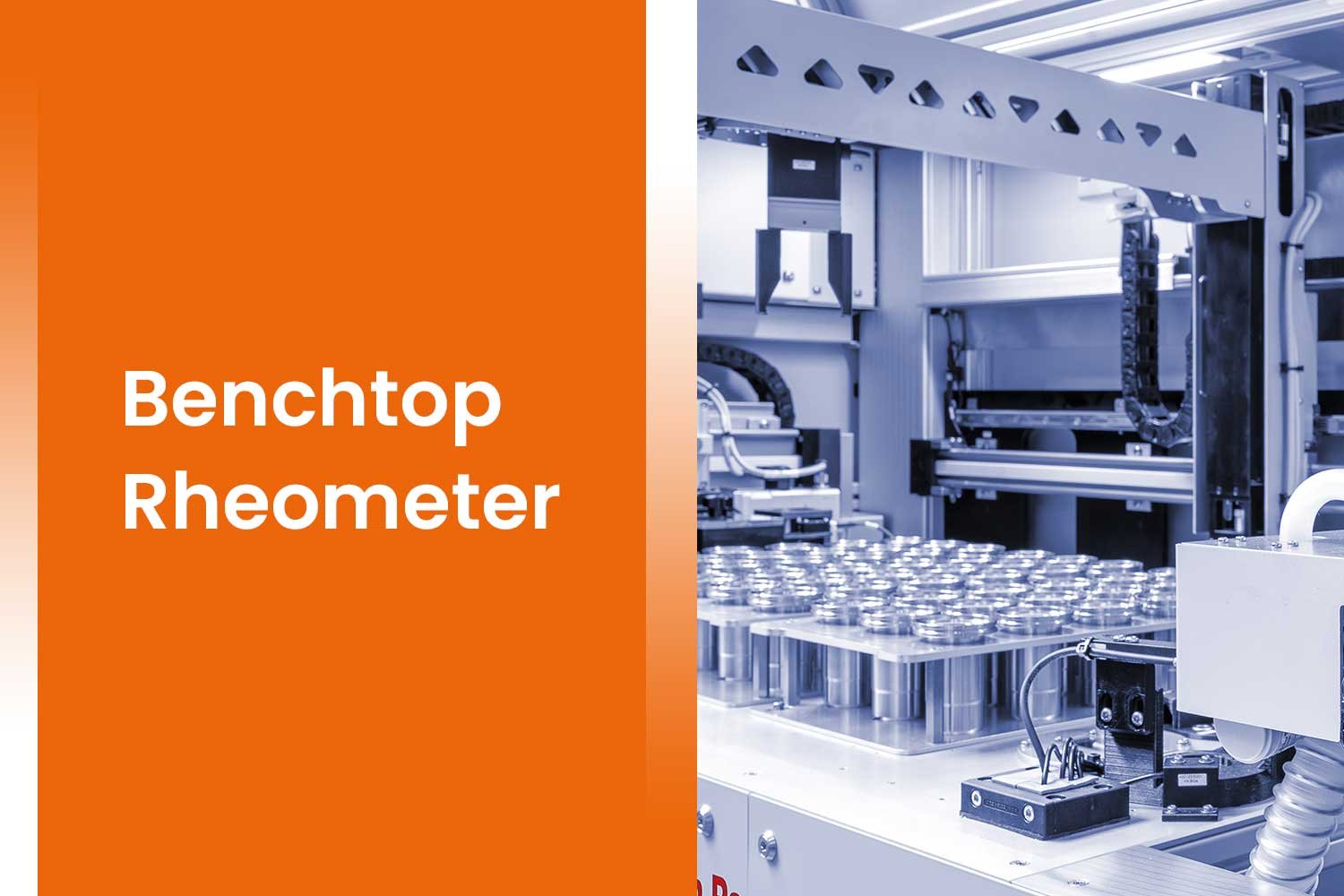
A rheometer checks how a product flows; how thick it is, how it spreads, or how it changes when stirred or poured. It is more advanced than a regular viscosity meter.
This food recipe formulation lab tool is very useful for sauces, gravies, dips, yoghurts, and plant-based beverages. It helps you make sure your product is easy to use, but does not separate or feel watery over a longer period. In 2026, benchtop rheometers are more user-friendly, with software that shows flow curves and gives real-time feedback.
Colorimeter Or Spectrophotometer
Colour affects how people feel about food. A small colour change can make a product look “off” or stale. A colourimeter or spectrophotometer measures colour values scientifically, so you don’t have to guess.
These food product development lab tools 2026 help you see if your product’s colour stays the same across batches, whether it’s a juice, bakery item, sauce, or plant-based meat. In 2026, advanced models can even detect slight changes in freshness or overcooking using light and image data.
Lab-Scale Extruder
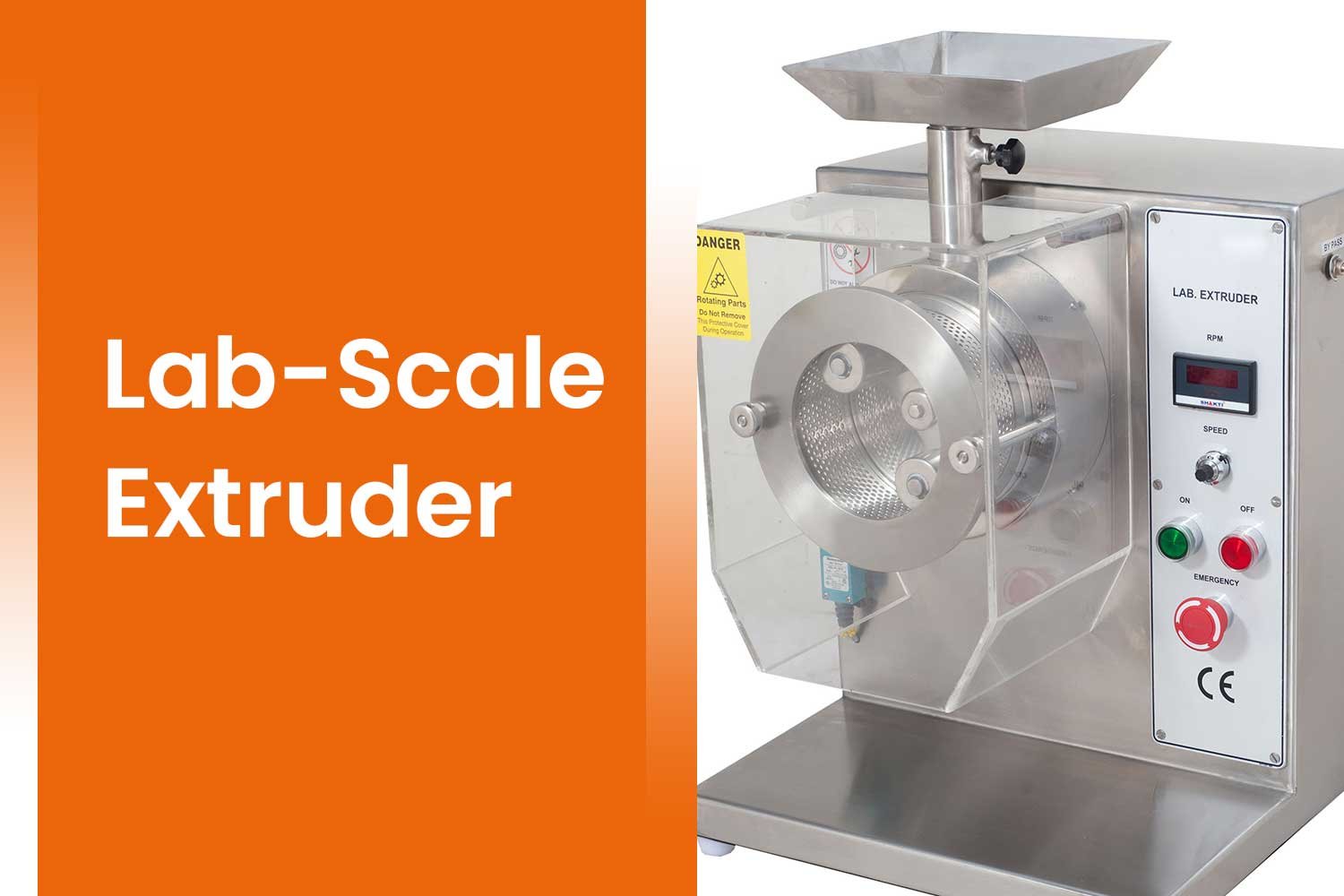
The lab-scale extruder shapes and cooks food under pressure. You’ll need this tool if you’re working on snacks, cereals, pasta, or plant-based meats. A lab-scale extruder is perfect for small trials before going into large production.
Modern versions let you control heat, screw speed, and ingredient moisture, all of which affect the texture and shape. Lab-scale extruders are now more compact and allow more flexible testing of different shapes and ingredients.
Sensory Evaluation Kit and Software
Even with all the scientific food product development lab tools, human taste testing is still key to product success. Sensory kits help run tests like triangle tests (to compare products), aroma intensity checks, and mouthfeel evaluations. But now, digital tools are making this process faster and more reliable.
With sensory software, you can collect panellist responses, compare scores, and even use AI to predict whether people will like a new version of a product. This speeds up decisions and makes testing more data-driven.
Gas Chromatography-Mass Spectrometry (GC-MS)
This is a more advanced tool, but it’s becoming common in labs working with flavours, natural extracts, or botanical products. GC-MS breaks down food into its tiny aroma molecules so you can see exactly what gives your product its smell or if there’s any unwanted odour.
It helps in quality control of herbal teas, essential oil-based drinks, or even fermented foods. Newer food formulation tool models in 2026 are smaller, faster, and come with food-specific libraries that make analysis simpler for food R&D teams.
Rapid Microbial Testing Kits
Food safety is important, even in early-stage lab samples. Rapid microbial kits test helps to test bacteria in just a few hours instead of waiting 2-3 days. This helps food product development labs move faster with trials.
These kits are now based on smart methods like ATP testing or LAMP testing. They connect to a mobile app or cloud software so you can track hygiene trends or approve samples quickly.
Lab-Scale Fermenter or Bioreactor
Fermentation is growing in popularity, not just for yoghurt or kombucha, but for probiotic drinks, postbiotic foods, or fermented plant proteins. A lab-scale fermenter tool helps control all parts of the fermentation process, like temperature, air flow, and pH.
In 2026, these fermenters will come with touch panels, automatic controls, and data recording. They are perfect for brands working on gut health or clean-label fermented products and want more accuracy in early trials.
In A Nutshell
In 2026, food innovation is moving faster than ever. To stay ahead, your food product development lab must have the right food product development lab tools, not just for quality, but also for safety, speed, and creativity.
From basic weighing to advanced flavour testing, every tool of the food recipe formulation lab helps reduce development time, avoid errors, and ensure your product is ready for the real market.
Need expert help building your R&D lab?
Talk to our food recipe formulation consultants for customised advice on choosing the right food R&D equipment based on your category and budget. We’ll help you build a lab that supports your growth, from first idea to successful product launch, with the best food product development lab tools for food technologists.
Contact us at +91 8130404757 now!

FAQs
Q1. What lab equipment is essential for food product development in 2026?
Key equipment includes pH meters, moisture analysers, texture analysers, stability chambers, microbiology kits, and high-precision digital scales.
Q2. How do R&D labs test food safety?
Labs use microbial testing kits, ATP testers, incubators, and rapid pathogen detection tools to ensure product safety.
Q3. What tools are used to determine the shelf life of food products?
Stability chambers, accelerated ageing units, moisture analysers, and environmental control systems help predict shelf life.
Q4. Why is a texture analyser important in food development?
It measures firmness, crunchiness, chewiness, and elasticity to maintain consistent product quality.
Q5. How do moisture analysers help in food formulation?
They measure water activity and moisture content, which are critical for shelf life, safety, and consistency.
Q6. Which digital tools improve food formulation speed and accuracy?
AI formulation software, smart sensors, digital scales, data loggers, and automated measuring systems enhance efficiency.
Q7. How do labs ensure consistency in food product development?
By using standardised instruments, automated mixers, controlled environments, and digital monitoring systems for repeatable results.