Have you ever wondered how food products reach the market safely and why certain additives are approved while others are not?
Behind every launch lies strict food product compliance and safety checks. In today’s fast-moving industry, innovation must align with food regulatory compliance standards. During formulation and launch, companies must follow labelling laws, ingredient approvals, safety norms, and quality benchmarks.
That’s where product development compliance becomes essential. It ensures that new products not only meet consumer expectations but also follow legal and regulatory requirements before entering the market.
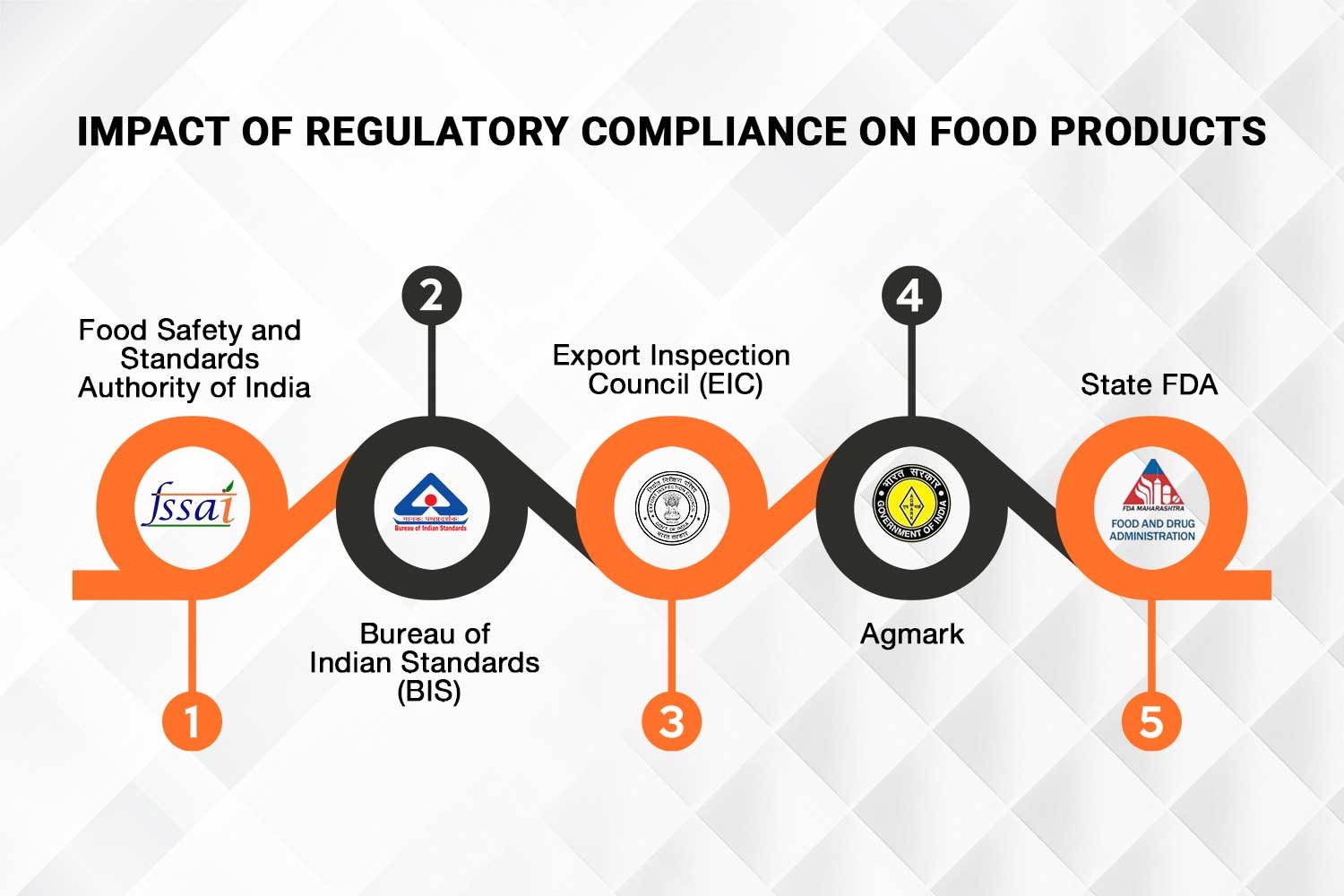
Impact Of Regulatory Compliance On Food Products
To follow the rules and regulations in new food product development perfectly, you must be aware of the major regulatory bodies and standards that govern food safety. Let’s get into this and read about different bodies that make sure of food safety:
- Food Safety and Standards Authority of India: India’s apex body for food regulatory compliance and food product compliance, ensuring food safety, labelling standards, licensing, and additive regulations under the Food Safety and Standards Act, 2006 (FSSAI), forming the core of product development compliance.
- Bureau of Indian Standards (BIS): Make sure the quality and safety of the packaged drinking water, honey, as well as other foods through certification.
- Export Inspection Council (EIC): Governs the quality of food products exported from India.
- Agmark: Aims at an organisation for grading and standardisation of primary agricultural and horticultural produce.
- State FDA: Check compliance at the state levels, particularly for local manufacturers.
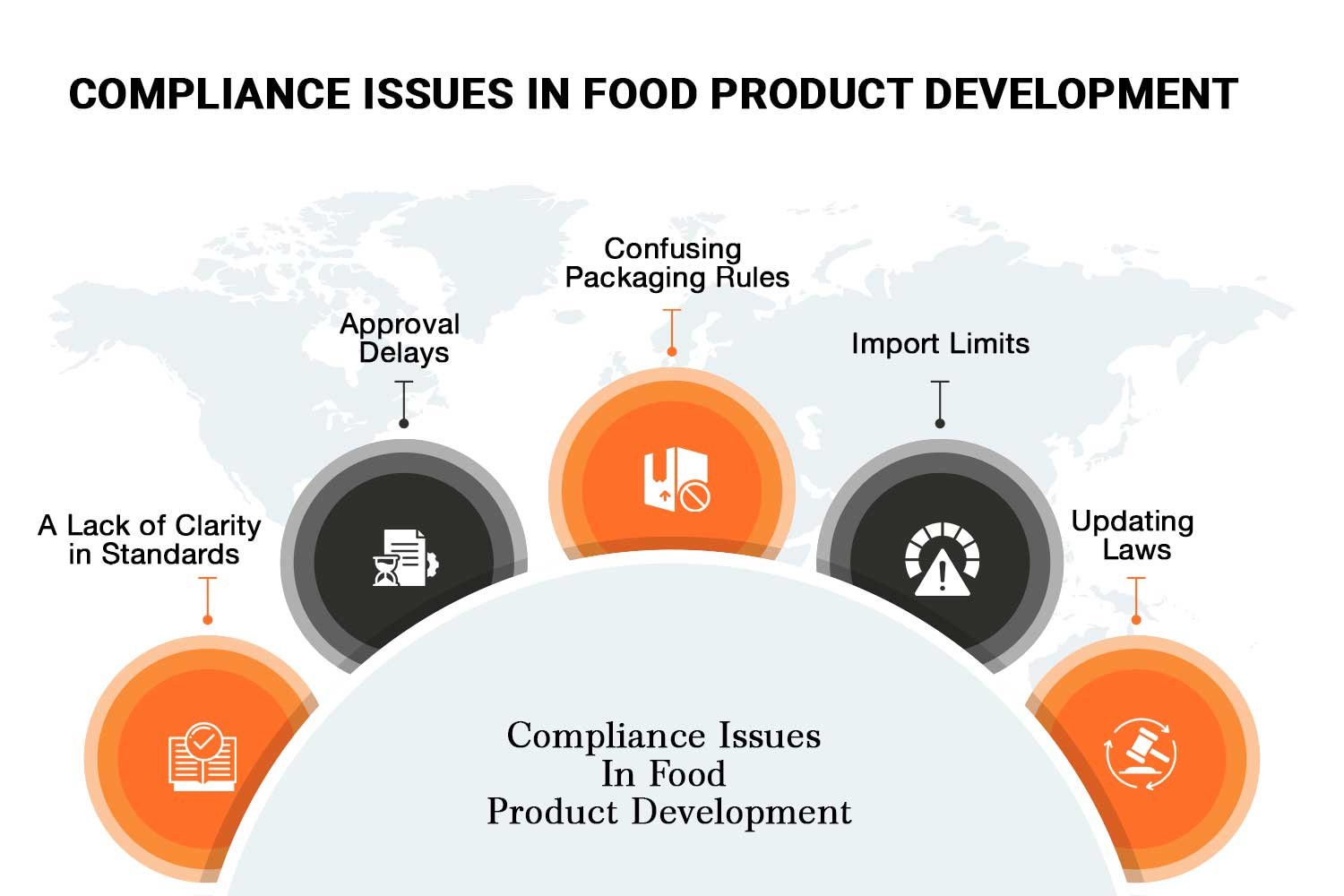
Compliance Issues In Food Product Development
- A Lack of Clarity in Standards: Lack of clarity in standards of up-and-coming categories such as plant-based proteins, functional foods, supplements, etc.
- Approval Delays: Product approvals take longer to be granted on claims of new ingredients or formulations.
- Confusing Packaging Rules: Some of the laws in the country pertain to the labelling of ingredients, nutrition, and allergens.
- Import Limits: Technical barriers due to restrictions on buying some of the raw materials or additives.
- Updating Laws: This is considered to be creating a problem for businesses to stay compliant.
Case Studies Of Food Product Development Regulatory Compliance: Failures & Lessons
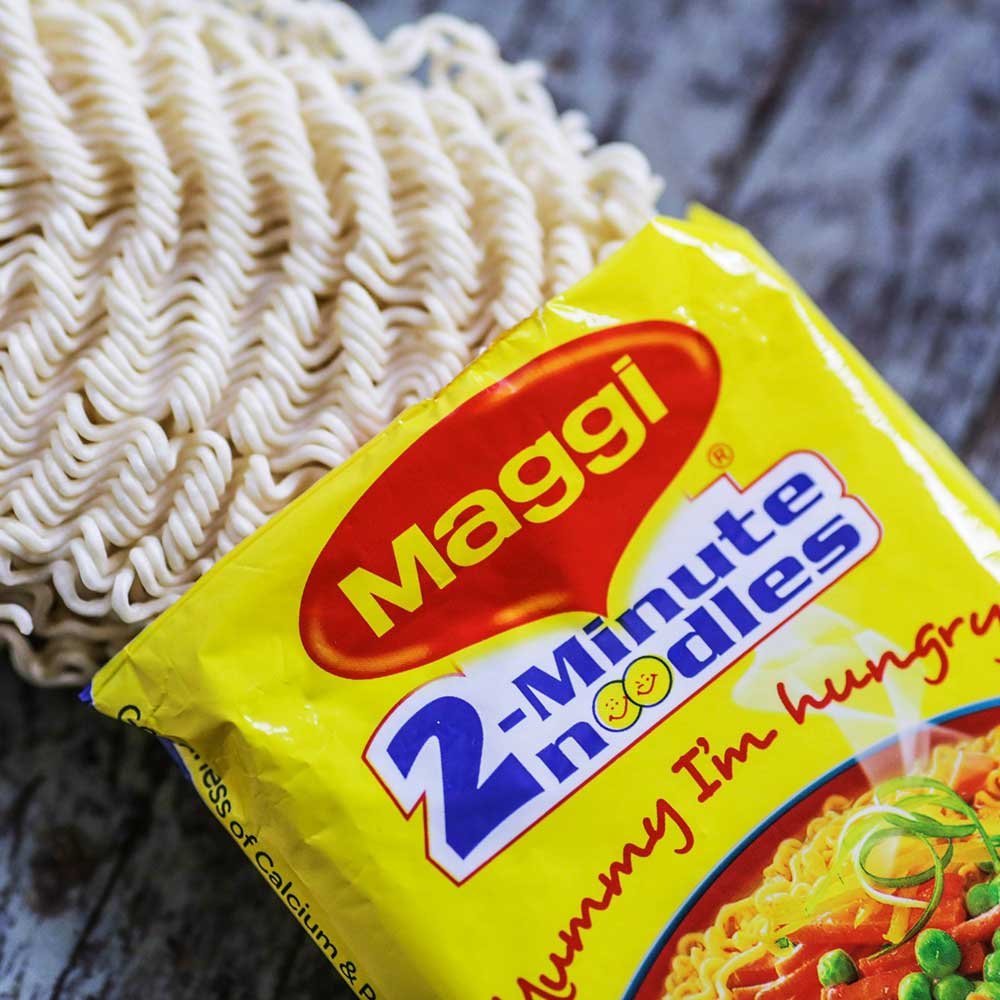
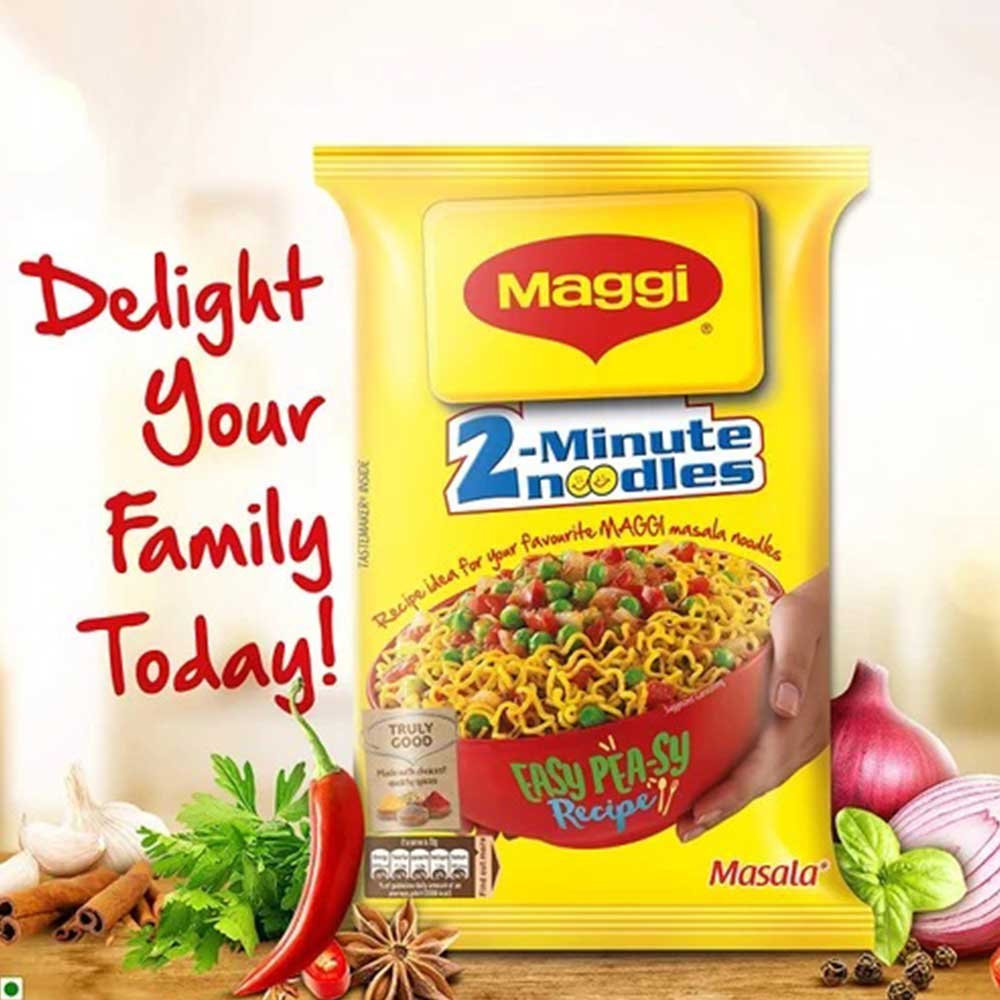
1. Maggi Noodles: Lead and MSG Controversy
In 2015, Maggi noodles were nationwide banned due to tests that reportedly found high lead content of monosodium glutamate (MSG), though its existence was not indicated on the food packet.
Impact:
- Loss of consumer trust.
- It is estimated that it has lost nearly ₹ 2000 crores in the financial sense.
- Put pressure on Nestlé to change its quality and compliance management systems.
These challenges should be dealt with through frequent testing and correct labelling to avoid such setbacks.
2. Hindustan Unilever (HUL): Failure in Labelling ( link add )
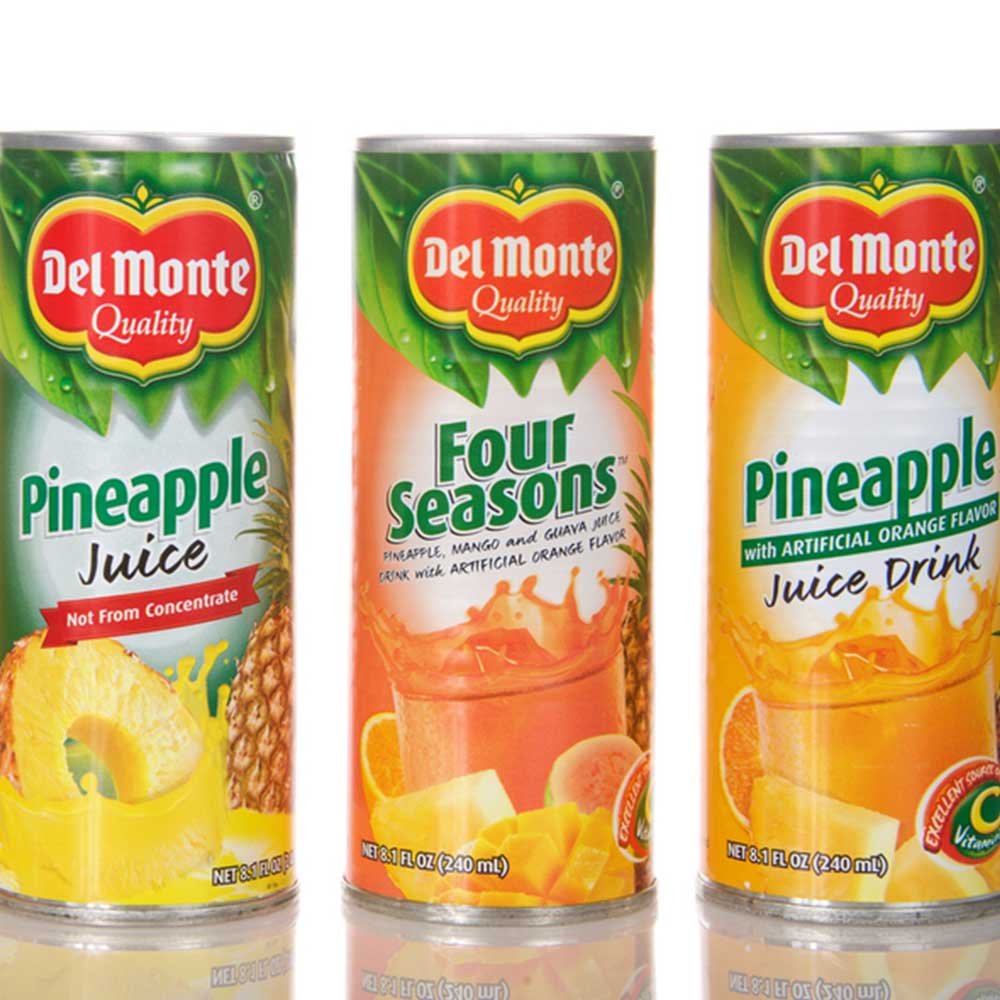
3. Del Monte Food Products: Import Challenges
Faced regulatory hurdles due to strict food regulatory compliance requirements for imported food labelling and approval of additives in processed products, highlighting gaps in food product compliance.
Impact:
- Supply chain disruptions
- Increased costs due to re-labelling and regulatory adjustments
Strong product development, compliance and understanding of import regulations are essential to avoid delays, penalties, and additional operational costs.

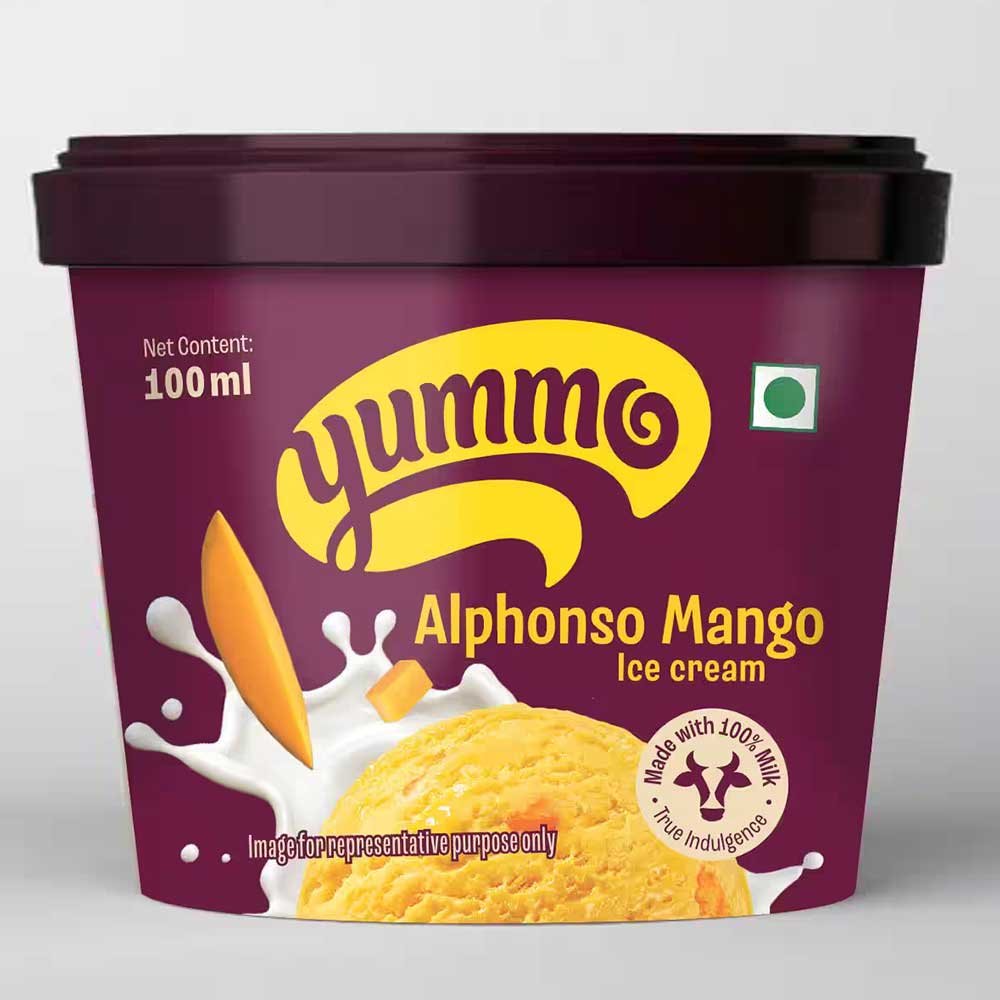
4. Yummo Ice Cream: Undisclosed Additives
Action was taken against a local ice cream brand for using unapproved stabilisers, violating food product compliance and food regulatory compliance norms.
Impact:
- Product recall.
- Damaged reputation.
Always verify the legal status of additives and ensure proper disclosure to meet food regulatory compliance standards.

Steps For Managing Food Product Regulations In India
Getting ready for the various steps to manage food regulations in India requires a detailed approach. This includes multiple steps to ensure compliance at every stage of new food product development. Here’s this process:
1. Conduct Regulatory Compliance Analysis
Perform a detailed food product compliance review during new product development. Check approved ingredients, prohibited additives, labelling laws, and FSSAI guidelines to ensure full food regulatory compliance.
2. Monitor Regulatory Updates
Stay updated with changes in food regulatory compliance rules from authorities like FSSAI, FDA, and Codex to avoid penalties and delays in product development compliance.
3. Hire Compliance Experts
Work with regulatory consultants and legal advisors specialising in food product compliance to navigate complex laws and ensure smooth approvals.
4. Implement Quality Management Systems (QMS)
Adopt standards like ISO 22000 or FSSC 22000 to maintain product development compliance across sourcing, formulation, processing, and packaging. Conduct regular audits.
5. Maintain Documentation & Communication
Keep accurate records, labelling documents, test reports, and compliance certificates to support strong food regulatory compliance and regulatory inspections.
Common Compliance Challenges And How We Solve Them
While managing food regulations regarding food product formulation, several compliance challenges may arise. However, we proactively address these challenges to avoid potential issues. See how:
1. Correct Labels and Statements: Mislabeling can cause regulatory action. We ensure accurate, compliant, and transparent food product labels.
2. Safe Ingredients and Additives: We verify that all ingredients and additives meet regulatory guidelines, stay within permissible limits, and ensure food safety during new product development.
3. Following Good Manufacturing Practices (GMP): We follow strict GMP standards to ensure consistent quality, reduce contamination risk, and maintain food safety in product development.
How We Support Startups With Food Product Development Regulatory Compliance?
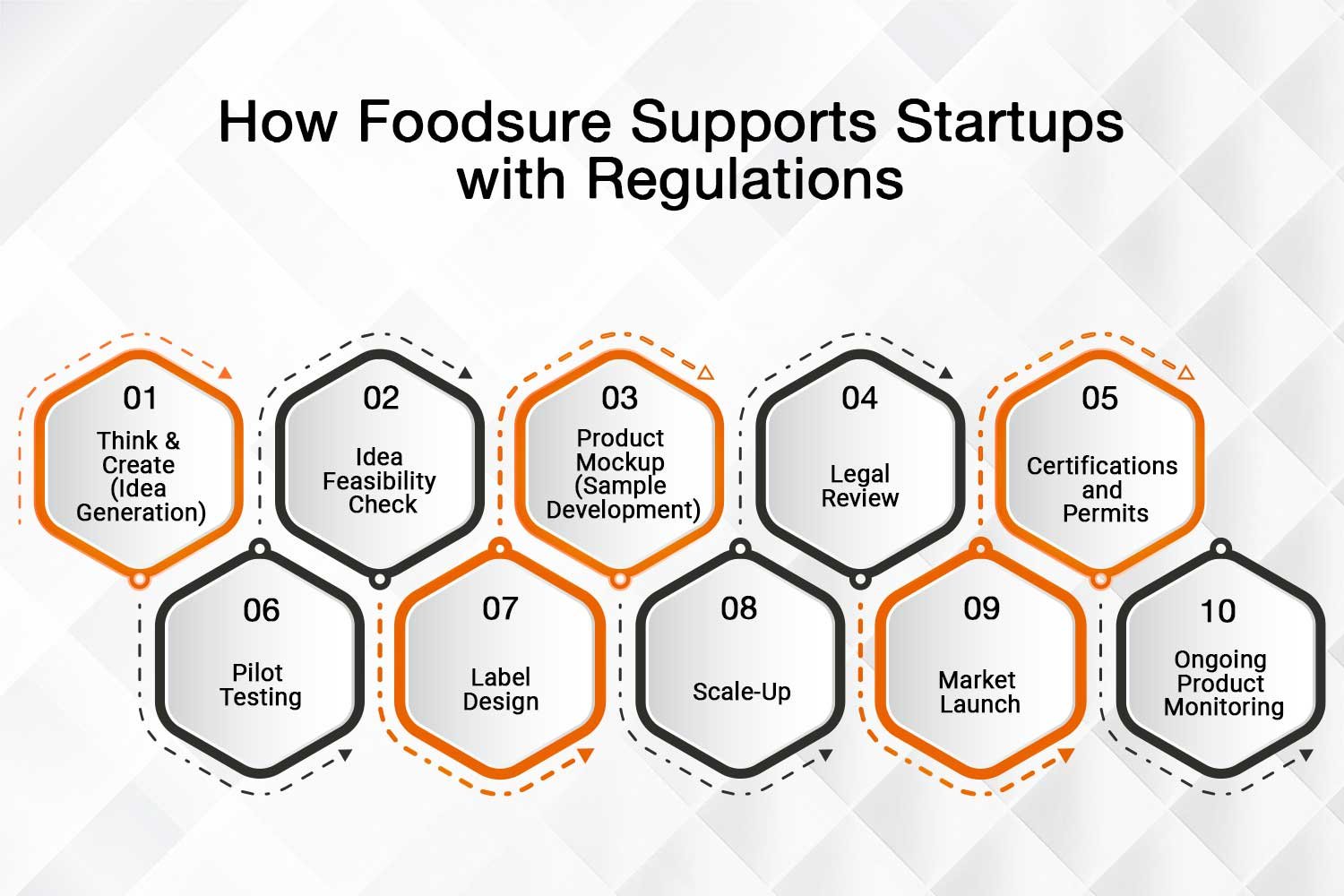
Through our practical experience, we specialists help startups manage the complex regulatory environment linked with the creation of food products. Our 10-stage approach makes sure to detail compliance and support innovation:
- Think & Create (Idea Generation): We share guidance in the idea development and the matching of those ideas to the regulatory standard.
- Idea Feasibility Check: We check that the ingredients used and the processes come to compliance with the FSSAI regulations and other requirements.
- Product Mockup (Sample Development): Making samples to meet the legal provision.
- Legal Review: This means that the buyer should give a thorough check of the major categories of foods, including ingredients, labels, and any claims made on the foodstuffs.
- Certifications and Permits: Help to get the required certifications and approvals.
- Pilot Testing: Making sure the process meets legal requirements.
- Label Design: Pre-labelling with the right nutrient and Allergy information.
- Scale-Up: Making sure all standards are followed during production.
- Market Launch: Checking marketing promotions and rules during production.
- Ongoing Product Monitoring: Compliance checks and updates are made regularly.
Why Choose Foodsure For Regulatory Compliance?
Partner with Foodsure for expert food product compliance and seamless food regulatory compliance.
- FSSAI & BIS expertise
- 200+ successful compliant launches
- End-to-end product development compliance support
- Customised solutions & advanced lab testing
- Transparent, reliable process
Launch your food product with confidence.

Read More: Trends In Food Product Development For 2024-2025
Don’t Let Regulations Slow Down Your Product Launch!
Ready to launch your next innovative food or beverage product with complete food product compliance and food regulatory compliance?
Our team of expert consultants ensures end-to-end product development compliance, from formulation and labelling to approvals and market launch. We help you create safe, compliant, and market-ready products without regulatory delays.
Partner with our team today and turn your idea into a successful, fully compliant product.
Contact us at +918130404757 now to get expert guidance and start your journey!
FAQ’s
Q1. What is regulatory compliance in food product development?
Regulatory compliance ensures your product meets FSSAI rules for safety, labelling, hygiene, and quality before market launch, avoiding penalties and delays.
Q2. Why is food regulatory compliance crucial for startups in 2026?
With stricter FSSAI monitoring and rising consumer awareness, compliance prevents legal risks, builds trust, and accelerates product approvals.
Q3. What licenses are mandatory to launch a food product in India?
You need an FSSAI License, GMP/HACCP certification, proper labelling compliance, and packaging approval under FSS regulations.
Q4. What documents are required for FSSAI product approval?
Formulation details, ingredient list, nutritional analysis, shelf-life study, manufacturing license, and compliant label artwork.
Q5. How does FSSAI check new food products?
FSSAI verifies approved additives, hygiene standards, nutrient claims, packaging norms, and lab test reports before approval.