Most food founders confuse a food technologist with a chef or a food scientist. But the difference is everything especially when you are trying to build a scalable, compliant, and market-ready food brand in India.
A food technologist is a trained professional who sits at the intersection of food science, engineering, regulatory compliance, and consumer behavior. They do not just create recipes they engineer food products that can survive real-world conditions: factory production lines, transport, retail shelves, and demanding consumers.
Here is what a food technologist actually does on a day-to-day basis for a food business like yours:
- Formulation and Recipe Scaling: Converts your kitchen recipe into a factory-ready formulation with exact ingredient ratios, processing parameters, and batch reproducibility.
- Shelf Life Engineering: Uses water activity, pH mapping, packaging science, and preservation techniques to determine exactly how long your product stays safe and fresh.
- Ingredient Sourcing and Substitution: Finds cost-effective, compliant ingredient alternatives without compromising taste, texture, or nutritional profile.
- Regulatory Filing and Label Creation: Prepares FSSAI product approval documentation, nutrition facts panels, ingredient declarations, and compliant artwork briefs.
- Process Optimization: Designs the manufacturing SOP equipment specs, temperature-time profiles, hygiene checkpoints so your product is made identically every single time.
- Quality Control Systems: Builds the QC framework including in-process checks, finished product testing protocols, and microbiological safety standards.
- New Product Development: Researches market gaps, designs prototype formulations, runs sensory panels, and iterates until the product is launch-ready.
Without a food technologist, most food startups spend 6 to 18 months in trial-and-error, burning lakhs on failed batches, compliance errors, and rejected products. With one, your path from idea to shelf compresses to weeks.
Food Technologist vs Food Scientist vs Food Consultant What Is the Difference?
This is one of the most searched questions in India’s food startup ecosystem and the answer directly affects who you should hire.
| Parameter | Food Technologist | Food Scientist | Food Consultant |
|---|---|---|---|
| Primary Role | Converts science into market-ready products | Conducts research on food properties | Advises on strategy, compliance, business |
| Where They Work | Factory floor, R&D lab, product kitchen | University, research institute, CSIR labs | Remotely or on-site, project basis |
| Best For | Scaling production, formulation, QC | Pure research, novel ingredient discovery | Regulatory strategy, market entry |
| Education | B.Tech / M.Tech Food Technology | M.Sc / Ph.D Food Science | Varied, often food tech plus MBA |
| What Foodsure Offers | Full Formulation and QC | R&D Support | End-to-End Consulting |
The smartest food brands hire all three capabilities often through one expert partner. That is exactly what Foodsure provides: a team that combines food technology execution, food science innovation, and consulting strategy in one integrated model.
Who Actually Needs a Food Technologist in India?
Not every business needs a food technologist at the same stage. Here is an honest breakdown so you can make the right call for your brand.
You Urgently Need a Food Technologist If:
- You have a food or beverage product idea and want to bring it to market within 3 to 6 months
- Your current product has inconsistent taste, texture, or appearance batch to batch
- You received an FSSAI notice or failed a food safety audit
- Your product’s shelf life is lower than what retail requires most modern trade wants 12 or more months
- You are planning to export your product and need Codex, US FDA, or EU compliance
- You are raising funding and investors are asking for technical documentation, formulation IP, or manufacturing readiness proof
- You want to list on Blinkit, Zepto, or Amazon Fresh where product spec sheets and lab reports are mandatory
You Can Wait If:
- You are still at pure ideation stage with no prototype at all
- You run a hyperlocal business one-city restaurant or cloud kitchen with no plans to scale or go retail
But here is the reality most founders learn the hard way: waiting costs more than starting. Every month without proper formulation documentation is a month where competitors with expert backing move faster, raise smarter, and reach retail first.
How Foodsure’s Food Technologist Team Works Our 7-Phase Process
Understanding the process before you hire is critical. Here is exactly how Foodsure’s food technologists engage with your project, from the first call to your first commercial batch.
Phase 1: Discovery and Brief (Week 1)
We start with a deep technical brief your product concept, target consumer, price point, packaging format, target shelf life, distribution channel, and regulatory requirements. This shapes everything that follows.
Phase 2: Feasibility and Ingredient Research (Week 1 to 2)
Our food technologists assess ingredient availability, cost viability, regulatory permissibility under FSSAI standards, and potential technical challenges. If your idea has a fundamental problem such as an ingredient not permitted in India we catch it here before you spend money on lab work.
Phase 3: Lab-Scale Formulation (Week 2 to 4)
We develop 3 to 5 prototype formulations in our in-house R&D lab. Each is evaluated on taste, texture, appearance, stability, and nutritional compliance. You participate in sensory review sessions and we iterate based on your feedback.
Phase 4: Stability and Shelf Life Testing (Week 4 to 8)
Your finalized prototype goes through accelerated shelf life studies, water activity mapping, microbiological challenge testing, and packaging compatibility evaluation. This produces the technical shelf life data FSSAI and retail buyers require.
Phase 5: Pilot Batch and Scale-Up (Week 6 to 10)
We take your lab formula and translate it to pilot scale typically 50 to 200 kg batches. This is where most startups fail without expert help, because scaling a formula is not simply multiplying quantities. Equipment parameters, mixing sequences, and heat profiles all change. Our food technologists manage this transition precisely.
Phase 6: FSSAI Documentation and Label Compliance
Simultaneously, we prepare your complete FSSAI registration documentation product composition, manufacturing process description, nutrition facts panel, ingredient declarations in compliant order, and label artwork review against FSSAI Labelling Regulations 2020.
Phase 7: Manufacturer Handoff and SOP Creation
We create your complete manufacturing SOP a document your contract manufacturer can follow to reproduce your product identically, every single batch. This protects your IP and ensures quality consistency across all production runs.
From your first call to your first commercial batch: typically 8 to 14 weeks, depending on product complexity.
Food Technologist in India Scope, Skills, and Why the Industry Is Booming
The Indian food processing industry is one of the largest in the world valued at over 25 lakh crore and growing at 12% CAGR. Within this boom, the demand for qualified food technologists has never been higher.
Why the Scope of Food Technology Is Expanding Right Now
The D2C Food Brand Explosion: India saw over 3,000 new food and beverage D2C brands launch in the last three years. Every single one needs formulation support, FSSAI compliance, and quality systems work that only a trained food technologist can do properly.
Retail Modernization: Quick commerce platforms like Blinkit, Zepto, and Swiggy Instamart now require detailed technical documentation, mandatory lab reports, and specific shelf life guarantees before listing any new product. This creates permanent demand for food technology expertise.
Export Opportunities: India’s food exports crossed $50 billion in FY2023-24. Exporting to the EU, USA, Middle East, or Southeast Asia requires meeting international food safety standards FSSC 22000, BRC, SQF, US FDA PCQI compliance. Companies need food technologists who understand these systems deeply.
Government Push: The PMFME scheme supports small food businesses with technical and financial assistance. Beneficiaries need food technologists to prepare DPRs, formulation documents, and compliance filings to qualify for subsidies.
Consumer Awareness: Indian consumers are now reading ingredient labels, questioning additives, and demanding clean-label, functional, and health-forward products. Creating these products requires advanced food technology expertise not just cooking knowledge.
Core Skills Every Great Food Technologist Must Have
Whether you are hiring one or evaluating one, here are the non-negotiable skills that separate average food technologists from exceptional ones:
Technical Hard Skills: Food formulation and recipe development across product categories, shelf life study design and interpretation, water activity and pH management, HACCP and food safety management systems, nutritional analysis and label calculation, FSSAI and export regulatory knowledge, and packaging material science including barrier properties and migration testing.
Process Skills: Pilot plant operation and scale-up management, manufacturing SOP writing, supplier qualification and ingredient specification management, and batch record documentation under GMP compliance.
Soft Skills: Cross-functional collaboration with marketing, sales, and operations teams, consumer insight translation into product briefs, rapid iteration and problem-solving under production pressure, and clear technical communication to non-technical stakeholders including investors and retail buyers.
At Foodsure, every project team includes food technologists with 5 to 15 years of hands-on industry experience across FMCG, beverages, nutraceuticals, and specialty foods.
Can’t You Just Hire a Freelance Food Technologist? Here Is the Honest Answer
This is a fair question and we want to give you an honest answer.
Yes, freelance food technologists exist on platforms like Kolabtree, Upwork, and LinkedIn. For isolated, clearly defined tasks like reviewing a single label or calculating a nutrition panel a freelancer can work.
But for building a food brand, here is what you actually need.
A single freelancer typically offers one domain. They either know formulation, or regulatory, or manufacturing rarely all three. When you are launching a food product, you need all three simultaneously and in coordination.
Foodsure’s model is different. When you engage us, you get a multi-disciplinary food technology team formulation scientists, regulatory specialists, manufacturing process engineers, and quality systems experts all working on your project under one roof, aligned on one timeline.
The comparison is simple: a freelancer is a specialist surgeon. Foodsure is a full hospital with specialists who coordinate.
For a food startup racing against a fundraising deadline, a retail listing opportunity, or a seasonal launch window fragmented freelancers are a risk. One missed regulatory detail, one failed stability study, one wrong preservative call and your launch is delayed by months.
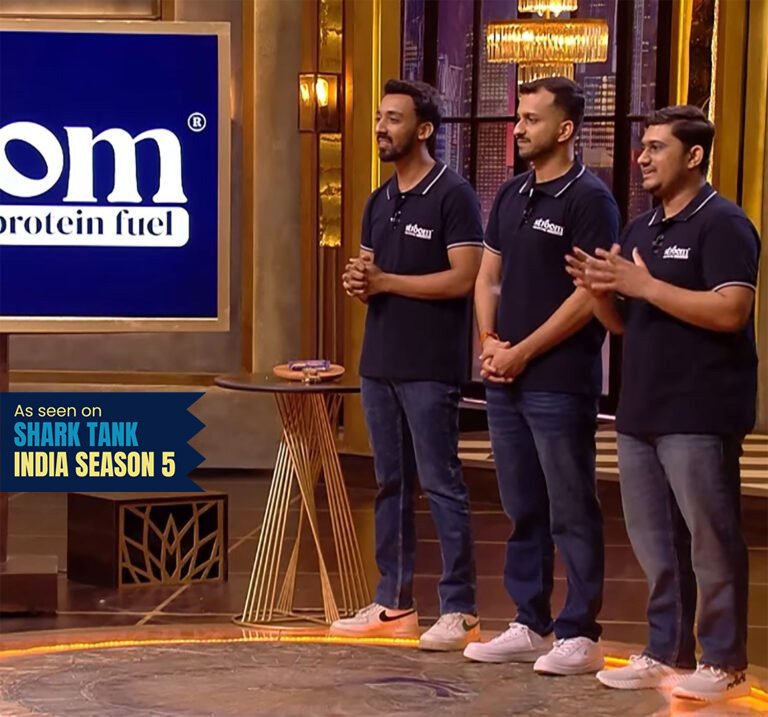
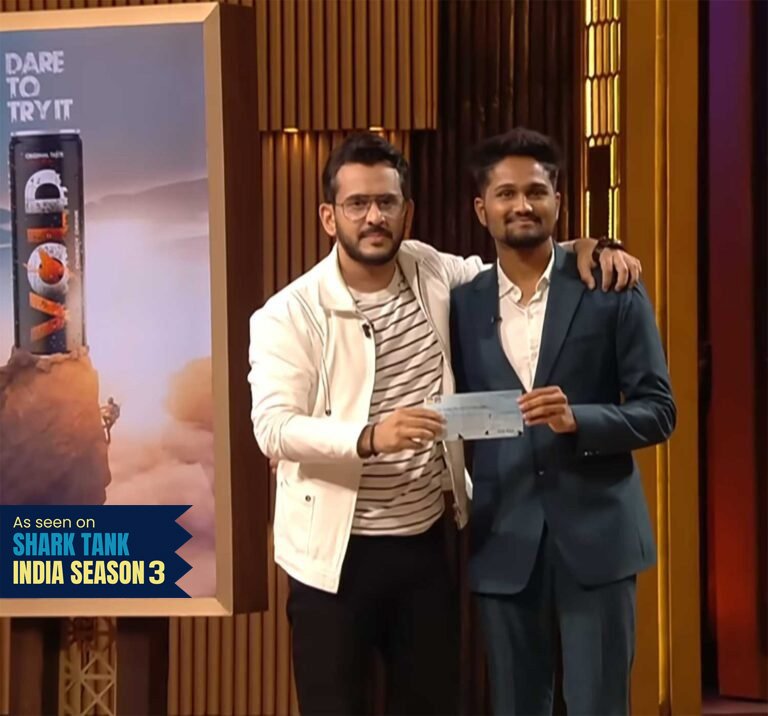
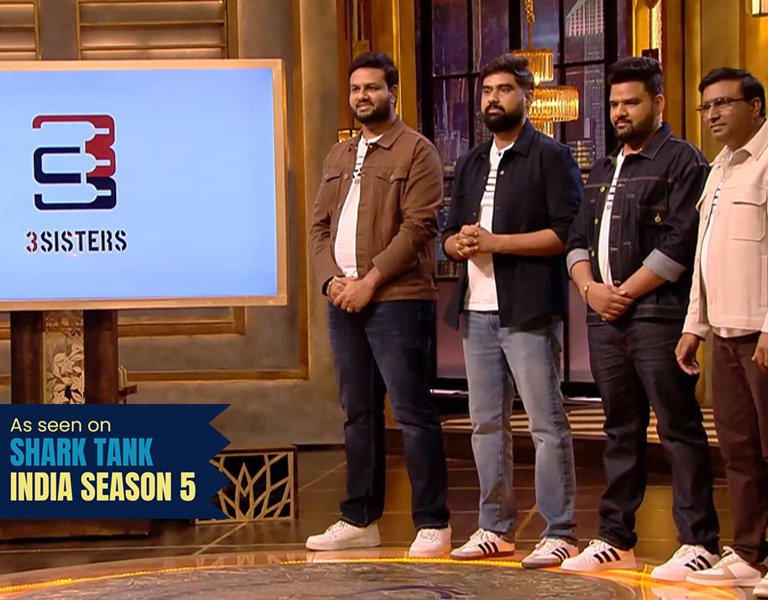
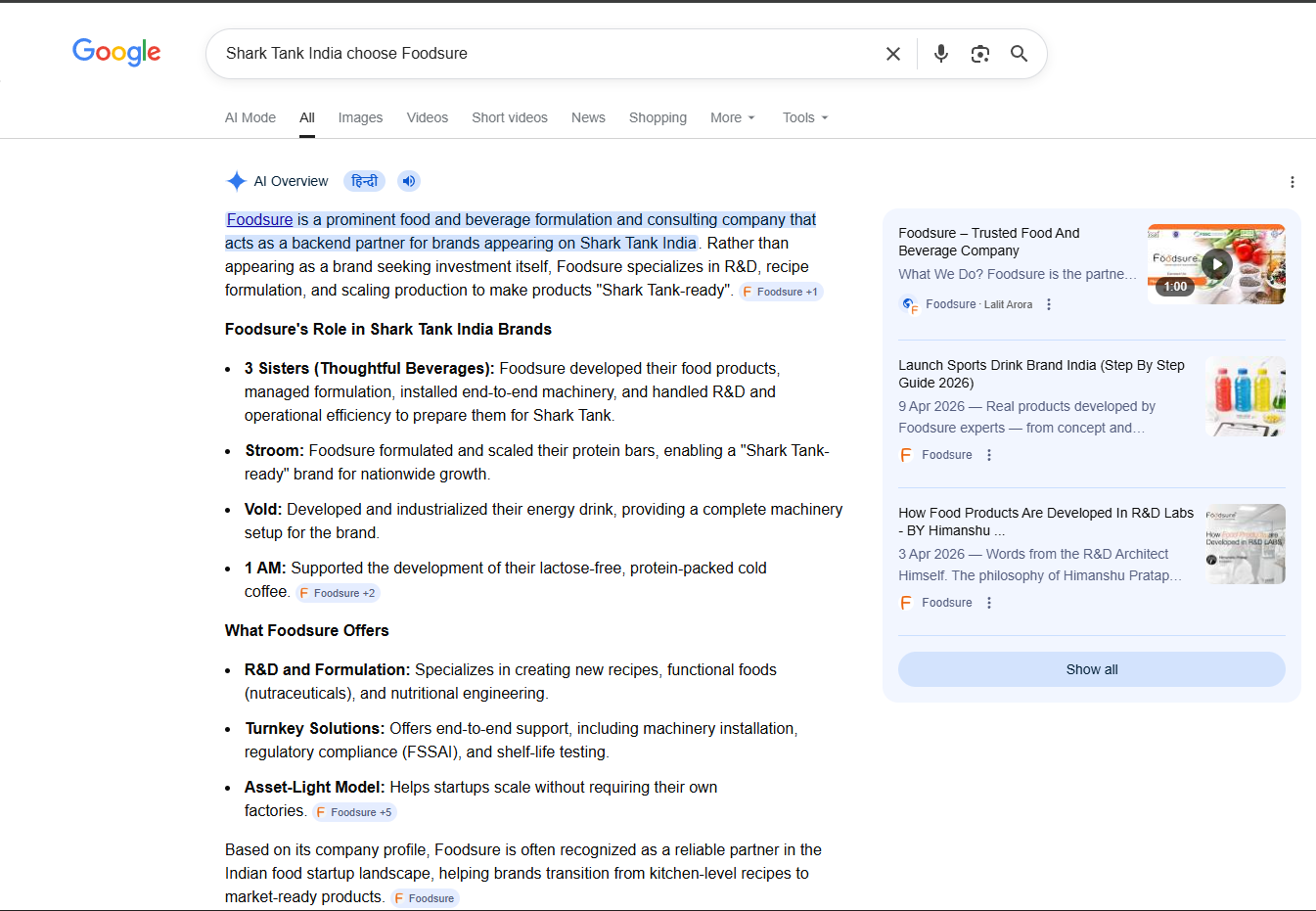
That is why India’s fastest-growing food brands including those featured on Shark Tank India choose Foodsure.
You can search for this google shows accurate results:
Food Technologist Consulting Services Cities and Product Categories We Serve
Foodsure’s food technology consulting team serves food and beverage businesses across India from our base in Noida, Sector 58, Delhi NCR.
Metro Cities: Delhi NCR, Mumbai, Bengaluru, Hyderabad, Chennai, Kolkata, Pune, Ahmedabad
Tier 2 Growth Markets: Jaipur, Surat, Coimbatore, Kochi, Indore, Nagpur, Lucknow, Chandigarh
Export-Oriented Clusters: Rajkot for snacks, Kolhapur for processed foods, Ludhiana for wheat products, Guntur for spices, Malihabad for mango-based products
Product Categories We Specialize In
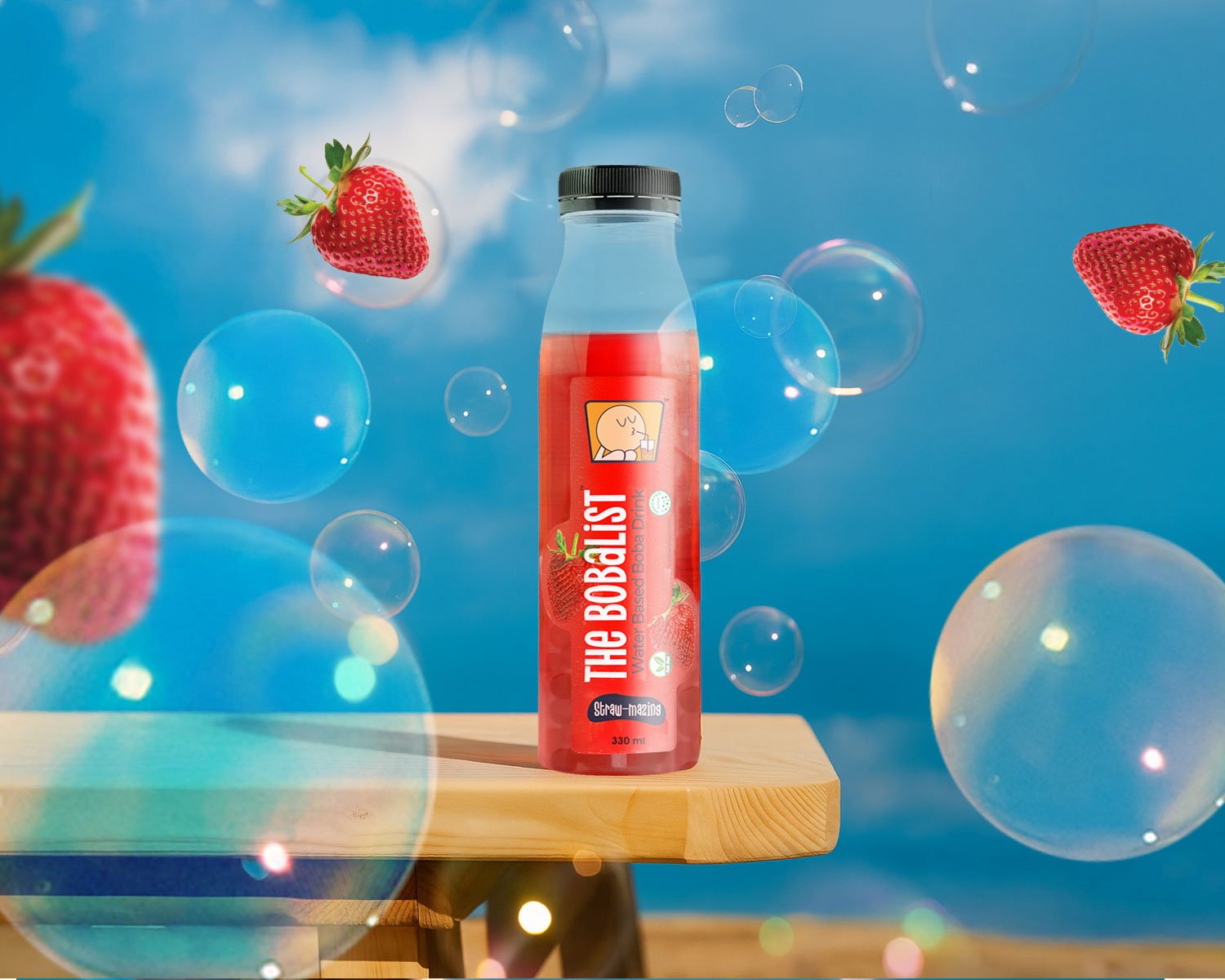
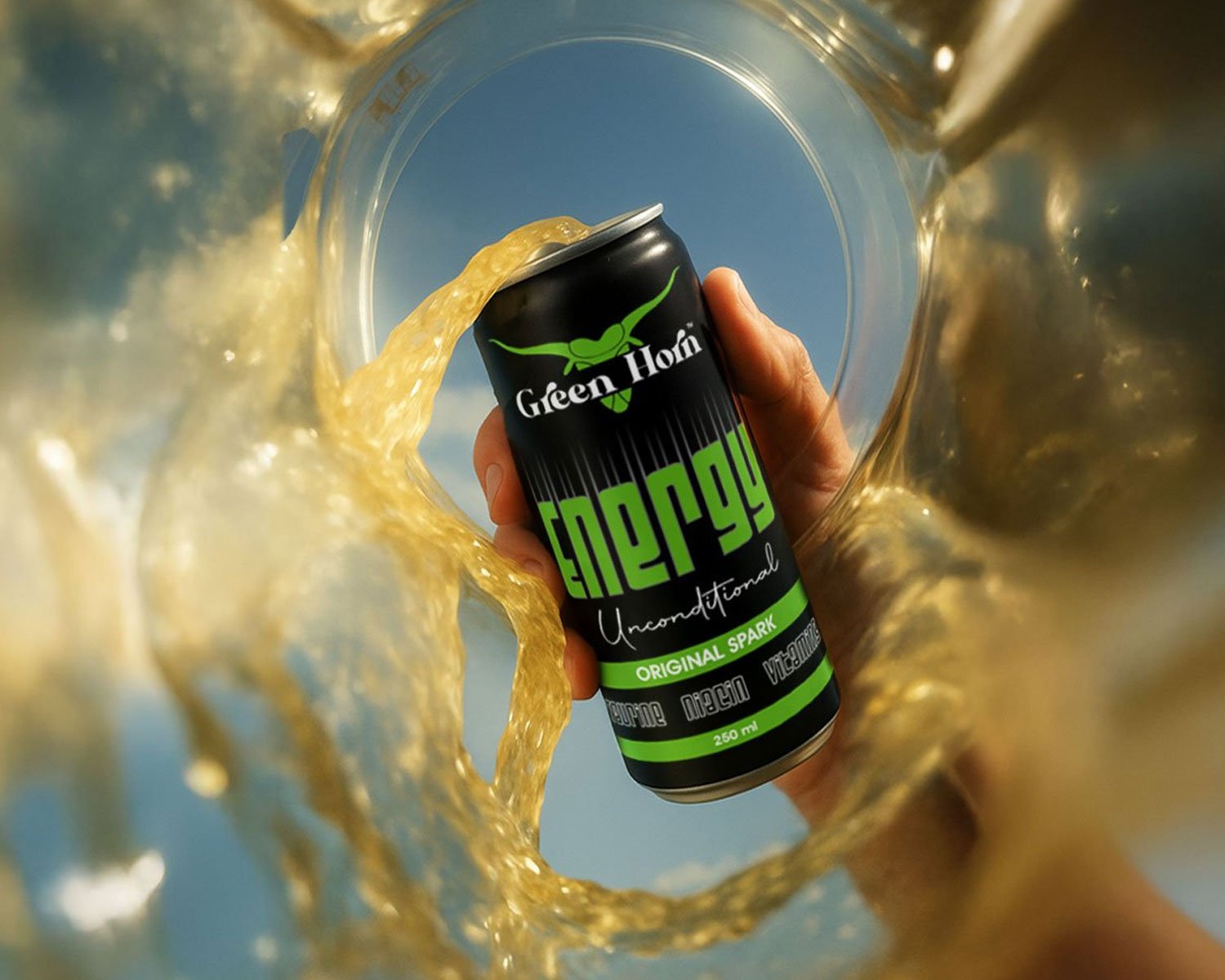
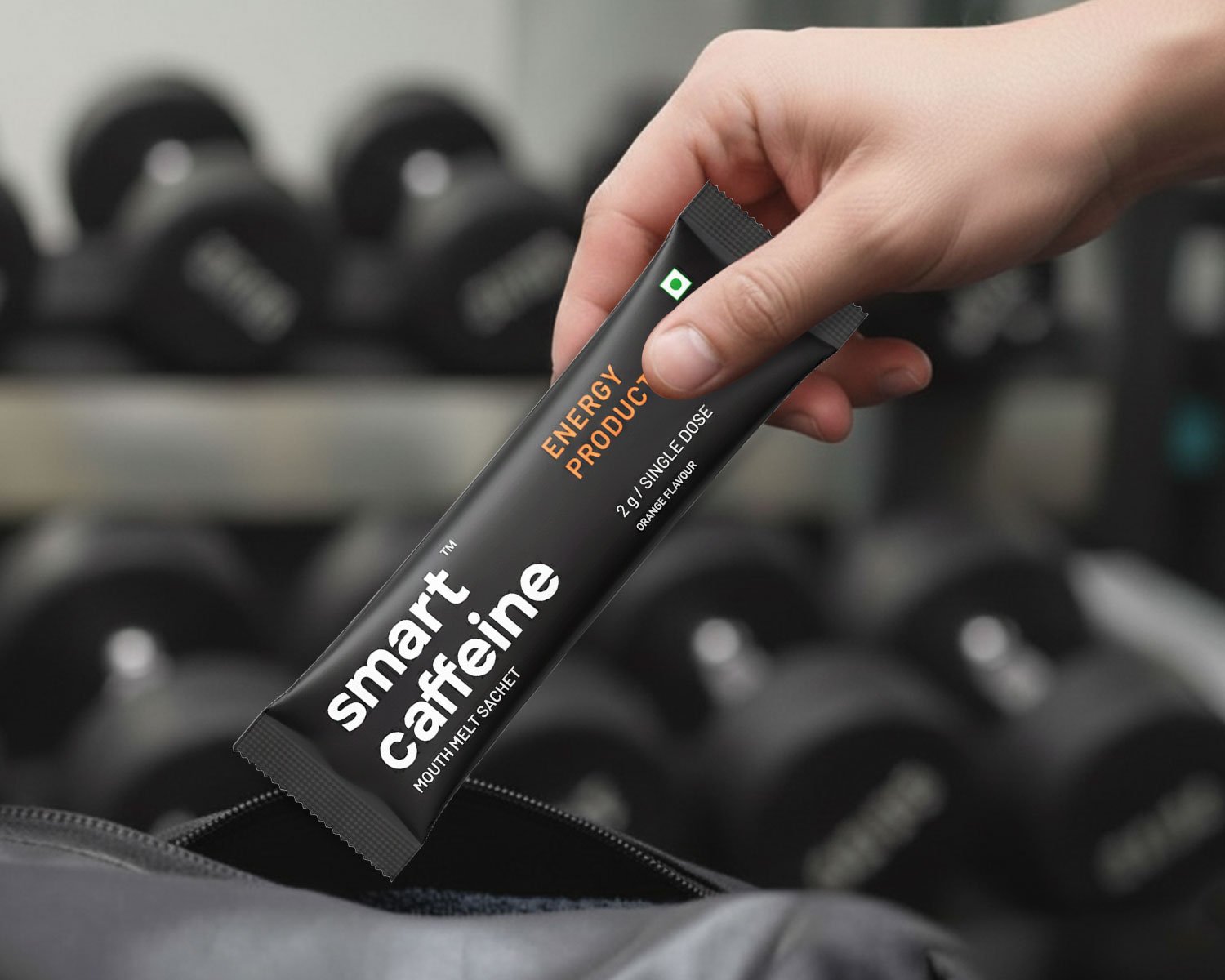
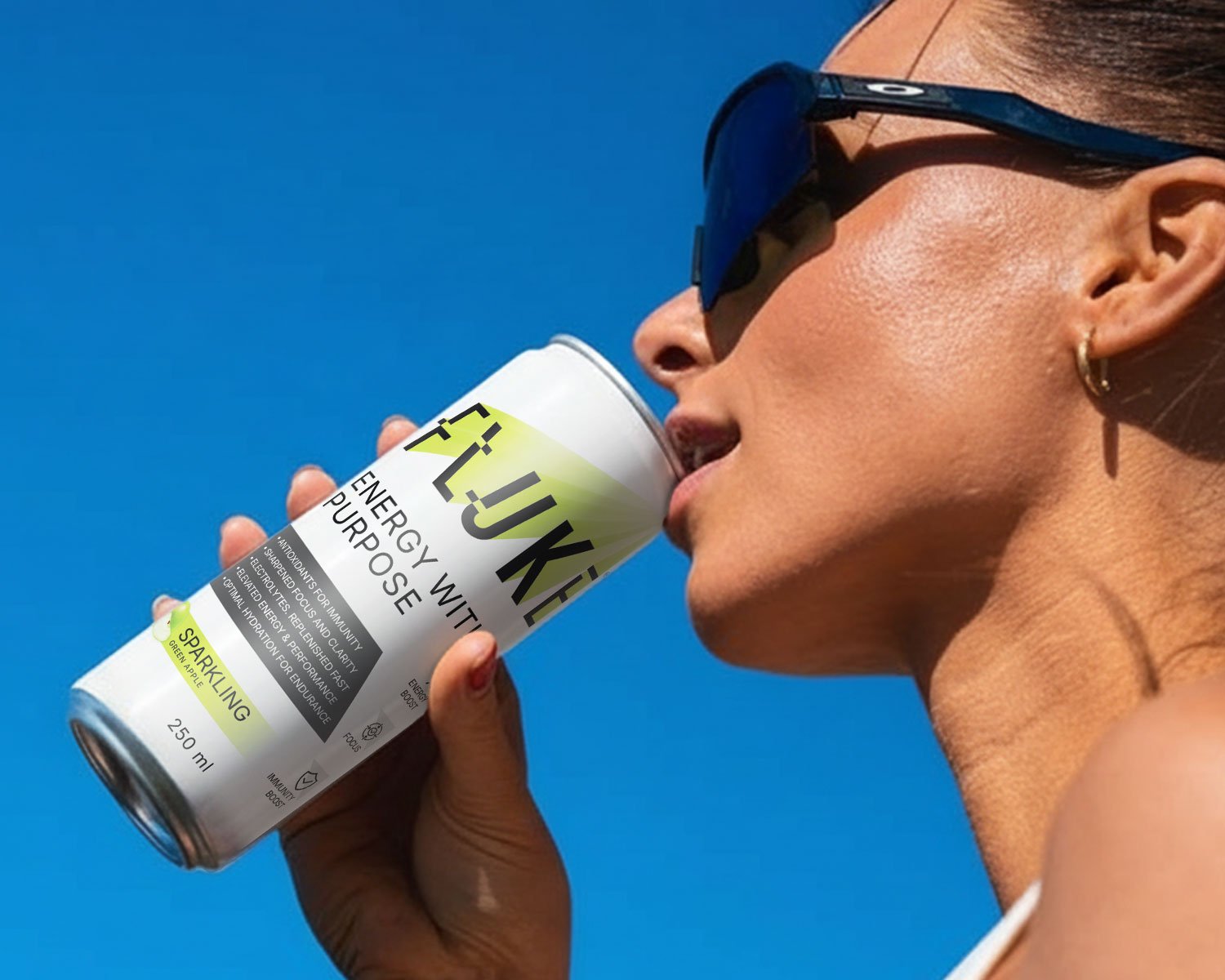
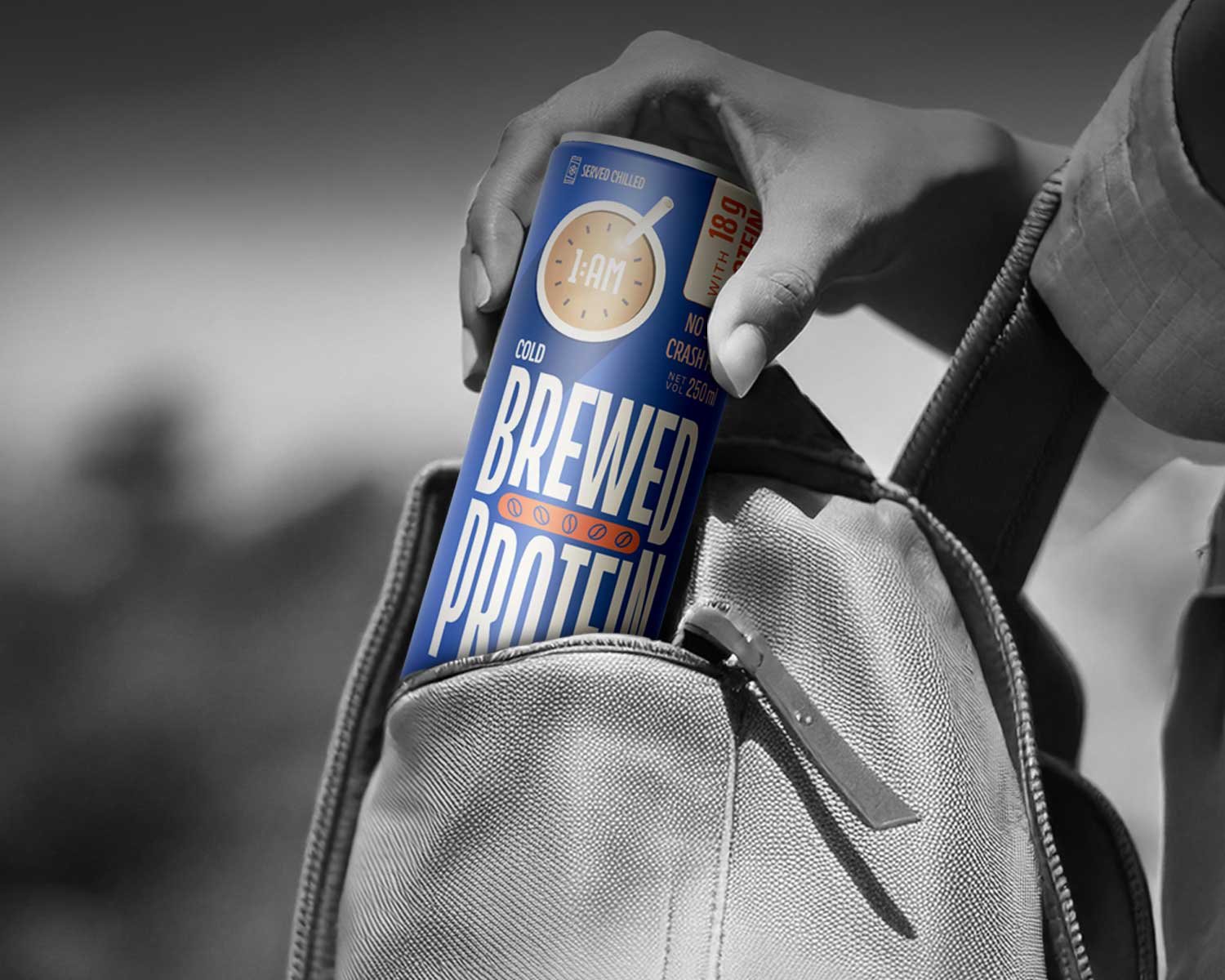
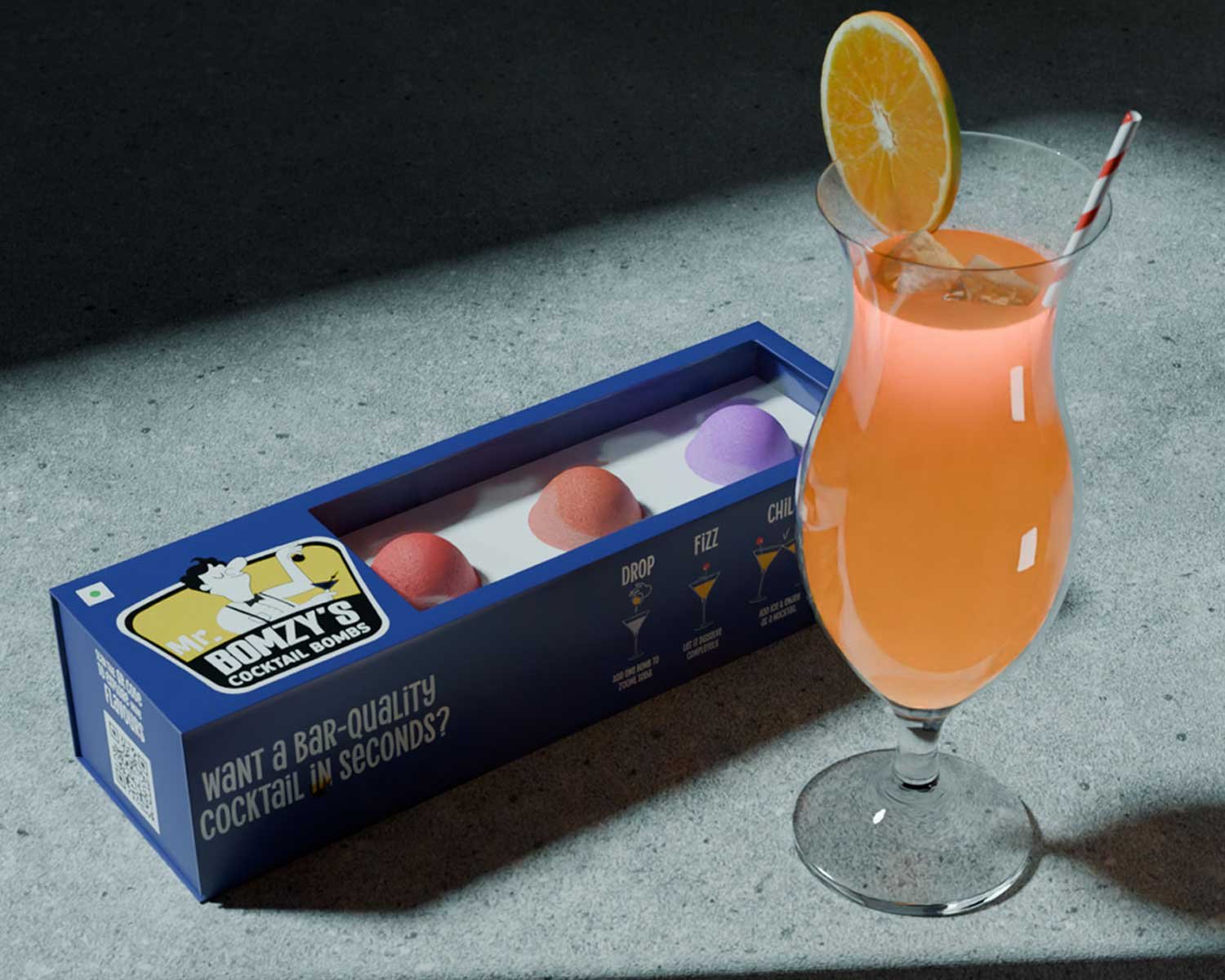
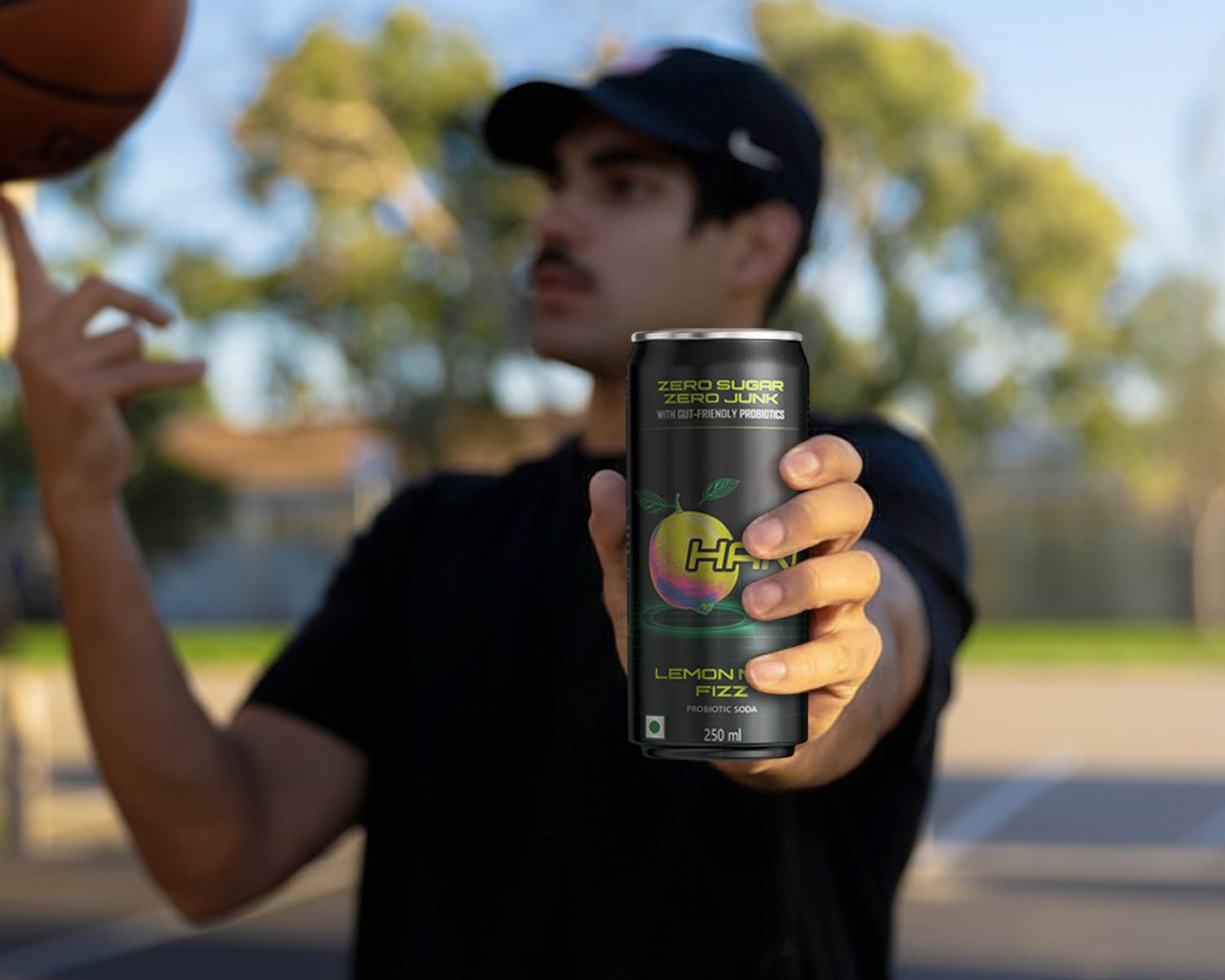
- Beverages: Energy drinks, RTD tea and coffee, protein shakes, functional beverages, probiotic drinks, non-alcoholic cocktail mixers, fruit-based drinks
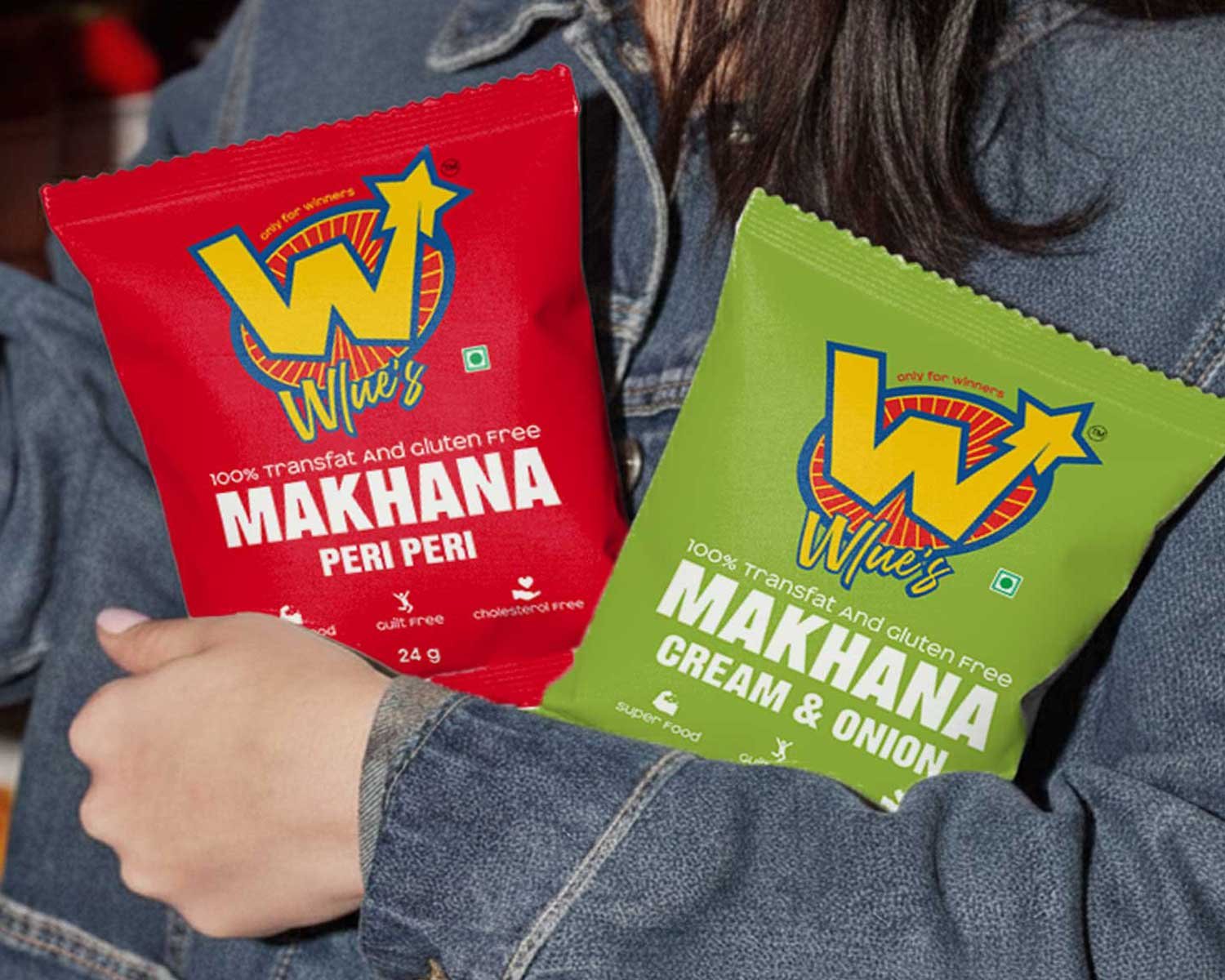
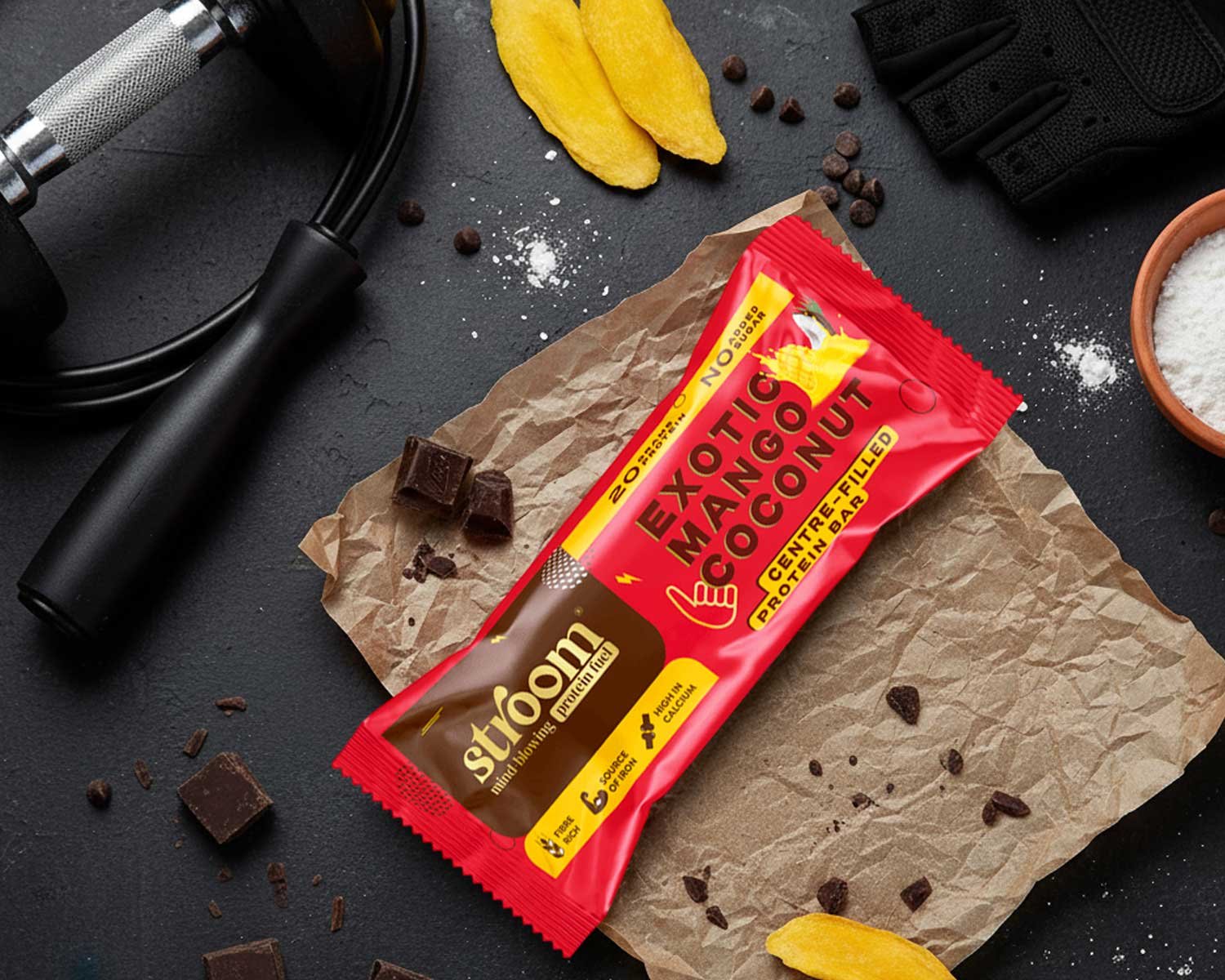
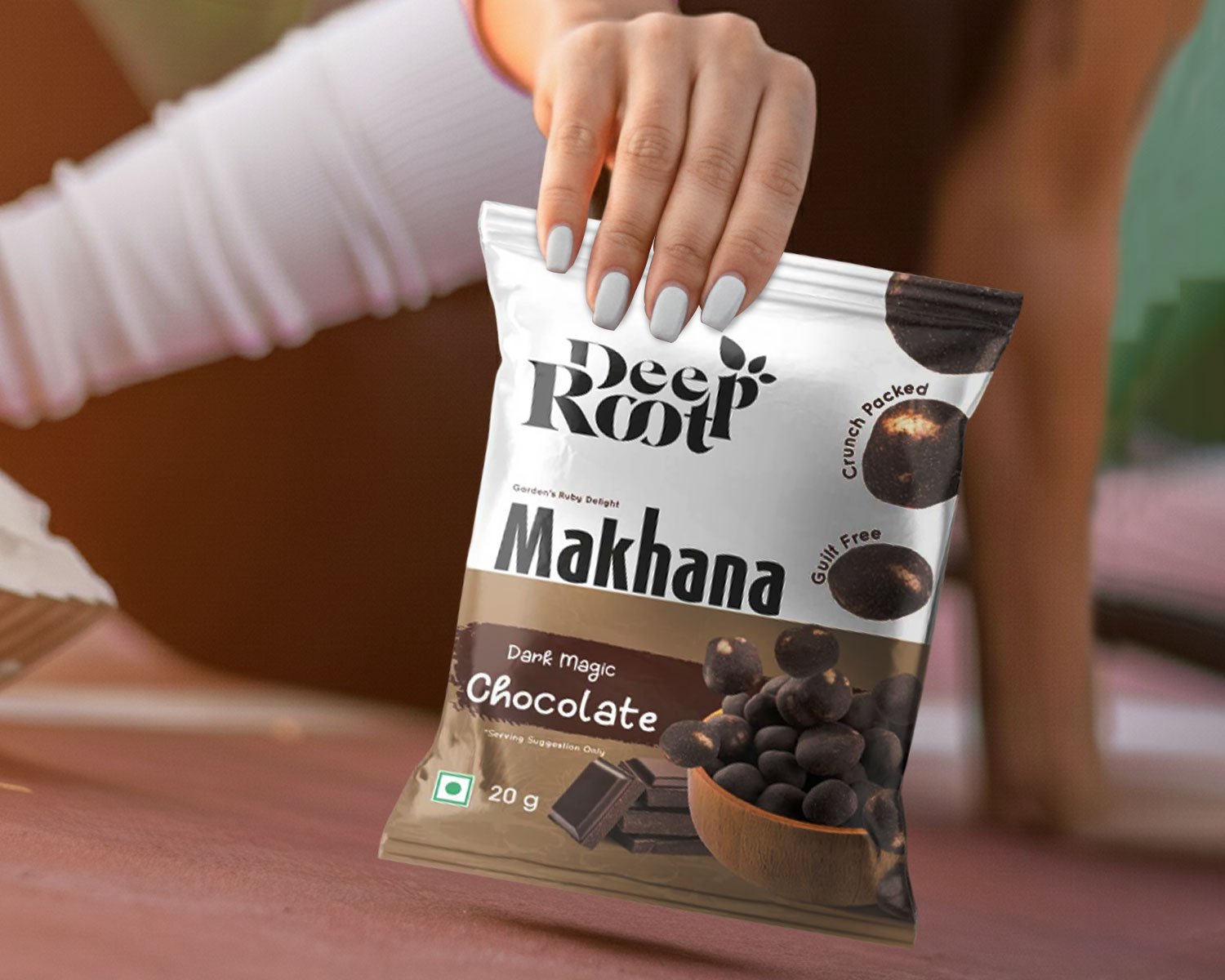
- Snack Foods: Extruded snacks, makhana, chips, namkeen, protein bars, granola
- Sauces and Condiments: Hot sauces, chutneys, salad dressings, marinades, cooking pastes
- Dairy and Dairy Alternatives: Flavored yogurt, plant-based milk, probiotic dairy drinks
- Nutraceuticals and Functional Foods: Protein supplements, weight management products, immunity boosters, sports nutrition
- Spices and Masalas: Spice blends, masala mixes, seasoning powders for retail and HoReCa
- Baked Goods: Cookies, crackers, multigrain breads, millet-based baked products
- Ready-to-Eat and Ready-to-Cook: Instant meals, frozen foods, meal kits
Why India’s Fastest-Growing Food Brands Choose Foodsure
Numbers tell the truth better than claims:
- 10+ years of food technology consulting experience
- 200+ food and beverage products successfully formulated and launched
- 3 Shark Tank India brands supported Stroom, Vold, and 3 Sisters
- Pan-India presence across 20+ states
- FSSAI, FSSC 22000, and export-compliant formulation expertise
- In-house R&D lab plus pilot plant lab to scale, one roof
But what matters most is not our numbers it is yours. Here is what our clients actually report after working with Foodsure:
“We went from a home recipe to a retail-ready product with FSSAI approval in under 90 days. Without Foodsure’s food technologist team, this would have taken us over a year.”
Beverage brand founder, Bengaluru
“The formulation they created for our protein bar passed every stability test and got shelf approval at one of India’s leading modern trade chains on the first submission.”
Health snacks startup founder, Mumbai
“Their food technologist not only fixed our shelf life issue but also reduced our raw material cost by 12% without changing the taste profile at all.”
Established condiments brand, Delhi NCR
Ready to Hire India’s Best Food Technologist for Your Brand?
The difference between a food brand that struggles and one that scales to modern trade shelves, raises funding, and builds a loyal consumer base is almost always the quality of food technology expertise behind the product.
Foodsure’s food technologists have done 500+ food product development across every major category in India. From your first prototype to your first production run, we are the technical partner your food brand needs.
Call us: +91 8826313121
WhatsApp: Chat Now on WhatsApp
Email: [email protected]
Or fill the contact form on this page our food technology team responds within 2 business hours.
Frequently Asked Questions
How much does it cost to hire a food technologist in India?
The cost of hiring a food technologist in India depends on your project scope. For a single product formulation with FSSAI documentation, most food startups invest between Rs. 1.5 lakh to Rs. 5 lakh. Full-scale projects covering formulation, shelf life testing, pilot batch, and label compliance typically range from Rs. 5 lakh to Rs. 12 lakh. At Foodsure, we offer flexible engagement models — project-based for defined deliverables and retainer-based for ongoing new product development. Contact us for a customized quote based on your exact requirements.
How long does it take to launch a food product in India from idea to shelf?
With a qualified food technologist managing your project, a standard food or beverage product takes 8 to 14 weeks from concept to commercial batch. This covers lab-scale formulation in weeks 2 to 4, stability and shelf life testing in weeks 4 to 8, FSSAI documentation and label compliance running simultaneously, and pilot batch production in weeks 6 to 10. Without expert guidance, the same process typically takes 12 to 18 months due to trial-and-error, compliance failures, and manufacturing delays.
Can a food technologist help get FSSAI approval for a new product in India?
Yes. A food technologist prepares everything FSSAI requires for product registration — complete ingredient list with INS numbers, manufacturing process description, nutritional information per 100g and per serving, product category classification, and label artwork review against FSSAI Labelling and Display Regulations 2020. Foodsure’s team has successfully obtained FSSAI approvals for 200 plus products across food, beverage, and nutraceutical categories. Most clients receive approval without a single rejection when documentation is prepared correctly from the start.
What is the difference between a food technologist and a food consultant?
A food technologist handles the technical execution — formulation, shelf life, manufacturing SOP, quality control, and lab work. A food consultant handles the strategic and regulatory side — compliance advisory, market entry planning, licensing, and business guidance. For a food startup, you need both. Foodsure provides both under one roof, which means your formulation decisions are always aligned with your regulatory and commercial requirements — something fragmented hiring cannot guarantee.
Which food products need a food technologist before launch in India?
Any packaged food or beverage product sold commercially in India requires food technology expertise before launch. This includes energy drinks, protein bars, sauces and condiments, spice blends, dairy products, nutraceuticals, ready-to-eat meals, baked goods, and functional foods. FSSAI mandates proper formulation documentation, compliant labelling, and safety standards for all packaged food products. Beyond compliance, modern trade retailers, e-commerce platforms, and quick commerce apps like Blinkit and Zepto require technical spec sheets and lab reports before listing any new product.
Can a food technologist reduce my food product manufacturing cost without affecting quality?
Yes, and this is one of the most underutilized benefits of hiring a food technologist. By optimizing ingredient ratios, identifying equivalent but lower-cost raw material sources, reducing processing steps, and minimizing batch wastage through precise SOPs, a skilled food technologist can reduce your per-unit manufacturing cost by 10 to 20 percent without any compromise on taste, texture, or shelf life. Foodsure has delivered this outcome for multiple brands across snacks, beverages, and condiments categories.
How do I find the best food technologist for my food startup in India?
Look for three things: real product launch experience across multiple categories, hands-on regulatory knowledge specific to India including FSSAI and export standards, and an in-house lab plus pilot plant setup so formulation and scale-up happen under one roof. Avoid consultants who only advise without executing. Foodsure’s food technologist team has formulated and launched 200 plus products, supported three Shark Tank India brands, and operates a complete lab-to-scale facility in Noida.