
Making a great recipe needs food testing requirements is only one part of launching a packaged food product. Before a product can be sold in stores, it has to pass a number of safety and quality tests to make sure it meets government standards and what customers expect. This is where it is important to have food testing requirements. Before they launch their products, many new businesses don’t realise how important it is to do proper lab testing. Brands that don’t do the right food lab testing could have problems with the law, have to recall their products, or have their products go bad before they reach the store. Brands can make sure their product is safe, stable, and follows the rules by knowing the main testing steps, like microbiological food testing, food quality testing, and shelf life testing India.
You May Also Like: New Makhana Product Development in India
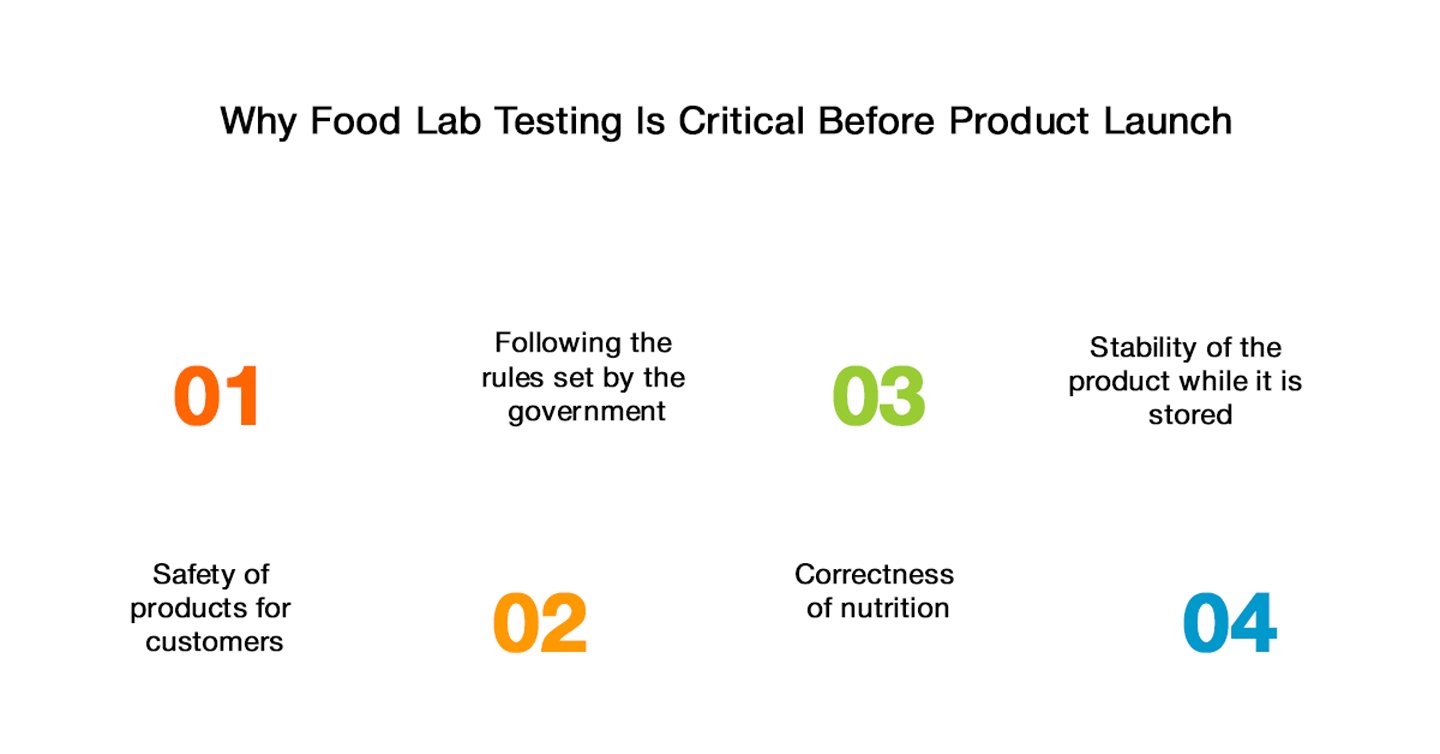
Why Food Lab Testing Is Critical Before Product Launch
Before a packaged food product can be sold, it must meet safety standards. Correct testing helps make sure:
- Safety of products for customers
- Following the rules set by the government
- Correctness of nutrition
- Stability of the product while it is stored
Following the right Food Lab Testing Requirements reduces the risk of contamination, spoilage, or labeling errors. For new businesses and manufacturers, working with certified food testing labs India makes sure that the product meets both legal and quality standards.
Key Food Testing Requirements for Packaged Food Products
Before launching packaged food products, brands must perform a series of specialized food testing requirements to ensure safety, business risk, quality, and compliance with regulations ignoring these could lead to recalls, fines, and a failure in the market. FSSAI lays down detailed guidelines for India, while other regulations like FDA or Codex serve as the global benchmark. Let’s look at the major points:
- Microbiological Testing: It detects the presence of pathogens like E. coli, Salmonella, and Listeria, as well as spoilage microorganisms by various procedures such as pour-plate, PCR, or ELISA. For example, ready-to-eat products are strictly monitored to avert foodborne illnesses.
- Physicochemical Analysis: This involves measuring pH acidity moisture, and other components like preservatives (via HPLC), etc. It is used to maintain the consistency and quality of products like sauces or nutraceutical drinks and avoid the generation of unpleasant flavors.
- Shelf Life and Stability Testing: By means of Accelerated Shelf Life Testing (ASLT) at 35-40C/75% RH appropriate for India’s environmental conditions, the estimation of expiry date (6-24 months) is made. Packaging materials are also tested for resistance against oxidation, migration, and microbial contamination.
- Nutritional and Labeling Verification: Carbohydrate, protein, and calorie content are determined by analytical procedures standardized by AOAC; tests for the presence of allergens like gluten or nuts can be performed using specific test kits. This is in accordance with FSSAIs regulations for labeling and display.
- Contaminant Detection: Analyzes heavy metals (lead, arsenic) using techniques like ICP-MS, pesticides with the help of GC-MS, and mycotoxins. This is a must for substances that come from different parts of the world and that are used in general FMCG products.
- Sensory and Quality Evaluation: Trained panelists visually assess the product and rate flavor and mouthfeel, while color (spectrophotometry) and viscosity are quantified by instruments. It not only verifies consumer appeal, but also ensures product quality and consistency.
Understanding Food Testing Labs India for Product Compliance
Brands have to do a number of different kinds of lab tests before they can sell a product. Food testing requirements assesses the overall composition and nutritional attributes of a product.
This usually means checking for:
- Moisture content
- Levels of fat
- Amount of protein
- Carbohydrates
- Content of ash
These results are necessary for making accurate nutrition labels that are required by FSSAI lab testing requirements.
Importance of Microbiological Testing Food for Safety Assurance
One of the most important Food Lab Testing Requirements is microbiological testing food. This test finds harmful microorganisms that could make you sick from food.
Some common microbial tests are:
- Count of all plates
- Count of yeast and mould
- Bacteria that live in coliform
- Finding pathogens
Microbiological testing makes sure that the product is safe to eat and doesn’t have any germs in it.
How Shelf Life Testing India Determines Product Stability
Shelf stability is another important thing to think about when buying packaged foods. Shelf life testing India decides how long a product stays safe and keeps its quality while it is stored.
This process checks:
- How fresh a product stays over time
- Microbial growth while in storage
- Stability of texture and flavour
- How well the packaging works
Brands can find out the best-before date printed on product packaging.
Understanding FSSAI Lab Food Testing Requirements
In India, packaged food must meet FSSAI lab testing requirements before they can be sold to the public.
These rules make sure that products meet the safety standards set by the government.
Reports of testing from accredited food testing labs India are often needed for:
- Licensing and registering products
- Checking for compliance with labels
- Checking for quality
After these food lab testing requirements help businesses avoid fines from the government and keep customers’ trust.
Real Project Insight: A Startup’s Testing Challenge
A startup that was about to launch a packaged snack product went to a testing lab just a few weeks before it hit stores.
During the food lab testing requirements, during the process, a number of problems were found:
- Microbial levels were a little higher than what is acceptable.
- The shelf life was shorter than we thought it would be.
- The amount of moisture in the product affected its stability.
After changing the product’s formula and doing food testing requirements, the brand was able to fix the problems and finish the compliance checks that were needed. This example shows why it is important to finish Food Lab Testing Requirements. It is very important to do this early in the product development process.
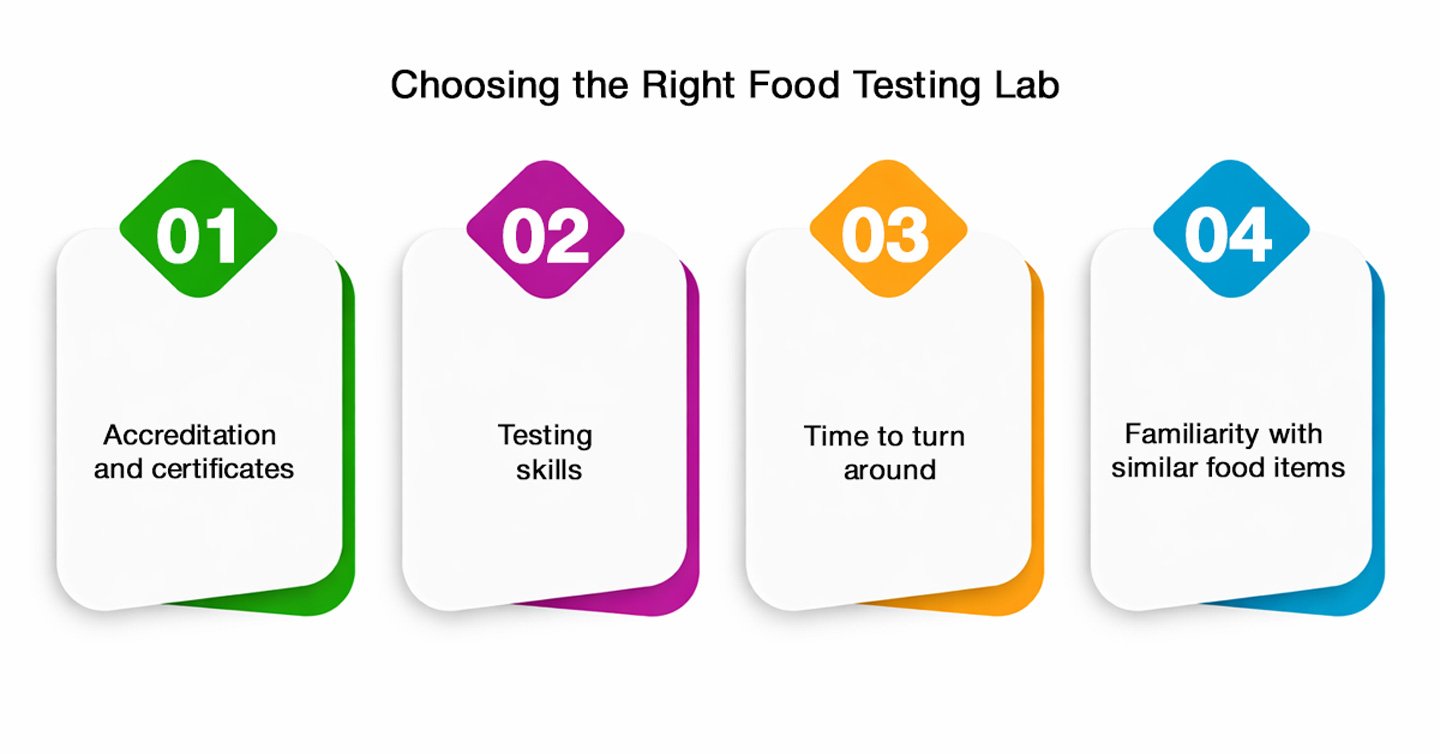
Choosing the Right Food Testing Lab
It’s important to choose a trustworthy lab for accurate food testing requirements.
When you look at food testing labs India, Brands should think about:
- Accreditation and certificates
- Testing skills
- Time to turn around
- Familiarity with similar food items
A professional lab makes sure that all Food Lab Testing Requirements are done and recorded correctly.
Conclusion
To successfully launch a food product, you need to plan carefully, make sure the quality is good, and follow all the rules while ensuring food testing requirements. Meeting the Food Lab Testing Requirements makes sure that a product is safe, stable, and ready to be sold. Food quality testing, microbiological testing, and shelf life testing are all important steps in keeping both brands and customers safe. Testing your new food product properly is an important part of the food development process if you’re getting ready to launch it.
Connect with our experts at +91-8130404757 to understand the testing and compliance requirements for your product before it enters the market.
FAQs
What are the rules for food testing requirements in a food lab?
To make sure that products are safe and follow the rules, food lab testing requirements include quality analysis, microbiological testing, nutritional testing, and shelf life testing.
Why is it important to test food for bacteria?
Microbiological testing of food helps find bad bacteria, yeast, and moulds that can make you sick from eating.
What does it mean to test the shelf life of food?
Shelf life testing tells you how long a food item stays safe and keeps its quality while it’s being stored.
Do you need food testing reports to follow FSSAI rules?
Yes, to meet FSSAI lab testing requirements, many products need testing reports from labs that are recognised by the FSSAI.
How do companies in India pick food testing labs?
Brands should choose certified food testing labs in India that offer a full range of food safety and quality testing services.