The health industry is changing very rapidly. The packaged food industry is growing at a CAGR of 8.5%. Overlooking major FSSAI mistakes, food startup redefined what a launch means. To remain relevant in the market, one has to understand what the law requires. Achieving success requires one to have the right paperwork and the right ingredients in the food. Let’s discuss how experts achieve this.
What Are The Top FSSAI Mistakes Food Startup Owners Make?
When we discuss changes, we discuss the dynamic nature of compliance regulations. Today, the buyer is looking for preventive solutions that provide the buyer with energy, mental clarity, and legality. According to the latest reports, the buyer is no longer concerned about the paperwork. Today, the buyer is concerned about the safety of the facilities. The buyer is looking for solutions that are aligned with their operations. This requires one to shift their focus from unstructured forms to very structured data. FSSAI license mistakes are very crucial.
Standard vs. Compliant: FSSAI Mistakes Food Startup Brands Must Avoid
There is much guesswork involved in FSSAI application filling. The end result is food registration issues in India. These issues include wrong category selection and lack of necessary documents.
| Aspect | Standard | Preventive |
| Forms | Missing Documents | Complete Dossier |
| Labels | Incorrect Claims | Verified Text |
| Action | Slow Corrections | Rapid Updates |
| Audits | Heavy Penalties | Clean Inspections |
Major FSSAI mistakes food startup To Watch
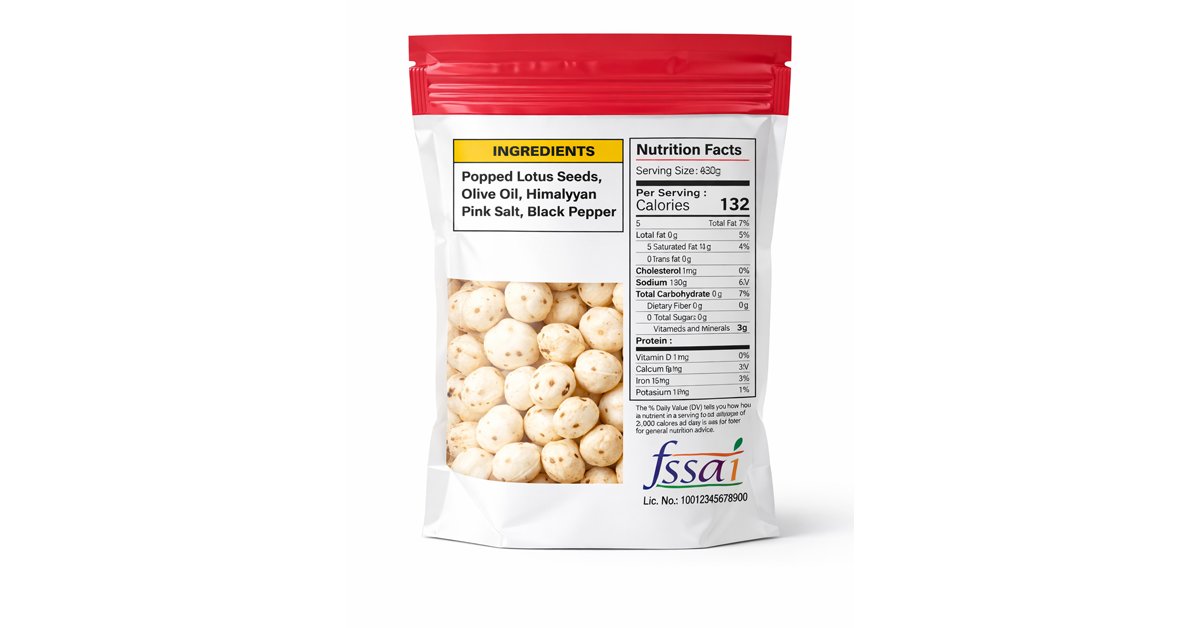
In past events like this, there have been various groundbreaking product rejections. To remain at the top of the game, it is imperative for a brand to integrate flawless legal frameworks in the upcoming product launch.
Here are the major changes in the food license delay reasons India today:
- Wrong Codes: Using the wrong product classification codes.
- Missing Labs: Failing to attach the necessary lab reports.
- False Claims: Making false and illegal claims about health benefits.
- Water Test: Failing to include the necessary water test certificates.
- Bad Vendors: Using unregistered raw materials.
This is a new level of innovation that requires a high level of technical knowledge in terms of legal stability. To overcome the latest FSSAI mistakes food startup, there is a need for a product with the right documents. To fix the food registration problems India today is costing money.
Core Areas Where FSSAI Compliance Errors Occur
Understanding where FSSAI compliance errors show up most frequently will help brands develop a thorough checklist. Food business legal issues India usually point to the same four areas.
| Compliance Area | Common Error | Impact |
| Label Design | Missing Info | Application Rejected |
| Product Claims | Unapproved Claims | Legal Notice |
| Documentation | Incomplete Files | Processing Delay |
| Facility Standards | Below Norms | License Refused |
Why Brands Fail with FSSAI mistakes food startup
There are various reasons why brands fail in the market. One such reason is that they launch trendy products aggressively in the market without proper legal testing. This leads to failures of products in the market. Inexperienced brands do not pay proper attention to mandatory checks in the execution of market entry. This leads to huge delays in the approval process of FSSAI.
Various formulation mistakes occur. These mistakes are:
- Blind filing: Brands do not take any help from experts while filing paperwork.
- Address flaws: Brands do not match their legal business address.
- Slow replies: Brands do not reply quickly to official queries.
- Banned items: Brands make use of prohibited food additives.
The mistakes cause a complete lack of trust. These mistakes lead to an increase in food license delay reasons in India. Moreover, they cause an increase in food business legal issues in India. Overcoming FSSAI license mistakes is crucial.
Stages in Resolving Food Registration Problems in India
There is a tremendous precision involved in moving from a rough concept to a legally manufactured product. Each step in the process has to be documented and authenticated to ensure quality results. An auditor by profession always follows a set pathway.
| Stage | Action |
| Audit | Facility Check |
| Upload | Document Filing |
| Query | Fast Replies |
| Grant | License Issued |
Process for Eliminating FSSAI approval process delays
What is the key to launching a successful product that sidesteps the latest legal pitfalls? It is a combination of the law and hard food science.
Its development process is as follows:
- Formula Review: Leveraging cutting-edge regulatory checks for ingredient safety.
- Claim Mapping: Matching marketing claims that naturally fit the regulations.
- Document Tuning: Fine-tuning the exact paperwork and final submission.
- Accelerated Tracking: Rigorously testing for optimal approval times under pressure.
- Mock Audits: Validating the entire process on commercial factory floors.
This is an involved process that helps your brand stay dominant and avoid FSSAI mistakes that food startup companies commonly make. Compliance management is all about sidestepping every avoidable error from the very beginning.
Preventing labelling mistakes FSSAI in 2026
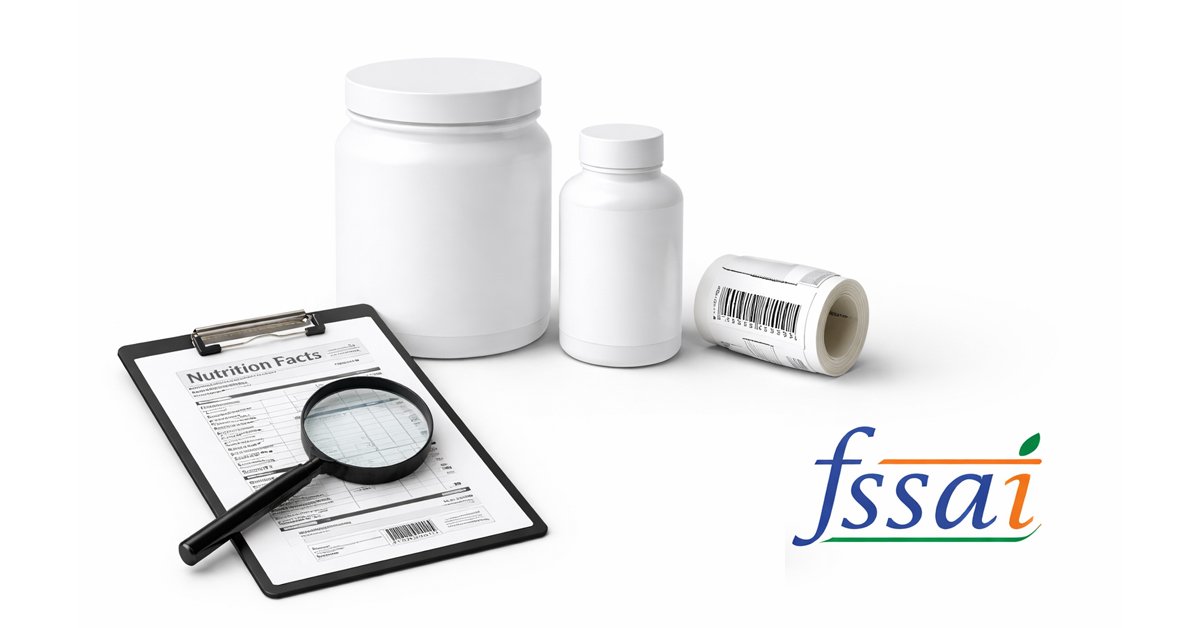
Ingredient transparency is no longer a luxury but a strict requirement. Smart consumers automatically dismiss health foods that have hidden synthetic chemicals. Every modern audit report clearly highlights the requirement of strictly regulated packaging. To make a successful brand strategy, always keep in mind the following rules to prevent labelling mistakes FSSAI:
- Fonts: Strictly specified readable font size.
- Allergen: Strict bold warnings for specific allergens.
- Veg Logos: Mandatory green dots for veg food products.
- Facts panel: Accurate lab-tested nutrient values.
A perfect clean label with a long shelf life is a challenging requirement. If neglected, it quickly turns into one of the biggest legal mistakes founders make.
Manufacturing and FSSAI approval process delays
A good recipe is not good if it cannot be manufactured legally in mass quantities. This is the most critical phase in the entire process. There are many brands out there that, because they’re so excited about what they’re creating, have disastrous problems because the unapproved recipe suddenly causes a legal blockage in the manufacturing process. By creating the exact recipe with the final heavy regulatory laws in mind, we’re able to prevent extremely costly production delays. Avoiding FSSAI license errors is crucial in the process.
Conclusion
While a good recipe is a prerequisite for a food product, entering a food business in India is not just a question of having a good recipe; it is a question of regulatory compliance, documentation discipline, and label accuracy right from day one. The most common FSSAI mistakes food startup owners face are not really difficult; they are just a matter of poor planning and a lack of timely awareness. By understanding the reasons for food license delays in India and adopting a process-oriented approach to compliance, your food brand can go from concept to shelf promptly.
Get your FSSAI process right the first time; every week that your product takes to be launched is a week that your competitor is already selling.
FAQs
What is the most common FSSAI mistake food startups make?
The most common mistake is filing under an inappropriate license type.
How long does FSSAI approval take?
7 days for basic registration, while state and central licenses take 30-60 days..
Can FSSAI labelling issues cause delays in my food startup launch?
Yes. Non-compliance in food labels will cause rejection, and you will need to resubmit all your documents.
What are the reasons for food license delays in India for FSSAI?
The reasons for the delay in India for FSSAI include incomplete documents, inappropriate category selection, and non-compliant food labels.
Is FSSAI compliance just one-time for food businesses in India?
No. FSSAI is an ongoing task for food businesses in India.
What food business legal issues in India will food startups face without FSSAI?
Food businesses in India without FSSAI will face heavy fines, food seizures, and shutdowns.
Can a food regulatory consultant assist food businesses in avoiding FSSAI approval delays?
Yes. A food regulatory consultant can assist food businesses in avoiding FSSAI delays.