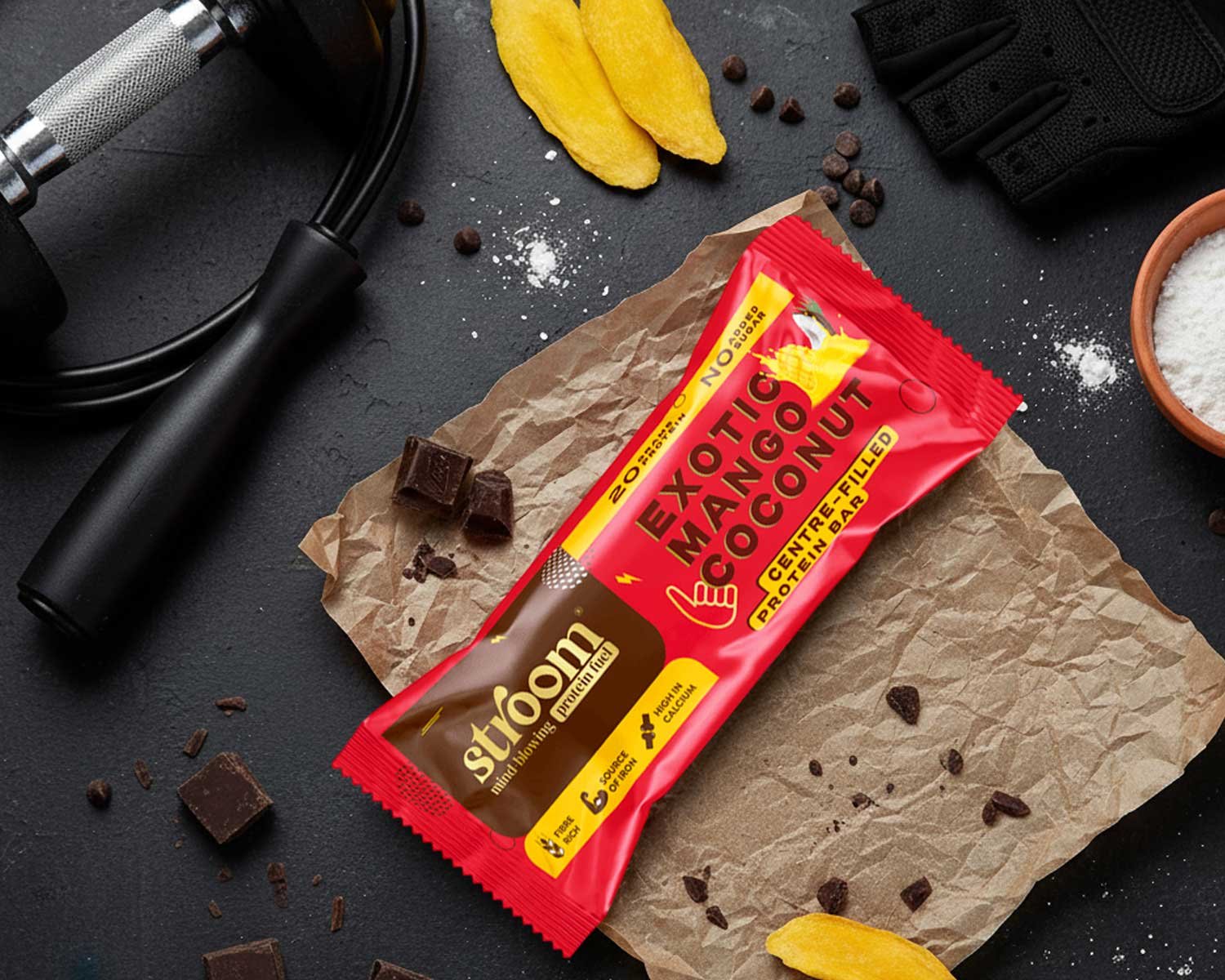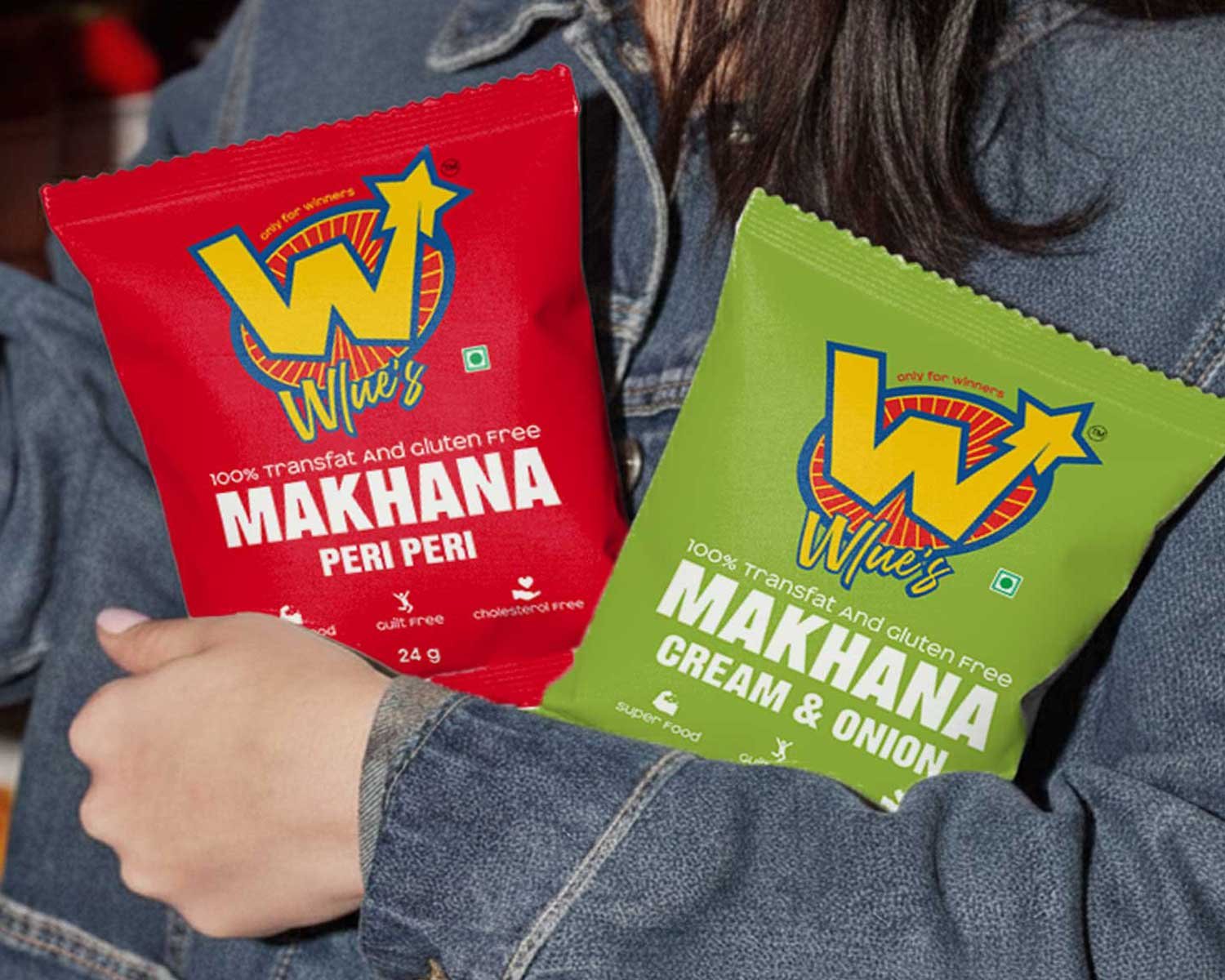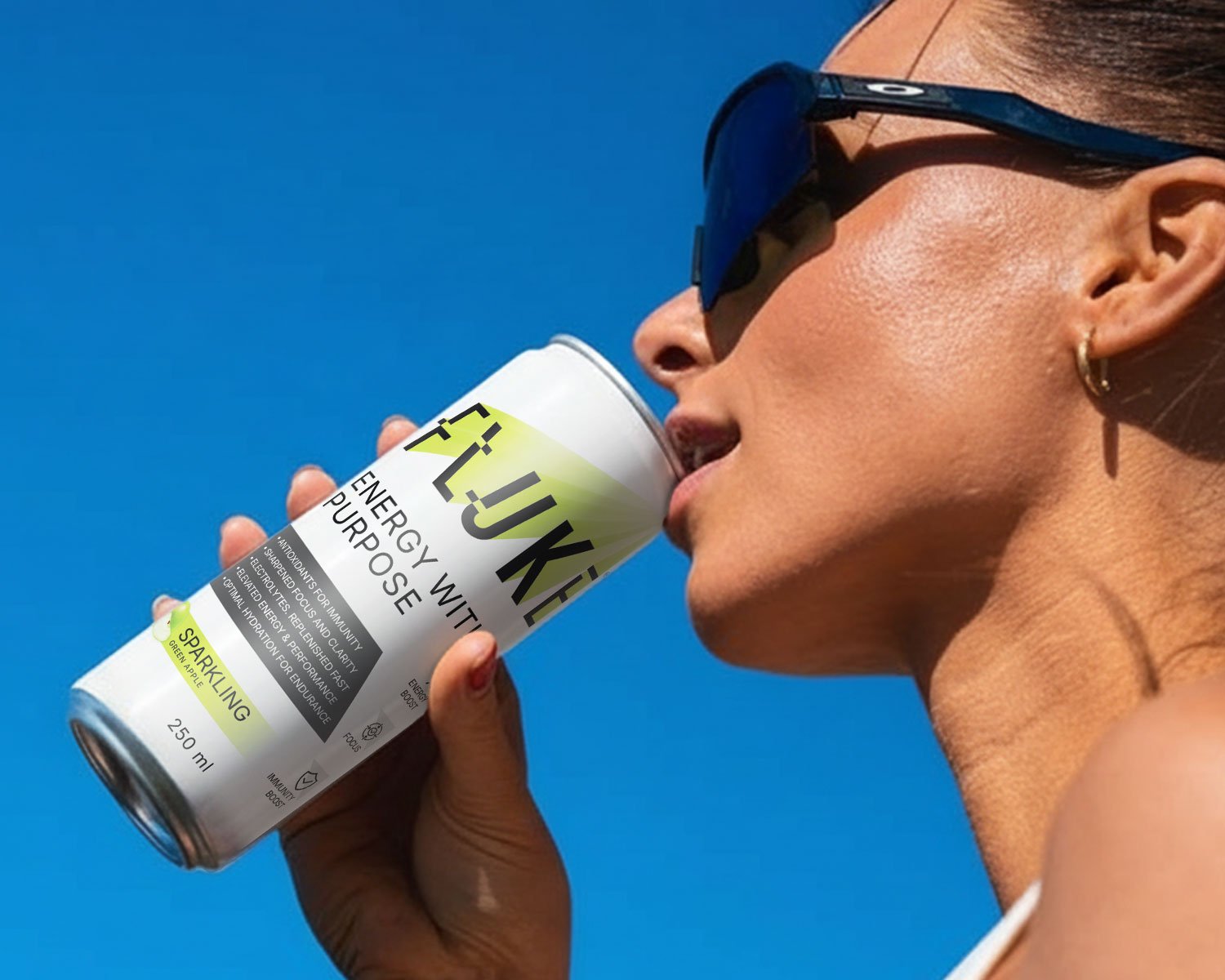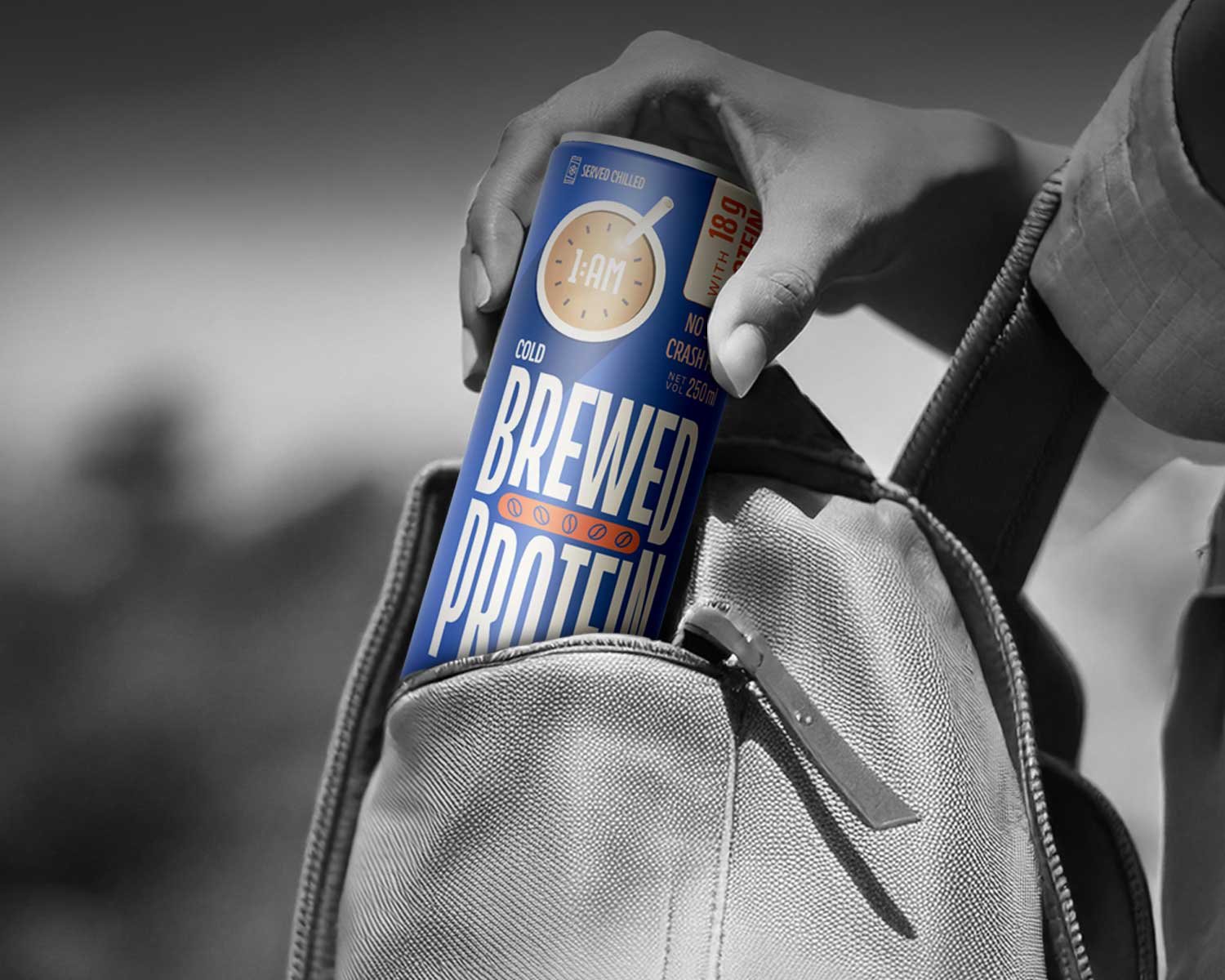
The Indian food market has witnessed significant changes over a very short period of time. New customers rarely slip into a decision mode based on taste or price of a product alone; they inspect the labels, don’t trust the claims, and ask for transparency. Hence, following the FSSAI packaging and labelling regulations is not an excuse to get a reproof but a key factor of business. A single error in a label can cause delays in product launch, fines, or a loss of brand trust.
This blog explains the meaning of FSSAI food packaging and labelling regulations in India, highlights their importance in the process of food formulation and food product development, and shows how brands can create compliant products without sacrificing innovation.
Want Best Packaging and Labelling?
How FSSAI Packaging & Labelling Regulations Work
At a practical level, FSSAI packaging and labelling regulations basically tell you what you can say on your package, how you must say it, and what kind of materials you can use. These rules have been set by the Food Safety and Standards Authority of India to safeguard the health of consumers, discourage the use of misleading claims, and ensure the traceability of products.
FSSAI-compliant labelling, unlike those that are casual or aesthetic, is based on:
- Accuracy of information
- Standardised formats
- Verifiable claims
These rules apply to all food categories, such as snacks, beverages, dairy, confectionery, and functional food, having its own specific requirements.
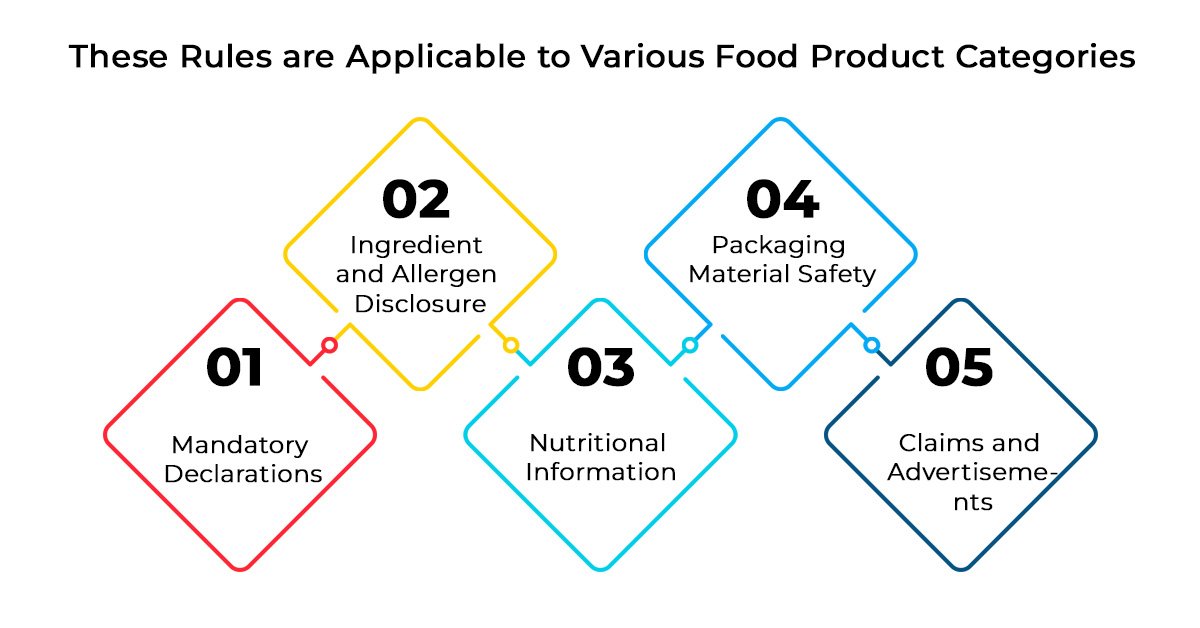
Core areas include:
- Mandatory declarations
- Ingredient and allergen disclosure
- Nutritional information
- Packaging material safety
- Claims and advertisements
Besides a label that just passes inspections, a compliant one also raises consumer trust and safeguards the brand’s equity for a long time.
You May Also Like: Food Packaging and Labelling Regulations
Home-Style Labels vs FSSAI-Compliant Packaging
| Aspect | Home-Style / Informal Labels | FSSAI Compliant Packaging |
|---|---|---|
| Objective | Basic product info | Legal + consumer protection |
| Ingredient listing | Approximate | Precisely defined |
| Nutrition data | Often missing | Mandatory and standardised |
| Claims | Generic or exaggerated | Regulated and verifiable |
| Traceability | Not defined | Batch, license, and address included |
| Market readiness | Limited | Retail and export-ready |
Most of the founders do not realise this difference. The strategies that are effective for small batches or local sales usually don’t work when the product is launched into organised retail.
Why Many Food Products Fail Due to Packaging & Labelling Issues
A staggering number of food products are not able to sell just because they don’t meet FSSAI packaging and labelling standards, rather than taste. Such products are a problem when stuck in distributor checks, retail store audits, or regulatory inspections.
Common mistakes include:
- Incorrect order or naming of ingredients
- Identifying missing allergens
- Use of unapproved health or nutrition claims
- Font size is wrong, or the placement of mandatory information
- Use of packaging materials that are not of food-grade quality
Most of the time, these mistakes happen because the packaging is considered only from the perspective of the graphics department, while in fact, it is a regulatory and technical task that should be different, combined with recipe formulation and food product development.
Core Elements of FSSAI-Compliant Packaging & Labelling
| Element | Purpose |
|---|---|
| Product Name | Legal identity of the food |
| Ingredient List | Transparency and safety |
| Nutritional Information | Informed consumer choice |
| Allergen Declaration | Consumer protection |
| Net Quantity | Fair trade practice |
| Manufacturer Details | Traceability |
| FSSAI License Number | Legal compliance |
| Date Coding | Shelf-life clarity |
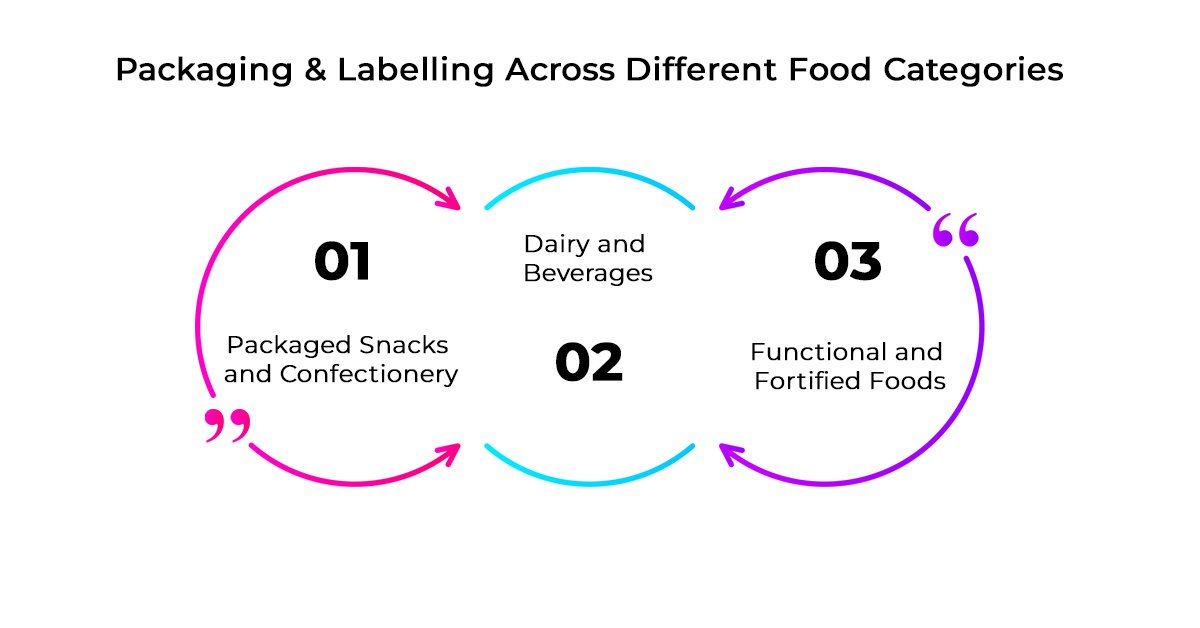
Packaging & Labelling Across Different Food Categories
Packaged Snacks and Confectionery
Any of these items needs very tight controls on the claims made on them, such as baked, low-fat, or high-protein. The claims have to correspond to actual food formulation data and nutritional values.
Dairy and Beverages
Dairy products are subject to more strict rules regarding temperature, storage, and shelf life declarations. It is almost essential to use packaging materials that match the product accurately to avoid spoilage.
Functional and Fortified Foods
Protein foods, fortified snacks, and wellness products are the ones in the spotlight most of the time. Any functional claim should be backed up by the formulation logic as well as the regulatory thresholds.
Without proper regulatory alignment at the recipe formulation stage, these categories will be rejected time and again.
Stages of Packaging & Labelling Compliance
| Stages | What Happens |
|---|---|
| Product Concept | Category identification |
| Recipe Finalisation | Ingredient legality check |
| Nutrition Calculation | Regulatory complaint values |
| Claim Evaluation | Allowed vs restricted claims |
| Label Drafting | Mandatory declaration added |
| Packaging Selection | Food-grade validation |
| Internal Audit | Compliance review |
| Final Approval | Market-ready label |
Foodsure’s Approach to FSSAI Packaging & Labelling
| Stage | Foodsure Method |
|---|---|
| Regulatory Mapping | Category-specific rules |
| Ingredient Validation | FSSAI-approved ingredients |
| Label Structuring | Mandatory order & format |
| Claim Review | Legal claim alignment |
| Packaging Advisory | Material suitability |
| Shelf Life Alignment | Date coding accuracy |
| Scale-Up Support | Commercial compliance |
| Audit Readiness | Retail and inspection-ready |
Rather than compliance becoming a hurdle for growth, Foodsure makes sure that by integrating FSSAI packaging and labelling regulations at the very beginning of food product development, compliance becomes a facilitator of growth.
What Defines Strong FSSAI Packaging & Labelling Compliance?
When the packaging and labelling are done properly, nothing destructive occurs. Products are delivered without any issues through distributors, retailers, and audits. The customers are confident in the brand. The staff works on development rather than solving the problems.
The FSSAI packaging and labelling rules are not hurdles. Rather, they are the temptations that let the disciplined and scale-ready brands in.
If you are working on a new product launch or having repeated labelling corrections, it is better to unify packaging, labelling, and recipe formulation from the beginning.
Contact us for the development of food products that are compliant, credible, and scalable in the Indian market.
Need Help With Food Packaging and Labelling Compliance?
Foodsure helps startups and FMCG brands create compliant, consumer-ready food packaging and labelling. From FSSAI-approved labels to packaging material selection, we simplify the entire process so your products launch faster and without regulatory risks.
Why 500+ Brands Choose Foodsure
- FSSAI-compliant food packaging and labelling support
- Label review, correction, and compliance audits
- Nutritional labelling and allergen declaration guidance
- Packaging material selection as per food safety norms
- Regulatory support for new product launches
- End-to-end coordination with design and printing teams
Who We Work With
- D2C food startups launching packaged products
- FMCG brands updating or expanding product labels
- Restaurants and cloud kitchens entering retail
- Health, nutrition, and functional food brands
- Export brands needing compliant packaging and labelling
Book a Free Packaging & Labelling Consultation
Get expert guidance on food packaging and labelling compliance. Whether you need FSSAI label approval, packaging support, or regulatory clarity, our experts will help you get it right the first time.
FAQ’s (Frequently Asked Questions)
What is the mandatory information on an FSSAI food label?
Besides the product name, the label should contain a list of ingredients, nutritional information, allergens, net quantity, manufacturer’s details, FSSAI license number, and date code.
Do FSSAI packaging and labelling regulations vary for different food categories?
Yes, different requirements exist for specific food categories like snacks, dairy, beverages, confectionery, and functional foods.
Can I initially create my packaging design and then add FSSAI details to it?
No, labels have to be designed according to the FSSAI specifications in order to prevent expensive redesigns.
What are the major traditional labelling mistakes of food startups?
The major mistakes are the incorrect order of ingredients, not disclosing allergens, giving wrong nutrient values, and making use of unapproved claims.
Does one have to supply nutrition information with all packaged foods?
Actually, nutrition information is a requirement for all except those specifically exempted by FSSAI.
May I put protein, rich or health claims on the label of my food product?
Only if your food product meets FSSAI nutritional standards can you make such claims.
What packaging materials shall be allowed as per the FSSAI regulations?
Only materials that are of food-grade and do not contaminate or chemically react with the food would be allowed.