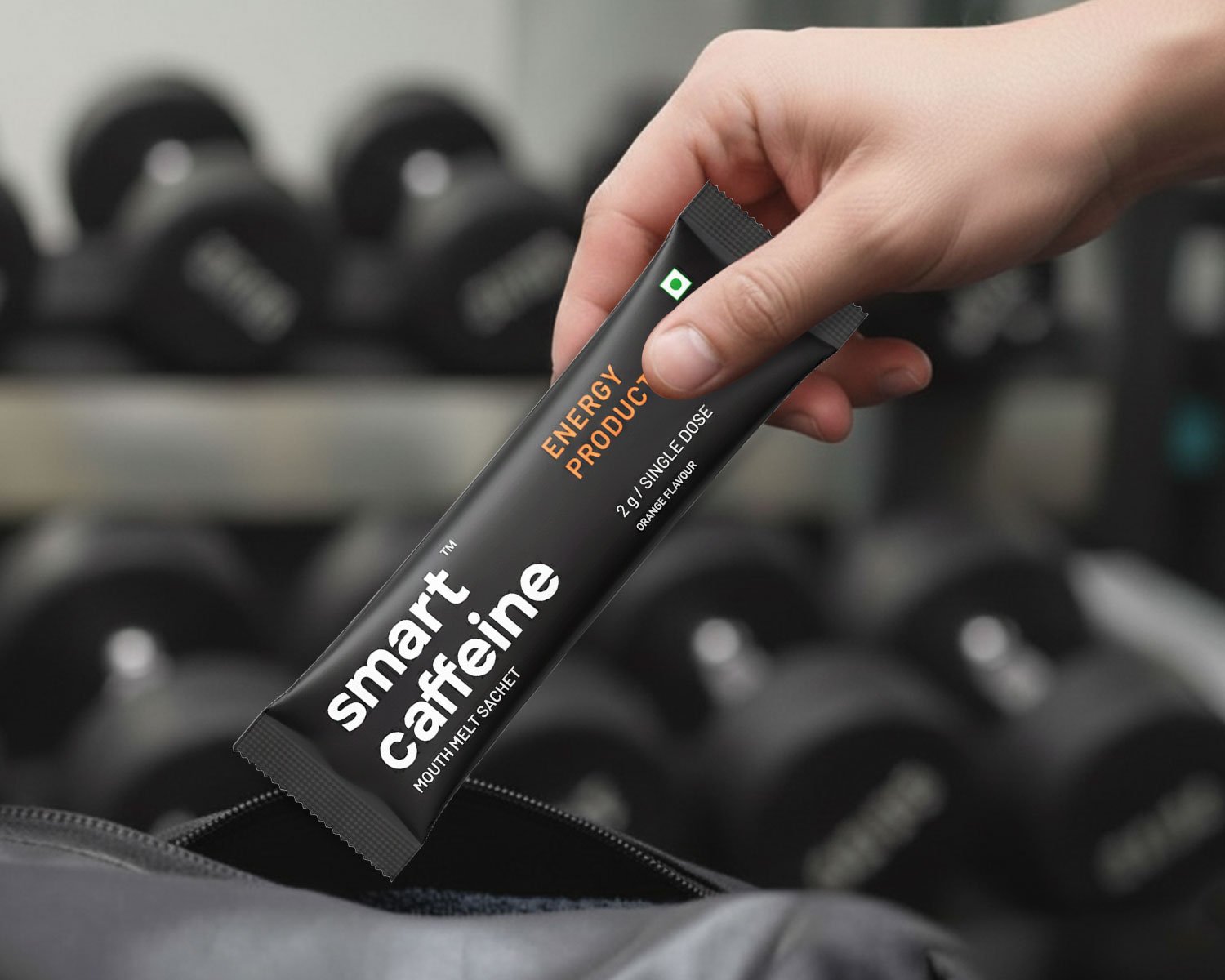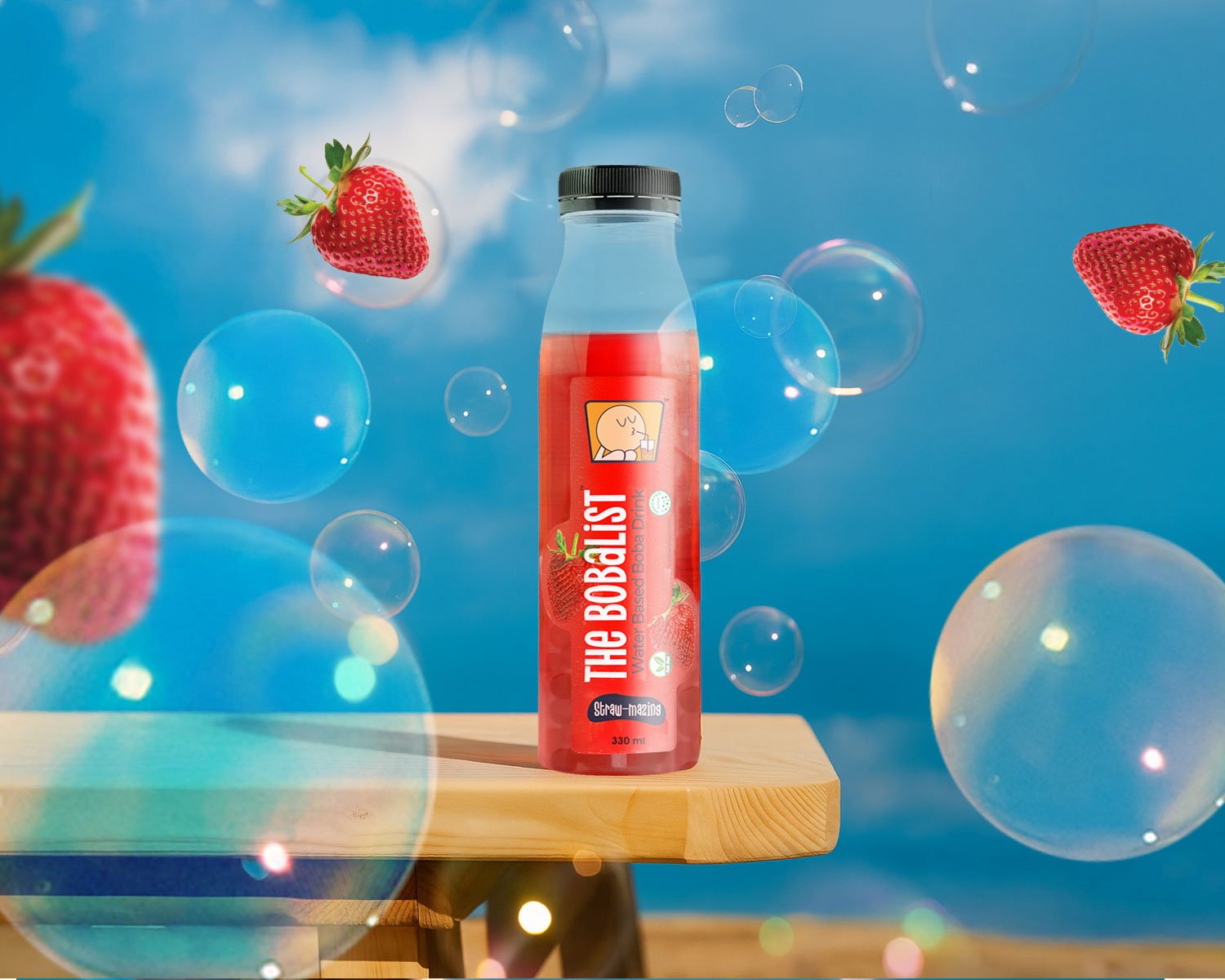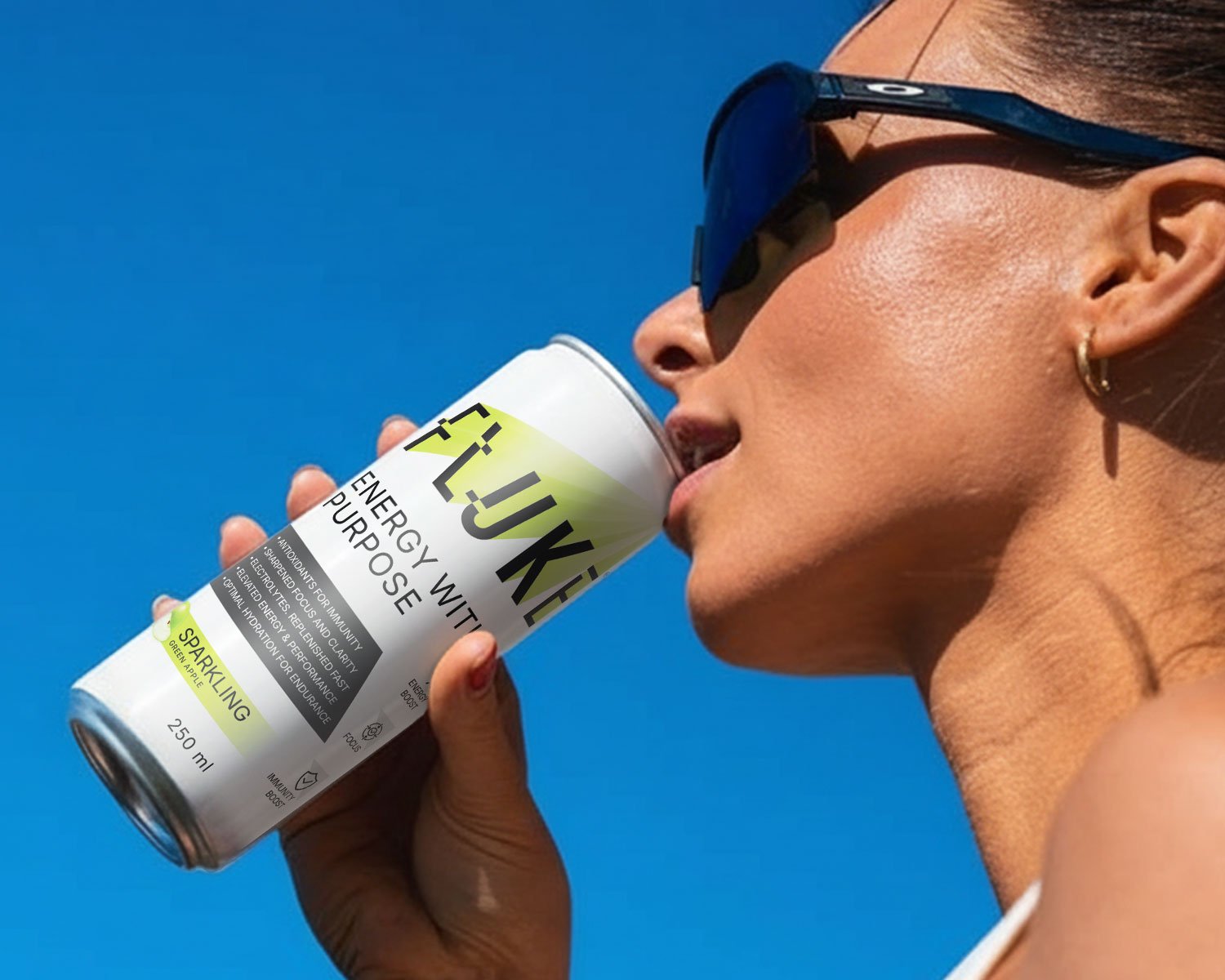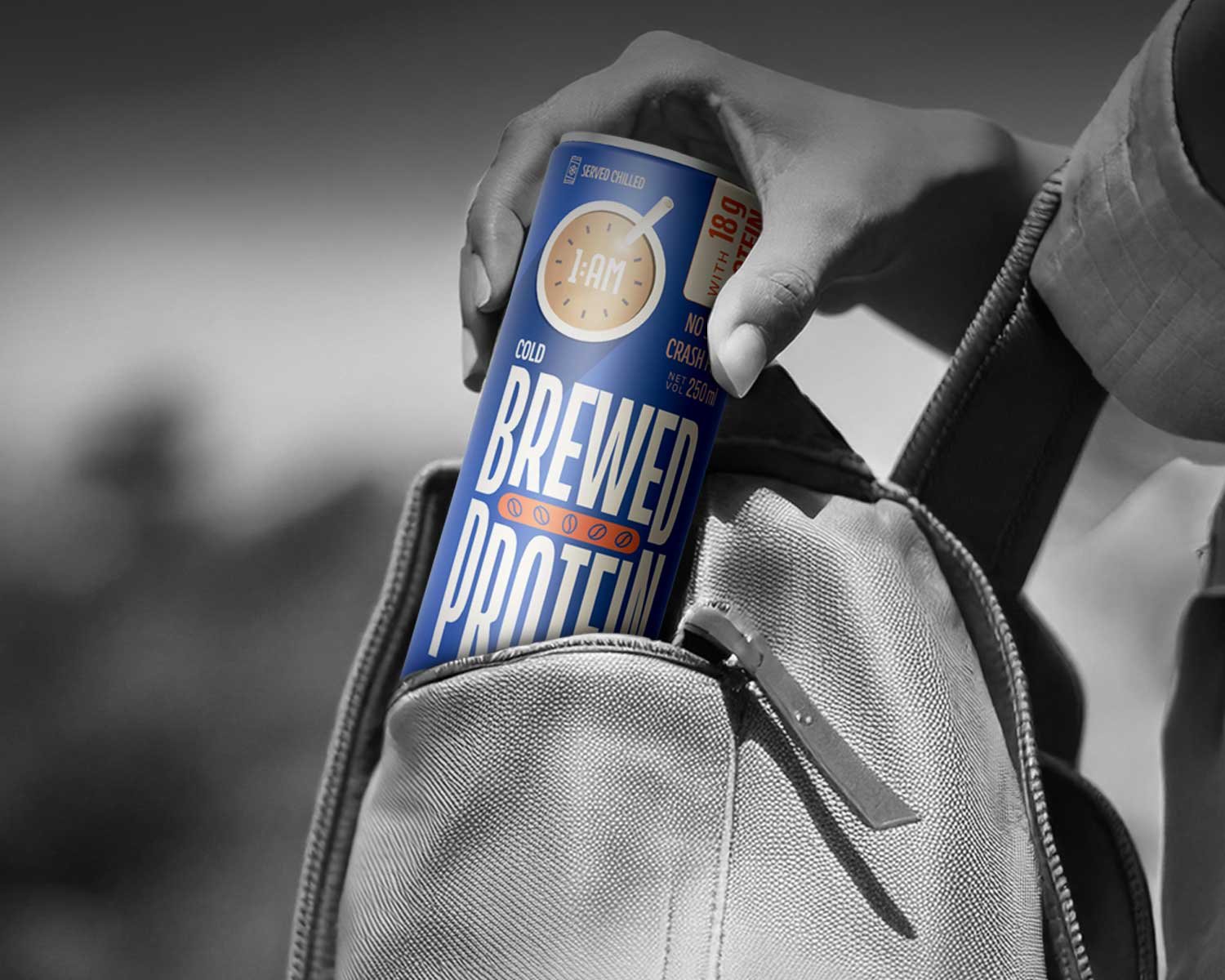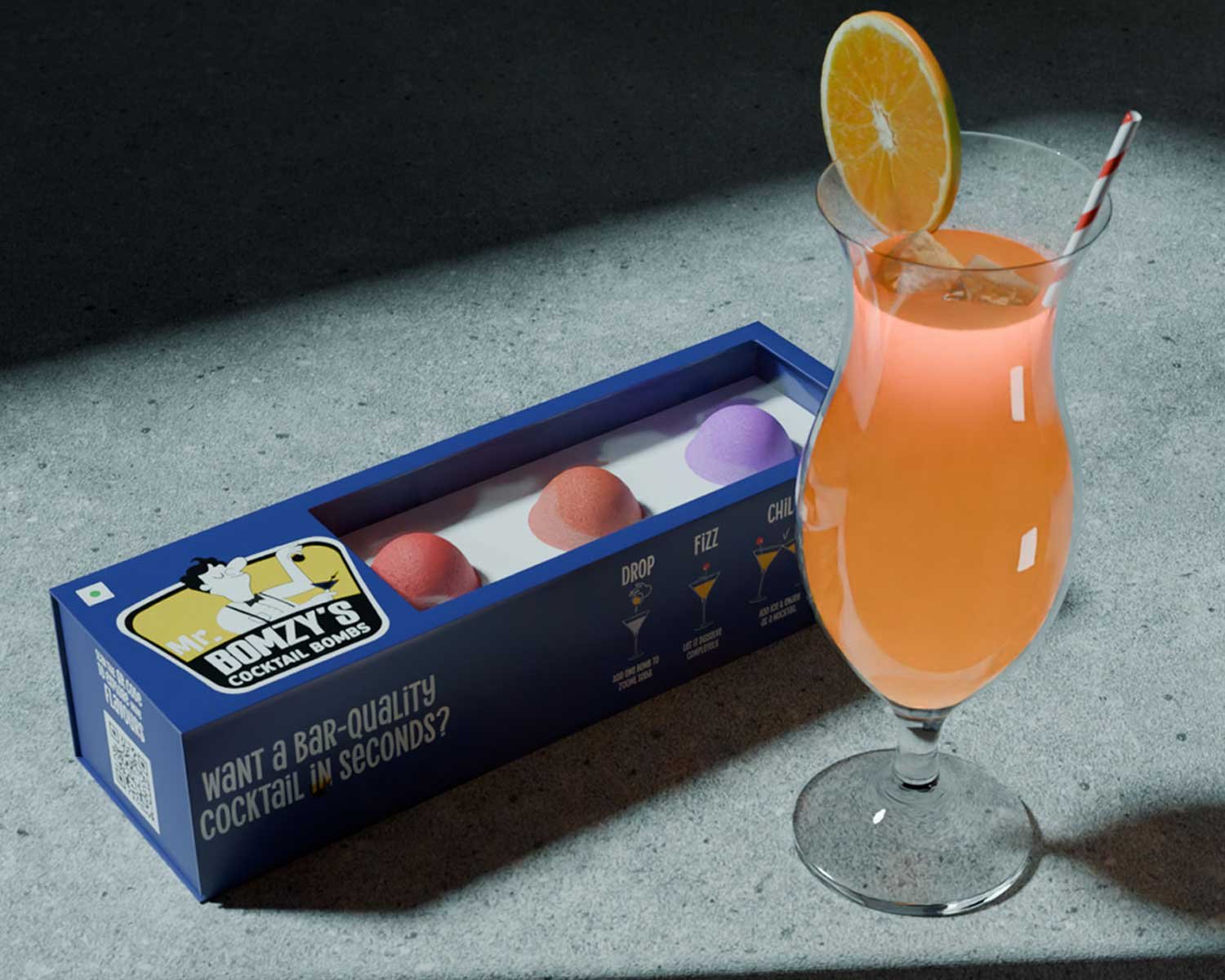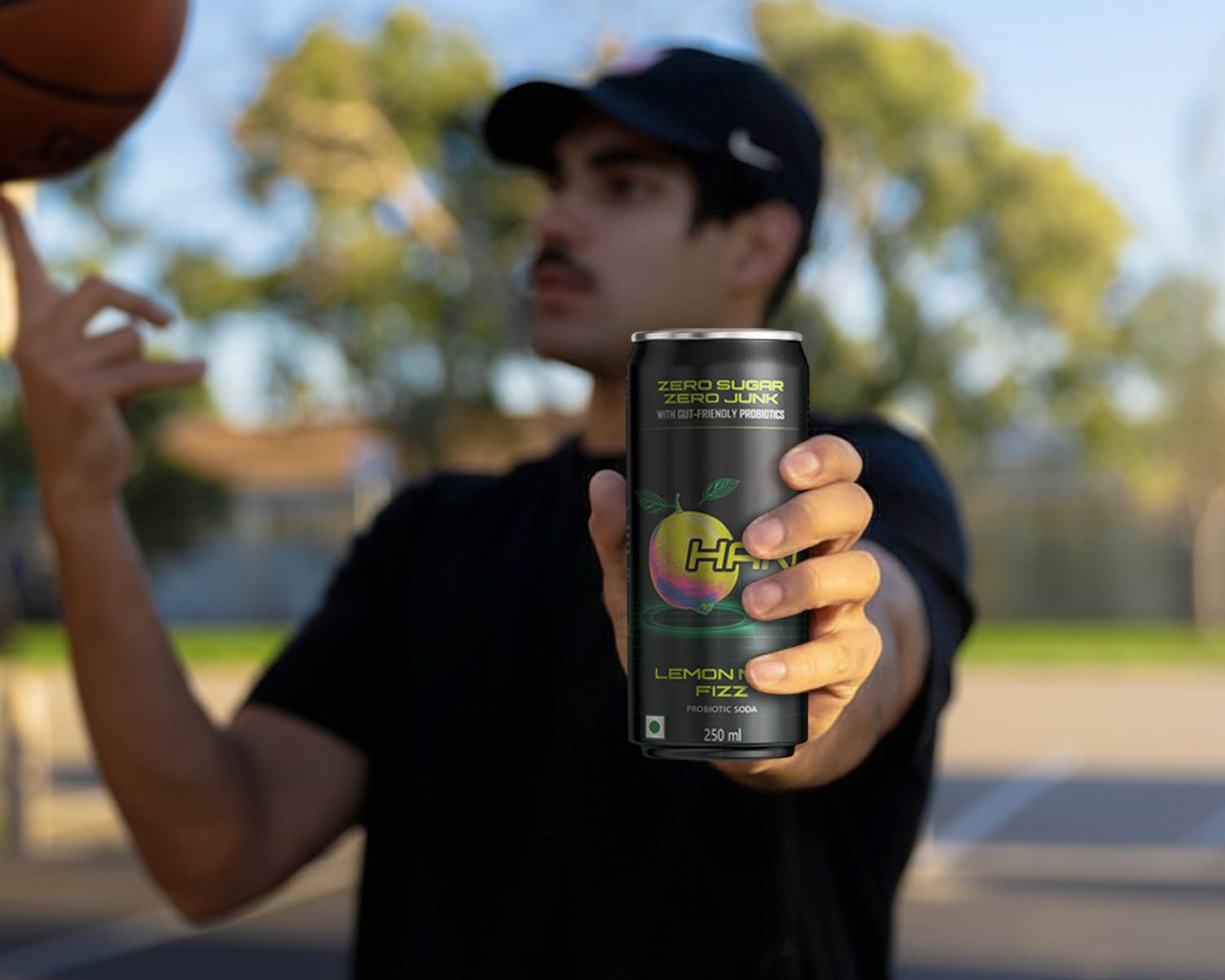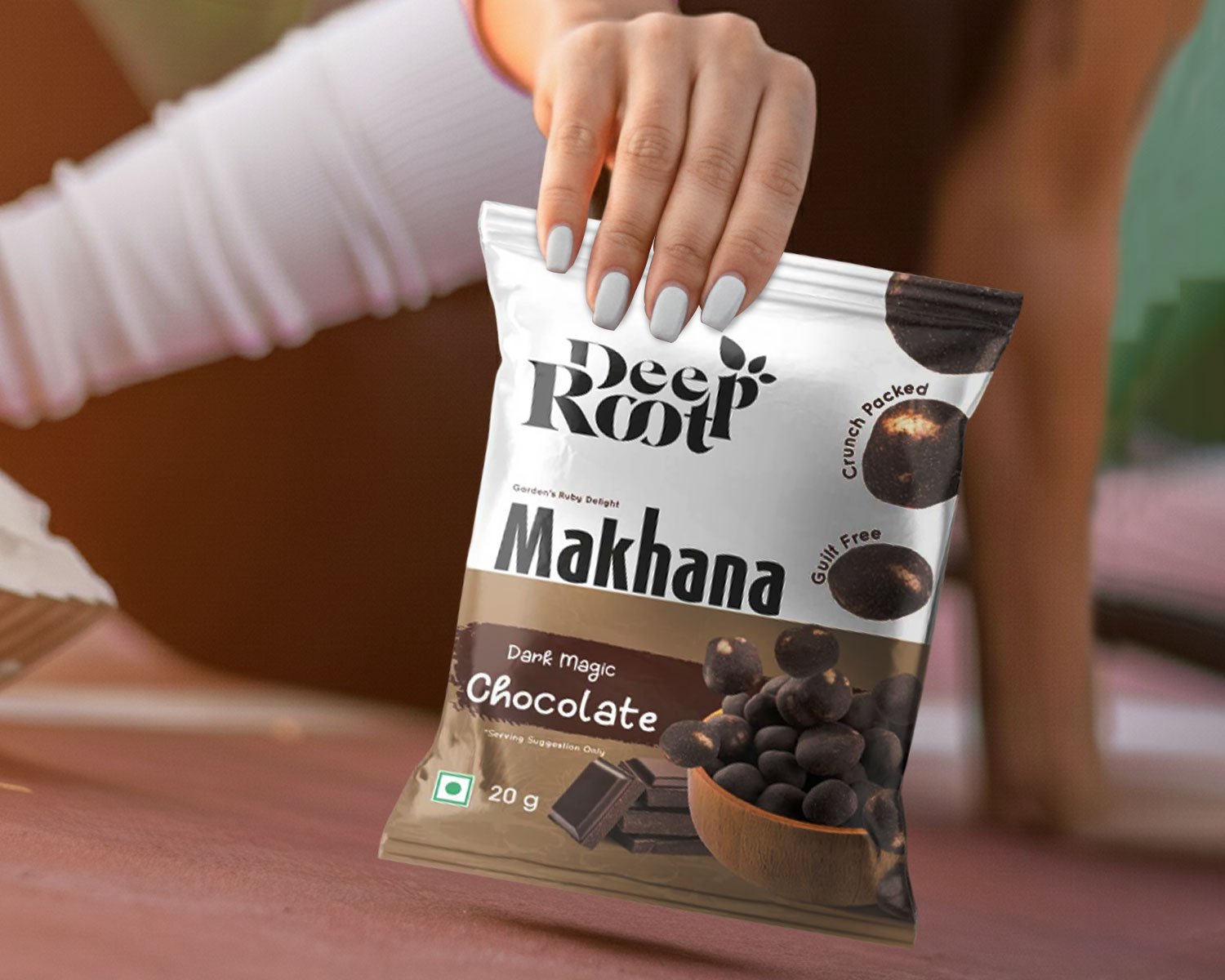
The problem is quite simple. Design a drink that is functional, i.e., has a health benefit, and is palatable. In fact, arguably the toughest problem facing the beverage industry is the functional beverage formulation and health drink formulation because, as you might expect, the ingredients that are used to make a drink functional are precisely the ones that make a drink taste bad.
The global functional beverages market was valued at USD 208 billion in 2024 and will be growing at a CAGR of 8.9% by 2034. All segments are growing: gut health drinks, immunity boosting drinks, nootropic drinks, adaptogen infused wellness drinks. But the winners in this space are not those with the most ingredients in their formula. The winners are those with a formula for a functional beverage that can deliver on taste and function.
What Are Functional Beverages and What Makes Formulating Them Hard
The term “functional beverages” refers to the beverages which are specifically designed to provide a particular level of health benefit. The level of diversity in this particular field is quite on the higher side. It includes probiotic beverages, protein-infused waters, vitamin fortified juices, adaptogenic shots, prebiotic sodas, nootropic beverages, nutraceutical beverages with herbal actives, etc.
The common link between the above mentioned different types of functional beverages is that in every single one of them, the problem of formulation is present. Every single time a nutrient ingredient is added to the health drinks formulation in order to provide a particular level of health benefit, it somehow or the other impacts the taste, texture, or shelf life of the particular drink. This is the core problem which is present in the formulation of a functional drink. There is no way around this; it has to be engineered around by the structured formulation of a health drink.
Why Health Drink Formulation Fails
- The active ingredients that are used in the correct quantity make the drink bitter or astringent or off notes, making it unpalatable
- The bioactive ingredients make the drink unpalatable as the ingredients used deteriorate during the heat treatment process, thus removing the benefit even before the product is consumed
- The pH level of the ingredients used does not match the pH level of the ingredients used for taste or shelf life
- The use of protein or fiber ingredients changes the texture of the drink in a heavy or gritty manner
- The founders claim health benefits for the product without validating the formulation used for the product
- The founders do not understand the concept of developing a functional drink by merely using ingredients or formulating a drink from scratch
How Functional Drinks Work? The Formulation Logic
First off, in order to understand what a functional drink is at a formulation level, you have to understand the difference between a benefit and a delivery mechanism. A functional drink is not functional simply because it has a functional ingredient. A functional drink is functional because, at a certain level, that functional ingredient is bioavailable, is stable over time, is at a certain level, and is compatible with all other ingredients. Most founders are thinking about ingredients. They’re not thinking about delivery mechanisms. And that’s a problem. A functional drink that tastes great but does nothing in the body, or a functional drink that tastes so bad that a person can’t finish a bottle of it, is a brand killer.
Bioavailability Is the Real Variable
It is also important to note that the bioavailability of the same active ingredient can vary significantly depending on the particular form in which it is used, the pH level of the beverage, the presence of other compounds in the formula, and finally, the method of processing of the beverage. For instance, curcumin has low water solubility and bioavailability. However, it can offer a significant increase in terms of bioavailability when it is used in a phospholipid bound or nanoparticle form. If a wrong form of an active ingredient is selected for a functional beverage formulation, then it can be said that the claim for health benefits is present in theory, but it is actually absent.
Processing Kills More Actives Than Formulators Expect
The most common cause of bioactive degradation in a health drink formula is heat. Probiotics are destroyed at temperatures above 45 degrees Celsius. B vitamins are destroyed at pasteurisation temperatures. Polyphenols oxidise at hot temperatures or when exposed to UV light. Pasteurisation, whether it is HPP or cold fill, should not be based on cost or convenience factors but on the stability of bioactive ingredients.
Functional Beverage Ingredients List
What Gets Added and What It Does to Taste
The ingredients used in the functional beverage ingredients list depend on the positioning of the product. However, there are some ingredients that are common in the various functional beverage ingredients lists. Each of the ingredients has a taste challenge that must be addressed when formulating a product in the functional beverage market segment.
The most commonly used ingredients in the functional beverage ingredients list and the taste challenges:
- Ashwagandha: earthy, bitter, and musty, one of the most difficult adaptogens to mask in a drink format, best used in opaque formats rather than clear formats
- Probiotics: flavourless in a powder format but can develop off-flavor characteristics in a liquid format after a period of time, masking of this ingredient would be less of a concern in terms of packaging and temperature control
- Magnesium Glycinate or Citrate: Very bitter and metallic in large doses, balancing a sweetener and acidity in a health drink format can be a challenge
- L-theanine:- clean flavor profile, easier to use in a nutraceutical drink format without extensive masking efforts, often used in conjunction with green tea or nootropic flavor profiles
- Collagen peptides:- light animal note at high concentrations , good in flavor masked formats but can be noticeable in neutral or water base wellness drinks
- Inulin or FOS:- prebiotic fibers; light sweetness and slight viscosity, good in drinks but can be fermentation flavor in high levels in long shelf life formulas
- Turmeric :- strong pigment, earthy, and bitter , best in citrus or tropical flavor profiles where color and spice will not compete with beverage
- Zinc :- metallic and astringent even in low levels , must be buffered and balanced in a drink formula with an acid and sweetener
How to Add Health Claims Without Killing Taste:- The Formulation Approach
The answer lies beyond flavour masking. Flavour masking is a last resort in the formulation of a functional beverage. A well designed formula for a health drink will incorporate the active ingredient in a flavour system where it will be enhanced.
Step 1 : Dose First, Then Build the Formula Around It
The effective dose of the active ingredient must be established before any other work is done with the other ingredients. In other words, the amount that is scientifically or clinically validated for the benefit claimed, at the serving size specified. Once the amount is known, the rest of the work is done around that, not the other way around.
The biggest problem with functional drink development is if the amount is reduced to adjust for a taste problem. In that case, the product is left with a health claim that is not substantiated, which is a problem with the law as well as with consumer trust.
Step 2 : Choose Ingredient Forms That Minimise Off-Notes
The active has a number of different forms, all of which have different taste profiles. Magnesium glycinate has a significantly better taste profile than magnesium sulphate. Ashwagandha KSM 66 has a less intense taste profile than a full-spectrum ashwagandha root powder. In functional beverage development, the choice of active’s form is just as important as the active’s amount, and this decision should be based on taste, not cost.
Step 3 : Match Flavour System to Active Profile
Some flavor profiles are better at covering or complementing the functional ingredients than others. Citrus based flavors, for example, work well with zinc-based ingredients and magnesium based ingredients. The acid will minimize the metallic undertones. Berry based flavors work well with adaptogens. The astringent taste will minimize the earthiness. Tropical based flavors work well with turmeric based ingredients. The sweetness will minimize the spice undertones. A proper flavor system in a health drink is not just a cosmetic consideration; it is a formulation consideration.
Step 4 : Validate Stability Before Locking the Formula
It is only when the functional beverage is tested to ensure that the active ingredient is stable at a particular amount for a particular period of time under particular processing conditions using particular packaging that a functional beverage is said to be formulated. In testing the stability, the accelerated stability test is used. In this test, the testing is done at a higher temperature for a period of between 4 to 12 weeks. In addition, the taste profile is also tested. Many wellness beverages fail on the store shelves because this step is skipped.
Functional Drink Examples and What Good Formulation Looks Like in Practice
If you look at some of the functional drink examples, you would understand how the best of functional drinks handle the taste function problem. Poppi, a prebiotic soda, was acquired by PepsiCo in 2025 for an amount of $1.95 billion. Poppi utilized apple cider vinegar, which has a huge taste function problem, by using a carbonated fruit flavor base, which absorbed the acidity of the apple cider vinegar. The functional ingredient utilized was the base.
The same applies to brands using Ashwagandha as an RTD wellness drink. The better functional drinks use a flavor base of cocoa, coffee, or spice, rather than trying to create a clean base with heavy masking of Ashwagandha.
The ingredients list of a functional beverage and the flavor system need to be considered as a one decision, not 2.
| Functional Claims | Primary ingredients | Best Flavour System | Key Formulation Risk |
| Gut health | Probiotics / Prebiotics | Fruit, lightly carbonated | Probiotic viability over shelf life |
| Stress & calm | Ashwagandha or L-theanine | Cocoa, spice, berry | Earthy off-notes at effective dose |
| Immunity support | Zinc, Vitamin C, Elderberry | Citrus, tropical | Metallic aftertaste from zinc |
| Cognitive focus | L-theanine, Lion’s mane | Green tea, citrus-mint | Umami notes from mushroom extract |
| Hydration + recovery | Electrolytes, Collagen | Tropical, neutral water base | Salinity and animal notes at dose |
| Energy (clean) | Guarana, B vitamins | Berry, green apple | Bitter overtones from B3 at high dose |
Helpful Guide:- Custom Drink Formulation Cost in India
How Foodsure Approaches Functional Beverage Formulation
Foodsure’s approach to functional beverage formulation is based upon the claim, not the ingredient. Before any bench work is done, Foodsure’s team determines the effective dose of the active ingredient, stability needs, bioavailability form, and sensory profile with the target consumer in mind. All decisions about the flavor system, process technology, packaging solution, and claim strategy are based upon these determinations.
Our range of beverage formulation services covers the entire gamut for the development of nutraceutical beverages and wellness beverages. We have successfully developed probiotic beverages, adaptogenic beverages, protein enriched water beverages, prebiotic soda beverages, functional juices, etc. However, the philosophy for each of these projects is the same: the health benefit and the taste cannot be traded off; they must be solved.
What Founders Get Wrong About Wellness Drinks
The biggest mistake made when formulating a functional beverage is starting with a claim and then trying to work backwards to an ingredient that will back up the claim, and then finding out the ingredient tastes like crap at the required level. This is a formulation issue, and there is no easy or cost effective solution for it.
The second biggest mistake made when formulating a functional beverage is thinking that because a functional ingredient is on the label, the end user is receiving a corresponding amount of that ingredient. There are a lot of variables when it comes to whether or not the end-user of a product is receiving a corresponding amount of a particular ingredient. A functional beverage that does not deliver on a claim undermines the trust of the end-user more quickly than a product that did not make a claim at all.
The right way to formulate a functional drink is to start with the science behind the functional ingredient’s dosage form, stability, etc., and then build upon that. That’s where beverage formulation services can be most valuable to you, and that’s where self-formulated brands are most likely to go wrong.
Top Trending Guide:- Focus Drink Contract Manufacturing for Modern Brands in 2026
Launch Your Nutraceutical or Wellness Drink the Right Way
From functional ingredient selection to taste, stability, and compliance — our experts help you formulate effective, market-ready drinks without costly trial and error.
Trusted by nutraceutical startups and wellness brands across India
FAQ’s (Frequently Asked Questions)
Q1. What are functional beverages and how are they different from regular drinks?
A functional beverage is one that gives a person a certain benefit, such as gut health, immunity, energy, or focus, beyond a basic level of hydration or nutrition.
Q2. How does functional beverage formulation work and where does it start?
It all starts with a highly effective dose and stability profile of the active ingredient, then builds from there with a flavor system and process method.
Q3. What are the most common functional beverage ingredients and their taste challenges?
Ashwagandha, Zinc, Probiotics, Collagen, and Prebiotic Fibers are all fairly common, and they all have a bitter, metallic, or off-taste that must be controlled in a formula.
Q4. What are the benefits of functional drinks for consumers?
Targeted Benefits: Improved Gut Health, Improved Immunity, Energy, Mental Clarity, Anti-Stress, Hydration, and Recovery.
Q5. How do functional drinks work in the body?
Via bioavailable active ingredients that interact with particular physiological pathways. Effectiveness depends on dosage, form, and delivery system.
Q6. What are some functional drink examples in the current market?
Prebiotic sodas such as Poppi, adaptogenic shots, probiotic kombucha, nootropic RTD teas, and electrolyte-collagen wellness water are at the forefront..
Q7. What beverage formulation services does Foodsure offer for functional drink development?
End-to-end development from concept to stability, FSSAI, scaling, co-packer alignment.