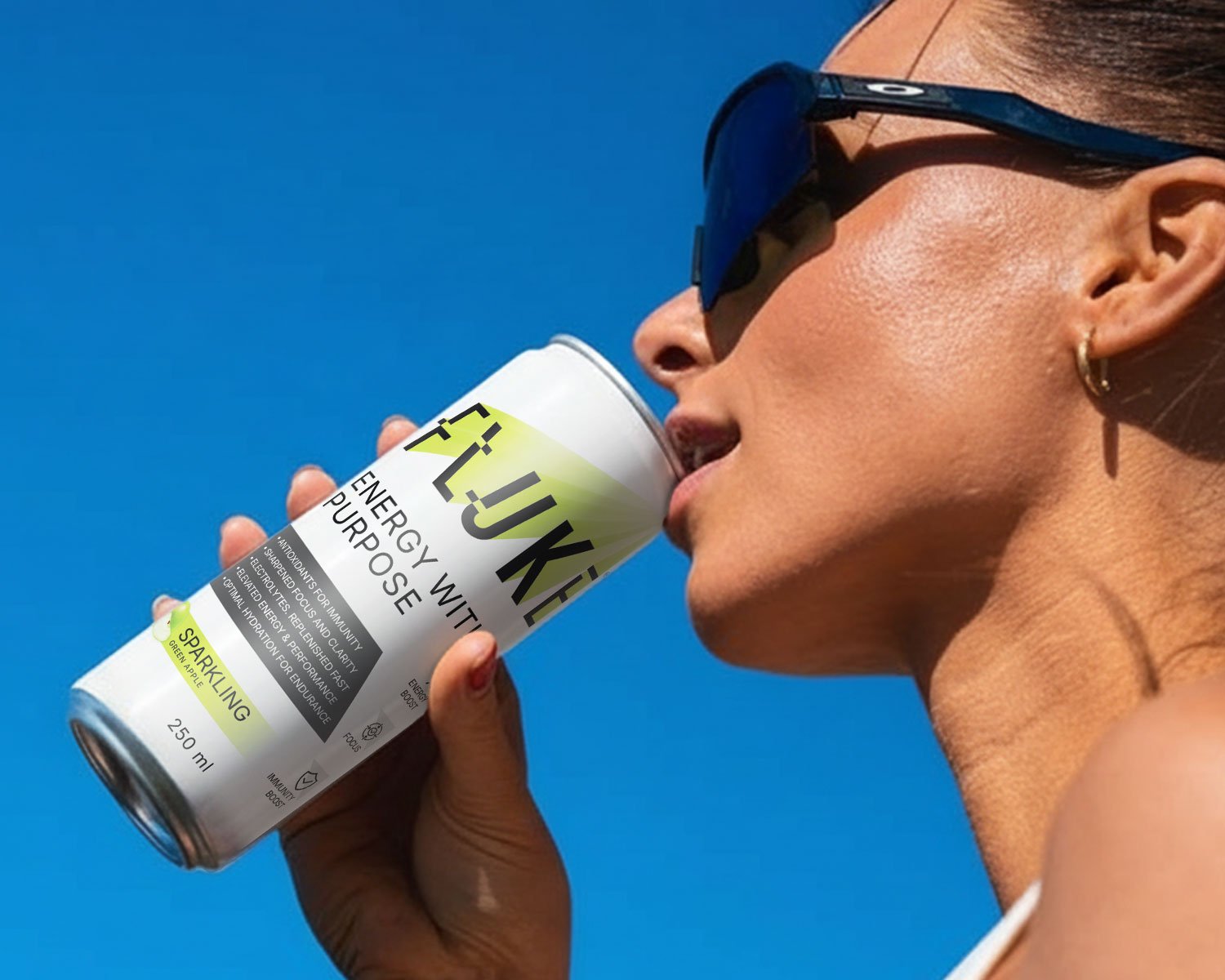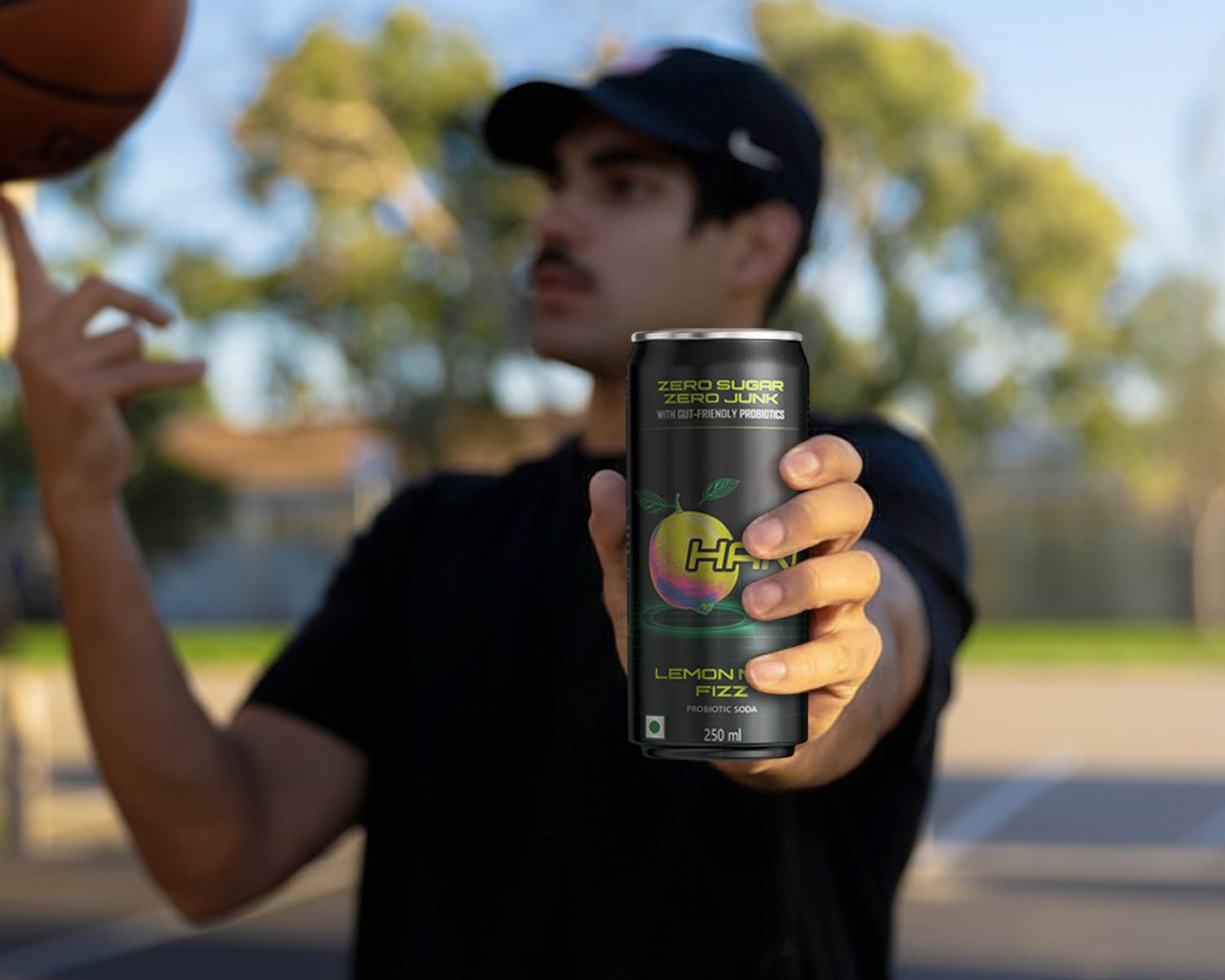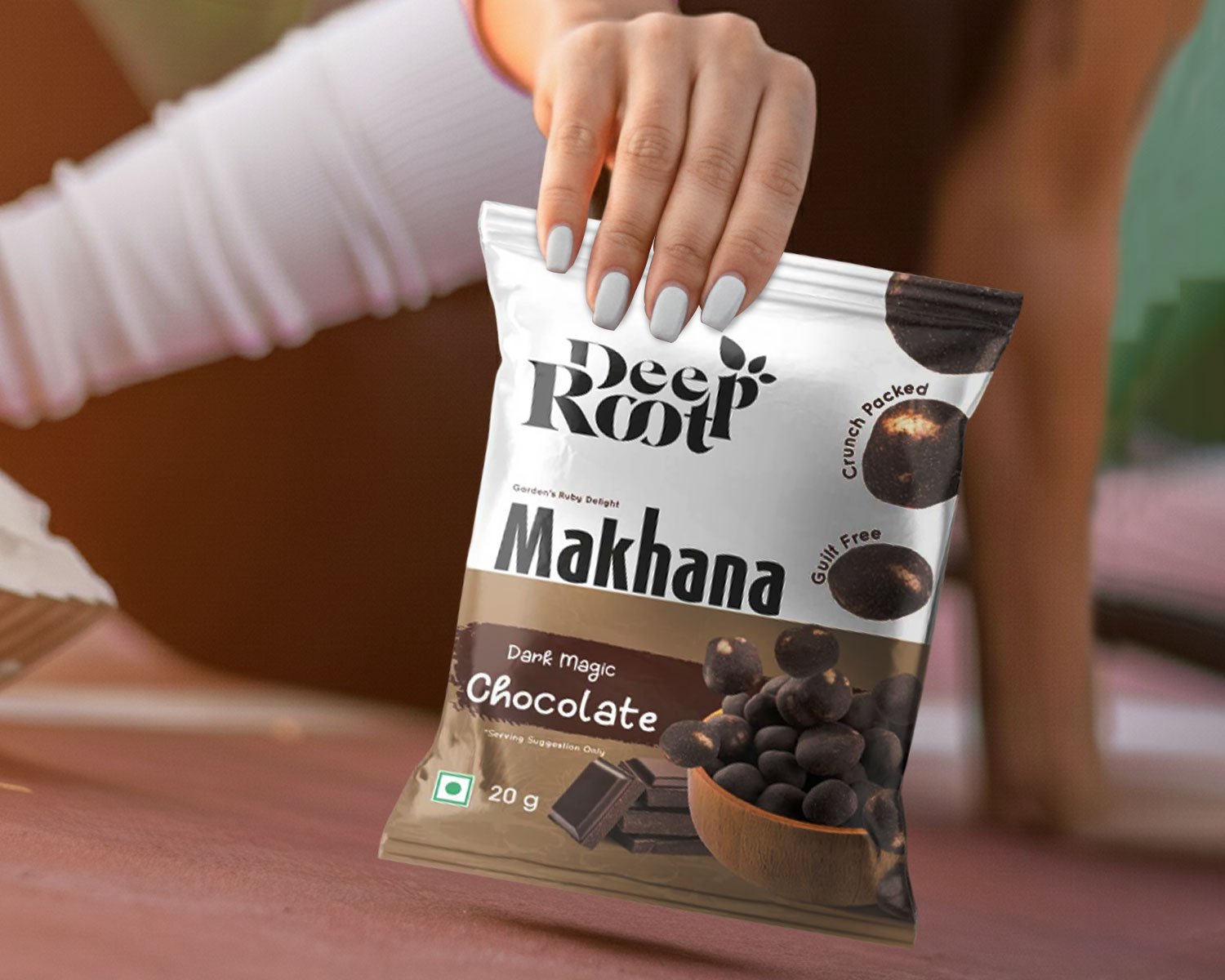
India’s Functional Food Market Is Expanding Rapidly. Building in It Correctly Requires More Than a Good Idea. There is change happening among the consumers of India. From a focus on cure to a shift towards prevention, a greater number of urban and semi urban consumers have adopted this way of approaching their health. Foods that can provide something beyond just sustenance, be it anything related to boosting immunity, aiding digestive health, providing energy or aiding cognitive functions, are slowly finding themselves in the mainstream. Functional foods in India has gone from being an area that only FMCG companies could capitalize on to becoming a reality for new startups, entrepreneurs, or smaller scale manufacturers who know how to do things the right way.
Why Functional Food Product Development India Is More Demanding Than Most Founders Expect
It is clear why Functional Food Product Development India is growing . There are plenty of consumers to serve in the market who have growing interest in maintaining their wellbeing, the country has a strong history of food ingredients for good health through traditional systems such as Ayurveda and local food culture, and the regulations, which may seem complicated, are more organized compared to other similar economies. What may not be immediately clear is just how many obstacles there are to overcome before reaching the final product.
The functional food product development India market was estimated for value at USD 35,074.75 million in 2024 and is projected to reach USD 60,612.54 million by 2031 at a CAGR of 8.2% . It is quite apparent that the creation of functional foods will be very attractive for India. This is due to the availability of an ample number of consumers interested in taking care of themselves, the nation’s long standing tradition of using food products as natural medicine, and its regulatory system, which although complex, is better than that of most comparable nations. However, what is less apparent is the extent of difficulties that must be faced on the way to producing the finished product.
Why So Many Functional Food Launches in India Stall Before Reaching Scale
The pattern holds true for all functional food product development india. A founder recognizes a real consumer need, comes up with a product concept using a well-known ingredient, such as ashwagandha, turmeric, probiotics, or omega-3s, formulates a product, approaches a contract manufacturer, and suddenly finds himself confronted by the regulatory hurdles he never knew existed. The ingredient might not be listed in Schedule VI of the FSSAI regulations at the dosage level used. The health benefit statement the company was considering using would require prior approval from FSSAI, backed by scientific data. The category the product falls under would require registration with FSSAI and a central license no matter what quantity of product is being made. Time gets extended. Budgets go haywire. Launch windows close.
The reason for failure in such cases lies not in the idea but in the approach. In India, functional food development should begin with the regulatory and formulation architecture rather than the other way round.
What Founders Building Health Food Products in India Keep Getting Wrong
- Starting to develop a functional food product India without determining the FSSAI category of that product, since all the next steps depend on it, including licensing, labeling, and claims
- Choosing botanical or herbal ingredients that are widely recognized by consumers, even though the ingredients inclusion in the FSSAI Schedule VI at the required dose is not verified
- Developing the health claims of the product based on the international practices, despite the fact that it should be checked if those claims are approved by the FSSAI Advertising and Claims Regulations 2018
- Choosing a contract manufacturing partner before formulating and validating the product, its FSSAI category, and the licensing process, which usually leads to requalification of manufacturing with another partner
- Failing to understand how long functional food manufacturing may take, especially if FSSAI product approval is needed with scientific substantiation of effects under Section 22 of the FSS Act 2006
- Conducting stability tests after launch, rather than before launch as a formulation validation step, which leads to shelf life uncertainty, reducing retailer/distributor trust
What Functional Food Product Development India Actually Involves
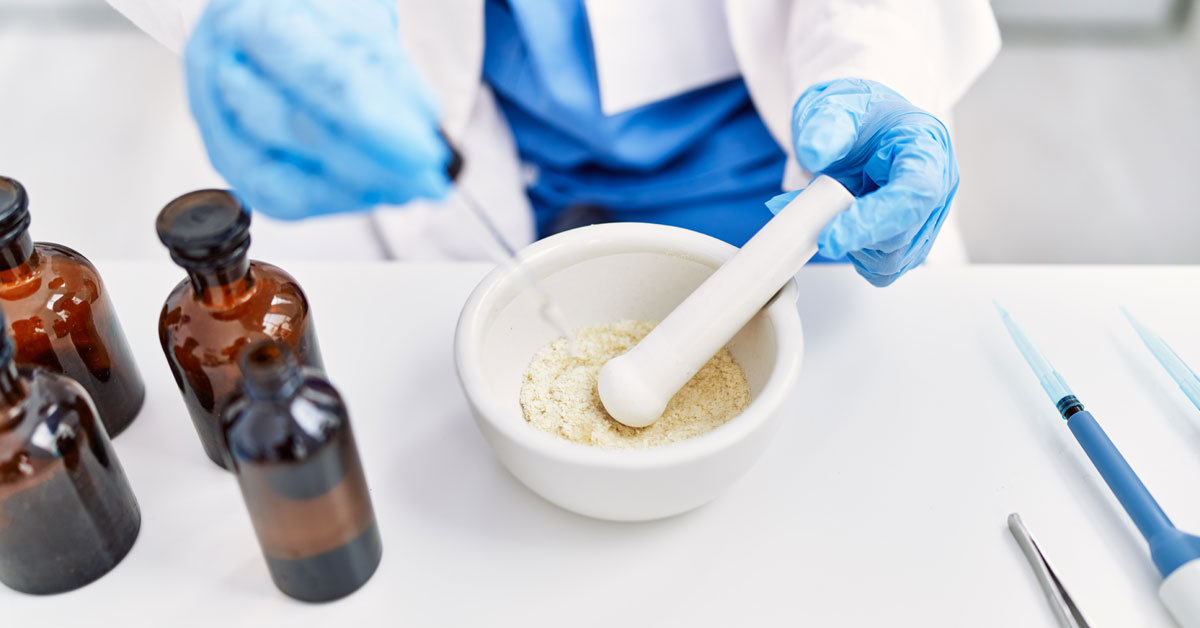
Product development for functional food product development india involves several steps. These involve formulation, regulatory strategy, manufacturing, and labeling compliance. None of these four factors can be considered individually without the others. For example, even if a formulation proves successful on paper and in practice, but its claims do not conform to FSSAI guidelines, it will not become a marketable product. Even if the claims comply with regulations, and the formula passes muster, but the manufacturer cannot reproduce it consistently at the necessary quality level, then it will not become a marketable product.
Regulation of functional food product development india comes under the Food Safety and Standards Act, 2006. The Health Supplements, Nutraceuticals, Food for Special Dietary Use Regulations, Food for Special Medical Purpose, Functional Food and Novel Food Regulations of 2022 regulate health supplements and nutraceuticals, and this is supplemented with the Advertising and Claims Regulations of 2018. Section 22 of the FSS Act mandates that failure to produce or sell any functional food or nutraceutical product after obtaining product approval from FSSAI is an act of non compliance. Every manufacturer of functional food products and nutraceuticals should possess a Central FSSAI Licence irrespective of the volume of production after the 2021 directive cancelling the former state license for such categories of food products.
The Functional Food Product Development Process in India: Stage by Stage
Stage 1 : Category Classification and Regulatory Architecture
The first step involved in developing functional food product development india is not the choice of ingredient to be used. This is because each category under FSSAI has its own guidelines regarding ingredients, claim statements, labeling requirements, and approval process. Misclassification of a product from the very beginning leads to issues in other decisions downstream. A dairy product with probiotics and vitamin D qualifies as a functional food.
A concentrated extract of ashwagandha in capsule form can be considered a nutraceutical. A high protein meal replacement for weight management falls under the category of food for special dietary use. Each of these has its own route to go through under FSSAI, schedule references for ingredients, and claim statements. Functional food development in India is impossible until proper classification under FSSAI is done.
Stage 2 : Functional Ingredient Selection and Dose Validation
With regard to the classification, selection of ingredients in health food product development in India should start from the outside in approach with regard to FSSAI Schedules. Permitted ingredients and their maximum permissible dosages for each respective category are found in Schedule VI of Health Supplements and Nutraceuticals Regulations. In other words, any vitamins, minerals, amino acids, fatty acids, and herbal plants listed under this schedule can be used in a corresponding product up to maximum permissible dose. The use of ingredients which are not mentioned in Schedules or those which exceed permissible dose in some way should be approved by FSSAI Nutraceutical Division with submission of technical dossier (safety assessment, certificate of analysis, and proof for maximum dose).
The question of dose is much wider than just compliance with the regulations. If one talks about a functional food with a declared physiological effect achieved due to use of a particular substance at a dose below its physiological effectiveness simply for the sake of declaring the dose on the label, this will create a trust problem with consumers. And when health food product development in India is being done right, the effective dose is the same as formulated dose.
Stage 3 : Functional Food Formulation India
Having established the regulatory framework and confirmed the functional ingredient and dose, the formulation phase can start. Functional Food Product Development India encompasses the entire formulation process from scratch, including the functional ingredient, food matrix, excipients used to maintain stability, flavor and sweeteners, and preservation strategies depending on the shelf life of the intended use. Each of these components is assessed individually and also for its compatibility with other components in the matrix.
Stability studies are mandatory in the functional food formulation process in India. An active component that breaks down under processing temperatures, undergoes reactions with other ingredients, or loses its efficacy over the targeted shelf life period does not provide the health benefit associated with the ingredient claim. Accelerated stability tests are mandatory in predicting the actual stability of the product at ambient storage conditions, even prior to finalizing its formulation. As per FSSAI requirements, such data must be included in the technical dossier to support the product approval, making it mandatory in the formulation process of functional foods in India.
Stage 4 : Functional Food Manufacturing India
Functional foods manufacturing India as nutraceuticals or health supplements needs a GMP facility holding Central FSSAI License. The manufacturing partner has to have documented quality management procedures relating to testing of raw materials, process controls, testing of finished product, batch tracking, and environment testing. Also, the actual process of manufacturing has to be validated to ensure that the process is capable of producing the product per the formulation specification repeatedly in commercial size batches and not just at pilot scale.
The most popular method of manufacturing functional food product development india is through contract manufacturers. Selection of contract manufacturer will depend upon its expertise in the category of the product and the dosage form, GMP certification status of the manufacturing facility, analytical testing capacity, minimum order quantity against the volume required by the brand, and willingness to manufacture according to the specification provided by the brand in terms of its formula.
FSSAI Compliance: Claims, Labels, and Licensing
The FSSAI Advertising and Claims Regulations 2018 clearly outline the provisions that govern what a functional food or health food item may state on the label or in its advertising. Nutrient function claims stating the biological effect of a nutrient in supporting normal physiological functions are allowed based on well established scientific data. General health claims about a product’s contributions to maintaining good health are allowed with supporting documentation. Qualified health claims regarding the association between a nutrient and lowered risk of developing diseases are permissible but need prior approval from FSSAI. Any claim related to preventing, curing, treating, or diagnosing a disease is explicitly prohibited and punishable by a fine of up to Rs. 10 lakhs under Section 53 of the FSS Act.
Elements required on mandatory labels of functional foods and nutraceuticals in India include nutrition facts panel, category of the product as either Nutraceutical or Health Supplement or Functional Food, quantity to be taken daily with directions for use, precautions/contraindications, disclaimer that the product should not be used for diagnosing or treating a disease, batch number, date of manufacture and best before date, and identity of the manufacturer including the address and Central FSSAI Licence number.
Where Foodsure Fits in Functional Food Product Development in India
Foodsure helps founders throughout all stages of functional food product development India, including initial regulatory categorization and ingredient suitability assessment, formulation development, stability studies, co-manufacturer selection and qualification, label compliance auditing, and obtaining FSSAI certification. Founders who collaborate with Foodsure during the early stage of development process, prior to finalizing formulation development, before selecting a co-manufacturer for the project, always manage to reduce time to market, avoid regulatory issues, and improve the quality of their products compared to founders who decide to collaborate later due to some regulatory or formulation issues.
The functional food sector in India offers plenty of exciting prospects to those founders who realize how to develop products in this market. A combination of knowledge and tradition about ingredients in India, growing number of health-concerned consumers, and better retailing infrastructure means that it is possible to create products with brand equity and loyal customers. Foodsure’s responsibility is to ensure that the product formulation and positioning from regulatory perspective match the marketing efforts put by founders into this product.
What Founders Who Build Successfully in Functional Food Product Development in India Understand
Functional food brands that have been developed in India by founders with enduring success all share the same orientation towards their products: compliance as an element of product design that enhances the product rather than hinders it. Compliance with the requirements set out by the FSSAI, dosing for efficacious results, and labelling with claim statements that the formula can actually back is a better product than one that was designed with the intention of working around regulations. The former inspires confidence; the latter does not.
An annual compound growth rate of 10% up until 2030 represents one of the best product development windows in the country’s nutrition space. But it is only those functional food brands that begin with the appropriate regulatory structure, scientifically tested formulas, and reliable manufacturers that can bring these products to market at scale that will survive the growth phase in their respective categories. If your goal in functional food product development india is to produce an enduring brand, your foundation needs to be solid.
If you are looking for a partner in functional food product development in India, contact us today.
Functional Food Product Development India: Process, Cost and Complete Guide 2026
Get expert guidance on formulation, compliance, costing, and launch strategies for functional food products in India.
FAQs (Frequently Asked Questions)
1. What is the difference between a functional food product development India and a nutraceutical under FSSAI in India?
Functional food is a regular food product which has been modified to contain bioactive components providing additional benefits apart from nutrition. Nutraceuticals are highly concentrated forms of a food based product which provide a certain benefit, and they are delivered by means other than foods, such as capsules or powders. Both are regulated under the FSSAI Nutraceuticals Regulations 2022.
2. Is the Central FSSAI Licence mandatory for all manufacturers of functional foods in India?
Yes. As a result of the FSSAI Directive issued in 2021, all food business operators producing nutraceuticals, dietary supplements, and functional foods in India should possess the Central FSSAI Licence irrespective of their yearly turnover or volume of products produced.
3. Can functional foods legally make certain health claims in India according to FSSAI guidelines?
Nutrient function claims and general health claims stating the benefits of a certain product towards the overall state of health may be made if supported scientifically. All disease prevention/treatment claims are not allowed. Qualified health claims need the approval from FSSAI beforehand.
4. How long does it usually take to develop functional food products in India?
Typically, the development period for a new functional food product development india ranges between 6 months and 18 months, depending on whether it involves new or non scheduled ingredients that need product approval from the FSSAI and the stability testing requirements.
5. What is Schedule VI and what importance does it hold in developing functional foods in India?
Schedule VI of the FSSAI health supplements and nutraceuticals regulations stipulates the list of ingredients approved for different categories of products, along with their maximum allowable doses. If the ingredient falls within Schedule VI, then there is no need for product approval, however, ingredients outside Schedule VI require submission of a technical dossier to the FSSAI nutraceutical division.
6. What is stability testing, and how important is it in developing functional food products in India?
Stability testing assesses the stability of the functional ingredient as well as the final product in terms of its performance at different temperatures and humidity levels. Stability testing, especially accelerated stability testing, forms an integral part of the technical dossier for FSSAI product approval applications.