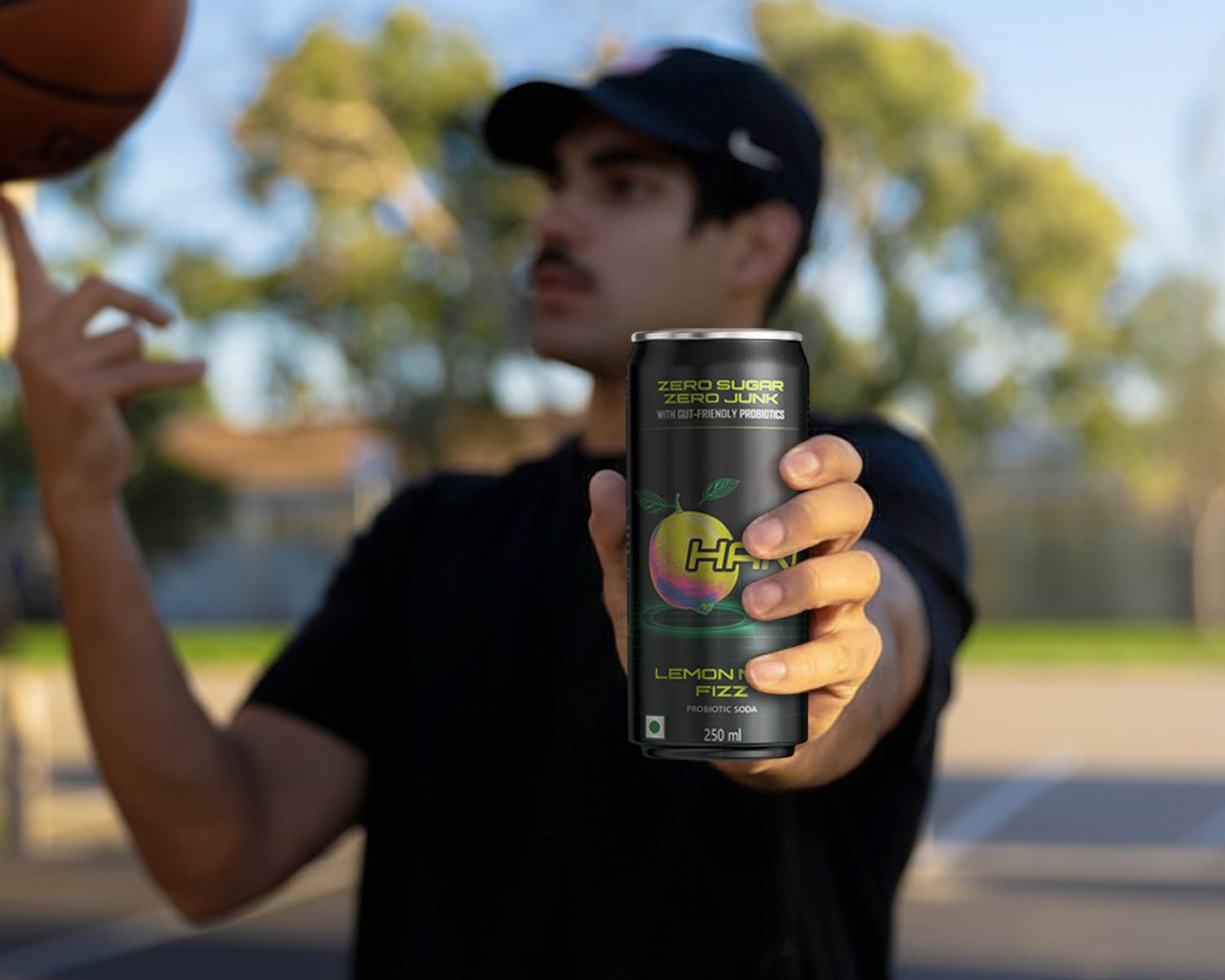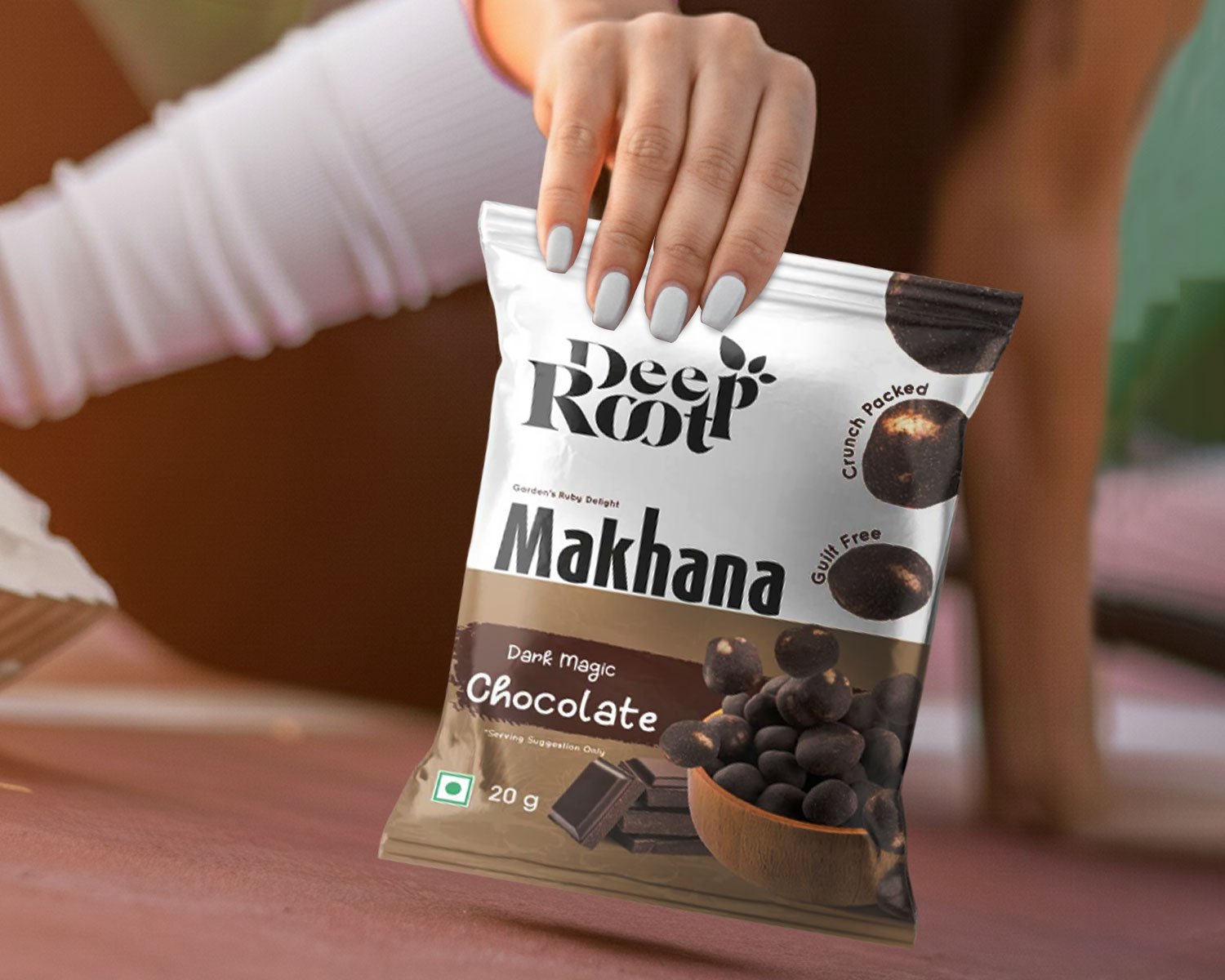
In the global food sector, there is one of the biggest transformations taking place. People do not just eat anymore; they eat for a reason – they search for products which boost their immune system, their gut microbiota, cognitive functions, and help to prevent chronic diseases. And the key product group which is behind all that is functional foods.
Functional foods like cereals enriched with vitamins and probiotics have become a part of our daily life. However, what lies ahead is even more revolutionary. It involves a combination of biotechnology, the field of personalized nutrition science, and the sustainable approach, which results in healthy foods to revolutionize our perceptions of food.
The market for functional foods is currently estimated to be worth USD 280 billion in 2023 and it is forecasted to exceed USD 530 billion until 2030, expanding at a CAGR of around 8.6%. Such growth rate is driven by the global focus on preventive care and science-based dieting. Now, nutraceuticals and superfoods are no longer just a small niche product segment. Health foods are becoming widespread as people around the world look for ways to stay fit and healthy through what they eat.
This blog post presents 10 radical innovations that will shape the future of functional foods till 2030.
What Are Functional Foods?
Functional foods are those foods which are beneficial to the health of the consumers not only in providing basic nutrition but in adding value due to certain bioactive ingredients such as probiotics, prebiotics, anti-oxidants, Omega-3 fatty acids, vitamins, and minerals. Unlike normal foods, functional foods are carefully designed and enriched to provide specific health benefits. Health benefits provided by functional foods include maintenance of cardiovascular health, digestive health, cognitive functioning and immune system.
Different regulatory authorities all over the world including FSSAI in India, FDA in the USA and European Food Safety Authority (EFSA) have laid down guidelines regarding health claims that may be made on food products and all those claims need to be backed by credible scientific evidence. Nutraceutical foods are those food products which lie in between nutrition and pharmacology. Nutraceutical foods consist of fortified dairy products, enriched grains, probiotic yogurt, omega-3 eggs and drinks containing adaptogens.
Superfoods, which include foods such as spirulina, turmeric, moringa, and chia seeds, are consumer-coined terms for foods that have high amounts of nutrients. Superfoods have been at the forefront of turning functional foods into something desirable. Currently, superfoods play an integral part in many product innovations within the healthy eating food sector.
The paradigm of the healthy eating foods sector is moving away from being based on calories and towards nutrient density and functionality.
Functional Foods vs. Conventional Foods: A Comparison
An important aspect to comprehend when dealing with functional foods is that there are differences between functional foods and normal foods.
| Feature | Functional Foods | Conventional Foods |
| Primary Goal | Health Outcomes | Taste & Satiety |
| Key Ingredients | Bioactive Compounds | Basic Macronutrients |
| Labelling | Claim-Backed | Standard Nutrition |
| Consumer Intent | Preventive Health | General Eating |
| Price Point | Premium Positioned | Budget Accessible |
There is a growing reduction in the distance between functional foods and regular foods due to increased consumer knowledge. The future is likely to see the adoption of innovations labeled as functional into regular foods by 2030.

10 Trends Driving the Future of Functional Foods
The sector of functional foods is not growing in isolation but rather as a result of some macro-level changes that have occurred in the fields of scientific research, technology development, consumers’ behavior, and global health concerns. Some of the trends in functional foods that are accelerating change in the field include the following:
- Boom in personalized nutrition based on genomics and microbiome profiling
- Growth of consumer interest in gut and digestive health products
- Emergence of plant-based superfoods in various regions
- Funding of precision fermentation for manufacturing bioactive compounds
- Regulatory backing for nutraceutical foods backed by clinical trials
- AI technologies in food design and development processes
- Sustainability and regenerative sourcing of ingredients
- Increase in consumer demand for cognitive and mental wellness foods
- Food as medicine concept becoming more credible in the healthcare system
- Consumer interest in minimal processing of healthy foods
Each one of them presents its own innovations that will determine the path of the industry up to 2030. According to Innova Market Insights, over 60% of consumers across the globe now base their purchase decisions on health benefits in food products.
Core Components of Leading Functional Foods Innovations
The key breakthroughs in functional foods that will occur in the year 2030 will depend on several foundational scientific and business aspects. The importance of knowing about these foundations cannot be overemphasized for players in this field.
| Component | Innovation Focus | Expected Impact |
| Bioactive Delivery | Microencapsulation Tech | Enhanced Absorption |
| Ingredient Sourcing | Precision Fermentation | Scalable Bioactives |
| Personalisation | Genomic Nutrition Data | Targeted Formulations |
| Sustainability | Upcycled Ingredients | Reduced Food Waste |
| Clinical Validation | Human Trial Evidence | Stronger Label Claims |
| Consumer Education | Digital Health Tools | Better Product Trust |
10 Innovations Reshaping Functional Foods by 2030
- Personalized Nutrition via Microbiome Profiling
Advancements in gut microbiome studies have paved the way towards personalized nutrition. Probiotics and prebiotics can now be formulated according to an individual’s gut microbiome, allowing for more customized nutraceutical food options.
- Precision Bioproduction of Advanced Bioactives
Precision biotechnology allows for the production of advanced bioactives using genetically engineered microorganisms. With precision biotechnology, bioactives such as heme proteins, lactoferrin, and advanced antioxidants can be manufactured without resorting to conventional farming of animals or plants.
- Food Development via Artificial Intelligence
AI-driven systems can predict consumer preferences and optimize formulation efficiency when developing foods for healthier eating habits. With AI food formulating software, the time required to develop a healthy food item is reduced from years to months.
- Cognitive Health Foods
Functional foods designed to enhance cognitive performance are becoming increasingly popular. Functional foods fortified with lion’s mane mushroom extract, phosphatidylserine, and bacopa monnieri will be prevalent in the coming decade.
- Innovative Upcycled Ingredients
The rise of food waste upcycling has created a new set of high-quality ingredient sources. Used brewer’s yeast, fruit pomace, and by-products from vegetables’ processing can now become valuable bioactive components of superfoods, bringing together sustainability and functionality.
- Postbiotics – The New Wave of Gut Health
While probiotics and prebiotics have taken center stage on the market, postbiotics, i.e., bioactive compounds created by gut bacteria, are likely to represent the future of nutraceutical foods aimed at improving gut health. They provide higher stability and effectiveness than probiotic cultures.
- Clinically-Dosed Functional Drinks
Functional drinks that contain clinically effective amounts of adaptogens, electrolytes, and other plant extract ingredients will help to replace unhealthy beverages with health-promoting alternatives. Such drinks are becoming an increasingly blurry line between health products and medicinal supplements.
- Personalized Nutritional Products by 3D Food Printing
The process of food printing enables manufacturers to create a personalized diet tailored according to customers’ needs and physical characteristics. Hospitalized people, the elderly, and athletes are all potential users of functional foods created through food printing technologies.
- Fortification of Staple Foods Using Synbiotics
Staple foods such as bread, rice, and pasta have been enhanced using synbiotics, which combine probiotics and prebiotics to offer highly functional nutritious foods in simple-to-access everyday food products.
- CRISPR Technology for Biofortified Plants
Using CRISPR technology, scientists are engineering plant varieties that contain increased amounts of vitamins, minerals, and antioxidants. Such biofortified foods help prevent vitamin deficiencies without the need for dietary supplements.
Common Challenges In the Functional Foods Industry
Though rapidly expanding and incredibly innovative, there are some issues faced by the functional foods industry that are unavoidable for any product brand.
- Complicated regulations depending on various market environments worldwide
- Claims on health without scientific proof will decrease the confidence of consumers
- High costs of bioactive components which makes such foods too expensive
- Logistics problems relating to obtaining of uncommon plants and marine ingredients
- The difficulty in distinguishing between nutraceuticals and wellness products among consumers
- Absence of common definitions of terminology such as functional food throughout the world
- Foods with very short shelf life caused by biologically active ingredients
- Greenwash in the promotion of superfoods by marketing organizations
- Challenges of educating consumers about complicated science of nutrition
- No regulations for healthy foods according to latest innovations
Brands who incorporate strategies addressing these issues will fare better in the competitive marketplace environment.

Development Stages for Functional Foods Innovation
The development of a successful functional food product involves a rigorous process from inception to commercialization. Missing out on any step poses serious threats to its safety and viability.
| Stage | Key Activity | Expected Output |
| Stage 1 | Consumer Insight Research | Innovation Brief |
| Stage 2 | Ingredient Identification | Bioactive Selection |
| Stage 3 | Formulation Development | Prototype Product |
| Stage 4 | Clinical or Lab Validation | Efficacy Evidence |
| Stage 5 | Regulatory Compliance Check | Label Claim Approval |
| Stage 6 | Stability & Shelf Life Testing | Product Specification |
| Stage 7 | Consumer Sensory Testing | Market Readiness |
| Stage 8 | Commercial Launch | Market Feedback |
Foodsure’s Approach to Evaluating Functional Foods Innovations
Be it a food brand looking at innovation, a business investor assessing potential or a consumer looking at purchases, methodological evaluation of functional foods is critical.
An approach to functional foods innovation evaluation must have the following steps involved:
- The scientific basis and dosage information of the active ingredient must be assessed
- The clinical/pre-clinical basis of the claims made should be verified
- Evaluation of the sustainability of the functional ingredients’ sourcing must be done
- Regulatory approval of all labeling claims must be established
- An analysis of bioavailability and the delivery system of the ingredient should be done
- Third-party testing and quality certifications of the producer need to be assessed
- Consumer acceptance from studies should be evaluated
- Proper packaging and shelf-life information must ensure bioactivity of the product
Products which can pass this type of evaluation are the ones which will win consumer trust in a health foods market space that is becoming very crowded.
Partner with Foodsure today to elevate your next wellness innovation from simply market-ready to undeniably market-leading. Let our expert formulators guide your Functional Foods journey with uncompromising quality, regulatory compliance, and scientific rigor.
The Clean Label Imperative in Functional Foods
“Clean label” is no longer a point of differentiation in functional food; it is an essential aspect. By the year 2030, the consumer will outrightly shun any functional food brands that incorporate artificial preservatives, synthetic colors, proprietary blends that are not declared, and health claims that are not proven.
Key focus areas in “clean label” for functional food brands:
- Artificial sweeteners, flavoring agents, and colorants must be stripped out of the formulations
- Every single ingredient, whether carrier agents or processing aids, must be disclosed in the labeling
- Superfoods and botanicals should be substantiated by their source country verification
- Use of terms such as “natural” and “organic” that are not clearly defined and proven by science should be avoided
- Heavy metals and contaminants must be kept below regulatory safety limits
- Allergens that are not declared are an absolute taboo
- Health claims must be backed by scientific literature
The notion of clean labeling in functional foods is more than just having a visually pleasing label; it encompasses true formulation integrity, sourcing transparency, and truthful communication with the consumer at all points along the way. Companies that succeed in doing this will forge consumer relationships deeper than any other.
Emerging Formats in Functional Foods for 2030
Innovation in format is one of the most intriguing aspects of the functional foods industry. The conventional format for supplements in the form of pills, powders, and capsules is gradually being replaced by innovative formats based on food products, which are more convenient and easier to incorporate into the diet.
| Format Type | Key Benefit | Target Consumer |
| Functional Snack Bars | Convenient Dosing | Active Adults |
| Fortified Staples | Daily Integration | Mainstream Shoppers |
| RTD Wellness Shots | Fast Absorption | Urban Professionals |
| Synbiotic Yogurts | Gut Health Support | Family Consumers |
| Nootropic Beverages | Cognitive Support | Students, Executives |
Trends related to formats taking shape within functional foods are the following:
- Snacks made from fermented grains and enhanced with postbiotics and digestive enzymes
- Frozen foods targeted to particular diseases or age groups
- Customised functional food products used as breakfast items based on health data obtained from digital technologies
- Functional drinks such as adaptogens in the form of coffee or tea for stress management and cognition improvement
- Gummies formulated with marine collagen for joint and skin health simultaneously
- Powdered superfoods easily dissolvable in water
Format innovation will open up completely new opportunities in terms of consumption. The market size of functional beverages is estimated to amount to US$280 billion by 2030. It means enormous business opportunities for companies who can successfully blend scientific evidence with deliciousness and convenience.
Manufacturing Standards for Functional Foods in 2030
Manufacturing quality is the end goal for all functional food products. No matter how groundbreaking the innovation may be, it means nothing if the food product does not go through stringent manufacturing protocols for ensuring safety, quality, and preservation of bioactivity.
The best functional food brands will have manufacturing facilities that are certified according to GMP standards with complete batch-level traceability, incoming material testing, and constant quality control checks. The certifications by reputable global authorities such as NSF, Informed Sport, and ISO standards will become mandatory criteria instead of optional extras.
Key aspects of manufacturing for health food and nutraceutical food brands include qualification processes for incoming raw materials, testing bioactive compounds for stability under temperature and humidity changes, verifying safety against microbes at every stage of production, and implementing batch traceability technologies available for consumers via QR codes.
Sustainable manufacturing will also be a core consideration. Health food brands and superfood brands will have to prove significant decreases in the use of water, carbon dioxide, and packaging waste as a core selling proposition and not an afterthought.
Conclusion
The upcoming five years will see the most revolutionary time in the story of functional foods. Science, technology and consumer demand will converge in ways which are destined to radically change our perceptions of what food is capable of achieving.
Many of the innovations mentioned in this blog post are not far from reality. They are currently in the process of being developed or commercially introduced into the market. Companies and individuals that recognise and embrace these innovative trends now are the ones which will define the future of the functional foods industry in 2030.
From consumers wanting to make healthier food decisions through to manufacturers wishing to satisfy tomorrow’s health foods market, all need to keep abreast of these trends and incorporate them into their products. Those who have a firm grasp of science yet innovate in an open and honest manner towards consumers will be able to succeed. This means companies that produce scientifically validated nutraceutical foods, sustainable superfoods and clean label healthy eating foods will become tomorrow’s trusted brands. Unite with Foodsure, where we assure you that your upcoming health invention will surpass expectations in the market!
Make use of our elite formulation team to develop your Functional Foods.
Future of Functional Foods: 10 Innovations That Will Reshape the Industry by 2030
Explore upcoming innovations in functional foods including advanced ingredients, personalized nutrition, and next-gen product development trends.
FAQs
What qualifies as a functional food product?
The presence of bioactive components capable of delivering scientifically proven health advantages apart from mere nutrition.
What is the distinction between functional foods and nutraceutical foods?
Nutraceutical foods are similar to pharmaceuticals, while functional foods are regular dietary components.
Can we consider superfoods as functional foods?
Superfoods are a subgroup of functional foods; they consist of nutrient-rich components usually used in functional food formulas.
Which are the fastest-growing types of functional foods by 2030?
Gut health, cognitive health, and personalized nutrition products will grow the fastest globally.
How do customers recognise healthy eating foods?
One should look at clinical data, proper labeling of ingredients, independent testing, and confirmed health advantages.
What is the part of artificial intelligence in functional foods?
Artificial intelligence speeds up the formulation process, estimates consumer interest, and optimizes bioactive ingredients’ combinations.
When should we review functional food formulas?
Every year or when new evidence emerges or any ingredient is added or taken out of the formula.