Imagine your body as a high-performance sports car and protein as its premium fuel. Greek yogurt protein is like a powerful nutrition boost that changes your everyday diet from a standard sedan to a nutritional supercar. The Ultra high protein Greek yogurt recipe is not just food—it’s your body’s personal pit crew, rapidly repairing muscle, crushing fatigue, and keeping your metabolic engine running at peak efficiency.
This belongs to everyone, whether you’re a gym warrior battling morning workouts, a busy professional racing through back-to-back meetings, or someone simply wanting to level up your nutritional game. The Greek yogurt protein recipe isn’t just another yogurt. It’s a delicious, creamy revolution that turns every spoonful into a strategic health investment, proving that great things do come in small, protein-packed packages.
This blog will provide you with the proper insights about greek yogurt protein recipe formulation, including tips from food product development to ensure both nutritional quality and commercial success. You’ll learn how this recipe can help your business shine, attract consumers, and ride the wave of superb market craze. Let’s move around this.
Get Free Formulation Consultation
Market Potential: The Growing Demand for High-Protein Yogurt
The global greek yogurt protein market was valued at USD 36.6 billion in 2023. Over the past five years (2018-2022), it grew at an average annual rate of 2.6%, according to survey reports. As per the recent report by FMI shows that the market will grow even faster, with an expected annual growth rate of 7% from 2023 to 2033.

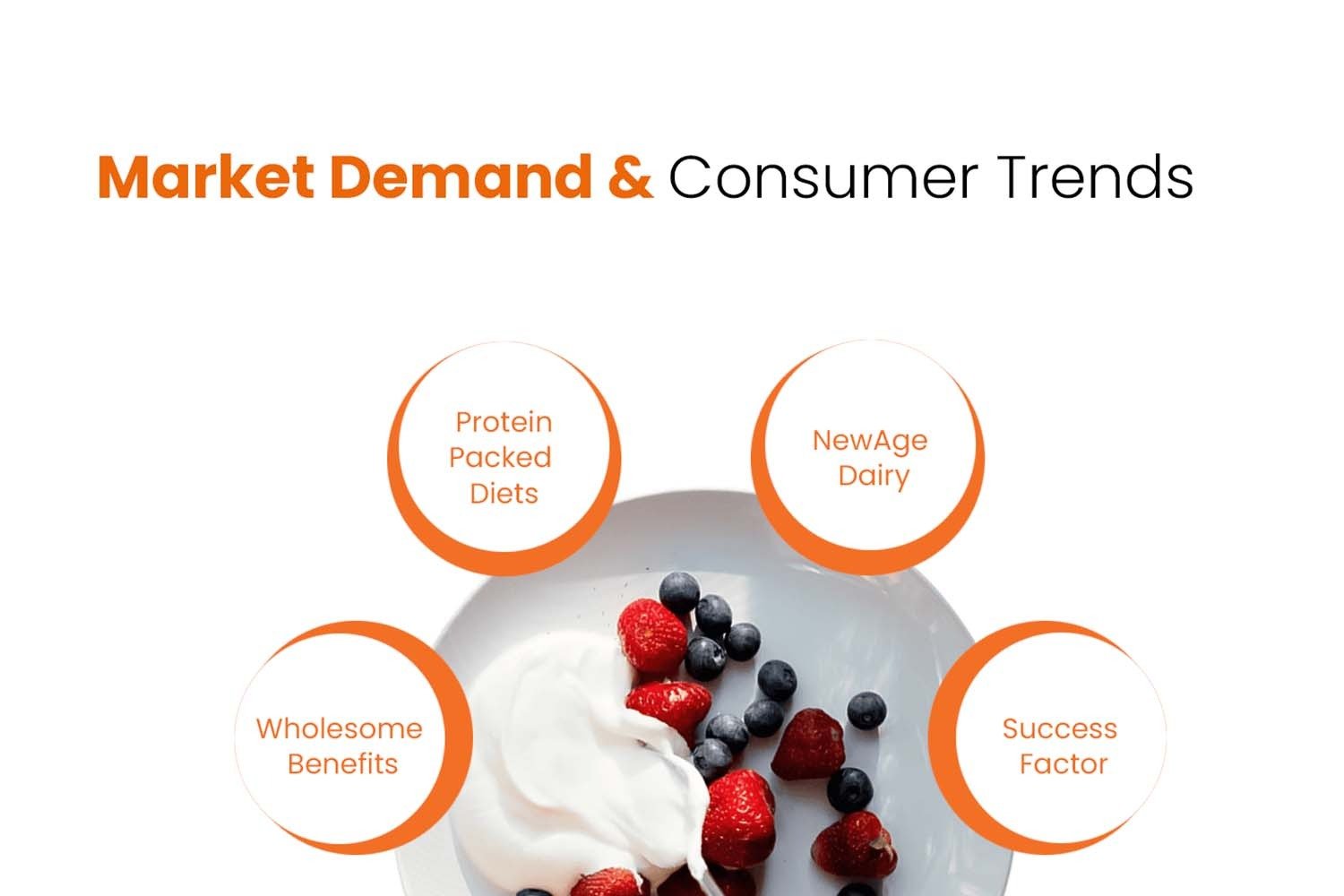
Market Demand & Consumer Trends
➜ Protein-Packed Diets: With the rise of fitness, keto, and high-protein diets, consumers are moving towards the best possible options only and thus, following the protein packed diets. Thus, the demand for Greek Yogurt recipes is growing day by day.
➜ NewAge Dairy: Traditional Greek yogurt contains about 8-10g of protein per serving, but ultra-high-protein versions aim to deliver 20 g+ per serving.
➜ Wholesome Benefits: Natural ingredients have become the choice of many. Consumers prefer natural, high-protein, probiotic-rich, and low-carb dairy products.
➜ Success Factor: Brands launching high-protein dairy innovations have gained market differentiation and strong consumer loyalty. The success rate will be high.
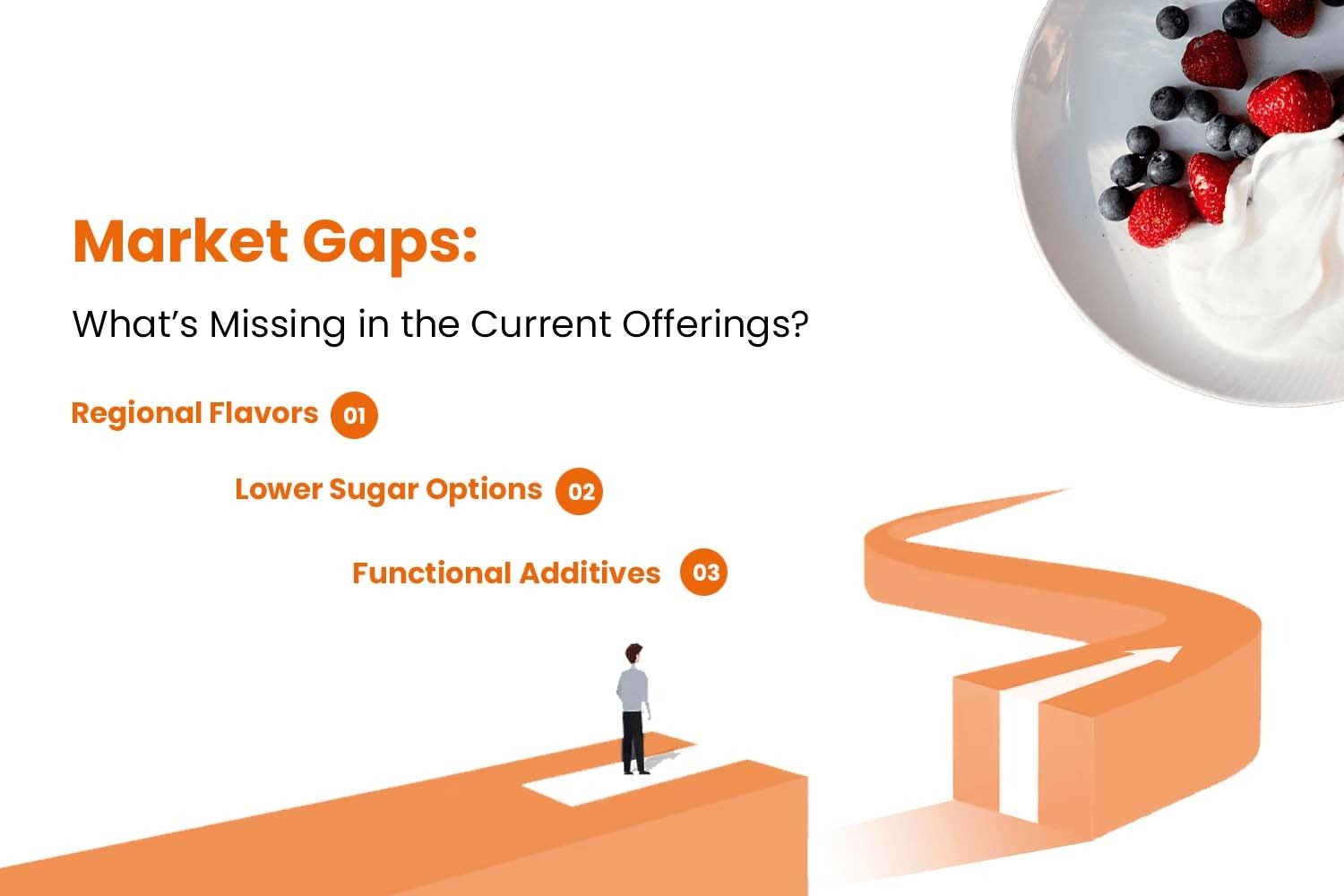
Market Gaps: What’s Missing in the Current Offerings?
What new you can bring on table. The best way to create something new and exciting is to read properly about the market gaps. Fulfill the missing aspects in current offerings and set the bar so high. Despite the variety of flavors available, there are identifiable gaps in the market. Let’s check:
➜ Regional Flavors: Believe it or not. Traditional taste and flavours have their own essence. Including traditional Indian flavors such as Kesar Pista (Saffron Pistachio) or Cardamom can attract consumers seeking familiar tastes.
➜ Lower Sugar Options: As you can see, the consumer is moving towards the healthy options; there’s a demand for flavors with reduced or no added sugars.
➜ Functional Additives: The inclusion of ingredients like probiotics, fiber, or superfoods (e.g., chia seeds, flaxseeds) can cater to health-focused consumers.
Who’s Your Target Audience? Understand Consumer Psychology
Business depends on research, and the most important part is perfect research on the target audience. But who will be the target audience for Greek yogurt with Protein Enrichment? We can help you in this research:
➜ Health Enthusiasts: Protein enrichment, no? Then, definitely, those who are health-focused can surely be your target consumers. Individuals focused on fitness, muscle recovery, and overall nutrition seek protein-rich foods to support their active lifestyles.
➜ Young Professionals: The young folks who want easy and quick solutions to stay fit. These nutritious packed meal options fit their on-the-go routines. They are definitely your target consumers.
➜ Urban Families: Households aiming to include healthier food choices into their diet while making sure of great taste and nutritional benefits.
➜ Diet-Conscious Consumers: Individuals managing their weight, macro intake, or specific dietary needs, such as low-carb, high-protein, or keto diets.

Top 5 Flavor Profiles for the Indian Market
Flavor choices in the Indian market are diverse and region-specific. Based on consumer trends and existing product offerings, the following flavors are recommended:
➜ Alphonso Mango: The king of fruits- The Mango is the best choice for everyone. Capitalizing on the popularity of mangoes, especially the Alphonso variety, this flavor gives a rich and authentic taste.
➜ Strawberry: A universally accepted flavor with a balance of sweetness and tartness.
➜ Mixed Berries: A mix of blueberries, raspberries, and strawberries gives a perfect and appealing taste.
➜ Vanilla Bean: A classic flavor that acts as a versatile base for various toppings and mix-ins.
➜ Wild Raspberry: Gives a unique and slightly tart flavor, catering to consumers seeking variety.

Flavor Innovation in Greek Yogurt Protein
While plain Greek yogurt is popular, flavor innovation is key to appealing to broader consumer segments.
1. Protein-Boosted Classic Flavors
➜ Vanilla Chai: Fortified with turmeric and ginger.
➜ Triple Berry Protein Blast: Blended with high-antioxidant superfruits.
2. Functional Wellness Flavors
➜ Matcha Green Tea: Infused with L-theanine for calm energy.
➜ Golden Turmeric Latte: Anti-inflammatory and protein-packed.
3. Indulgent Yet Healthy Options
➜ Dark Chocolate Almond: Infused with cocoa flavanols for antioxidant benefits.
➜ Salted Caramel & Whey: Balanced with Himalayan salt for a satisfying sweet-savory fusion.
Ingredients for Greek Yogurt Protein
1. Base Dairy Selection
➜ High-Protein Milk: Select A2 milk, ultra-filtered milk, or skim milk with higher casein content to ensure superior protein concentration.
➜ Whey Protein Isolate (WPI): Adding WPI increases the total protein content while maintaining a smooth texture.
➜ Milk Protein Concentrate (MPC): Make sure enhanced creaminess and protein stability.
2. Protein Boosters & Fortifiers
➜ Micellar Casein: A slow-digesting protein that levels up the protein-to-fat ratio.
➜ Pea or Almond Protein: Plant-based options for hybrid dairy-plant protein innovation.
➜ Collagen Peptides: For added benefits such as joint health, skin elasticity, and muscle recovery.
3. Live Probiotics & Cultures
➜ Lactobacillus bulgaricus & Streptococcus thermophilus: Core cultures used in Greek yogurt fermentation.
➜ Bifidobacterium & Lactobacillus Acidophilus: Upgrades gut health and digestion.
4. Functional Additives for Texture & Taste
➜ Natural Stabilizers: Agar, pectin, or tapioca starch for creaminess without artificial thickeners.
➜ Natural Sweeteners: Stevia, monk fruit, or allulose to maintain low sugar levels while enhancing taste.
➜ Healthy Fats: MCT oil or omega-3-rich ingredients for a nutritionally superior profile.
Innovative Processing Techniques for Greek Yogurt Protein
1. Ultra-Filtration Technology: The use of ultra-filtration technology allows manufacturers to remove high amount of lactose and increase protein concentration without additional protein powders.
2. Cold-Pressed Fermentation: A new technique that includes fermenting at lower temperatures, preserving probiotic potency, and improving flavor profilings.
3. Controlled Straining & Centrifugation
➜ Traditional straining produces thick yogurt but leads to whey wastage.
➜ New-age centrifugation methods retain more protein while reducing waste.
4. Low-Temperature Drying for Protein Fortification
➜ Unlike standard heating, low-temperature drying retains protein bioavailability and maintains the natural amino acid structure.
Shelf Life Without Preservatives
The shelf life of yogurt products without preservatives is influenced by several factors:
➜ Refrigeration: Maintaining a constant temperature between 1°C and 4°C is important.
➜ Packaging: Utilizing airtight, sterile packaging materials can prevent contamination.
➜ Production Hygiene: Following strict sanitation protocols during manufacturing. Typically, natural, preservative-free yogurts have a shelf life ranging from 7 to 14 days under optimal refrigeration.
Implementing High-Pressure Processing (HPP) can extend this period without compromising the product’s natural integrity.

Brand Positioning: Standing Out in a Competitive Market
To differentiate the Protein Yogurt in the competitive landscape:
➜ Premium Quality: Emphasize the use of high-quality, natural ingredients and authentic flavors.
➜ Health Benefits: Highlight the high protein content, absence of preservatives, and inclusion of live cultures.

Case Studies
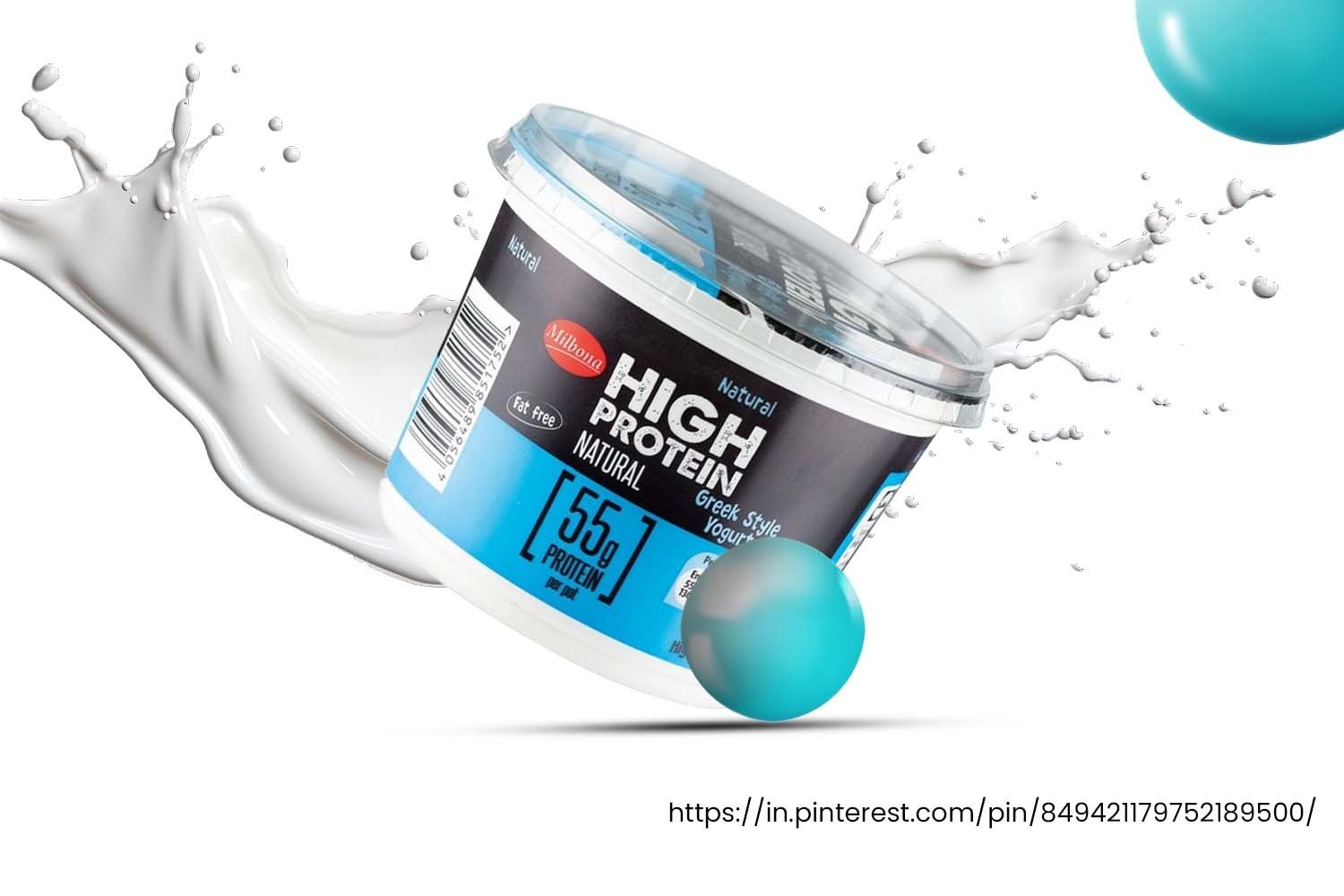
Lidl’s Milbona High-Protein Greek-Style Yogurt
Overview: Lidl’s Milbona High-Protein Greek-Style Yogurt is a budget-friendly, protein-rich alternative in the growing health-conscious dairy market.
Formulation: High Protein: ~10g per 100g, catering to fitness enthusiasts.
Low Fat & No Added Sugar: Aligns with clean-label trends. Ingredients: Skimmed milk, live cultures, and natural stabilizers.
Market Relevance: Competes with premium brands at an affordable price. Appeals to health-conscious consumers, athletes, and dieters. Available in various flavors to enhance consumer appeal.
Competitive Edge: Strong private label branding with Lidl’s trust factor. Cost-effective compared to branded counterparts. Balances taste, nutrition, and affordability.
Conclusion: Milbona High-Protein Yogurt successfully taps into the high-protein dairy trend, offering quality nutrition at an accessible price point.
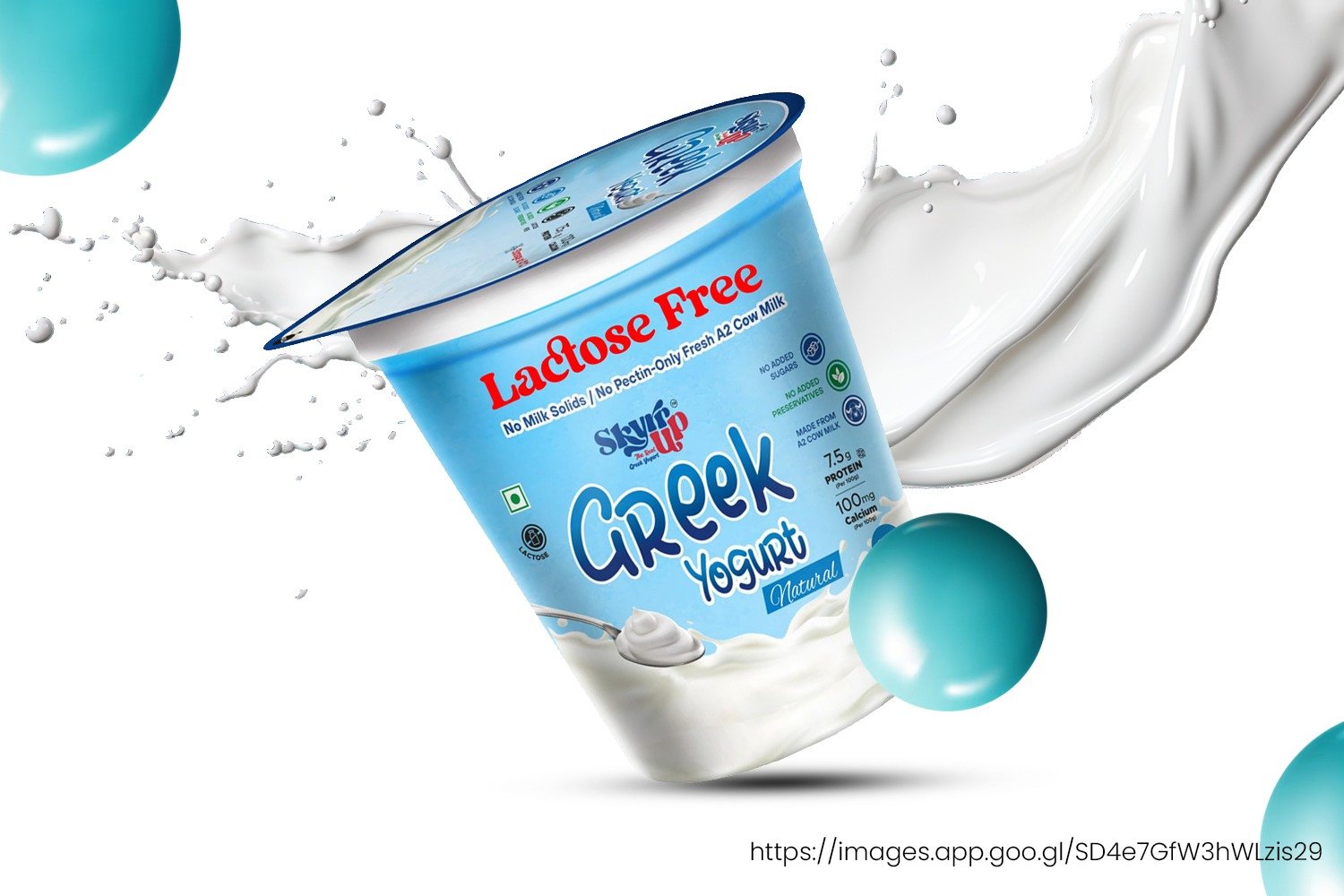
Case Study: Skyrrup High-Protein Icelandic Greek Yogurt
People want high-protein, fat-free, no-sugar yogurt without compromising taste. Skyrrup delivers a rich, creamy, and healthy option.
What Makes It Special
- High Protein: Keeps you full and energized.
- Fat-Free & No Added Sugar: Guilt-free indulgence.
- Thick & Creamy Texture: Authentic Icelandic recipe.
Why People Love It
Perfect for fitness lovers, dieters, and busy professionals who need a quick, nutritious snack. Healthy eating made simple & delicious.
Case Study:
How We Increased Greek Yogurt Shelf Life From 7 Days to 18 Days Without Stabilizers Client Background
A dairy brand in Mumbai making 4,000 liters of yogurt every day was facing a big problem.
Their Greek yogurt would turn watery and sour after 6–7 days, which caused:
Returns from stores
Complaints from customers
Wasted batches
They contacted Foodsure to solve this problem and make their yogurt last longer without using chemical stabilizers.
Problems We Found
Whey Separation – Water was separating from yogurt after a few days.
Unstable Fermentation – The culture they were using made the yogurt sour too fast.
Milk Quality Issues – Milk solids were different in every batch, which made the yogurt weak.
Heat Treatment Problems – Pasteurization was not done properly.
Cold Storage Issues – Yogurt was sometimes stored at higher temperatures during transport.
Our Solutions
1. Better Culture Mix
We used a new mix of bacteria that:
Fermented slowly
Held protein better
Kept the yogurt thick
2. Standard Milk Recipe
We set fixed rules for milk:
Fat: 3.2%
Solids (SNF): 9.2%
Homogenized at proper pressure
This made the yogurt stronger and thicker.
3. Correct Heating
We adjusted pasteurization:
Old: 85°C for 10 seconds
New: 90°C for 25 seconds
This helped yogurt stay thick and safe longer.
4. Improved Straining
We used controlled straining to remove extra whey without overdoing it:
Yogurt stayed creamy
No stabilizers needed
Cost per cup reduced
5. Cold Storage Rules
We gave instructions for transport and storage:
Keep yogurt at 4°C
Check temperature every few hours
Never let it go above 5°C
Results
Shelf life increased: 7 days → 18 days
Whey separation reduced by 90%
Texture and taste stayed consistent
Returns dropped: 22% → 2.5%
Sales increased by 38% in three months
Client Feedback
“Foodsure helped us fix a problem we couldn’t solve for over a year.
Our yogurt now reaches stores in perfect condition, and customers love it.”
Foodsure Recipe Formulation Process for Greek Yogurt Protein
| Step No. | Process Stage | Description |
|---|---|---|
| 1 | Concept Finalization | Understanding client requirements, market research, and feasibility analysis. |
| 2 | Benchmarking & Ingredient Research | Analyzing competitor products, identifying USPs, sourcing innovative ingredients. |
| 3 | Raw Material Procurement | Sourcing raw materials, ensuring quality checks and certifications. |
| 4 | Initial Prototype Development | The first batch of formulation trials with basic ingredient combinations. |
| 5 | Sensory Evaluation & Adjustments | Internal sensory panel tests for taste, texture, and appearance modifications. |
| 6 | Nutritional Value Testing | Lab testing for macronutrients, micronutrients, and caloric breakdown. |
| 7 | Stability & Shelf-Life Testing (Short Term) | Initial stability checks under different storage conditions. |
| 8 | Regulatory & Compliance Validation | FSSAI, USFDA, and other certification checks to meet food safety standards. |
| 9 | Scaling Up Trials (Pilot Plant Testing) | Tested batch production to ensure scalability and consistency. |
| 10 | Taste & Consumer Acceptance Study | Conducting small-scale consumer feedback surveys for product improvement. |
| 11 | Final Recipe Freeze | Locking the final formulation after iterative trials and refinements. |
| 12 | Commercialization & Packaging Compatibility | Packaging material selection and compatibility with recipe stability. |
| 13 | Shelf-Life Testing (Long Term & Real-Time) | Final stability and microbial tests for extended storage periods. |
| 14 | Final Quality & Compliance Approvals | Certification and documentation completion for market readiness. |
| 15 | Handover to 3rd Party Manufacturing | Transferring formulation details and process instructions for mass production. |
Final Thoughts: The Future of Ultra-High-Protein Greek Yogurt
As nutrition, functionality, and indulgence converge, ultra-high-protein Greek yogurt is paving the way for next-gen dairy innovation. With scientific advancements, clean-label ingredients, and flavor creativity, this category is poised for explosive growth.
If you’re in the dairy or functional foods industry, integrating this breakthrough formulation could be your ticket to market leadership.
Want to develop your own Greek Yogurt Product?
Our expert High-Protein Greek Yogurt Product Development services can help you create a perfect, market-ready product. Contact us at +91 8130404757 today!
FAQs
What is Greek Yogurt?
Greek yogurt is a thick, creamy dairy product made by straining regular yogurt multiple times to remove liquid whey and lactose. This straining process concentrates the nutrients especially protein making it significantly denser and richer than standard yogurt. The result is a product with nearly double the protein (10g per 100g), lower sugar, and a smooth, velvety texture. Originally rooted in Mediterranean food culture, Greek yogurt today is one of the fastest growing segments in the global dairy market, valued at USD 18.7 billion in 2025. For food manufacturers and brands, it serves as a powerful base for high protein product formulation from consumer cups to fortified dairy innovations.
How Much Protein Does Greek Yogurt Have Per 100g?
Plain Greek yogurt contains approximately 9 to 10 grams of protein per 100g, nearly twice the amount found in regular yogurt (3.5 to 4g per 100g). A standard 170g serving provides 17 to 20 grams of protein, comparable to 3 whole eggs or 2oz of chicken. What makes it even more valuable is that Greek yogurt protein is complete, containing all 9 essential amino acids your body cannot produce on its own. For ultra high protein formulations used in food manufacturing, protein levels can be boosted to 20 to 25g per serving using techniques like whey protein isolate (WPI) addition or ultrafiltration, areas where Foodsure specializes.
Is Greek Yogurt Good for Weight Loss?
Yes. Greek yogurt is one of the most effective foods for weight management. Its high protein content (10g per 100g) promotes satiety for 3 to 4 hours, significantly reducing calorie intake between meals. Nonfat plain Greek yogurt contains just 59 calories per 100g, making it one of the highest protein to calorie ratio foods available. A review of 22 studies confirmed that yogurt consumption is linked to lower body fat, reduced waist circumference, and less weight gain over time. For brands developing weight management dairy products, Greek yogurt’s formulation profile, high protein, low sugar, and gut friendly probiotics, is the ideal base. Foodsure offers end to end formulation support for exactly these types of market ready products.
What is the Difference Between Greek Yogurt and Regular Yogurt?
The core difference is the straining process. Greek yogurt is strained 2 to 3 times to remove liquid whey, while regular yogurt is not. Greek yogurt contains 9 to 10g of protein per 100g versus just 3.5 to 4g in regular yogurt. It has significantly lower sugar at around 4g compared to 7 to 9g in regular yogurt, and a much thicker, creamier texture. Both contain live probiotic cultures and similar calorie levels. For food manufacturers, this distinction matters enormously during product development. Formulation decisions around straining intensity, protein enrichment, and texture stabilizers directly impact label claims and consumer appeal, all areas Foodsure actively supports.
Is Greek Yogurt Protein Good for Muscle Building and Recovery?
Absolutely, and it is backed by clinical research. A 12 week randomized controlled trial published in Frontiers in Nutrition found that men who consumed Greek yogurt daily during resistance training gained significantly more lean muscle mass, strength, and muscle thickness compared to those who consumed a carbohydrate placebo. Greek yogurt protein is predominantly casein (80%), a slow digesting protein that keeps amino acid levels elevated for longer, supporting sustained muscle protein synthesis after workouts. With 17 to 20g of protein per serving, it is a whole food alternative to protein shakes that also delivers probiotics, calcium, and B12. For brands targeting the sports nutrition and fitness category, Greek yogurt is a formidable product base.
Does Greek Yogurt Have Probiotics and Is It Good for Gut Health?
Yes. Greek yogurt contains live active cultures, specifically Lactobacillus bulgaricus and Streptococcus thermophilus, which are beneficial bacteria that support gut microbiome balance. Research published in Frontiers in Microbiology shows that regular consumption of probiotic rich foods like Greek yogurt can improve gut barrier function, reduce bloating, and lower inflammation. Approximately 70% of the immune system resides in the gut, making Greek yogurt’s probiotic content a key health benefit beyond just protein. When choosing Greek yogurt, always look for the Live and Active Cultures seal to ensure probiotic viability. For manufacturers, preserving live culture integrity through proper formulation and cold chain management is critical, something Foodsure’s R&D team actively supports.
How is High Protein Greek Yogurt Made for Commercial Food Manufacturing?
Commercial high protein Greek yogurt is produced using advanced dairy processing techniques beyond basic straining. Ultrafiltration uses membrane filtration to concentrate milk proteins naturally before fermentation, achieving 15 to 25g protein per serving without excess acid whey. Whey Protein Isolate (WPI) addition boosts total protein while maintaining smooth texture. Milk Protein Concentrate (MPC) enhances protein stability and creaminess, ideal for shelf stable SKUs. Using A2 or ultra filtered milk base enables premium positioning for sensitive gut and premium health segments. The global high protein Greek yogurt market is projected to grow at 7% CAGR through 2033, making now the ideal time to develop a differentiated product. Foodsure specializes in complete formulation to production support, from recipe development and texture optimization to regulatory compliance and scale up guidance.