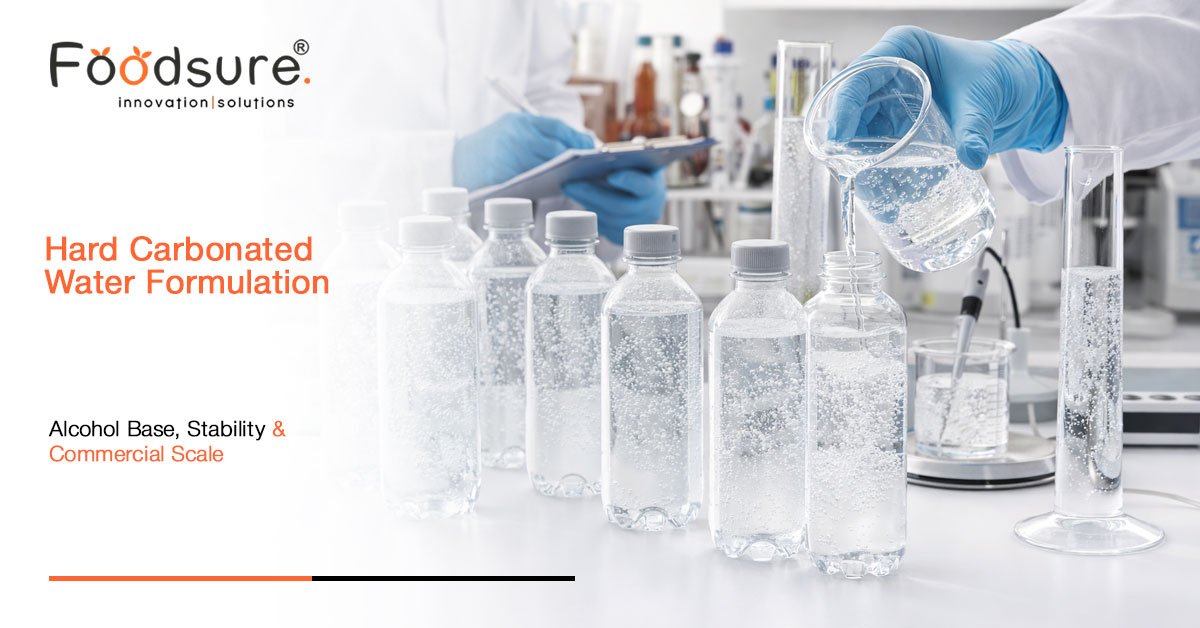
The increase in hard seltzers has created a deceptive impression of the category — clear liquid, light flavour, low-calorie content. But the research and development process considers hard carbonated water formulation to be an exacting beverage creation method that requires exact measurements. The product undergoes total transformation through the smallest changes to alcohol type, carbonation level, and pH. The exterior appearance shows minimal requirements, but the system needs strict operational management.
This blog assists beverage founders in comprehending both the technical aspects and market realities of hard carbonated water formulation — including alcohol base selection, carbonation stability, and large-scale manufacturing. If you are approaching this category for the first time, our broader guide to carbonated drink development provides useful context before diving into the alcohol-specific challenges.
The Core Problem in Hard Carbonated Water Formulation
Most founders underestimate how sensitive hard carbonated water formulations are. Alcohol alters carbonation behaviour, flavour interactions, and product stability in ways that differ significantly from regular soft drinks.
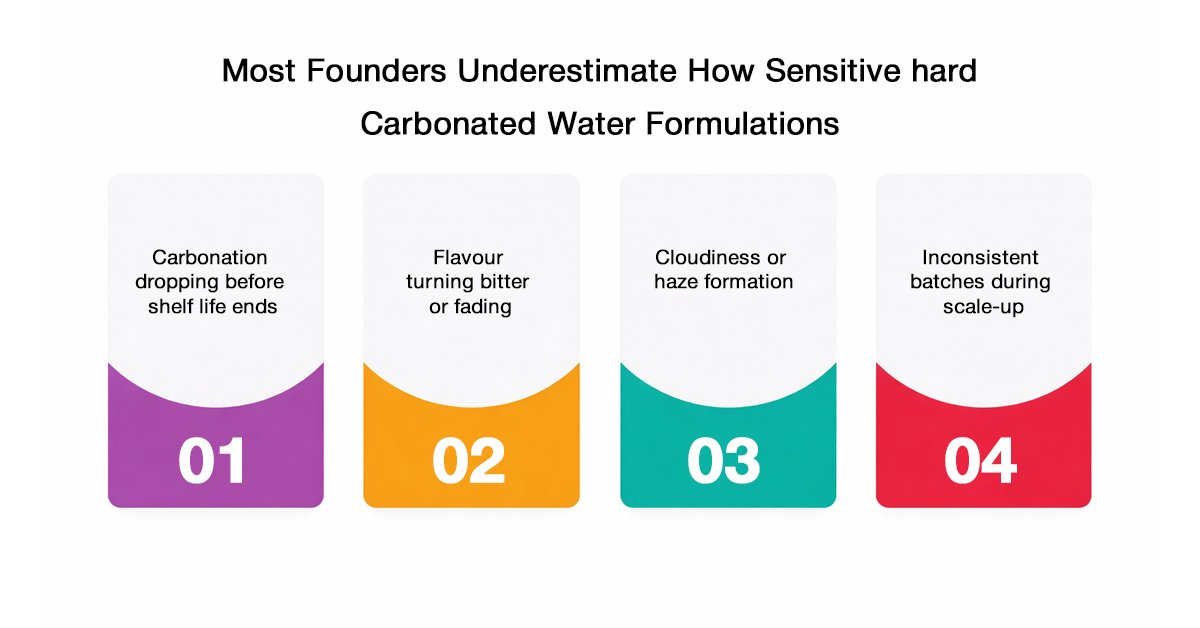
Common issues include:
- Carbonation dropping before shelf life ends
- Flavour turning bitter or fading
- Cloudiness or haze formation
- Inconsistent batches during scale-up
These problems directly impact product quality and brand perception — and they are almost always formulation issues, not manufacturing issues. The same root causes drive most beverage scale-up failures across categories.
Why Carbonated Alcoholic Beverage Production Becomes Complex
The complexity arises from the interaction of multiple factors:
- Alcohol decreases the ability of water to dissolve carbon dioxide
- Changes in pH levels create major alterations to taste perception
- Alcoholic beverages cause flavouring substances to break down at a faster rate
- Oxygen exposure impacts both taste and carbonation level
You need to handle three different aspects simultaneously — chemical balance, regulatory compliance, and business growth.
Founder Pain Points in the Hard Seltzer Manufacturing Process in India
- Malt base and neutral spirit show a confusing lack of differentiation
- The system experiences problems with maintaining carbonation stability
- The product shows different flavour profiles throughout various production runs
- The tax situation produces unexpected financial consequences
A Simple Way to Understand Hard Carbonated Water Formulation
The product functions as a balance system between three elements:
- The alcohol level determines basic behaviour and regulatory compliance
- The CO₂ level establishes the drinking experience and product freshness
- The pH level determines flavour, product durability, and safety
The entire formulation changes when one element becomes misaligned. A structured formulation from day one is not optional — it is a fundamental requirement.
Hard Seltzer Alcohol Base Selection
The selection of an appropriate alcohol foundation represents the most critical choice throughout the entire procedure. The choice impacts five factors: cost, taste, product durability, government taxes, and production expansion capacity.
Alcohol Base Comparison
| Factor | Malt Base | Neutral Spirit (ENA) | Wine Base |
|---|---|---|---|
| Taste Profile | Slight grainy | Clean & neutral | Fruity |
| Cost | Moderate | Low | High |
| Stability | Medium | High | Low–Medium |
| Tax Category (India) | Beer | IMFL | Wine |
| Scalability | Moderate | High | Limited |
Key Takeaways:
- Neutral spirit provides complete operational control and business expansion capability — the preferred choice for most scalable hard seltzer brands
- Malt-based products result in reduced tax exposure for certain positioning strategies
- Wine base provides premium positioning but inferior stability
Carbonation Stability in Alcoholic Beverages: CO₂ Retention Challenges
Fizz acts one way in soda, another entirely when alcohol’s in the mix.
Key Challenges:
- Alcohol reduces CO₂ solubility
- Higher ABV leads to faster gas loss
- Temperature fluctuations reduce retention
What Works:
- Maintain carbonation levels between 2.5–3.0 volumes CO₂
- Use cold filling (0–4°C)
- Ensure high-pressure filling systems
Predictable fizz matters most when people sip it — as well as how long it lasts on a store shelf. The beverage stability testing process for hard seltzers must specifically include carbonation retention at ambient temperature over the intended shelf life period.
Formulate Your Hard Seltzer
Get Your Hard Carbonated Water Formula Right — Before You Scale
Alcohol base selection, pH calibration, and carbonation stability are decisions that shape everything downstream — taste, shelf life, cost, and tax classification. Foodsure helps hard seltzer founders get these fundamentals right from day one.
pH and Flavour Interaction in Hard Sparkling Seltzer Development
pH plays a major role in both taste and product stability.
Ideal pH Range: 3.0 to 3.5
| pH Level | Effect on Product |
|---|---|
| Below 3.0 | Produces an excessively sharp and highly acidic taste |
| 3.0 to 3.5 | Provides a refreshing taste that maintains balance ✅ |
| Above 3.5 | Shows a flat taste, which becomes more likely to spoil |
Key Insight: Flavours are unpredictable in alcoholic solutions. Citrus flavours can quickly turn harsh, while subtler ones may rapidly dissipate because of inadequate stabilisation.
Shelf-Life Challenges in Carbonated Alcoholic Beverage Production
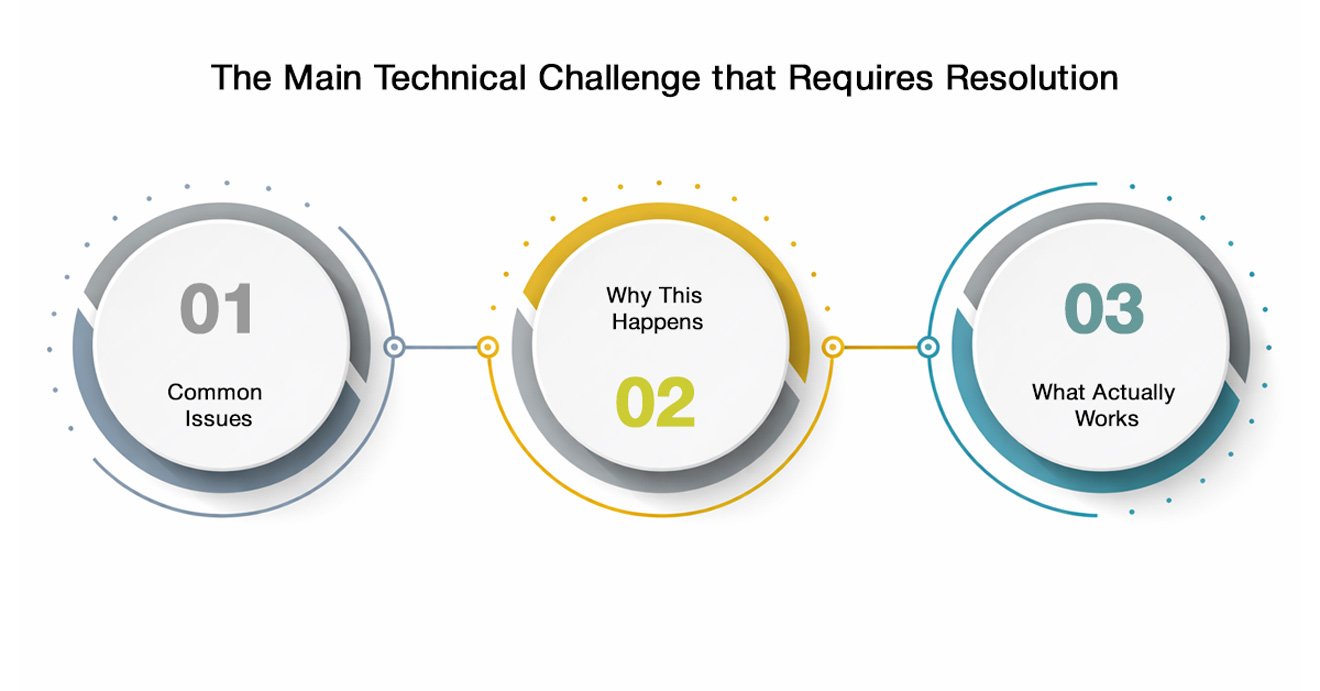
Common Issues:
- CO₂ loss over time
- Oxidation affecting taste
- Flavour degradation
- Haze formation
Why This Happens:
- Oxygen pickup during filling
- Poor sealing quality
- Unstable flavour systems
What Actually Works:
- Nitrogen dosing in cans
- Oxygen control during filling
- High-quality sealing systems
- Stabilised flavour ingredients
Tax Classification Impact on Hard Seltzer Manufacturing Process in India
The tax rate in India depends upon the nature of the alcohol base itself.
| Alcohol Base | Category | Business Impact |
|---|---|---|
| Malt | Beer | Tax reduction strategy through high-volume sales |
| Neutral Spirit | IMFL | Premium pricing with higher tax obligations |
| Wine Base | Wine | State-wise taxation applies |
Key Insight: Incorrect classification can significantly impact pricing, margins, and distribution approvals. This is one of the most expensive mistakes a hard seltzer founder can make — and it is entirely avoidable with the right beverage regulatory compliance guidance at the formulation stage.
Regulatory Differences: India vs US vs EU
| Region | Key Consideration |
|---|---|
| India | State-wise regulations, complex licensing |
| US | Established hard seltzer category, typically malt-based |
| EU | Stringent labelling and ingredient declaration requirements |
A product developed for one market must be redesigned to address other markets — both in formulation and compliance strategy.
Scaling Hard Carbonated Water Formulation from Lab to Commercial Production
Scaling is where most products fail.
| Stage | Key Challenge |
|---|---|
| Lab Scale | All elements handled without problems |
| Pilot Scale | First signs of operational problems appear |
| Commercial Scale | CO₂ loss, flavour changes, and pressure problems emerge |
Most commercial batches deviate from pilot batch results due to lack of forethought in the scale-up planning stage.
What Actually Works in Hard Carbonated Water Formulation
- Choose the alcohol base according to tax requirements and planned market approach
- Establish the pH level during the initial development phase
- Use flavour components that have been stabilised for long-term use
- Invest in filling systems that operate under controlled pressure
This category requires execution to take priority over conceptual development.
How the Right Development Partner Accelerates Your Launch
- Evaluates alcohol base selection across cost, flavour profile, and tax effects
- Maintains proper pH, carbonation, and flavour system distribution
- Ensures regulatory compliance and safe product shelf life
- Enables transition from pilot to full commercial production with minimal costly mistakes
Founder Takeaway
The selection of an alcoholic foundation determines the flavour profile, financial implications, and production limits of a product. The carbonation process requires precise monitoring to achieve stable results that prevent CO₂ loss throughout the product’s lifespan. The pH level determines taste profile, bacterial control, and the complete user experience.
Founders who focus on getting these fundamentals right early can avoid costly reformulations and build a product that is both stable and market-ready.
Our team combines formulation expertise, regulatory insight, and scale-up experience to turn your concept into a commercially successful product. Launch smarter — build a stable, scalable beverage from day one. Contact us to get started.
Scale Your Hard Seltzer Brand
Take Your Hard Seltzer From Pilot Batch to Commercial Production
Foodsure helps hard seltzer founders navigate alcohol base selection, tax classification, carbonation stability, and scale-up — so your product reaches retail shelf-ready, compliant, and commercially viable.
Alcohol Base Strategy
Tax Classification Guidance
Carbonation Stability Testing
Commercial Scale-Up
Related Blogs
- Carbonated Drink Development
- Beverage Stability Testing Cost
- Beverage Scale-Up Failures
- Non-Alcoholic Beverages Formulation
Frequently Asked Questions
What is the ideal approach for hard carbonated water formulation?
A structured approach that combines alcohol base, pH and carbonation, and stability elements produces uniform results.
How is hard carbonated water formulation done on a commercial scale?
Begin with pilot trials to establish formulation parameters that must undergo validation testing during scale-up.
What is the best alcohol base selection for hard seltzer in India?
The industry favours neutral spirit (ENA) because it provides economical benefits, production control, and scale-up capacity.
How does alcohol impact carbonation stability in alcoholic beverages?
Alcohol reduces CO₂ solubility, which leads to accelerated carbonation loss when not controlled correctly.
What is the standard hard seltzer manufacturing process in India?
The process requires the combination of alcohol base with water, flavours and carbonation, filled under pressure control.
How to ensure stability in carbonated alcoholic beverage production?
Producers must maintain low oxygen levels while implementing proper sealing methods and controlling carbonation throughout manufacturing.
What factors affect hard sparkling seltzer development and shelf life?
The main factors include pH balance, flavour stability, carbonation retention, and packaging quality.