
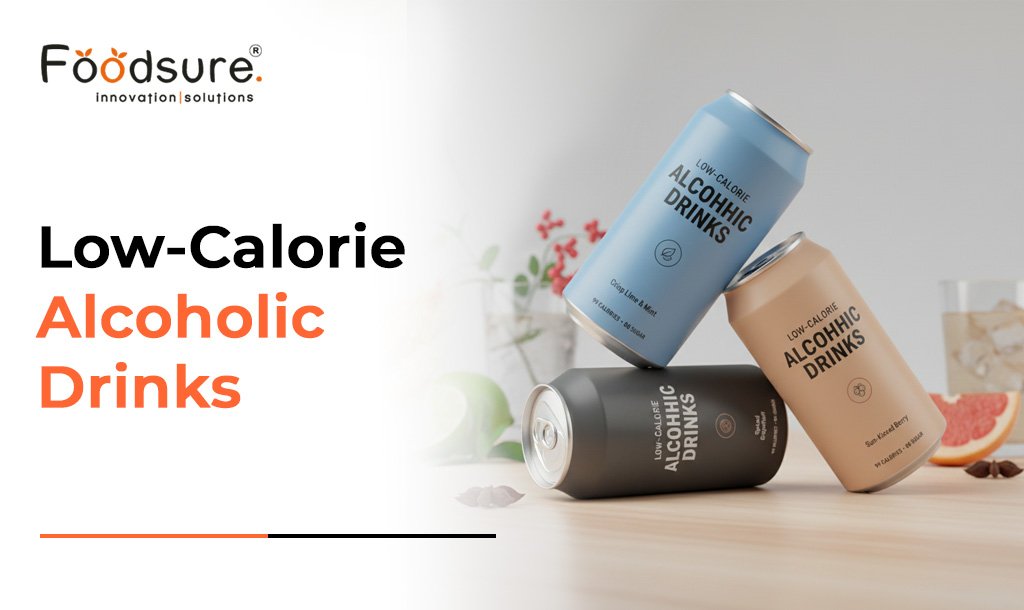
Hard seltzers didn’t just show up; they exploded. Low-calorie, low-sugar, and light enough to drink without the guilt, they’ve become the go-to choice for people who want alcohol without the baggage. If you’re thinking of launching a low-calorie alcohol brand, hard seltzers should be on your radar.
They’re not just trendy; they’re eating into beer’s market share, redefining what people expect from alcoholic beverages, and offering real opportunities for smart, health-aware brands to grab attention and shelf space. Let’s explore this trend through this blog.
What Is Hard Seltzer?
Put simply, hard seltzer is sparkling alcohol water (preferably artificially flavored and low-calorie). Although there are newer varieties of hard seltzer spirits (vodka and tequila), all of which are produced through fermentation, the majority of hard seltzers are made by fermentation of either cane sugar or malted barley.
Hard seltzers are often advertised as having fresh, clean, and crisp flavor, all while being marketed to serve as refreshing alternatives to beer or cocktails, guilt-free. Hard seltzers are typically packaged in slimmer cans, have an ABV of 4-6%, and are generally around 90-120 calories per can with no fat, low sugar, and net carb, gluten-free! This is important for health-conscious consumers. For brand developers, this is even more important.
⚠️ Content Advisory
Hard seltzers contain alcohol (typically 4–6% ABV). While they are promoted as lighter alternatives to beer or cocktails, they should be consumed responsibly. People with health conditions, allergies, or low alcohol tolerance should check labels carefully before drinking. Always drink within legal age limits and avoid operating vehicles or machinery after consumption.
Why Are Hard Seltzers Booming?

1. The Wellness Shift Isn’t Going Away
People care more about what they consume. Millennials and Gen Z, especially, are cutting back on sugar, carbs, and empty calories. That includes alcohol. Going sober isn’t the goal of this change. It’s about drinking smarter.
2. Beer Fatigue is Real
Beer used to own the “casual drink” category. Not anymore. The bloating, the calories, the heavy feeling, it’s not aligned with current drinking habits. In contrast, hard seltzers feel lighter. More modern. Easier to drink during the day.
3. Hard Seltzers Market Themselves
A big part of hard seltzer’s growth is that they are easy to brand. The category is still young, which means there’s room to differentiate. Want to be the “natural ingredient” seltzer? Go for it. Targeting outdoor festivals? No one’s claimed that corner fully yet.
Just look at how White Claw exploded. They didn’t invent the product. They nailed the branding.
Foodsure R&D Playbook: How to Formulate a Winning Hard Seltzer
Market Insight
Hard seltzer success is aimed at health-forward millennials and Gen Z with low-calorie (90-110 cal), low-sugar (<3g), gluten-free drinks. Clean ingredients, refreshing flavor, and real flavors are more important to consumers than complicated formulas.
Strategy for Base Formulation
Select fermented fruit for quality or fermented sugar for value competition. To optimize consumer acceptance of the beverage and microbial stability, target an ABV of 4.5-5.5%, maintain a pH of 3.2-3.8 using citric acid, and achieve 3.6-4.2 volumes of carbonation present.
Approach to Flavor Development
Employ natural fruit essences, cold-pressed oils, and botanical extracts for differentiation. Premium products contain 5-10% true fruit juice while retaining light, refreshing profiles. Emphasize shelf-stable systems with batch-to-batch consistency of performance.
Production Process
Fermentation: 65-75°F with neutral yeast to have a clean alcohol base
Filtration: Multi-stage filter system from coarse to fine filtration for transparency
Blending: Normalize ABV, pH, and flavor with computer-aided systems
Carbonation: Counter-pressure filling to ensure correct CO₂ levels
Quality Control: Analyze alcohol content, microbiology, and sensorics at key points
Comply with Regulations
Get formula approval from the TTB (COLA) and obtain federal and state licenses. Create labels that comply with FDA labeling requirements. Obtain approval for health warnings, ABV notices, and health facts. Construct an early plan with the regulations to prevent unnecessary delays and expenses.
Commercial Success Factors
Pursue 40%+ gross margins via bulk buying and yield enhancement. Center on functional ingredients such as electrolytes or adaptogens for innovation. Realize 6-month concept-to-market timelines while upholding quality standards and competitive prices for quick market entry.
What Impacts Consumer Selection?
Clarity
The ingredients are limited to carbonated water, alcohol, and natural flavor. Short and sweet is always far superior to interpreting a chemistry textbook whilst shopping for a drink.
Convenience
Ready-to-drink. Cans that fit in your bag. No mixer needed. Whether you’re at a park, boat, or barbecue, grab, crack, and sip. Done.
Visuals & Vibe
Let’s not pretend looks don’t matter.
Sleek cans. Pastel gradients. Instagram-ready.
This stuff sells itself visually, and new brands can ride that wave with strong design.
Is It Too Late to Enter the Market?
No, and here’s why.
1. The Audience Is Still Expanding
While hard seltzers were initially seen as a “millennial women” product, that’s changed. Men drink it. Gen Z is discovering it. Older consumers trying to cut sugar are curious.
The brand story just needs to evolve beyond the beach party.
2. Flavors Are Getting Smarter
The marketplace is developing. Just as we are seeing movement away from artificial sweeteners to flavor, the consumer is also noticing botanical blends, tea-based seltzers, yuzu, cucumber-lime, passionfruit, etc. – no more soda pop. There’s space for premium. There’s space for regional. There’s space for creativity.
3. Retailers Want Differentiation
National chains already carry White Claw and Truly. They want the next niche brand. There’s room, when craft-style, zero-alcohol, organic certification, or functional-infusion are the way to differentiate.
Case Study: The Rise of White Claw and What It Represented
In 2016, Mark Anthony Group launched a hard seltzer brand called White Claw that disrupted the alcoholic beverage industry by succeeding in marketing to health-conscious millennials seeking low-calorie, low-carb alternatives to cocktails and beers. The brand really boomed in 2019, when viral “free social media marketing” helped to elevate the brand to cultural phenomenon references to a “White Claw Summer.” Using no traditional ad spend, TikTok videos, memes, and organic social buzz were generating levels of brand awareness previously unthought of.
White Claw’s sales surpassed $2 billion by 2021, with 118% growth generating “over a billion dollars in growth in 2020 alone”, more than the next two biggest beverage growth brands put together. The brand succeeded in part due to its timing (health trends), product positioning (clean, refreshing), and culture-first marketing strategy that let customers shape the story.
Thinking of Launching a Hard Seltzer in India?
Foodsure can help you create a market-ready hard seltzer with clean-label formulation, flavour development, packaging,
and compliance support. India’s low-calorie alcohol category is booming—this is the right time to enter.
Conclusion
Hard seltzers were not simply a summertime trend anymore. They fit what people’s drinking habits are looking for now (less sugar, less bloat, fewer regrets).
One of the best decisions you can make if you want to create a beverage that combines flavor, health, and rapid growth is hard seltzer. So if you want us to help you with that. Just give us a call at +91 8130404757. Get all the information and services you need to make your brand the first choice for all. Book your free consultation now.
FAQs
What can explain hard seltzers’ huge popularity?
What has fueled hard seltzers’ growing appeal to health-conscious drinkers? Hard seltzers are typically lower in calories, sugar, and carbohydrates compared to traditional alcoholic varieties. Some brands even promote themselves as gluten-free.
Who consumes and buys hard seltzer?
Hard seltzers are most popular among Gen-Z and Millennial women. There are a few reasons why this product has become popular. Younger generations are more willing to try new or novel products.
Why are seltzers in skinny cans?
There’s also a business incentive for skinny designs. Brands can squeeze more 12 oz. skinny cans on store shelves, warehouse pallets, and trucks than wider cans, said Dave Fedewa, a partner at McKinsey who consults for retail and consumer packaged goods companies. That means higher sales and cost savings.
How can Foodsure help my beverage brand stand out?
We help brands formulate smarter, from clean labels and functional ingredients to taste, stability, and scale. Whether you’re launching or improving, we build products people want to drink again.