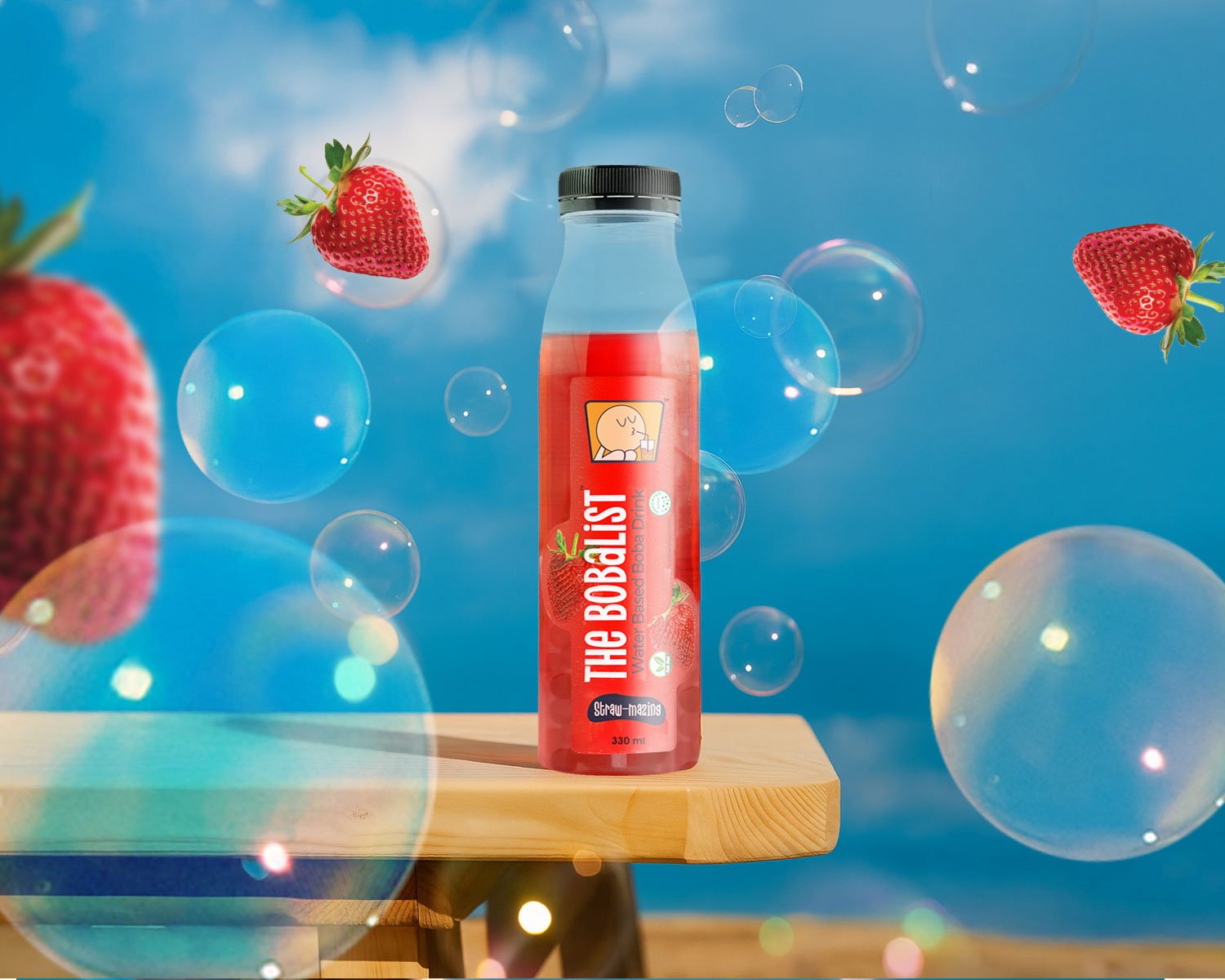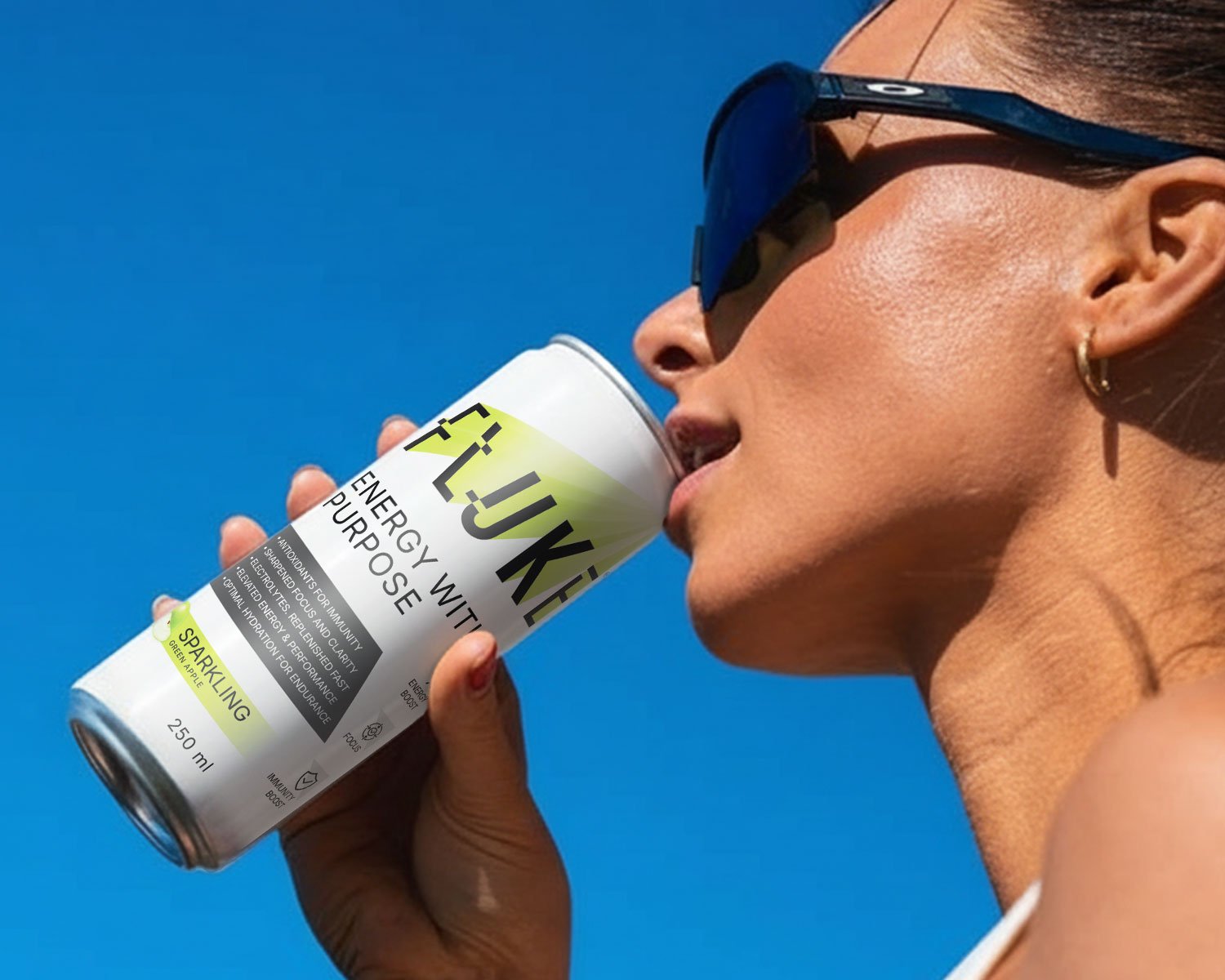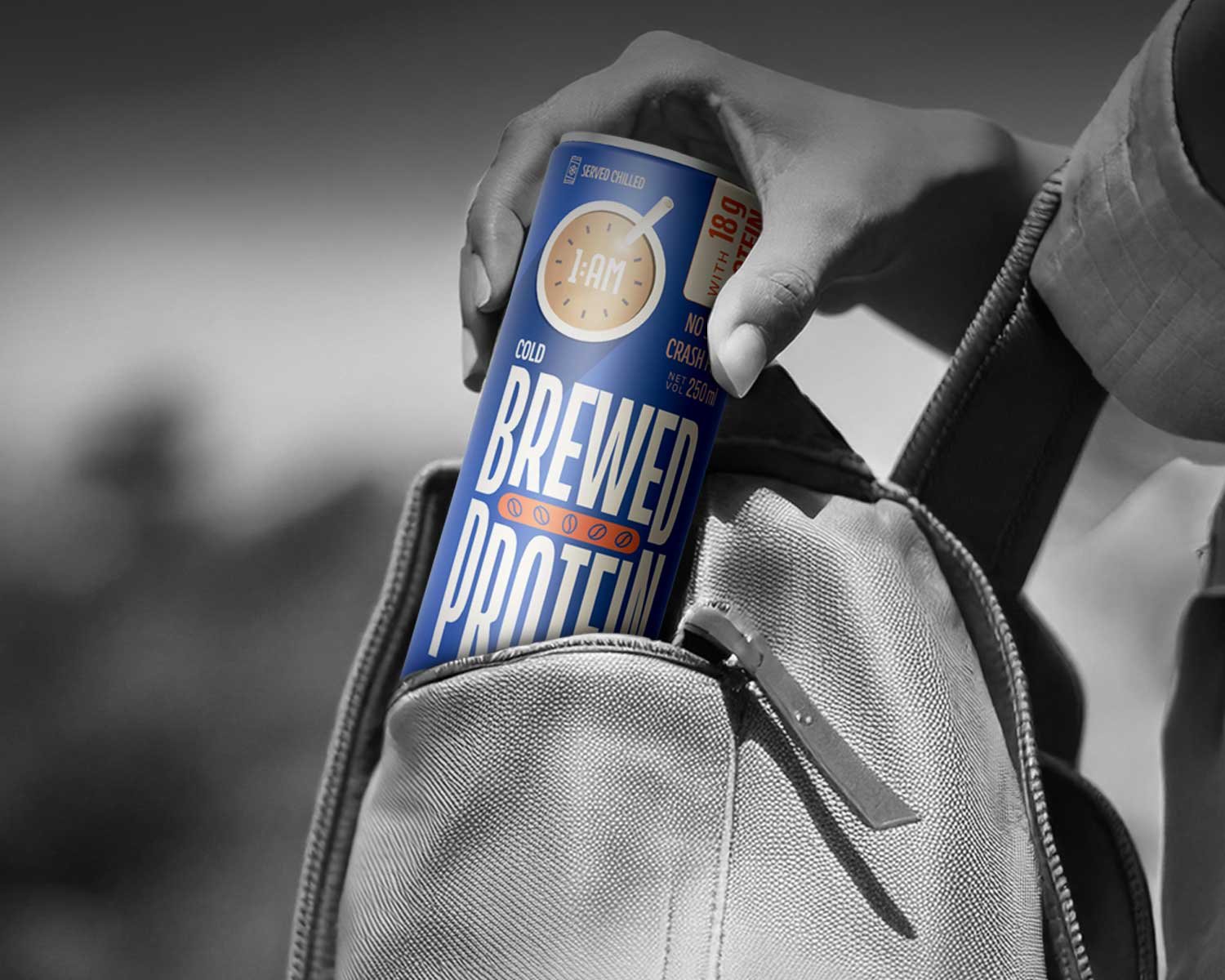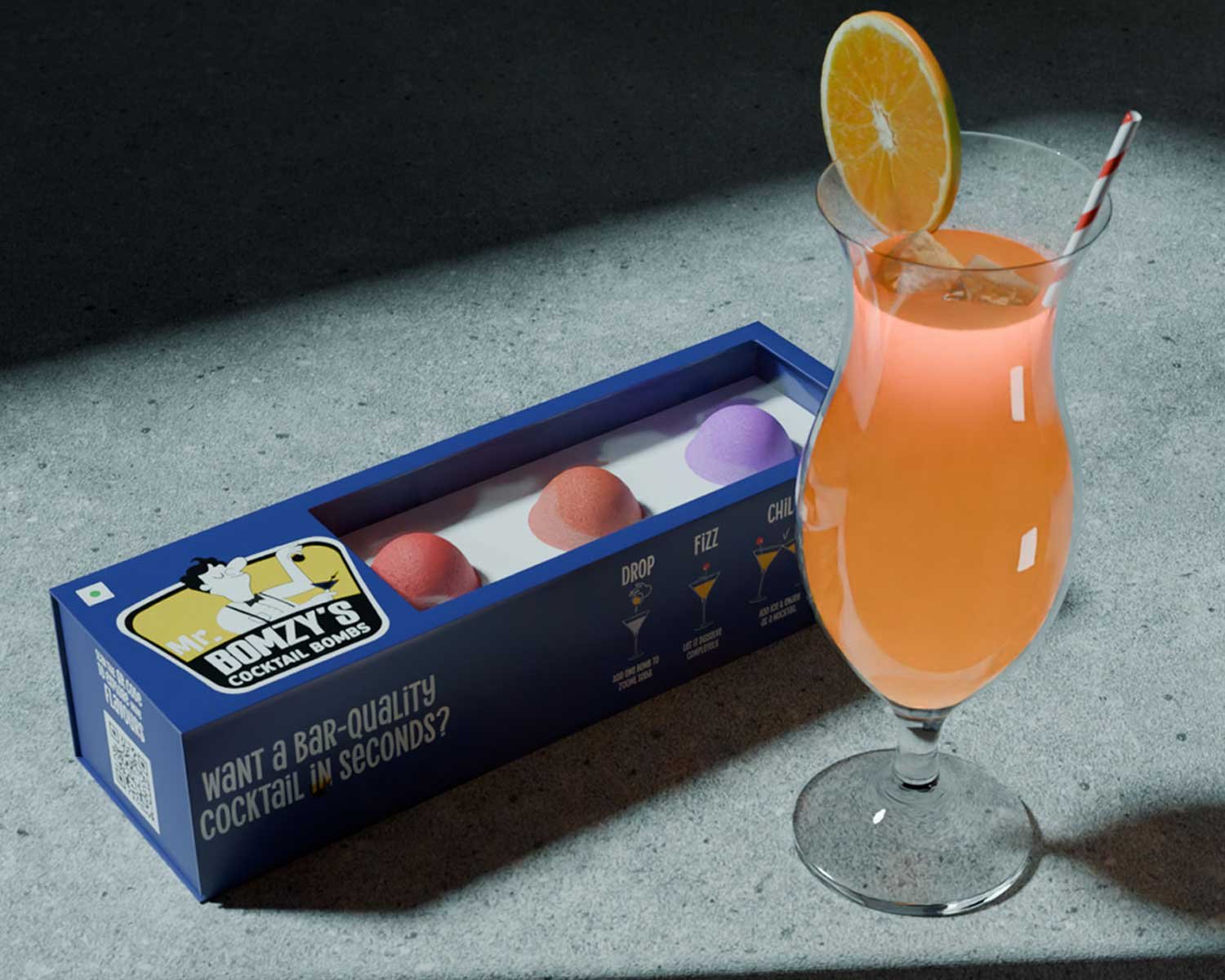
Walk into any store or visit any website dedicated to a consumer health beverages company and you will see bottles claiming that their contents can help you achieve from immune support, digestion, increase in energy, glow, relaxation to concentration improvement, boldly printed on their labels. Their packaging looks very scientific. They use many packaging methods that make their product look attractive. Moreover, these drinks cost a lot more than any other normal drink. However, what you need to be asking but are not getting the right answers for is, How much of these are really based on science?
The global health drinks market was valued at USD 132 billion in 2025 and is projected to reach USD 187 billion by 2030. Approximately 40% of adults nowadays have started looking proactively for drinks which carry health claims on their packaging. The outcome can range from true innovation to mere marketing ploys. But this blog has an eye for the distinction.
Why It Is Hard to Tell What Actually Works
Nevertheless, there appears to be a problem with labeling for healthy drinks products and low sugar drinks since it is not compulsory to state the dosage of all active ingredients in the composition on the package of the drug. Moreover, one of the ingredients could be included into the formula, yet not have any impact on the body at all since its dose may not be effective enough. Therefore, even if the ingredient is stated on the bottle as one of those included in the formulation, the claim about this ingredient will not be true.
One more very important aspect influencing the effectiveness of healthy drinks products is the form in which the ingredients are presented. For example, the extract of curcumin from turmeric does not absorb well, however, if the curcumin is included in a nanoemulsion form, it will have a much better bioavailability.
None of these aspects implies that the pharmaceuticals involved in the production of healthy drinks are deceiving their customers. Nevertheless, consumers need to be aware of how such ingredients work.
What Goes Wrong When Brands Chase Trends Instead of Formulation Science
- Active ingredient identified on the label in doses significantly lower than those which studies have found to be effective
- Hype adaptogen added to the formulation for marketing purposes without assessing its availability and stability
- Low sugar beverages labeled healthy because of the low sugar alternative causing digestive issues at the serving amount
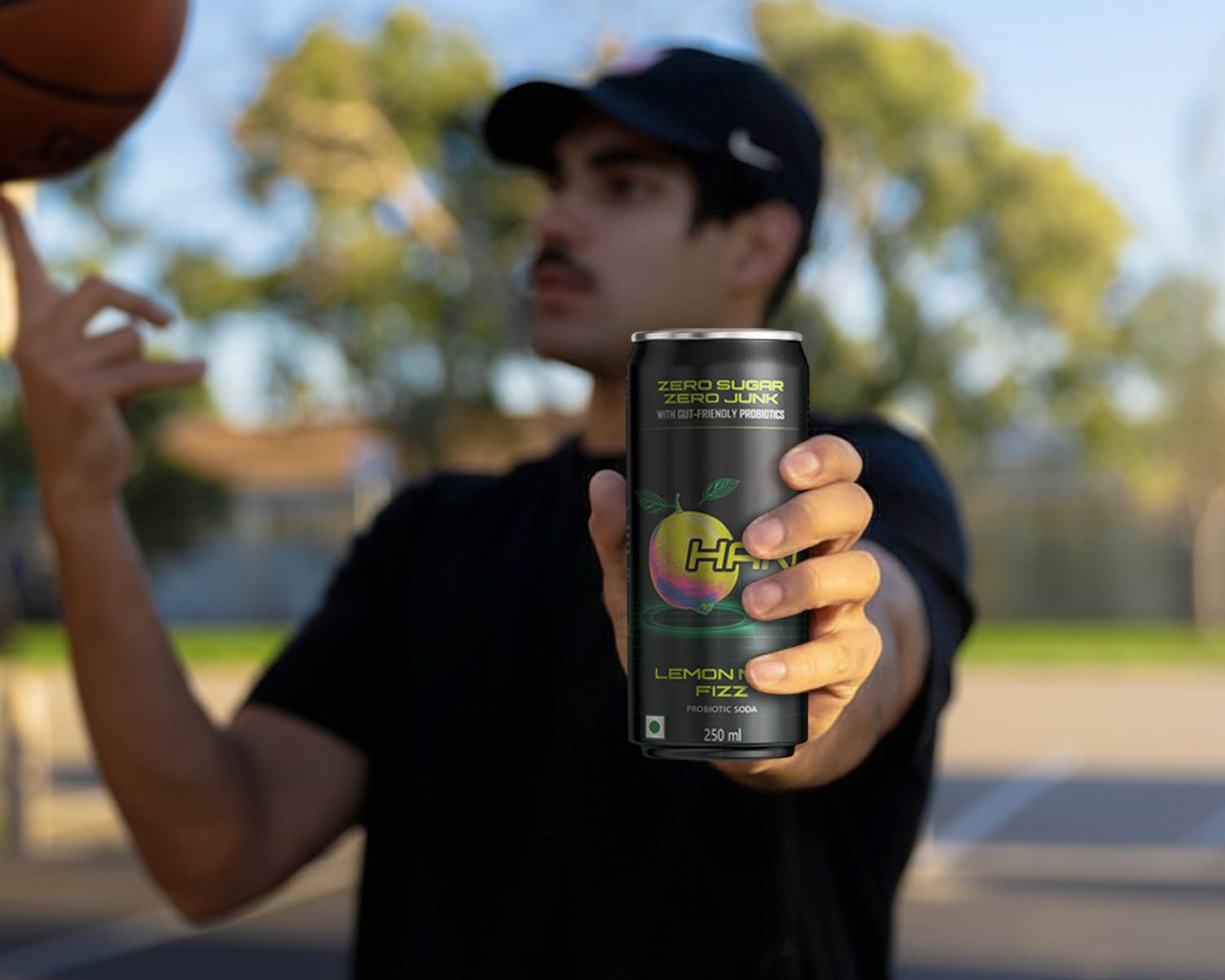
- Probiotics are added to the formulation without testing for their viability through the filling process and during storage time
- Claiming immunity with Vitamin C in quantities that don’t match the requirements needed to have effects according to the studies
- Health claims validated by lawyers but not by the formulation of the product itself
- Consumer uses the product twice, notices nothing different, and decides not to buy again
Ingredients in Healthy Drinks That Actually Deliver Results
Electrolytes: Sodium, Potassium, Magnesium, and Chloride
The health drinks, and low sugar drinks which include electrolyte beverages, are one of those drinks which are very much backed by science as compared to any other drink available in the contemporary health industry. There are many scientific studies that suggest that the role of electrolyte supplementation with regard to exercise or even exposure to heat is extremely vital. Sodium helps in the absorption of water, while potassium assists in muscle activity, magnesium plays an important part in the proper functioning of the nervous system. It needs to be kept in mind that there is a formula associated with electrolyte beverages without which they won’t function well.
Probiotics at the Right Strain and Dose
The probiotic drink has now moved from being classified as a specialized product to being among the common functional beverages. Research in probiotics is well established, however, the research varies with different strains of the probiotic. Not all the strains have similar benefits. In terms of gut ailments, there is sufficient scientific backing in Lactobacillus rhamnosus GG strain. Also, the bifidobacteria longum strain has been found to have immune modulating effects. Probiotics in drinks which do not have their specific type indicated cannot offer the same kind of health benefit as one that specifies this information. Additionally, in order to be healthy, the probiotic in the beverages should also survive during processing, storage and gastric acid environments .
Prebiotics: Inulin, Fructooligosaccharides, and Chicory Root Fibre
Prebiotics are food sources for the naturally occurring bacteria inside the body. As they are not living entities like probiotics, their stability is relatively higher than that of the latter while producing beverages and storing them. The effectiveness of inulin and FOS has been proved through scientific research on gut bacteria, but this requires constant intake of these prebiotics in your diet. Nevertheless, the quantity of the prebiotics you take is critical, the effectiveness starts only after you intake about 3 to 8 grams daily.
L-theanine with Caffeine
This combination makes up for one of the most often tested pairs within the world of functional drinks. L-theanine produces a calming effect without causing drowsiness, and avoids the tremors usually associated with caffeine without inhibiting the positive effects of increased attention. The dose of L-theanine that needs to be taken, according to the research, is 100 to 200 milligrams, along with 50 to 100 milligrams of caffeine. If any healthy drinks contain these two elements in similar amounts and promote increased energy and focus, then their claims are scientifically justified.
Ashwagandha (KSM-66 or Sensoril Extract)
One of such herbs is Ashwagandha, whose effectiveness has already been scientifically proven with the help of research studies. One such research conducted by Ashwagandha was published in the Indian Journal of Psychological Medicine, wherein an experimental study was conducted on a subject where a marked decrease in cortisol levels and an increase in stress scores were noticed. What’s important to understand is the type of extract that is used for this purpose. There are basically two types of ashwagandha extracts that have proven scientific evidence: KSM-66 and Sensoril.
Magnesium Glycinate or Magnesium Bisglycinate
Magnesium plays a role in more than 300 physiological processes in the body. It is considered a nutrient where most individuals lack enough amounts, usually showing in bad sleeping patterns, muscle tension, and excessive stress levels. In the group of functional beverages claiming to help relieve stress and promote good sleep, glycinate magnesium would be classified among the top performing ingredients considering its efficacy and taste.
Ingredients in Healthy Drinks That Are Mostly Marketing
Collagen in Cold Beverages
There are proofs regarding the effectiveness of collagen, as far as its clinical efficacy is concerned, if it is consumed daily in doses of 2.5 to 10 grams. There are three major reasons for considering collagen inefficient in functional drinks. First of all, there is an insufficient quantity of collagen present in them. Moreover, the collagen peptides are destroyed during the process of manufacturing of the drink. Furthermore, the consumption of a daily dose cannot bring about the desired results.
Vitamin C at Trace Doses for Immunity
Vitamin C is certainly an excellent immunity booster. When taken at 200mg per day, it will provide good antioxidants that will help improve your immune system. However, when only 10 to 15 mg per serving is consumed, something that is common for most low sugar beverages, it will provide just enough to meet your body’s daily requirement for the vitamin C but won’t offer any of the immune support that is stated on its label.
Turmeric in Standard Extract Without a Bioavailability Enhancer
Turmeric is highly anti-inflammatory, which is proven scientifically in clinical studies. The curcumin present in turmeric is poorly soluble in water and has poor absorbability when extracted in an aqueous base. Without a bioavailability agent such as piperine, phospholipid complex, or nano emulsification technology, the anti inflammatory health drink made using turmeric will mainly be providing color and taste rather than the anti inflammatory effect claimed in the product label. Only companies investing in a bioavailability system can prove the claim.
Adaptogens at Unspecified Doses
Rhodiola, reishi, lion’s mane, and ginseng are common ingredients in functional beverages. All these have been proven through studies. The studies were usually done at certain dosages with certain concentrations. A beverage that states reishi mushroom extract on its label without stating the ratio and dosage of extract used cannot make claims about cognitive or immune benefits proven by scientific studies. The ingredient is there. The effect is assumed but not achieved.
The table below provides information regarding common ingredients in healthy beverages, level of evidence, and label criteria.
| Ingredients | Evidence Level | Label must have |
|---|---|---|
| Electrolytes | Strong & well replicated | Balanced Na, K, Mg ratio at meaningful levels |
| Probiotics | Strong but strain specific | Named strain, CFU count, viability through shelf life |
| Prebiotics | Good with consistent intake | Dose of 3g or more per serving for gut benefit |
| L-theanine with Caffeine | Consistent human trials | Both ingredients at stated dose (100mg theanine minimum) |
| Ashwagandha | Good with standardised extract | KSM 66 or Sensoril specified, 300 to 600mg per serving |
| Magnesium glycinate | Good, high bioavailability form | Glycinate or bisglycinate form, not oxide or sulphate |
| Collagen | Moderate at effective dose | 2.5g or more per serving, processing method matters |
| Vit C for immunity | Dose dependent | 200mg daily threshold, not 15mg trace fortification |
| Turmeric | Good with bioavailability system | Piperine complex, phospholipid, or nano emulsion form |
| Adaptogens general | Varies by extract and dose | Standardised extract ratio and dose specified on label |
What This Means for Brands Building Healthy Drink Products
Health Drinks is the beverage sector, which offers the best value for money with regards to honest formulation. Should the consumers end up paying more for health drinks, but do not enjoy any advantage through their consumption, they would definitely stop using such drinks forever, and even go ahead and tell other people to stay away from them. This is because the drinks contain the correct amounts of ingredients.
For low sugar beverages that provide an actual low glycaemic benefit, the sweetener matrix needs to not have adverse effects on digestion. For functional beverages that promote stress relief or calming effects, the ingredient should be an adaptogen at validated levels and in a standardized form. Beverages that are focused on gut health require probiotics that can survive through manufacturing and also stomach acid, making it past the stomach to reach the colon. This is a product development issue, not a marketing issue. And it dictates whether the healthy beverage segment benefits the company.
How Foodsure Builds Healthy Drink Formulas That Stand Behind Their Claims
For Foodsure, the process of formulation begins not with the ingredient trend but the claim. Prior to any bench work, Foodsure maps out the scientific literature regarding the ingredient claim, the dose needed to achieve an effect, the bioavailable form of the ingredient, its stability through processing, and the claim validation required by FSSAI. This mapping influences all subsequent decisions on ingredient selection and processing.
Our functional drink formulations have spanned from adaptogen beverages to probiotic soda and electrolyte water formulations to low sugar wellness drinks and fortified ready to drink drinks. In each case, the formulation is designed based on the understanding that the health benefit in the formulation must be reflected in the claim. This is the essence of building customer trust and loyalty.
Helpful Guide:- Custom Drink Formulation Cost in India
The One Thing Every Healthy Drink Brand Should Know
Labeling does not make a product. Formulation makes a product. A healthy beverage that accurately states the ingredients it contains and offers the value it promises will produce a loyal customer base that buys repeatedly, endorses your brand without prompting, and believes everything it says. This is a business. A healthy beverage that relies on naming ingredients to promise a value without backing it up in formulation will make a one time customer and a negative review.
It all comes down to the formulation process.
Top Trending Guide:- Focus Drink Contract Manufacturing for Modern Brands in 2026
FAQ’s (Frequently Asked Questions)
Q1. What makes a drink genuinely healthy versus just marketed as healthy?
What makes a health drink truly a good one is the presence of clinically effective doses of bioactive ingredients in a stable formulation.
Q2. What are some ingredients in health drinks which are clinically proven to work?
Electrolytes, probiotics with specific strains, L-theanine plus caffeine, KSM-66 ashwagandha, and magnesium glycinate all have well substantiated bodies of evidence.
Q3. Are low-sugar health drinks really healthier than regular drinks?
Most probably, except if the formulation results in any digestive problems.
Q4. What should I look for on the label of a functional drink to know if it works?
Active Ingredient Name, Extract Form, Dose, and Viability/Bioavailability Information as applicable.
Q5. Why don’t many healthy beverages indicate dose information?
The regulations differ from one brand to another, and some include popular ingredients at ineffective doses without having to state the dose.
Q6. How does bioavailability influence the effectiveness of healthy beverage ingredients?
Low bioavailability indicates that the ingredient cannot be absorbed effectively at its effective dose despite the correct dosage due to poor ingredient formulation.
Q8. What makes Foodsure unique in its formulation of healthy beverages?
We base our formulation on scientific findings and mapping of the effective dose before including the ingredient in the formula.