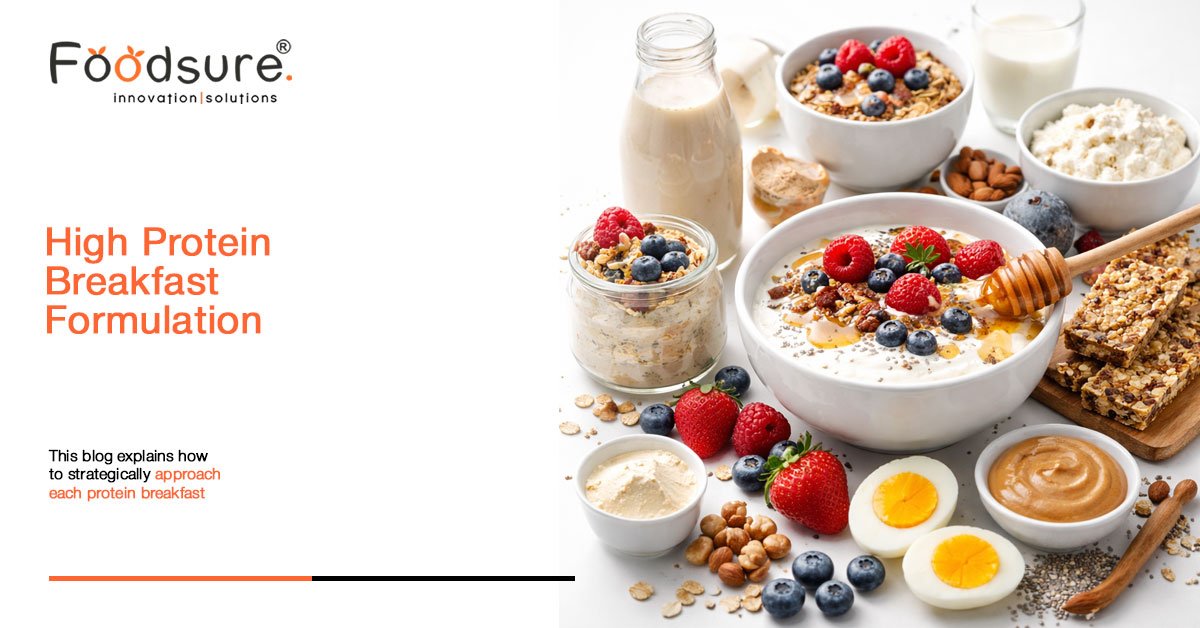
Most companies that make high-protein breakfast items believe that adding whey in cereal or oats is enough but the real challenge is finding the right balance between protein content, taste, texture, shelf stability, and cost. Many early-stage products fail because they get gritty, chalky or unstable when stored. In our work on developing protein-fortified breakfasts, we’ve seen brands struggle with moisture migration in cereals, protein sedimentation in ready-to-serve drinks, and after taste from plant proteins. This blog explains how to strategically approach food product development of high-protein breakfast instead of just theoretically.
Understanding the Market Before Formulation
Before making a ready-to-eat protein breakfast, you need to be clear about:
- Who is the target customer- People who go to the gym , People who work or Children?
- Is it a bar, drink, cereal, granola, or oatmeal?
- How much protein is in the serving 10g, 15g, 20g?
- Is it free from dairy, meat, or eggs?
In India, the need for high-protein breakfast production in India projects has grown a lot because people are becoming more aware for fitness and worried about not consuming enough protein.
Selecting the Right Protein Source
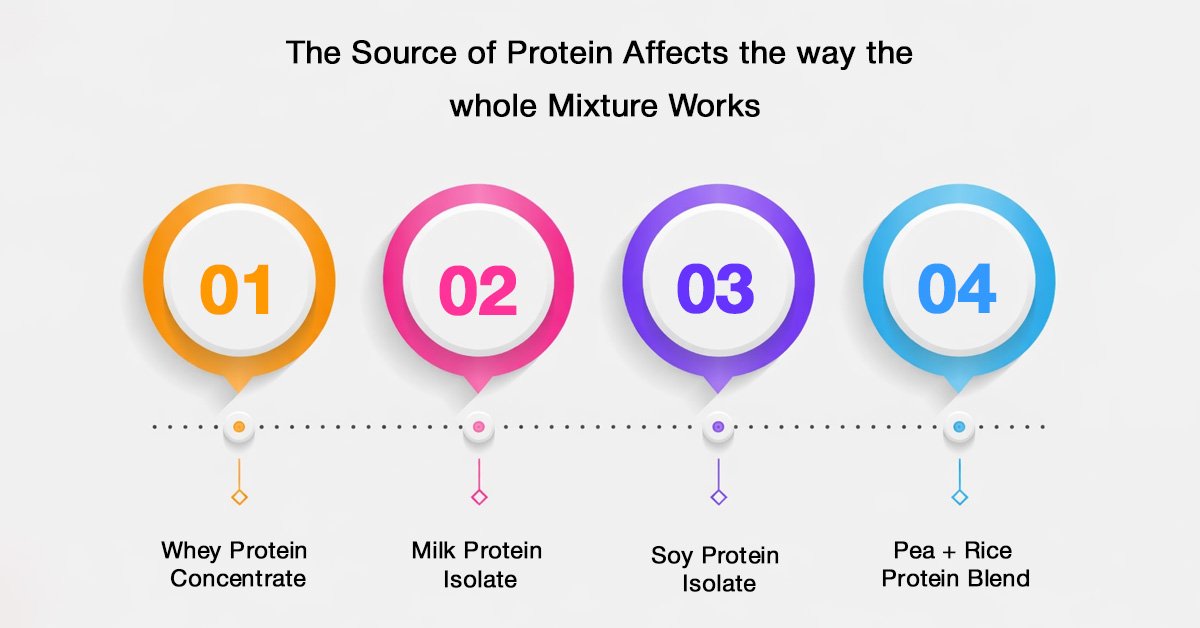
The source of protein affects the way the whole mixture works.
1. Whey Protein Concentrate (WPC)
- Good solubility
- Clean taste (when high quality)
- Suitable for ready-to-mix formats
- Can cause stickiness in extruded cereals
2. Milk Protein Isolate
- Better heat stability
- Suitable for baked high protein cereal recipe formats
- Higher cost
3. Soy Protein Isolate
- Cost-effective
- Strong beany aftertaste if not masked
- Requires flavor balancing
4. Pea + Rice Protein Blend
- Vegan positioning
- Grittier mouthfeel
- Needs emulsifier support
In one protein breakfast product development project, we tested 3 protein sources for a high-protein muesli. The first batch used 18% WPC results in clumping during storage due to moisture absorption. The last commercial batch cut WPC down to 12% and mixed it with crunchy soy nuggets to make the texture stronger. The amount of protein alone doesn’t decide success.
Formulating a High Protein Cereal Recipe
When making a recipe for a high-protein cereal, think about:
Ways for Adding Proteins
1. Enhancing with extrusion
Protein blended into the base flour
Needs to be optimised for moisture
Risk: loss of growth with a lot of protein (>20%)
2. Protein-Coated Flakes
Covering with protein mixture after baking
Risk: coating that is not at all and flavour covering required.
3. Inclusion Strategy
Adding protein sweets or fragments
Processing is simpler.
Improved crisp absorption
In a real-life example, adding more protein into the formulation process over 22% cut puff growth by 40%. The texture became thick and hard. We made things improved by:
- Lowering the temperature of the tank
- Adding 2% fibre to make the structure stronger
- reducing protein decreased to 18%
Ready to Eat Protein Breakfast Formulation Challenges
Different problems come up with different RTD (Ready-to-Drink) majorly are mentioned.
Common Problems:
- Sedimentation of proteins
- Separation of stages
- Unstable thickness
- Decomposition by heat during during pasteurisation
A client wanted 15g of protein per 200ml in a ready-to-eat protein breakfast that would stay stable at room temperature.
First problem:
- Whey decided in 48 hours
- The texture got wet.
Solution:
- Changed some whey to milk protein
- Added a stabiliser system with 0.25% gellan and carrageenan
- Pressure for perfect mixing
There was no sedimentation after the 30-day stability study.
Protein Fortified Breakfast Development
Protein changes the taste.
- Whey can add a little bit of dairy flavour.
- Soy makes things taste bitter like beans.
- Pea protein leaves a taste that is like dirt.
Ways to hide:
- In a high-protein cereal recipe, cocoa works better than vanilla.
- Malt extract makes cereal taste more real.
- Natural sweetener blends make things taste and less bitter.
Protein is very costly it is very hard to achieve the target MRP:
- Use protein systems that are mixed.
- Check that the serving size is correct.
- Don’t add more vitamins and minerals than the claim limits allow.
Example:
The client wanted each serving include 20 grams of protein. The cost study showed that the price was not acceptable.
We set the claim at 15g and made the serving size a little smaller. This is still good for business and marketing.
Formulation is a mix of scientific and company logic.
Shelf Stability and Packaging
Moisture attracts to protein.
In cereal forms:
- The water activity must stay below 0.6.
- Use pouches with moisture barrier laminate.
- It is best to flush with nitrogen.
In RTD styles:
- Do an accelerated stability test for three months.
- Keep an eye on changes in viscosity and pH.
Climate is a big problem for Indian projects that make high-protein breakfasts.
Packaging is still important. It’s a part of the the dish.
Regulatory Considerations in India
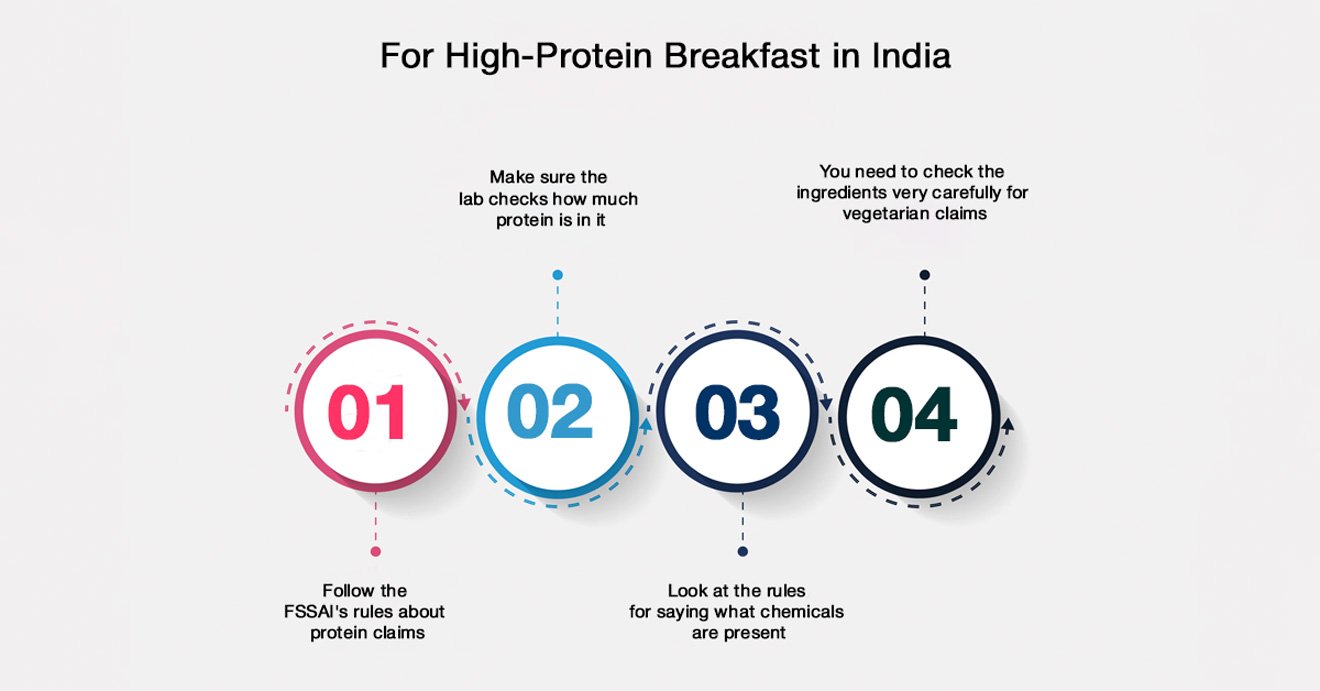
For high-protein breakfast in India:
- Follow the FSSAI’s rules about protein claims.
- Make sure the lab checks how much protein is in it.
- Look at the rules for saying what chemicals are present.
- You need to check the ingredients very carefully for vegetarian claims.
Don’t ever print a protein claim without proof from a lab.
Launch Compliant Today
Don’t allow the FSSAI nutrition labelling regulations to kill your food business concept. Foodsure provides claim-ready, lab-tested labels in 10 days – FSSAI assured.
Call us at +91-8130404757 and be FSSAI-ready before the competitors!
Conclusion
High protein breakfast formulation requires more than ingredient fortification, it demands structured R&D, processing validation, and stability planning. At Foodsure, we focus on building protein breakfast product development strategies that balance nutrition, taste, compliance, and scalability, reducing reformulation risks before market launch.
FAQs
Q1. What is a high-protein breakfast?
The planned creation of cereal or RTD products with more protein while keeping the taste, texture, and stability is called high-protein breakfast formulation.
Q2. What is the development of protein-fortified breakfasts?
Protein-rich breakfast development is all about adding nutritious protein systems in breakfast foods without changing their taste or shelf life.
Q3. What problems come up when making ready-to-eat protein breakfasts?
Some of the most common problems are dissolution, texture instability, flavour masking issues, and shelf-life problems due to moisture.
Q4. How do you come up with a recipe for high-protein cereal?
To make a high-protein cereal recipe, you need to use controlled extrusion, and a protein mix strategy, and moisture improving testing.
Q5. Who offers services for making high-protein breakfast?
Foodsure provides structured help for making high-protein breakfasts in India, including making sure they meet all the rules and regulations.