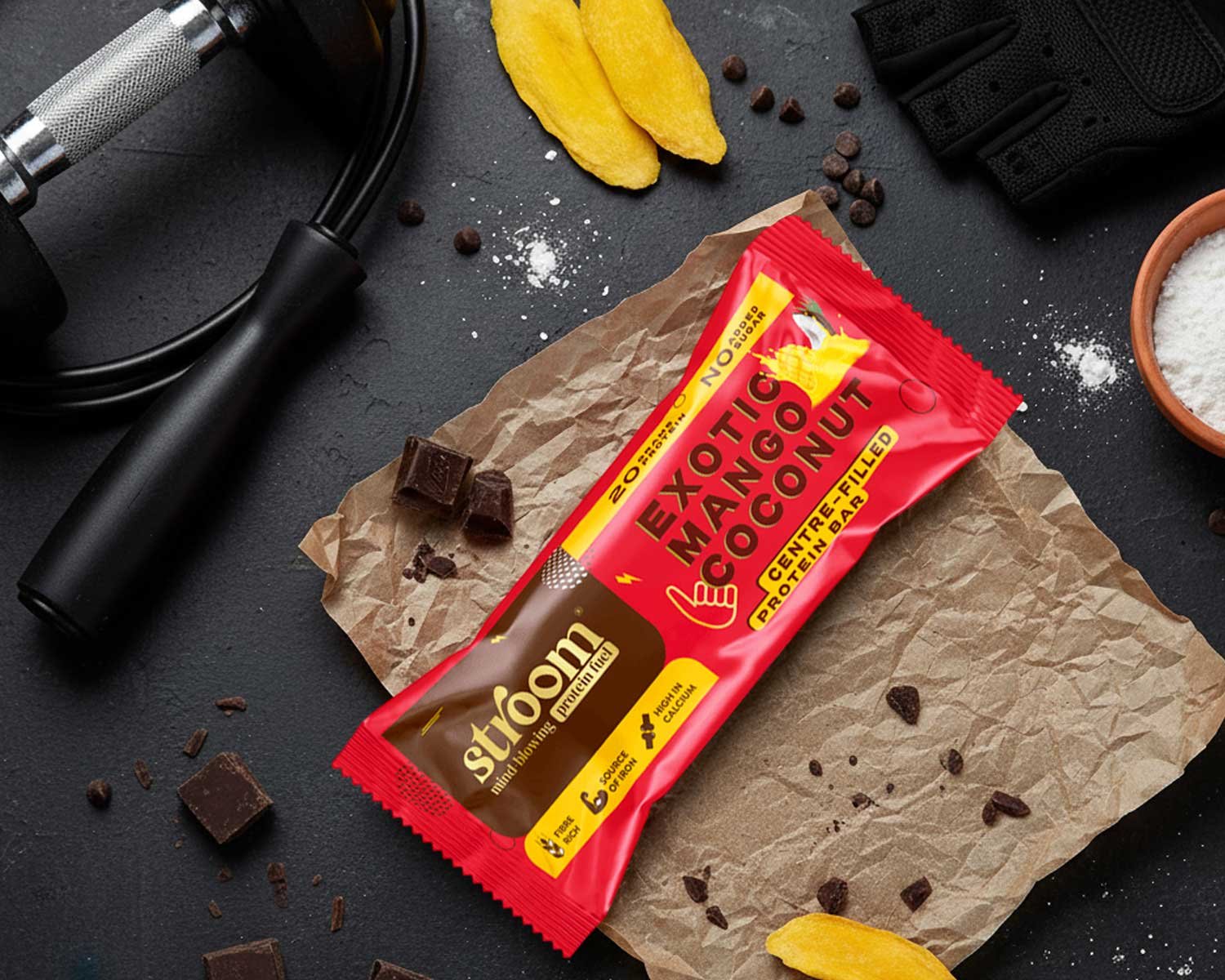
The shelves are buzzing with high-protein snack bars, a clear sign that consumers crave health, convenience, and products that truly deliver. But behind every successful high-protein snack bar development and protein bar recipe development lies a journey filled with technical and formulation challenges. As experienced food consultants, we’ve seen great ideas fail due to avoidable mistakes.
This guide is more than a warning; it’s your roadmap to navigating those challenges and ensuring your next high-protein bar doesn’t just launch, but truly stands out and succeeds.
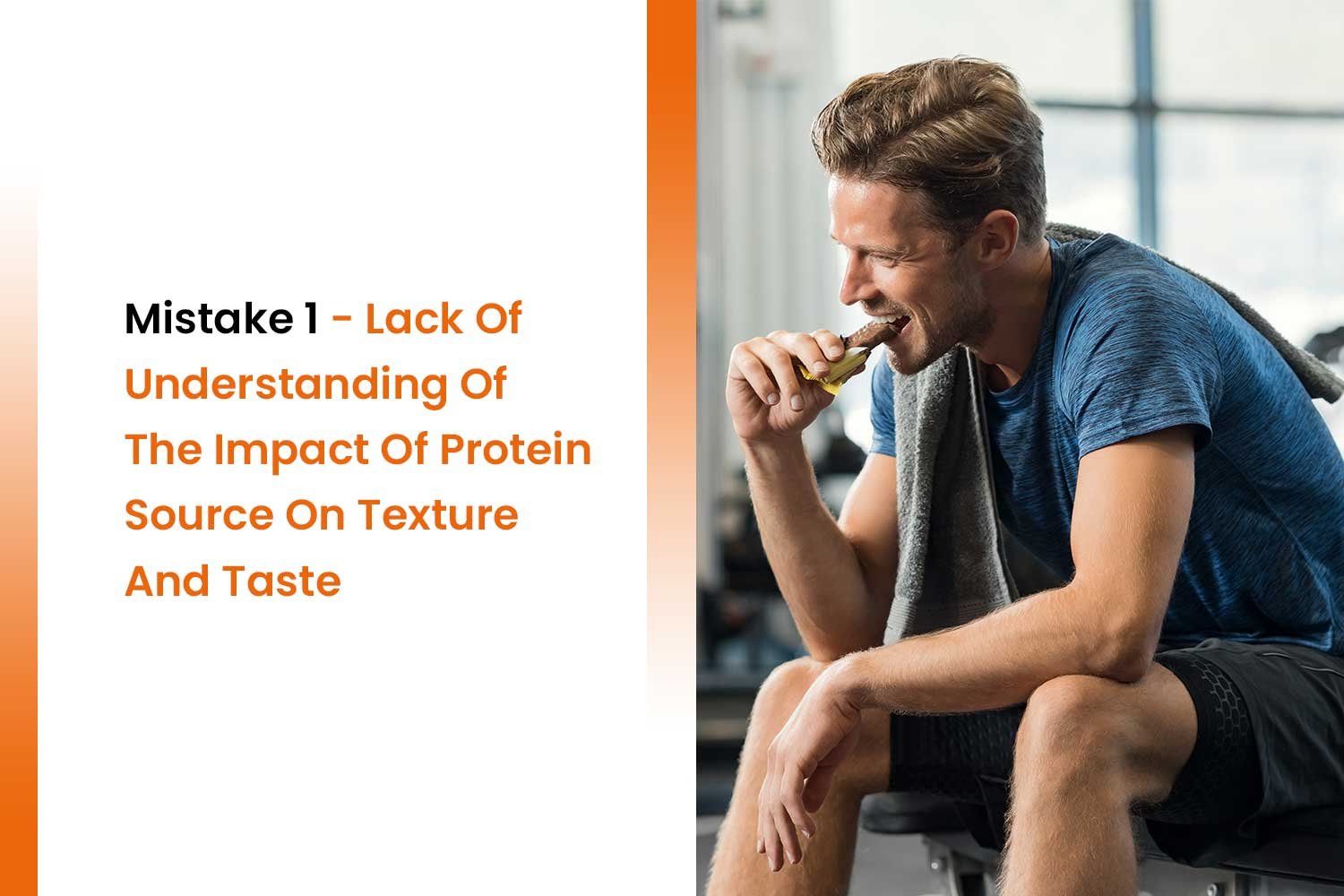
Mistake 1 – Ignoring Protein Source Impact
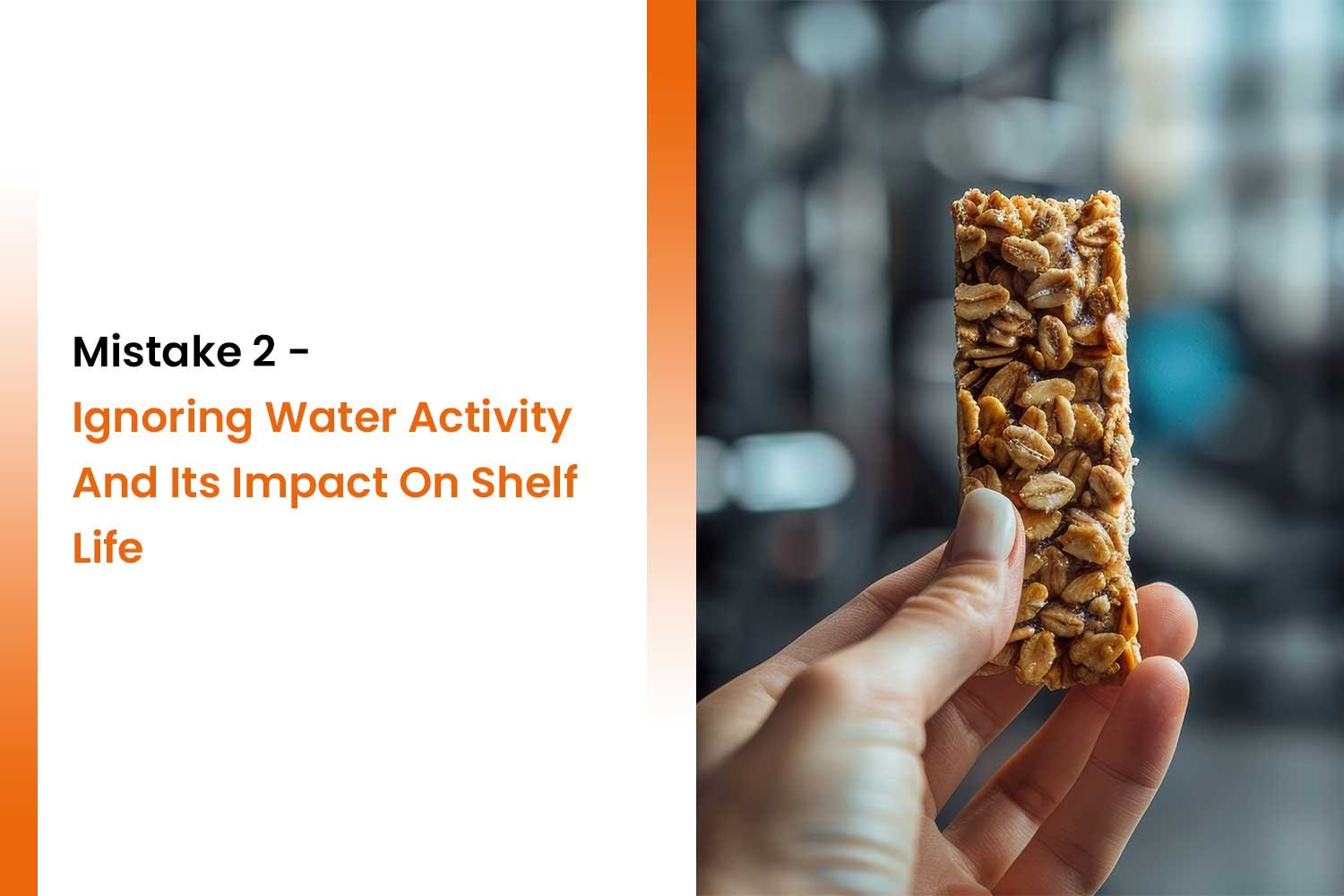
Mistake 2 – Ignoring Water Activity And Its Impact On Shelf Life
Water activity (aw) plays a critical role in any recipe, affecting shelf life, safety, and texture, whether developing commercial bars or homemade organic protein bars.
- Excess free water: Can cause microbial growth and fat oxidation. Keep aw below 0.7 for safety in any recipe for a protein bar.
- Too many humectants: Help retain moisture but may make bars sticky, especially in a baked protein bar recipe.
- Protein hydration shift: Uneven water movement can harden or spoil parts of the bar.
Tip: When learning how to make protein bars, test aw (not just moisture), use barrier packaging, and carefully balance humectants for stable texture and longer shelf life.
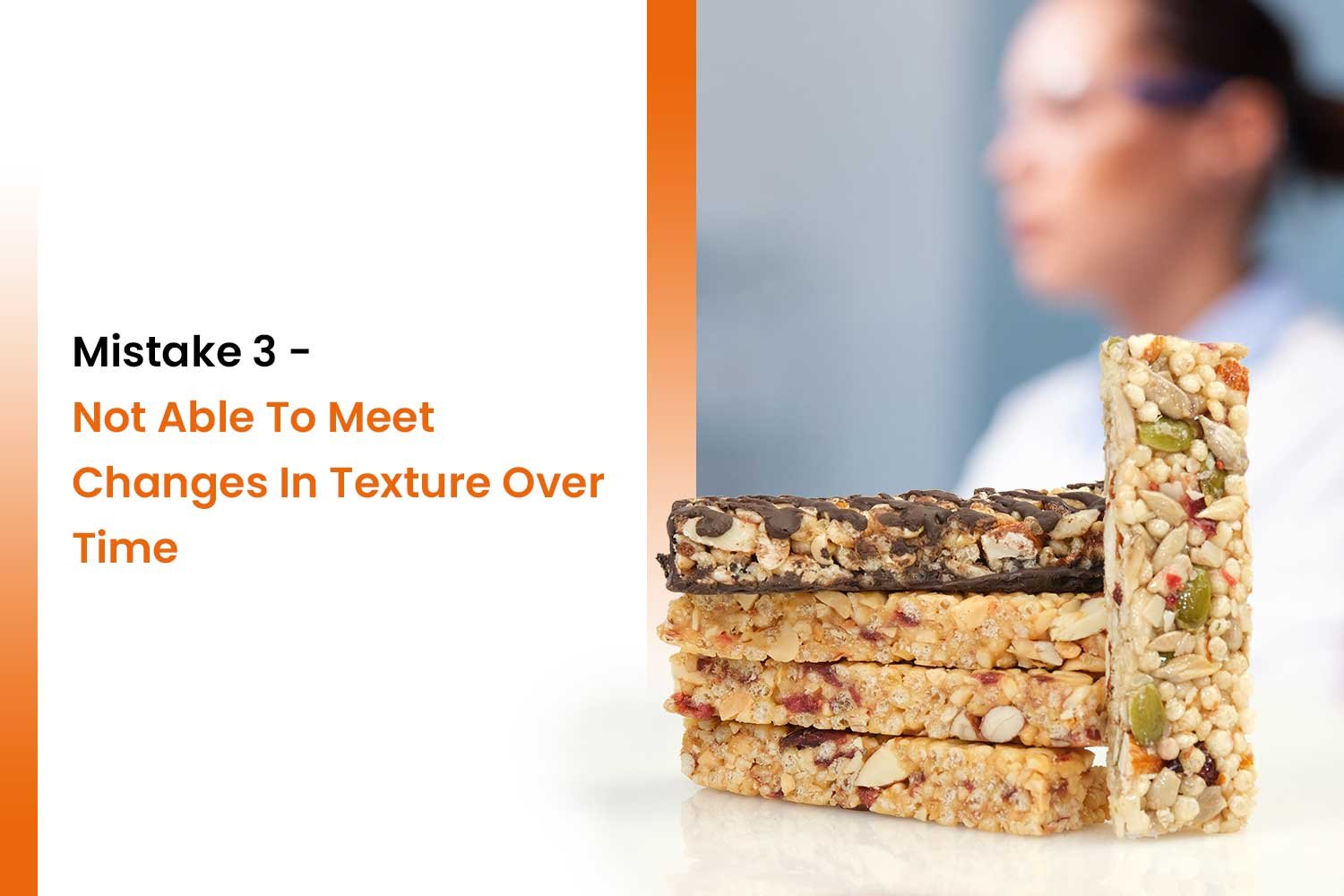
Mistake 3 – Not Able To Meet Changes In Texture Over Time
A high-protein bar may feel perfect on day one, but turn hard or crumbly later. Stability is crucial in any recipe, including homemade organic protein bars.
- Starch setting: Binders can release water over time, making the bar firm in a baked protein bar recipe.
- Protein clumping: High protein levels and temperature shifts can cause hardness.
- Moisture migration: Uneven water movement dries some areas and softens others.
- Fat crystallisation: Can create brittle texture or surface bloom.
Tip: When learning how to make protein bars, use stable fibres, control processing temperatures, and balance humectants to maintain softness in your recipe for protein bars.
Mistake 4 – Poor Flavour Balance
Flavour is critical in any recipe. Proteins can create bitterness, off-notes, or rancid flavours if not properly balanced, affecting both commercial bars and homemade organic protein bars.
- Protein bitterness: Certain amino acids cause sharp or unpleasant tastes.
- Flavour binding: Proteins can reduce flavour intensity by binding flavour compounds.
- Fat oxidation: Can create stale or rancid notes over time.
Tip: When refining a recipe for a protein bar or learning how to make protein bars, use strong flavour systems, natural extracts, and balanced sweeteners. In a baked bar recipe, combine sweeteners carefully to mask bitterness without artificial aftertaste.
Mistake 5 – Ignoring Nutrition & Quality Control
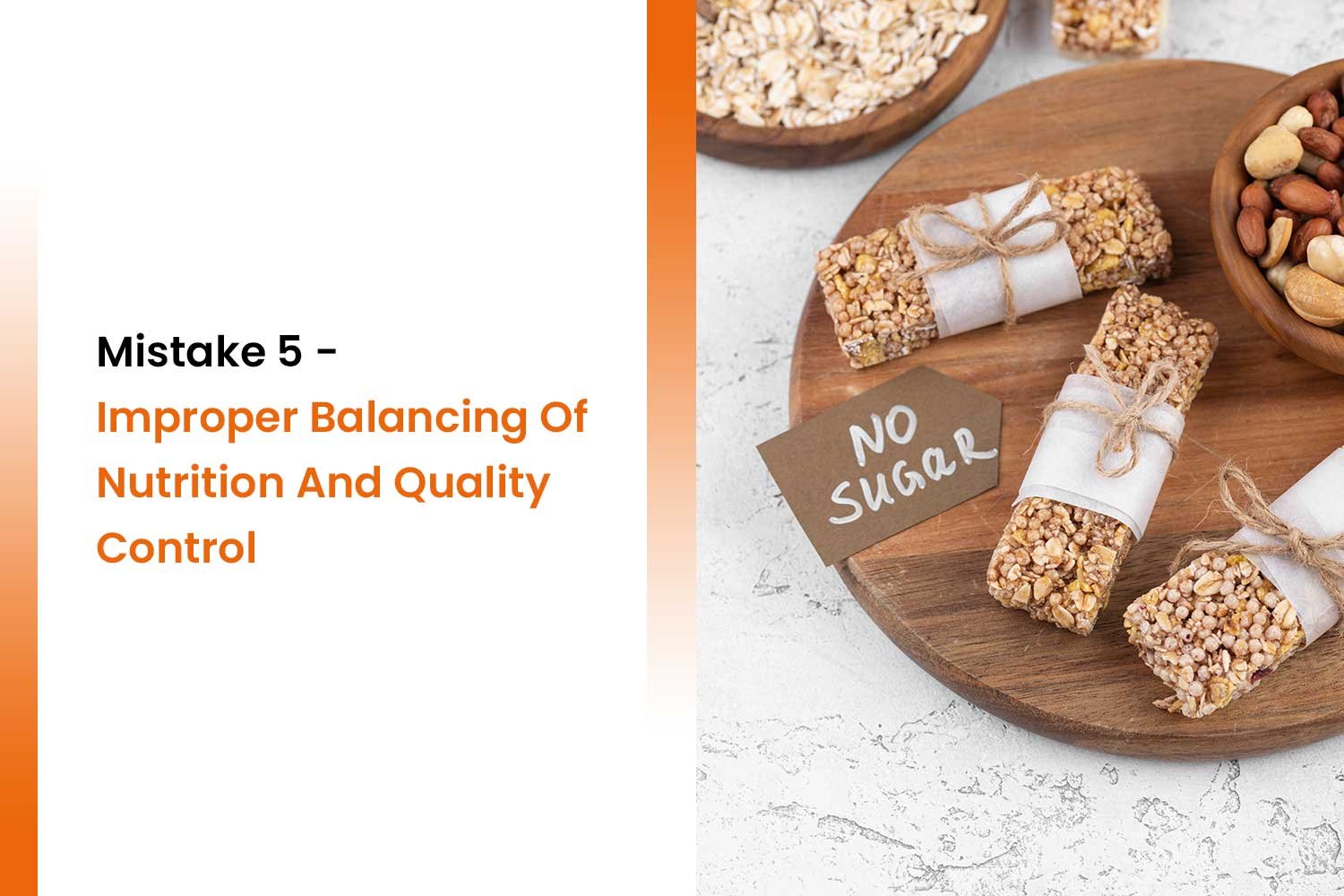
Focusing only on protein can weaken a protein bar recipe. A proper balance of macros, micros, and processing control is essential, whether developing commercial bars or homemade organic protein bars.
- Carbohydrates & Fibre: Too little can make bars dry, especially in a baked protein bar recipe.
- Micronutrients: Add vitamins and minerals for functional benefits.
- Heat Control: Prevents protein damage and flavour loss.
- Proper Mixing: Ensures consistent taste and nutrition in every recipe for protein bars.
Tip: When learning how to make protein bars, define clear nutrition goals, run small trials, monitor moisture and water activity, and follow strict SOPs for consistent quality.
Explore More: Nutritious Protein Bar Recipe Formulation
The shelves are packed. The completion is high. Your high-protein snack bar deserves to truly stand out in the market.
We get it. Creating the best high-protein bar comes with so many challenges, from finding the perfect ingredients and water activity to perfect shelf life with consistent flavour and texture. We don’t just solve your problems; we will give solutions that are perfect for you. We will help you create the product that grabs attention and keeps customers coming back, making sure every single wrapper gives nutrition and a memorable experience.
Reach out to our protein bar product development experts today!
Contact Foodsure on +91 8130404757 for protein bar recipe development services.