Foodsure presents you with the comprehensive guide on how to make kombucha. If you are starting out making kombucha or are in the process of expanding your business, then it becomes crucial for you to know the right methods of making kombucha. including SCOBY culture and bottle-making tips.
Understanding SCOBY Scaling Process for How to Make Kombucha
Your introduction to the art of making kombucha in larger quantities would begin with SCOBY, which is an acronym for ‘Symbiotic Culture Of Bacteria and Yeast. As opposed to smaller amounts, when you make kombucha on a commercial scale, you have to be sure that your SCOBY is scaled properly.
In the process of producing kombucha on a commercial scale, make sure there are plenty of alternatives to the SCOBYs kept in storage tanks. It would be best to keep the SCOBY at a thickness of 1 to 1.5 inches because it has been well-developed and sturdy. In India, where the climate changes frequently, maintaining an unvarying temperature is important. The SCOBY thrives within the range of 24-30 degrees Celsius.
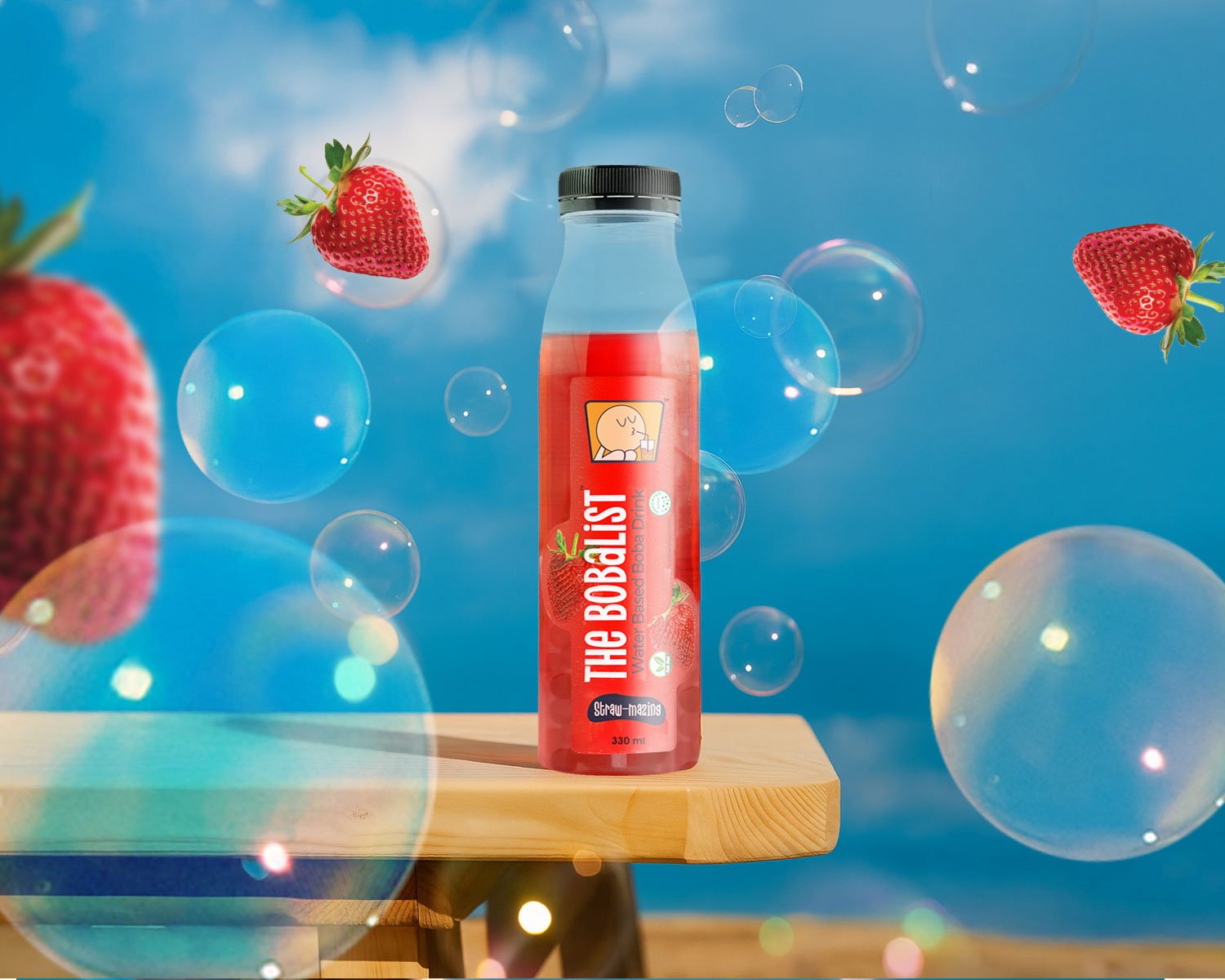
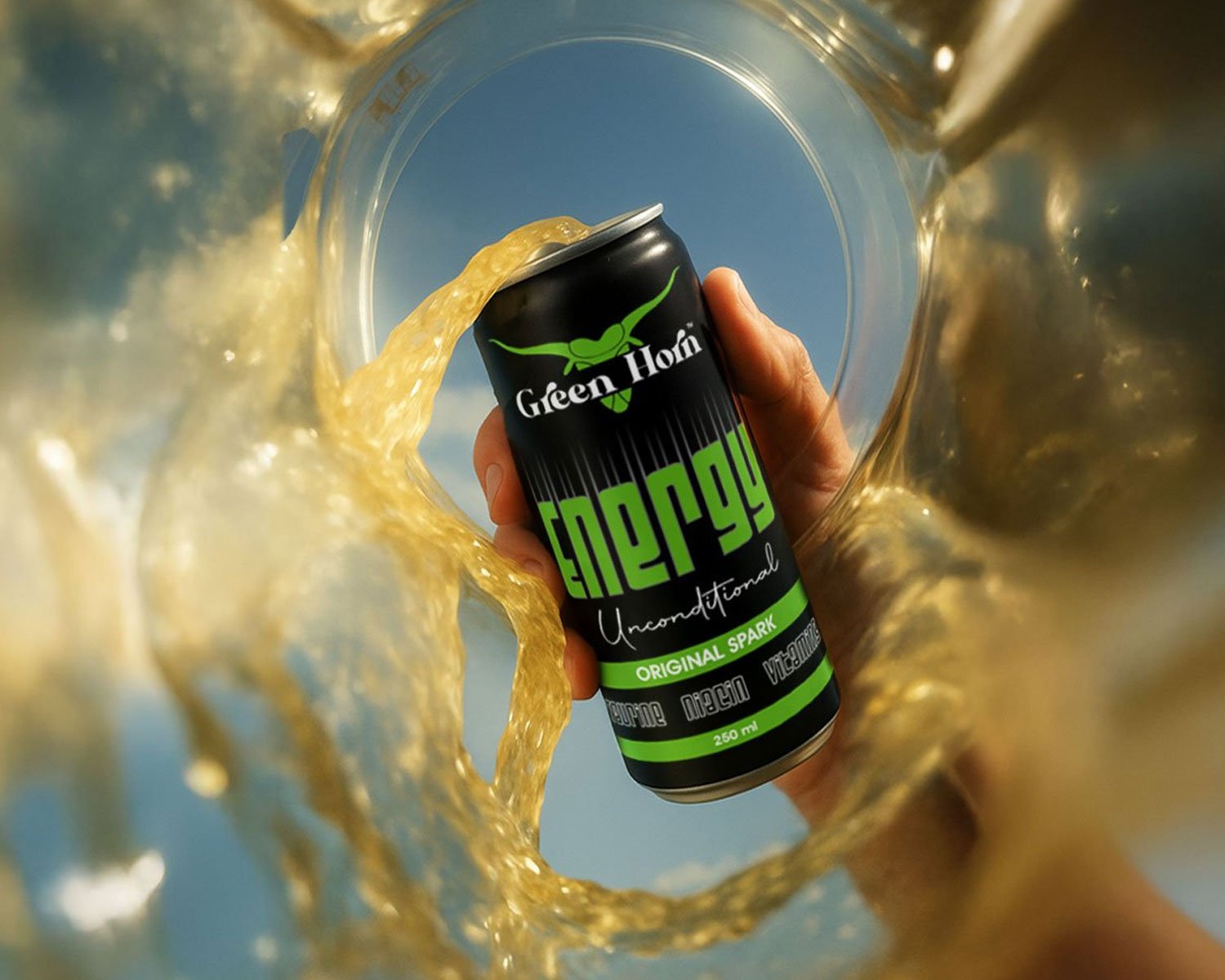
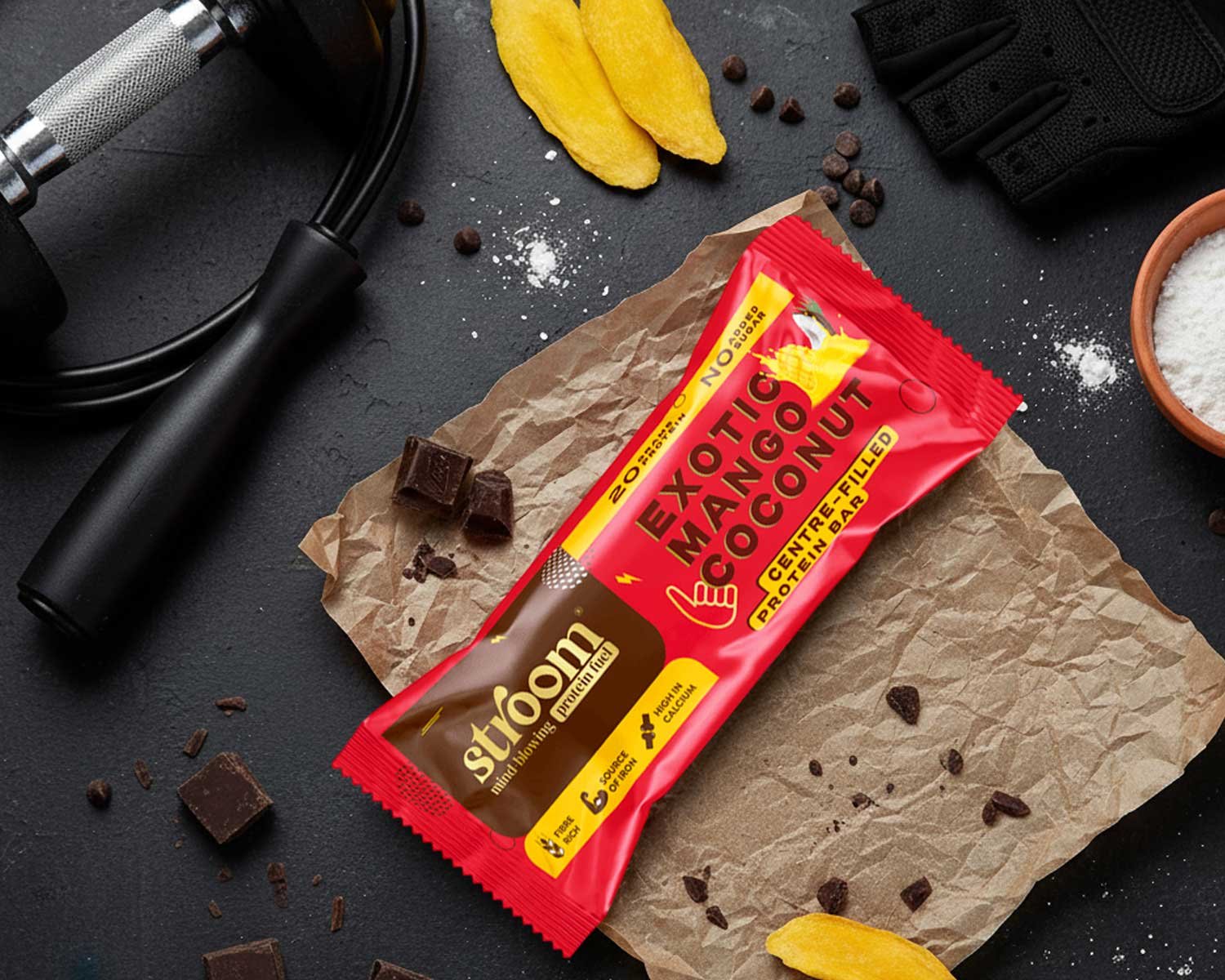
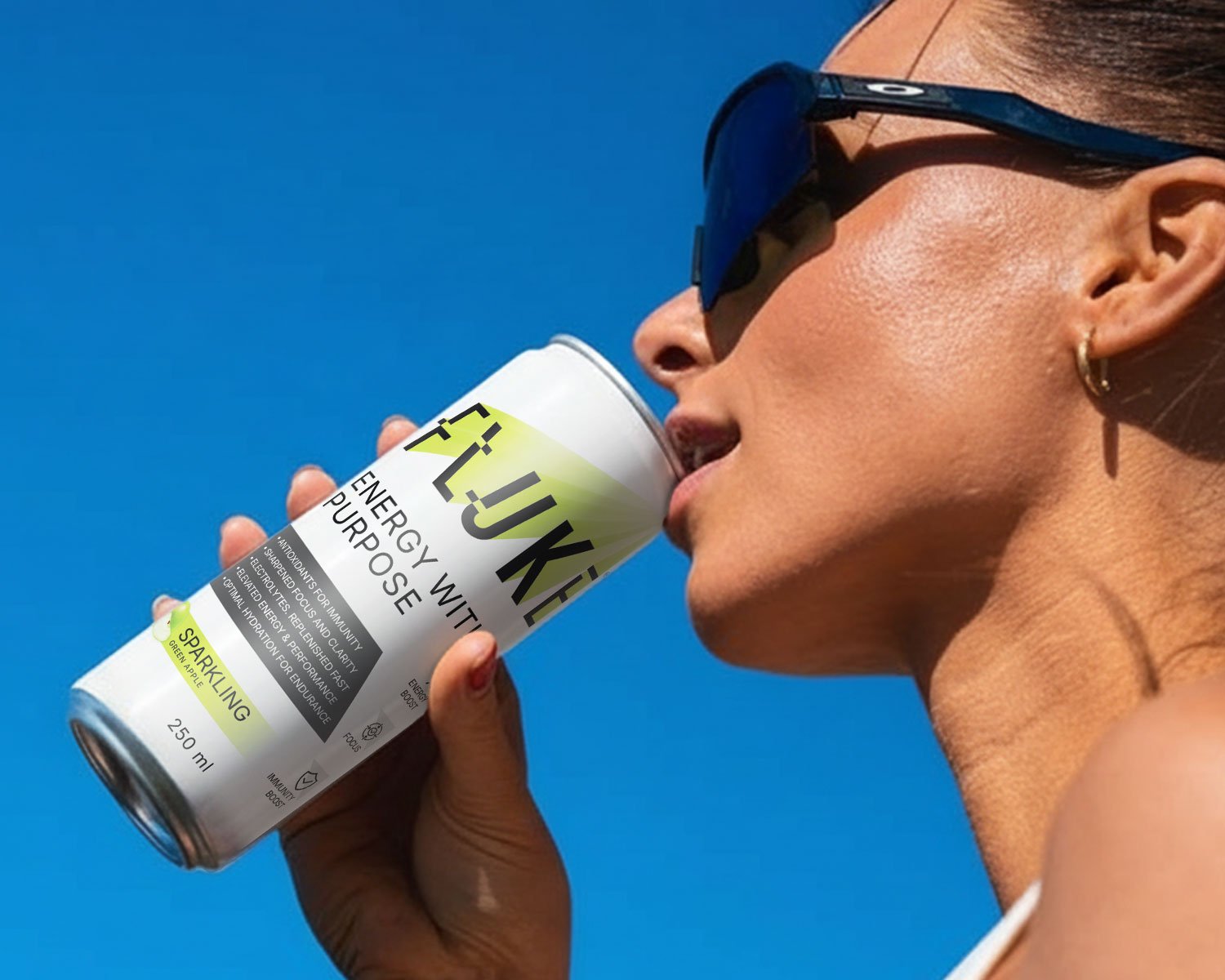
Here are some of the top 10 kombucha brands in India.
Essential Kombucha Brewing Equipment for How to Make Kombucha
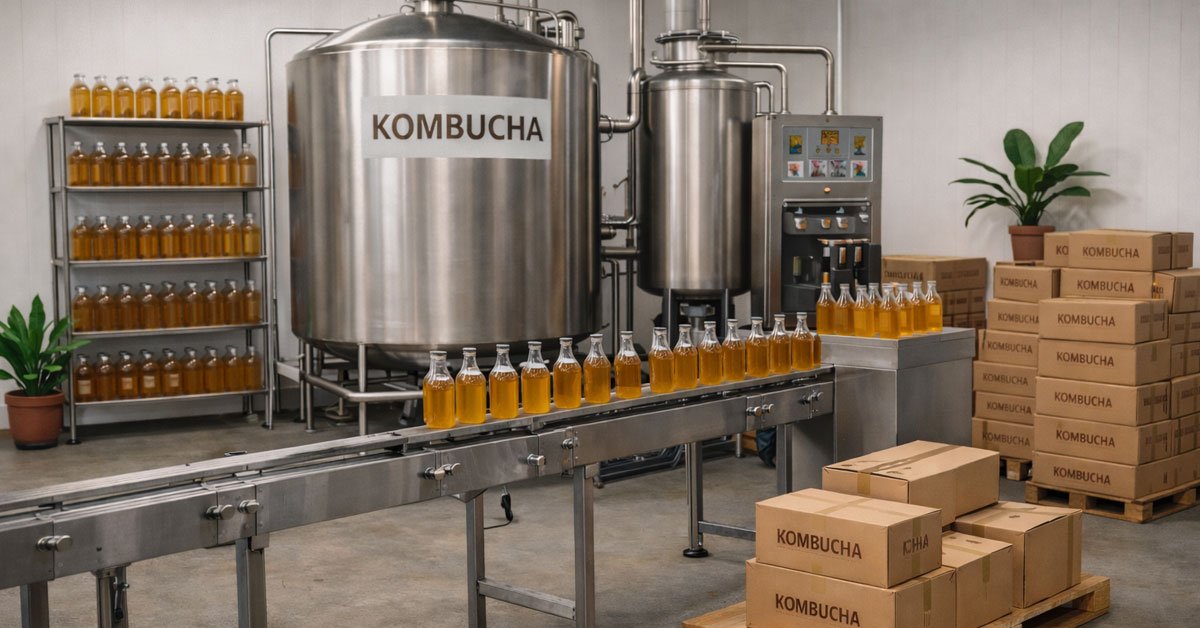
The acquisition of knowledge related to the commercial production of kombucha is dependent on the right equipment. The equipment required for the production include:
- Tanks that have a capacity between 20 and 500 liters with effective seals
- Tanks made of food-grade stainless steel and glass
- Temperature controls capable of maintaining temperatures at 24-30° C
- Ventilation with cloth coverings
- Bottling machine
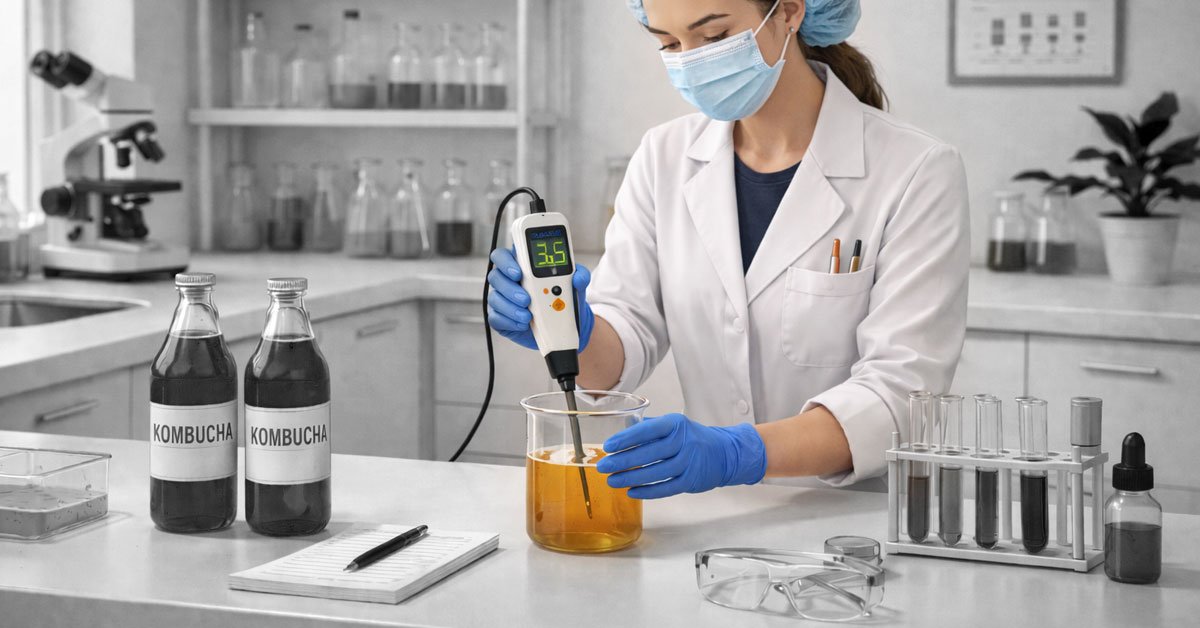
- pH meter
For commercial kombucha production, one should acquire quality kombucha. brewing equipment. This is done to prevent contamination. You need to acquire stainless steel tanks for the equipment used in the production process.
Mastering Kombucha pH Control in How to Make Kombucha
Control of the pH value forms the key technological process during the kombucha production. The method for producing kombucha with the required level of acidity consists of control of the pH values during fermentation.
Required pH values:
- Start: 3.5-4.0 (for sweet tea before fermentation)
- Fermentation stage (days 5-7): 2.8-3.2
- Finish: 2.5- 3.0 (Final Product)
Regarding safety measures for brewing kombucha, ensure that the pH value is checked every day during the fermenting process. The environmental factors of India such as high humidity and temperature changes could affect the speed of fermentation; hence, the necessary adjustments have to be made.
When there is an over-fermentation, then the pH level becomes lower than 2.2 and it will have a vinegary flavour. In under-fermentation, the pH level goes above 3.5, making it easily contaminated when mass-produced.
How to Make Kombucha: The Fermentation Process
How to make kombucha, Manufacturing processes involve the following:
- Preparing concentrated tea with either organic green tea or black tea (2g/100ml water)
- Allowing it to cool and then adding sugar (8-10%)
- Adding starter culture at a proportion of 10-15%
- Fermentation temperatures should be maintained between 24 and 30°C.
- Monitoring pH value daily from day 7 to 14
- Testing the taste
- Reaping the crop at a pH level of 2.5 to 3.0
Patience is an absolute must when learning the technique of making kombucha for commercial purposes. Russian kombucha ferments for 5 to 7 days; Indian summers will need 4 to 5 days only. Batch record keeping in commercial kombucha production is essential.
How to Bottle Kombucha: Packaging for Success
Bottling is the final crucial stage in the kombucha brewing process. Proper practices would ensure the product’s shelf life and safety.
The steps for the commercial kombucha bottling process:
- Use food-safe glass bottles with tightly fitting caps
- Bottle the kombucha while it is still warm (facilitates bottling)
- Allow 1-2 inches of space inside the bottle (carbonation purposes)
- Keep the bottles in the refrigerator after bottling
- Allow 2-3 days to pass before consuming the kombucha
A capping machine must be used when bottling kombucha because it has many variables. Temperature control in the second fermentation process will influence carbonation, thus maintaining consistent temperatures from 15 to 20°C.
Scaling How to Make Kombucha: From Startup to Production
As you scale the production of kombucha commercially, you should ensure that:
Vessel rotation is observed since you should have at least 4 to 6 batches simultaneously.
- Quality: Each batch should meet expectations.
- FSSAI certificate: You should have a certificate to produce kombucha commercially.
- Organic products: You should find a supplier for the tea leaves and sugar that you use.
- Fermentation space: You should make sure that your fermentation space is cool enough.
- Kombucha’s commercial production in India will involve learning Indian regulations.
Key Takeaways: How to Make Kombucha
- SCOBY: Maintain backups and monitor the thickness every month
- Temperature regulation: Should be maintained between 24-30 degrees Celsius
- pH testing: Should be done everyday in order to avoid spoilage
- Use quality material: Stainless steel is always better because it lowers the risk of contamination
- FSSAI licence: Before selling kombucha in the market you should obtain an FSSAI licence.
Foodsure Takeaway
Foodsure understands that knowing how to produce kombucha commercially in India requires more than just passion; it requires precision. When you struggle with things like regulating the acid levels of your kombucha, handling the issue of scaling SCOBYs and figuring out how to package kombucha, then knowing how to brew kombucha is very essential.
There is a booming industry of kombucha. production in India, but only those who concentrate on reliability and compliance will make it through. Remember to always ensure that you buy quality kombucha. brewing equipment, understand the rules governing your locality, and always use premium-quality ingredients.
Conclusion
Learning how to make kombucha for business purposes is not hard; it is just a process. From the preparation of the SCOBY to pH adjustment to bottling, all these tasks take place in succession. It is now time for India to enjoy its functional beverages, and Foodsure will help you harness this trend. Take your time, organise everything, and increase production gradually.
The future will defi nitely belong to those companies that understand all these aspects.
Take the first step now with Foodsure because good kombucha can only be made from good procedures! Contact us at +91-8130404757
FAQs
1. What is the ideal time required for fermentation when preparing to brew kombucha tea in India?
5-7 days during summers and 7-10 days during winters. Measure the pH level rather than relying on time alone.
2. How can one increase the number of SCOBYs in commercial kombucha brewing?
They increase gradually, and new layers will develop once the fermentation process starts. Do not force them to multiply.
3. What equipment is necessary for mastering the art of bottling kombucha?
Jars, covers, bottling equipment, and proper refrigeration. Purchase equipment designed specifically for brewing kombucha.
4. How can I reduce fermentation time via pH level in kombucha?
Certainly, by keeping a balanced pH level (2.5-3.0), one is able to identify when it is time to bottle the drink.
5. Why does my SCOBY have to be healthy for bottling kombucha?
Since unhealthy culture cannot result in anything good, it has to be kept healthy at all times.