The Indian food and beverage environment in 2026 is no longer entirely about taste; it is about an immediate and willful nature. As the D2C e-commerce market is expected to hit an estimated 108.76 billion this year, Operations of scale food startup between zero and the much-aspired 1 Crore revenue target has turned into a game of data-driven accuracy. The founders are currently taking advantage of a 130% year-on-year growth in volumes of quick commerce to overcome traditional retail barriers and reach urban households within less than ten minutes.
To achieve the 1 Crore milestone, which translates to about 8.33 Lakhs every month, one has to switch to systems and not just hustle. In the modern-day economy, it is your capacity to merge with systems such as Blinkit and Zepto, where food segments are now taking more than 17% of total advertising expenditures. This guide offers an approved model of creating a financially strong brand that does not merely grow, but compounds, leveraging the most current 2026 industry standards and consumer behavior changes.
1. The Math of the First Crore: Reverse Engineering Success
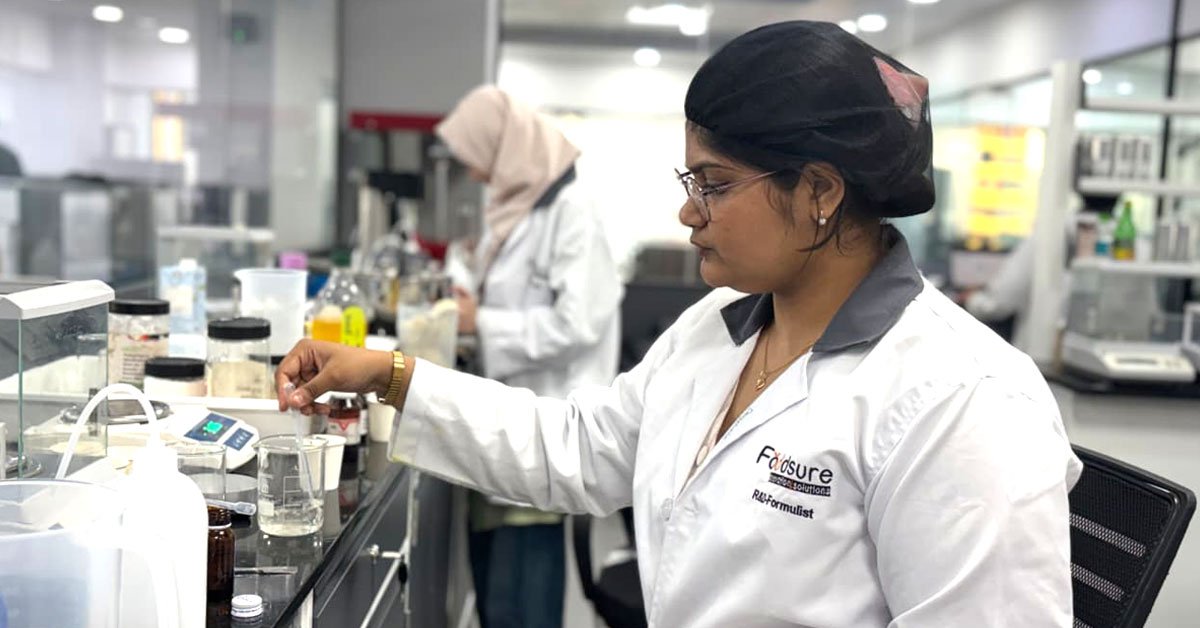
You have to get rid of chasing the vanity metrics and begin with the “Growth Hacking Maths” to scale food startup revenue. The 2026 execution playbooks indicate that a 1 Crore per year goal translates into approximately ₹27400 in sales per day.
| Product Price | Required Daily Sales | Leads per Month (2% Conv.) |
| ₹299 | 92 Units | 1,38,000 |
| ₹499 | 55 Units | 82,500 |
| ₹999 | 28 Units | 42,000 |
When your current figures do not match the proposed 2026 food startup growth plan India, then it would be best to concentrate on Monetization Experiments and not on additional advertisements.
With bundling products to grow the Average Order Value (AOV) and the introduction of a subscription model, you can grow your revenue by 30 – 50% without having to raise your customer acquisition cost (CAC).
2. Master the “Dual-Channel” Growth Strategy
One of the pitfalls in any food business growth strategy India is attempting to be everywhere at the same time. It is indicated that in 2025 – 2026, two main channels contribute 80% of the revenues of the early-stage food brands.
- Quick Commerce (The Discovery Engine): As application such as Zepto and Blinkit are expected to reach 4,900 crore in advertisement revenue by 2026; they are no longer delivery apps per se; they are your front office.
- D2C Website (The Retention Engine): The Retention Engine is impulse-driven, with your own site creating Growth Loops. D2C food brand scaling India is dependent on post-purchase WhatsApp automation and refer-to-earn programs that transform one customer into three.
3. Operations & FSSAI: The Invisible Ceiling
Scaling is not about sales, but not to collapse under the burden of them. The FSSAI regulations have changed in 2026. The licenses of the “Relabellers” and the Marketers have been turned into lifetime licenses under the ease of doing business initiative, as long as the digital returns are submitted on time.
Nevertheless, as a survey of Indian food startups (2026) has shown, 15 – 20% of cold-chain nodes in Tier-2 cities continue to experience power outages. In the perishables space, to scale to 1 Crore needs a “Lean Manufacturing” model, which can often be achieved by using third-party co-packers to avoid the 12 – 18 months of time needed to build a facility.
4. Food Startup Marketing Strategy India: Precision over Mass
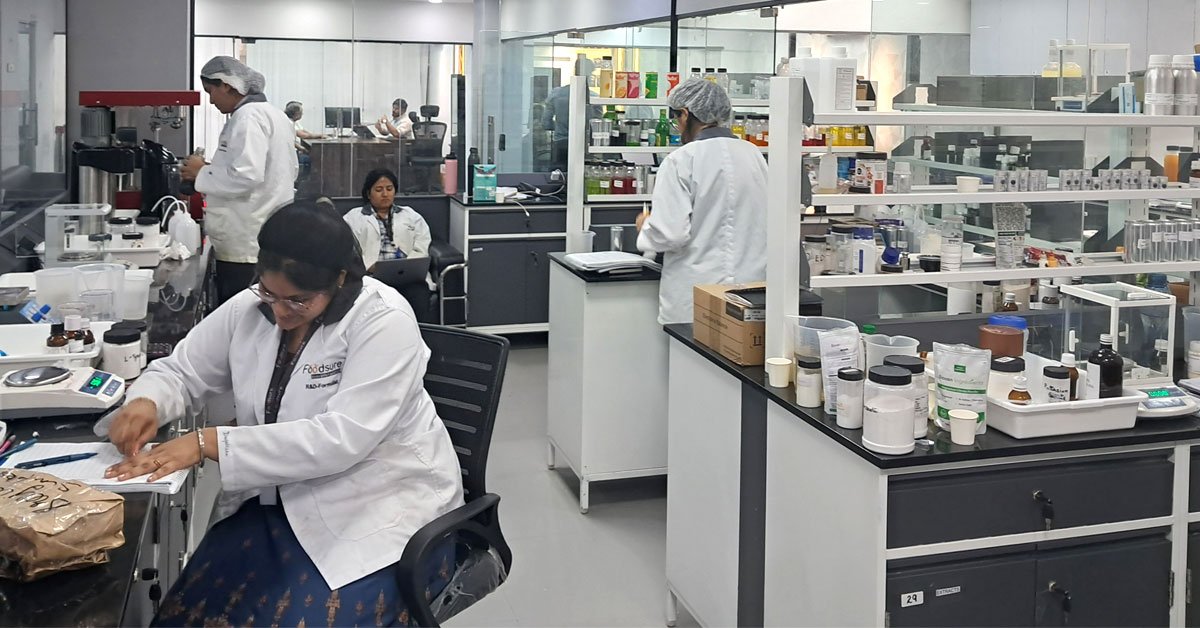
Mass-led visibility is dead in 2026. The Indian food startup marketing strategy is based on conversion-proximate touchpoints.
- Dollar value of media spend: The major FMCG firms are now transferring 5-6% of their entire ad spend directly into quick commerce sponsored placements.
- The Clean Label: Original 2026 study shows Gen Z spending more on Premium Private-Labels than Baby Boomers. A 15 – 20% price premium and a story told with QR codes about the story of a Farm-to-Fork can be trusted more.
Scale Food Startup with Foodsure Today
The distance between a 10 lakh business and a 1 crore brand is created through standard operations and technology-driven discovery. The core of every successful scale-up is the understanding of the costs, profitability, and legal preparedness.
Are you looking to make your food startup a national brand?
At Foodsure, we offer the full circle of legal and strategic assistance to help you navigate FSSAI compliance, manufacturing arrangements, and market entry.
Contact Foodsure and Book Your Growth Consultation Now!
FAQs
What is the time to scale food startup in India to 1 Crore?
Although it differs, tech-enabled D2C brands with high-frequency products (such as snacks or staples) will tend to reach this mark in 12 to 24 months with intensive quick commerce integration.
Which is the best food business development strategy in India by 2026?
The Omni-channel Lean strategy, which begins with a D2C-first data model, and then rapidly becomes a quick commerce platform with high-volume impulse sales.
Would I require my own factory to achieve 1 Crore revenue?
No. Third-party “Relabeller” models are applied to many brands with ₹5 – 10 Crore revenue, as they can then concentrate on branding and distribution without worrying about manufacturing overheads.
How much will a food startup marketing strategy India cost me?
At the initial stage, it is suggested to divide 40/60, 40% product/ops, and 60% marketing and discovery, namely, retail media in the delivery apps.
What is the FSSAI rule of scaling food brands in 2026?
The largest modification is the “Life-long Independence” of licenses of compliant businesses and the obligatoriness of segregation of the natural or immunity claims, which must now be supported by strong scientific evidence.
Why is the D2C food brand scaling India, moving towards quick commerce?
The behavior of consumers has changed; convenience is a must now. Quick commerce provides 15 – 20% reduced acquisition prices than conventional social media advertisements on niche labels.
What is the biggest challenge in increase food business revenue India?
Logistical challenges, namely the Fragmented Cold-Chain and high Return-to-Origin (RTO) rates of Cash-on-Delivery (COD) orders, may consume 25-30% of margins.