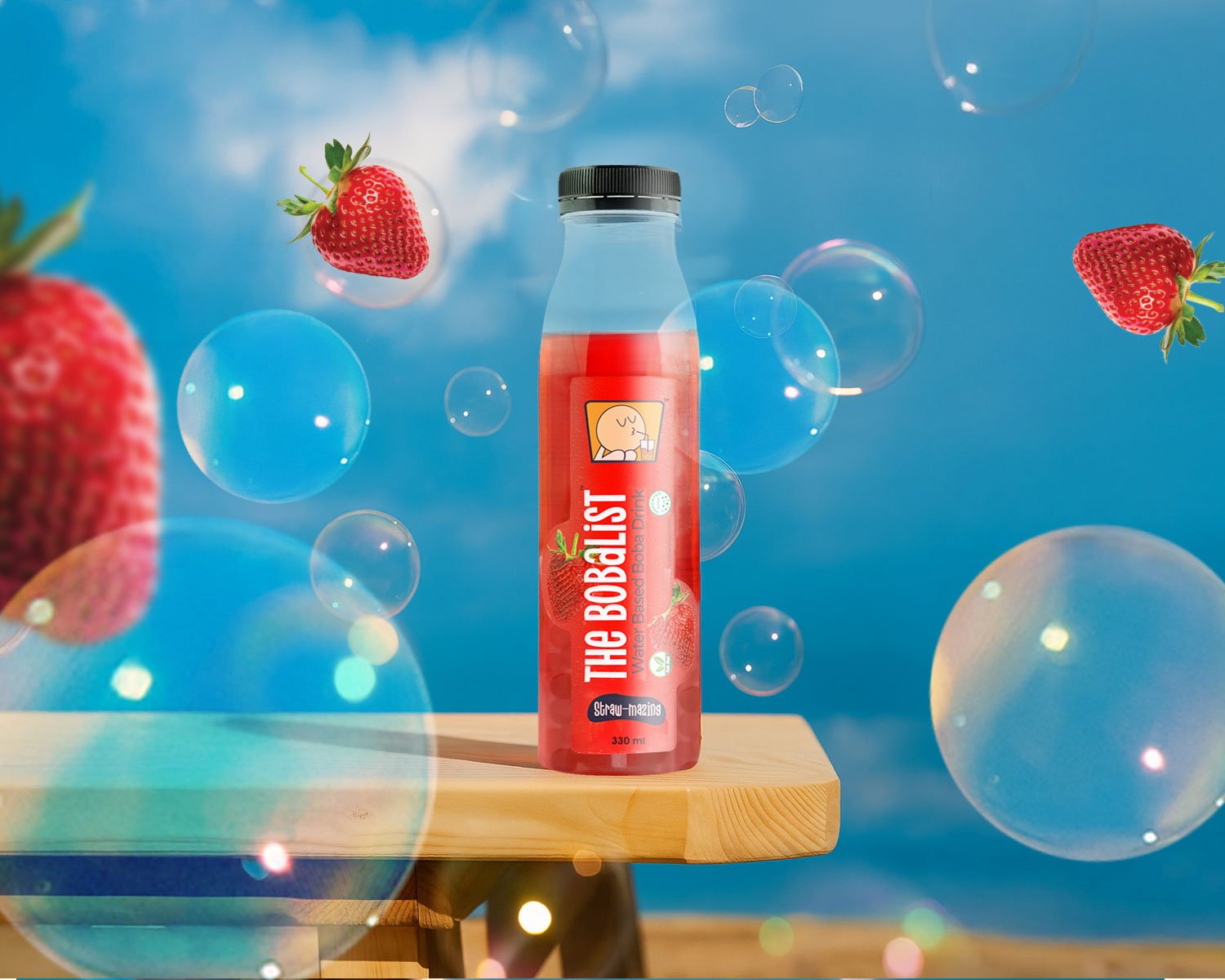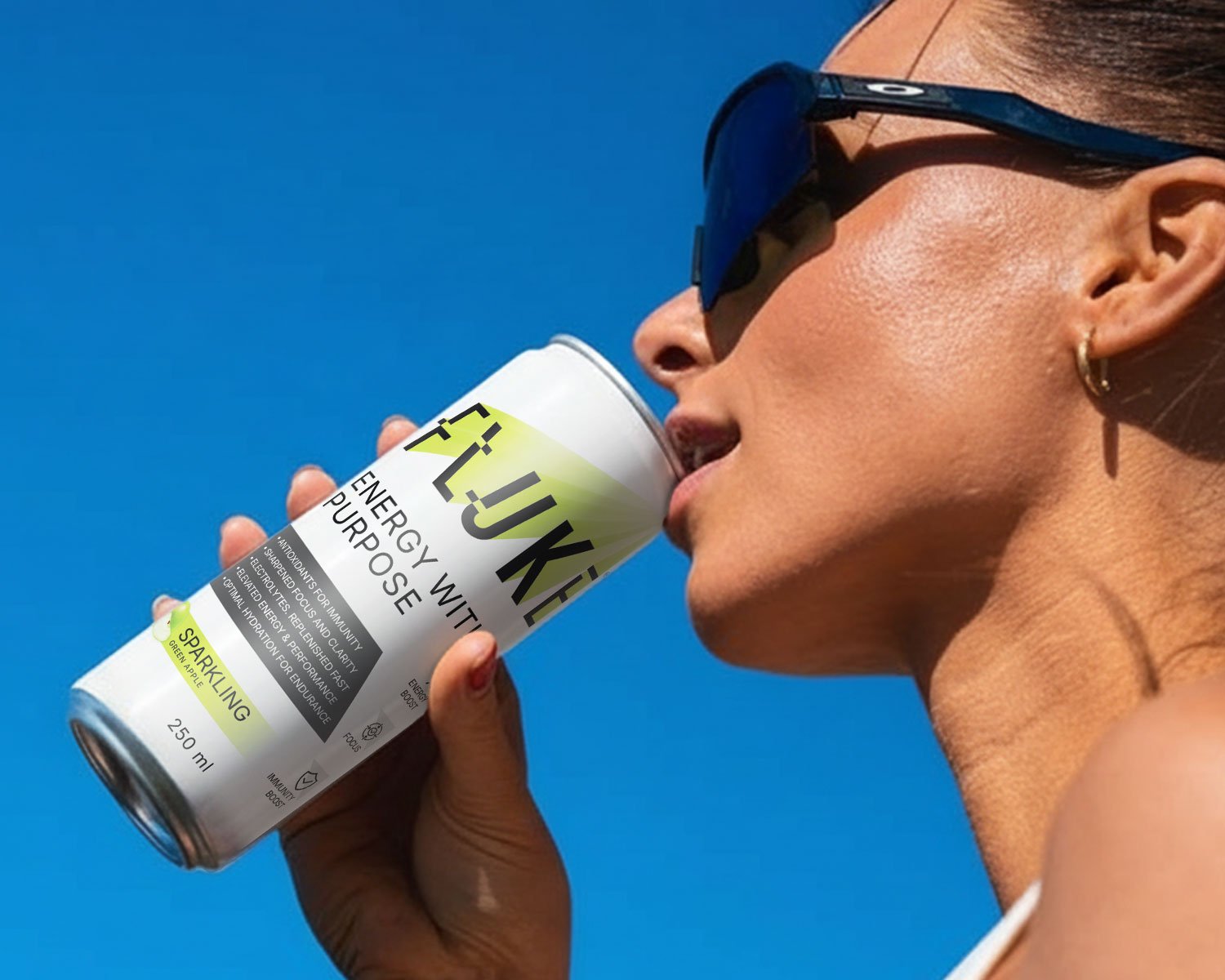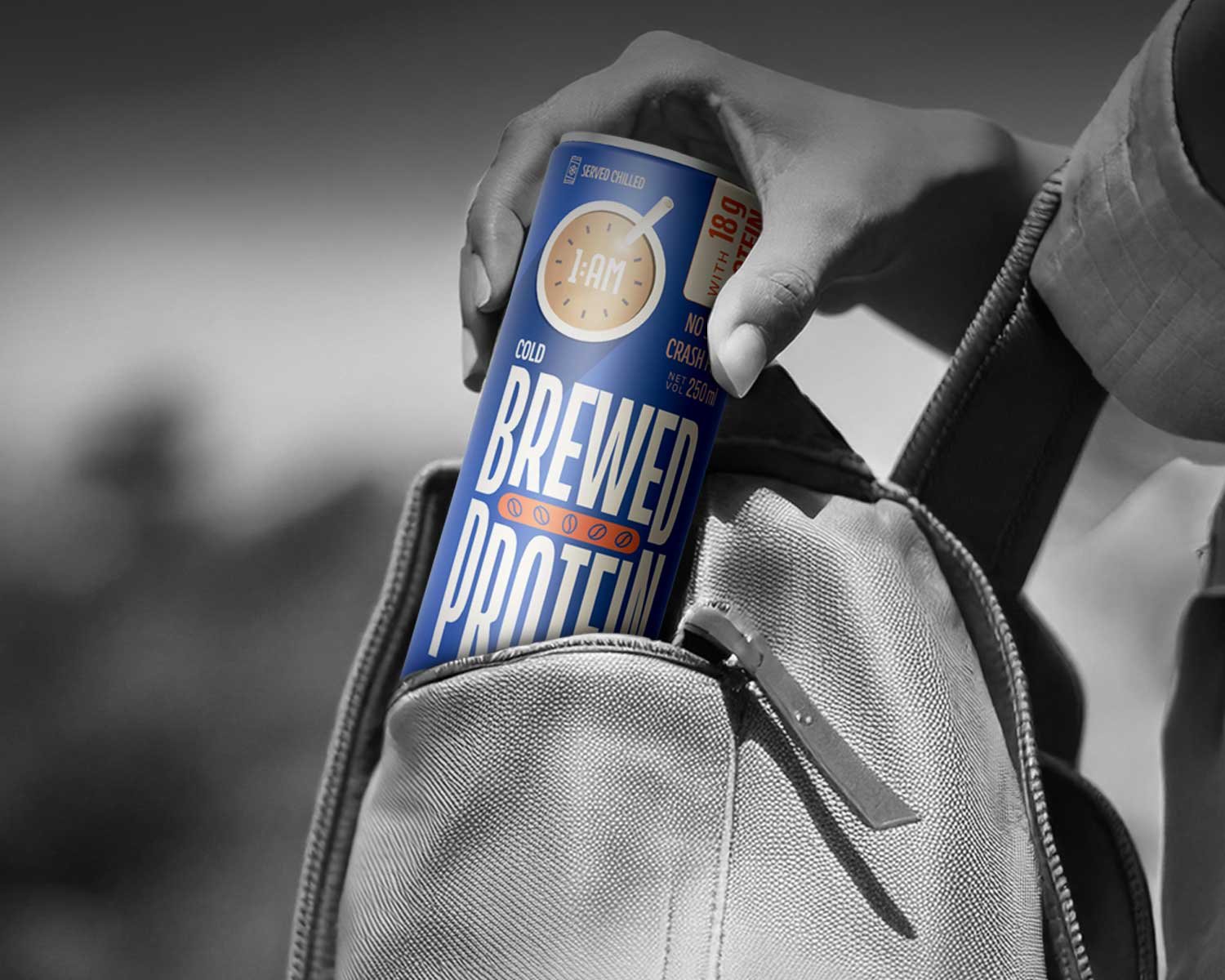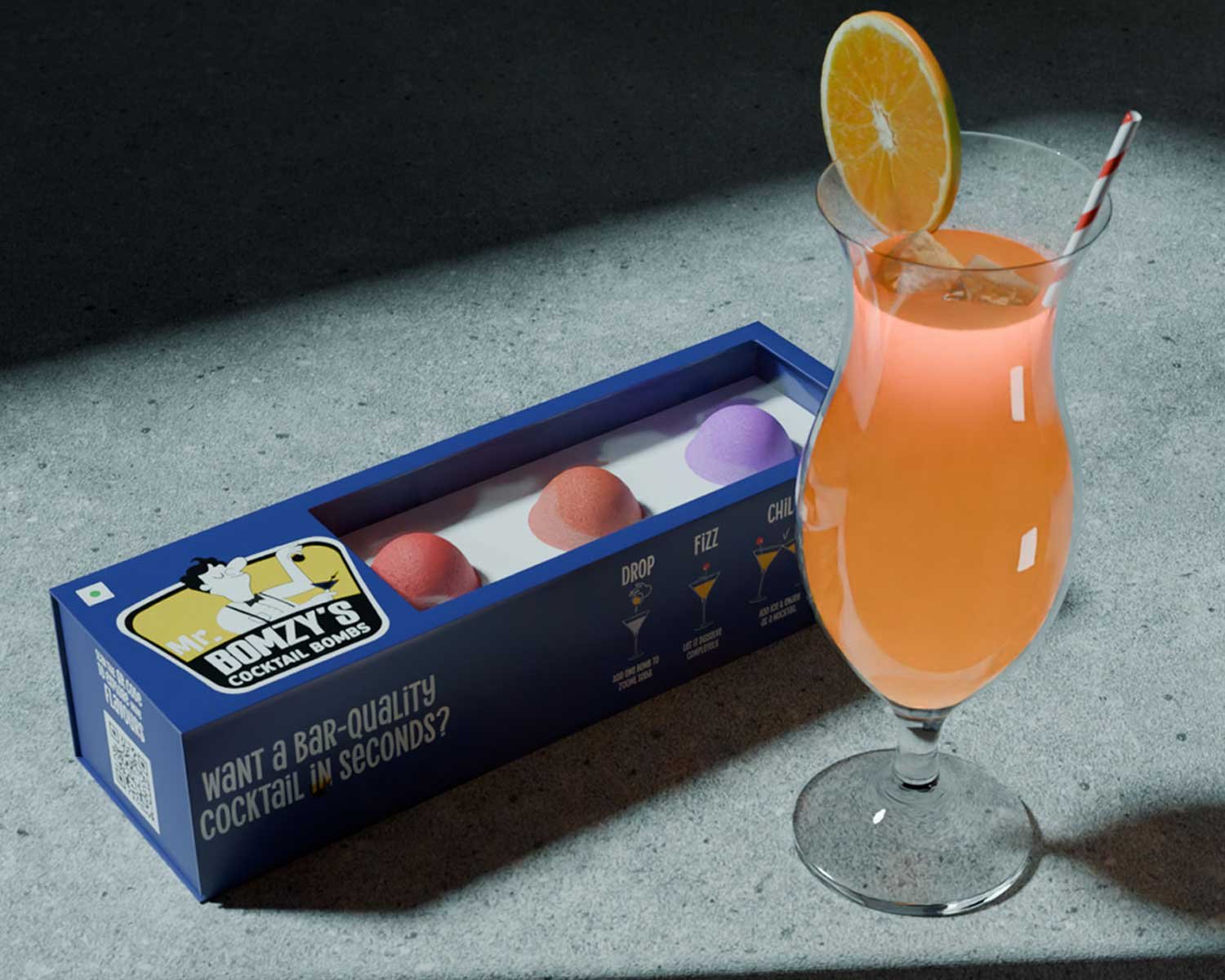
Starting a food business is one of the most exciting ways for entrepreneurs to turn their passion for cooking into a profitable venture. Whether you dream of becoming the next big snack brand or want to share your family’s secret recipe with the world, learning how to start a food business requires both creativity and strategic planning.
Many entrepreneurs begin a food business because they enjoy cooking and want others to experience their flavours. The global food market continues to expand rapidly. In 2025, the global food industry generated over $9.43 trillion in revenue, and it is expected to grow at more than 6% annually through 2030. This growth means there are endless opportunities for new brands to enter the market.
The good news is that you do not need to start big. Many founders begin small by selling products at local markets, through social media, or at food festivals before scaling. If you want to understand how to launch a food product successfully, the key is combining passion with proper planning, product development, and market validation.
Want to optimise your Food Business? Request a free consultation!
Food Product Development Services – Click Here
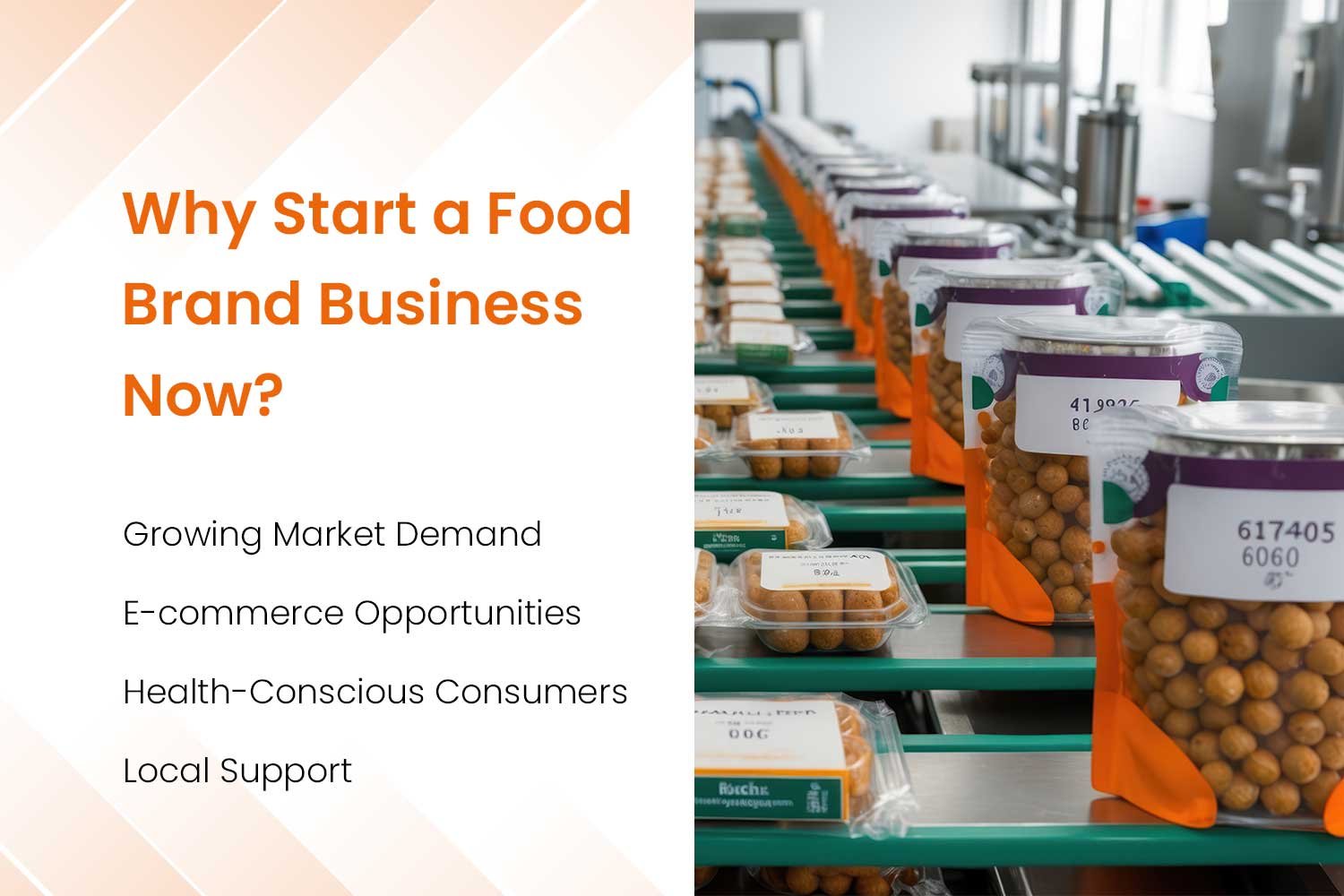
Why Start a Food Business Now?
There has never been a better time for entrepreneurs to explore how to create a food brand. Several trends are making the food industry more accessible than ever.
1. Growing Market Demand
Consumers today actively look for unique food experiences such as artisanal snacks, plant-based products, and speciality beverages. According to the 2025 Food Truck Statistics report, over 60% of millennials highlight a strong demand for innovative food concepts.
2. E-commerce Opportunities
Online platforms have changed the way brands sell products. Entrepreneurs can now sell their products through websites, marketplaces, and social media without needing a physical store.
3. Health-Conscious Consumers
Modern consumers prefer healthier foods made with natural ingredients. Brands that focus on nutrition, clean labels, and functional ingredients have strong potential to succeed.
4. Local Community Support
Farmers’ markets, local grocery stores, and food festivals actively support emerging food entrepreneurs. These platforms make it easier for founders to test products before expanding.
These factors make this the ideal moment to learn how to launch a food product and establish a strong brand.
Step 1: Find Your Idea And Niche
The first step in how to start a food business is deciding what product you want to sell and identifying a strong market research & niche.
Start by asking yourself simple questions:
- What type of food am I passionate about?
- Is there demand for this product?
- What problem does my product solve for customers?
Some common food product niches include:
- Baked goods such as cookies and brownies
- Speciality sauces and condiments
- Healthy snacks and protein bars
- Organic baby food
- Pet food and treats
- Gluten-free or keto products
- Frozen ready-to-cook meals
When researching your niche, explore local communities, online forums, and food trends. Identify gaps in the market where consumer demand exists, but supply is limited. Understanding your market research & niche is critical for building a successful food brand.

Step 2: Research Your Market & Define Your Unique Selling Point (USP)
Understanding your competition and customers is crucial for success. Here’s how to do it:
- Study Your Competition: Look at similar products in stores and online. What do they cost? How are they packaged? What do customer reviews say?
- Talk to Potential Customers: Ask friends, family, and strangers what they think about your idea. Would they buy it? How much would they pay?
- Test at Local Events: Farmers markets and food festivals are perfect places to test your products and get feedback.
- Check Food Trends: Look at what’s popular on social media, food blogs, and in grocery stores. In 2024, only 2% of startups all over the world belong to the Agtech & New Food industry, which means there’s still plenty of room for growth.
Your USP is what makes your food brand special and why customers should choose you over others. It could be your recipe, your story, or your commitment to quality ingredients.

Step 3: Create a Solid Business Plan
A clear plan is essential when learning how to grow a food business successfully.
Your business plan should include:
- Product Details: Describe your products clearly, including ingredients, packaging style, and shelf life.
- Marketing Strategy: Define how you will reach customers through social media, retail stores, or online platforms.
- Financial Planning: Estimate the cost of production, marketing expenses, and expected revenue.
- Operations Plan: Decide where your products will be manufactured and how they will be distributed.
A strong plan makes it easier to secure funding or partnerships.

Step 4: Handle the Legal Stuff
Compliance is a critical step in starting a food business.
Business Registration
Choose a legal structure such as:
- Sole Proprietorship
- Limited Liability Company (LLC)
- Corporation
Each structure has different legal and financial implications.
Food Safety Compliance
Food products must follow strict safety regulations. These include:
- Good Manufacturing Practices (GMP)
- Food safety standards
- Proper labelling and allergen declarations
- Traceability records
Required Licenses
Depending on your location, you may need:
- Food safety licenses
- Commercial kitchen permits
- Sales tax registration
- Health department approvals
Meeting these requirements ensures your food business operates legally and safely.

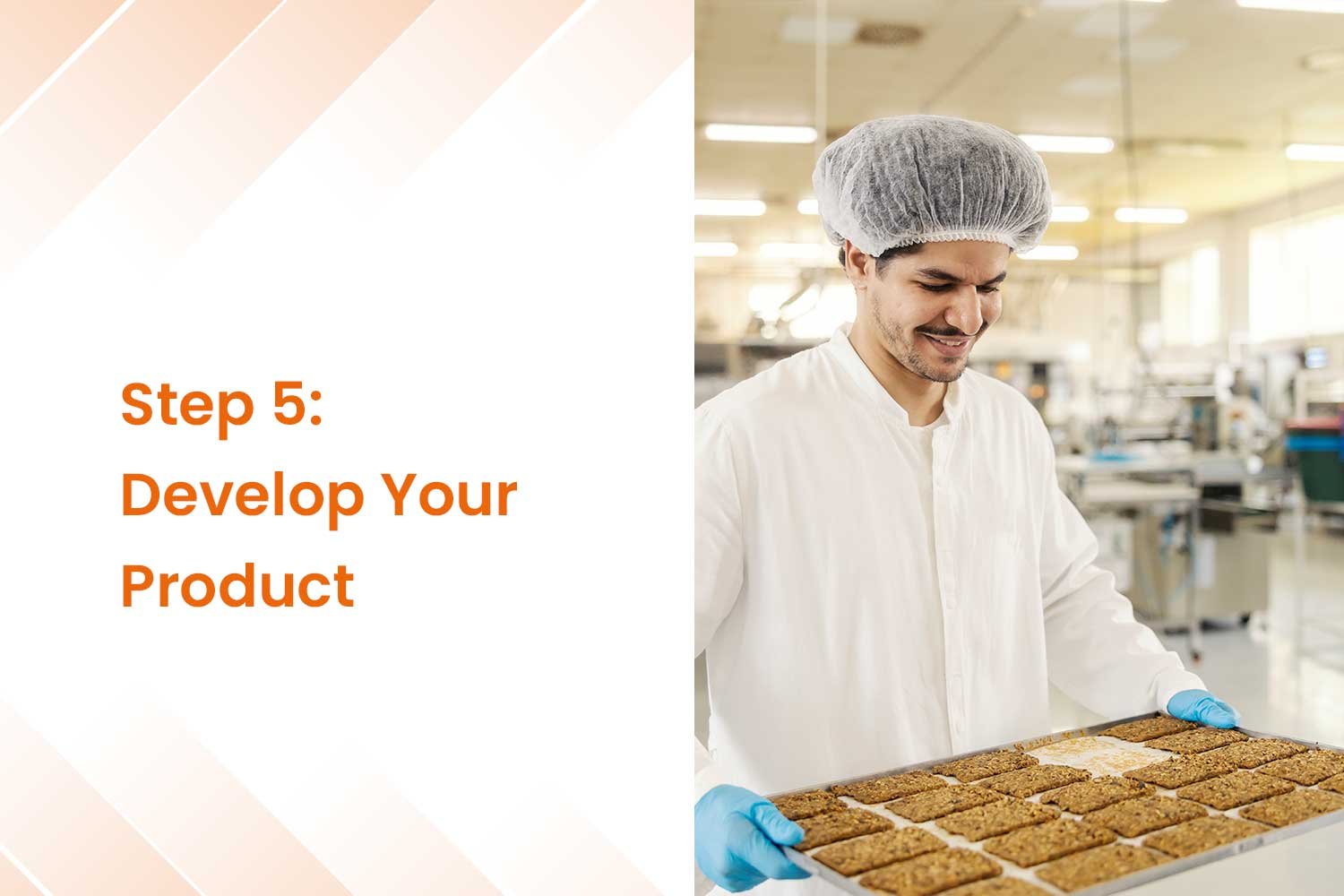
Step 5: Develop Your Product
Product development is the most important stage when learning how to launch a food product.
Recipe Development
To ensure consistency and scalability:
- Document exact ingredient quantities
- Test multiple batches
- Evaluate taste, texture, and shelf life
Working with food formulation experts can help ensure your product performs well in larger production batches.
Scaling the Recipe
Scaling from small batches to commercial production often requires:
- Adjusting cooking temperatures
- Industrial processing equipment
- Bulk ingredient sourcing
Packaging Design
Packaging plays a huge role in attracting customers.
Important packaging elements include:
- Eye-catching design
- Clear product information
- Nutritional labels and ingredient lists
- Brand identity
Strong packaging can significantly impact purchasing decisions.
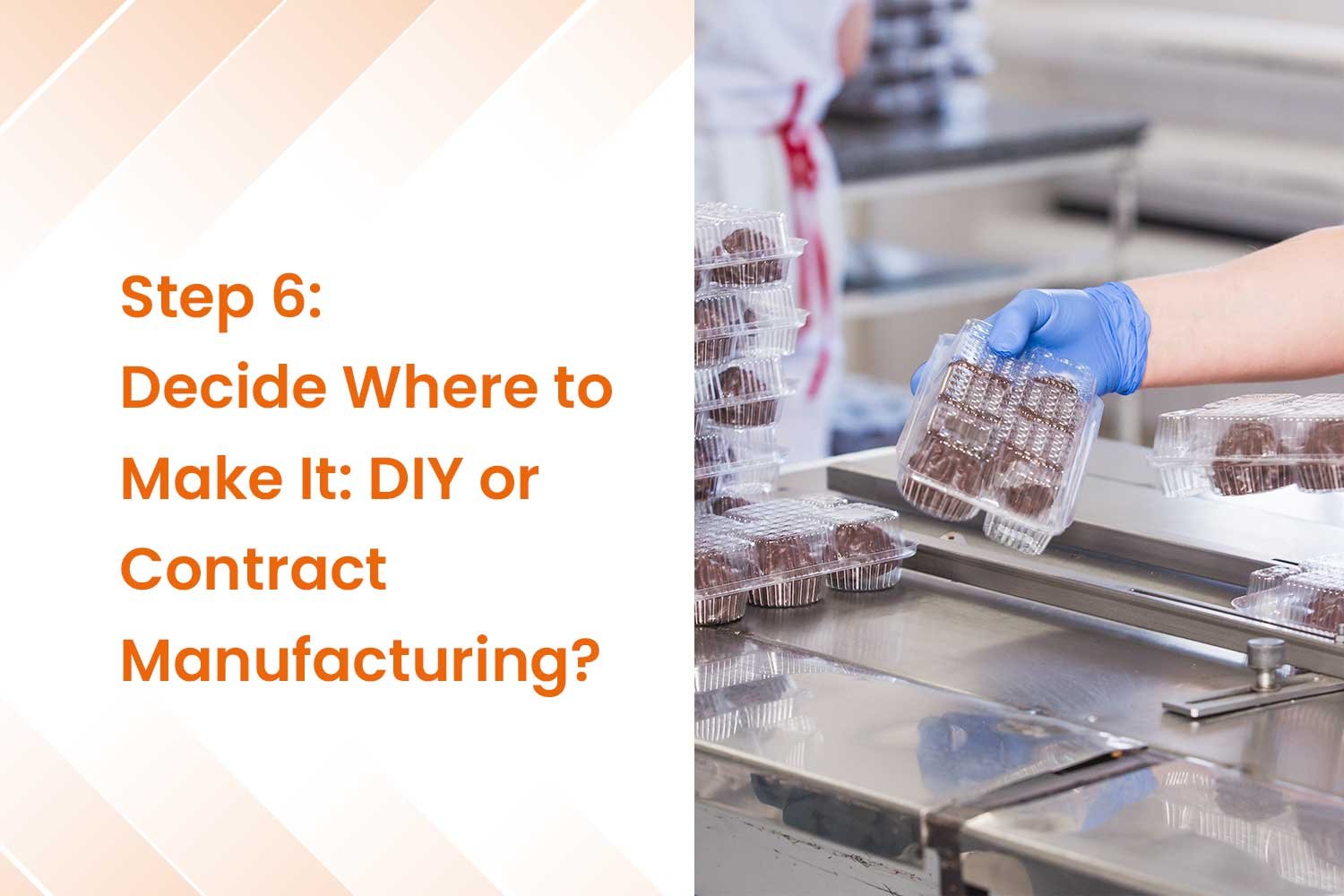
Step 6: Decide Where to Make It: DIY or Contract Manufacturing?
Another key decision when learning how to start a food company is determining where your product will be manufactured.
- In-House Production: Building your own facility gives you full control over quality but requires large investments in equipment, staff, and compliance systems.
- Contract Manufacturing: Many startups choose contract manufacturers who produce products under their brand name. This option reduces costs and speeds up market entry.
Turnkey manufacturing services can simplify production for entrepreneurs who want to focus on brand growth.
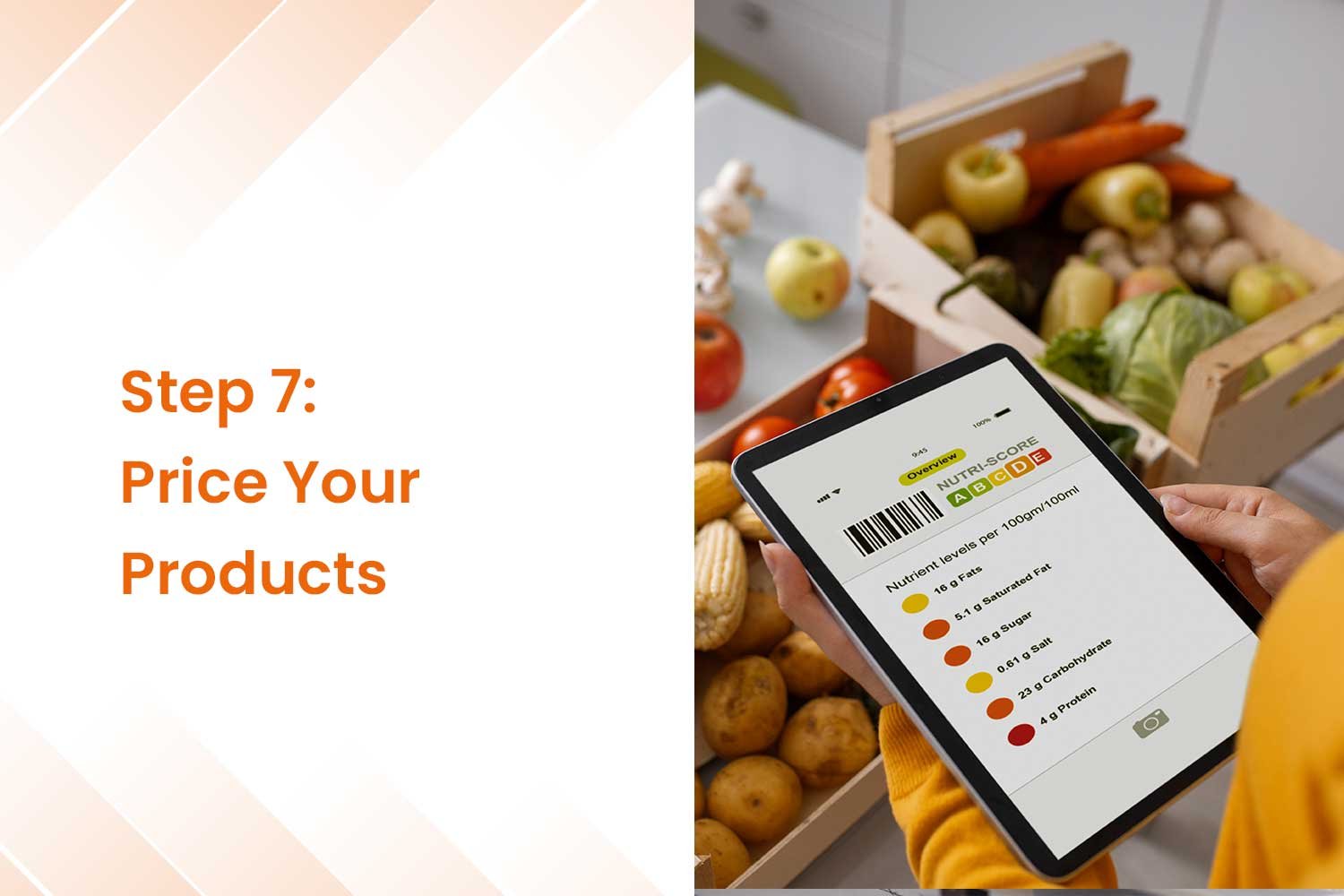
Step 7: Price Your Products
Pricing plays a major role in how to grow a food business sustainably.
Calculate all production costs, including:
- Ingredients
- Labor
- Packaging
- Logistics
- Marketing
Common pricing strategies include:
- Cost-Plus Pricing: Adding a margin to production costs.
- Value-Based Pricing: Pricing based on perceived customer value.
- Competitive Pricing: Setting prices similar to existing market products.
Accurate pricing ensures profitability while remaining competitive.
Step 8: Build Your Brand
Understanding how to create a food brand goes beyond designing a logo.
Brand Identity
Your brand should include:
- A memorable name
- A strong visual identity
- A compelling brand story
Online Presence
A strong digital presence is essential today.
Focus on:
- A professional website
- Social media marketing
- Email newsletters
These channels help you connect with customers and grow brand loyalty.
Step 9: Track and Improve
Once your product enters the market, continuous improvement is key.
Track important metrics such as:
- Sales performance
- Customer reviews
- Product returns
- Social media engagement
Customer feedback helps refine recipes, packaging, and pricing strategies.

Step 10: Scale Smartly
After gaining traction, focus on scaling operations.
Strategies to how to grow food business include:
- Expanding production through contract manufacturers
- Launching new flavours or product lines
- Entering retail stores or supermarkets
- Expanding to e-commerce platforms
Strategic growth helps transform a small startup into a recognised brand.
Read More Interesting Blogs: Art And Science Of Food Formulation
Your Path from Idea to Brand
Understanding how to start a food business requires patience, planning, and continuous improvement. From identifying your market research & niche to scaling production and building a strong brand identity, every step contributes to long-term success.
Many successful brands started with small kitchen experiments before becoming large businesses. With the right strategy, you can transform your idea into a thriving food business.
Fuel Your Passion. Launch Your Legacy

Your food idea deserves more than just a kitchen experiment; it deserves a successful brand.
Foodsure supports entrepreneurs through every stage of the journey, from food product development and regulatory compliance to packaging and contract manufacturing. With experience supporting over 4,500 food startups, our team helps transform ideas into scalable products.
If you’re ready to learn how to launch a food product or build a successful food brand, connect with our experts today.
Contact Foodsure at +91 8130404757 and turn your food idea into a thriving business.
Ready to turn your food idea into a market-ready product?
Foodsure helps startups & brands with recipe formulation, compliance checks, and contract manufacturing — so your product launches fast and sells strong.
95+ brand launches
₹30Cr+ client revenue
Get product formulation + roadmap
Frequently Asked Questions
How do I start a food business in India?
Register your business, obtain an FSSAI license, develop your product, choose manufacturing, packaging, branding and start marketing.
What are the legal requirements for a food startup?
Mandatory documents include FSSAI registration/license, GST, Trademark (optional), packaging compliance and labelling rules.
Which licenses are needed to start a food business?
Key licenses include FSSAI, GST, Shop Act, Fire NOC (if required), and import/export license for global trade.
How to start a food startup from home?
Begin with home-scale FSSAI registration, develop recipes, test shelf life, create packaging and start selling online or locally.
How much capital is needed for a food business?
Startup capital varies, but the basic launch usually starts at ₹50,000–₹10 Lakhs, depending on product and production scale.
How to develop a food product recipe for business?
Do formulation trials, choose food-safe ingredients, measure shelf-life and test consistency during scaling.
Do I need a food consultant to start a food business?
Not mandatory, but consultants reduce failures by guiding formulation, regulatory & commercial scale-up.
How to scale a food startup from kitchen to market?
Move towards contract manufacturing, improve packaging, test shelf life and expand distribution channels.
How to design packaging for a food product?
Use food-grade material, attractive design, nutritional labels and FSSAI compliance logos.
What is the process to launch a packaged food product?
Formulate product → Stability testing → Packaging → Licensing → Branding → Manufacturing → Sales.
How long does licensing take for food startups?
Basic FSSAI registration takes 7–30 days, depending on the application and document approval.
How to find a manufacturer for a food startup?
Search contract manufacturers, check certifications, MOQ, costing and product expertise.
How to calculate pricing for food products?
Include raw materials, production cost, packaging, distribution margins and profit percentage.
Can a food startup get help with product formulation?
Yes, FoodSure supports formulation, R&D, pilot trials & manufacturing support for startups.
What is the first step to start a food startup?
Validate product idea → Develop prototype → Check compliance → Plan go-to-market strategy.