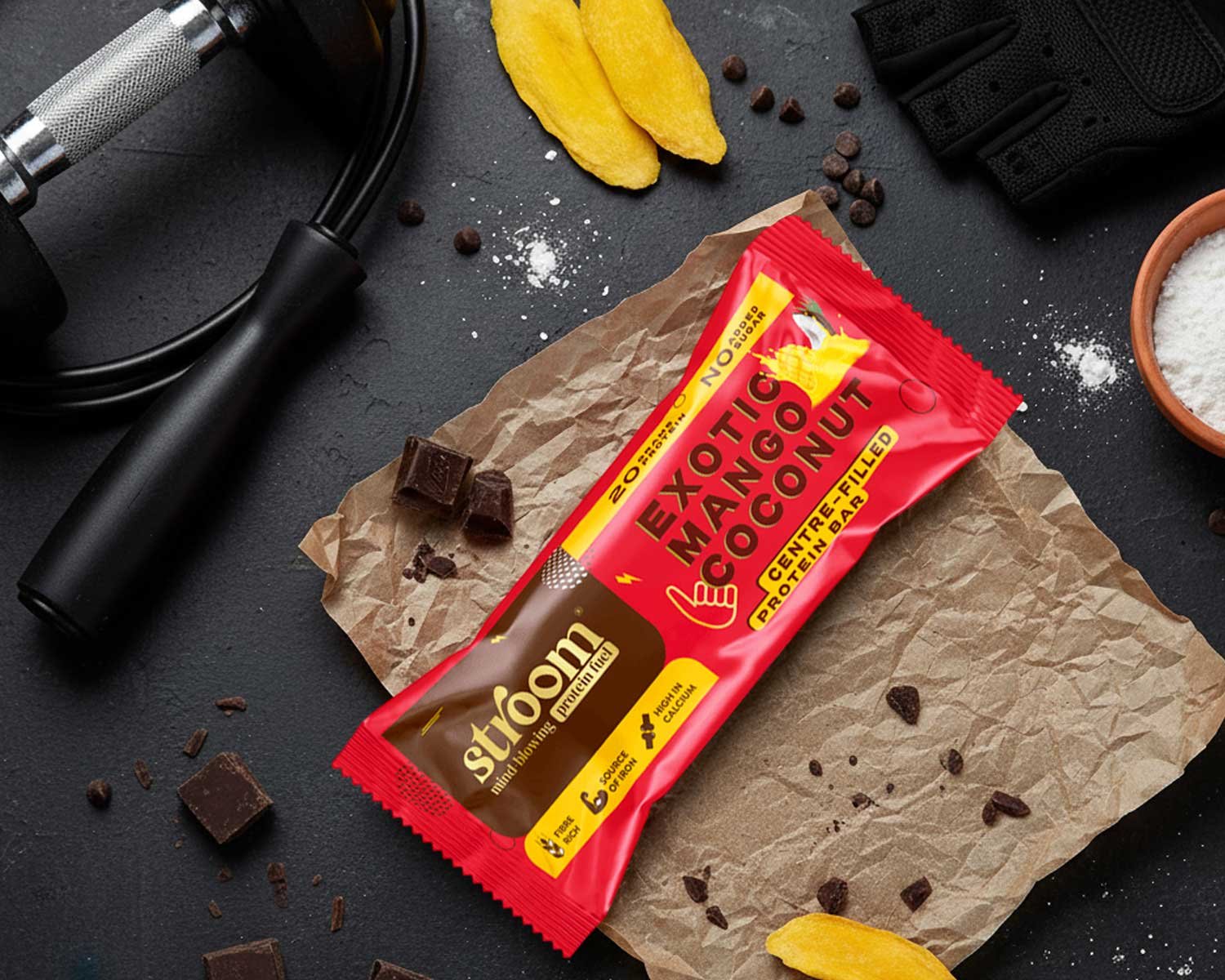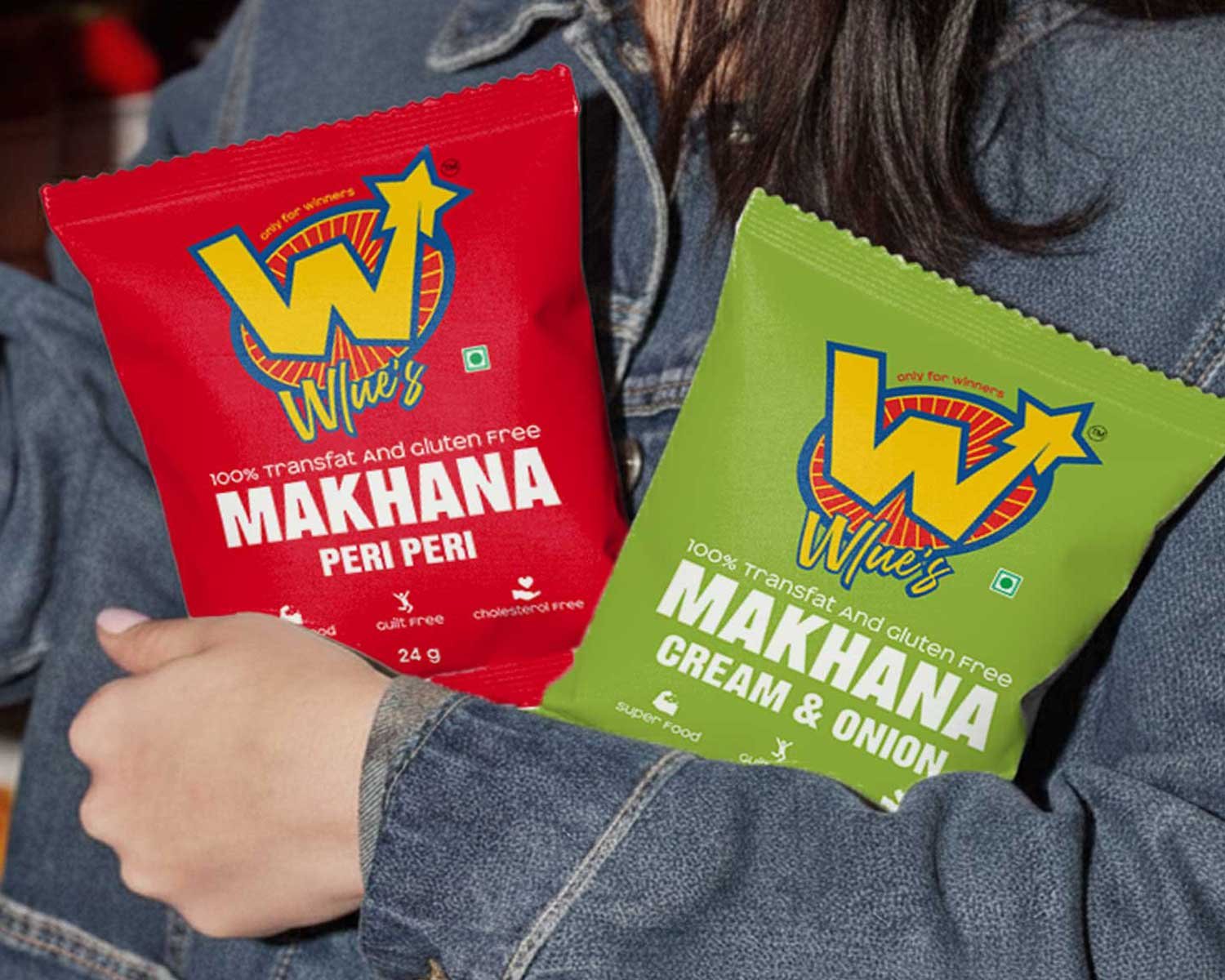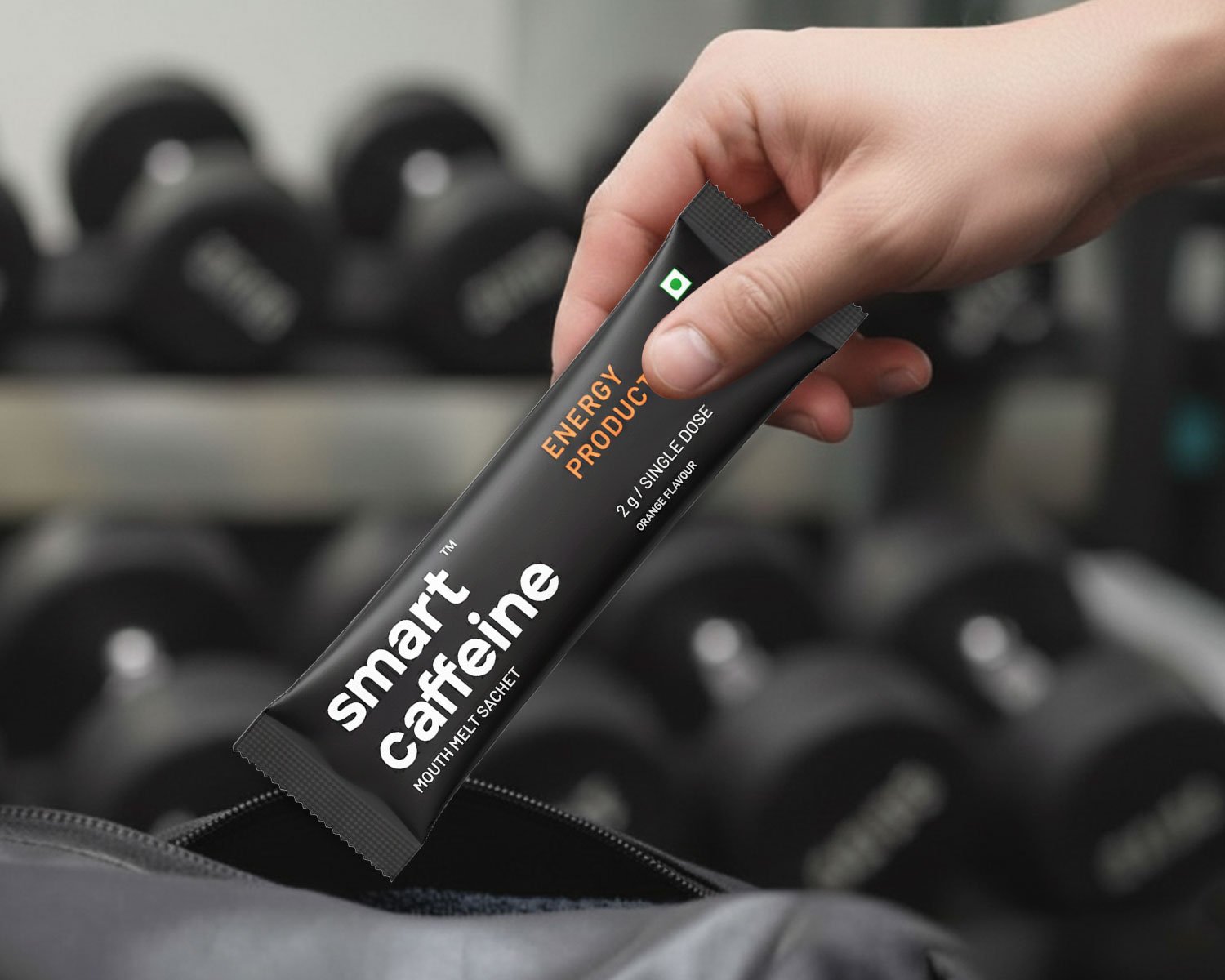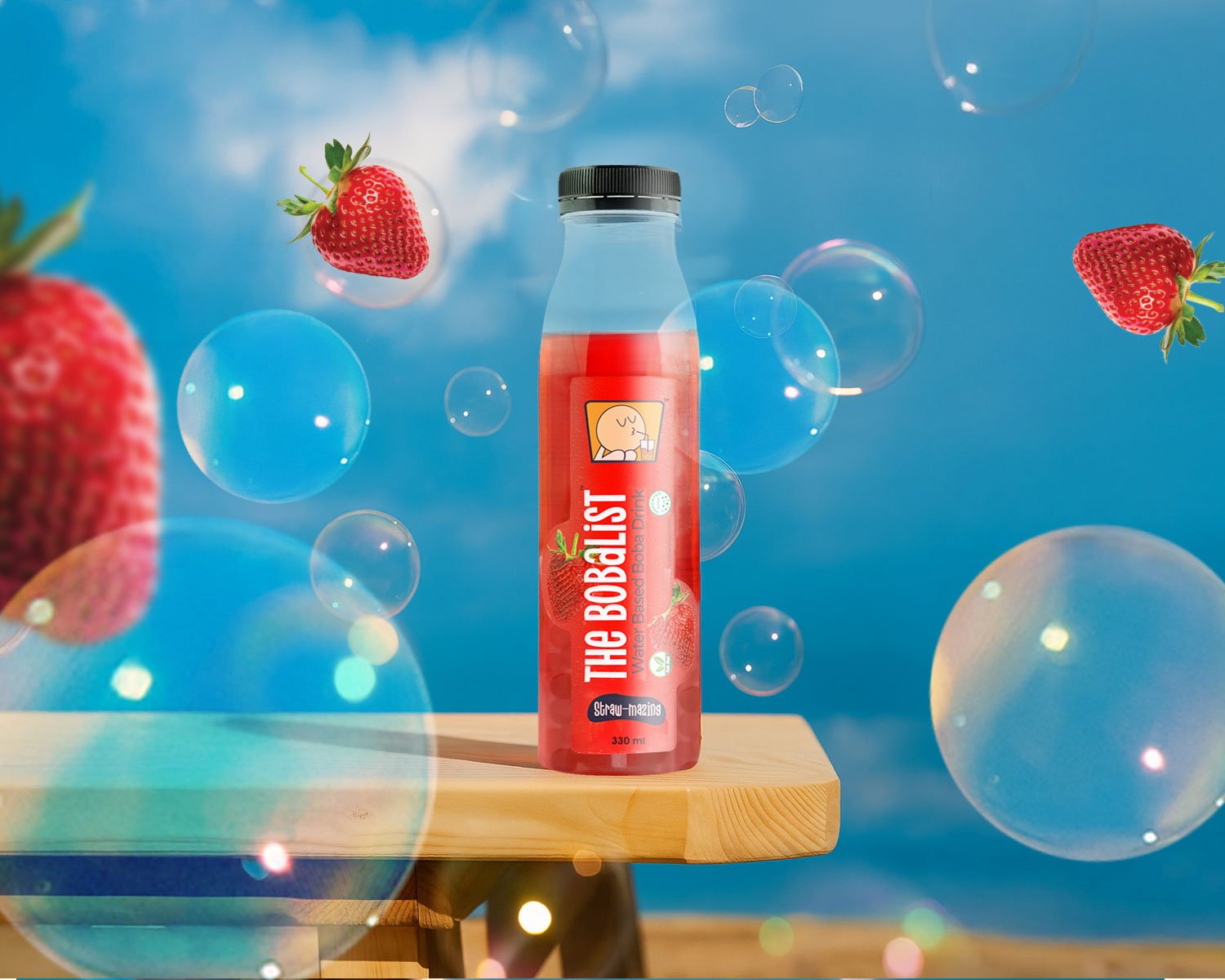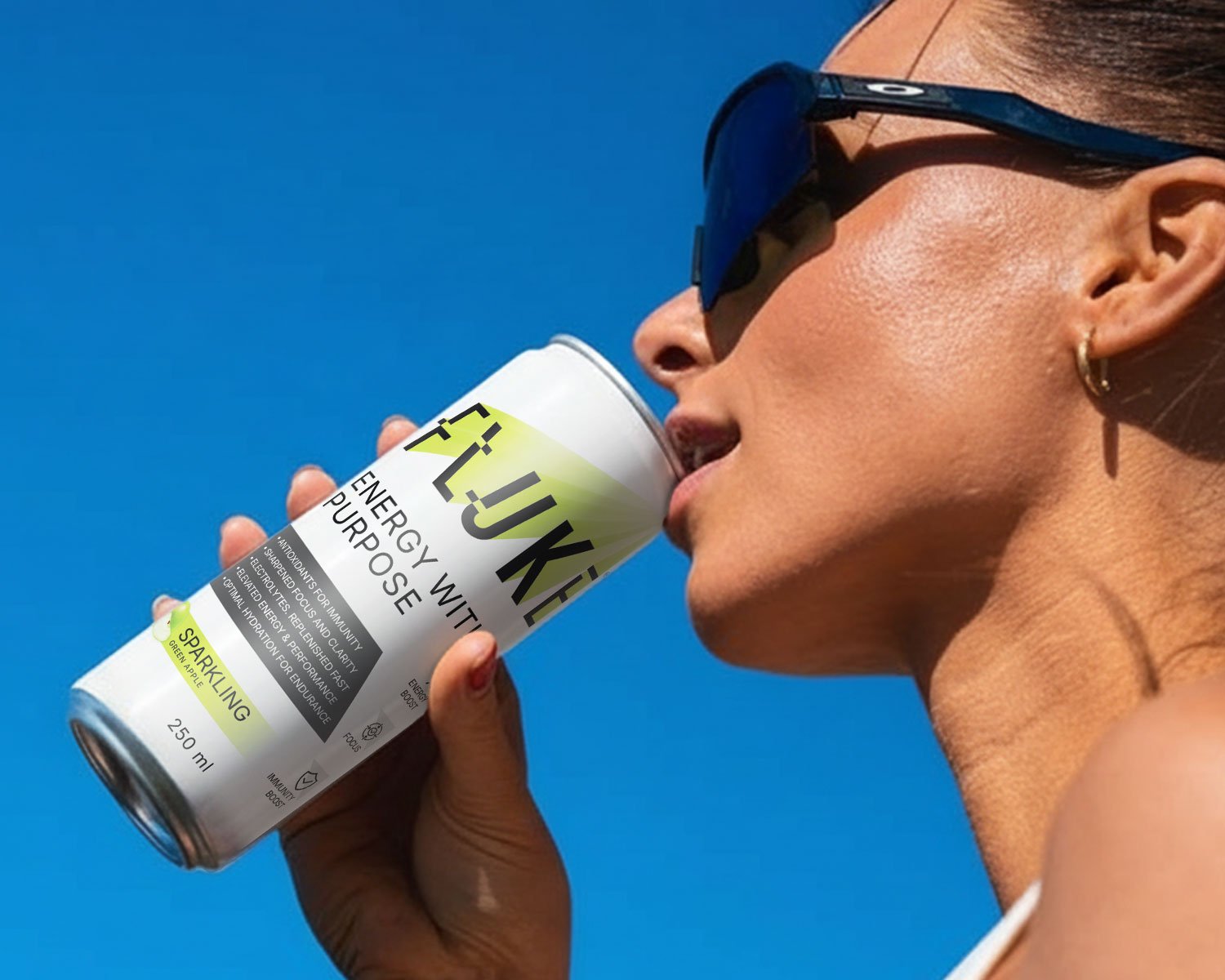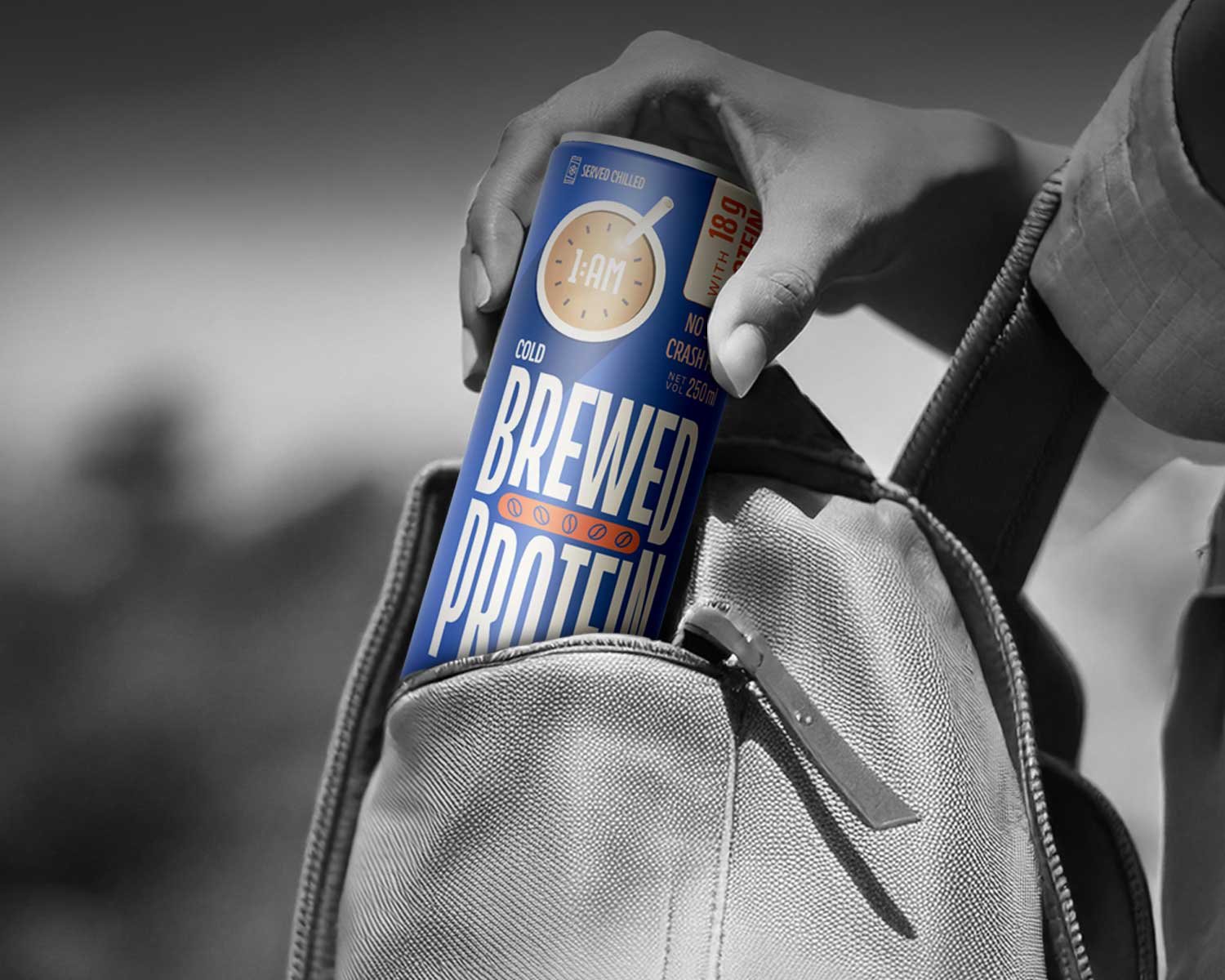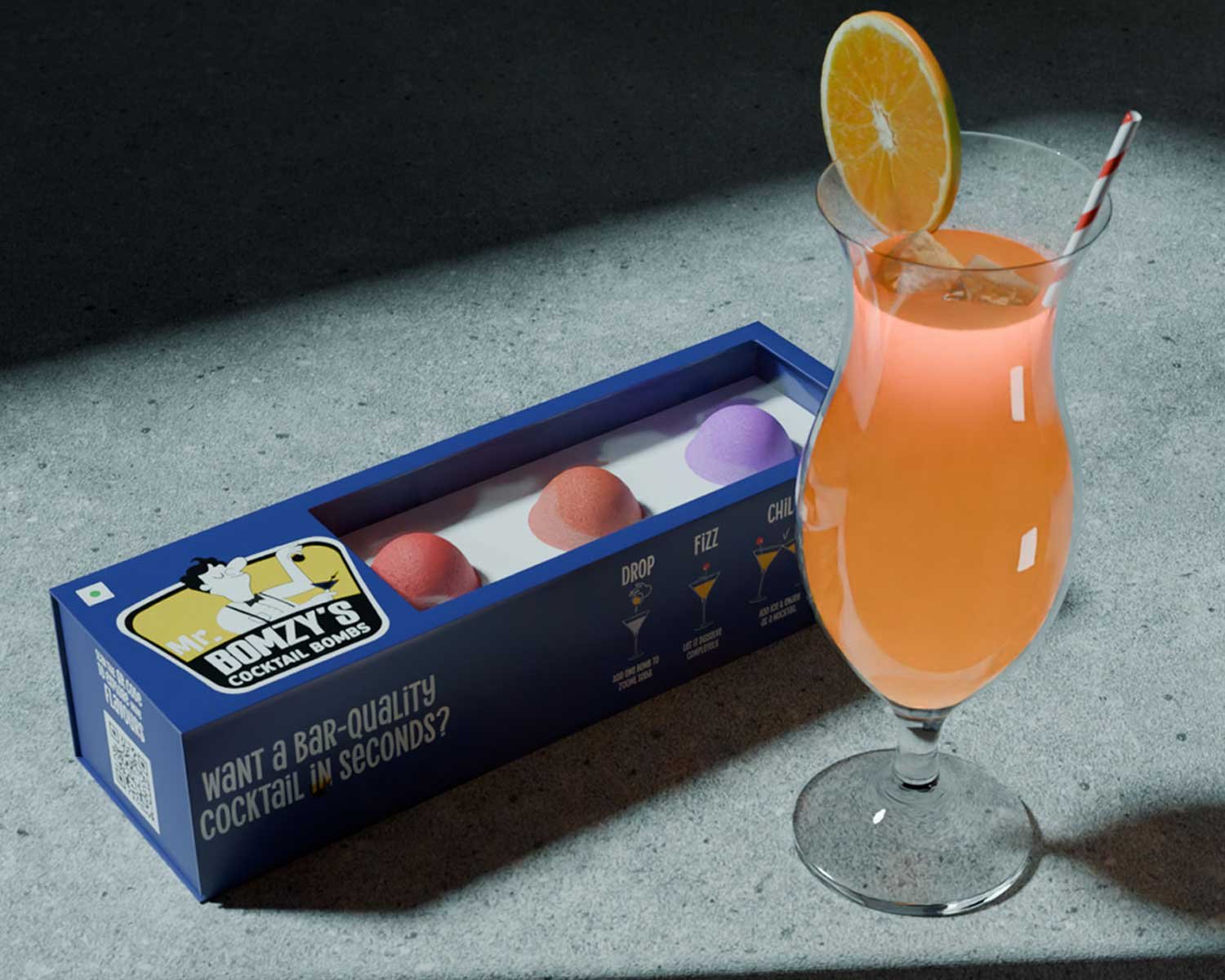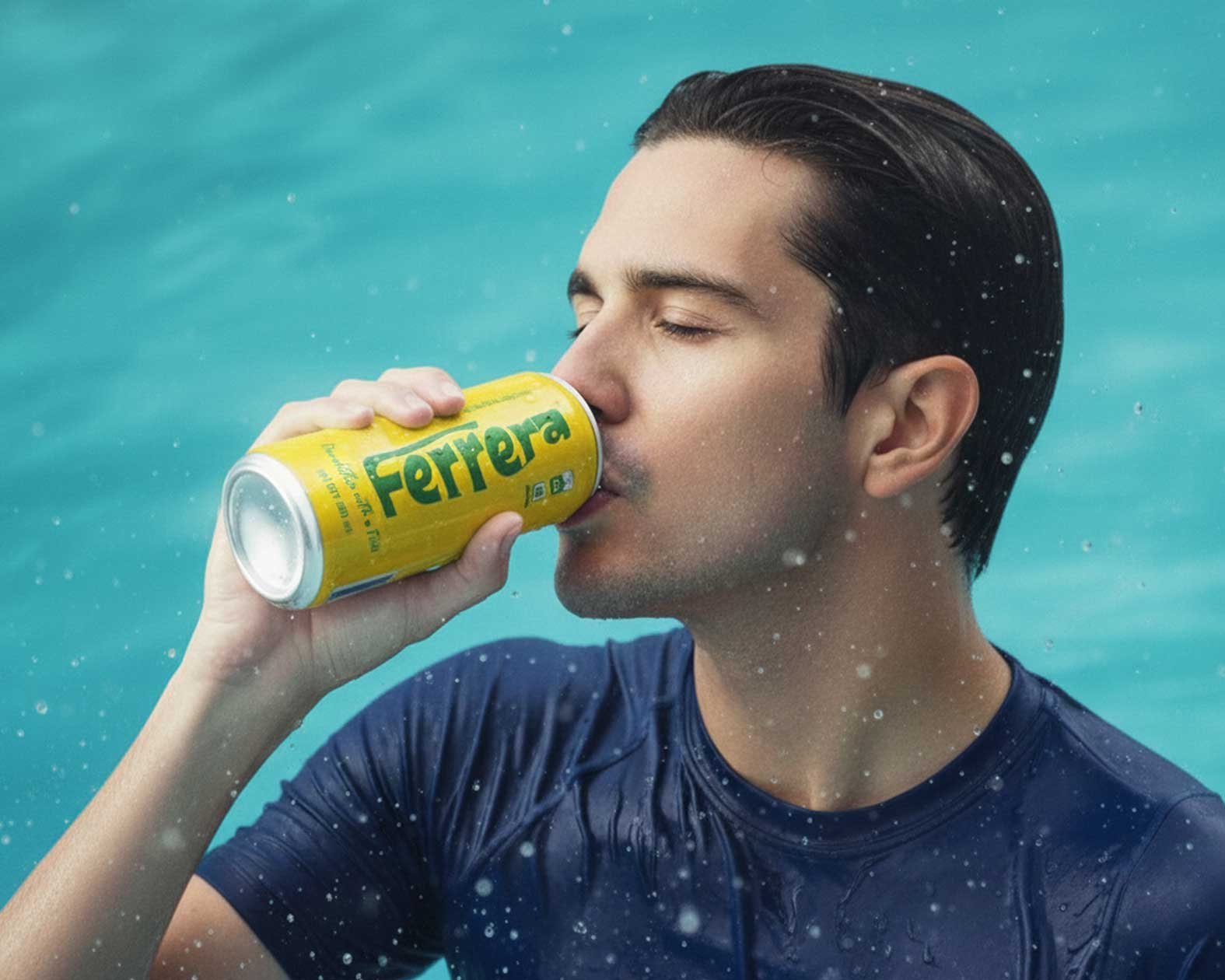
The digital shelf is the new storefront, and in 2026, it’s easier than ever to get in. The private label food business idea is the quickest method to get your brand name on a box of artisanal pasta, a jar of organic honey, or a bag of gourmet chips. You don’t need a huge factory and ten years of experience in the supply chain to start a food business these days. The current strategy is called “Asset-Light.” This means that you own the brand but employ professionals to handle the steel and steam.
By early 2026, the Indian private label food business for packaged food is expected to be valued at $33.93 billion, with a stable growth rate of 6.3% per year. Not just the cheapest alternative, but also “clean-label,” specialized, high-quality products that “big-box” stores don’t usually have. This change has created a major need that smart business entrepreneurs can fill. In just 30 days, this program will show you how to develop your food brand. It will show you how to run every part of a private label food business.
The 30-Day Launch Plan for Food Businesses
The best thing about a private label food business is how quickly it works. Using the infrastructure that is already there can save you the 12 to 18 months it generally takes to develop a facility and receive the equipment you need. In 2026, the focus has changed to premiumization. For example, “store brands” are beating out national brands in areas like organic foods and functional drinks.
1. Finding a niche and picking a market
Don’t allow your brand to become the next “everything” brand. The most popular white label food products India right now are those that fix certain ailments.
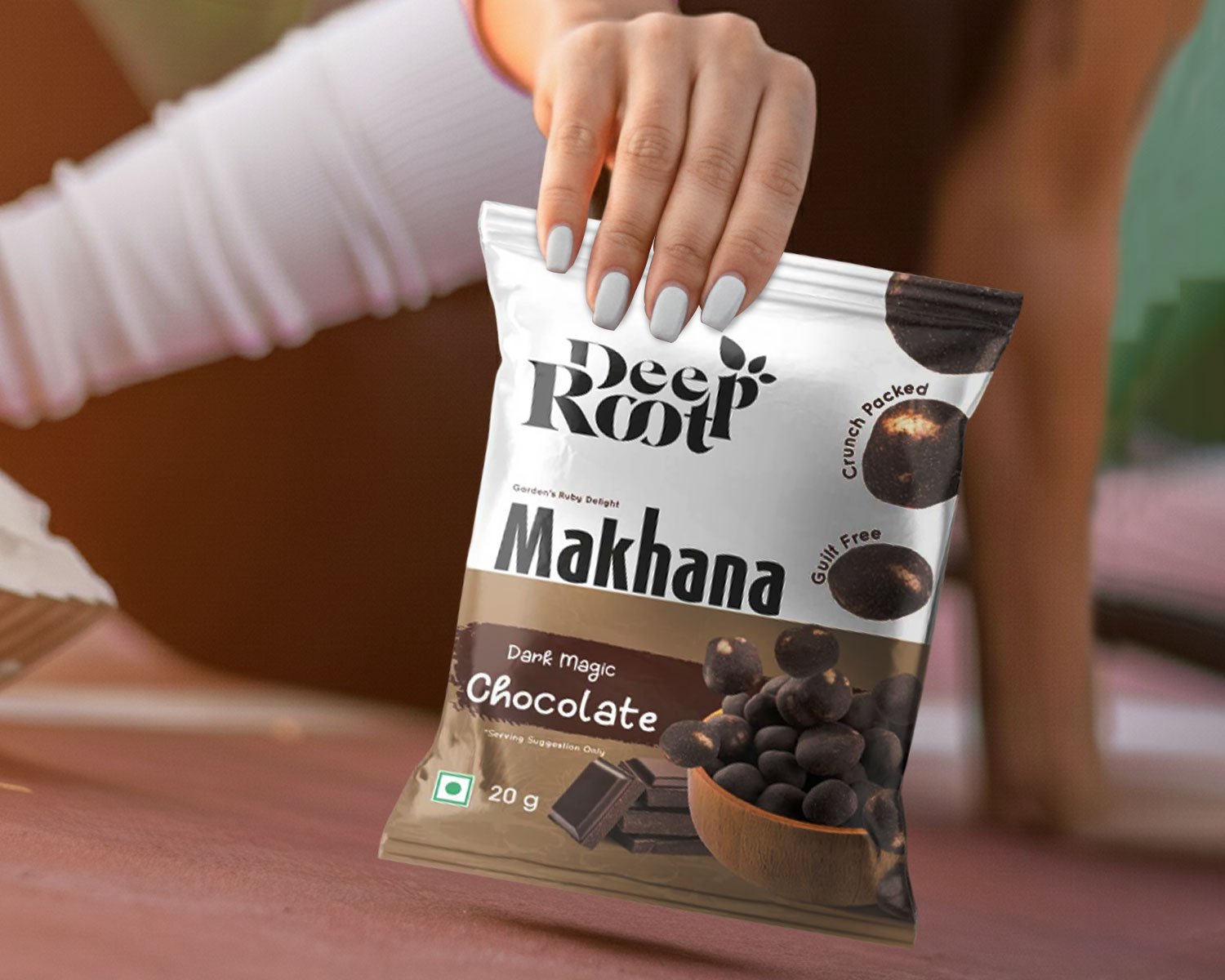
- The 2026 Trend-Watch says that gluten-free basics, high-protein vegan snacks, and “Regional-Premium” delicacies like saffron-infused honey or distinctive makhana from Bihar will be popular.
- Recent polls reveal that Gen Z’s desire for modern packaging and obvious sourcing will likely mean that they spend more on private-label goods than Baby Boomers by the middle of 2026.
2. How to Find the Best Indian Private Label Makers
The quality of your brand depends on who makes it. You want a partner, not just a supplier, for contract manufacturing food India.
- Check List: Check if they have a current FSSAI Central License, ISO 22000 certification, and the ability to grow.
- Audit Capability: The FSSAI will need more records by 2026 in order to undertake audits. Pick a business that retains digital production records and FSMS (Food Safety Management System) plans for each batch.
3. Following the FSSAI 2026 Rules
Even if you start private label food business without manufacturing, you still have to observe the law as a “Marketer” or “Relabeller.”
- FSSAI License: If you are a “Relabeller” or “Distributor,” you need a license from the FSSAI. As long as you pay your annual fee and file your digital returns on time, your licenses and registrations will be good for life under the new rules for 2026. No more five-year renewals!
- Changes to labels: Starting in 2026, nutritional information and marketing claims must be clearly segregated. Words like “natural” or “immunity-boosting” now need to be backed up by robust scientific proof.
- Digital Reporting: All Food Business Operators (FBOs) must now use the FSSAI’s web portal for annual reporting (Form D1) and digital tracking.
4. Branding Indian Food: Making “Shelf-Appeal.”
Your packaging is your sales crew if you own a private-label food business.
- The “Clean” Look: In 2026, design trends will favor simple, eco-friendly packaging with better visuals.
- Transparency: Use QR codes to tell the “Farm-to-Fork” story. In 2026, customers will trust companies that show them their supply chain.
Data from surveys and market research for 2026
The “Private Label Manufacturers India Association” and recent Indian economic polls talk about a “Paradox of 2026”: because of inflation, buyers are more aware of prices, but they are also spending more on high-end private labels that have superior ingredients than conventional mass-market goods.
- Premium Share: More than 19% of store brand sales in urban India are today premium private-label goods.
- Growth rate: Food brands that focus on cloud kitchens are expanding the quickest in the food and drink industry, at a rate of 18% per year.
- Cost-effectiveness: You can start a “lean” private label food business model with ₹5 -10 lakhs by hiring third-party co-packers, whereas launching a luxury brand could cost ₹25 – 40 lakhs.
The 30-Day Action Plan for Private Label Food Business
| Days | Goal | Key Action |
| 1-7 | Partner and Product | Fill out your SKU (Stock Keeping Unit) and sign a Memorandum of Understanding (MOU) with the maker. |
| 8-14 | The Law and Branding | Get a GST, trademark, and FSSAI license. Make your own “Hero” set. |
| 15-21 | Production | The producer uses a prototype batch to check if it is stable and how long it will last. |
| 22-30 | Go-To-Market | Create teasers for social media and share them on D2C sites like Amazon, Zepto, and Blinkit. |
It’s time to build your food Brand now!
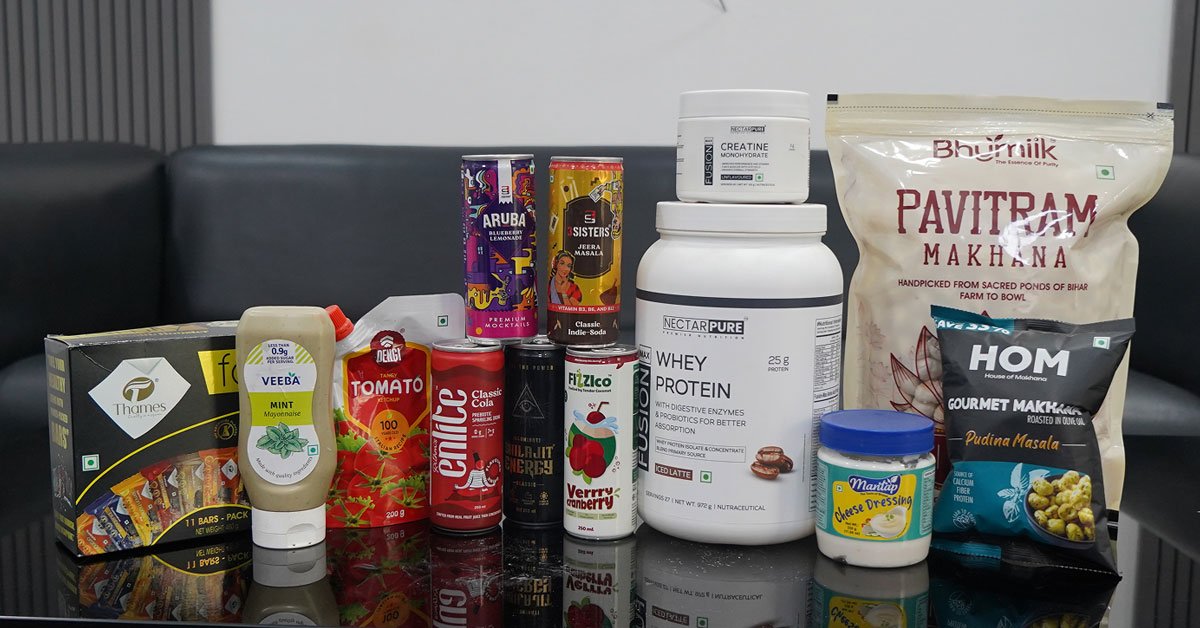
The private label food business is the best “low-risk, high-reward” way to start a business in India that sells food and drinks. But if you don’t file your FSSAI paperwork on time or make a mistake on the label, your 30-day clock can stop for good.
Our lawyers are very good at helping food firms get established, register trademarks, and obey FSSAI requirements.
Don’t let paperwork get you down!
Call us today for a free consultation to get your FSSAI license approved quickly!
FAQs
Do I need an FSSAI license if I’m not cooking the meal myself?
Yes. If you want to sell something, even if it’s only your name, you need an FSSAI license. The Producer on the license will be the person who makes the product, and the Marketer will be you.
How much money will it need to start a private label food business in 2026?
A modest D2C private label food business might start with ₹5–10 lakhs. This includes basic branding, the first inventory (minimum order quantity), and obeying the rules.
Do you still have to renew your FSSAI license every so often?
According to the new FSSAI guidelines for 2026, licenses and registrations are now always good. But if the yearly price isn’t paid on time, the license is suspended right away without any notice.
Can I sell my own brand-name goods on Blinkit or Amazon?
Of course. D2C and quick-commerce are the main things that make new brands happen, nevertheless. To satisfy current criteria, you need to enter your FSSAI license number on these sites.
How can I be confident that the work of a third-party manufacturer is good?
Before you sign a contract, you should either undertake a physical audit yourself or employ a consultant to evaluate their record-keeping, storage, and cleanliness (Schedule 4 compliance) standards.
Is it okay for my box to say things like High Protein or Weight Loss?
The FSSAI revised the standards for functional claims tougher in 2026. You can only utilize these if your product has exactly the right amount of nutrients and you have lab data to back up what you say.
How long does it take to get a trademark for my food brand?
Once you have the Application Acknowledgement, you can start using the TM symbol and selling your goods. This normally happens in 24 to 48 hours, even if the ultimate registration can take 6 to 12 months.