There are two basic criteria that the drink consumed by athletes for purposes of hydrating has to meet. First, it should provide effective rehydration of body fluids, and secondly, it should not interfere with athletic performance and should not cause any feelings of discomfort, fatigue, etc. As simple as those criteria might seem to be, developing a hydration drink for athletes can be an extremely complex process.
Rehydration does not only imply drinking plenty of water; during physical activities, the human body also loses certain electrolytes (e.g., sodium, potassium, magnesium). They are needed to maintain good muscle performance and proper functioning of nerves, to name just two important physiological factors that influence athletic performance and endurance. For those reasons, hydration beverages should be able to meet more specific demands than just rehydration ones.
Increasing popularity of sport hydration drinks for athletes has caused various brands of athlete drinks to be developed and offered on the market. Yet, most of these brands lack the ability to provide optimal athletic performance benefits due to the fact that they were not formulated based on thorough knowledge of human physiological needs.
Thinking of developing a high-performance hydration drink for athletes? Get expert support on electrolyte balance, taste, and functional formulation that actually delivers results.
Talk to a formulation expert →
Why Hydration Drinks for Athletes Are Difficult to Formulate
Developing sports drinks poses a challenge due to their interaction with the body in a dynamic process that occurs during physical activity. In contrast to regular beverages, sports drinks need to be fast absorbed, tolerable, and efficient in varied physiological conditions.
The first challenge in making sports drinks lies in ensuring an adequate balance between hydration and electrolyte concentration. An overly concentrated drink will impair hydration by slowing down the rate of gastric emptying, while at the same time, an overly diluted drink cannot sufficiently replace electrolytes.
The use of carbohydrates is another aspect that presents a challenge since they ensure the provision of energy in addition to increasing absorption efficiency; however, an excessive amount of carbohydrates will result in a heavy taste, which could discourage their consumption. Thus, hydration and energy provision need to be balanced in such a way.
Finally, taste becomes an important aspect since sports drinks need to be consumed throughout physical activity, and an unappealing taste will impair their intake and cause dehydration. However, taste should be maintained throughout physical exertion, thus being challenging to maintain.
Why Most hydration drinks for athletes Fail to Perform
Most hydration drinks fail because of being made for all rounders without taking into consideration the need for athletes who require specialized products. The first mistake that manufacturers make is putting too much emphasis on taste or marketing instead of the actual functionality of the product.
The first common mistake is electrolyte imbalance in most hydration beverages. The first mineral that is usually lost through sweating is sodium, and unfortunately, there is usually an insufficient amount of it in many drinks, making them less effective for hydration and cramping prevention.
Too much carbohydrate content in some drinks is another common problem. Of course, carbohydrates are needed to increase endurance during training and physical exertion, however, having too much sugar in hydration drinks may cause gastrointestinal distress.
Poor osmolality balance of the drink is another reason why many beverages are inefficient at helping people stay hydrated. Osmolality is the measure of concentration of dissolved molecules in the beverage and it directly influences its absorption by the body.
Understanding Key Components of Hydration Drinks
An effective sports hydration drink can only be achieved through an optimal balance of water, electrolytes, carbohydrates, and flavor systems, where each constituent plays its own part in enhancing athletic performance.
Water acts as the medium for the body to hydrate and absorb nutrients. Electrolytes like sodium, potassium, and chloride maintain body fluid and muscle activity levels, while sodium also aids in fluid retention and enhances thirst sensation, which drives consumption.
Carbohydrates act as sources of energy and are absorbed via processes like sodium glucose co transport, but they must be properly formulated to avoid adverse outcomes. Flavoring systems help create a delicious and appealing taste of the product.
How to Build an Effective Hydration Formula
The formulation of sports drinks necessitates science, especially the matching of the formulation to specific physiological requirements. The first consideration is ensuring that the proper electrolyte balance is maintained, especially the right amount of sodium.
Careful attention is required when considering carbohydrate content. Optimal carbohydrate content facilitates fluid intake, while high carbohydrate amounts are known to negatively impact performance. Thus, an ideal drink would provide sufficient energy while not hindering hydration.
The drink’s osmolality needs to be adjusted to improve fluid absorption capacity. Drinks that are isotonic or slightly hypotonic tend to perform better since they are easily absorbable.
Other considerations include temperature and drinkability. Sportspeople prefer beverages that taste good, and thus temperature and drinkability come into play.
Helpful Guide:- Hypotonic Isotonic Hypertonic Sports Drinks: Complete Guide to Sports Drink Types
Stability Considerations in Sports Hydration Drinks
Product stability is one of the main concerns when developing a hydration drink formula, especially ready to drink formulations. Electrolytes may cause interactions with other ingredients and may change the color and taste of the product.
pH levels are very important in ensuring stability as well as protecting the drink from microbes. Hydration drinks are always developed at acidic pH levels. But this should be in coordination with the flavoring systems and electrolytes.
The production processes like pasteurization require optimization. High temperatures may spoil some product constituents and may ruin the flavor.
Proper packaging should also be selected to prevent exposure to air and light which can influence both flavor and nutrients.
Taste Optimization in Athlete Drinks
Another crucial factor for the success of the beverages for sports is taste. No matter how scientifically innovative the formula of the drinks may be, it will still remain unsuccessful if it does not have a pleasant taste.
Sporting people need refreshing, light and pleasant-to-drink beverages. Too sweet or very flavored products will lead to the sensation of taste fatigue and make athletes reduce the consumption of the product. It is important to keep the taste balance when making such beverages.
The problem with bitterness of the electrolyte has to be overcome by the flavoring. The flavor profile of such beverages should include citrus or light fruit taste.
It also has to have a light mouthfeel and be fresh and refreshing.
Helpful Guide:- Aerated Drinks Recipe Formulation: From Idea to Commercial Beverage Production
The Hydration Drink Formulation Process
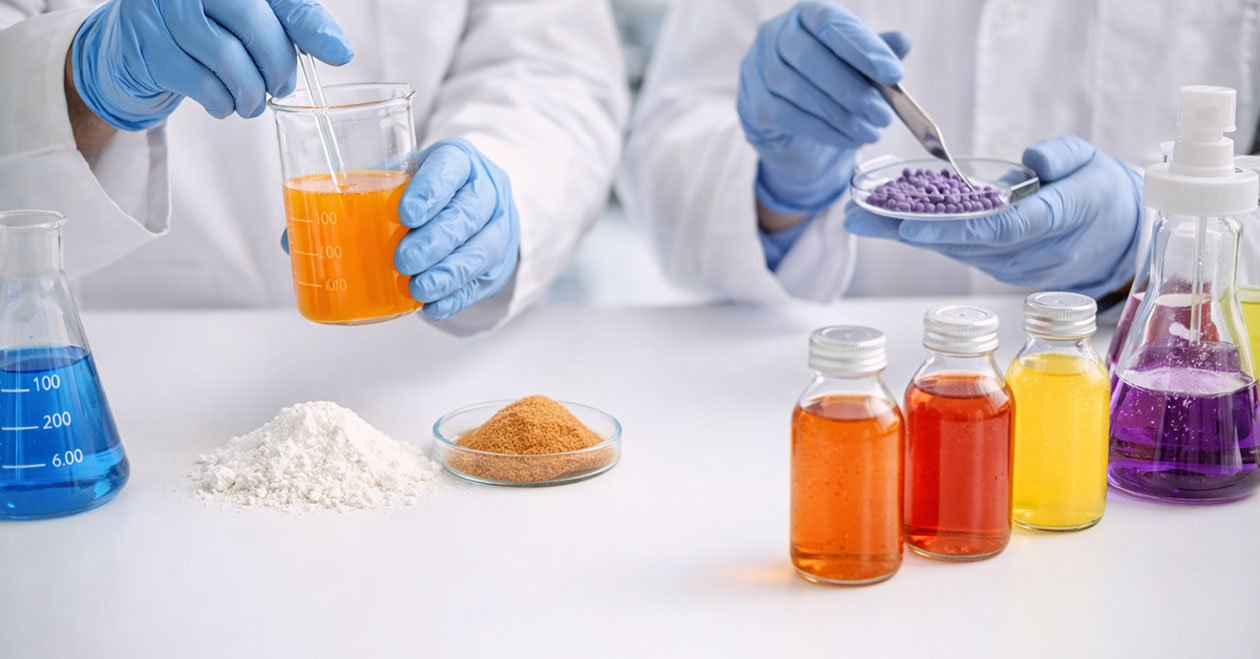
Formulating hydration drinks for athletes goes through various stages where validations are needed at all the stages. The first stage involves defining the usage scenario, whether it is for endurance exercises, intense workouts, or normal exercises.
Formulation of the drink is done according to the needs defined during the first stage, by adjusting the electrolytes, sugar, and flavors. Performance of the drink is checked in a lab, together with its shelf life.
This stage involves carrying out a series of tests to check on how stable the formula is under different temperature ranges and transportation pressures. Lastly, trials are carried out to verify that the performance of the drink is consistent both in the lab and large scale manufacture.
Helpful Guide:- Custom Drink Formulation Cost in India
What Brands Must Understand About Performance Drinks
Sports hydration beverages are entirely different from ordinary beverages as they should bring about performance gains and at the same time be well accepted by athletes.
It is possible for a drink to be very palatable and yet not hydrate efficiently. At the same time, it may also be possible for a drink to be technically efficient and yet be not so palatable to the athlete who takes it.
The key to a successful sports performance beverage is one that balances both theory and practice well. Such a drink is one whose formulation is founded on scientific knowledge and practical situations of the human body.
Top Trending Blog:- Focus Drink Contract Manufacturing for Modern Brands in 2026
Launch a High-Performance Hydration Drink With Confidence
From electrolyte balance and rapid absorption to great taste, we help you develop hydration drinks that actually perform for athletes.
Trusted by sports nutrition brands and beverage startups across India
FAQs (Frequently Asked Questions)
Q1. Why are hydration drinks better than water for athletes?
Electrolytes help replenish those that get lost through sweating while enhancing fluid absorption, making them highly effective during physical exertion.
Q2. What is the most vital electrolyte in the context of sports hydration?
Sodium electrolyte is essential for proper hydration and functioning of muscles.
Q3. Can sports drinks boost an athlete’s performance?
Yes, when designed well, they will aid in endurance and energy maintenance.
Q4. What does the term osmolality mean?
Osmolality indicates the rate at which drinks absorb into one’s body, and they are significant when it comes to sports hydration.
Q5. Does high-sugar content in sports drinks lead to hydration?
Yes, they are effective but will affect the effectiveness of hydration due to increased sugar.
Q6. How frequently should athletes take sports drinks?
Athletes need to take hydration drinks constantly.