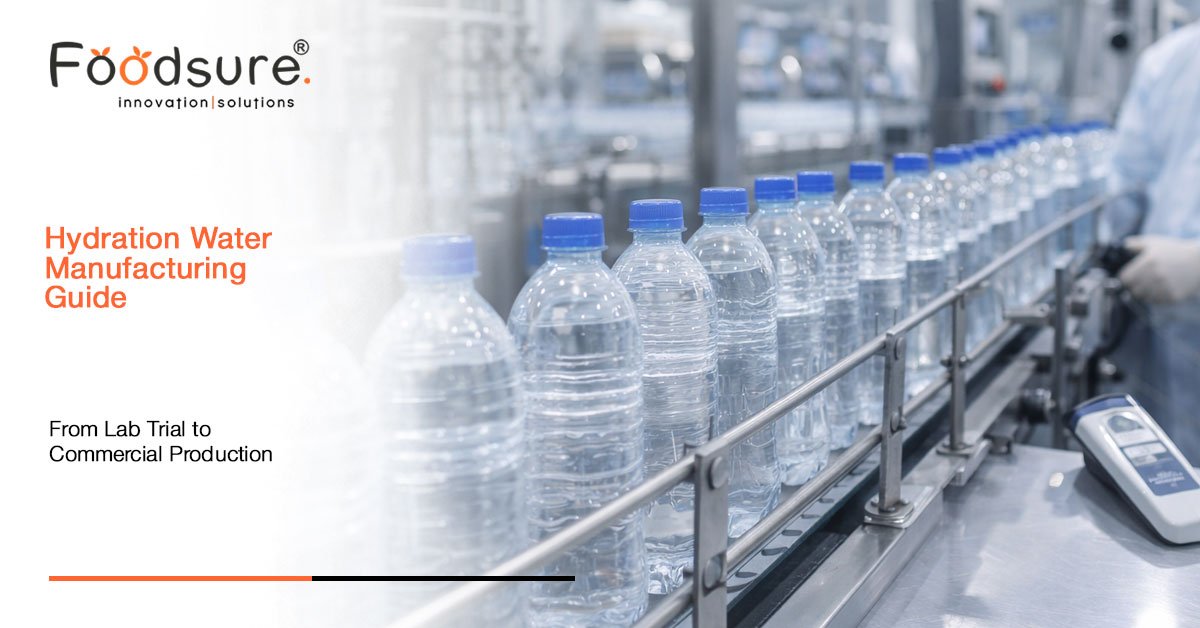
Hydration Water Manufacturing is often misunderstood as a simple process of mixing water with electrolytes. In reality, it is a highly technical and multi-stage operation that involves formulation science, stability control, and scalable production systems.
Many founders successfully create hydration drinks in lab conditions but fail when transitioning to commercial manufacturing. The biggest challenge lies in maintaining taste consistency, shelf life, and cost efficiency at scale.
This Hydration Water Manufacturing guide explains how to move from lab trials to full-scale production while reducing risks, controlling costs, and building a scalable functional beverage business in India.
Hydration Water Manufacturing Process: Step-by-Step
Hydration water manufacturing involves a structured production process designed to ensure product stability, taste consistency, and scalability.
- Water Treatment: Purification using RO, UV, and filtration systems
- Electrolyte Blending: Sodium, potassium, and minerals added in precise ratios
- Mixing & Homogenization: Ensures uniform distribution of ingredients
- pH Adjustment: Critical for shelf life and microbial stability
- Pasteurization: Heat treatment to increase product safety
- Filling & Packaging: PET bottles, cans, or Tetra packs
Hydration Drink Formulation Challenges & Market Trends
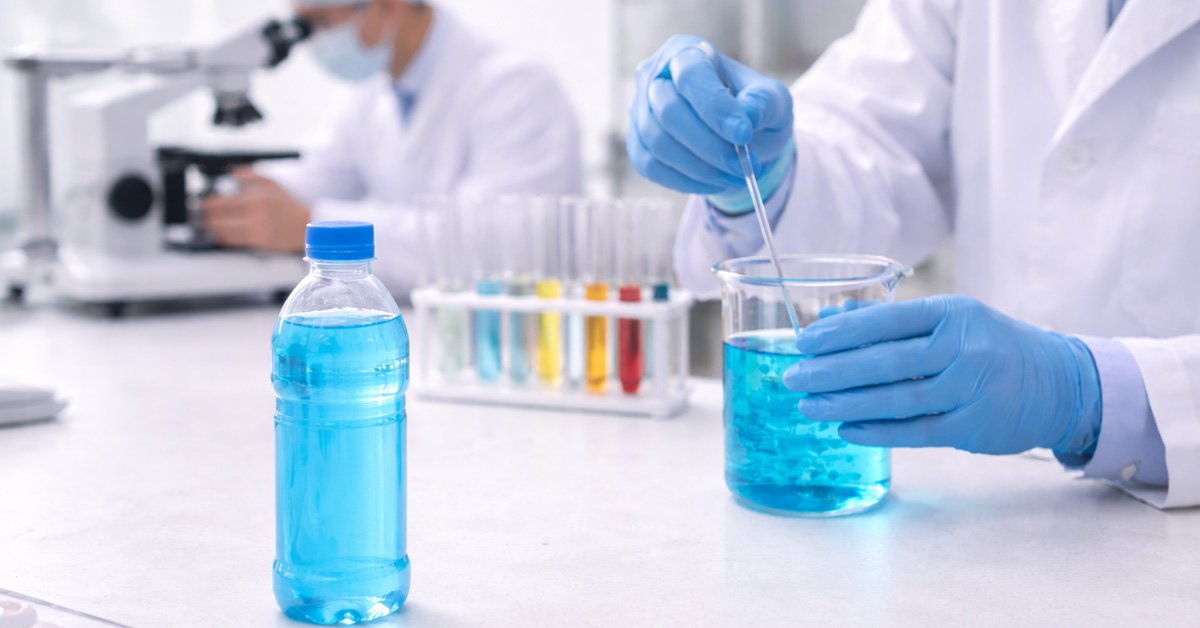
Many founders create great-tasting hydration drinks in small batches, but face major challenges when they attempt to manufacture isotonic drinks at larger production levels. The successful lab formula becomes a commercial failure because production expansion leads to changes in taste, shorter shelf life, and increased expenses.
Common Scale-Up Problems:
- Taste inconsistency across batches
- Decreased shelf life and stability problems
- Electrolytes causing bitter and off-flavour characteristics
- Delays affecting the planned commercial launch date
Market Trends Founders Must Know:
| Market Trend | Impact on Founders |
|---|---|
| Market valued at USD 42 billion in 2026 — reaching USD 58.5 billion by 2033 at 5% CAGR | Large and growing opportunity for new entrants |
| Moving toward low-sugar, clean label electrolyte drinks | Formulation must prioritise clean ingredients from day one |
| Growth in premium packaged water with electrolyte blends | Premium positioning is viable and consumer-accepted |
| Indian companies turning to contract manufacturing for rapid expansion | Asset-light model reduces launch risk significantly |
These market trends are directly relevant to anyone building a functional hydration brand. Understanding the broader context of electrolyte drink formulation — including how ingredient interactions differ between small-batch and commercial scale — is the first step toward a commercially viable product.
Why Hydration Water Manufacturing Fails During Scale-Up
Laboratory operations achieve total accuracy through their use of small production batches, which undergo controlled mixing and receive instant evaluation. The process of commercial production results in significant changes — big batch production, industrial machinery, and extended product storage times.
| Factor | Lab Scale | Commercial Scale |
|---|---|---|
| Batch Size | 1–5 litres | 500–10,000 litres |
| Control | High precision | Variable |
| Shelf Life | Short-term testing | Long-term required |
| Mixing | Manual | Machine-based |
| Cost Sensitivity | Low | High |
Real conditions bring surprises no chart predicts. Results drift without warning. Precision fades under the pressure of volume. This is exactly the gap that causes most beverage scale-up failures — and why planning for commercial production must start at the formulation stage, not after launch.
Functional Hydration Brand Founder Pain Points
- The taste of products undergoes transformation after production scales up to larger quantities.
- Electrolytes in the product result in bitter and off-tasting notes.
- Product shelf life becomes unpredictable because of unstable formulations.
- Hydration Water Manufacturing Guide expenses exceed anticipated profit margins.
These pain points are well-documented across the industry. Brands that invest in proper beverage stability testing before scale-up avoid the most expensive reformulation cycles that typically happen post-launch.
What Actually Works in Hydration Water Manufacturing & Isotonic Drink Formulation
Hydration water manufacturing requires precise control over electrolyte ratios, processing conditions, and stability testing to ensure commercial success.
| Challenge / Aspect | Key Driver | Solution / Outcome |
|---|---|---|
| Taste Balance | Sodium, potassium, magnesium mix | Precise mineral ratios — bitter edges soften naturally |
| Shelf Life | pH levels | Maintain 3.0–4.5 to fight spoilage proactively |
| Ingredient Addition | Sequence and timing | Add in set order — timing matters more than speed |
| Chalky Aftertaste | Calcium levels | Find the sweet spot for smooth mouthfeel |
| Freshness Preservation | Oxygen exposure | Block early to extend stability throughout shelf life |
| Carbonation Stability | Addition timing | Slip in late for sharp, stable bubbles |
| Batch Consistency | Testing frequency and temperature | Frequent testing — steady temps through mixing |
| Production Flow | Integrated partnerships | Smoother with one partner handling full manufacturing |
Understanding natural electrolyte drink formulation in depth — including how different mineral sources behave differently at scale — helps founders avoid the most common and costly production failures.
Hydration Drink Formulation & Scale-Up
Struggling to Scale Your Hydration Drink?
Foodsure helps you move from formulation to full-scale hydration water manufacturing — without costly trial and error.
Key Risks in Hydration Water Manufacturing at Commercial Scale
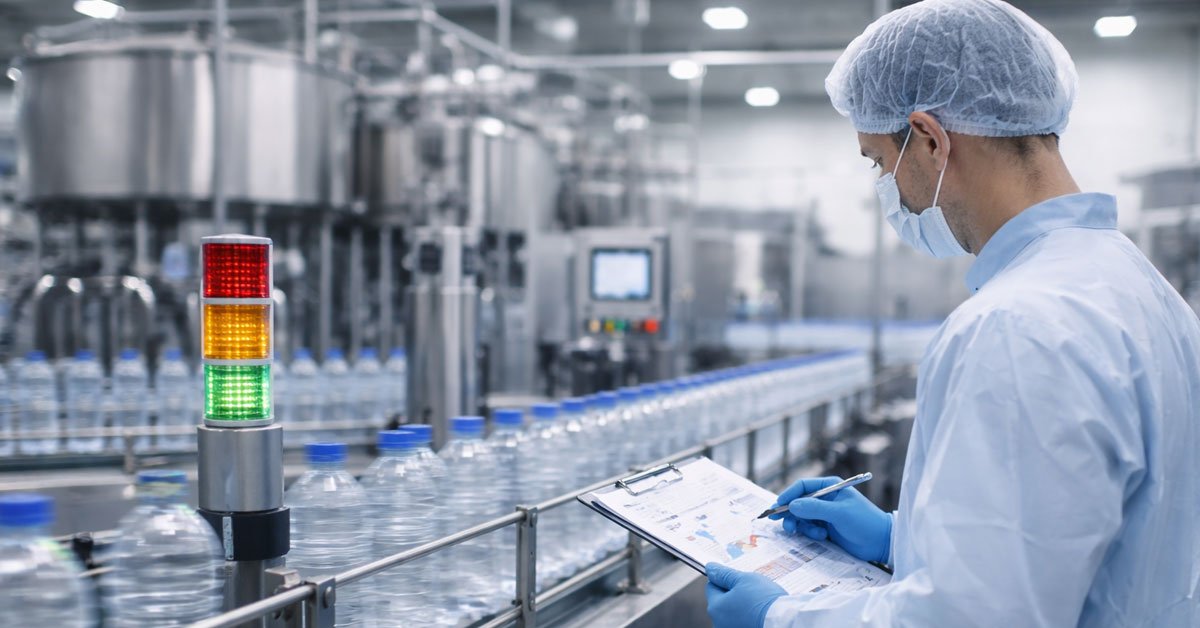
The Hydration Water Manufacturing process contains its most significant hidden obstacle in the scaling stage. A product that performs well in a lab may fail when produced in large volumes. Taste inconsistency, ingredient separation, and reduced shelf life are common issues.
Many founders are forced to reformulate after launch, which leads to delays and loss of market trust. The absence of adequate planning results in scale-up operations becoming expensive trial-and-error experiments instead of organised growth processes. Reviewing the most common beverage scale-up failures before committing to a production partner is one of the most valuable steps a hydration drink founder can take. Connect with Foodsure’s team to audit your scale-up plan before it becomes an expensive problem.
Beverage R&D India Support
The structured partner Foodsure provides founders with support through their entire process of creating hydration drinks and producing their products. The team works to establish production methods that can be implemented at full scale through their laboratory testing and stability assessments, which help them eliminate product development uncertainties.
The company assists in identifying trustworthy isotonic beverage contract manufacturing India while helping brands meet their regulatory obligations. Brands building in this category should also understand electrolyte water manufacturing requirements — including equipment, process flow, and quality control checkpoints that differ significantly from dry powder or concentrate formats.
Conclusion
Hydration Water Manufacturing is not a simple mixing process — it is a structured system that requires precise formulation, stability control, and well-planned scale-up strategies. What works in a lab often fails at commercial scale without proper process engineering and testing.
Successful hydration brands focus on getting the fundamentals right from the beginning — electrolyte balance, shelf life stability, and production feasibility. This is what separates scalable products from costly reformulations after launch.
If you’re planning to enter the hydration beverage market, the smartest move is to build a manufacturing-ready product from day one instead of relying only on lab trials. Talk to Foodsure experts and start your hydration water manufacturing journey with a clear, scalable plan.
Scale Your Hydration Drink Brand
Electrolyte Precision, Stability Testing, FSSAI Compliant — Foodsure Takes Your Hydration Drink to Commercial Scale
Hydration drink formulation, pH calibration, stability testing, FSSAI compliance, and isotonic beverage contract manufacturing India — Foodsure handles every step so your hydration drink reaches market stable, consistent, and commercially ready.
✓Stability & Shelf Life Testing
✓Isotonic Contract Manufacturing India
Related Reads
- Electrolyte Drink Production: From Formula to Factory
- Magnesium Electrolyte Recovery Drink: Benefits and India Market Guide
- Beverage Manufacturing Consulting: How to Choose the Right Partner
- Beverage Pilot Trial Cost: What Founders Need to Budget
- Commercial Beverage Production: From Lab Trial to Full Scale
Frequently Asked Questions
What is a hydration drink formulation?
The process of hydration drink formulation enables the creation of functional hydration beverages through the precise combination of electrolytes, flavours, and stability elements.
What is hydration water launch cost India?
The expenses for launching hydration water products in India depend on several factors, including product formulation, selected packaging, production capacity, and regulatory compliance requirements.
How does isotonic drink manufacturing work?
The manufacturing process for isotonic drinks requires systematic blending of ingredients which includes electrolyte measurement and product stability evaluation before production can begin.
Why do hydration drinks fail during scale-up?
Hydration drinks experience failure because ingredient behaviour shifts during processing, the production method becomes unpredictable, and stability testing does not occur at the right stage.
What is functional hydration branding?
Functional hydration branding provides performance benefits, which include hydration, recovery, and electrolyte balance maintenance.
How to choose an isotonic beverage contract manufacturing partner in India?
Select partners who possess expertise in beverage R&D India, who can scale production, and who maintain quality control systems throughout manufacturing.
Why is stability important in hydration drinks?
The storage and distribution process requires stability to maintain product safety, ensure the product remains safe throughout its shelf life, and provide consistent taste experiences.