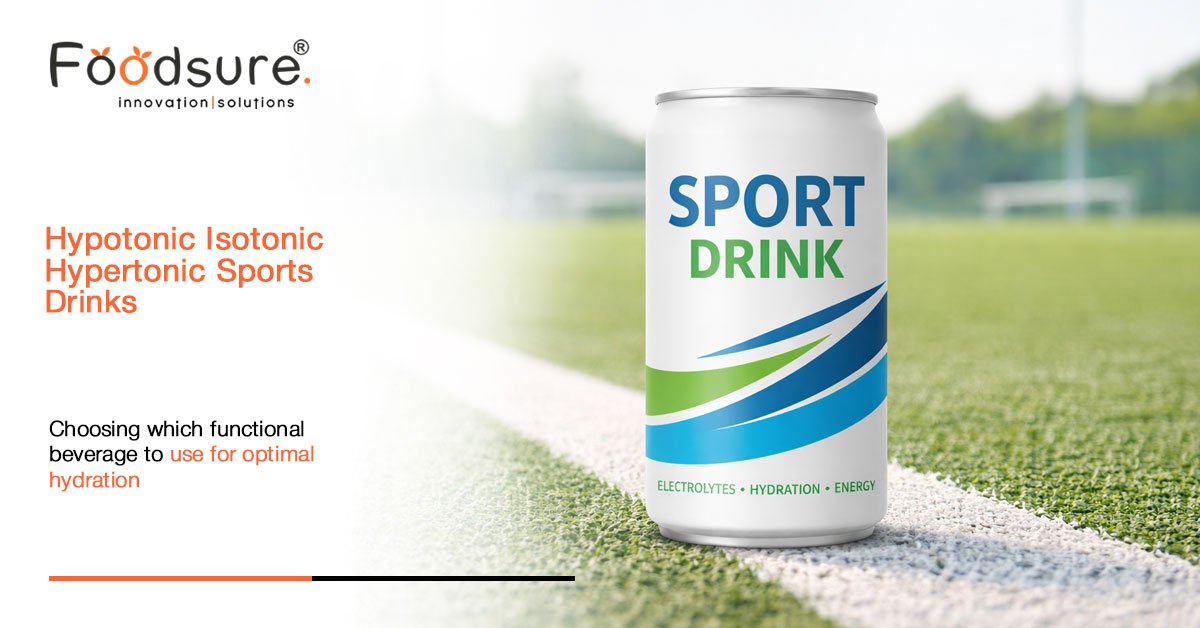
Choosing which functional beverage to use for optimal hydration will greatly affect your level of performance, recovery, and endurance in a workout. The sports drink categories of hypotonic, isotonic, and hypertonic drinks are often discussed because they address specific hydration requirements. Understanding how each type of sports drink works can help you as an athlete, fitness lover, or even a person who does casual exercise to get properly hydrated and fully re-energised. In this blog, we discuss the science behind, benefits of, and best uses for hypotonic, isotonic, and hypertonic drinks.
What Are Hypotonic Isotonic Hypertonic Sports Drinks?
Hypotonic isotonic hypertonic sports drinks refer to how many dissolved substances — primarily electrolytes and carbohydrates — are found in the solution versus human blood.
- Hypotonic — Less concentration than human blood
- Isotonic — Same concentration (equilibrium) as human blood
- Hypertonic — More concentration than human blood
These differences help determine how fast fluid absorption occurs, and how well these drinks can help replenish both energy and electrolytes. Understanding the full science of electrolyte drinks — including how each mineral behaves at different concentrations — is essential context for anyone formulating or choosing sports beverages.
Hypotonic Sports Drink: Fast Hydration
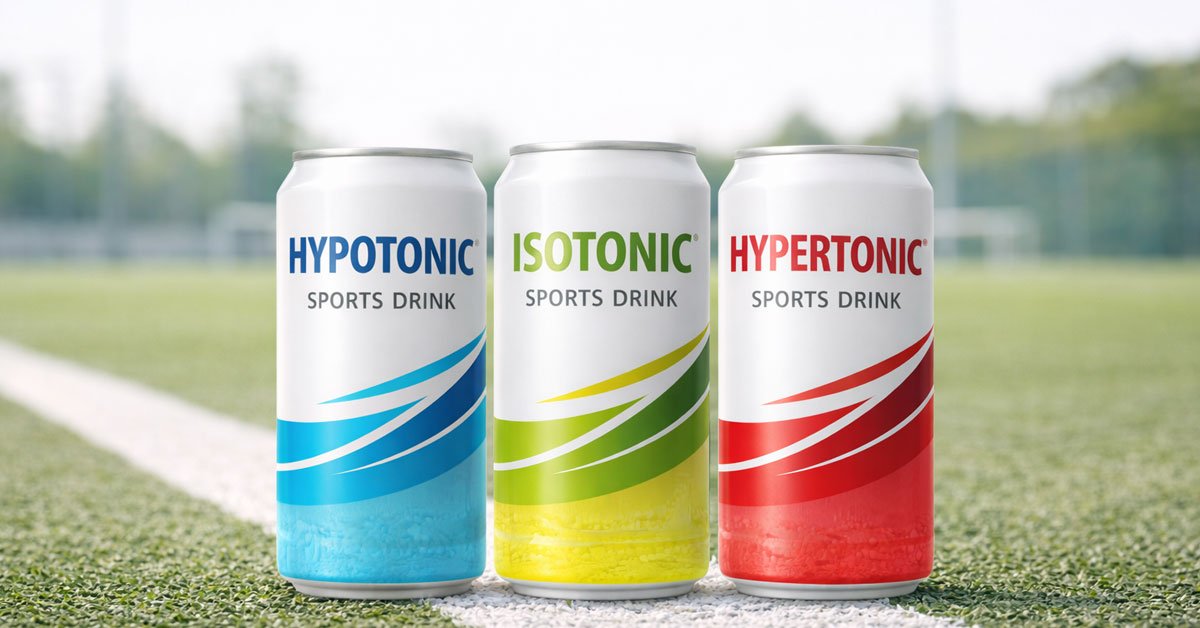
Hypotonic sports drinks have fewer carbohydrates and electrolytes than those found in human body fluids. Consequently, they can be absorbed quickly and are excellent for fast rehydration.
| Parameter | Hypotonic Sports Drink |
|---|---|
| Carbohydrate Content | Low — less than 6% |
| Absorption Speed | Fastest of the three types |
| Stomach Feel | Gentle — does not cause discomfort |
| Best For | Low-intensity exercise, quick hydration without heavy caloric load |
When to choose a hypotonic drink workout: Choose a hypotonic sports drink when you are engaging in low-level physical activity, require pure hydration without large carbohydrate replenishment, or have perspired heavily but do not need significant energy replacement.
Isotonic Sports Drink: Hydration and Energy Combined
Isotonic sports drinks contain an equal quantity of salts and sugar as the human body, making isotonic the most common choice of functional beverage for hydration.
| Parameter | Isotonic Sports Drink |
|---|---|
| Carbohydrate Content | Moderate — 6% to 8% |
| Electrolytes | Balanced sodium and potassium |
| Absorption | Quick absorption with simultaneous energy provision |
| Best For | Moderate to high-intensity workouts — running, cycling, gym sessions of 60–90 minutes |
The isotonic sports drink benefits comparison illustrates that isotonic drinks are the most versatile across all sports drink types. They provide greater energy than hypotonic drinks, absorb with more sustainability, and are most appropriate for endurance-type activities.
Hypertonic Hydration Drink: Energy Recovery
Hypertonic drinks contain greater amounts of carbohydrates than what is found in body fluids. They are used primarily for providing energy rather than immediate hydration.
| Parameter | Hypertonic Hydration Drink |
|---|---|
| Carbohydrate Content | High — greater than 8% |
| Absorption Speed | Slowest of the three types |
| Primary Purpose | Energy recovery — restores glycogen levels after intense exercise |
| Best For | Post-workout recovery, extended endurance events, rapid glycogen replenishment |
Complete Comparison: All Three Sports Drink Types
| Feature | Hypotonic | Isotonic | Hypertonic |
|---|---|---|---|
| Carbohydrate Level | Low (<6%) | Moderate (6–8%) | High (>8%) |
| Absorption Speed | Fastest | Moderate | Slow |
| Primary Purpose | Hydration | Hydration + Energy | Energy Recovery |
| Best For | Light workouts | Moderate to intense workouts | Post-workout recovery |
Isotonic vs Hypotonic: Key Differences
When comparing isotonic and hypotonic drinks, the debate usually revolves around speed versus energy. Hypotonic drinks provide faster hydration, lower caloric intake, and are useful for quick fluid replenishment. Isotonic drinks provide a balance of hydration and energy, maintain performance level, and are more versatile. The choice depends on how intense and long the workout is planned to be.
Role of Electrolytes in Sports Drink Types
Electrolytes such as sodium, potassium, and magnesium are present in all three classifications of sports drinks. Their major functions include preventing muscle cramping, establishing fluid equilibrium, and providing support to the nervous system. In functional beverage hydration, electrolyte balance supports fluid consumption and vice versa.
Brands developing any of these three formats should understand the electrolyte balance science in depth — the sodium-to-potassium ratio, magnesium inclusion, and osmolarity targets differ significantly across hypotonic, isotonic, and hypertonic formulas.
Develop Your Sports Drink Formula
Hypotonic, Isotonic, or Hypertonic — Foodsure Formulates the Right Sports Drink for Your Brand.
From electrolyte ratio calibration and osmolarity testing to FSSAI compliance and contract manufacturing — Foodsure helps sports drink founders build the right type for the right consumer.
Advantages of Understanding Sports Drink Types

Knowing the difference between hypotonic isotonic hypertonic sports drinks helps improve athletic performance, prevent dehydration, optimise recovery, and avoid unnecessary sugar intake. It also allows consumers and brands to align their hydration strategy with modern functional beverage hydration trends.
For brands developing isotonic sports drinks specifically, the step-by-step formulation process — covering carbohydrate selection, electrolyte ratios, osmolarity calibration, and shelf life — is covered in detail in the isotonic sports drink formulation guide.
Conclusion
The difference between hypotonic isotonic hypertonic sports drinks is more than scientific jargon — it is practical knowledge that improves hydration, performance, and recovery. The best choice of drink for rapid hydration is a hypotonic sports drink. If your goal is to get both energy and fluids, then an isotonic sports drink provides that balance. For energy replenishment after a workout, a hypertonic hydration drink is the right choice.
As functional beverage hydration continues to develop, choosing the correct type from these sports drink types will be an important factor for athletes and everyday consumers alike.
Build Your Sports Drink Brand
From Electrolyte Science to Market-Ready — Foodsure Formulates Your Sports Drink
Whether you need a hypotonic drink for rapid hydration, an isotonic drink for performance, or a hypertonic formula for recovery — Foodsure’s formulation team calibrates every ratio for efficacy, taste, and FSSAI compliance.
✓Electrolyte Ratio Expertise
Related Reads
- How to Formulate Isotonic Sports Drink: Step-by-Step Guide
- Electrolyte Balance Sports Drinks: Science, Benefits & Hydration Guide
- Sports Drinks in India: Market Trends and Formulation
- Natural Electrolyte Drink Formulation: A Complete Guide
- Magnesium Electrolyte Recovery Drink: Benefits and India Market
Frequently Asked Questions
What are hypotonic isotonic hypertonic sports drinks?
They are sports drinks classified based on their concentration compared to body fluids.
What is a hypotonic sports drink used for?
A hypotonic sports drink is used for quick hydration during light exercise.
What are isotonic sports drink benefits?
Isotonic sports drink benefits include balanced hydration and energy supply.
What is a hypertonic hydration drink best for?
A hypertonic hydration drink is best for post-workout energy recovery.
When to choose hypotonic drink workout?
Choose it during short, low-intensity workouts for fast hydration.
Are all sports drink types the same?
No, different sports drink types serve hydration, energy, or recovery purposes.