People use tomato ketchup with snacks, fast food, and everyday meals. It is one of the most popular condiments. But regular tomato ketchup is usually high in sugar and has almost no meaningful protein content. Brands are looking for ways to make everyday condiments more nutritious as people become more health-conscious, especially in the fitness and functional food markets. This is where high protein ketchup in ketchup product development becomes important. When making protein-enriched ketchup, you have to be very careful about the ingredients you choose and how you balance the recipe, because adding protein can change the taste, colour, thickness, and shelf life. This guide talks about the practical things to think about when protein tomato ketchup recipe as food product development and how new companies can come up with healthier ketchup ideas.
How to Create a High-Protein Tomato Ketchup
Creating a successful ketchup product development requires keeping the classic ketchup qualities of a tangy taste, a smooth texture, and a bright red colour while adding protein ingredients.
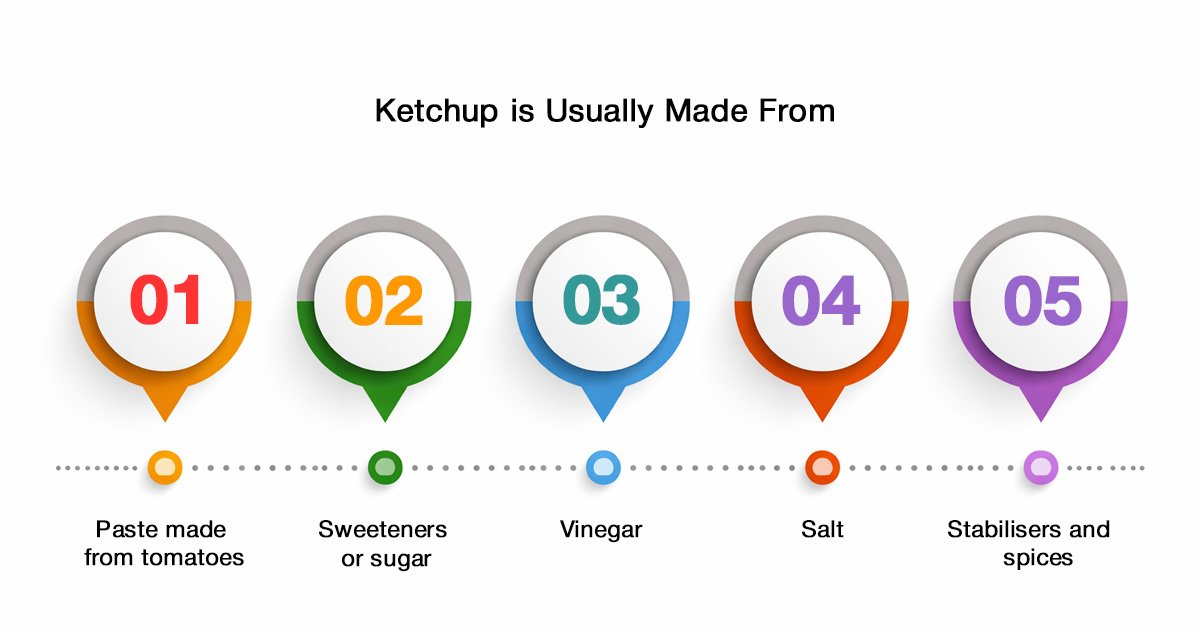
Ketchup is usually made from:
- Paste made from tomatoes
- Sweeteners or sugar
- Vinegar
- Salt
- Stabilisers and spices
To add more protein, formulators add functional protein ingredients that dissolve easily and don’t change the sauce’s structure too much.
Innovative Protein Tomato Ketchup Product Development
During protein tomato ketchup recipe development, choosing the right protein source is very important. Not all protein ingredients work well in acidic foods like ketchup.
Some common protein ingredients used in experimental ketchup recipes are:
- Isolated Whey Protein: When properly balanced, it has a lot of protein and a taste that isn’t too strong.
- Isolate of Pea Protein: A plant-based option that is often used in vegan recipes but may need to be masked to hide its taste.
- Soy Protein Isolate: Works well as an emulsifier and mixes well in sauces.
- Peptides of Collagen: Because they dissolve easily and don’t change the taste of food, they are often used in functional foods.
The goal of formulation trials is to add protein without changing ketchup’s signature taste and consistency.
Creating Value-Added Fortified Tomato Ketchup
In fortified ketchup product development,Nutrition improvement goes hand in hand with product stability. Adding protein changes how the sauce acts when it’s heated and stored.
Some common problems with formulations are:
- Protein settling out while being stored
- Protein powders make colours a little less bright.
- Thicker after pasteurisation
- Protein notes cause the flavour to be out of balance.
To fix these problems, formulators often use stabilizer systems for example:
- Xanthan gum
- Starch that has been changed
- Guar gum
These things help keep consistent viscosity and product stability throughout the shelf life.
Low Sugar Protein Ketchup Formulation
Another important area for new ideas is low sugar protein ketchup formulation. Traditional ketchup often has a lot of sugar in it, which isn’t good for people who are trying to lose weight or who have diabetes.
Food makers usually cut down on sugar and replace it with:
- Sweeteners from nature
- Polyols
- Acid systems that are balanced
But cutting down on sugar also changes how ketchup feels in the mouth and how it tastes. So, more changes to the formulation are needed to keep the expected sweet–tangy flavor profile. When made right, low-sugar protein ketchup can taste good to health-conscious consumers, athletes, and calorie-conscious buyers.
Next-Generation Healthy Ketchup Development
Successful healthy ketchup development concentrates on enhancing nutrition while maintaining consumer recognition. Even a product that is better for your health may not do well in the market if the taste changes too much.
Some of the most important things to think about when making a formulation are:
- Sweetness and acidity that are in balance
- A smooth and shiny surface
- Stability of bright tomato colour
- Making the ingredient label clean.
Product developers need to make sure that the ketchup still tastes like a classic condiment and not a functional supplement.
Case Insight from Product Development
In a project to make a new product for a food brand that focuses on fitness, the team tried a protein-enriched ketchup prototype using pea protein isolate. The first lab sample had the right amount of protein, but the product changed slight sedimentation during storage. More tests showed that the protein particles weren’t completely stable in the acidic tomato base.
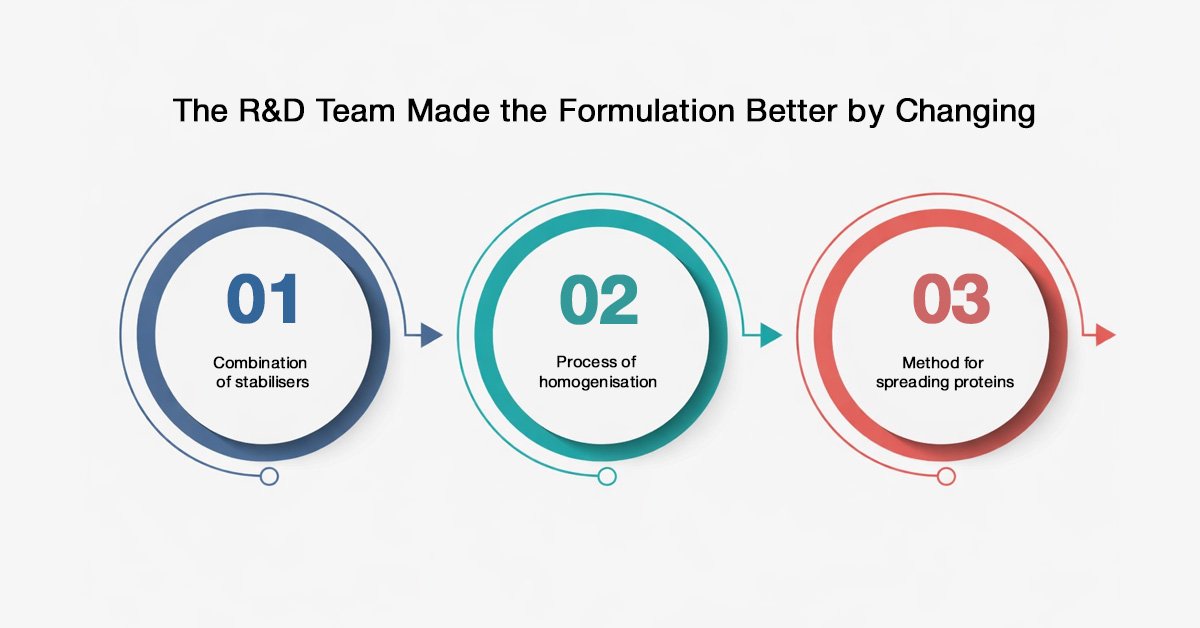
The R&D team made the formulation better by changing:
- Combination of stabilisers
- Process of homogenisation
- Method for spreading proteins
After optimisation, the ketchup kept stable viscosity and uniform texture during shelf-life testing. These kinds of problems happen a lot during high protein ketchup manufacturing formulation India especially when going from tests in the lab to production for sale.
Cost Considerations in Protein Ketchup Development
Adding protein to ketchup makes it more expensive than regular ketchup. Getting to know the economics of protein ketchup product development is important for new businesses.
Things that affect cost are:
- What kind of protein ingredient was used
- Target protein content per serving
- Requirements for stabilisers and processing
- Testing and confirming the shelf life
- Size of packaging and production
Finding a balance between nutrition claims and cost-effectiveness keeps the product commercially competitive.
Key Takeaways for Food Startups
Startups looking into protein condiments should keep a few useful food formulation tips in mind:
- Pick protein ingredients that go well with acidic sauces.
- Do several tests to get the best flavour and texture.
- Stabilisers are very important for keeping things from separating.
These steps make it much more likely that functional ketchup products.
Conclusion
People are looking for healthier foods to eat every day, so condiments like ketchup are a chance to come up with new ways to make them healthier. Brands can make protein-rich ketchup that tastes good and works well if they use the right formulation strategy. If you are planning healthy ketchup development or exploring protein ketchup product development, Expert formulation support can help make choosing ingredients, running tests, and testing for stability easier.
Call us at +91-8130404757 to discuss your product idea and start your product development journey today.
FAQs
How much protein can you realistically add to ketchup without affecting taste?
You can typically fortify ketchup with 5-10g of protein per 100g serving using isolates like whey or pea, balancing it with natural flavors and stabilizers to preserve the classic tangy profile.
What stabilizers prevent protein clumping in ketchup?
Xanthan gum, guar gum, or pectin work best; they create a stable suspension, preventing sedimentation while maintaining pourable viscosity even after months of storage.
How does FSSAI regulate high-protein ketchup in India?
FSSAI classifies it under tomato ketchup standards (Food Safety and Standards (Food Products Standards and Food Additives) Regulations, 2011), requiring protein claims to be substantiated via lab testing, with limits on additives and clear labeling for allergens like soy.
Can you make vegan high-protein ketchup?
Yes, use pea protein isolate or rice protein combined with tomato paste, vinegar, and stevia for sweetness achieves 8-12g protein per serving without dairy or animal-derived ingredients.
What processing steps ensure protein ketchup’s shelf stability?
Homogenize at high pressure (150-200 bar), pasteurize at 85-90°C for 30 seconds, and use aseptic filling; this minimizes Maillard reactions that could alter color or flavor.
How do you mask the bitterness of protein isolates in ketchup?
Blend with natural tomato umami, add 0.5-1% sucralose or monk fruit extract, and use masking agents like yeast extracts; taste panels confirm neutrality at 7-8% protein loading.
Is high-protein ketchup suitable for kids or diabetics?
For diabetics, yes with under 2g sugar per serving using erythritol. For kids, opt for milder flavors and FSSAI-approved colors, but limit to 10g protein per serving to avoid digestive issues.
What equipment is needed for small-scale protein ketchup production?
A high-shear mixer, homogenizer, and vacuum cooker suffice for batches under 100L; scale up with UHT systems for commercial shelf life beyond 6 months.