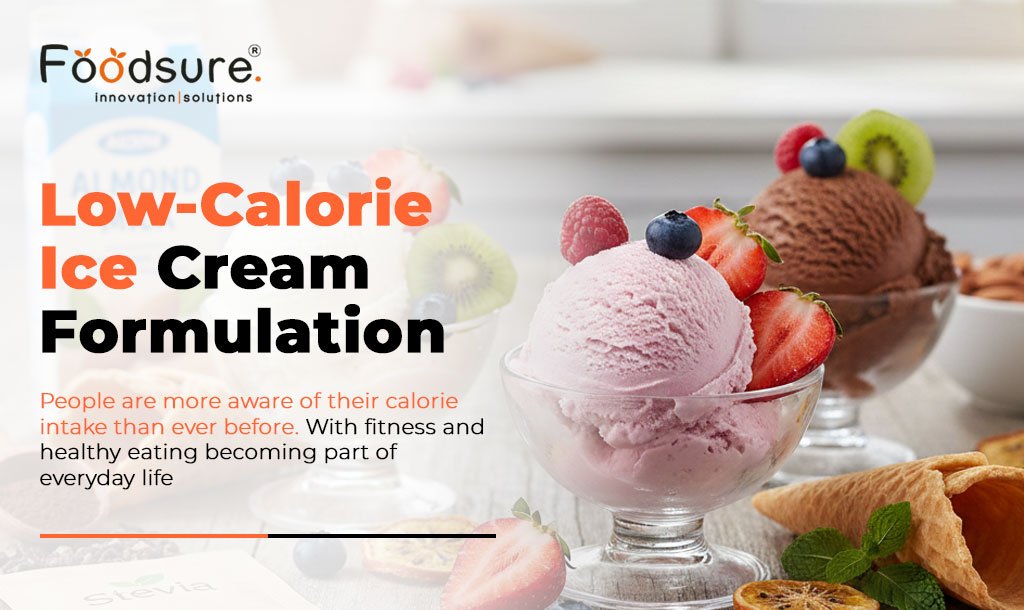
The demand for healthier desserts is growing rapidly as consumers become more conscious about calorie intake and nutrition. Because of this shift, Low Calorie Ice Cream Formulation has become one of the most exciting innovations in the frozen dessert industry. People want to enjoy sweet treats without feeling guilty about extra calories, and this trend is creating new opportunities for food business startups.
For entrepreneurs exploring food startup ideas or small food business ideas, low-calorie ice cream offers a strong market opportunity. With the right food product development strategy, brands can create delicious frozen desserts that meet the needs of health-conscious consumers while standing out in a competitive market.
Why Low-Calorie Ice Cream Is So Popular
Modern consumers are actively trying to reduce sugar and calorie intake while still enjoying desserts. Fitness culture, diet awareness, and social media trends have made people more mindful of what they eat.
Low-calorie ice cream solves this challenge by offering:
- A creamy dessert with fewer calories
- Reduced sugar content
- Health-conscious ingredient alternatives
- A guilt-free indulgence option
For brands exploring food business ideas, this category offers strong growth potential. Health-conscious consumers, fitness enthusiasts, and younger buyers are constantly looking for better dessert alternatives.
Want to optimise your Food Business? Request a free consultation!
Explore Our Exclusive Food Product Development
The Key Ingredients in Low-Calorie Ice Cream
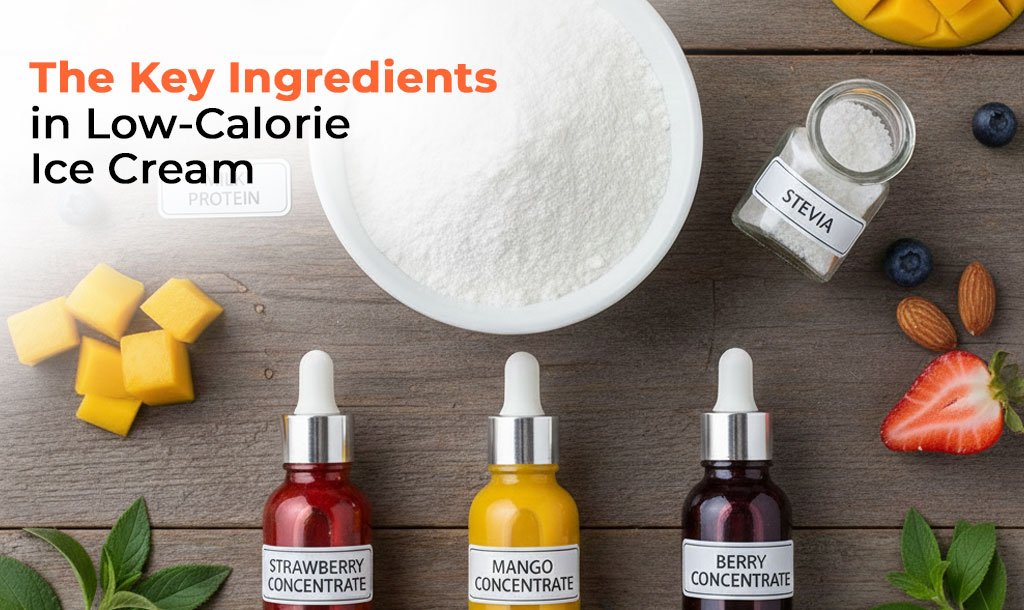
Successful low-calorie ice cream relies on carefully selected ingredients that reduce calories while maintaining taste and texture.
Common ingredients include:
- Milk Proteins: They provide creaminess and improve texture without adding excess fat.
- Low-GI Sweeteners: Sweeteners like erythritol, stevia, monk fruit, and allulose replace sugar while keeping the sweetness balanced.
- Natural Stabilisers: Stabilisers help prevent ice crystal formation and maintain a smooth texture.
- Fruit Concentrates and Cocoa: Natural flavouring ingredients enhance taste while keeping calorie levels low.
- Low-Fat Dairy or Healthy Fats: These help maintain richness while significantly reducing overall fat content.
Choosing the right combination of ingredients is essential during food product development to ensure the final product remains tasty, stable, and commercially viable.
How Food Product Development Improves Low-Calorie Ice Cream
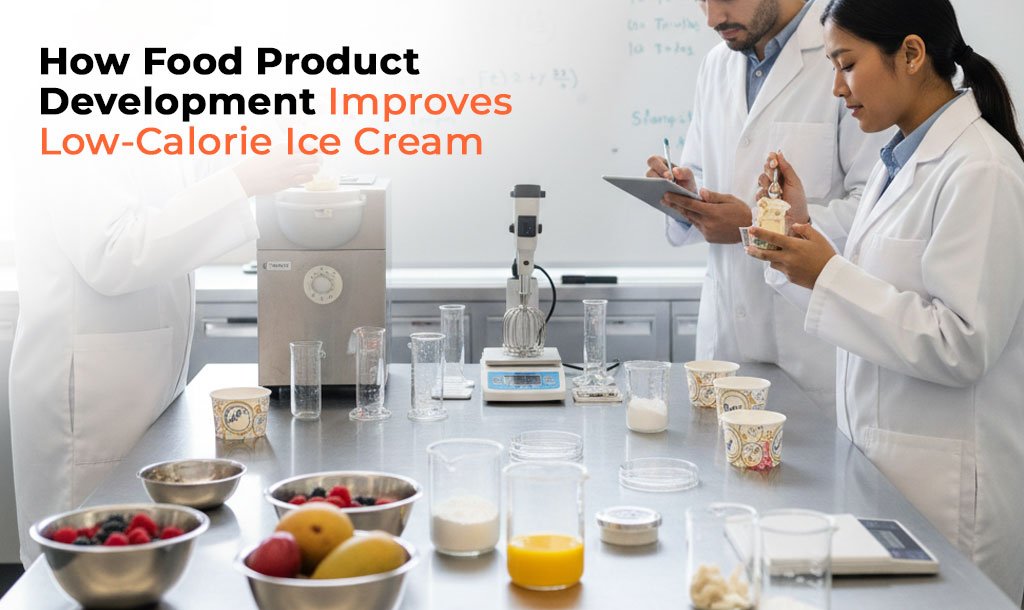
Creating a successful low-calorie ice cream isn’t easy. It requires careful planning, testing, and expert knowledge. Food Product Development plays a crucial role in helping brands develop ice creams that are not only tasty but also meet nutritional goals and remain stable throughout storage.
The process involves:
- Market Study: Understanding what flavours customers are most interested in.
- Recipe Trials: Testing various ingredients and combinations to find the perfect balance of flavour and texture.
- Texture Testing: Ensuring that the ice cream remains smooth and creamy, without the ice crystals that often plague low-fat desserts.
- Balancing Sugar and Fat: Carefully controlling sugar and fat levels to keep calories low while maintaining taste.
- Packaging Design: Creating packaging that appeals to health-conscious customers while preserving the product’s quality.
A well-thought-out Food Product Development strategy helps speed up the launch process and ensures the product will perform well on store shelves.
You May Also Like: Trends in Food Product Development
Popular Flavours in Low-Calorie Ice Cream
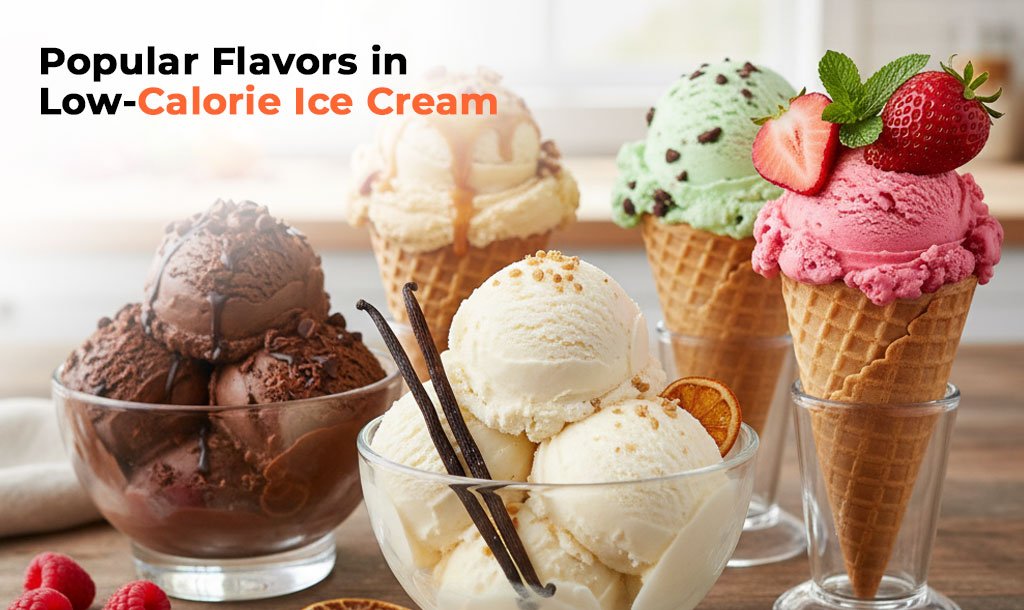
Several classic and modern flavours perform well in the low-calorie ice cream segment.
Popular options include:
- Vanilla Classic
- Chocolate Delight
- Strawberry Swirl
- Cookies & Cream Lite
- Coffee Mocha
- Salted Caramel
New flavour innovations like Blueberry Cheesecake, Matcha, and Protein Chocolate Ice Cream are also gaining popularity, creating exciting opportunities for food business startups.
Challenges in Developing Low-Calorie Ice Cream
Despite its growing demand, developing a low-calorie ice cream product is technically challenging.
Common challenges include:
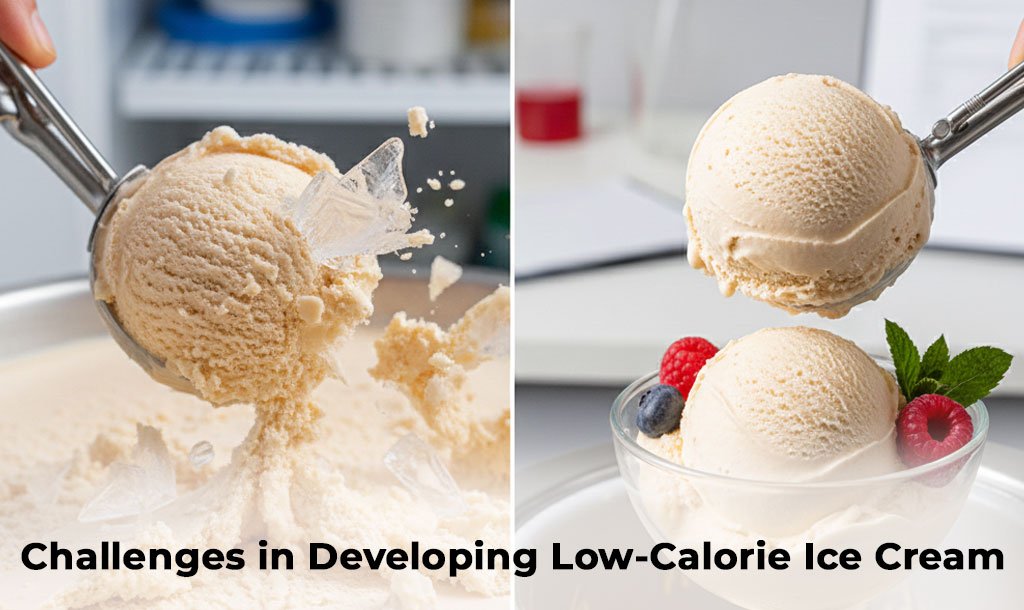
- Maintaining Creaminess: Reducing fat often affects the smooth texture of ice cream.
- Ice Crystal Formation: Low-fat products tend to freeze harder and develop ice crystals.
- Sweetness Balance: Sugar substitutes can sometimes leave an aftertaste.
- Ingredient Costs: Natural sweeteners and functional ingredients can increase production costs.
- Flavour Stability: Ensuring the flavour remains clean and balanced over time.
With expert food product development, these issues can be addressed effectively to create a commercially successful product.
Unlock Expert Food Formulation Guidance Today
The Business Benefits of Low-Calorie Ice Cream
Low-calorie ice cream is becoming one of the fastest-growing segments in the dessert market.
Key business advantages include:
- High Retail Demand: Health-conscious consumers actively search for low-calorie dessert options.
- Strong Appeal Among Younger Consumers: Fitness-focused audiences are particularly attracted to healthier ice cream products.
- Growing Online Demand: Search trends for healthy desserts continue to rise.
- Export Opportunities: Healthy frozen desserts have strong demand in global markets.
- Multiple Product Variations: Brands can launch several flavours and SKUs to expand their product portfolio.
For entrepreneurs looking for profitable small food business ideas, this category offers excellent scalability.
Packaging and Shelf Life Considerations
Low-calorie ice cream often contains less fat, which can affect shelf life and texture stability. Proper packaging helps maintain product quality.
Common packaging solutions include:
- Double-layer insulated tubs
- High-barrier packaging materials
- Tamper-proof lids
- Insulated transport packaging
Effective packaging ensures product freshness, prevents freezer burn, and improves shelf stability.
You May Also Like: Food Packaging and Labelling Regulations
Why Expert Help is Crucial for Low-Calorie Ice Cream Development
Launching a frozen dessert product requires technical expertise, regulatory compliance, and commercial testing.
Professional support helps with:
- Recipe formulation
- Nutritional optimisation
- Shelf-life testing
- Microbiological safety
- Label compliance
- Pilot trials and scale-up
For many entrepreneurs working on food startup ideas, expert guidance can significantly reduce development time and product risks.
Get Professional Help for Your Food Product Development
Our team at Foodsure provides complete support for Food Production and Beverage Formulation. Get personalised guidance to create / Grow your Food Brand.
FAQs
Q1. What makes low-calorie ice cream different from regular ice cream?
Low-calorie ice cream uses healthier ingredients, like milk proteins and low-GI sweeteners, to reduce calories while maintaining creaminess.
Q2. How many calories are in low-calorie ice cream?
Most low-calorie ice creams contain around 60-120 calories per serving, depending on the ingredients used.
Q3. Which sweeteners are used in low-calorie ice cream?
Common sweeteners include erythritol, stevia, monk fruit, and allulose.
Q4. Can low-calorie ice cream taste like regular ice cream?
Yes, advanced food product development techniques help maintain similar taste and texture.
Q5. Is low-calorie ice cream good for weight management?
It can support calorie control, but portion moderation is still important.