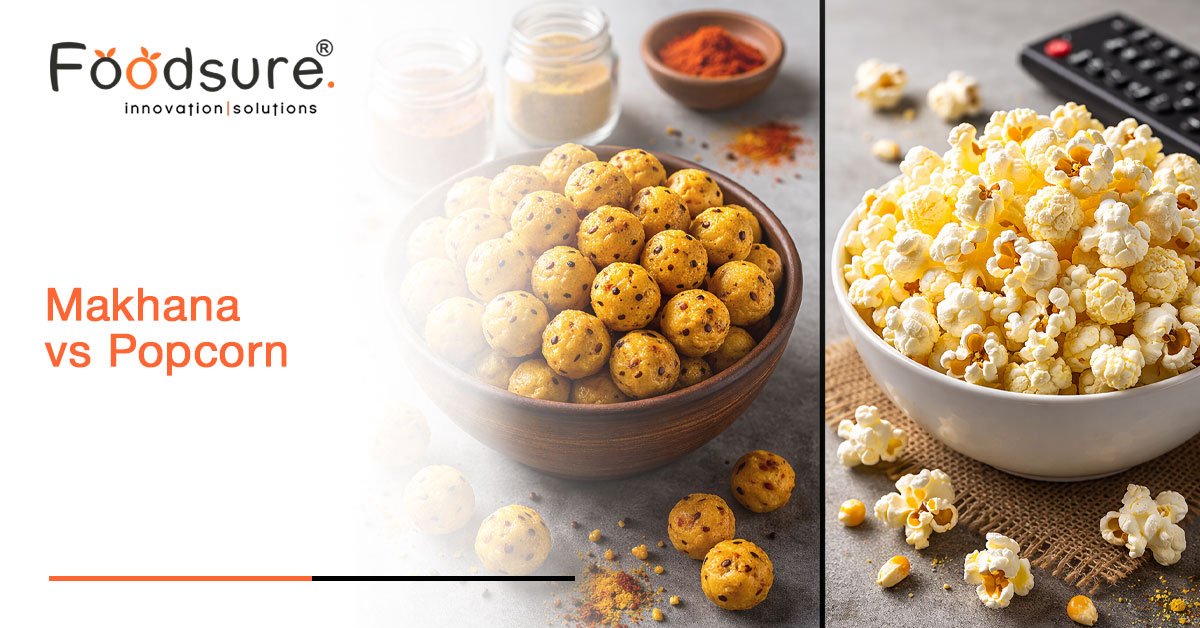
You are hungry. It is 4 PM. You open the kitchen and face the classic dilemma: grab a bag of popcorn or reach for makhana?
Both look similar. Both are light, crunchy, and seem guilt free on the surface. But when you look at the science, the difference is significant.
This is a complete, data backed comparison of makhana vs popcorn covering nutrition, glycemic index, weight loss, diabetes management, market data, and practical snacking advice for Indians in 2026. No fluff. Just facts.
What Is Makhana?
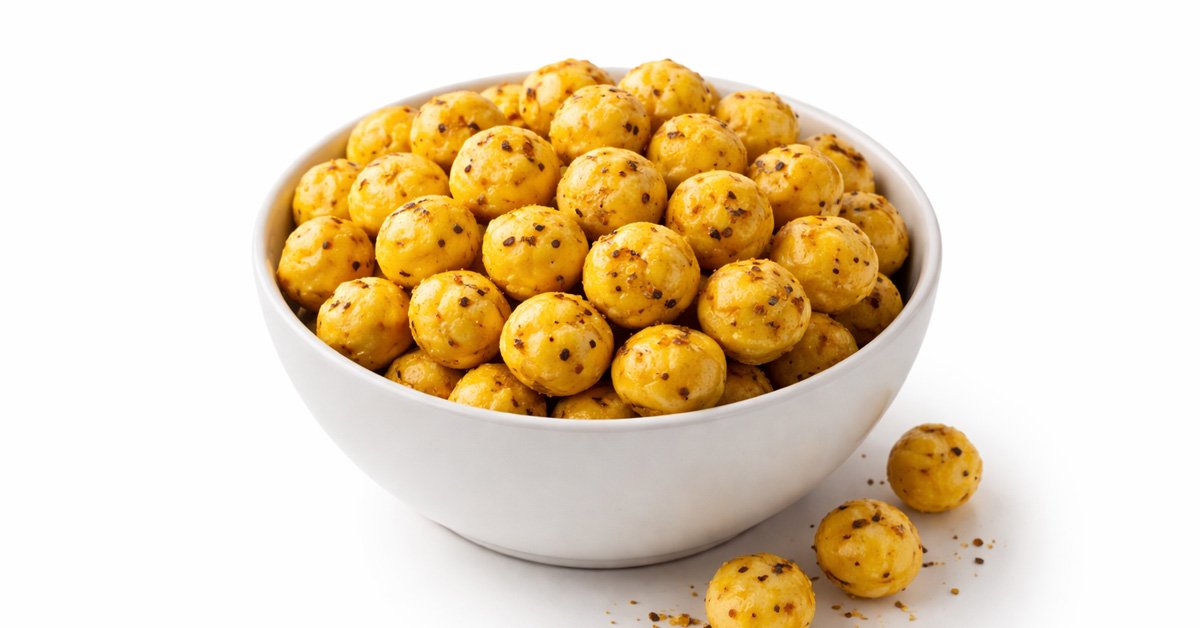
Makhana, also called phool makhana, fox nuts, or lotus seeds, comes from the seeds of the Euryale ferox plant. It is an aquatic herb grown primarily in the wetlands of Bihar, which produces over 90% of the world’s supply. Unlike most snacks that are processed from grains or legumes, makhana seeds are harvested manually from pond beds and then roasted at high heat until they puff into the light white spheres you see in stores today.
This minimal processing is a key reason makhana retains its natural nutritional density. There are no added preservatives, no artificial flavouring in the base product, and no deep frying involved in traditional preparation. What you get is a snack that is as close to its natural form as a packaged product can be.
This is also why makhana has become a favourite among nutritionists, dietitians, and health conscious consumers across India. It is not just marketing. The nutritional profile genuinely supports the claims being made about it.
You May Also Like: Top 10 Makhana Brands in India
Phool Makhana Benefits
Makhana has been used in Ayurvedic medicine for over 3,000 years, valued for its cooling, anti inflammatory, and digestive properties. Modern nutrition science now backs many of these traditional claims with clinical data.
- Rich in kaempferol, a powerful antioxidant with anti inflammatory and anti ageing effects documented in peer reviewed research from 2022
- Low glycemic index of 38 to 42, meaning energy releases slowly with no blood sugar spikes after eating
- High magnesium at 210mg per 100g, which supports nerve function, heart health, and muscle relaxation
- Naturally gluten free, allergen free, and completely vegan
- High in kaempferol and other flavonoids that act as natural antioxidants in the body
- Suitable for vegan, keto friendly, and gluten free diets simultaneously
- Light and easy on the digestive system with no indigestible hulls
- High potassium content at 1368mg per 100g supports healthy blood pressure regulation
Thinking About Launching Your Own Makhana Brand?
Foodsure helps food startups with seasoning formulation, packaging design, contract manufacturing and FSSAI compliance. Talk to our team today.
What Is Popcorn?
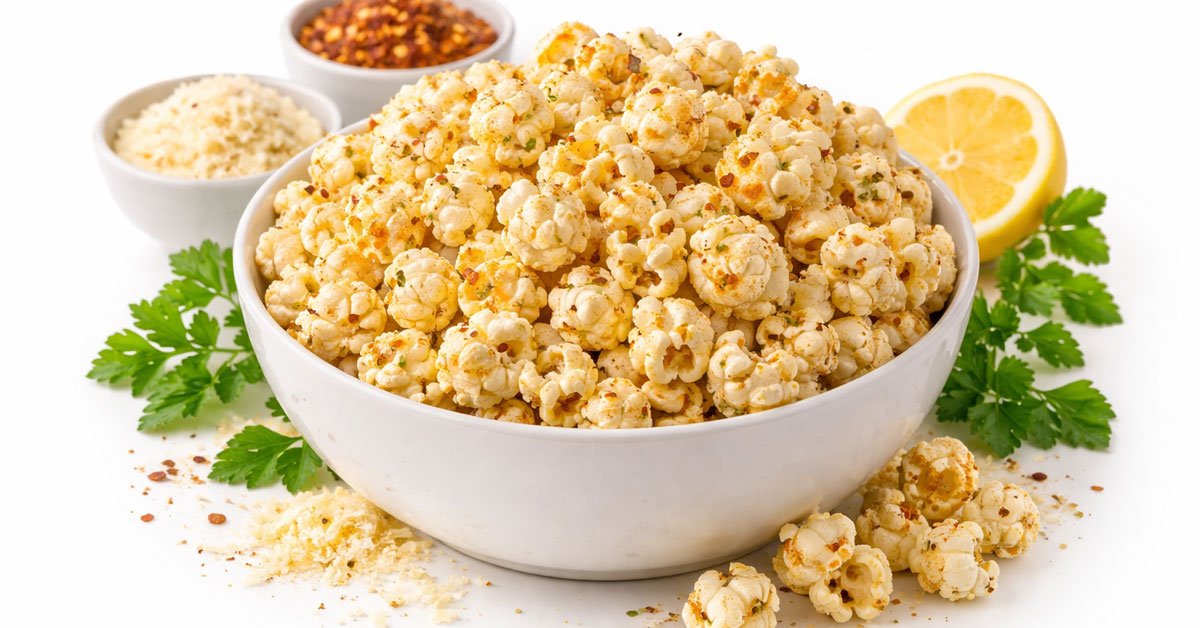
Popcorn is made from a specific variety of dried corn kernel called Zea mays everta that pops when heated rapidly due to moisture trapped inside the kernel expanding into steam. Air popped popcorn is technically a whole grain snack because it retains the bran, germ, and endosperm of the corn kernel. This gives it respectable fiber content and a reasonable amount of polyphenol antioxidants in its natural state.
The problem is that almost nobody eats plain, air popped popcorn in the real world. The moment you add butter, caramel, cheese powder, or excessive salt, which is standard practice in most packaged and cinema popcorn available in India, the nutritional profile deteriorates significantly. A plain snack with 387 calories per 100g becomes a very different product at 500 to 600 calories with added flavouring and fat.
It is also worth noting that microwave popcorn bags have been found to contain PFAS, or per and polyfluoroalkyl substances, in the bag lining. These are chemicals of concern. If you do eat popcorn regularly, air popping at home is significantly safer than microwave varieties.
- Air popped, unsalted: Good source of whole grain fiber and polyphenol antioxidants and a reasonable snack choice
- Lightly salted: Acceptable for occasional snacking if sodium levels are moderate
- Microwave popcorn: Often contains PFAS from bag lining and artificial butter flavouring, so choose carefully
- Cinema popcorn: Can contain 400 to 600 plus calories per serving and is best treated as an indulgence
- Caramel or cheese flavoured packaged popcorn: High in sugar, sodium, and unhealthy fats and not a health food by any measure
Makhana Nutrition Value vs Popcorn: Complete Data
All values are per 100g of plain roasted makhana vs plain air popped popcorn. Sources: USDA Food Database, ICMR NIN Indian Food Composition Tables 2017, Food Production Processing and Nutrition Journal 2022.
| Nutrient | Makhana per 100g | Popcorn per 100g | Winner |
|---|---|---|---|
| Calories | 347 kcal | 387 kcal | Makhana |
| Protein | 9.7g | 3g | Makhana |
| Total Fat | 0.1g | 4.3g | Makhana |
| Carbohydrates | 76.9g | 77.9g | Tie |
| Dietary Fiber | 14.5g | 10g | Makhana |
| Calcium | 60mg | 10mg | Makhana |
| Magnesium | 210mg | 107mg | Makhana |
| Potassium | 1368mg | 329mg | Makhana |
| Sodium | 5mg | 2mg plain | Tie |
| Glycemic Index | 38 to 42 (Low) | 65 (Medium High) | Makhana |
| Saturated Fat | 0.3g | 0.5g | Makhana |
Makhana vs Popcorn: Detailed Health Comparison
Numbers alone do not tell the full story. Here is what each nutritional difference means in real life for Indian snackers in 2026.
Calories and Satiety
Makhana has 347 kcal per 100g while popcorn has 387 kcal per 100g. That is a 10% calorie advantage for makhana and meaningful but not the biggest factor. The more important story is satiety. Makhana’s high protein at 9.7g and high fiber at 14.5g per 100g means your body feels full much faster and stays full significantly longer after eating it.
A 30g serving of makhana typically keeps most people satisfied for 2 to 3 hours. The same weight in popcorn often leads to continued snacking within an hour because it lacks the satiety building nutrients that makhana provides. This is why makhana is genuinely effective for snack calorie control even though the per 100g calorie difference looks modest on paper.
Protein
At 9.7g of protein per 100g, makhana delivers more than 3x the protein of popcorn at 3g per 100g. For a snack food, that is exceptional performance and comparable to some dals and legumes. Most people do not think of snacks as a protein source but makhana genuinely earns that role.
For gym goers, vegetarians managing protein intake, and anyone trying to reduce hunger between meals, makhana is a far superior snacking choice. A 50g serving delivers nearly 5g of protein, which is meaningful for muscle recovery, satiety hormone stimulation, and long term hunger management throughout the day.
Glycemic Index
This is the most clinically important difference between the two snacks and the one most relevant for the large number of Indians managing diabetes, pre diabetes, or weight gain linked to blood sugar dysregulation.
- Makhana GI: 38 to 42, which is in the low category alongside oats, lentils, and most legumes
- Popcorn GI: 65, which is in the medium high range and causes a noticeably faster blood sugar response
A 2022 peer reviewed study published in Food Production, Processing and Nutrition Journal confirmed that roasted fox nuts have a low GI in human subjects, directly supporting their suitability for diabetics and people managing insulin sensitivity. This is not marketing language. It is clinical evidence from a controlled human study.
In practical terms, after eating makhana your blood sugar rises slowly and steadily and then declines gradually. After eating popcorn, especially any flavoured or salted commercial variety, you may feel an energy crash 30 to 45 minutes later. That is the classic afternoon slump and your blood sugar is the cause of it.
Minerals
The mineral comparison between makhana and popcorn is not a close contest. Makhana has 210mg of magnesium per 100g versus 107mg in popcorn, which is 2x more. It has 1368mg of potassium per 100g versus 329mg in popcorn, which is more than 4x more. It has 60mg of calcium per 100g versus just 10mg in popcorn, which is 6x more.
These are not marginal differences. Magnesium is critical for over 300 enzymatic reactions in the human body including energy production, DNA synthesis, and muscle function. Potassium regulates blood pressure and heart rhythm and most Indians are significantly deficient in it. Calcium builds and maintains bone density and is especially important for women over 30 and the elderly.
Getting meaningful amounts of these minerals from a snack you eat daily is a significant nutritional advantage that popcorn simply cannot match.
Gut Health and Digestibility
Popcorn’s outer hull, called the pericarp, is largely indigestible for many people. It is one of the most common causes of bloating, gas, abdominal discomfort, and that annoying feeling of corn hull getting stuck in your teeth or throat. For people with IBS, sensitive stomachs, or any kind of digestive condition, popcorn regularly causes problems.
Makhana has no hull. It is light, neutral in pH, easy on the digestive system, and has been traditionally used in India as a recovery food for people with digestive illness. Its high soluble fiber content also supports a healthy gut microbiome and promotes regular digestion without causing the irritation that insoluble hull fiber from corn can trigger in sensitive individuals.
Looking for a Reliable Packaged Popcorn Manufacturer in India?
Foodsure helps food brands develop flavoured popcorn products with custom seasoning formulation, moisture proof packaging design, and FSSAI compliant contract manufacturing.
Who Should Choose What
Different goals and different bodies require different approaches. Use this table to find your answer quickly based on your specific situation.
| Your Goal | Best Choice | Why |
|---|---|---|
| Weight Loss | Makhana | Lower calories plus higher protein creates stronger satiety and reduces total daily intake |
| Diabetes Management | Makhana | GI of 38 to 42 vs 65 in popcorn, clinically proven safer for blood sugar management |
| Pre Workout Energy | Popcorn | Quick release carbs from higher GI give a faster energy burst before exercise |
| Movie Night | Either | Both work as occasional treats, avoid heavy butter or commercial flavoured versions |
| Gut Health and Bloating | Makhana | Light, hull free, and significantly easier to digest than corn hull |
| Budget Snacking | Popcorn | Significantly more affordable and available at every store and platform |
| Kids Tiffin Box | Makhana | No allergens, clean label, no artificial flavours, and light on young digestive systems |
| Muscle Building | Makhana | 3x more protein per 100g than popcorn supports recovery and muscle protein synthesis |
| Heart Health | Makhana | High magnesium and potassium support heart rhythm and blood pressure regulation |
| Late Night Snack | Makhana | Light on digestion, low GI prevents blood sugar spikes that disrupt sleep |
| Pregnancy Snacking | Makhana | Rich in calcium, magnesium, and iron, traditionally recommended during pregnancy in India |
Final Scorecard: Makhana vs Popcorn
| Category | Makhana | Popcorn | Verdict |
|---|---|---|---|
| Calories | 347 kcal | 387 kcal | Makhana Wins |
| Protein | 9.7g per 100g | 3g per 100g | Makhana Wins |
| Fat Content | 0.1g per 100g | 4.3g per 100g | Makhana Wins |
| Dietary Fiber | 14.5g per 100g | 10g per 100g | Makhana Wins |
| Glycemic Index | 38 to 42 Low | 65 Medium High | Makhana Wins |
| Minerals | Very High | Moderate | Makhana Wins |
| Gut Friendliness | Light, no bloat | Can cause bloat | Makhana Wins |
| Price | Rs 80 to 200 per pack | Rs 20 to 50 per pack | Popcorn Wins |
| Availability | Online and Retail | Everywhere | Popcorn Wins |
| Flavour Variety | Growing fast | Very wide | Popcorn Wins |
Makhana for Weight Loss: What the Science Actually Says
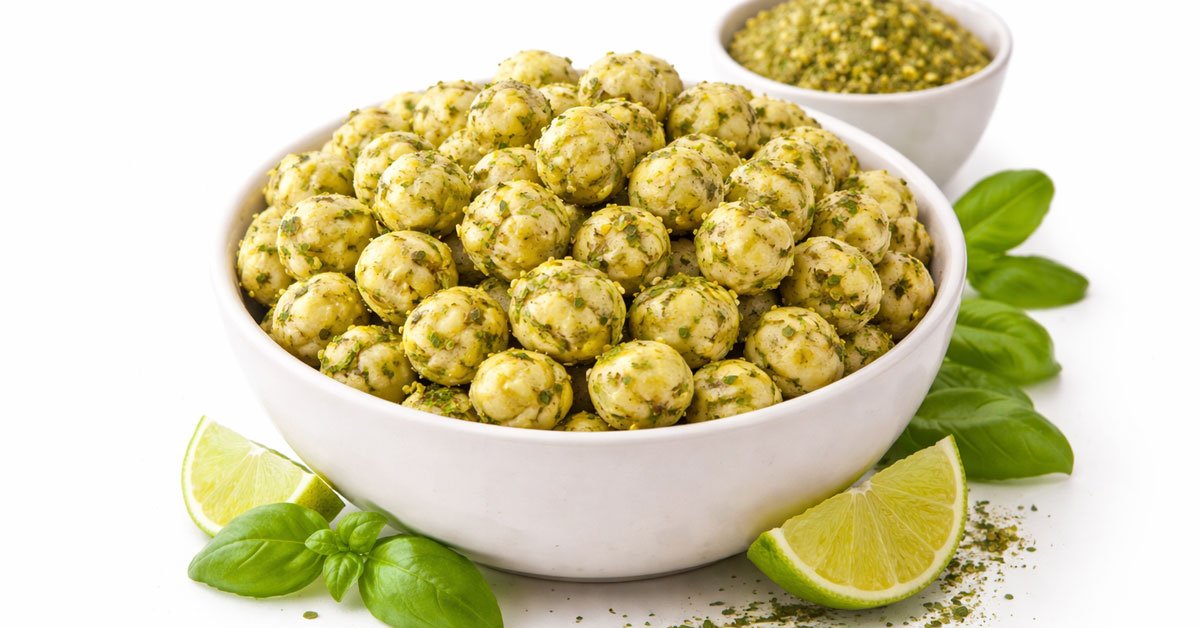
This is one of the most searched questions about makhana and for good reason. Millions of Indians are actively trying to manage their weight and looking for snacks that support rather than undermine that effort. Here is exactly what works in makhana’s favour for weight management backed by nutritional science.
- High protein at 9.7g per 100g increases satiety hormones including GLP 1 and PYY while reducing hunger signals from ghrelin
- High fiber at 14.5g per 100g slows gastric emptying so food physically stays in your stomach longer and you feel full for more time
- Low GI of 38 to 42 prevents the insulin spikes that directly trigger fat storage in adipose tissue and cause rebound cravings
- Low fat at just 0.1g per 100g means very few hidden calories from fat compared to almost every other snack food
- Low calorie density means a generous 40g serving of makhana is only around 139 calories, which is significantly less than chips, biscuits, or flavoured nuts of the same weight
Practical weight loss tip: Replace your 4 PM snack with 30 to 40g of plain or lightly spiced roasted makhana. This single daily swap can save 150 to 300 calories per day compared to chips, biscuits, or flavoured popcorn. Over 30 days that adds up to 4,500 to 9,000 calories, which is a meaningful and sustainable reduction achieved simply by changing one snack.
Makhana Market Size in India: Why This Is Not Just a Trend
Understanding the market context behind makhana’s rise helps explain why its growth is structural and not just a passing wellness fad driven by social media. The numbers tell a clear story.
- Market size in 2025: Rs 929 crore, source IMARC Group
- Projected market by 2034: Rs 1,995 crore growing at 8.85% CAGR
- Export growth: India’s makhana exports grew 4X from 6,700 MT in 2020 to 25,130 MT in 2024, source APEDA 2025
- Domestic annual growth: 17 to 18% per year from 2021 to 2025
- Price appreciation: Makhana prices rose from Rs 500 per kg in 2020 to Rs 1,250 per kg in 2025, driven entirely by premium consumer demand
- Government backing: Union Budget 2025 to 26 approved a dedicated Makhana Board for Bihar with Rs 100 crore allocation to boost production capacity and export infrastructure
- Pack size preference: 250g to 500g packs dominate with 46% market share, indicating regular repeat purchase behaviour
Key brands entering and expanding in the makhana space include Tata Sampann with peri peri and pudina variants, Farmley with QR code traceability for sourcing transparency, Haldiram’s Magic Makhana, and Mr. Makhana which has achieved international retail presence in the UK and Middle East. Online retail via Amazon, BigBasket, and Blinkit is the fastest growing distribution channel and is expected to lead the category through 2027.
The consumer driving this growth is the urban millennial aged 25 to 40 who is health conscious, digitally active, willing to pay a premium for clean label snacks, and actively replacing traditional packaged snacks with better alternatives. Makhana fits this profile perfectly across every dimension.
You May Looking For: Contract Manufacturing of Healthy Snacks
How to Prepare Makhana and Popcorn the Right Way
Getting the preparation right makes a significant difference to the nutritional outcome of both snacks. Here is how to get the most out of each one.
Best Ways to Prepare Makhana at Home
- Dry roast in a heavy bottom pan on low to medium heat for 5 to 7 minutes, stirring constantly, until each piece turns crispy. No oil is needed and this is the healthiest preparation method.
- Light ghee roast using 1 teaspoon of pure ghee per 100g of makhana adds flavour and a satisfying richness without adding significant calories or unhealthy fat
- Best spice combinations to try: turmeric with black pepper and rock salt, chaat masala with dried mango powder, peri peri with a touch of garlic powder, Himalayan pink salt alone, or pudina with cumin
- Store in an airtight container in a cool dry place and it will stay fresh and crispy for 2 to 3 months easily
- If makhana goes soft due to humidity, spread it on a pan and re roast on the lowest heat setting for 3 to 4 minutes. It will fully restore to its original crunch
- The ideal snack serving for most adults is between 30 and 50g, which is around one small bowl
Best Ways to Prepare Popcorn
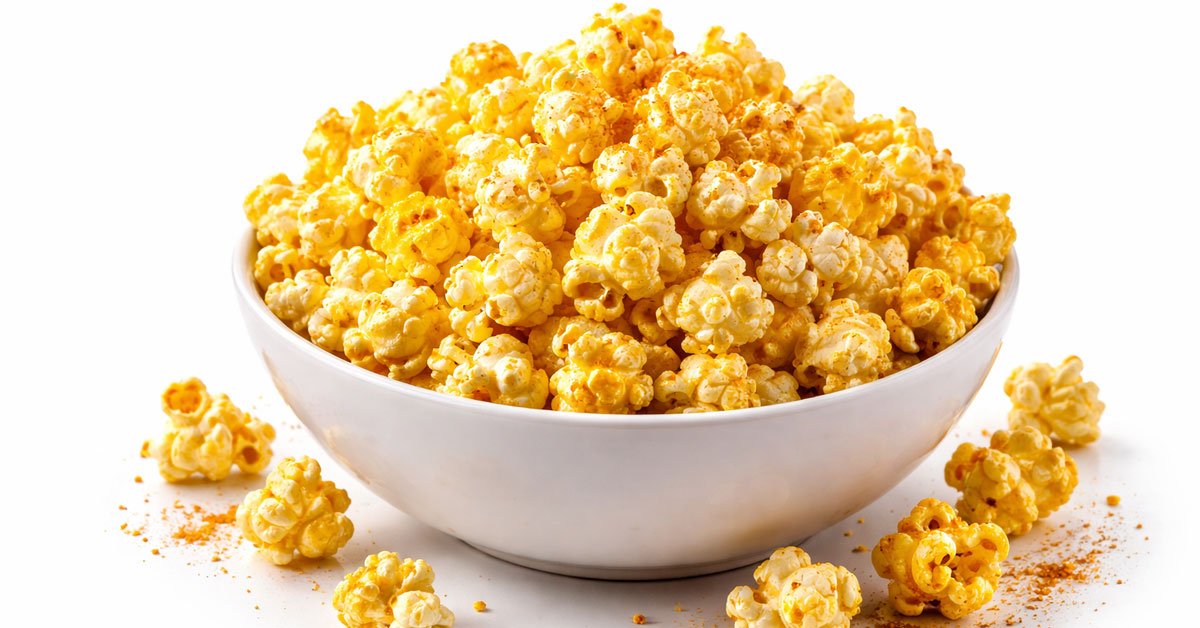
- Air pop in a microwave safe bowl with a loose lid and no oil and no butter for the healthiest version
- Season with nutritional yeast and sea salt for a natural cheesy flavour without any dairy
- Add turmeric and black pepper to plain popcorn for an anti inflammatory preparation that actually tastes good
- Avoid microwave popcorn bags, cinema popcorn with layered butter, and all commercial caramel or cheese flavoured packaged varieties
- When buying packaged popcorn, target sodium below 200mg per serving and specifically look for the absence of hydrogenated or partially hydrogenated oils in the ingredient list
Frequently Asked Questions
Which is healthier, makhana or popcorn?
Makhana is healthier overall for most Indians by a significant margin. It has lower calories, 3.2x more protein at 9.7g vs 3g per 100g, a much lower glycemic index of 38 to 42 versus 65, and substantially higher levels of calcium, magnesium, and potassium. It is also easier to digest and has no indigestible hull. Plain air popped popcorn is a decent whole grain snack but makhana delivers significantly more nutritional value per calorie across almost every health goal that matters to Indians today.
Is makhana better than popcorn for weight loss?
Yes, for most people makhana is the better weight loss snack by a clear margin. Its combination of high protein at 9.7g per 100g, high fiber at 14.5g per 100g, very low fat at 0.1g per 100g, and low glycemic index of 38 to 42 creates stronger and more sustained satiety, reduces total daily calorie intake naturally, and avoids the blood sugar spikes that trigger hunger, cravings, and fat storage. A simple swap of your afternoon snack to makhana can save 150 to 300 calories per day without any feeling of deprivation.
Can diabetics eat makhana instead of popcorn?
Yes, and this is one of the clearest and most clinically supported wins for makhana. With a GI of 38 to 42, makhana falls firmly in the low glycemic category, making it one of the safest crunchy snacks available for people managing Type 2 diabetes, pre diabetes, or insulin resistance. Popcorn’s GI of 65 means meaningfully faster blood sugar rises after eating, especially in any commercial, salted, buttered, or flavoured form. A 2022 peer reviewed human clinical study directly confirmed makhana’s low GI response. Always consult your doctor or diabetologist before making significant dietary changes to your plan.
What is the shelf life of makhana?
Plain roasted makhana stored in an airtight container in a cool dry place stays fresh and crispy for 2 to 3 months without any preservatives. Commercially packed makhana with nitrogen flushed, moisture barrier laminated packaging achieves a shelf life of 6 to 9 months. Do not refrigerate makhana as the moisture inside a refrigerator will make it go soft quickly. If your makhana becomes chewy or loses its crunch, simply spread it in a pan and re roast on the lowest heat setting for 3 to 4 minutes to fully restore it.
What is the makhana market size in India?
As of 2025, India’s makhana market is valued at approximately Rs 929 crore growing at 8.85% CAGR and is projected to reach Rs 1,995 crore by 2034 according to IMARC Group. The domestic consumption growth rate was 17 to 18% annually from 2021 to 2025. Bihar produces over 90% of India’s entire makhana supply. The Union Budget 2025 to 26 approved a dedicated Makhana Board for Bihar with Rs 100 crore allocated specifically to boost production capacity and export infrastructure, reflecting strong government confidence in the category’s long term potential.
How do you start a makhana brand in India?
Starting a makhana brand in India involves five core steps. First is food product development and seasoning formulation, which means creating unique flavour profiles that adhere consistently to the makhana surface, remain stable through the shelf life, and meet clean label ingredient requirements. Second is sourcing high grade makhana kernels of consistent size and quality from Bihar based suppliers. Third is partnering with an FSSAI compliant contract manufacturer for hygienic production at the required scale. Fourth is designing packaging that protects against moisture, extends shelf life, and stands out at retail. Fifth is building your distribution through D2C, Amazon, and quick commerce platforms like Blinkit and Zepto. Foodsure specialises in all five of these areas and helps new makhana brands go from concept to retail shelf faster and with fewer costly mistakes.
Ready to Launch Your Own Makhana Brand?
From seasoning formulation and packaging design to contract manufacturing and FSSAI compliance, Foodsure handles the entire product development process under one roof. We have helped food startups across India go from concept to retail shelf.
The Verdict
If you are choosing a daily snack for health, makhana is the clear and well supported winner. It is higher in protein, dramatically lower in fat, significantly better for blood sugar control, far richer in essential minerals, and much gentler on digestion. Clinical evidence, nutritional data, and traditional usage all point in the same direction.
Popcorn is not a bad snack in its plain air popped form. It has good whole grain fiber and polyphenol antioxidants. But it is genuinely difficult to eat popcorn without any flavouring in real life, and the moment you add toppings the health equation shifts quickly and significantly against it. Most people eating popcorn regularly are eating a very different product from the plain version that nutrition studies evaluate.
Make makhana your default daily snack, especially if you are managing weight, blood sugar, gut health, or simply trying to eat better without sacrificing the satisfaction of a crunchy snack. Popcorn can stay as your occasional movie night treat, ideally made at home without heavy butter or commercial seasoning mixes.
Sources and References
- IMARC Group, India Makhana Market Size, Share, Trends and Forecast Report 2025 to 2034
- APEDA Monthly Dashboard, Makhana Fox Nut Export Data, September 2025
- MarkNtel Advisors, India Makhana Market Analysis and Forecast, 2026
- Liaquat et al. 2022. Roasted fox nuts contain higher phenolics, flavonoids, minerals and antioxidants and exhibit lower Glycemic Index in human subjects. Food Production, Processing and Nutrition, Volume 4, Issue 1. DOI 10.1186/s43014-021-00081-x
- USDA Food Data Central, Nutritional composition data for air popped popcorn
- ICMR NIN, Indian Food Composition Tables 2017, National Institute of Nutrition