Food wastage is arguably one of the key issues that both homes and food-related organizations are grappling with currently. Regardless of whether you are operating at a personal or commercial level, as well as your organizational size, knowledge on appropriate methods of preservation is increasingly important. According to a report from the UN Food and Agriculture Organization, the global food loss and wastage amounts to around 1.3 billion tons annually and represents almost one-third of all food that gets produced for human use.
Just looking at this number gives you an idea of the impact that inappropriate food preservation strategies can have – not only economically but environmentally and nutritionally too.The problem is faced equally by all food producers regardless of size who want to know what the best method is to preserve their foods for longer without affecting their nutrition, safety, and quality. Appropriate Food Preservation Methods will help minimize wastage and add value to the producer and consumer.
What are the Methods of Food Preservation?
It should be pointed out that food preservation is far from being a relatively new idea. Throughout history, humans have preserved their food since ancient times. Starting from Egyptians salting their fish up to traditional Asian and Middle Eastern peoples fermenting grains. The difference lies only in the sophistication and extent of these practices.
Preservation methods can be classified based on three main aspects physical, chemical, and biological. Physical methods include heating or freezing, dehydrating, and irradiating the products. Chemical ways of preservation involve salt, sugar, acidic compounds, and artificial preservatives. Among biological methods there is fermentation with the usage of helpful bacteria.
Methods of Food Preservation: Balancing Tradition, Innovation, and Consumer Demands
There quite a few varieties of methods of food preservation can be handy for certain types of products drying and canning fit very well with fruits and vegetables, whereas salting or smoking are the best choices for meats, dairy, and grains, for example.
By 2026, the majority of consumers would be willing to give preference to clean-label solutions which are free from artificial additives, naturally high in nutrition and in the least, environmentally sustainable in the aspect of their production. It is the brands that meet these very demands that actually have prosperity others on the contrary, fail.
| Feature | Traditional Methods | Modern Methods |
|---|---|---|
| Cost | Low | High investment |
| Shelf Life | Moderate | Extended |
| Nutrition Loss | Some | Minimal |
| Scale | Household | Industrial |
| Consumer Trust | Familiar | Science-backed |
Traditional methods such as fermentation and pickling are cheap and familiar but the shelf life they offer is very limited. Today, technologies such as high-pressure processing (HPP), pulsed electric fields, and irradiation provide a better way of keeping nutrients and can be scaled up easily, which is suitable for startup companies. Environmentally friendly methods like freeze-drying are the ones that attract buyers who care about their health. To Foodsure innovators, the combination of both will produce products that can be marketed, cater to the environment, and keep on earning people’s trust for a long time.
Trends Driving Methods of Preservation in 2026
There has been an extensive shift regarding food preservation strategies. Consumers’ needs, technology advancement, increasing sustainability concerns, and changes in regulations have affected food preservation methods.
Important trends shaping preservation method choices in 2026:
- Increasing consumer need for natural methods of food preservation.
- Increase in the use of vacuum packing and modified atmosphere packaging for foods.
- Increased adoption of fermentation methods as preservation techniques and foods.
- Emergence of smart cooling and refrigerators enabled by IoT for home use.
- Need to produce clean label products forcing companies to minimize artificial preservatives.
- Freeze-dried food adoption is rising among consumers for preparedness and outdoor purposes.
- Increase in food long-term storage plans for household use following the pandemic.
- High-pressure processing is becoming the go-to choice for premium ready-to-eat food brands.
- Research on edible coatings made from plant material as alternative sustainable preservation methods.
- Government agencies increasing control over synthetically manufactured additives used in commercial foods.
Companies and consumers who follow these trends will be much more capable of making well-informed choices regarding food preservation in the future.

Core Components of Effective Preservation
All good methods of preservation depend on a number of essential fundamentals. Regardless of whether it is preservation in your personal kitchen or establishment of a professional business, such fundamental elements cannot be overlooked to ensure safety and sustainability of the process.
| Component | Key Activity | Expected Outcome |
|---|---|---|
| Temperature Control | Consistent Heating/Cooling | Microbial Reduction |
| Moisture Management | Drying or Sealing | Spoilage Prevention |
| Oxygen Control | Vacuum Packaging | Oxidation Prevention |
| pH Regulation | Acidification Process | Bacterial Inhibition |
| Packaging Integrity | Airtight Sealing | Extended Shelf Life |
Food preservation methods that do not consider these factors are likely to fail. For instance, canning foods without the application of sufficient heat treatment may result in the proliferation of Clostridium botulinum, which produces one of the most deadly toxins causing some of the most serious cases of food poisoning globally.
The temperature is the most important factor affecting food preservation, irrespective of the method involved. Refrigeration, pasteurization, and sterilization all rely on temperature, determining the shelf life of food and its nutrition level.
Managing moisture is the next important factor to be considered during food preservation. Drying eliminates the presence of moisture that microorganisms require for survival. All food preservation techniques, such as solar, spray, and freeze-drying depend on the elimination of moisture content from food items. Oxygen can be managed using methods of vacuuming or modified atmosphere packaging, preventing oxidation of fat and oil products.
Challenges Faced in Methods of Food Preservation
Despite proven techniques, common pitfalls persist across home kitchens and industrial facilities, leading to spoilage, nutrient loss, and safety risks.
Key challenges in food preservation include:
- Inadequate thermal processing: Failing to reach precise temperatures leaves pathogens alive, causing incomplete preservation.
- Substandard packaging: Poor barriers let in moisture and oxygen, accelerating oxidation and spoilage.
- Inadequate pre-preservation sanitization: Contaminated surfaces introduce bacteria or molds into products.
- Overuse of chemical preservatives: Excess additives alter taste, texture, and long-term safety, eroding consumer trust.
- Inaccurate labeling: Misstated shelf life or storage instructions confuses users and invites waste.
- Cross-contamination in storage: Mixing new and old stock speeds up spoilage through microbial transfer.
- Ignoring water activity (AW) levels: Low-moisture foods still develop mold if AW isn’t controlled.
- Cold chain inconsistencies: Temperature fluctuations during transport or storage undermine refrigeration effectiveness.
Addressing these boosts product quality, sustainability, and market success for F&B innovators.
All mentioned issues apply to both individual and commercial food storage techniques. Solving them involves a systematic and well-grounded strategy.
Development Stages in Methods of Preservation
Regardless of whether one is creating an effective system for preservation at home or planning to create a business that involves Food Preservation, there are specific stages to be followed. Each of these stages is essential in ensuring that the end product is safe, stable, and nutritious.
| Stage | Key Activity | Expected Output |
|---|---|---|
| Stage 1 | Food Assessment | Product Profile |
| Stage 2 | Method Selection | Preservation Plan |
| Stage 3 | Trial Batches | Safety Validation |
| Stage 4 | Packaging Audit | Label Accuracy |
| Stage 5 | Shelf Life Testing | Stability Data |
| Stage 6 | Compliance Review | Regulatory Approval |
Food preservation techniques that do not include steps such as the testing phase and verification of the shelf life have a high tendency to fail. If a food item that was initially determined to be safe upon preparation begins to experience off-flavor, discoloration, or contamination by microorganisms after several days or months, it indicates that there is no proper testing.
The systematic method can be used by hobbyists learning how to store food at home, who should conduct the process through testing small batches, observing whether there are any signs of spoilage, and improving the technique gradually.
The successful implementation of long-term food storage will only be possible when every step of the process is recorded and analyzed. This practice is the only way to distinguish between a successful food preservation technique and an unsuccessful one.
The Step-by-Step Guide to Preservation Techniques
Selecting the appropriate food preservation method requires a systematic approach that takes into consideration food type environment shelf life, and safetythis is a must for both home cooks and F&B manufacturers.
- Evaluating food type: Identify whether the food is high-acid (e.g. fruits), low-acid (e.g. vegetables/fish), high-moisture, or high-fat to determine compatible preservation methods such as canning or freezing.
- Method should fit the need: Consider intrinsic properties (pH, AW) and required shelf life, go for eco-friendly choices HPP instead of chemicals.
- Get equipment ready: Sanitize and adjust instruments like jars sealers dehydrators, or pressure cookers for dependable results.
- Measure factors: Record temperatures, durations, and pressures accurately to preclude under- or over-processing.
- Choose excellent packaging: Select food-grade, BPA-free packaging materials that are impermeable to oxygen, light, and moisture.
- Make labeling comprehensive: Provide processing date procedure shelf life, and storage directions for clarity.
- Ensure proper storage: Store in cool dry dark places away from heat, sunlight, or sudden changes of humidity.
- Carry out FIFO: Regularly change the stock (first-in, first-out) to avoid unnoticed spoilage. Stick to this scheme for safe, nutritionally conserved and market-ready preserved foods.
Navigating Clean Label Barriers in Food Stabilisation
Clean label has stopped being a premium concept in the world of food production, and it is slowly becoming an essential element in food processing and preservation. By 2026, any consumer checking out labels will avoid buying anything that includes any chemical name, especially when talking about food products to be stored in the long run.
Considerations that should be made when preserving food in a clean label way:
- Use of alternative preservatives rather than using chemicals such as sodium benzoate, potassium sorbate, and BHA/BHT.
- Use of natural preservatives including salt, vinegar, honey, rosemary extract, and citric acid as preservatives.
- Elimination of any unnecessary color additives and flavors from food products.
- Incorporation of all preservatives included into products through total transparency of labeling.
- Replacement of any chemical packaging materials with organic/natural material whenever possible.
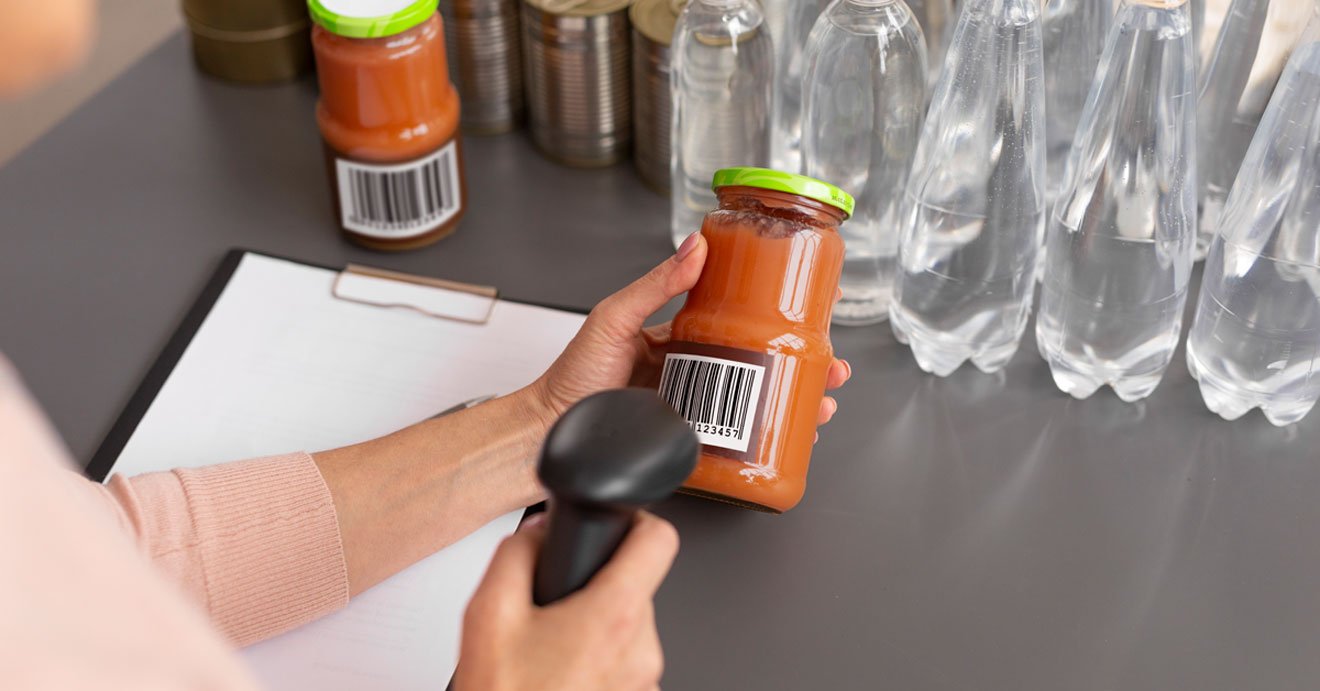
- Inclusion of information about preserving technique and shelf life on each food label.
Clean label preservation is not just about elimination of certain products, but using natural ingredients in their place.
Emerging Formats in Long Term Food Storage
The future of long-term food storage methods is much more than the glass jars and tin cans kept on a pantry shelf. By 2026, there have been significant developments in food preservation methods that have revolutionized food storage methods for individuals and companies alike.
| Format | Shelf Life | Best Suited For |
|---|---|---|
| Freeze-Dried Pouches | 25+ Years | Emergency Kits |
| Vacuum-Sealed Bags | 2–5 Years | Grains, Meats |
| Mylar Bags | 20–30 Years | Dry Staples |
| Modified Atmosphere Packs | 1–3 Years | Fresh Produce |
| Oxygen Absorber Cans | 10–25 Years | Bulk Dry Foods |
New food storage format trends include:
- Freeze-dried meals for outdoorsmen, military, and emergency workers.
- Ready-to-eat meals made using high-pressure technology and designed for conscious urban consumers.
- Edible food packages made out of seaweed, rice starch, and film from plants.
- Time-temperature smart food packages with indicators for measuring freshness.
- Convenient single-serve storage bags that help minimize food waste.
- Retort pouches replacing metal containers for making ready-to-eat foods by heating.
Format innovations in food preservation technologies have become increasingly popular. Based on the data provided by Innova Market Insights, packaging innovation is among the five most important factors in consumer food purchasing decision-making processes in 2026. Formats that effectively preserve foods and are at the same time convenient for consumers are the winners in the current market competition.
The core standards for food preservations
High-quality standards in manufacturing are crucial for the establishment of an effective commercially viable system of methods of preservation. Irrespective of whether it happens in a domestic kitchen or in a large-scale industrial unit, the standards of manufacturing have an immense impact on the safety and shelf-life of every preserved product made available to consumers.
Hazard Analysis and Critical Control Points (HACCP) serves as the internationally recognized standard framework for food preservation methods. The process mandates all organizations to conduct hazard analysis within the manufacturing process and develop preventive measures to mitigate these risks from affecting end users.
Major manufacturing standards defining commercially viable methods of food preservation:
- Testing of the raw materials prior to their processing on the preservation line.
- Verification of each heating process through time-temperature tests performed in approved laboratories.
- Complete record keeping of all batches for traceability in case of product recalls.
- Verification of claimed shelf-life periods through accelerated shelf-life tests.
- Approval of all packaging materials as food-safe, with appropriate migration test results.
Only through adherence to such manufacturing criteria is commercial-scale long-term food storage possible. Any breach in meeting these criteria will result in a failure of quality, putting consumer and business interests in jeopardy.
Conclusion
Foods can be preserved using methods ranging from ancient salt preservation and sun drying to advanced technologies such as freeze-drying, high-pressure processing, and smart packaging solutions. Selection of the proper method for preserving foods is not only important when it comes to increasing shelf life. Proper selection also involves the maintenance of nutritional value, prevention of food wastage, assurance of food safety, and establishment of trust, whether you are dealing with family at home or a vast number of consumers.
We at Foodsure believe that food storage over the long term is only possible for those people who commit to gaining knowledge, using the correct equipment, and following an organized system in all their food preservation decisions. Our experience guarantees that your food will be safe, legal, and of the best quality.
FAQs
Which are the most efficient forms of preservation in homes?
The most efficient methods in terms of efficacy and ease of accessibility are canning, freezing, dehydration, and fermentation.
Why is food preservation important to avoid food wastage?
Food preservation is vital in helping foods remain useful without going bad for more extended periods.
What is the safest food storage technique?
The safest and the most long-lasting form of storing foods involves freeze drying and packing foods in vacuum sealed Mylar bags.
Does food preservation require chemical preservatives?
The answer is no. Food preservation requires natural preservatives such as salts, acids, and vinegar.
How to preserve foods without refrigeration?
The methods involve fermentation, dehydration, canning, and salting.
What is the difference between preservation and storage?
Preservation aims at preserving the food from spoilage while storage helps maintain the quality of the preserved foods.
When should you check on food storage techniques?
Review these techniques twice in a year or any time there are changes in products or packaging material used.