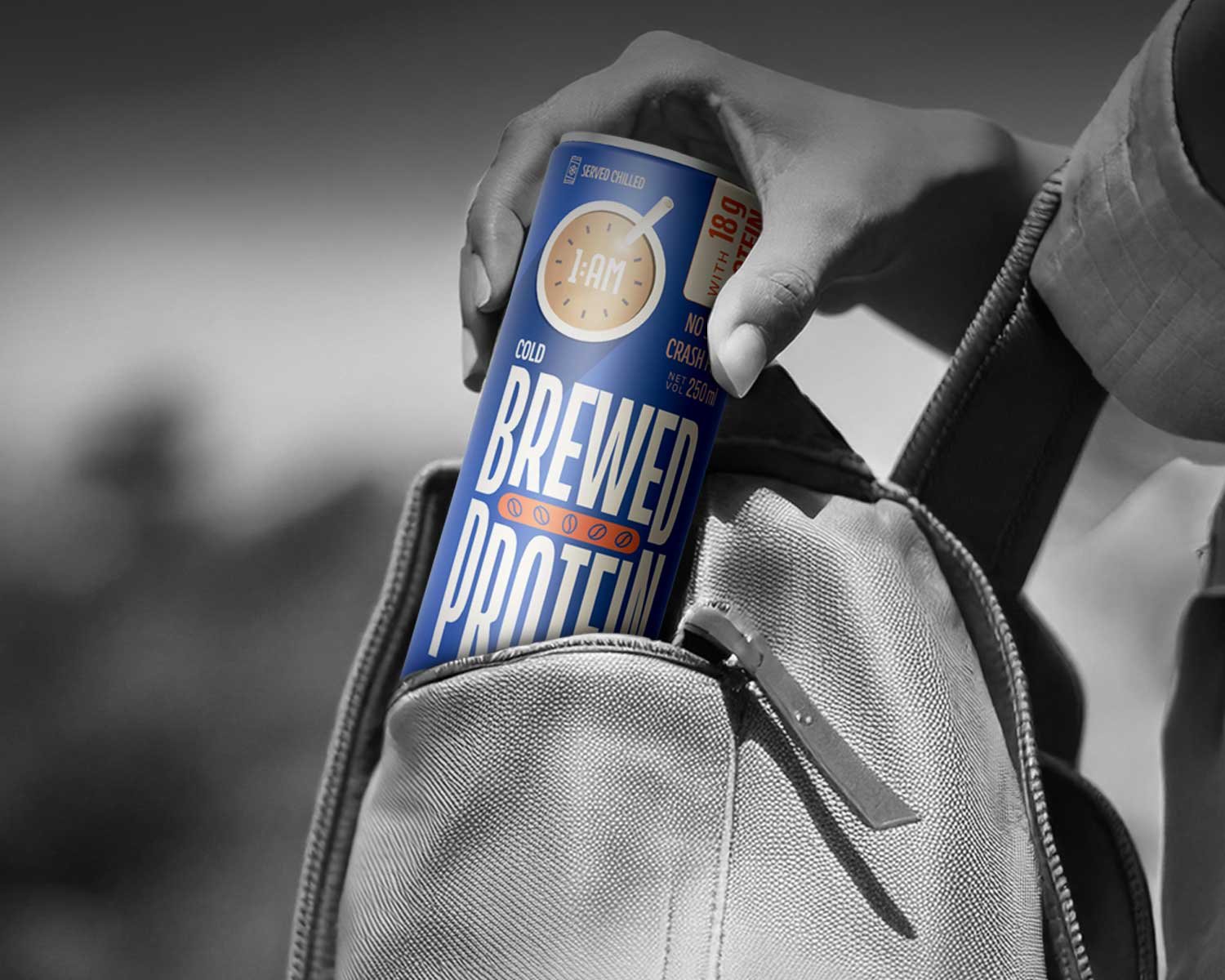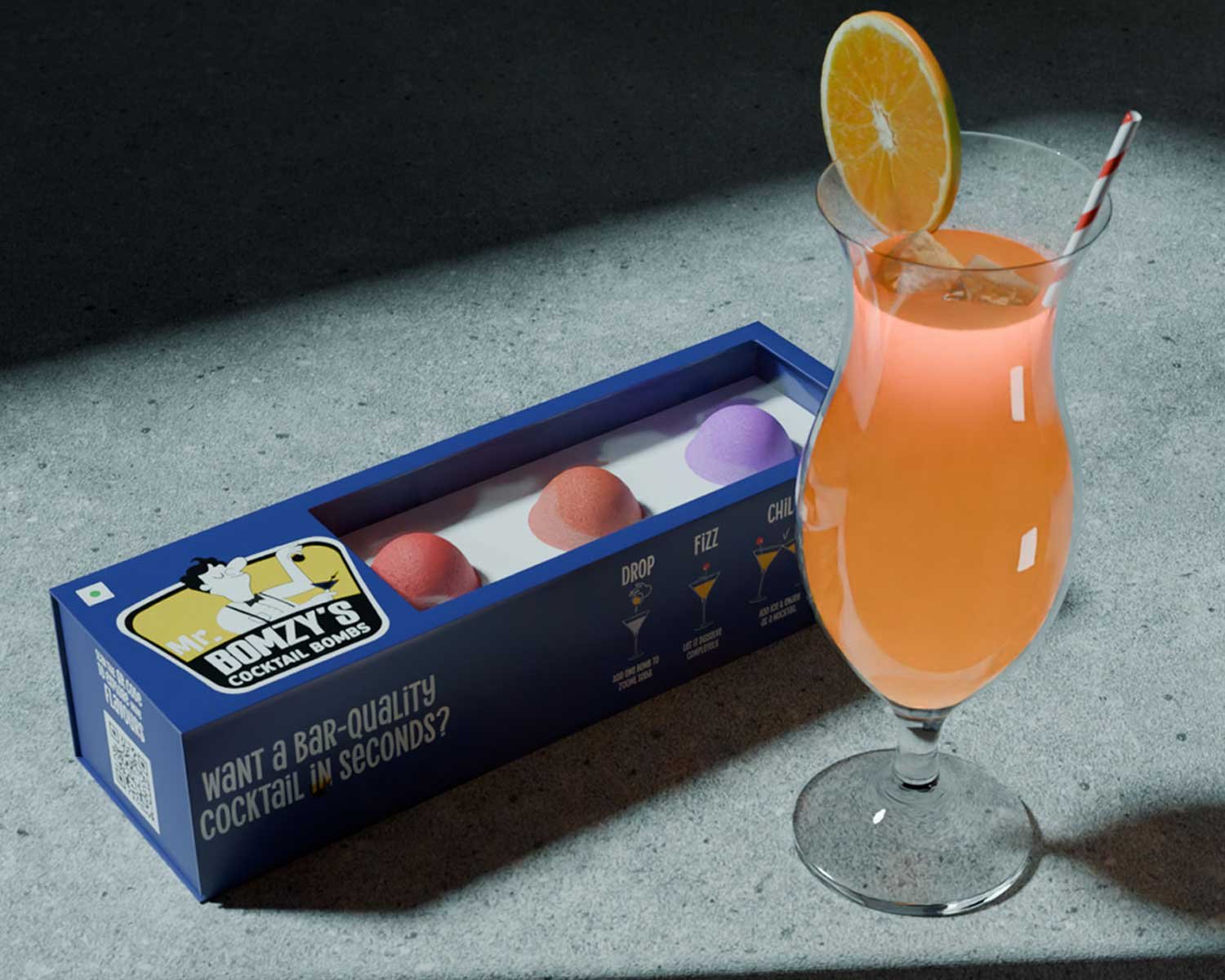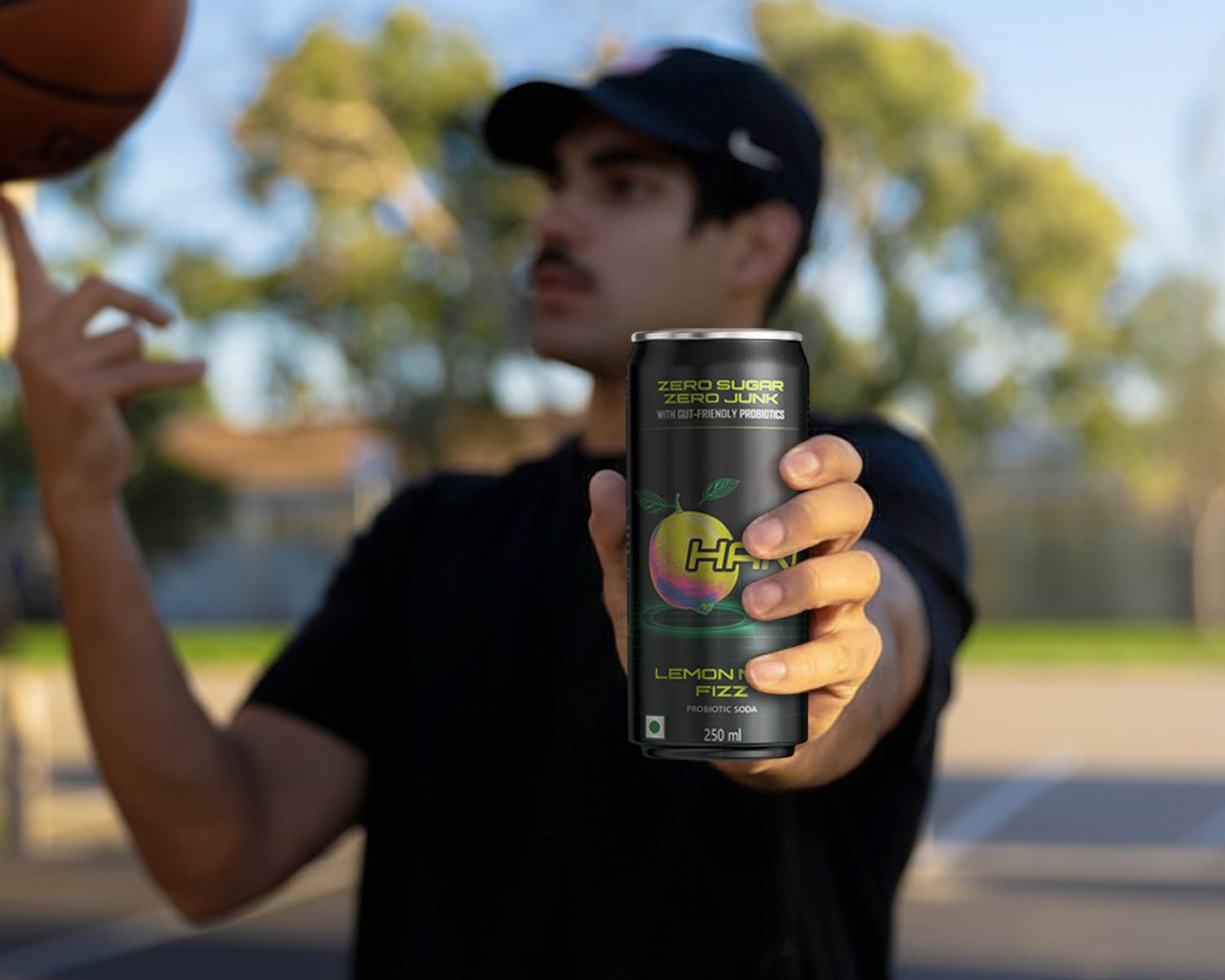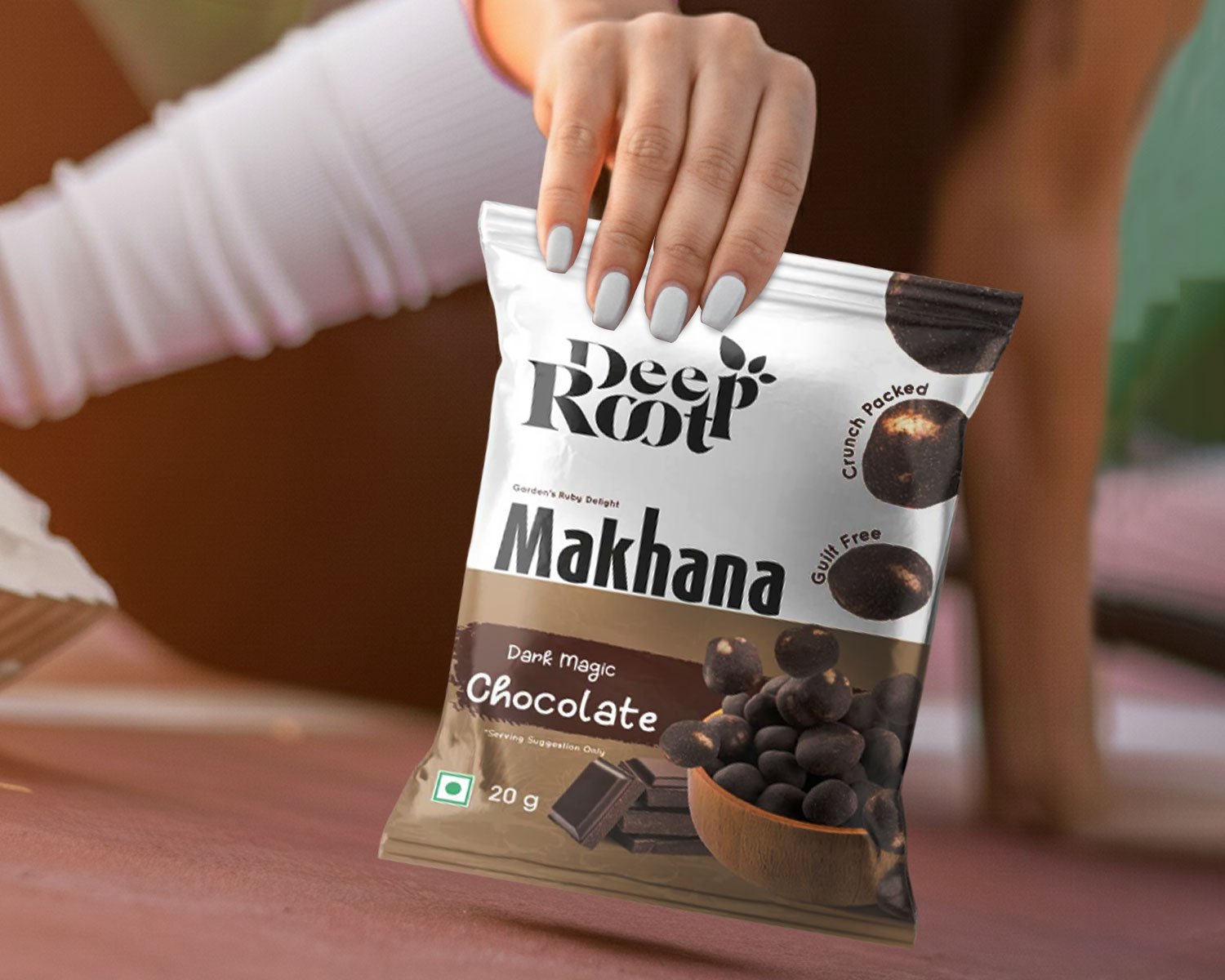
Global nutrition is facing major challenges. Even though a large number of people don’t have access to balanced diets, diet-related diseases are increasing in markets that are full of food options. This is not just a problem of supply; it is a problem of development. The way food is designed, produced, and scaled gradually decides who gets nourished and who doesn’t.
Food Innovation systems can no longer be considered as a matter of novelty. It has become a question of accountability. Smarter formulations, better sourcing, and manufacturing models that can really reach people at scale. In this transition, Modern Foods Development has become a feasible solution to the existing nutrition gaps rather than a trend.
The Global Nutrition Challenge We Can’t Ignore
Today, the world consumes more calories than ever before, yet nutritional quality is declining. Many communities face a double burden of malnutrition where undernutrition, micronutrient deficiencies, obesity, and chronic diseases exist at the same time.
Busy lifestyles and urbanisation have pushed people toward processed foods that are high in energy but low in nutrients. As a result, the demand for healthier and smarter food solutions is growing rapidly.
At the same time, the food industry is dealing with:
- Climate change and resource pressure
- Supply chain disruptions
- Rising ingredient costs
- Complex regulatory requirements
To stay competitive, food brands must deliver healthy, affordable, and scalable products while continuing to innovate. This is where modern food development and scientific food product development play a critical role.
Want to optimise your Food Business? Request a free consultation!
Explore Our Exclusive Food Product Development
What Modern Foods Development Really Means Today
Modern food innovation is no longer about new flavours or attractive packaging. It is about solving real nutritional challenges through thoughtful design.
Modern food development begins with a clear purpose:
- Who is the product for?
- What nutrition problem does it solve?
- Can it be manufactured efficiently?
- Will it remain stable throughout its shelf life?
This approach combines three key areas:
- Nutrition science
- Process engineering
- Regulatory compliance
From the early stages, products are designed for large-scale manufacturing, ensuring that formulations remain stable, cost-efficient, and compliant with regulations.
For growing brands, this approach reduces risks such as:
- Costly reformulations
- Regulatory issues
- Manufacturing inconsistencies
How Modern Foods Development Is Changing Nutrition Outcomes
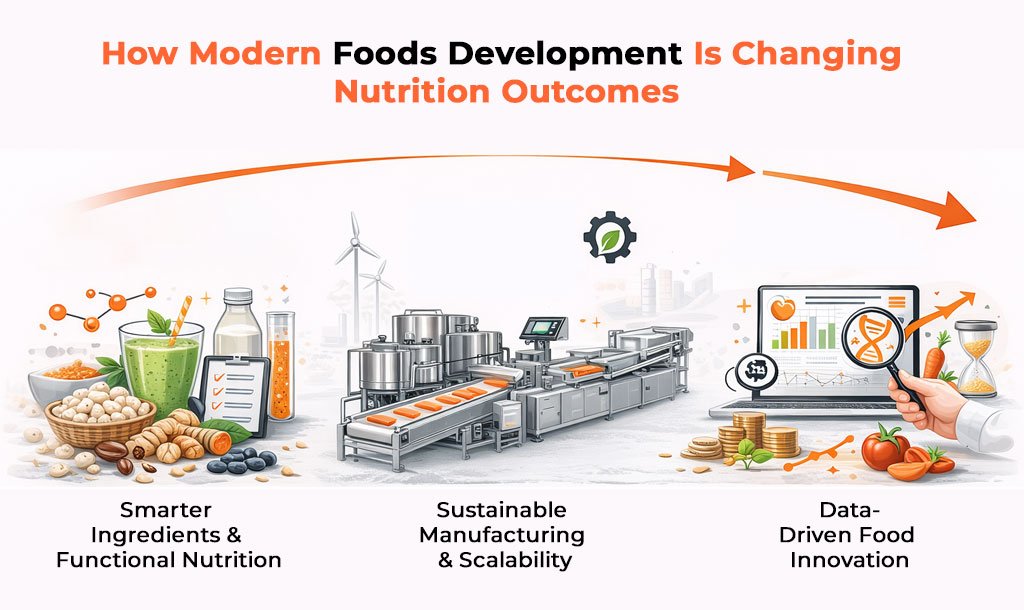
1. Smarter Ingredients & Functional Nutrition
Ingredient selection plays a major role in modern food formulation. The goal is no longer just flavour but nutritional functionality.
Examples include:
- Protein blends that improve amino acid profiles
- Prebiotic fibres that support gut health
- Micronutrient fortification to reduce deficiencies
- Plant-based ingredients for sustainable nutrition
When done correctly, food becomes a reliable delivery system for nutrition, rather than just a marketing claim on the label.
2. Sustainable Manufacturing & Scalability
Good nutrition alone is not enough. Products must also be manufacturable at scale and affordable for consumers.
Modern Food development focuses on:
- Waste reduction
- Energy-efficient production
- Ingredient sourcing optimisation
- Manufacturing consistency
By designing products with scalability in mind, brands can move smoothly from pilot production to commercial manufacturing. This reduces waste, prevents reformulation costs, and supports long-term sustainability.
3. Data-Driven Food Innovation
Food innovation today relies heavily on data and research.
Modern food companies use:
- Consumer behaviour data
- Clinical nutrition studies
- Product stability trials
- Market trend analysis
This data-driven approach allows companies to develop more effective products faster, while ensuring claims are backed by real evidence. It also builds consumer trust, which is becoming increasingly important in the global food market.
Explore related insights
Read More About: New Food Innovations in Food Industry
What This Means for Startups, Manufacturers, and Growing Brands
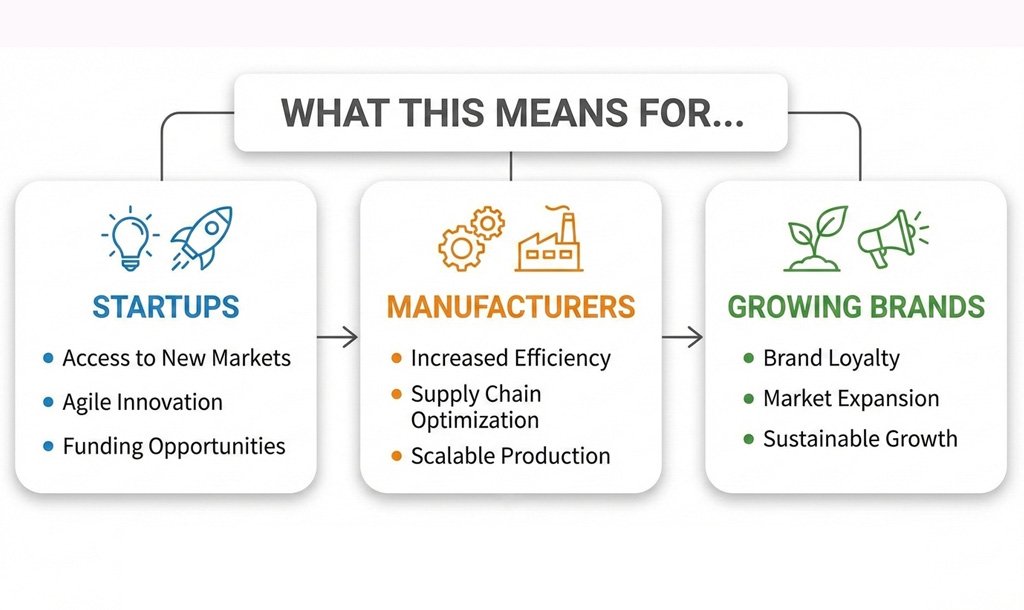
For startups and emerging food companies, the expectations are higher than ever. Consumers carefully read ingredient labels. Regulators enforce strict standards. Retailers demand consistency and reliability. However, modern food product development also creates new opportunities.
Smaller brands can compete effectively by focusing on:
- Clear nutrition goals
- Smart ingredient selection
- Efficient food formulation
- Scalable production systems
Collaboration also plays a major role. Working with experts in nutrition science, manufacturing, and compliance helps brands launch products faster while reducing risks.
How Foodsure Is Driving Modern Foods Development
Foodsure helps brands turn food ideas into scientifically designed, scalable products.
The focus is not on hype but on practical, evidence-based development.
Key areas of support include:
- Nutrition-focused food formulation
- Scalable food product development
- Manufacturing optimisation
- Regulatory and compliance guidance
- Shelf-life testing and pilot trials
Foodsure works closely with startups, FMCG companies, and health-focused brands that want to create high-quality modern food products.
Future of Global Nutrition Starts with Smarter Food Development
Global nutrition challenges cannot be solved by intention alone. They require smarter food development, responsible production, and scalable innovation.
Companies that invest in modern food development can create products that:
- Improve consumer health
- Support sustainable production
- Build long-term business success
Better food formulation and product development decisions today will shape the future of global nutrition.
Build nutrition-forward food products with Foodsure.
Book a free consultation and turn your idea into a market-ready product.
Explore related insights
Read More About: What is Food Production? Complete Overview
Need Help Developing Your Food Product?
Foodsure helps startups and FMCG brands turn food ideas into successful, market-ready products. From formulation to manufacturing, we simplify the entire journey so you can launch faster, safer, and more profitably.
Why 500+ Brands Choose Foodsure
- R&D and product formulation support
- Cost optimisation without quality compromise
- Private label and co-manufacturing solutions
- Regulatory and compliance guidance (FSSAI, labelling)
- Pilot trials, shelf-life testing, and stability studies
- Packaging, scaling, and go-to-market support
Who We Work With
- D2C founders launching their first product
- FMCG companies expanding product lines
- Restaurants & cloud kitchens creating packaged foods
- Health, fitness, and Ayurveda-focused brands
- Export brands needing compliant formulations
Book a Free Consultation
Tap into expert guidance for your food product. Whether it’s R&D, formulation, scaling, or manufacturing, our team will help you build the perfect solution.
FAQs
Q1. What is modern food production?
Modern food production uses advanced technology, machinery, and scientific methods to produce, process, and distribute food efficiently on a large scale.
Q2. What are the advantages of modern food?
Modern food offers longer shelf life, convenience, improved food safety, and year-round availability.
Q3. What is modern Indian food?
Modern Indian food blends traditional flavours with global cuisines, modern cooking techniques, and innovative presentation.
Q4. What are the 10 most popular foods?
The most popular foods globally include pizza, burgers, pasta, rice, noodles, fried chicken, sandwiches, tacos, sushi, and curry.
Q5. What is the oldest modern food?
Bread is considered one of the oldest modern foods still widely consumed today.
Q6. What is the Gen Z trend in food?
Gen Z food trends focus on plant-based foods, sustainability, bold flavours, health-conscious eating, and social-media-driven aesthetics.
Q7. What is the world’s No. 1 food?
Pizza is often considered the world’s most popular food due to its global consumption and versatility.