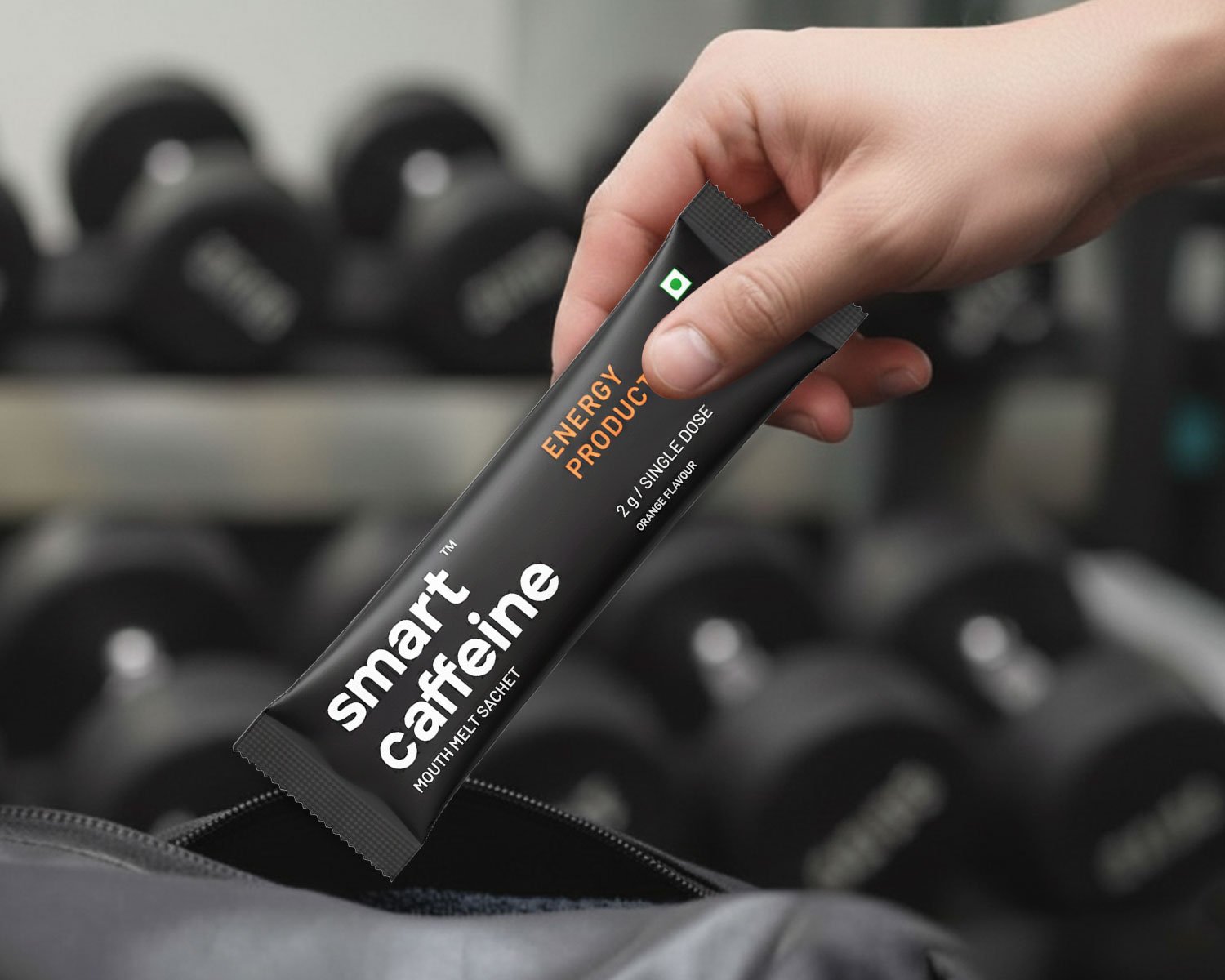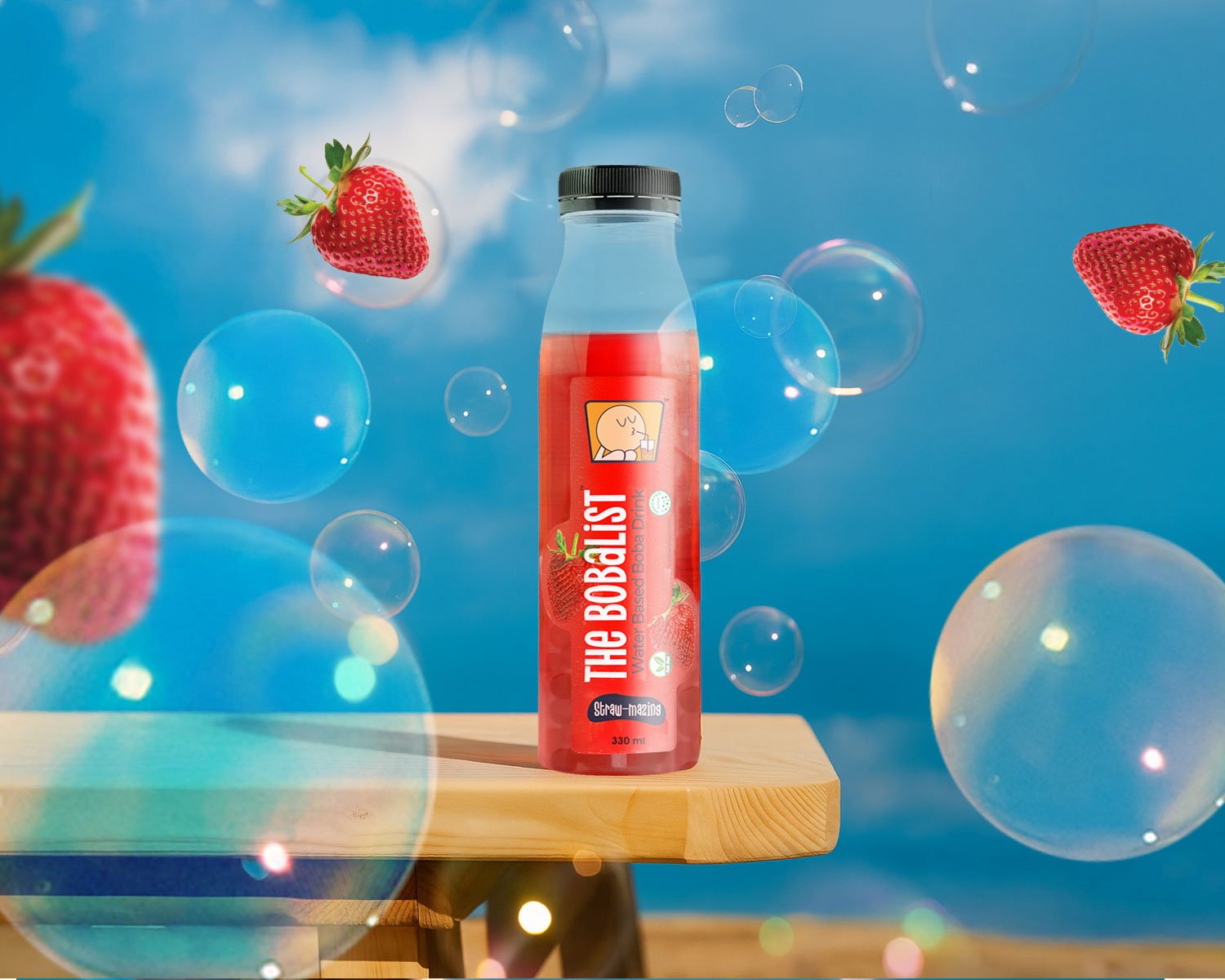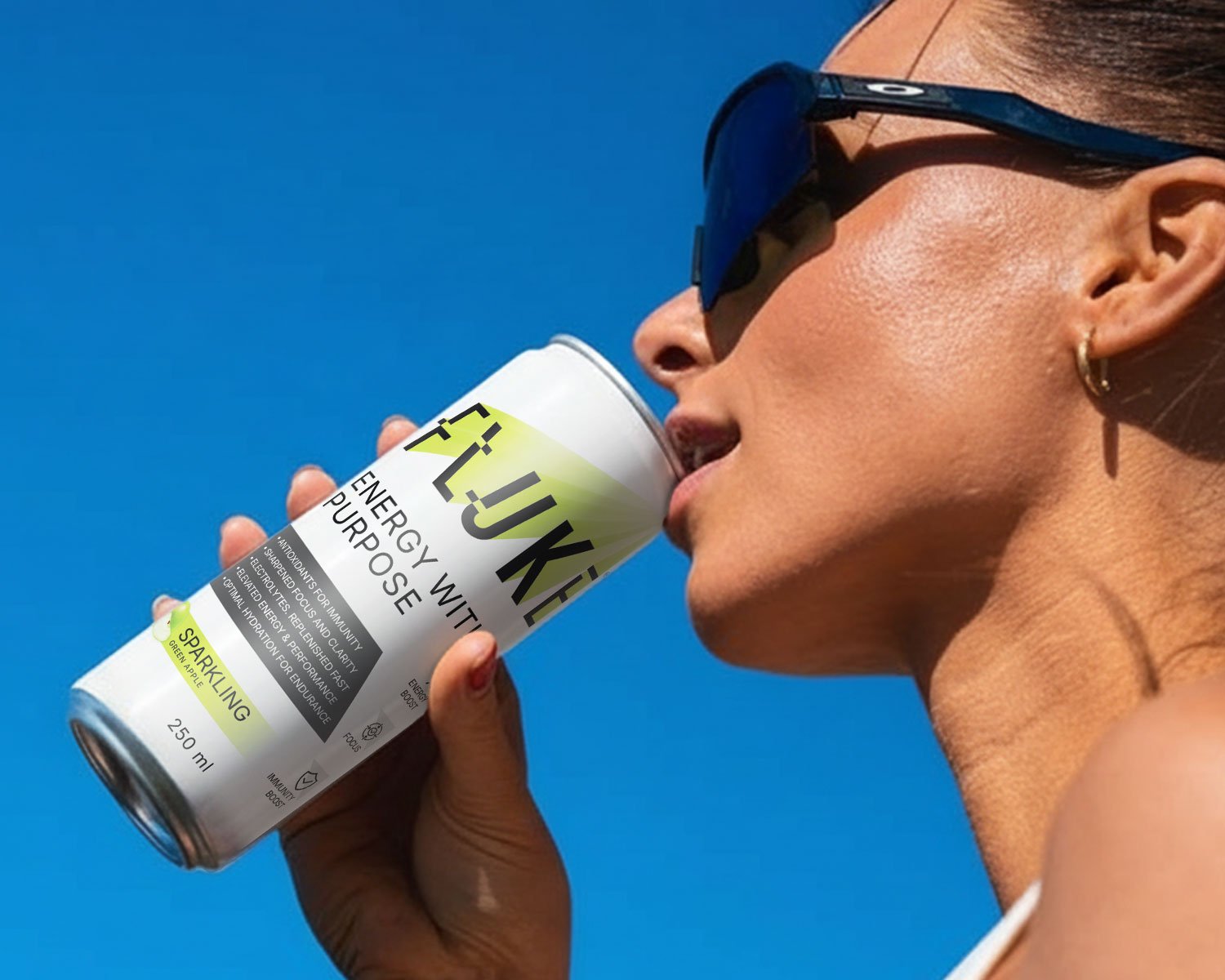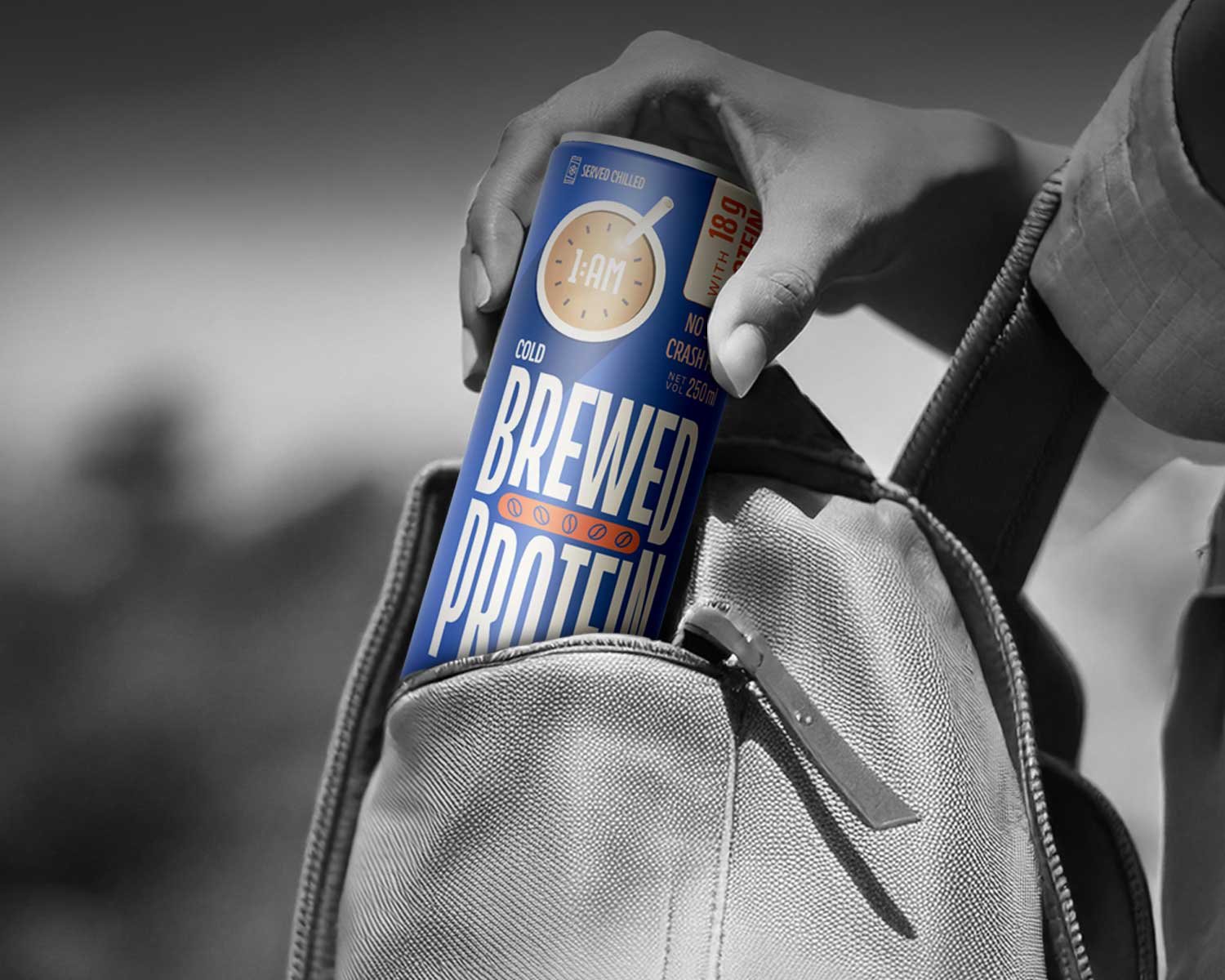
People are choosing beverages that promote their health in a world that starts with caffeine and ends with stressful nighttime hours. Consumers have shifted from temporary energy solutions to mood-boosting beverages which provide relief from anxiety, fatigue and mental burnout. The scientifically developed drinks combine nutritional elements with neuroscience research and herbal knowledge to produce effective mood enhancer drinks and mood beverages. Brands create new focus-enhancing beverages and adaptogen and nootropic drinks for stress through the use of adaptogens, nootropics, and compounds found in dopamine-boosting drinks to enhance mood and mental clarity.
The Neuroscience of Mood: Why Dopamine Matters in Drinks?
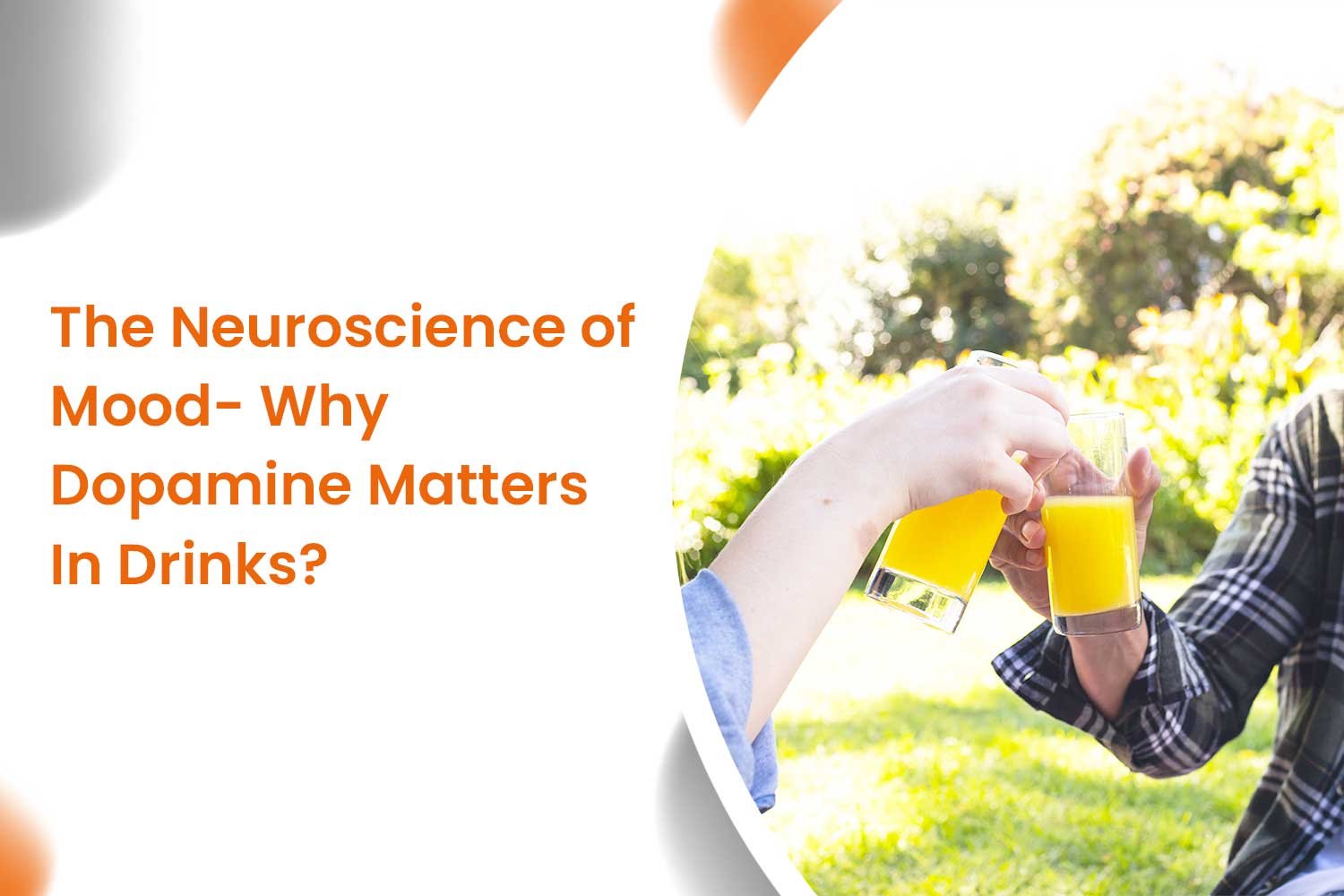
Dopamine is a key neurotransmitter responsible for motivation, pleasure, attention, and emotional balance. Low dopamine levels can lead to fatigue, mood swings, and low motivation. While dopamine cannot be consumed directly, several nutrients support its production, making them common ingredients in dopamine-boosting drinks, mood-boosting beverages, and modern focus-enhancing beverage formulations.
| Ingredient | Role in Mood & Brain Function | Use in Mood-boosting Beverages |
|---|---|---|
| L-Tyrosine | A dopamine precursor that supports mental performance under stress | Used in mood enhancer drinks and stimulating beverages |
| Vitamin B6, B9, B12 | Support neurotransmitter production and brain metabolism | Common in mood-enhancing drinks |
| Magnesium | Helps regulate neurotransmitters and dopamine receptor activity | Added to functional mood beverage formulas |
| Mucuna Pruriens | Natural source of L-DOPA that supports dopamine production | Used in adaptogen and nootropic drinks for stress |
By 2026, many mood booster drinks will combine these ingredients with adaptogens and nootropics to support mental clarity, motivation, and balanced drink mood experiences.
Mood-Boosting Beverages: Adaptogens for Stress Balance & Better Mood
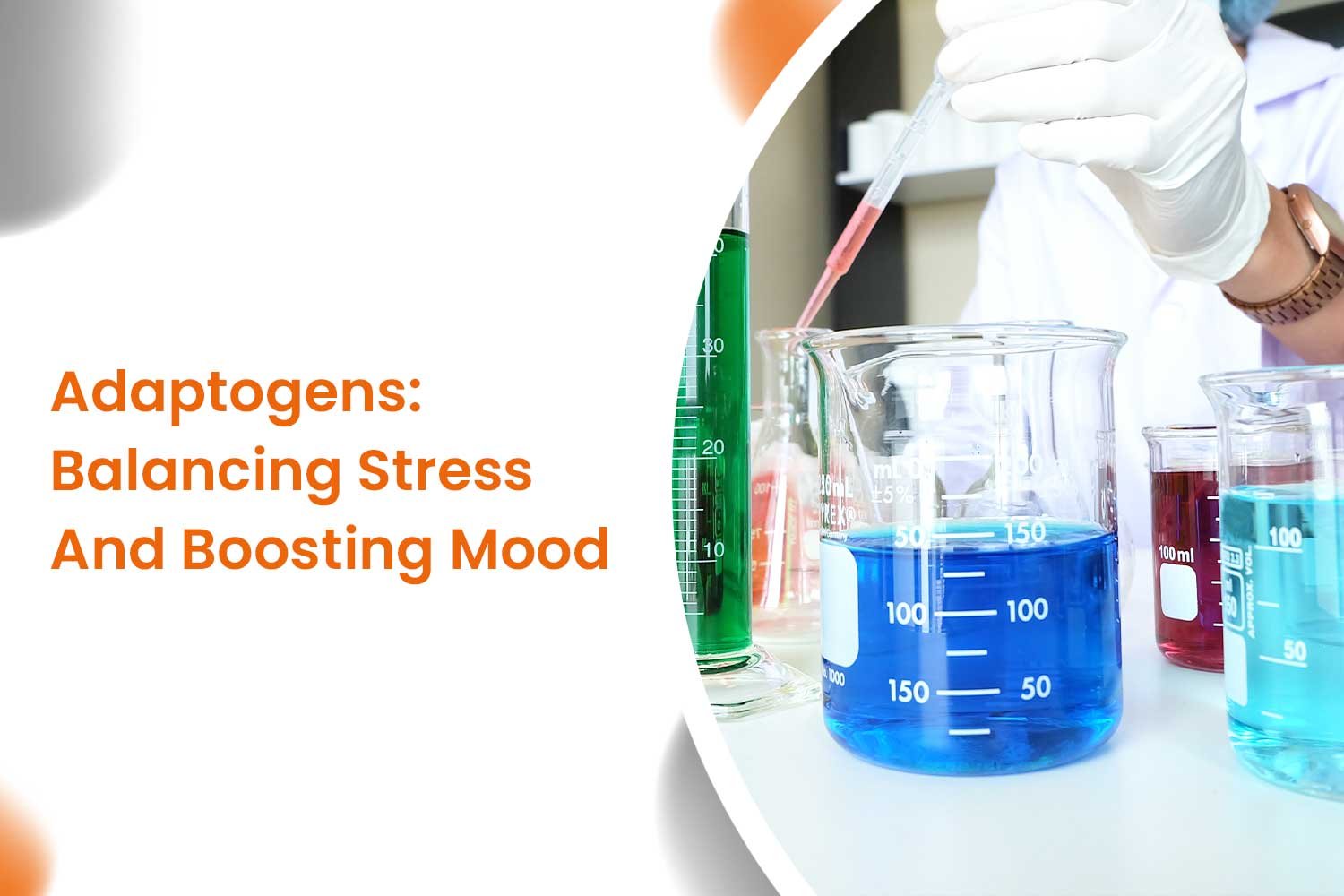
Adaptogens are non-toxic plants that help the body adapt to stress and restore balance in the physiological processes of consumers. It has been used for centuries in Ayurveda, Traditional Chinese Medicine, and Russian herbal medicine. Adaptogens are now used widely in functional beverage formulation. Some main adaptogen herbs that are used in the mood-boosting beverages are:
- Ashwagandha: A leading adaptogen in 2026 functional beverages that helps reduce cortisol (the body’s main stress hormone), supports better sleep, and improves emotional balance. The substance provides benefits through its use in mood-boosting beverages and adaptogen and nootropic drinks for stress because it improves dopamine receptor sensitivity.
- Rhodiola Rosea: The herb improves human capacity to handle both mental and physical challenges. The ingredient helps maintain serotonin and dopamine balance while it decreases fatigue and increases alertness, which explains its popularity in mood enhancer drinks and focus-enhancing beverage formulations.
- Holy Basil (Tulsi): A traditional Ayurvedic herb that supports emotional well-being. The herb functions as a mild nootropic together with its antioxidant properties, which make it appropriate for herbal mood-enhancing drinks and modern mood beverage blends.
- Eleuthero (Siberian Ginseng): The herb helps users develop greater stamina while increasing their capacity to handle stress and enhancing their cognitive abilities. The substance appears frequently in both stimulating beverages and advanced mood booster drinks that people use to improve their mental focus.
- 2026 formulation trend: Beverage companies blend adaptogens with dopamine-boosting nutrients to develop new dopamine-boosting drinks that enhance mental clarity and stress resilience while improving overall drink mood experiences.
Herbal Blends And Nootropics For Mental Wellness
The demand for herbal nootropic blends will surpass single adaptogens by 2026 because consumers want drinks that provide mental clarity, improved concentration, and calming effects. Nootropics serve as essential components for contemporary mood enhancer drinks and focus-enhancing beverage development because they improve mental abilities and help people maintain emotional equilibrium.
- Lion’s Mane Mushroom: A trending functional mushroom in 2026 that stimulates Nerve Growth Factor (NGF), supports cognitive performance, and promotes long-term brain health. The product enjoys broad adoption in upscale dopamine boosting drinks and specialised functional mood beverages.
- L-Theanine: The substance increases alpha brain waves while it helps users stay calm and focus without becoming drowsy. The ingredient works with caffeine to become an essential component for stimulating beverages, RTD teas and mood booster drinks, which require balanced effects.
- Passionflower & Chamomile: Commonly used botanicals for beverages that promote relaxation. The substances help GABA function in the brain, and people frequently utilise them in nighttime mood-enhancing drinks and adaptogen and nootropic drinks for stress.
- Saffron Extract: A high-value botanical gaining traction in 2026 functional beverages. The substance functions as a powerful antioxidant while it regulates serotonin levels, which makes it suitable for high-end mood enhancer drink development.
The upcoming wave of mood boosting drinks will emerge from advanced herbal nootropic blends, which assist brands in developing beverages that enhance drink mood, decrease stress and enhance daily work efficiency.
Mood-Boosting Beverages Recipe Formulation
Developing a successful mood-boosting beverage involves more than adding trendy herbs. The main considerations for effective, compliant, and scalable mood-boosting beverage product development are:
| Key Factor (2026 Formulation) | Explanation | Application in Mood-Boosting Beverages |
|---|---|---|
| Bioavailability of Ingredients | Many functional compounds have low absorption unless paired with bioenhancers or advanced delivery systems. | Curcumin + piperine, lipid delivery for fat-soluble adaptogens, and technologies like liposomal delivery and nanoemulsions are increasingly used in mood boosting drinks and dopamine boosting drinks for faster effects. |
| Taste Masking & Flavour Profile | Herbal extracts often have bitter or earthy notes that need balancing for consumer acceptance. | Formulators use natural sweeteners like stevia, monk fruit, erythritol, fruit flavours such as mango, citrus, berry, and functional syrups like honey or date syrup in mood enhancer drinks and mood beverages. |
| Dosage & Claims | Claims for mood-enhancing drinks are regulated by authorities such as the Food Safety and Standards Authority of India (FSSAI). Brands must avoid medical claims. | Use structure-function claims like “supports emotional well-being” or “helps manage everyday stress.” Ingredient doses in adaptogen and nootropic drinks for stress should be backed by research or traditional use. |
| Packaging & Shelf Life | Many bioactive ingredients degrade due to heat, light, or acidity. | Brands use cold-chain logistics, RTD shots, |
Got An Idea For A Drink That Calms Mood & Sparks Joy? Contact Us Now!
Have an idea of a mood-enhancing beverage, stress-relieving tonic, or dopamine-enhancing beverage? Do you dream of a relaxing-in-a-can or wellness-enhancing-and-powered-by-plants drink? Our experts in drink formulations can make that dream a marketable product.
We at Foodsure focus on converting neuroscience, adaptogens, and herbal wisdom into innovative mood beverages and mood-enhancing drinks to serve contemporary consumers.
Our team will help you in the early-stage concept development up to full-size focus-enhancing beverage, adaptogen and nootropic drinks against stress:
- Supported by clinical studies. Ingredient choice.
- Nootropics and adaptogen dosage to achieve successful mood enhancement.
- Sensory profiling and taste balancing.
- Formulation of beverages at scale, in compliance.
- Pilot batches, stability testing and support of launch.
Begin developing a drink that does not just provide flavour but is an actual mood stimulant drink that enhances moods on a daily basis.
FAQs
What are mood-enhancing beverages?
Mood boosting drinks are also functional drinks that have been designed with adaptogens, nootropics and nutrients that assist in promoting emotional balance, concentration and mood of the drink in general.
What are the usual ingredients of a mood enhancer beverage?
An average mood-enhancing beverage can contain adaptogens (such as ashwagandha), nootropics (such as L-theanine), vitamins, magnesium, and herbs.
What is the mechanism of action of dopamine-boosting drinks?
Increasing the dopamine in drinks that contain L-tyrosine, mucuna pruriens, and B vitamins helps in the process of making the natural dopamine in the body and the motivation of the mind.
Are energy drinks equal to mood-enhancing drinks?
Yes, mood-enhancing beverages are more oriented towards emotional stability and mental acuity, whereas the traditional energy beverages are primarily dependent on the effect of caffeine as a stimulant in the short term.
What are stress adaptogen and nootropic beverages?
These drinks are adaptogenic and nootropic beverages intended to help the body to cope with stress, enhance concentration, and develop balanced mood-boosting drinks.
The effectiveness of a focus-enhancing drink?
A good concentration drink is made of cognitive-enhancing substances such as L-theanine, Lion’s Mane, and Rhodiola, which do not make consumers jittery.
Is it safe to consume stimulating drinks daily?
The majority of stimulating drinks produced using natural herbs, vitamins, and moderate caffeine concentration can be safe at a place when they are taken in accordance with the recommended levels.