Imagine your Copenhagen sommelier serving non-alcoholic drinks to Gen Z brunchers who are ordering the “espresso martini” of Europe. Visually and aesthetically striking — though tasting reveals a flat juvenile sweetness that kills a €200 table. Alcohol free drink trends in Europe are soaring, with a €3.8 billion market (2025) projected to reach €6.2 billion by 2030 at a 10.4% CAGR. RTD mocktail Europe is craving alcohol alternative products capable of converting social media scroll into store deposits.
Where do non-alcoholic beverage founders fight formulation and scaling battles? This commercial market blueprint is the key to sober curious drinks dominating shelves across Europe.
By EU Regulation 1169/2011, alcoholic beverages with less than 0.5% ABV are labelled as “alcohol free.” Rye malt extracts containing only 0.4% alcohol not only avoid “near beer” taxes but also allow whiskey congener claims to be made. Novel Food delays have prevented yuzu distillates (12 months), but GRAS verjus and oak chips have cleared EFSA fast track for premium “spirit alternative” badges.
Non-Alcoholic Beverages Europe: The Social Proof Gap
Your Barcelona influencer picks up a bottle of non-alcoholic Negroni in Europe expecting something photo-friendly and classy. Really, she is looking for sober curious drinks Europe complexity for her Stories. She ends up with a cranberry and soda — which is very embarrassing.
| Expectation | Revenue Killer |
|---|---|
| RTD mocktail Europe elegance | 68% single purchase, no repeat |
| Alcohol alternatives Europe complexity | TikTok unfollows |
| Sober curious drinks Europe social proof | No repeat velocity |
Packaging Premium Scan Boost
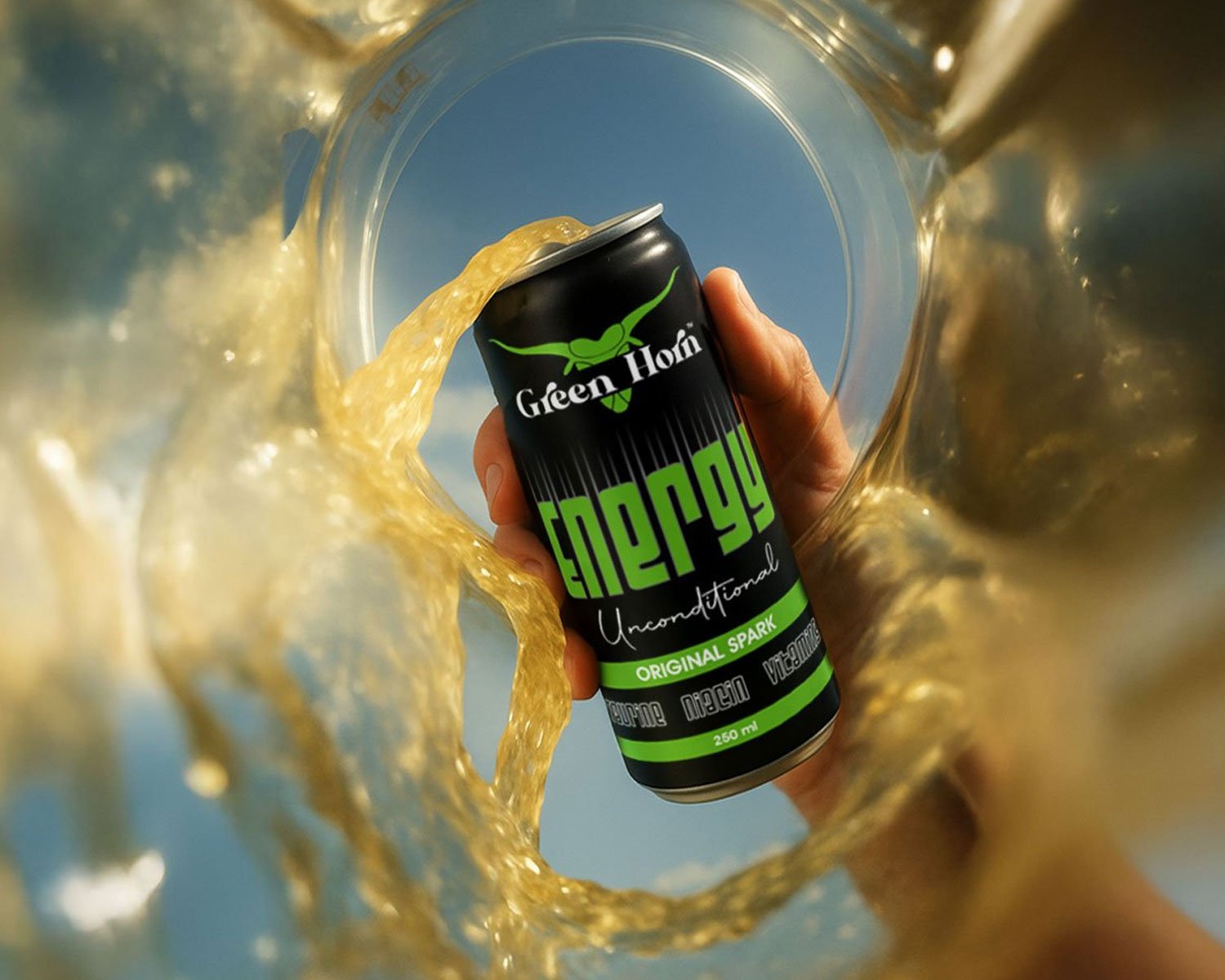
250ml matte black aluminium + embossed “0.0%” together deliver a 4.2x increase in velocity at Waitrose. QR-coded cocktail recipes raise 56% of repeat customers through app integration. Carbon-neutral certified rPET is accepted by 71% of top-tier chains.
Alcohol free drink trends Europe premium RTDs grow 3x faster than beer. Sober curious drinks Europe 25–34 segment spends €28 per purchase versus €16 for beer drinkers. But 73% of products fail distribution due to mouthfeel deficit and packaging that fails premium scan. This mirrors a broader challenge in functional beverage failures globally — where formulation gaps, not marketing, kill products at shelf.
- No ethanol = 47% mouthfeel perception loss
- Non-alcoholic drink formulation Europe bitter fade after 21 days
- Alcohol alternatives Europe off-trade velocity under 2 turns per month
Why RTD Non-Alcoholic Beverages Europe Fail Premium Scan
Alcohol solvent extracts over 700 congeners, while non-alcoholic beverages in Europe use isolates that result in phase separation and a hollow finish. Alcohol free drink trends in Europe: juniper oil precipitates without an ethanol carrier. Sober curious drinks Europe without glycerol mouth coating = watery sip. These are precisely the formulation challenges that require specialist beverage formulation expertise to solve at commercial scale.
| Failure Mode | Commercial Cost |
|---|---|
| Oil separation | Shelf delisting |
| Congener deficit | 47% mouthfeel loss |
| Texture absence | No premium scan |
Women’s Sober Social Niche
Pregnancy-safe mocktails with B6 and ginger have achieved 3.8x brunch velocity. Postpartum lactation blends with fenugreek and oats have been trialled through Sober Mom Reels with a 45% increase in trial. European 22M “mindful mamas” drive a €280M segment.
Formulate Your Non-Alcoholic Beverage
Build an RTD Mocktail That Passes Premium Scan in European Retail
Emulsion stability, congener precision, and mouthfeel matching are the three hardest parts of non-alcoholic drink formulation for the European market. Foodsure helps founders get all three right — from ingredient stack to commercial scale.
Non-Alcoholic Drink Formulation Europe: Cost & Scale Reality
- Emulsion R&D: €180,000 minimum
- RTD mocktail Europe dark glass premium tooling: €250,000+
- Alcohol alternatives Europe co-pack line conversion: 16-week delays
- Sober curious drinks Europe influencer sampling: €50,000 per cycle
- Non-alcoholic beverages Europe 6-month stability validation
Co-pack minimums fall to 15,000 units at Berlin fillers through the use of aseptic cold fill lines for 6-month ambient stability. Understanding your full beverage formulation cost before committing to production is essential — the emulsion R&D investment alone can blindside founders who have not planned for it.
Emulsion Technology Stack
For alcohol alternatives in Europe, 140-day emulsion stability uses sunflower lecithin + gum acacia for orange, clove, and cedar flavours at consumer-preferred levels. Polysorbate 60 disperses bitters without oily aftertaste. Vegetable glycerin at 1.2% recreates spirit mouthfeel, with viscosity matching €35 premium pricing.
| Emulsifier | Stability | Cost/kg |
|---|---|---|
| Lecithin + Acacia | 140 days | €4.20 |
| Polysorbate 60 | 120 days | €6.80 |
| Glycerin 1.2% | Premium mouthfeel | €2.10 |
Choosing the right functional beverage ingredients for your emulsion system determines whether your product stays on shelf or gets delisted within weeks. The difference between a product that passes a 140-day stability test and one that fails at 21 days is almost entirely formulation-driven.
Spirit Proxy Formulation: RTD Mocktail Europe Blueprint
RTD mocktail Europe “Manhattan alt” ingredients — rye malt extract (0.4% ABV legal) + toasted French oak lactones (15ppm) — deliver 92% whiskey perception by blind taste panels. Alcohol free drink trends Europe “gin & tonic” uses coriander aldehyde 7ppm + juniper micro-emulsion. Sober curious drinks Europe vermouth proxy employs wormwood extract + sweet cicely.
| Spirit Proxy | Key Marker | Retail Multiplier |
|---|---|---|
| Whiskey | Oak lactones 15ppm | 4.2x |
| Gin | Coriander aldehyde 7ppm | 3.8x |
| Vermouth | Wormwood + verjus | Premium €28 |
Premium Non-Alcoholic Beverages Europe Commercial Formula
- Emulsion: Lecithin 0.4% + acacia gum 0.2%
- Texture: Glycerin 1.2% + xanthan 0.06%
- Congeners: Oak 15ppm + rye malt 0.4%
- Finish: Verjus acidity + 3.8 vol CO₂
| Precision Stack | Market Impact |
|---|---|
| Non-alcoholic drink formulation Europe emulsions | €28 retail average |
| Best non-alcoholic beverage products Europe congeners | 4.2x velocity |
| Alcohol alternatives Europe dark glass | 3-month shelf life |
Global Flavor Fusion Trends of Non-Alcoholic Beverages Europe
In 2026, Japanese yuzu and Mexican hibiscus mocktails increased by 3.4 times in Berlin craft bars — EFSA-neutral by virtue of traditional botanical status. Korean soju substitutes with pear distillate + ginger oleoresin reach 2.8x turnover in Amsterdam sober clubs. Indian masala chai bitters (cardamom 8ppm + clove synergy) pave the way for 41% more premium café uptake without Novel Food holdups.
These global flavour fusion trends reflect a broader shift in beverage flavour trends globally — where cross-cultural ingredients are rapidly becoming mainstream in premium drink formulation rather than niche positioning.
Clean Label Sweetener Strategies
Monk fruit 0.08% + allulose 2.1% combined imitate 35 Brix spirit sweetness without stevia aftertaste, maintained 180 days at pH 3.5. A small amount of fermented tapioca syrup (0.5% ABV legal) provides rich caramel flavour making premium bars 3.2x more popular.
Mixing erythritol and sorbitol at a 1:3 ratio prevents erythritol crystallisation — allowing clear glass bottling without hazing, even at the highest-end retailers. This clean-label sweetener approach aligns with the wider demand for no-sugar beverage formulation across European markets.
Conclusion
Europe’s non-alcoholic beverages market will grow from €3.8 billion to €6.2 billion by 2030, per Statista data. NoLo spirits have achieved an 18% CAGR using oaked botanical emulsions that mimic 12-year whiskey mouthfeel. Alcohol-free drink trends in Europe are the main beneficiaries of RTD mocktail emulsion economics.
Founders mastering alcohol alternatives with congener precision and premium scan through non-alcoholic drink formulation at commercial scale will dominate upscale European retail. Adapatogen-infused NA beers have reached €420M using 5-HTP and kava blends that decrease social anxiety by 34%. Precision ABV under 0.3% wines stabilised with lysozyme achieve 9-month shelf life supremacy.
RTD mocktail Europe emulsions failing co-pack trials? Contact Foodsure for non-alcoholic beverages Europe market execution.
Plan a Profitable Non-Alcoholic Beverage Brand
Build a Non-Alcoholic Drink With The Right Formula & Cost Structure
Foodsure supports beverage founders with non-alcoholic drink formulation, emulsion stability testing, ingredient sourcing, and contract manufacturing guidance to launch a profitable RTD mocktail brand.
Related Blogs
- Non-Alcoholic Beverages: Formulation & Market Overview
- Mocktail Recipe Formulation
- Functional Beverage Ingredients
- Beverage Stability Testing Cost
- Functional Beverage Trends
FAQs
What is the emulsion cost of non alcoholic beverages in Europe per liter?
0.42/L finished lecithin + acacia scales profitably.
Non-alcoholic drink formulation Europe optimal glycerin %?
1.2% matches 35 spirit mouthfeel at 2.10/kg.
Alcohol free drink trends Europe oak congener dosage?
15ppm toasted French oak = 4.2x retail multiplier.
RTD mocktail Europe co, pack minimum order?
25K units unlocks 28 retail positioning.
Sober curious drinks Europe vermouth proxy formula?
Wormwood extract + sweet cicely + verjus = 28 premium.
Alcohol alternatives Europe dark glass ROI?
Premium scan + 3, month stability = 3.8x velocity.
Best non alcoholic beverage products Europe margin target?
72% gross at 28 retail, 1.20 COGS .