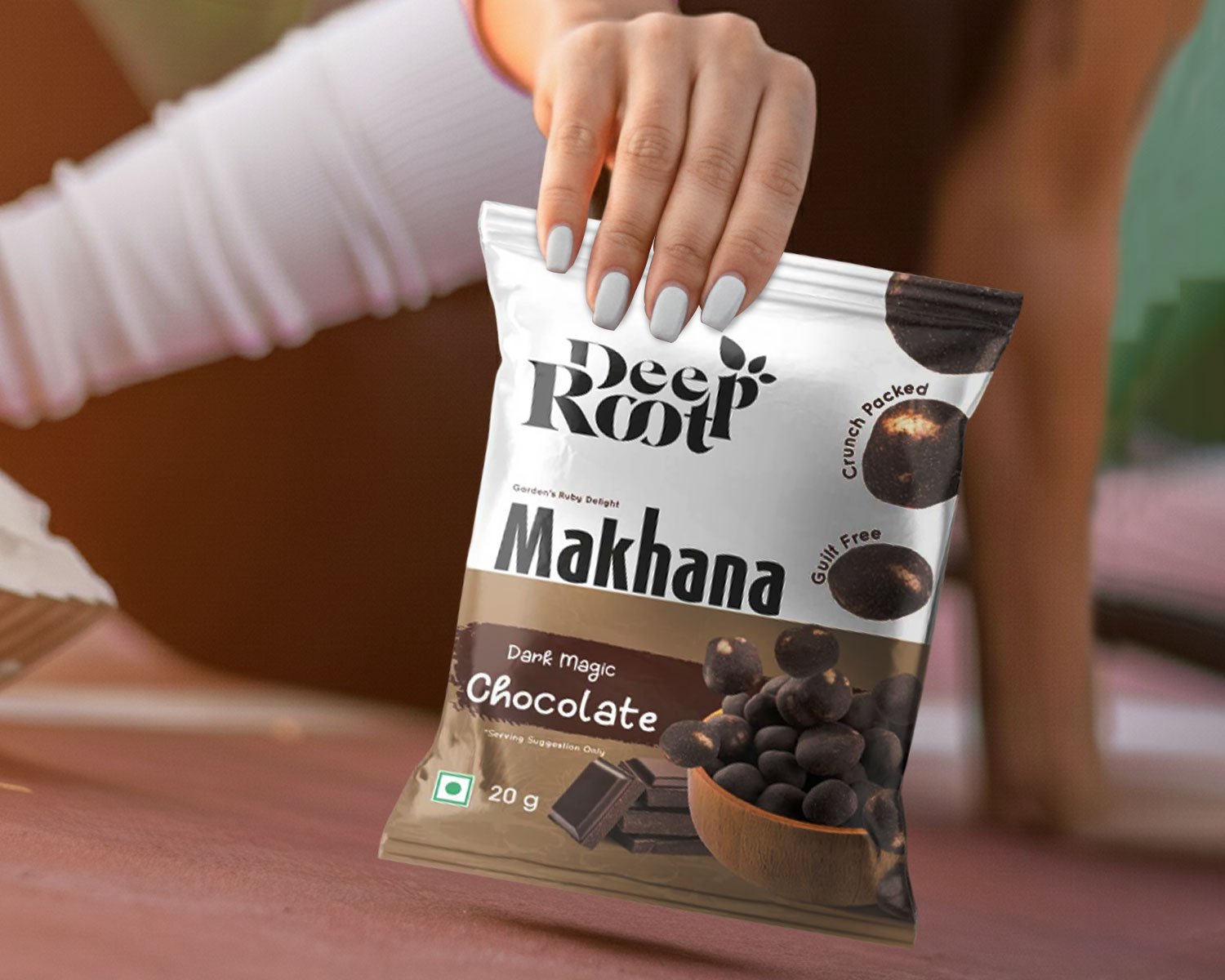

Consumers are becoming more conscious of the ingredients in their food and supplements. They seek products that are safe, effective, and supported by science. This rising demand in the wellness industry has led to rapid breakthroughs, yet it comes with a lot of nutraceutical formulation challenges for the product developers, such as compatibility questions between ingredients, lack of stability of the formulations, fewer taste options, and stringent regulations.
With a proper application of formulation tips for solving problems and working stability solutions, even the brands that face such challenges in the nutraceutical product development can come up with the products that can bring real health benefits to their customers.
However, one of the biggest factors that can affect the stability, efficiency, and market success of the product is the early detection of these problems and implementing the appropriate formulation approaches.
You May Also Like: Top 10 Nutraceutical Products In India - Health Focused Food
1. Ingredient Compatibility Issues
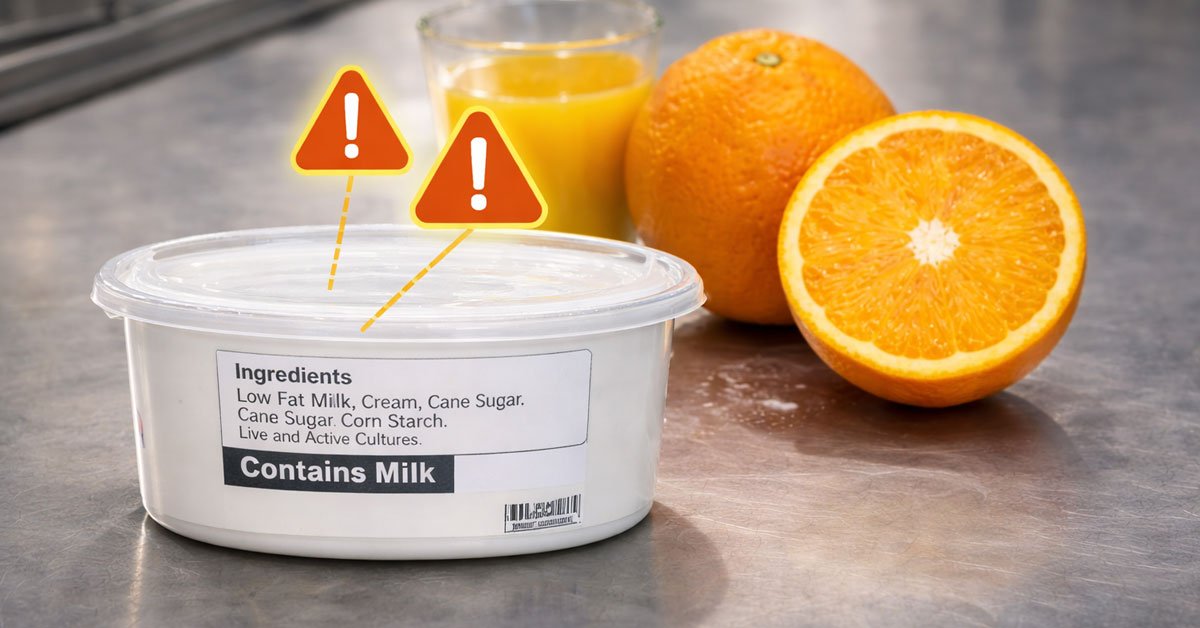
Nutraceutical products are usually combined to contain a combination of several active ingredients, which include vitamins, minerals, probiotics, proteins and botanical extracts. However, not every combination of ingredients is effective.
Common Problems
- Vitamins in reaction with minerals
- Probiotics are destroyed in the course of processing
- Other actives are interfered with by botanical extracts
- pH shifts and their impacts on ingredient performance
How to Solve It
To solve the problem of ingredient compatibility, the formulators should:
- Carry out pre-formulation compatibility testing
- Investigate pH behaviour and stability of chemicals
- Encapsulate or coat the used ingredients
- Individual reactive components in layered systems
Such measures can be used to ensure the efficacy of ingredients and minimise the chances of instability in the product.
2. Product Stability Problems
Most nutraceutical components are environmentally sensitive (heat, oxygen, light and humidity). These ingredients can wear out without adequate security.
Stability Risks
- The loss of vitamins in storage
- Omega-3 fatty acids oxidation
- Liquid degradation of probiotics
- Active ingredient potency decreases
How to Solve It
Several stability solutions can be implemented by developers:
- Carry out expedited stability tests in the process of development
- Apply non-weep moisture and oxygen block packages
- Stabilise or antioxidise delicate ingredients
- Enhance protection using microencapsulation technologies
These are solutions that are useful in preserving product strength and shelf life.
3. Taste and Texture Challenges

Most of the functional ingredients possess a strong flavour or unpleasant texture, which influences consumer acceptance.
Common Sensory Issues
- The botanical extracts are bitter
- Metallic mineral aftertaste
- Plant proteins increase the gritty texture
- Chalky oral sensation of enriched food
How to Solve It
Good formulation troubleshooting guidelines are:
- Application of flavour masking technology
- Addition of natural sweeteners or taste modulators
- Optimisation of ingredient particle size
- Stabilisers and emulsifiers were used to provide a smoother texture
Enhancement of sensory properties will guarantee a better consumer experience and repurchase.
4. Low Bioavailability of Ingredients
The body cannot easily absorb some nutraceutical compounds, thereby decreasing the effectiveness of the compound.
Examples
- Curcumin, which has low absorption naturally
- Fat-soluble vitamins need proper systems of delivery
- Specific plant substances deteriorate during digestion
How to Solve It
Formulators can enhance absorption by:
- Delivery system: Liposomal or nano-emulsion
- The addition of ingredients with absorption enhancers
- Forming complexes of ingredients in an optimised way
- Using developed ingredient processing technologies
Enhancing bioavailability is the way to make the product convey the desired health benefits.
5. Regulatory and Labelling Compliance
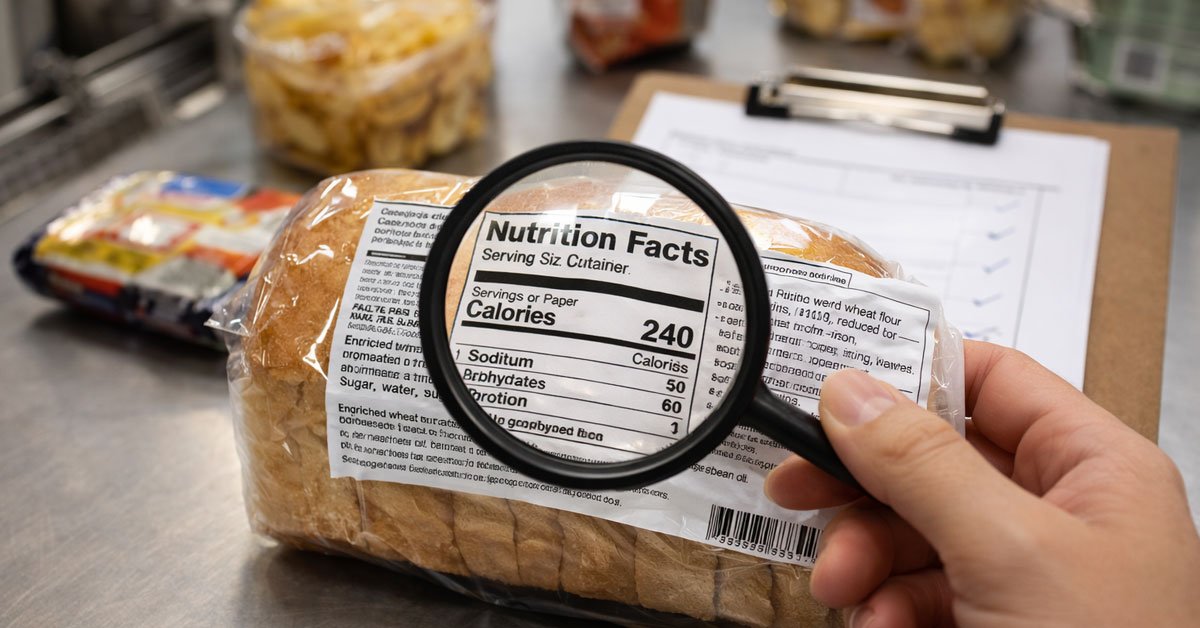
Nutraceutical is a sector under tight regulations as far as ingredient safety, health claims, and labelling are concerned.
Compliance Challenges
- Unsupported and or incorrect health claims.
- Incorrect levels of ingredient dosage.
- Lacking paperwork to allow regulatory approval.
- Information that was not compliant with the labelling.
How to Solve It
Manufacturers can mitigate regulatory risks by:
- Getting ingredient approvals before formulation
- Securing adherence to local laws
- Health claims: Proving by scientific evidence
- Regulatory review is periodic
Early regulatory planning prevents delays in the launch of the product.
6. Scaling Up from Lab to Manufacturing
The formulation that was doing well on laboratory trials might not react the same way when used in mass production.
Common Scale-Up Problems
- Changes in texture in the course of production
- Separation of ingredients in bigger batches
- Batches to batches variation in stability
- Limitations on processing equipment
How to Solve It
To ensure smooth scale-up:
- Carry out pilot-scale production testing
- Maximise processing factors
- Assess batch-to-batch consistency
- Collaborate with the experienced formulation specialists
These measures will keep the product consistent throughout commercial manufacturing.
7. Shelf Life Validation
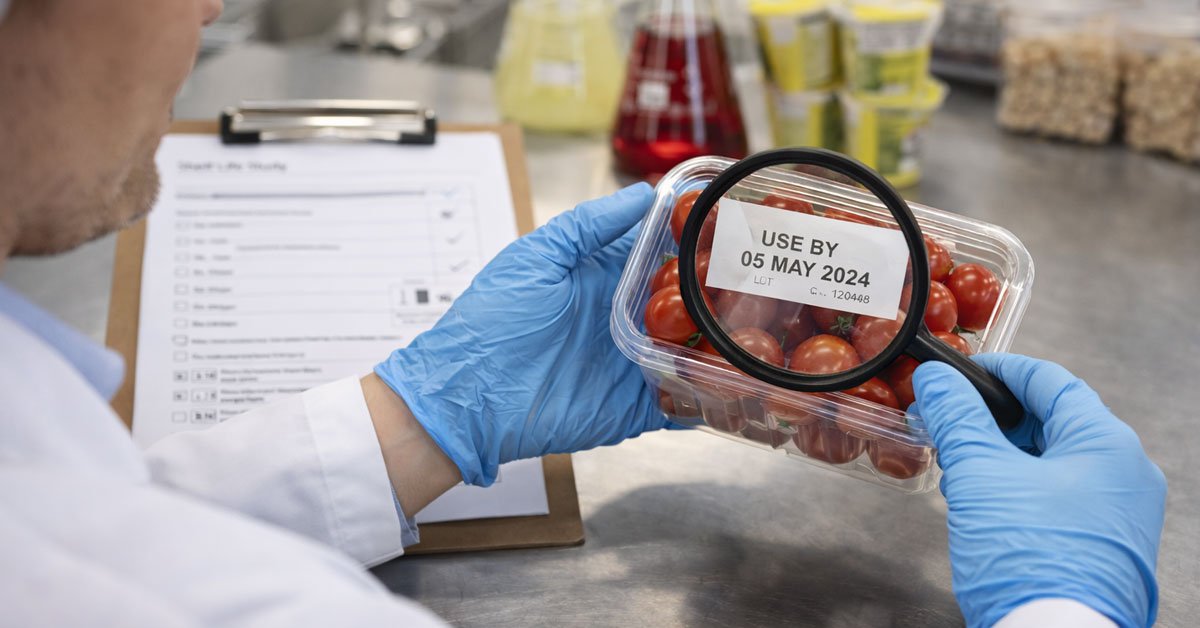
The shelf life is very important in ensuring product effectiveness and quality.
Shelf Life Challenges
- Breakdown of vitamins with time
- Increased loss of probiotic viability
- Ingredient oxidation
- Stability problems that occur during packaging
How to Solve It
Stability solutions that can be relied on are:
- Accelerated shelf-life evaluation
- Real-time stability studies
- Constant checking of ingredient strength
- Assessment of barrier properties and packaging materials
The appropriate shelf-life validation underlines product claims and guarantees consumer confidence.
Our Role in Solving Nutraceutical Formulation Challenges
At Foodsure, we assist brands to come up with nutraceutical products that are stable, scalable and meet the industry standards.
Our support of the formulation consists of:
- Optimisation and formulation of nutraceutical products.
- Ingredient compatibility study.
- Stability and shelf-life development tests.
- Optimisation of senses and taste.
- Pilot studies and commercial scale-up assistance.
Through an organised development strategy, Foodsure assists the brands in converting the innovative nutraceutical concepts into market-ready products.
Build Market-Ready Nutraceutical Products with Foodsure
The process of developing a nutraceutical product takes a long time to formulate, trial, and optimise to be stable and effective.
In case you have a functional food or dietary supplement to be developed and you have difficulties in formulation, our team at Foodsure can assist in creating stable and scalable products.
Contact us and share your idea of a product today!
FAQs
What are the nutraceutical formulation challenges?
They consist of problems with compatibility of ingredients, stability, reduced bioavailability, taste, and regulations.
What are the ways of addressing the problem of ingredient compatibility in nutraceutical products?
They are solvable by compatibility testing, encapsulation technologies and optimised formulation design.
What are the nutraceutical formulation stability solutions?
The factors are stability solutions such as protective packaging, antioxidants, microencapsulation, and controlled processing conditions.
Why is the issue of taste a problem with nutraceutical foods?
Most functional ingredients are either strongly flavoured or textured, and thus, the consumer acceptance may be influenced.
What should be done to enhance bioavailability in nutraceutical products?
Bioavailability can be greatly enhanced through the use of nano-emulsions, liposomal delivery systems and absorption enhancers.