
Let’s be honest, we all love a product that tastes good. But in the market, flavour is just the start. If you are in the food and beverage space, especially on the R&D or product development side, you already know that nutrition food product formulation can make or break your success in a highly competitive B2B landscape.
This blog will unpack the connection between food recipe formulation and nutrition claims. We will look at how ingredients, ratios, clean labelling, and functionality all play a role not just in taste or texture, but in whether you can legally and effectively say things like “high protein,” “low sugar,” or “supports immunity.”
As brands race to meet shifting consumer preferences, clean-label product development continues to reshape the formulation process.
Let’s break that down.
What Is Nutrition Food Recipe Formulation?
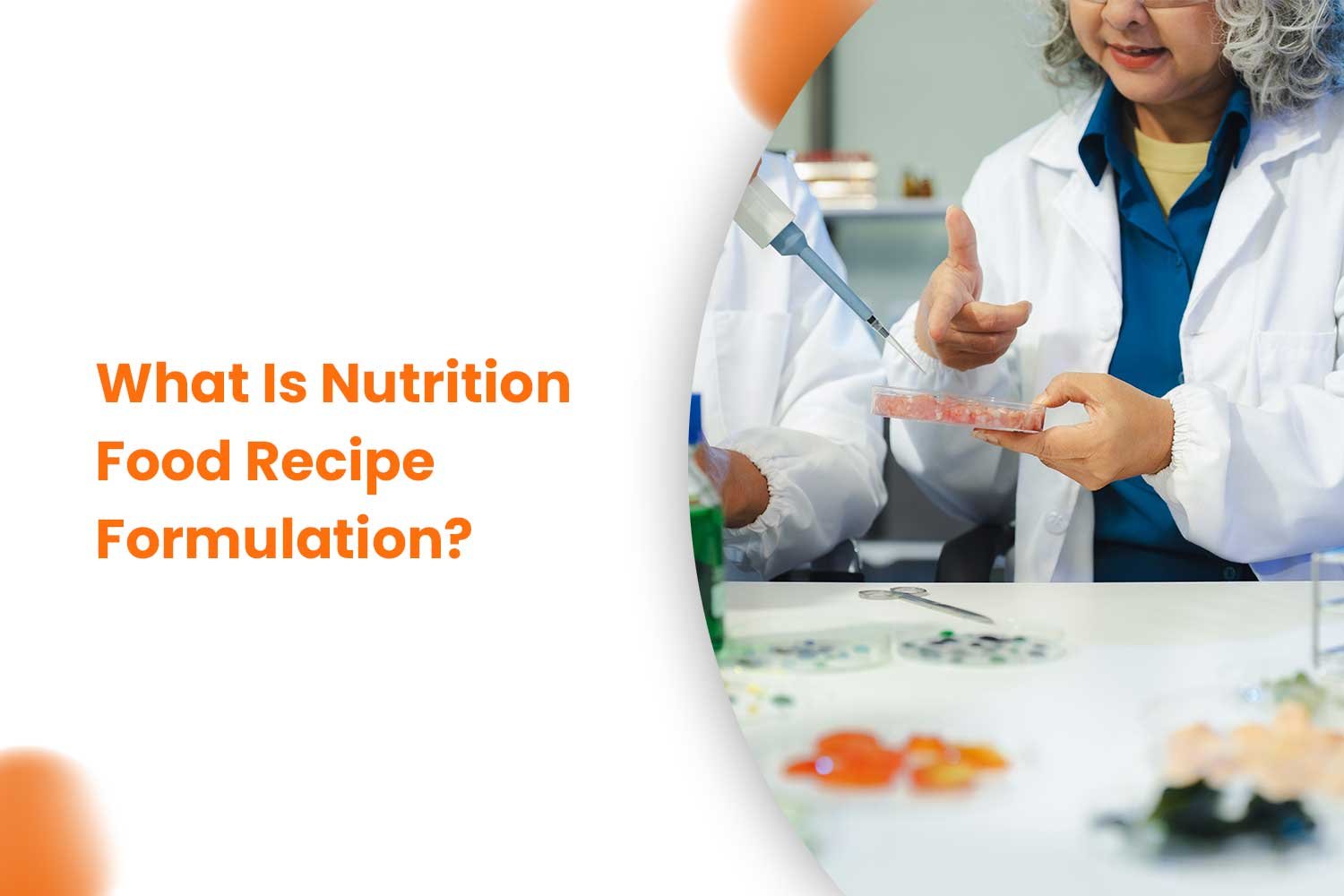
Nutrition is the scientific process of using ingredients to make and balance nutritious food recipes to achieve:
- A particular nutritional intake.
- Nutrition claims that are in line with the regulations.
- Taste, texture, and appearance were good.
- Scalability and shelf stability.
In the case you construct claims of the type:
- “High protein”
- “Source of fibre”
- “Low sugar”
- “Added calcium”
You are not only making a recipe.
You are creating a conforming, quantitative nutritional system.
It is here that food science is combined with regulatory strategy – and marketing validation.
The Power Of Nutrition Claims In Food Products
Nutrition claims are not just labelled decorations; they are sales tools. Retailers, foodservice buyers, and health-driven startups all rely on validated, trustworthy nutrition claims to make purchase decisions.
And it is not just about compliance. In this wellness-driven market, being able to say your snack is a “source of iron” or that your ready-to-drink beverage contains “added vitamin D” can unlock:
- Premium pricing
- Shelf differentiation
- Consumer trust
In short, getting your food recipe formulation for nutrition claims right can help you land shelf space and contracts.
The Formulation-Claim Connection: How It Works
Let’s say you are developing a granola bar that you want to market as a “high protein” snack. In India and most global markets, to legally make that claim, a certain percentage of energy or weight must come from protein.
That means your functional food formulation has to reflect that:
- Ingredient choice: Use protein isolates, high-protein seeds, or legumes
- Proportion: Enough protein per 100g to meet regulatory standards
- Supporting ingredients: Must complement protein without diluting the claim
Similarly, if your claim is “low sugar,” it won’t matter whether you use jaggery, stevia, monk fruit, or any other alternative sweetener; what truly matters is the final sugar content, backed by hard nutritional data.
Bottom line? Your food product development must be mapped backwards from the claim you want to make.
Clean Label: Another Layer In The Formula
Another hot term: clean label product development.
This refers to food formulations that avoid synthetic additives, artificial colours, and overly processed ingredients. Brands are leaning into this for better consumer trust.
So now, your formulation checklist might look like:
- No E-numbers or artificial preservatives
- Allergen-free alternatives
- Transparency in sourcing (e.g., Himalayan pink salt, not just “salt”)
But here is where it gets tricky: How do you get a stable, tasty, long-shelf-life product that also meets nutrition content claim formulation guidelines and aligns with clean-label principles?
That’s where real innovation happens.
The Science – Marketing Balance

The nutrition food product formulators often work with regulatory experts and marketing teams to develop dual-friendly products:
- Nutrition-first formulas that also work on paper (nutrient levels, calorie balance)
- Label claims that resonate with real customer demand (“low glycemic,” “gut-friendly”)
- Functional benefits (added prebiotics, adaptogens, protein, etc.)
To get this balance, you need tools like:
- Nutritional databases
- Ingredient sourcing transparency
- Regulatory guides (FSSAI, FDA, EFSA)
- Clean label formulation playbooks
Remember: it is not just what you add, it is how you present it.
Functional Food Formulation In Action
Let’s look at real-world examples:
RTD Protein Shakes
- 20g+ protein per serving
- Whey or plant protein base
- Clean stabilisation systems
- Claim-driven macronutrient design
Immune-Support Juices
- Citrus + turmeric + ginger
- Measurable Vitamin C levels
- Bioavailability consideration
- Stability under processing
Low Sugar Cookies
- Controlled sugar levels
- Alternative sweetener systems
- Fibre enrichment
- Glycemic positioning
Each example shows how marketing narratives must be backed by scientific formulation logic.
B2B Product Launch? Start With The Claim
Whether you are formulating for your brand or a private-label client, start with the end claim in mind:
- What will go on the front of the pack?
- What consumer outcome are we promising?
- What regulation do we need to follow?
This approach helps avoid reformulations and label rejections later.
And yes, you will often need to conduct trials, lab analyses, and maybe even work with a food regulatory consultant. But that’s how you go from idea to shelf.
Let’s Turn Formulation Into A Competitive Advantage With Foodsure

The strength of its formulation plan determines the success of any nutritional product in this competitive, health-forward market. It is about how your product is created, tested, and presented honestly, from creating clear label goods to following international standards like FSSC 22000. It’s not only about what goes into your product.
Every gram matters if your company seeks to introduce or grow a nutrition-focused product, be it in the functional beverage, plant-based, or clean-label sector. And so does the knowledge supporting it.
That is where Foodsure comes in. Backed by years of food science and regulatory experience, we support B2B players in navigating complex formulation journeys,+ turning concepts into compliant, scalable, and consumer-ready products. Get expert guidance from our top nutrition food recipe formulation consultants. Call us at 8130404757 now and schedule your free 20-minute session today.
FAQs
What is a nutritious food product formulation?
It’s the process of selecting and balancing ingredients to meet specific nutritional goals (e.g. high protein, low sugar) while maintaining taste, texture, and regulatory compliance.
Why are nutrition claims important in food formulation?
Because claims like “high protein,” “low sugar,” or “source of fibre” help differentiate products, justify premium pricing, and appeal to health-conscious consumers, but only if formulation supports them.
How do you formulate a product for “high protein” or “low-sugar”?
Use high-protein ingredients (e.g. protein isolates, legumes) or low-sugar sweeteners, and ensure final nutritional values meet claim thresholds per 100 g or serving.
What is a clean-label formulation?
Clean-label means avoiding synthetic additives, artificial colours, or preservatives, using simple, recognisable ingredients while keeping food safe and palatable.
Can a nutrition-based formula still taste good and be shelf-stable?
Yes, with careful balancing of ingredients, formulation expertise, and stability testing, it’s possible to combine nutrition, taste, clean-label, and shelf life.
Why does formulation need regulatory and compliance understanding?
Because nutrition claims must meet legal standards, ingredient choices must comply with food regulations, and labels must reflect accurate nutritional information.