Packaging Design Is The Silent Salesperson
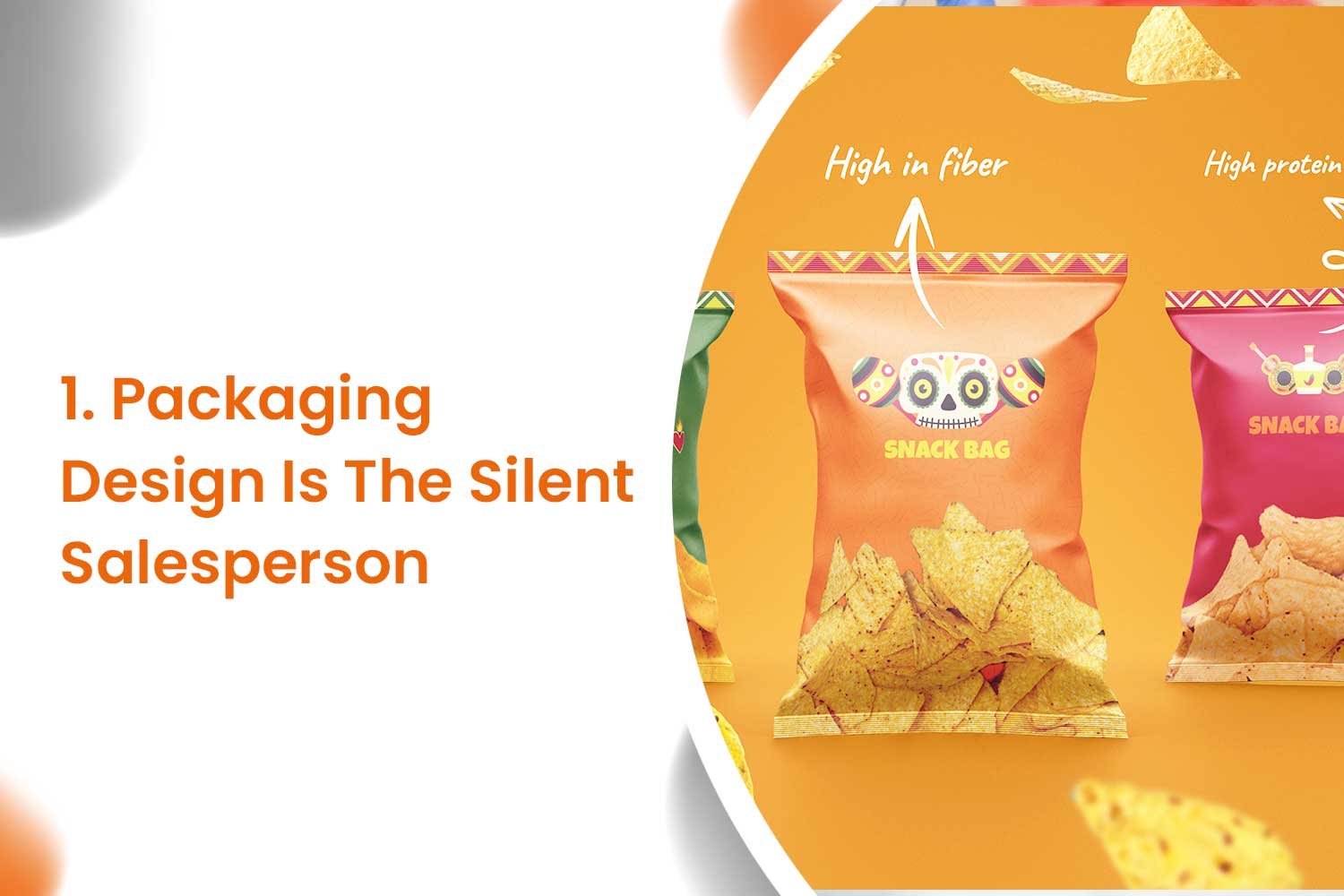
Packaging design in the food industry is your first interaction with the customer. In fact, studies show that over 70% of purchase decisions are made on the shelf, often in just 7 seconds. That’s how long you have to grab attention.
Take, for instance, brands like Paper Boat. Their pouch-style packaging isn’t just unique in design but evokes nostalgia and emotional value. That design choice helped them stand out amidst global giants in a highly competitive beverage market. This is the core of the food product development strategy: align product values with visual identity. A clean, informative, and attractive design builds trust.
Functionality Is A Dealbreaker
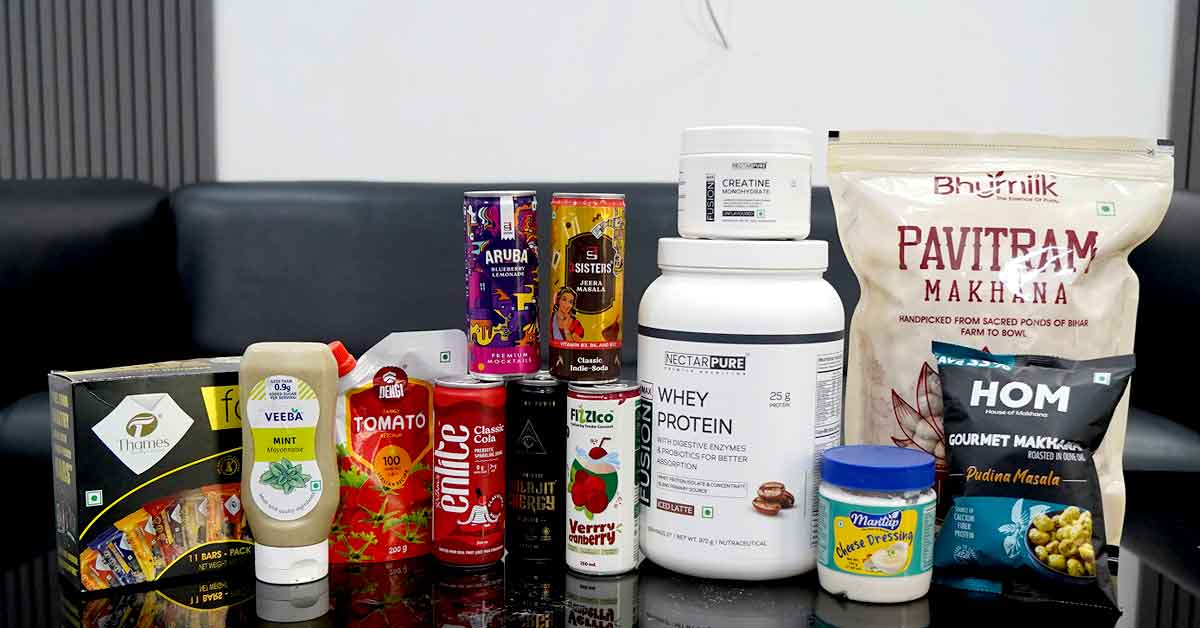
Packaging design in the food industry is not just about looks; it reflects your brand’s purpose and performance. In food product development, effective food product development packaging must balance design with function, ensuring preservation, portability, and ease of use.
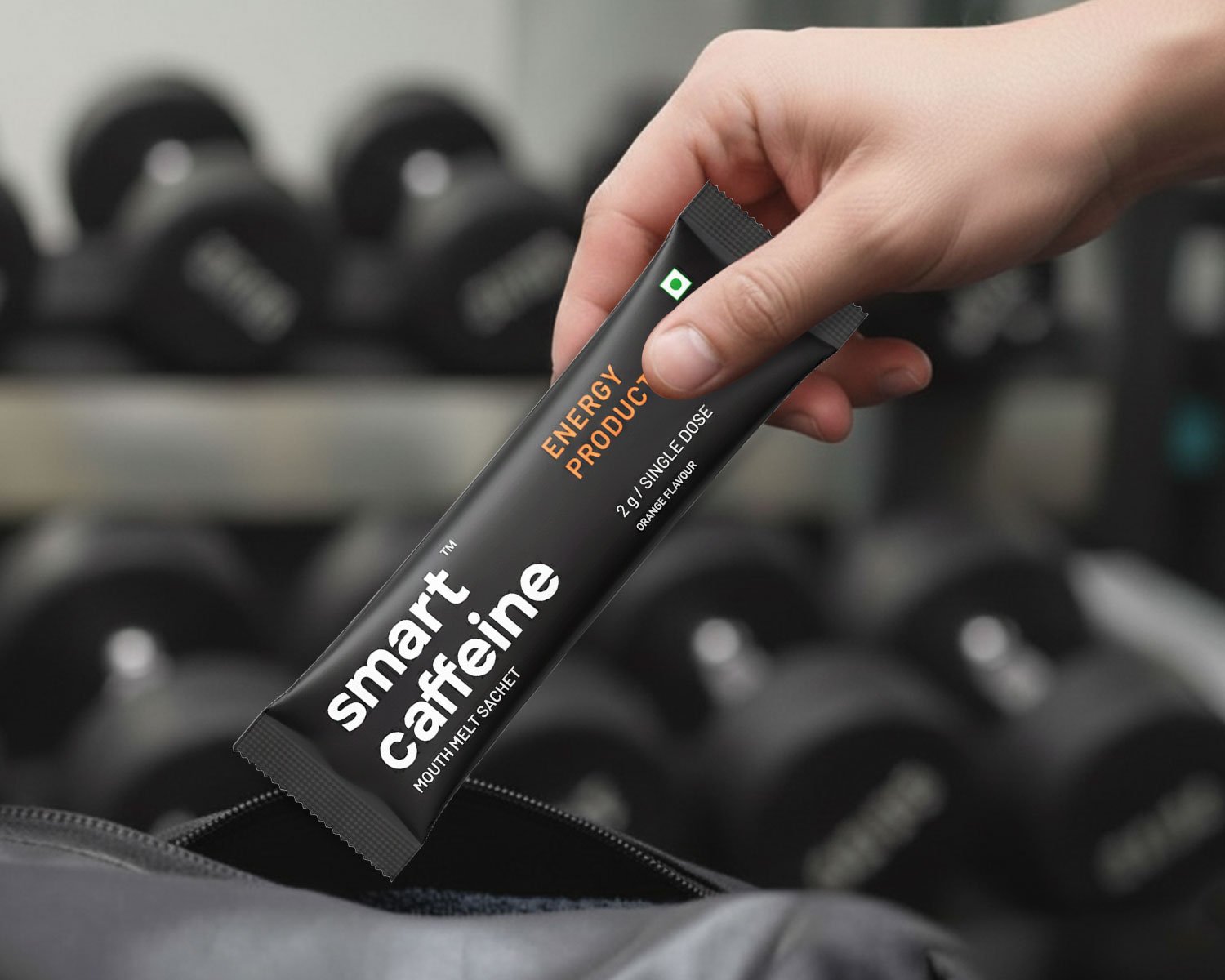
Smart new product development packaging improves shelf life, convenience, and customer experience, whether it’s resealable snack packs or on-the-go yoghurt tubes. When planning packaging, focus on function-driven design to build trust, enhance usability, and strengthen your product’s market success.
Brand Storytelling And Emotional Connect
Packaging And Shelf Life Stability
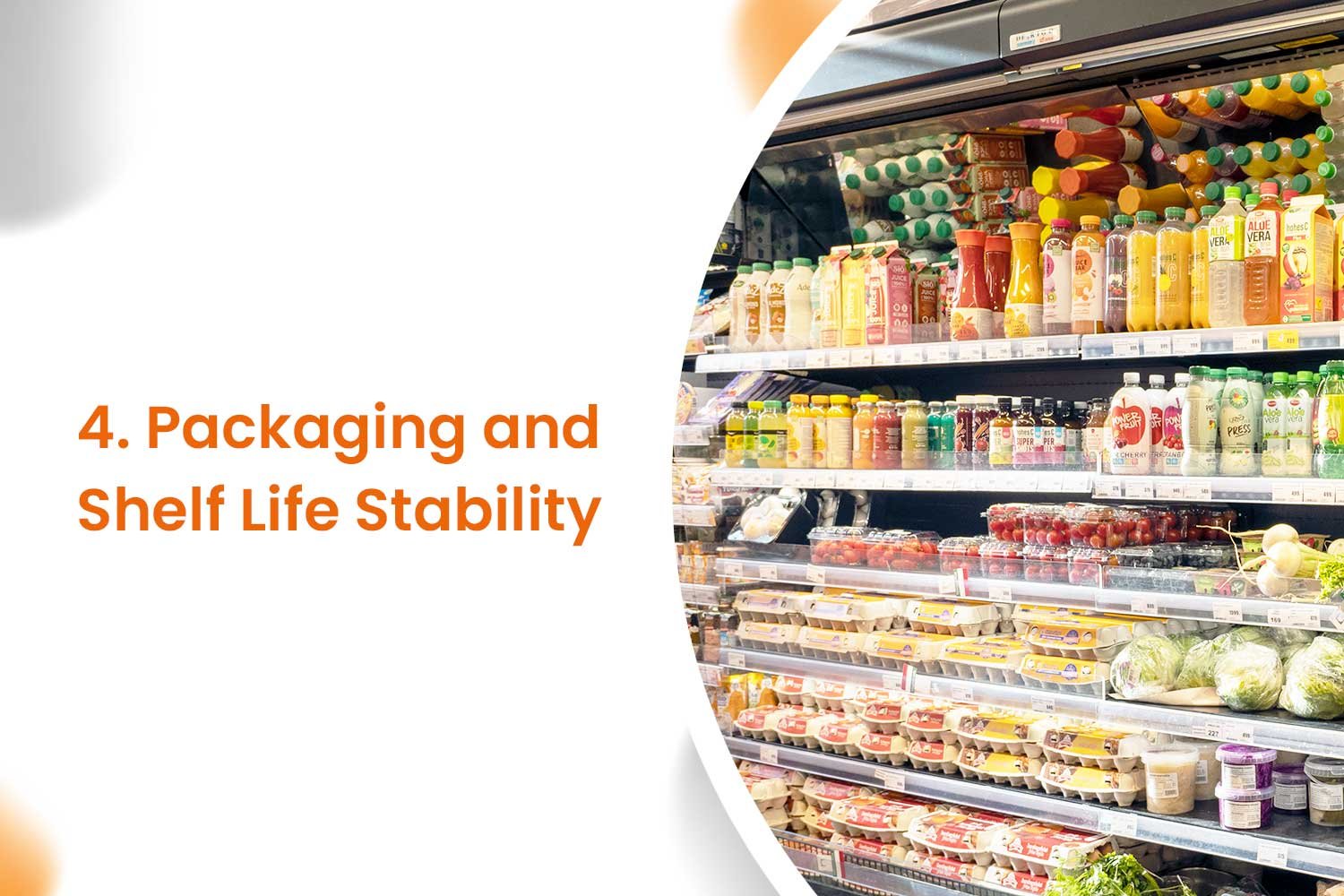
A critical yet often overlooked factor in food product development is how food packaging design impacts shelf life. The right food product development packaging, such as vacuum sealing, multi-layer laminates, or oxygen barrier films, protects product stability and extends freshness.
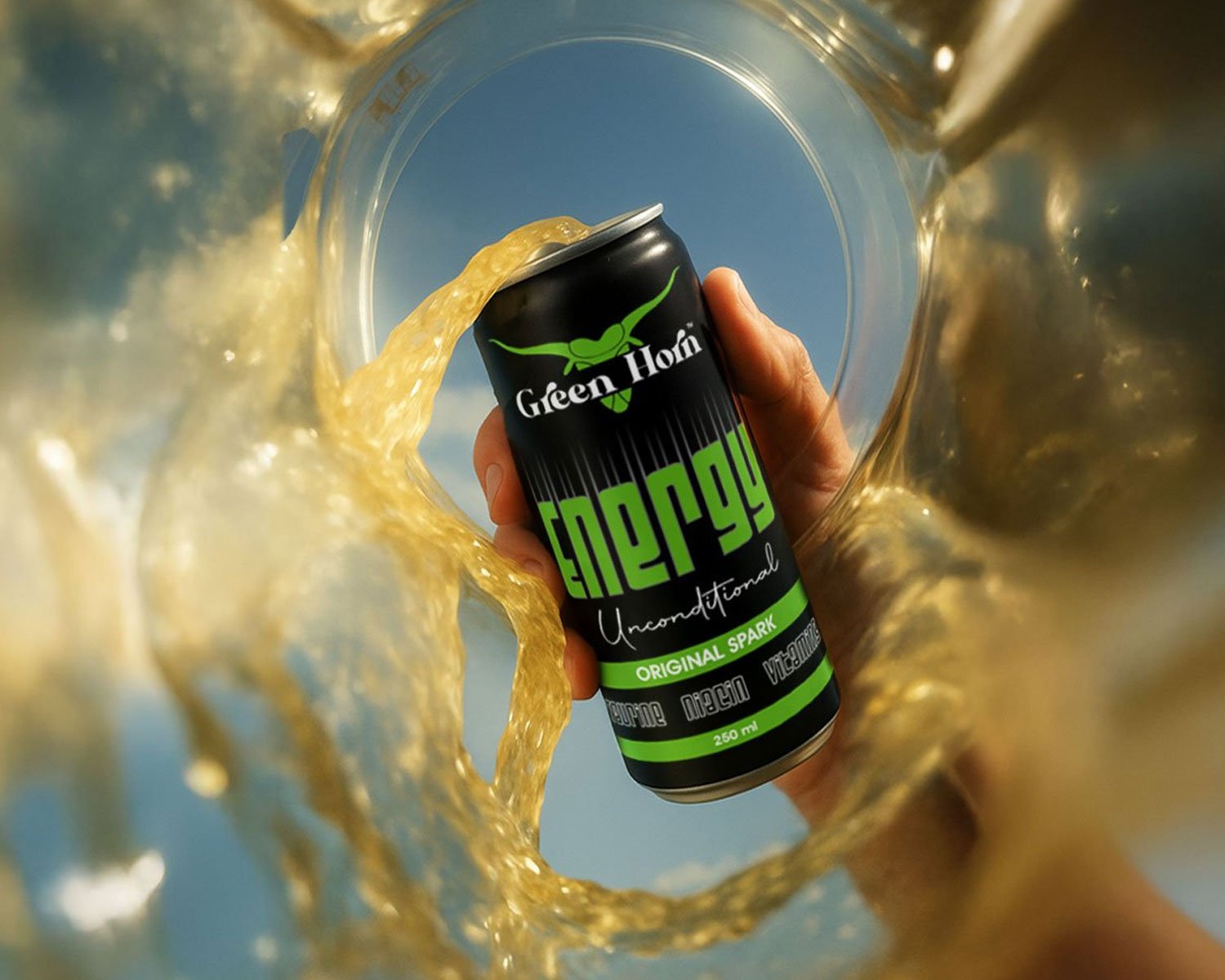
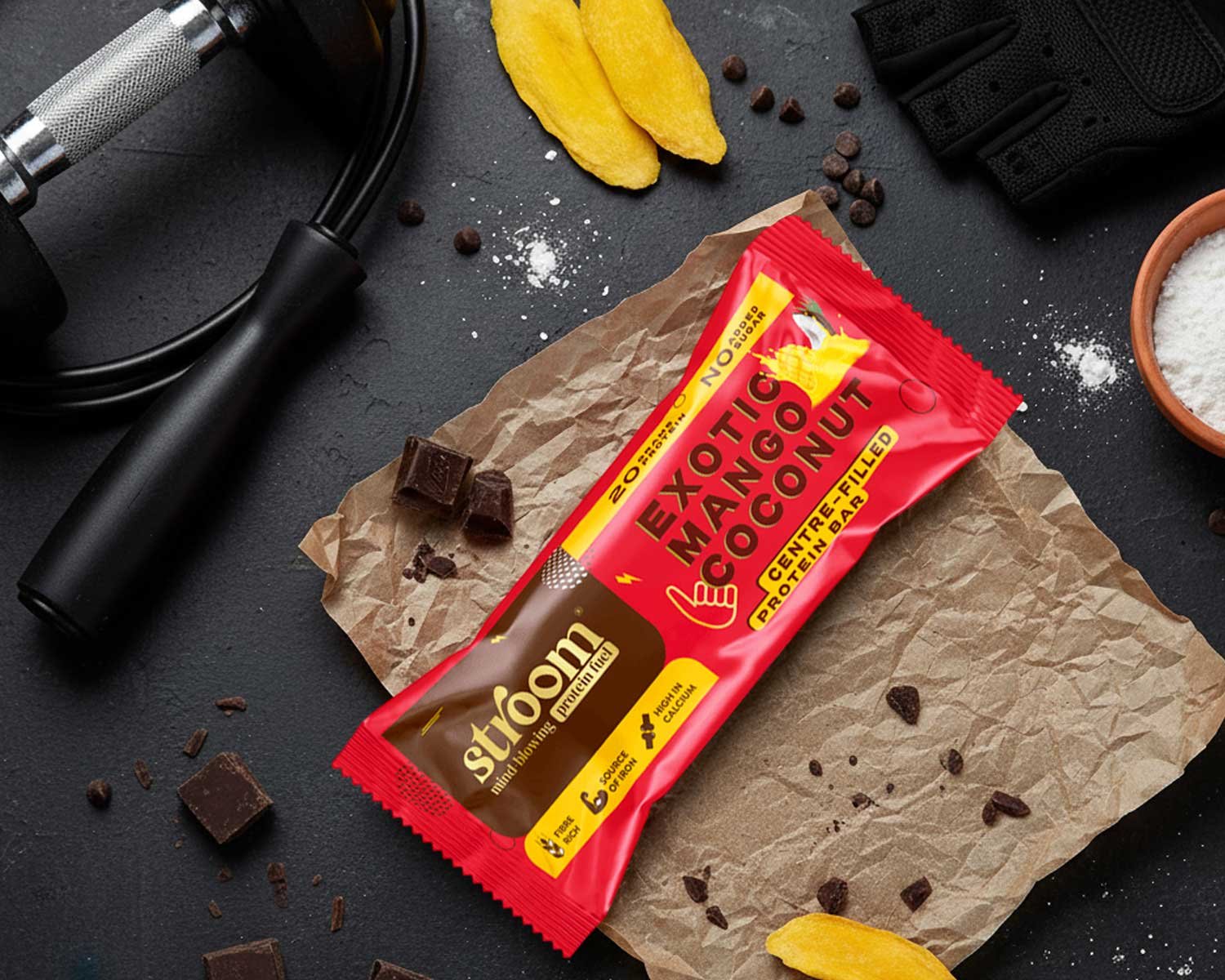
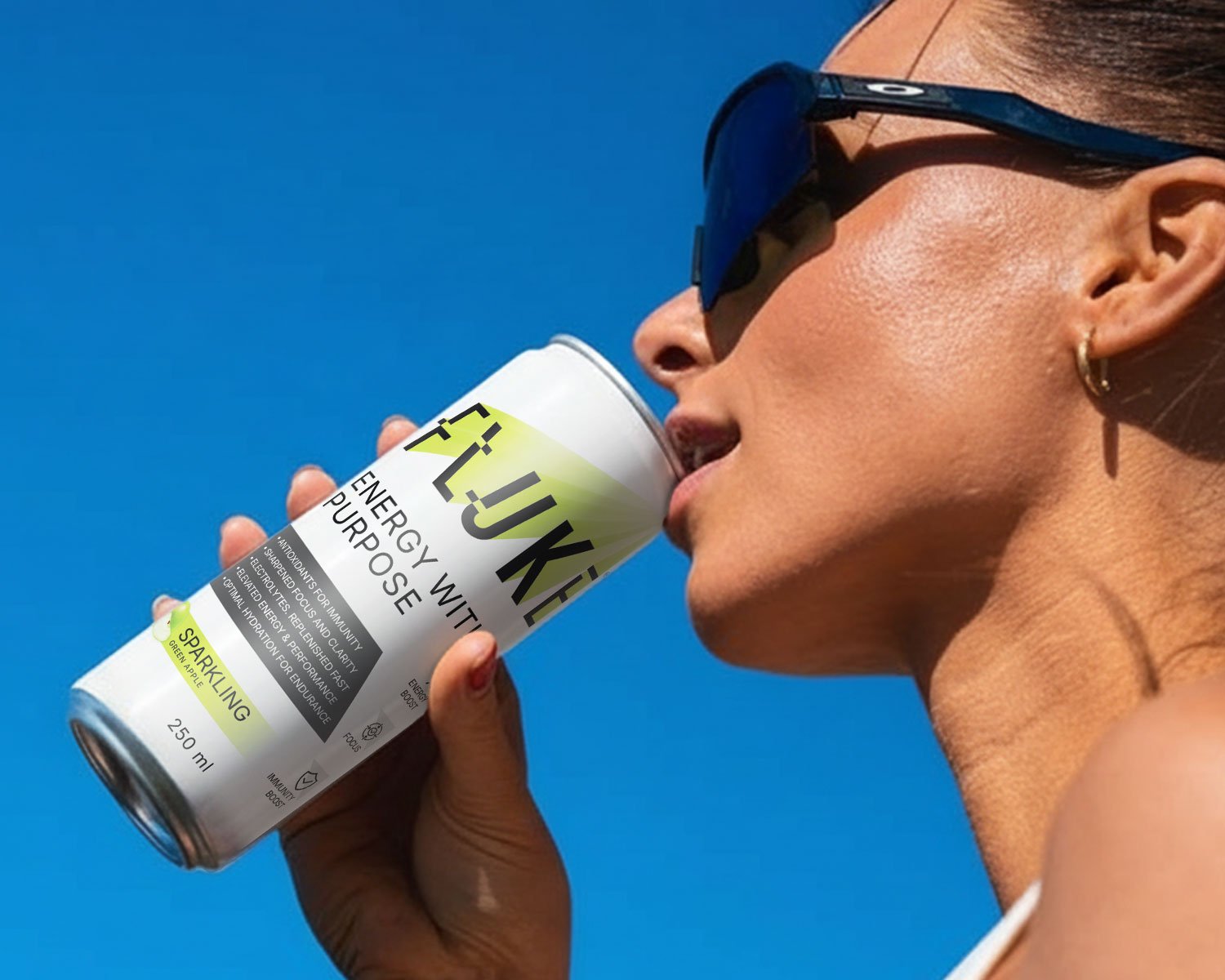
For energy bars and functional drinks, shelf life directly affects profitability and customer trust. That’s why integrating new product development packaging during the R&D stage is essential. If packaging fails, even the best formulation won’t survive on the shelf.
Sustainability Is The New Synergy
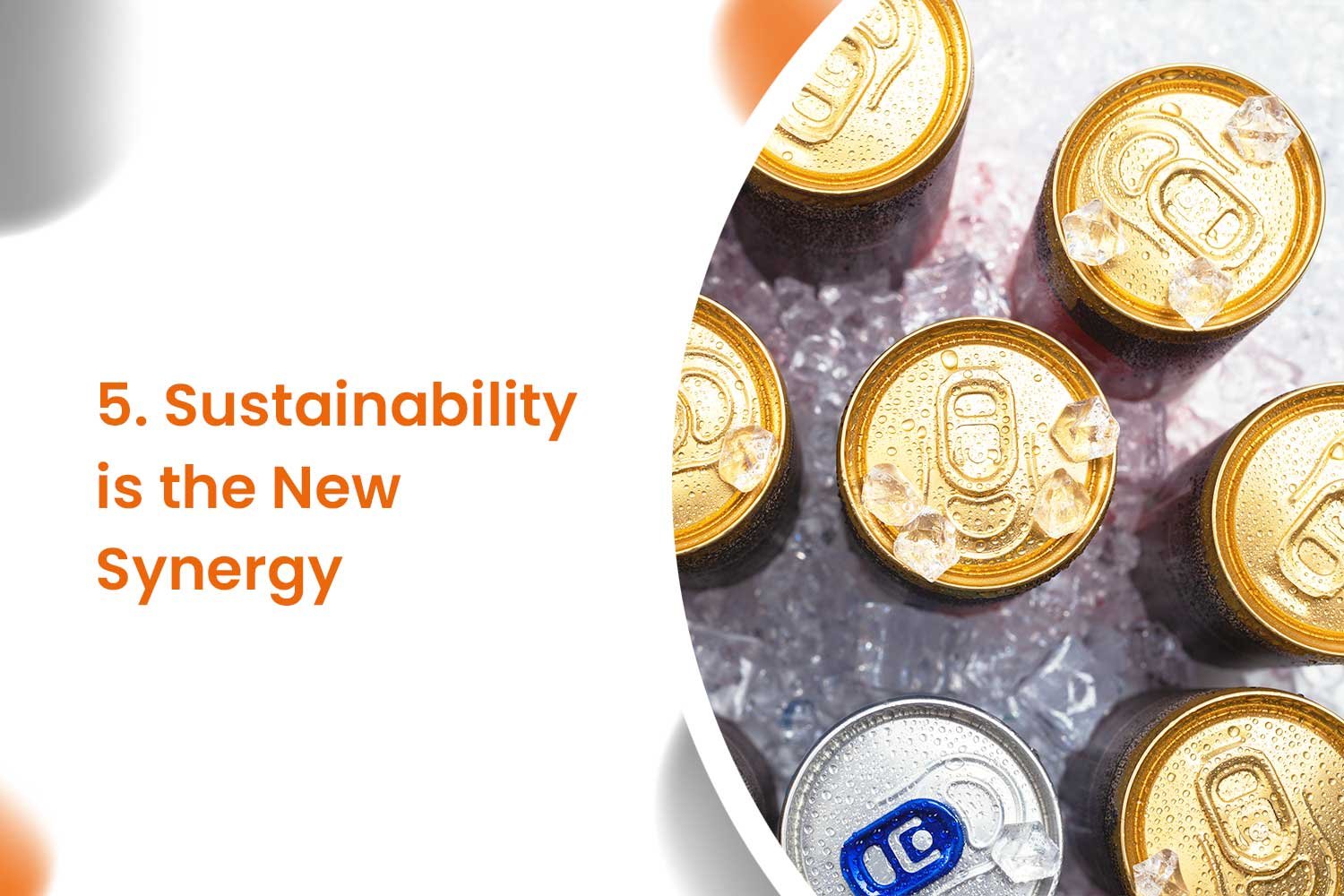
Eco-conscious consumers expect sustainable packaging in modern new food product development. They prefer recyclable food packaging, compostable materials, and reduced plastic use.
Brands adopting eco-friendly packaging solutions gain stronger positioning and customer trust. Sustainability is now a market expectation, not a choice.
Compliance & Legal Considerations
Smart Packaging Trends
With tech evolving, smart packaging design in the food industry is rising. QR codes, freshness indicators, and NFC-enabled storytelling are changing how consumers interact with products.
Imagine a jam bottle where scanning a code tells you the farm it came from. That’s transparency, and Gen Z loves it. Future-focused brands are already integrating such tools during their new food product development strategy phase.
Packaging As A Marketing Tool
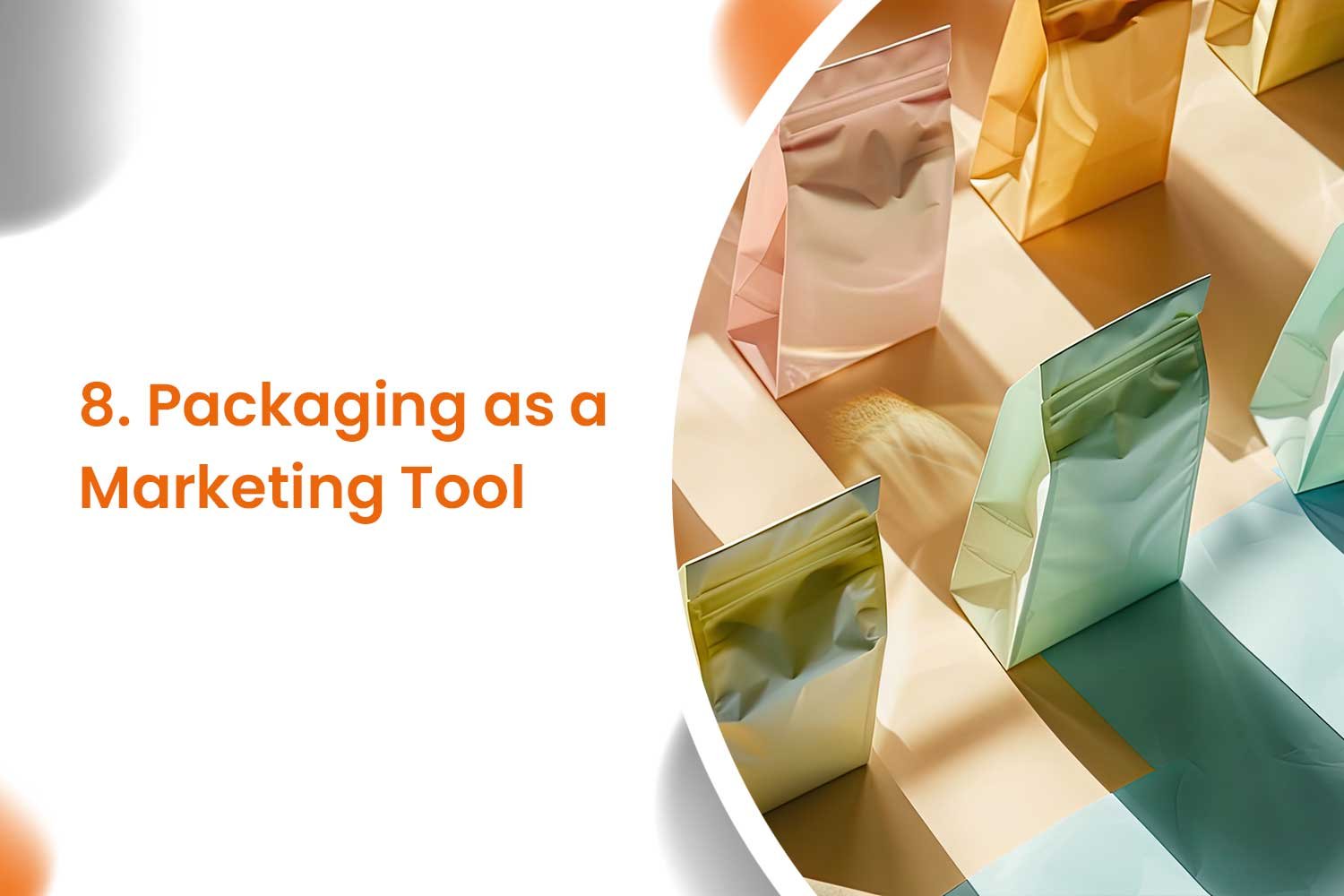
Don’t just see packaging design in the food industry as a post-production cost. Treat it like a marketing channel. A good unboxing experience increases repeat purchases, especially in the D2C space.
Example: A granola brand added motivational quotes inside every pack. Customers started sharing them online. That’s word-of-mouth marketing powered purely by packaging.
Your packaging design in new food product development can be your brand’s biggest advocate.
Cost vs. Impact: Smart Investment
Yes, custom packaging may cost more upfront. But if it boosts shelf life, builds brand loyalty, reduces returns, and enhances shelf visibility, it pays back 10x over.
Food packaging design strategy that tells your story + delivers functionality = long-term ROI.
Include packaging budgeting in your food product development strategy from Day 1.
Food Packaging Trends 2026
As we move into 2026, the world of packaging design for food products is changing fast, and it’s all about what consumers care about most: clarity, sustainability, and smart experiences.
If you’re developing a new food product, ask yourself:
- What story will my food packaging design tell?
- How will it feel in the user’s hand?
- Will it protect my product till the last mile?
- Does it support both in-store and e-commerce selling?
1. Simple & Honest Designs: Minimalist, transparent packaging builds trust and strengthens your food packaging design strategy.
2. Easy-to-Recycle Packaging: Mono-material packs support sustainability and improve the role of packaging in product development.
3. Nature-Based Materials: Biodegradable and plant-based packaging meet eco-conscious demand.
4. Personalised Print-on-Demand: AI-driven custom labels boost brand engagement.
5. Smart Protection: Temperature and light-resistant layers enhance shelf life for functional foods.
6. Interactive Packaging: AR-enabled and smart packaging increases customer engagement and brand experience.
Packaging Is Not An Afterthought
To wrap it all up (pun again!), the packaging design is not just a pretty cover. It is a strategic pillar in food innovation. The brands that realise this early are the ones that lead, not just in taste, but in trust, shelf space, and sales. Now you know the best packaging design strategies for food startups, let’s take a step forward with Foodsure.
Packaging design in new food product development is not the end of the journey; it is the doorway to your customer’s first bite. Contact us now at +91 8130404757
FAQs
Q1. What is the importance of packaging design in food product development?
Packaging design helps communicate product value, protect food quality, and support a successful product launch.
Q2. How does packaging help maintain food freshness?
It controls moisture and oxygen exposure, preventing contamination and extending shelf stability.
Q3. Why is packaging design critical for branding?
The design, colours, messaging, and visual appeal create a strong brand identity and influence buyer perception.
Q4. What role does packaging play in consumer decision-making?
Attractive visuals, clear labels, and convenience features encourage consumers to choose one product over another.
Q5. What types of materials are commonly used in food packaging?
Paper-based packs, biodegradable plastics, flexible films, aluminium, glass, and sustainable compostable materials.
Q6. How does packaging improve product safety?
It acts as a barrier against contamination, physical damage, and environmental exposure.
Q7. What is sustainable packaging in food products?
It includes eco-friendly, recyclable, or biodegradable materials designed to reduce environmental impact.
Q8. Why is label clarity important in packaging design?
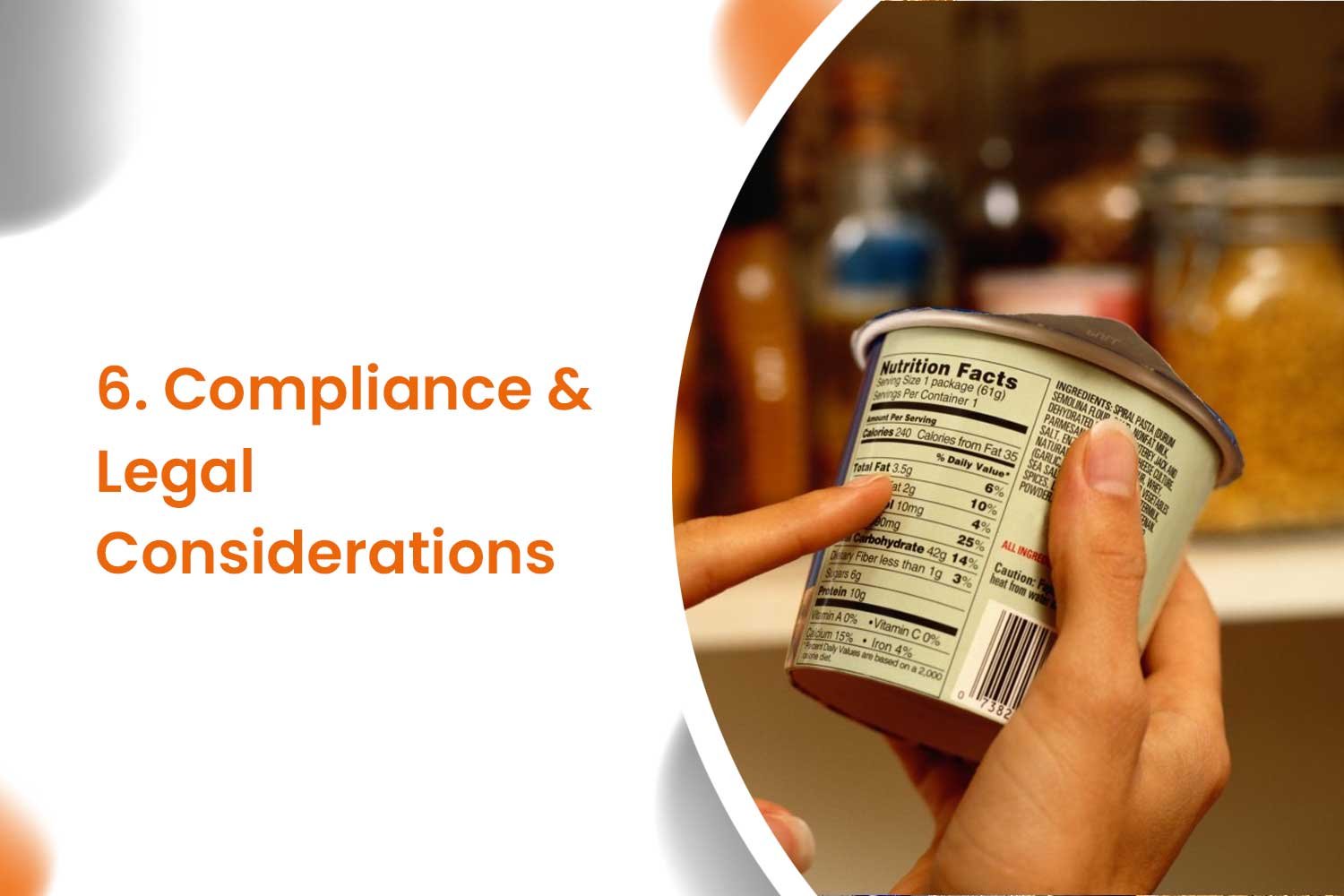
Clear labelling ensures consumers understand ingredients, nutrition, usage, and compliance information.
Q9. How does packaging influence product shelf visibility?
Strong colours, clean layouts, and unique shapes help products stand out among competitors.
Q10. What makes packaging user-friendly for consumers?
Easy-open features, resealable systems, ergonomic shapes, and portable formats increase convenience.