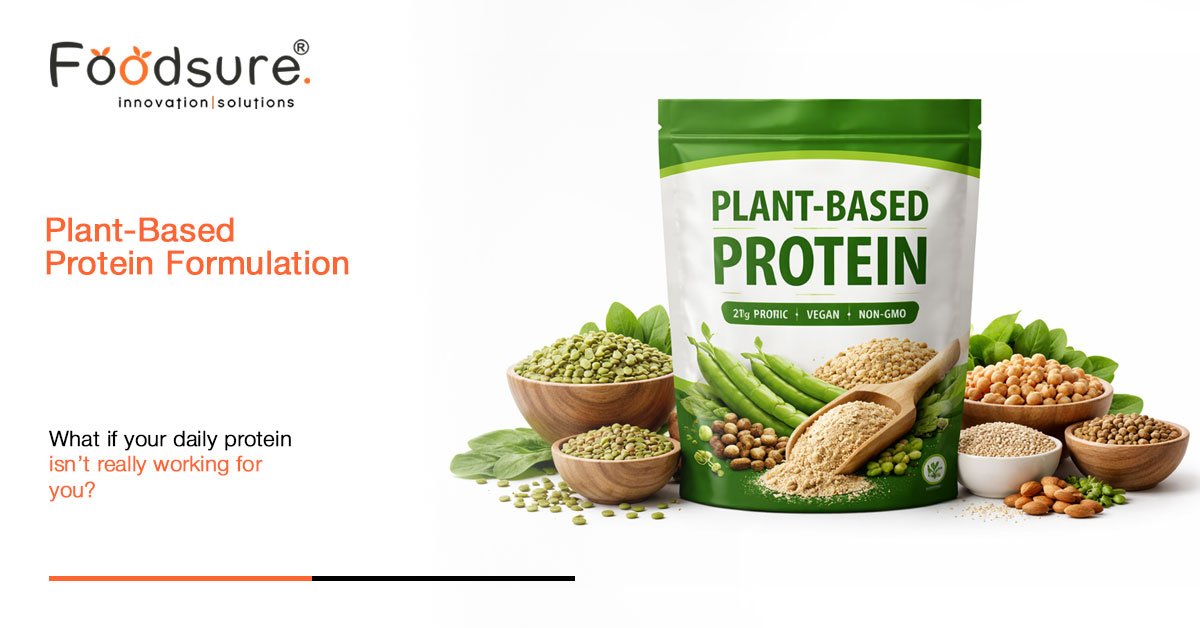
What if your daily protein isn’t really working for you? Why are people doubting whey and dairy, and how is plant-based protein formulation driving India’s shift to better alternatives?
Today, consumers are intentional eaters. It could be athletic ambitions, moral decision-making, or chronic illnesses, but protein has become the focal point of contemporary nutrition discourse. The result of this change has been an exponential increase in the demand for plant-based alternatives, making the ability to formulate plant-based proteins one of the most expensive demands in the Indian food industry.
In India, Vegetarianism and lactose intolerance are not a is a long-term opportunity, and everyone is moving towards clean, effective, and convenient protein substitutes, whether it is gym goers, working professionals, or health-conscious families.
Why is Plant-Based Protein Formulation Booming in India?
The plant-based food product market in India is rapidly expanding due to shifting consumer trends and heightened awareness.
|
Metric |
Data Insight |
|
Global Plant Protein Market |
Expected to reach $21.23 billion by 2027 |
|
India Plant-Based Market |
Estimated $ 2,983.1 million by 2030 |
| Growth Rate |
CAGR of 11.8% in India |
| Key Drivers |
Veganism, lactose intolerance, fitness, and sustainability |
Over 60% of Indian consumers are protein-deficient, creating massive demand for accessible protein sources.
Plant-Based Protein Formulation: Step-by-Step Process
1. Identify Target Consumer Segment
Before starting formulation, define your audience clearly. This is a critical step in vegan protein product development in India:
- Fitness fans (high protein, low carbs)
- General wellness consumers (balanced nutrition)
- Children or old (light digestibility)
- Vegan/vegetarian consumer (clean-label target)
Its formulation differs greatly in terms of protein content, taste profile, and benefits of functionality.
2. Select the Right Protein Source
The selection of the appropriate protein base is important based on taste, nutrition, and cost.
|
Protein Source |
Benefits | Challenges |
|
Pea Protein |
High protein, good digestibility | Slight earthy taste |
|
Rice Protein |
Hypoallergenic, smooth texture |
Lower lysine content |
| Soy Protein | Complete protein |
Allergen concerns |
| Chickpea Protein | Local availability |
Strong flavor |
| Mung Bean Protein | Clean label appeal |
Cost |
Pea protein rice protein formulation is the most popular and balances the amino acid profile and enhances taste.
3. Balance Amino Acid Profile
Individual plant proteins are not complete. Spinning is a way to make a complete protein.
- Pea + Rice = Amino acid profile is complete
- Tack on BCAAs as a sports nutrition supplement
- Enhance with vitamins (B12, D) among vegans
Get PDCAAS (Protein Digestibility Corrected Amino Acid Score) near 1.
4. Work on Taste Masking & Flavour Optimisation
Taste is one of the largest issues in vegan protein product development in India.
Common issues:
- Bitterness
- Chalky texture
- Earthy aftertaste
Solutions:
- Natural flavour masking agents
- Cocoa, vanilla, or fruit flavour
- Monk fruit or stevia sweeteners
- Microencapsulation techniques
5. Choose the Right Format
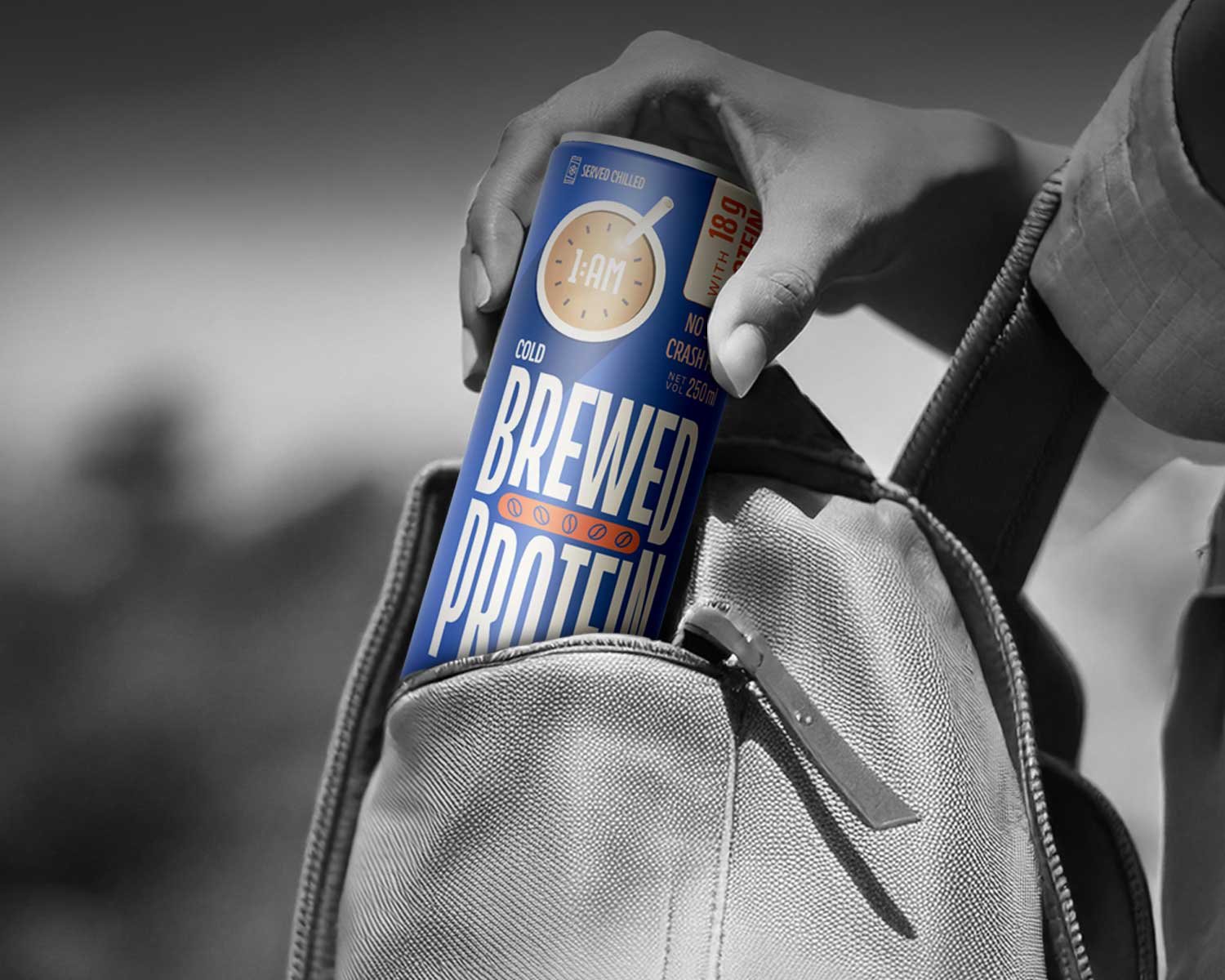
Format innovation should be part of your plant protein food product India strategy:
|
Format |
Popularity | Use Case |
|
Protein Powder |
High | Fitness segment |
|
Ready-to-Drink (RTD) |
Growing |
Convenience |
| Protein Bars | High |
Snacking |
| Protein Snacks | Emerging |
Mass market |
| Dairy Alternatives | High |
Vegan segment |
6. Functional Ingredient Integration
To be unique within the plant protein food product India market, add functional benefits:
- Prebiotics (gut health)
- Adaptogens (ashwagandha, turmeric)
- Omega-3 (flaxseed, chia)
- Fibre blends
This makes your product more of a functional nutrition product than just protein.
7. Texture & Solubility Optimisation
Repeat purchase depends greatly on texture.
Key parameters:
- Water solubility
- Mouthfeel
- Mixability
Techniques:
- Use emulsifiers (sunflower lecithin)
- Optimise particle size
- Spray drying for powders
8. Shelf Life & Stability Testing
To become a successful commercial, make sure:
- Minimum 6 – 12 months shelf life
- Various climate conditions (particularly Indian humidity)
- Packaging compatibility
Testing includes:
- Microbial analysis
- Nutrient degradation
- Sensory changes
9. Regulatory Compliance in India
Any protein isolate formulation in India shall be in accordance with FSSAI.
Key requirements:
- FSSAI license
- Marking compliance (protein claims, vegan claims)
- Nutritional panel accuracy
- Ingredient approvals
10. Cost Optimisation & Scalability
India is a market that is sensitive to price. Strike the right balance between cost and quality.
Cost factors:
- Raw material sourcing
- Import vs local protein
- Manufacturing scale
- Packaging
Key Challenges in Plant-Based Protein Formulation
|
Challenge |
Impact | Solution |
|
Taste issues |
Low repeat purchase |
Flavor masking |
| High cost | Limited market reach |
Local sourcing |
| Low awareness | Slow adoption |
Education marketing |
| Texture problems | Poor experience |
Process optimization |
Trends Shaping the Indian Plant Protein Industry
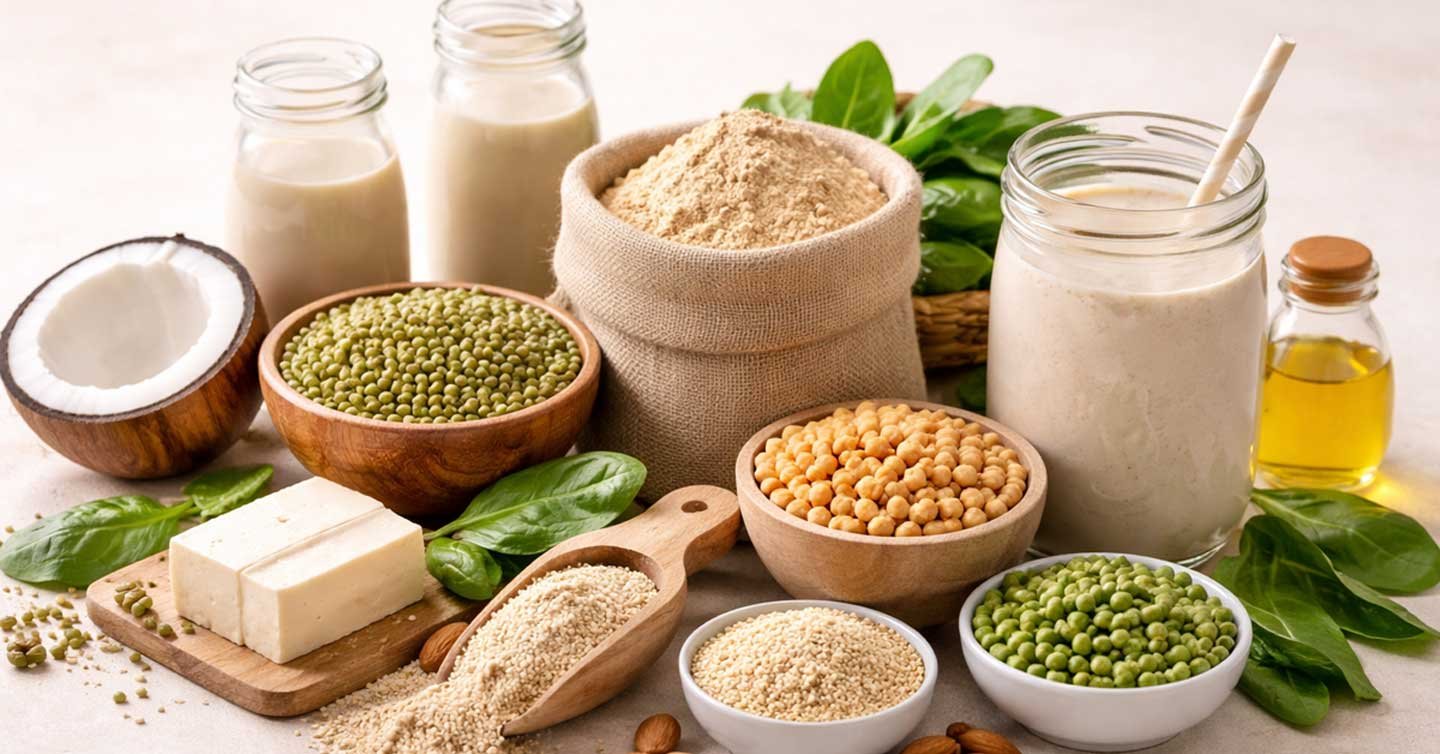
In the evolving plant-based food product India market, key trends shaping growth include:
- Rise of clean-label products
- Allergen-free proteins
- D2C nutrition brand growth
- Greater attention to sustainability
- Individuated nutritional products
Consumers in cities are ready to spend more on high-quality plant-based protein products.
How Foodsure Helps You Succeed
At Foodsure, we are a team of end-to-end plant-based protein formulation and protein isolate formulation experts, based in India.
Our Capabilities:
- Selection and sourcing of ingredients
- Pea protein rice protein formulation (custom formulation)
- Taste masking/flavour development
- FSSAI: regulatory compliance
- Pilot trials & scale-up
- Packaging testing and shelf-life tests
We facilitate brands in their transition between idea and commercial introduction.
Call Foodsure for Professional Food & Beverage Product Development
Need help starting up your own plant-based protein product?
We can help you:
- Design superior quality, commercially viable formulations.
- Sail through FSSAI compliance.
- Maximise scalability, taste, and cost.
- Go live with pro assistance.
Contact us at +91 8826313121 and make your idea a successful product in the Indian market today!
FAQs
What is the formulation of plant-based protein?
The production of protein-based food products with the use of plant sources such as pea, rice, soy, or chickpea, while maintaining nutrition, taste, and stability, is called plant-based protein formulation.
What is the best plant protein in India?
Rice protein mixed with pea protein is the most popular as it contains balanced amino acids, and it is more digestible.
What do you do to enhance the flavour of plant protein foods?
Flavour masking agents, natural flavours, sweeteners, and sophisticated processing methods can be used to enhance taste.
Is plant protein superior to whey protein?
Plant protein is best with vegans and lactose-intolerant people, as well as with clean-label seekers, but whey is more bioavailable.
How much would the development of plant protein products cost in India?
Development costs range between ₹2 lakh and ₹10 lakh and will depend on the ingredients, complexity of the formulation, and scale when developing.
Do I require FSSAI approval for protein products?
Yes, any protein food product is subject to FSSAI standards, such as licensing, labelling, and ingredient approvals.
What formats are popular in plant-based protein products?
Protein powders, RTD beverages, bars, and snacks are the most popular formats in the Indian market.